52TOYS

Search documents
外媒:中国潮玩风靡海外,收获情感共鸣
Zhong Guo Qing Nian Bao· 2025-06-22 22:51
Group 1 - The LABUBU doll, characterized by its unique design, has gained global popularity, leading to a buying frenzy and endorsements from numerous celebrities [2][3] - The success of LABUBU has highlighted the growing influence of Chinese trendy toys on modern global consumer culture, with significant media coverage noting its impact [2][4] - Bubble Mart, the manufacturer of LABUBU, has temporarily halted sales of the product in South Korea and the UK due to safety concerns, indicating challenges in managing its rapid growth [2][3] Group 2 - The global performance of LABUBU has exceeded expectations, with significant resonance among international consumers, as noted by Bubble Mart's Americas head [3] - Other Chinese trendy toy brands, such as 52TOYS and TOP TOY, are also expanding their international presence, indicating a broader trend of Chinese brands entering global markets [3] - The rise of Chinese trendy toys reflects a shift in perception of "Made in China," moving away from low-cost manufacturing to a focus on unique storytelling and aesthetics [4][5] Group 3 - The emotional value of trendy toys resonates particularly with Gen Z and millennials, who appreciate the imaginative aspects of these products despite their lack of traditional utility [5] - The success of LABUBU demonstrates that Chinese brands can win over global consumers by tapping into universal emotional connections without overtly emphasizing their Chinese origins [5] - The increasing visibility of Chinese cultural products, including trendy toys, is reshaping international perceptions and fostering a deeper understanding of China [6]


中金 | 潮玩系列#4:全球IP生命周期复盘启示录
中金点睛· 2025-06-20 00:10
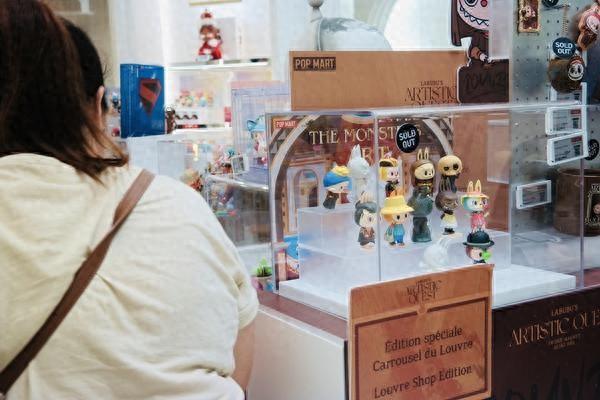
Core Viewpoint - The article discusses the growth and lifecycle of IPs (Intellectual Properties) in the global market, particularly focusing on the success of domestic潮玩 (trendy toys) leaders like Labubu, and analyzes the operational strategies of world-class IPs such as Hello Kitty, Pokémon, and Mickey Mouse to identify potential investment opportunities and risks in the IP industry [1][4]. Global IP Market Overview - The global IP toy market is projected to reach 525.1 billion yuan in 2024, with a CAGR of 8% from 2024 to 2029, while the Chinese IP toy market is expected to grow to 75.6 billion yuan in 2024, with a CAGR of 17.2% during the same period [2][13]. - The concentration of the global IP licensing market has increased, with the top five companies holding a market share of 41% and the top ten at 54% as of 2024, indicating a trend towards market consolidation [2][21]. IP Lifecycle Model - The IP lifecycle is divided into four stages: birth, breakthrough, sedimentation, and stabilization, with each stage requiring different operational strategies to ensure longevity and profitability [3][30]. - Successful IPs often exhibit a high degree of adaptability and resource allocation, which are crucial for navigating through different lifecycle stages [3][30]. Case Studies of World-Class IPs - Hello Kitty, Mickey Mouse, and Pokémon have each experienced distinct lifecycle phases, with their peak GMV values reaching approximately 3.8 billion, 10 billion, and 12 billion USD respectively, showcasing their commercial viability and cultural significance [4][52]. - The commercial success of these IPs is influenced by factors such as brand inclusivity, geographic reach, and diverse monetization strategies, which can provide valuable insights for the domestic潮玩 industry [4][52]. Operational Strategies - Hello Kitty's operational strategy has evolved through various phases, including initial expansion, global breakout, adjustment periods, and digital transformation, highlighting the importance of adaptability in maintaining relevance [53][56]. - Mickey Mouse has maintained a stable brand presence through consistent content updates and a strong licensing model, benefiting from its deep-rooted cultural significance in the U.S. [57][59]. - Pokémon has leveraged continuous content innovation and a broad commercial ecosystem, including games, merchandise, and media, to sustain its popularity and revenue growth [60][62]. Conclusion - The analysis of these IPs illustrates that a well-structured operational strategy, combined with an understanding of market dynamics and consumer preferences, is essential for the longevity and profitability of IPs in the competitive landscape [3][4][30].

聚焦|中国潮玩出海成外贸新风口
Guang Zhou Ri Bao· 2025-06-19 15:58
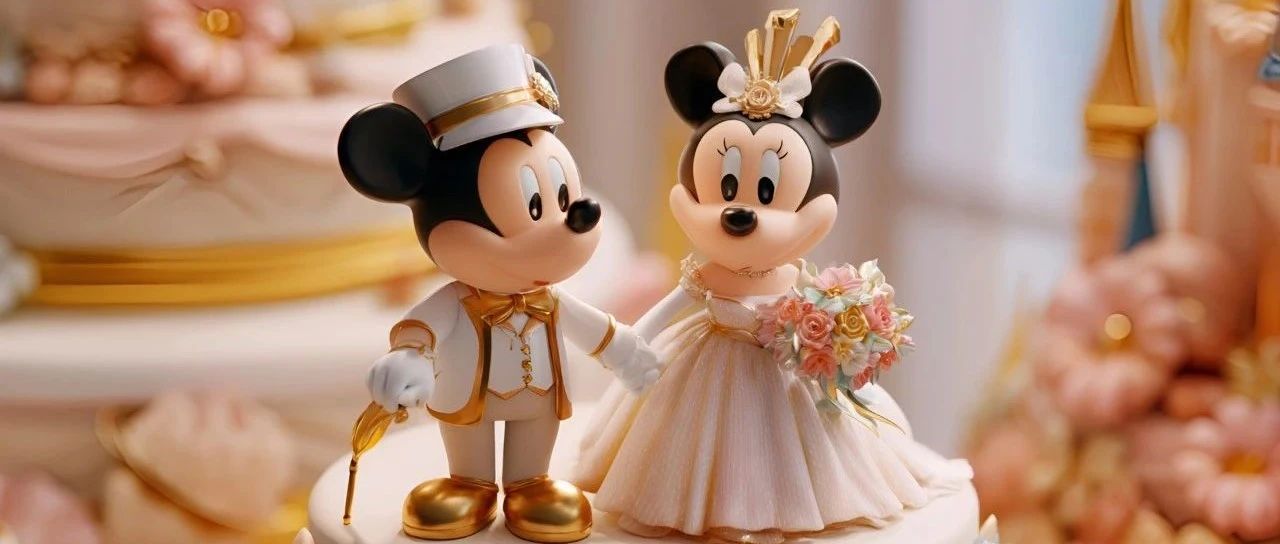
Core Insights - The Chinese潮玩 (trendy toys) industry is experiencing significant growth in international markets, with brands like Pop Mart and 52TOYS gaining popularity among foreign buyers [1][2] - The overseas sales of潮玩 have surged, with Pop Mart's GMV increasing by 300% in the first half of the year, and its overseas market performance growing nearly 480% [2][3] - The global潮玩 market is in a rapid expansion phase, with a projected growth from 631.2 billion yuan in 2019 to 993.7 billion yuan by 2028, reflecting a compound annual growth rate of 5.2% [3] Market Trends - The recent overseas 618 shopping festival saw Pop Mart's live stream attract 240,000 viewers, indicating a strong demand for潮玩 [1] - The success of潮玩 brands is attributed to their unique designs and limited edition releases, which resonate well with overseas consumers [2][3] - Social media platforms play a crucial role in promoting潮玩 culture, with significant user engagement driving sales [2] Strategic Recommendations -潮玩 companies are encouraged to adopt an "IP thinking" approach, focusing on creating and licensing innovative IPs to enhance their market presence [4][5] - Expanding into diverse commercial avenues beyond product sales, such as IP licensing and adaptations, can unlock larger market opportunities [6] - Companies like Aofei Entertainment are already leveraging their popular IPs to diversify into animation, licensing, and theme parks, showcasing the potential for a full industry chain [6] Challenges and Considerations - Despite the growth,潮玩 brands face challenges related to cultural differences, aesthetic preferences, and consumer habits in various regions [3] - Maintaining product quality and innovation is essential to prevent imitation and ensure the longevity of IPs in the competitive market [8] - The balance between rapid expansion and quality control is critical for潮玩 brands to transition from "phenomenal hits" to "global classics" [8]
传媒行业半年度策略:多主线布局,攻守兼备
Zhongyuan Securities· 2025-06-19 09:18
Group 1 - The media sector has shown excellent performance over the past year, with a significant increase of 36.04%, outperforming the CSI 300 index by 26.45 percentage points [10][11][15] - In 2024, the media sector's overall performance declined, with total revenue of 549.80 billion yuan, a slight decrease of 0.10%, and a net profit of 17.88 billion yuan, down 56.58% year-on-year [17][20] - The first quarter of 2025 saw a recovery in the media sector, with revenue reaching 134.23 billion yuan, an increase of 5.02%, and net profit rising by 44.47% to 11.03 billion yuan [20][21] Group 2 - The gaming industry is experiencing stable growth, with the domestic gaming market size reaching approximately 325.78 billion yuan in 2024, a year-on-year increase of 7.53% [29] - The overseas revenue from self-developed games reached 18.56 billion USD in 2024, marking a year-on-year growth of 13.39% [39] - The issuance of game licenses has increased significantly, with 1,306 domestic game licenses issued in 2024, a year-on-year increase of 33.67% [49][51] Group 3 - The IP derivative market is witnessing strong growth, with the global market size expected to reach 100 billion yuan by 2025, driven by the rise of new consumer demographics [6][9] - The publishing sector remains stable, with a solid demand for educational materials and a focus on high-dividend stocks for long-term returns [6][27] - The publishing sector's revenue in 2024 was 148.48 billion yuan, with a slight decrease of 2.46% year-on-year, but the first quarter of 2025 showed resilience with a revenue of 32.19 billion yuan [28][20]
魔幻Labubu:十年冷板凳,一朝青云梯
雪豹财经社· 2025-06-19 02:45
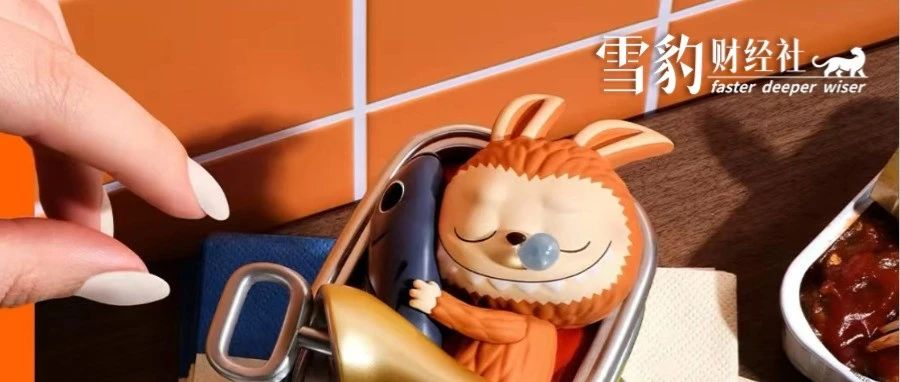
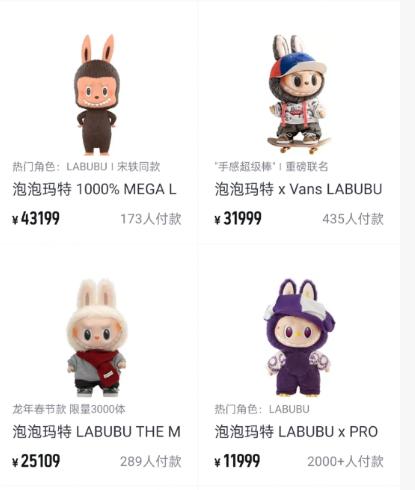
Core Viewpoint - The article discusses the rising popularity of Labubu, a character from Pop Mart, likening it to a "Chinese version of Hello Kitty," and highlights the significant market impact and investment potential associated with this trend [35]. Group 1: Market Dynamics - On June 18, Pop Mart experienced a significant restock of Labubu, leading to a surge in trading activity among resellers [2]. - The demand for Labubu has led to inflated prices, with some blind boxes selling for as much as 399 yuan, far exceeding the original price of 99 yuan [3][4]. - The popularity of Labubu has created a vibrant secondary market, with resellers employing various strategies to acquire and sell the product at a premium [6][23]. Group 2: Financial Performance - In 2024, Pop Mart achieved a revenue of 130.4 billion yuan, a 106.9% increase from 2023, with The Monsters series IP revenue skyrocketing by 726.6% to over 30 billion yuan [16]. - The company's gross margin reached 66.8% and net margin 25.4% in 2024, outperforming competitors in the consumer sector [27]. - Pop Mart's market capitalization exceeded 360 billion HKD, reflecting strong investor interest and confidence in its growth trajectory [15]. Group 3: IP Strategy - Pop Mart has successfully leveraged the "IP + blind box" business model since launching its first blind box product featuring MOLLY in 2016 [7]. - The company operates over 100 IPs, with a significant focus on self-owned and exclusive licensed IPs, which accounted for 85.3% of revenue in 2024 [32][34]. - The unpredictable nature of IP success necessitates a broad portfolio approach, allowing for multiple opportunities to create hit products like Labubu [31][33]. Group 4: Consumer Behavior - The article notes a shift in consumer perception, where initial skepticism towards Labubu has transformed into widespread enthusiasm, driven by social media and influencer endorsements [21][22]. - The allure of Labubu is not only aesthetic but also tied to the scarcity and exclusivity of the product, leading to a complex mix of motivations among buyers [22]. - The phenomenon of resellers and counterfeit products has emerged, complicating the purchasing landscape for consumers seeking authentic Labubu items [26][25].
杜华家的WAKUKU都炸出来了?LABUBU带得多少潮玩圈待爆“丑娃”扎堆涨价
3 6 Ke· 2025-06-18 08:47
Core Insights - The price of LABUBU collectibles has skyrocketed, with some limited edition figures selling for as much as 1.08 million yuan, while regular blind box figures are reaching around 4,000 yuan [1][3] - The emergence of new collectible figures, such as "Crybaby" and "WAKUKU," is creating speculation about their potential to replicate LABUBU's success, with prices for these figures also experiencing rapid increases [3][5] - The popularity of these collectibles is significantly influenced by celebrity endorsements, particularly from figures like Lisa, which has propelled the visibility and desirability of these products [5][12] Pricing Trends - The resale market for LABUBU and similar collectibles has seen dramatic price increases, with some figures rising from 600 yuan to 3,000 yuan within days [7] - New brands are attempting to capitalize on LABUBU's popularity, with figures like WAKUKU and others reaching resale prices of 888 yuan [9][15] - The demand for LABUBU has led to a scarcity in official channels, with reports of items selling out almost instantly upon restocking [17] Market Dynamics - The collectible toy market is becoming increasingly competitive, with various brands vying to create the next big hit following LABUBU's success [10][19] - Companies like 52TOYS and TOP TOY are expanding their operations, with 52TOYS planning a public listing and TOP TOY opening new stores, indicating a growing interest in the collectible toy sector [19][20] - The overall market remains fragmented, with significant opportunities for brands to establish sustainable revenue streams beyond just creating popular IPs [20]
万达电影发布1+2+5战略版图,董事长陈祉希:摆脱路径依赖、重塑增长逻辑
IPO早知道· 2025-06-17 01:32
Core Viewpoint - Wanda Film is reshaping its growth logic and expanding its growth space through the "Super Entertainment Space" strategy, which integrates various business segments to create a cohesive ecosystem [4][10]. Group 1: Strategic Framework - The "1+2+5" strategic framework includes one Super Entertainment Space, two markets (domestic and international), and five business segments: cinema, film and television series, strategic investment, trendy toys, and gaming [3][4]. - The five business segments are interconnected and aim to operate independently while achieving success in their respective fields [4]. Group 2: Business Performance and Innovations - Wanda Film has maintained its position as the box office champion for 16 consecutive years, but recognizes the need for innovation and change in the industry [6]. - The company has introduced the concept of "entertainment experience worldview" and "life docking system" to enhance the cinematic experience and broaden its appeal [6][8]. - In the past 500 days, Wanda Film has successfully integrated its advantages across the entire industry chain, resulting in significant achievements in film and television production, with six films in the annual box office top 10 [10]. Group 3: Revenue Growth and Market Expansion - The gaming segment, "Mutual Love Interactive," has seen over 50% year-on-year revenue growth, with overseas revenue increasing by 197% [11]. - Collaborative activities with popular games like "Genshin Impact" have generated over 640 million in GMV, with 40% of participants being under 25 years old [11]. Group 4: New Business Ventures - Wanda Film has established a strategic investment department to nurture new consumer trends and develop super IPs and brands [16]. - The company has invested in 52TOYS, which has a global market presence and aims to develop IP toys in collaboration with Wanda Film [17]. - The "Ying Shiguang" trendy toy segment aims to integrate storytelling and emotional engagement from films into tangible products [19]. Group 5: Future Vision - The gaming division envisions breaking traditional barriers between gaming and film, leveraging Wanda Film's capabilities in film production, cinema resources, and game development [21].


泡泡玛特赛道开始大堵车
3 6 Ke· 2025-06-16 03:46
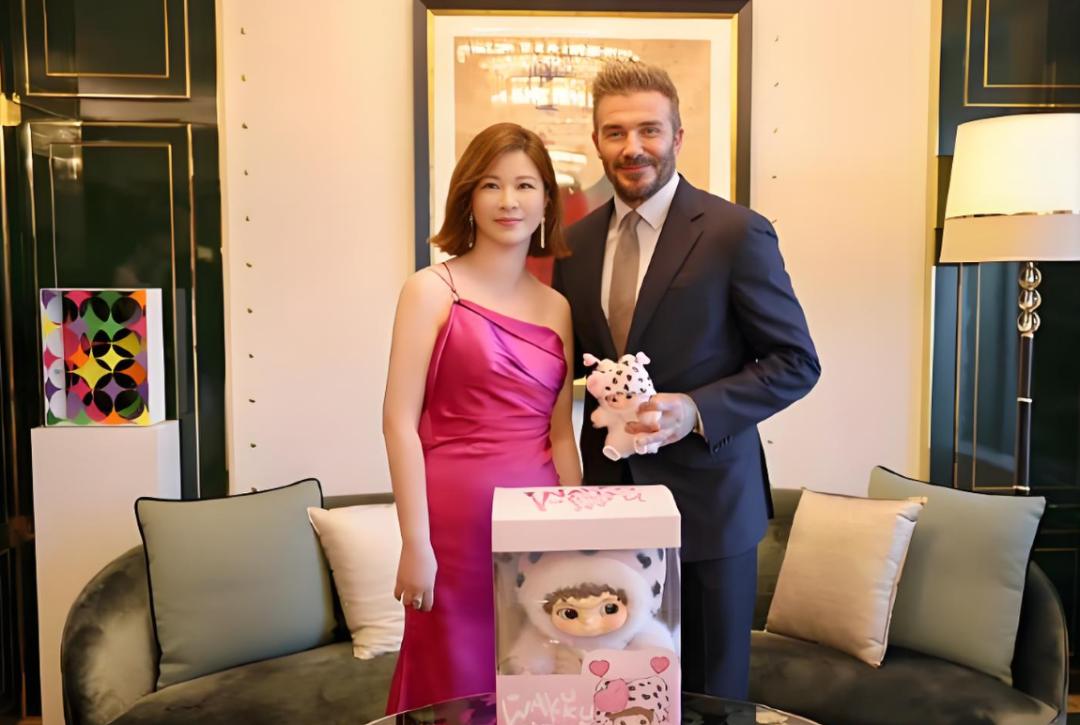
Core Insights - The resurgence of Pop Mart's stock price, which has increased over 12 times in a year and a half, has significantly boosted the wealth of its founder, Wang Ning, to over 150 billion yuan, while the company's market value has reached over 370 billion HKD [1] - The success of Pop Mart has revitalized the entire collectible toy industry, prompting reflections on the underlying logic of the collectible toy market [1] Company Developments - A new collectible toy IP, WAKUKU, has emerged, backed by a company called Quantum Song, which recently transitioned from adult education to the collectible toy sector, inspired by Pop Mart's success [2][3] - Quantum Song's stock price surged from $2.16 to $9.24, marking a 327.78% increase, as it seeks to establish a foothold in the collectible toy market [3] - Quantum Song has made strategic acquisitions, including a 61% stake in Letsvan, a company specializing in collectible toy design and sales, for a total cash consideration of 235 million yuan [3] Market Trends - The collectible toy industry is witnessing a shift from a fragmented market to a more concentrated one, with leading players like Pop Mart benefiting from increased market share as weaker competitors exit [15] - The industry is also seeing a trend towards high-margin IP-driven models, with Pop Mart's self-owned IPs contributing significantly to its revenue and profitability compared to competitors relying on licensed IPs [14][11] Competitive Landscape - 52TOYS, another player in the collectible toy market, has recently filed for an IPO and completed a C+ round of financing totaling 144 million yuan, indicating a renewed interest in the sector [8][9] - Despite its efforts, 52TOYS has struggled with profitability, reporting a total loss of 19.5 million yuan over three years, and its market share is significantly lower than Pop Mart's [12][11] - TOP TOY, a sub-brand of Miniso, is also planning to go public, aiming to raise $300 million, highlighting the competitive dynamics in the collectible toy space [9] Industry Dynamics - The collectible toy market is evolving with new consumer behaviors, where emotional value and brand loyalty are becoming more significant than mere novelty [14] - The interplay between collectible toys and celebrity endorsements is becoming a common marketing strategy, as seen with WAKUKU's association with celebrities like David Beckham [4][6] - The industry's growth is also influenced by the luxury market dynamics, where high-priced collectible toys are gaining traction among consumers, although the sustainability of such trends remains uncertain [16]
泡泡玛特劲敌,要IPO了
华尔街见闻· 2025-06-15 10:08
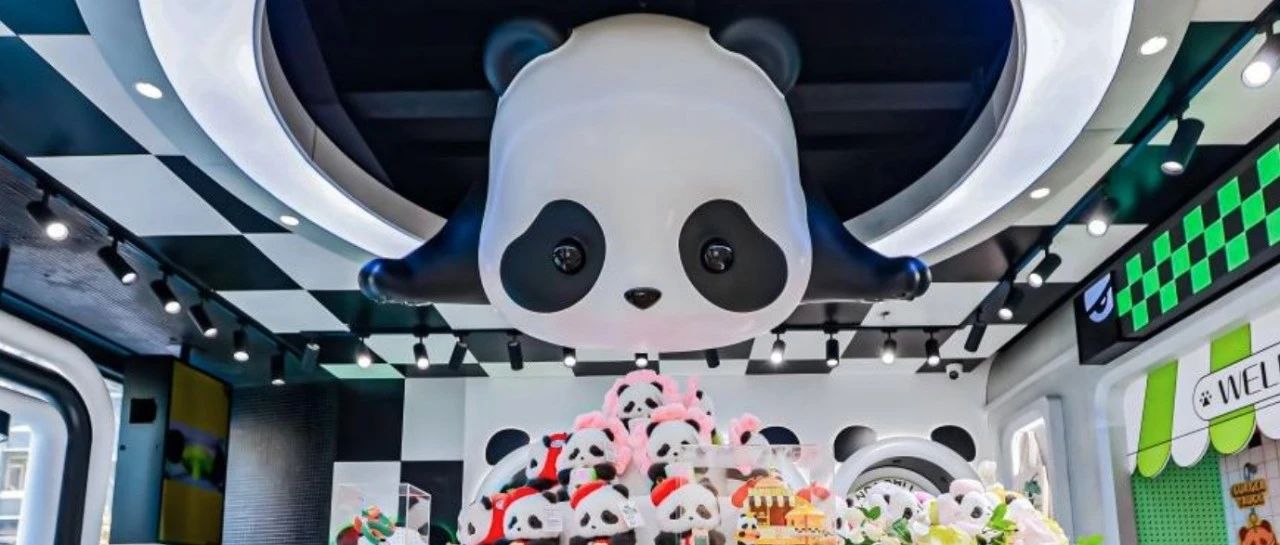
Core Viewpoint - 52TOYS is aiming to become the "Chinese version of Bandai" and is preparing for an IPO in Hong Kong, focusing on a diverse range of collectible toys and IP products, while differentiating itself from competitors like Pop Mart [1][10]. Company Background - Founded in May 2015 by Chen Wei and Huang Jin, 52TOYS started as a collectible toy company, leveraging their experience in the industry to create a brand that encompasses various toy categories including blind boxes and action figures [2][5]. - The company has developed over 100 self-owned and licensed IPs, including popular franchises like Crayon Shin-chan and Tom and Jerry, and has expanded its market presence internationally [3][5]. Financial Performance - 52TOYS has achieved a valuation exceeding 4.2 billion yuan, with significant investments from various venture capital firms, indicating strong market potential in the collectible toy sector [6][8]. - The company's revenue grew from 463 million yuan in 2022 to 630 million yuan in 2024, reflecting a compound annual growth rate of 16.7% [13]. Market Position and Competition - The collectible toy market in China is rapidly growing, with 52TOYS positioned as the second-largest multi-category IP toy company in the country, while also facing competition from Pop Mart, which has a significantly larger market capitalization [12][14]. - 52TOYS aims to carve out its niche in the collectible toy segment, emphasizing that it does not wish to replicate Pop Mart's model, but rather to establish itself as a leader in collectible toys [10][12]. International Expansion - The company is actively expanding its international footprint, with plans to enter Southeast Asia, Japan, South Korea, and North America, and has already established 90 overseas distributors and 16 licensed brand stores [3][14]. - 52TOYS' overseas revenue increased from 35.4 million yuan in 2022 to 147 million yuan in 2024, achieving a compound annual growth rate of over 100% [14].
“左手永辉,右手潮玩” 叶国富的资本赌局
Xin Jing Bao· 2025-06-13 14:03
Core Viewpoint - The founder of MINISO, Ye Guofu, is targeting the booming IP economy and toy market by planning to raise approximately $300 million through the potential spin-off listing of its toy brand TOP TOY in Hong Kong, aiming to optimize shareholder value [2] Company Overview - TOP TOY, established under MINISO, has rapidly expanded its store count to nearly 300 within five years, positioning itself as a trendy toy collection store [2][3] - As of the end of 2024, TOP TOY plans to launch around 11,000 SKUs, covering various toy categories [3] Financial Performance - TOP TOY reported a revenue of 984 million yuan in 2024, a year-on-year increase of approximately 45%, with a GMV of 1.148 billion yuan, also up 41% [4] - In Q1 2025, TOP TOY's revenue reached 340 million yuan, marking a year-on-year growth of 58.9% [4] - Despite revenue growth, the average transaction price decreased from 121.3 yuan to 109.5 yuan, and the average product price fell to 57.8 yuan, down about 9% [4] Market Position and Strategy - The domestic IP toy market is projected to grow significantly, with a GMV of 756 billion yuan in 2024, expected to reach 1.675 trillion yuan by 2029 [6] - TOP TOY's reliance on external IPs for product offerings poses a risk, as it primarily collaborates with major IPs like Disney and Marvel, which may limit its ability to develop proprietary IPs [7] Expansion Plans - TOP TOY aims to open over 1,000 stores globally within five years, leveraging the extensive channel advantages of MINISO, which has over 7,780 stores worldwide [5][6] Challenges - MINISO's recent overseas expansion has increased costs, leading to a situation where revenue growth does not translate into profit, with Q1 2025 showing a decline in adjusted net profit [9] - The acquisition of Yonghui Supermarket has resulted in significant losses, with Yonghui's revenue declining by 14.07% in 2024 and continuing to face operational challenges [10]