洋河股份

Search documents
知名白酒纷纷卷向低价,谁买账?
Hu Xiu· 2025-07-13 01:24
Core Viewpoint - The Chinese liquor industry, particularly the baijiu sector, is experiencing a significant shift as consumer preferences evolve towards lower-priced, high-value products, while traditional high-end brands face declining sales and market pressure [3][4][8][15]. Group 1: Market Trends - The baijiu industry has been underperforming since 2021, with a notable decline in sales and market sentiment [3][4]. - The Chinese Alcohol Association predicts a better overall market outlook for 2025, but emphasizes the need for industry upgrades [5][8]. - High-end baijiu brands like Moutai and Wuliangye have seen significant price drops, with Moutai's price falling nearly 45% since 2022 [9][10]. Group 2: Consumer Behavior - There is a noticeable shift towards lower-priced, high-value "light bottle" baijiu, which is gaining popularity among consumers, particularly among low-income groups and migrant workers [16][19]. - The market for light bottle baijiu is projected to reach 150 billion yuan in 2024, with a compound annual growth rate of 17%, significantly outpacing the overall baijiu market [17]. - Young consumers are increasingly seeking lower-alcohol options and are less interested in traditional drinking culture, favoring products that offer better taste and lower alcohol content [27][28]. Group 3: Industry Challenges - The baijiu industry faces challenges in attracting younger consumers, who are inundated with various alcoholic beverage options [23][25]. - The perception that younger generations will naturally gravitate towards baijiu as they mature is seen as overly optimistic; proactive strategies are needed to engage this demographic [25][26]. - The industry must adapt to changing consumer preferences, focusing on brand modernization and appealing to younger audiences [26][27].
情况有点不对啊!外资持续抛售白酒行业了
Sou Hu Cai Jing· 2025-07-12 03:28
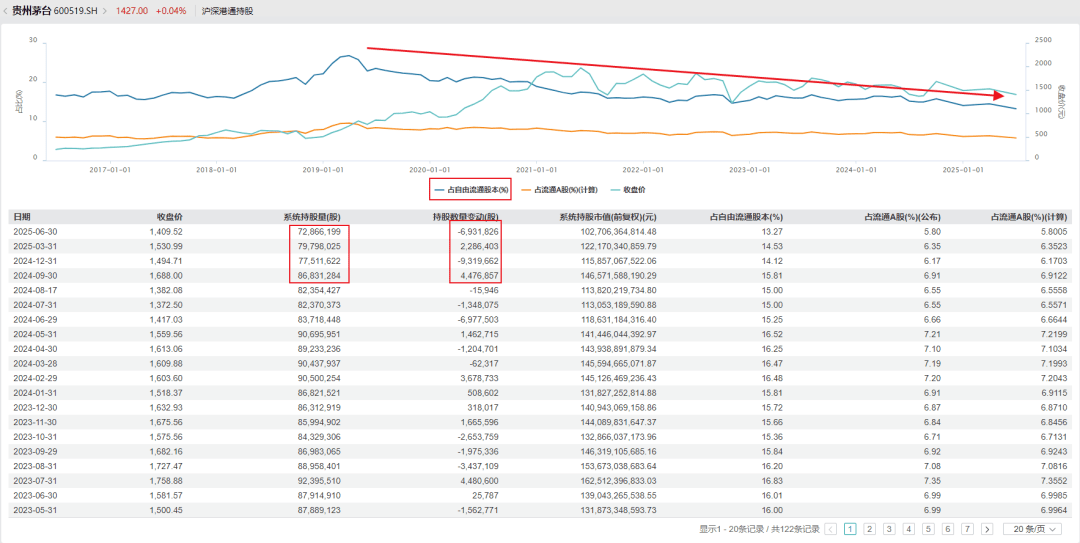
Group 1: Foreign Investment Trends in Baijiu Sector - Foreign investment in the baijiu sector has been decreasing, with Kweichow Moutai's foreign ownership dropping from 26% to nearly 13% over the past five years, representing a reduction of about 50% [1] - Other major baijiu companies have also seen significant reductions in foreign holdings, with Luzhou Laojiao decreasing from 8.1% to 4.5% (44% reduction), Yanghe from 27.4% to 3.5% (87% reduction), and Gujing Gong from 10.3% to 3.8% (63% reduction) [2] - Wuliangye has experienced a similar trend, with foreign ownership decreasing from 26% to approximately 7%, equating to a 73% reduction over the last five years [3] Group 2: Recent Performance and Forecasts - Recent quarterly data indicates that Kweichow Moutai had two quarters of net buying and two quarters of net selling, with total shares held decreasing from 87 million to 73 million, a 16% reduction over the past year [1] - Forecasts for the first half of 2025 suggest Kweichow Moutai will see a revenue growth of 9%, while Wuliangye is expected to grow by 1-2%, and Luzhou Laojiao is projected to decline by 6-10% [10] - Shanxi Fenjiu is an exception, with foreign holdings increasing from 36 million to 49 million shares over the past year, indicating a 36% increase in foreign investment [12] Group 3: Overall Industry Sentiment - The overall sentiment in the baijiu industry appears cautious, with many companies experiencing declines in foreign investment, suggesting that the industry's fundamentals may not have fully bottomed out [9] - The baijiu index has been one of the worst-performing indices this year, raising concerns about whether the actual earnings will meet broker expectations [10]







白酒,还能喝吗?
虎嗅APP· 2025-07-11 09:33
Core Viewpoint - The article discusses the transformation of the Chinese liquor market, particularly the shift from high-end baijiu to more accessible options, reflecting changing consumer preferences and social dynamics [3][4][5]. Group 1: Market Trends - The baijiu market has seen a significant shift from high-end products to more affordable options, with a growing preference for light and accessible "light bottle" baijiu [4][5]. - The high-end baijiu segment remains strong, but many non-leading brands have seen their prices drop significantly, leading to uncertainty in their value [4][5]. - Predictions indicate that by the second half of 2025, light bottle baijiu priced between 50-100 RMB and mid-range baijiu priced between 250-450 RMB will become the most popular segments [4]. Group 2: Consumer Preferences - There is a notable change in consumer behavior, with a focus on the enjoyment of baijiu itself rather than its status as a social currency, as seen in past business gatherings [3][4]. - Younger consumers are increasingly favoring lower-alcohol options and are less interested in high-end baijiu, leading to a shift in marketing strategies among liquor companies [10][11]. - The article highlights the emergence of new products targeting younger demographics, such as flavored and lower-alcohol baijiu, which align with contemporary lifestyle preferences [10][11]. Group 3: Regional Brands and Innovations - Regional brands like Mingguang liquor have shown impressive growth, with revenue projections increasing from under 300 million RMB in 2021 to over 1 billion RMB by 2024 following a merger [7][8]. - The article emphasizes the unique characteristics of certain regional liquors, such as Jinmen sorghum and Li Du sorghum, which cater to niche markets and have distinct flavor profiles [6][7]. - The article notes that many high-end brands struggle to penetrate lower-tier markets effectively, while regional brands excel in producing mid-range products that resonate well with local consumers [10].

国际化和回流同步加速,白酒出海任重道远
第一财经· 2025-07-11 09:22
Core Viewpoint - The ongoing slowdown in domestic market sales and intensified competition have prompted Chinese liquor companies to focus on international expansion, with a notable trend of liquor returning to the domestic market as well [1][2]. Group 1: International Expansion of Chinese Liquor - Since 2024, major Chinese liquor companies have increased their investments in international markets, with brands like Moutai, Wuliangye, Yanghe, and Luzhou Laojiao actively participating in international events and marketing activities in regions such as Southeast Asia, the Middle East, and South America [3]. - As of the first half of 2025, 63.9% of liquor companies have either established or are expanding their overseas markets, with the Asia-Pacific region being the primary destination [3]. - In the first five months of 2025, China's liquor export volume and value both increased, with an export value of $400 million, up 8.4% year-on-year, and an export volume of 6.84 million liters, up 5.7% year-on-year [4]. Group 2: Liquor Reflow to Domestic Market - A significant amount of liquor is returning to China, with the country being the largest source of imported spirits, accounting for $160 million in imports, a 56.6% increase year-on-year, and 893,000 liters, a 64.4% increase year-on-year [5]. - The average import price of these returning liquors is $174 per liter, significantly higher than the $12 per liter for British spirits [7]. - The reflow of liquor is attributed to various factors, including the lack of effective overseas market penetration by Chinese companies and the potential for profit despite the multiple layers of taxes incurred during the import process [11][14]. Group 3: Challenges in Internationalization - The primary challenges faced by liquor companies in international markets include cultural differences (82.9%), brand influence (68.6%), and tariffs and trade barriers (60.0%) [17]. - Although some companies have achieved success through localized operations, significant time and effort are still required for market penetration and brand recognition [18]. - The unique characteristics of Chinese liquor, including its consumption habits and cultural significance, pose additional challenges in appealing to foreign consumers [19][20].
国家统计局:6月酒类价格同比下降1.7%,酒价何时止跌?
Nan Fang Du Shi Bao· 2025-07-11 06:35
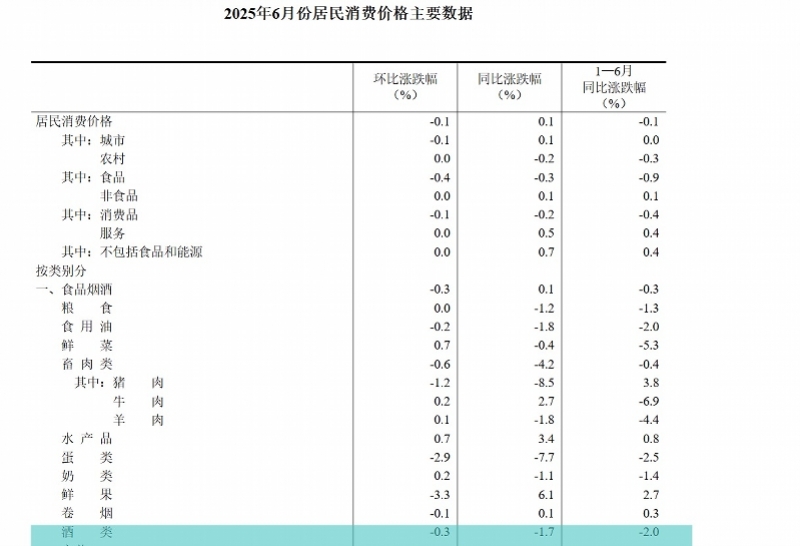
Core Viewpoint - The white liquor market is experiencing a downward price trend, driven by changes in consumer demand and market dynamics, as indicated by recent data from the National Bureau of Statistics [1][5]. Price Trends - National data shows that liquor prices have decreased by 1.7% year-on-year and 0.3% month-on-month as of June 2025, with an overall decline of 2.0% in the first half of the year [1][2]. - The price of premium liquor brands, such as Feitian Moutai, has dropped from over 3000 yuan to below 2000 yuan, indicating a significant reduction in market premium [4]. Consumer Behavior - There is a noticeable shift in consumer preferences, with younger consumers moving away from traditional high-alcohol liquor towards lower-alcohol options and craft beers, leading to a contraction in the white liquor market [5][6]. - The demand for high-priced liquor for business banquets and gifts has decreased, particularly among small and medium-sized enterprises facing financial pressures [5][6]. Supply and Inventory Issues - The white liquor industry is facing overproduction and high inventory levels, with a reported production decline of 7.2% year-on-year in the first quarter of 2025 [5][6]. - Companies are resorting to price reductions as a means to clear excess inventory, with distributors eager to recover funds through lower pricing strategies [6]. Market Dynamics - The rise of e-commerce and live-streaming sales has intensified price competition and increased price transparency, reducing the ability of traditional channels to maintain high prices [6]. - The shift from "face consumption" to a more rational consumer mindset emphasizes value for money and quality, challenging the high-end liquor market's previous status as a social currency [6].


出海新变量|国际化和回流同步加速,白酒出海任重道远
Di Yi Cai Jing· 2025-07-11 06:25
Core Viewpoint - The internationalization of Chinese liquor, particularly Baijiu, is a complex process that requires patience and strategic planning, as domestic market challenges drive companies to explore overseas opportunities while facing simultaneous trends of liquor re-importation [1][9]. Group 1: International Expansion - Starting in 2024, major Chinese liquor companies are intensifying their efforts in international markets, with brands like Moutai and Wuliangye actively participating in international events and marketing campaigns across Southeast Asia, the Middle East, and South America [2][9]. - By mid-2025, 63.9% of Baijiu companies are reported to have established or are in the process of expanding into overseas markets, with the Asia-Pacific region being the primary target [2][9]. - In the first five months of 2025, China's Baijiu exports reached $400 million, marking an 8.4% year-on-year increase, with export volume growing by 5.7% to 6.84 million liters [2]. Group 2: Liquor Re-importation - A significant amount of Baijiu is returning to China, with the country being the largest source of imported spirits, accounting for $160 million in imports, a 56.6% increase year-on-year, and 893,000 liters, up 64.4% [3][4]. - The average import price of these returning Baijiu is $174 per liter, significantly higher than the average price of British spirits at $12 per liter [3][4]. - The phenomenon of re-importation is attributed to the complexities of international trade, including high taxes and the involvement of intermediaries, leading to price discrepancies that favor overseas versions of Baijiu in the domestic market [4][7]. Group 3: Challenges in Internationalization - Major challenges for Baijiu companies in international markets include cultural differences (82.9%), brand influence (68.6%), and trade barriers (60.0%), as highlighted in a report by the China Alcoholic Drinks Association [9]. - Despite some successes through localized operations, the overall internationalization of Baijiu remains a long-term endeavor, requiring adaptation to foreign consumer preferences and effective communication of its cultural significance [9][10]. - The market share of Chinese Baijiu in regions like the UAE is still minimal, with local consumers often finding the taste too strong initially, indicating a need for product innovation to cater to international palates [10].
华泰人寿高层大“换血”
21世纪经济报道· 2025-07-11 05:39
记者丨林汉垚 编辑丨肖嘉 7月10日,华泰人寿保险股份有限公司(以下简称"华泰人寿") 任命牛增亮为公司总经理 。 值得一提的是, 在牛增亮擢升的同时,华泰人寿三分之一高管职位同步更迭 。 根据公开信息,牛增亮,男,硕士研究生,中国精算师、北美精算师、美国精算师。 牛增亮履历显示,其于1994年投身保险行业,先后在平安人寿、美国通能精算顾问公司、英 大泰和人寿等保险公司任职。 1994年至2000年,牛增亮在平安人寿保险任产品精算部总经理助理;2001年至2003年在美国 通能精算顾问公司任精算分析师;2003年至2008年在美国国际集团任评估精算师;2009年至 2012年在百年人寿保险任总精算师;2012年至2018年在英大泰和人寿保险任副总经理、总精 算师。 在新任命牛增亮升任总经理外,其卸下的总精算师、首席风险官职务随即也有了新的人选。 华泰人寿副总经理、董事会秘书苏梅兼任首席风险官一职,席岳担任总精算师,同时,财务 负责人韩悦补位副总经理。 当天,华泰人寿官网发布临时公告,经华泰人寿第七届董事会第二十二次会议审议通过,华 泰人寿高层"换血",牛增亮升任总经理,三分之一高管履新并经国家金融监督管理总局 ...

38度“小甜水”年销超百亿元!很多年轻人不爱喝高度酒了
21世纪经济报道· 2025-07-11 04:44
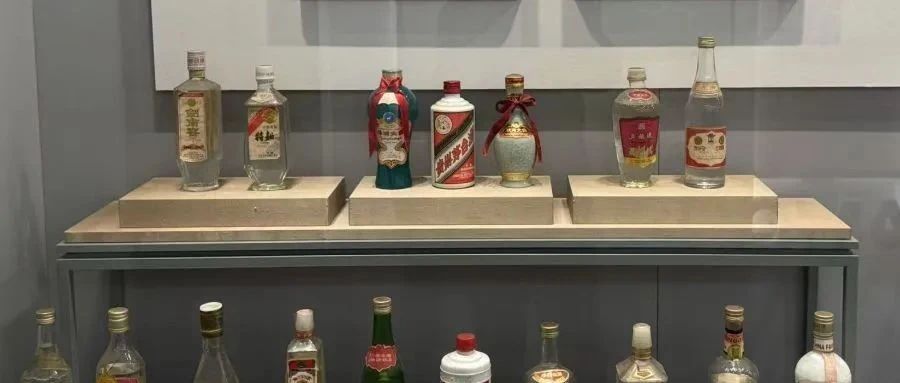
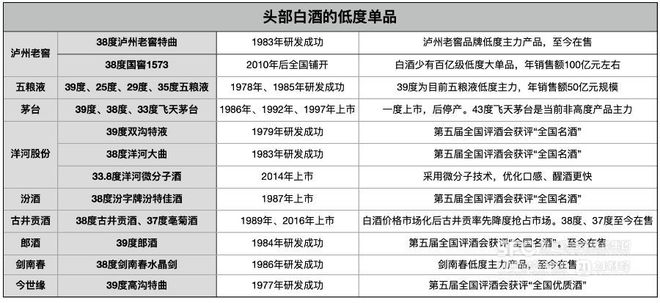
Core Viewpoint - The Chinese liquor industry is experiencing a trend towards lower alcohol content, with major brands like Wuliangye and Luzhou Laojiao introducing products with alcohol levels below 40 degrees, reflecting changing consumer preferences among younger generations [3][5][24]. Group 1: Industry Trends - Major liquor companies are launching new low-alcohol products, with Luzhou Laojiao developing products with alcohol content as low as 6 degrees, and Wuliangye planning to upgrade its 33.8-degree product [3][4]. - The definition of low-alcohol liquor in China includes products with an alcohol content below 40 degrees, a category that has been in existence for over 50 years [3][4]. - The market for low-alcohol liquor is growing, particularly among younger consumers who prefer lighter beverages over traditional high-alcohol options [5][6][21]. Group 2: Consumer Preferences - A survey indicated that over 50% of respondents aged 25 to 35 prefer beer, with only 19% expressing a liking for traditional Chinese liquor, highlighting a generational shift in drinking habits [6][25]. - Younger consumers are increasingly rejecting the strong taste of high-alcohol liquor, favoring low-alcohol options that are more suitable for social gatherings and personal enjoyment [6][28]. - The demand for low-alcohol products is particularly strong in regions like Hebei and Jiangsu, where brands like 38-degree Guojiao 1573 have gained significant market share [22][23]. Group 3: Historical Context - The trend towards lower alcohol content in Chinese liquor has historical roots, with the first low-alcohol liquor introduced in the 1970s, driven by both market demand and government policies [9][10][12]. - Despite initial resistance, the low-alcohol segment saw a resurgence in the 2010s as companies recognized the changing preferences of younger consumers [22][24]. - The introduction of low-alcohol products has been met with mixed success, as many brands struggled to gain market acceptance in the past due to consumer preferences for stronger flavors [18][19]. Group 4: Future Outlook - The future of low-alcohol liquor in China remains uncertain, with debates on whether younger consumers will embrace these products or continue to prefer alternatives like beer and fruit wines [26][28]. - Companies are urged to innovate and create consumption scenarios that appeal to younger consumers, moving from a product-centric to a consumer-centric approach [30][31]. - The industry is at a crossroads, with significant investments in low-alcohol products, but the ultimate success will depend on consumer acceptance and market dynamics [26][28].
21特写|低度白酒简史与未来:从“小孩那桌”走向C位
2 1 Shi Ji Jing Ji Bao Dao· 2025-07-11 04:37
Core Viewpoint - The Chinese liquor industry is experiencing a shift towards lower alcohol content products, with major brands like Wuliangye and Luzhou Laojiao introducing new low-alcohol offerings to cater to changing consumer preferences, particularly among younger generations [1][3][19] Industry Trends - The trend of low-alcohol liquor has gained momentum, with several companies planning to launch products with alcohol content below 40 degrees, including Luzhou Laojiao's 29-degree and 28-degree products, and Wuliangye's 39-degree offerings [1][2] - The historical context of low-alcohol liquor in China dates back over 50 years, with major brands having developed low-alcohol products since the 1970s [2][12] Consumer Preferences - A significant generational shift is occurring, with younger consumers (post-80s, post-90s, and post-00s) showing a preference for lower alcohol beverages, as evidenced by a survey where over half of respondents aged 25-35 preferred beer over liquor [3][19] - The demand for low-alcohol products is particularly strong in regions like North and East China, where products like 39-degree Wuliangye and 38-degree Guojiao 1573 have gained substantial market presence [3][16] Market Dynamics - Despite the growth of low-alcohol products, they still represent a small portion of the overall market, with only a few brands achieving significant sales figures, such as Guojiao 1573's 38-degree product reaching approximately 100 billion yuan in sales [3][19] - The industry is at a crossroads, with differing opinions on whether the low-alcohol trend is a sustainable shift or a temporary response to current market conditions [4][19] Future Outlook - The future of low-alcohol liquor in China hinges on whether companies can effectively engage younger consumers and create suitable drinking scenarios that align with their preferences [22][23] - The industry is urged to transition from a product-centric approach to a consumer-centric model, focusing on the evolving drinking habits of younger generations [23]
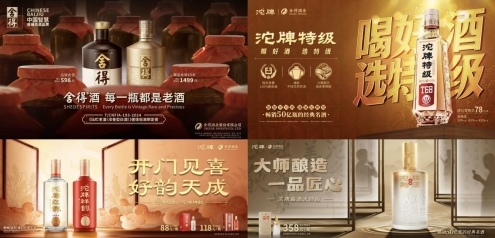
行业加速洗牌,舍得酒业“全面向C”,激活增长新动能
Sou Hu Wang· 2025-07-11 03:08
Group 1: Industry Overview - The Chinese liquor industry is currently undergoing a deep adjustment period, characterized by a slight fluctuation in the market due to the implementation of the "alcohol ban" policy and the seasonal decline in consumption [1] - The core challenges for liquor companies include shrinking consumption scenarios, inventory reduction pressure, and intensified competition among existing players [1] - Despite short-term market volatility, the underlying value logic of the liquor industry remains solid, with companies that possess long-term investment value expected to emerge during the differentiation process [1] Group 2: Market Transformation - The liquor industry is experiencing a profound transformation from quantity to quality, with consumer demand becoming more diverse and personalized, prompting companies to shift focus from traditional channels to consumer needs [2] - Major liquor companies, such as Wuliangye and Luzhou Laojiao, are actively entering the low-alcohol segment to attract younger consumers and expand their market [2] - Companies are increasingly turning to online markets to enhance sales channels, with Moutai Group and Yanghe Co. forming strategic partnerships with e-commerce platforms like Alibaba and JD.com [2] Group 3: Company Strategy - Shede Liquor - Shede Liquor has demonstrated exceptional strategic vision by proactively seeking change with its "control volume, maintain price, reduce inventory" policy, showing positive signs of recovery in Q1 2024 [3] - The company has proposed a core strategy of "downward channel, upward brand, and comprehensive focus on consumers," which is crucial for unlocking long-term development dividends and market re-evaluation [3] Group 4: Brand and Marketing Initiatives - Shede Liquor's "comprehensive focus on consumers" is a systematic approach that spans product, brand, and channel development, creating a long-term competitive brand moat [4] - The company has developed a multi-tiered product matrix to cater to diverse consumer needs, effectively covering the C-end market and mitigating market risks [4] - Shede Liquor is enhancing consumer engagement through immersive tasting events and diverse marketing campaigns, resulting in significant increases in product opening rates during key periods [6] Group 5: E-commerce and Sales Performance - Shede Liquor has capitalized on the trend of online consumption, with e-commerce sales in Q1 2025 increasing by 36.71% year-on-year, and its Dragon Year zodiac liquor topping sales charts on platforms like Tmall [10] - The company's clear strategy of "downward channel, upward brand, and comprehensive focus on consumers" positions it as a representative example of how liquor companies can navigate industry cycles and transformation [10] - With upcoming traditional peak seasons, Shede Liquor's systematic approach to the C-end market is expected to further validate its sales performance [10]