铠侠

Search documents
存储芯片涨价或将贯穿全年,中国产业崛起成“胜负手”
Shang Hai Zheng Quan Bao· 2026-02-24 23:59
当前DRAM(动态随机存取存储器)与NAND(闪存)库存仅够维持约4周,价格持续上涨已成定 局……2026年马年春节刚过,全球存储巨头SK海力士的最新发声,让全球存储市场的涨价潮再度升 温。2月24日,A股存储概念股持续走高,北京君正、太极实业、香农芯创等个股涨幅均超过5%。 在AI及算力发展浪潮的驱动下,自2025年第三季度起,全球存储市场迎来涨价行情。业内人士普遍预 计,全球存储芯片涨价将持续2026年一整年。 在产业高景气背景下,中国存储产业正加速突围,长江存储、长鑫科技等企业在技术、产能上持续突 破,国产模组厂商同步发力,中国存储力量的崛起正成为影响全球存储格局、决定行业发展走向的"胜 负手"。 事实上,自2025年第二季度起,全球存储行业景气度开始触底反弹,闪迪打响NAND涨价第一枪后,三 星、美光及长江存储、兆易创新等存储厂商(包括NAND、DRAM)纷纷跟进上调价格。 巨头最新发声:库存仅剩约4周 2月20日,SK海力士举行虚拟投资者会议,向高盛透露了最新的数据及对产业趋势的研判。 SK海力士表示,当前公司DRAM及NAND整体库存仅剩约4周,处于历史极低水平,从谷歌、微软等云 厂商,到Open ...
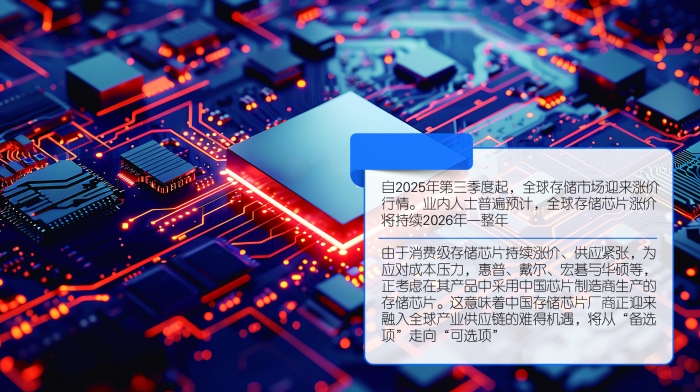
存储芯片涨价或将贯穿全年 中国产业崛起成“胜负手”
Shang Hai Zheng Quan Bao· 2026-02-24 17:49
Core Viewpoint - The global storage market is experiencing a price surge due to extremely low inventory levels of DRAM and NAND, with major players like SK Hynix predicting that this trend will continue throughout 2026 driven by AI and computing demands [2][3][5]. Group 1: Market Conditions - Current inventory levels for DRAM and NAND are approximately 4 weeks, marking a historical low, leading to increased price expectations as demand from various sectors remains unmet [3]. - SK Hynix reported record revenues and profits for the fiscal year 2025, with operating income reaching 97.15 trillion KRW and a profit margin of 49%, reflecting the ongoing price increases and strong demand in the storage market [4]. Group 2: Supply and Demand Dynamics - The imbalance in supply and demand is attributed to the explosive demand for storage driven by AI applications and slow expansion of cleanroom space necessary for chip manufacturing, limiting supply growth [5]. - Major price increases have been observed, with SK Hynix raising prices for high-end products by 15% to 20% and standard DRAM prices increasing by 10% to 15% in late 2025 [5]. Group 3: Chinese Storage Industry - The rise of the Chinese storage industry is seen as a potential game-changer in the global supply chain, with companies like Yangtze Memory Technologies and ChangXin Memory Technologies leading the charge [7]. - Chinese manufacturers are increasingly being considered by PC makers like HP and Dell for storage solutions, indicating a shift from being an alternative option to a viable choice in the global market [7]. - Predictions suggest that Chinese storage capacity will gradually be released between the second half of 2026 and 2027, potentially alleviating global supply constraints and stabilizing prices [7]. Group 4: Future Outlook - Analysts believe that the current storage cycle's intensity and duration may surpass previous cycles, driven by the ongoing demand from AI and high-performance computing [6]. - Long-term contracts are being discussed between suppliers and major clients to secure future supply and pricing, indicating a strategic shift in the industry [3].

四年投资4万亿元 苹果供应链“回归美国”进行时
Zhong Guo Jing Ying Bao· 2026-02-24 12:25
2月24日消息,苹果公司向《华尔街日报》确认了一项引人注目的供应链调整:2026年晚些时候,部分 Mac Mini台式电脑的生产将从亚洲转移到美国,在富士康位于休斯敦的工厂启动组装。这是自2013年 Mac Pro在美国本土生产失利后,苹果又一次将核心硬件生产线迁回美国的重大尝试。 消息一出,业界震动。《中国经营报》记者注意到,一方面,这是苹果2025年承诺的四年6000亿美元 (约合人民币4.15万亿元)美国投资计划落地的重要一步;另一方面,在全球关税壁垒复杂化、AI技术 浪潮冲击零部件供应的当下,这一举动被外界解读为苹果供应链战略从极致的"全球效率"向兼顾"地缘 安全"转变的强烈信号。 这一系列动作,是苹果在全球供应链上进行的一场精密而复杂的"大迁徙"。多位业内人士接受记者采访 时表示,它既是对美国政府"制造业回流"压力的回应,也是对中美贸易摩擦下潜在关税风险的未雨绸 缪。然而,这场迁徙并非简单的"去中国化",而是一场在地缘政治、成本效率与工程现实之间走钢丝的 平衡术。 苹果供应链调整的"小步快跑" 在休斯敦北部,富士康的厂区内正酝酿着一场变革。苹果首席运营官萨比赫·汗(Sabih Khan)向媒体展 示 ...

焦点复盘A股马年开市现放量普涨,涨价概念全线爆发,影视等消费股现逆势调整
Sou Hu Cai Jing· 2026-02-24 11:25
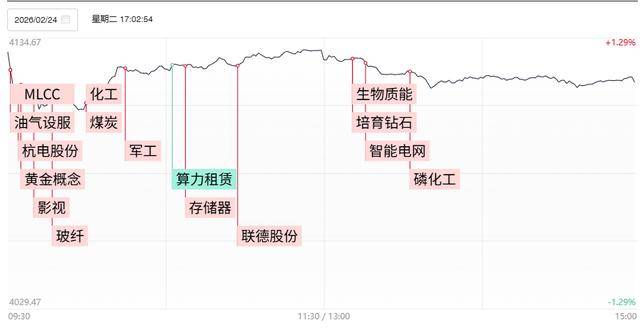
Market Overview - A total of 93 stocks hit the daily limit up, while 42 stocks faced limit down, resulting in a limit-up rate of 69%. The market saw a significant increase in trading volume, with a total turnover of 2.2 trillion yuan, up by 219.4 billion yuan from the previous trading day [1] - The Shanghai Composite Index rose by 0.87%, the Shenzhen Component Index increased by 1.36%, and the ChiNext Index gained 0.99% [1] Sector Performance - The oil and gas, chemical, and cultivated diamond sectors led the market, while the film, AI applications, and computing power leasing sectors experienced declines [1] - The chemical sector saw a strong performance, driven by rising commodity prices during the Spring Festival, with multiple stocks hitting the limit up [3][5] Stock Analysis - The advancement rate for consecutive limit-up stocks reached 60%, but only three stocks had three or more consecutive limit-ups. The film and AI application sectors, which had performed well before the holiday, faced a downturn [3] - Notable stocks included: - YN Energy Holdings and Meibang Co., both achieving four consecutive limit-ups [4] - Hanlan Co. and Xinyuan Technology, both in the electrical equipment sector, achieved three consecutive limit-ups [4] - Xiexin Integration and Han Jian Heshan, both in the photovoltaic and chemical sectors, achieved five consecutive limit-ups over nine days [4] Key Trends - International oil prices surged due to ongoing negotiations between the U.S. and Iran regarding nuclear issues, with Brent crude oil futures stabilizing above $70 per barrel. This led to significant gains in the oil and gas transportation sector [5] - The gold price also saw a rise, with several gold-related stocks hitting the limit up, reflecting the impact of geopolitical tensions on market dynamics [5] - The storage chip industry is transitioning to a seller's market, with major companies like SK Hynix reporting low inventory levels. This has led to increased interest in semiconductor stocks, with several reaching historical highs [7] Future Outlook - The market is expected to maintain a range-bound trend, with a focus on sectors showing strong logical trends. The overall trading volume indicates limited willingness for aggressive buying from external funds [9] - The ongoing trends in the oil and gas, chemical, and semiconductor sectors are likely to continue attracting investor interest, although caution is advised regarding potential volatility in these areas [5][9]
日本开出“半价建厂+全补贴”,三星与SK海力士仍对赴日投资保持谨慎
Hua Er Jie Jian Wen· 2026-02-24 08:39
分析认为,韩国企业的犹豫可能影响其在全球半导体供应链重组中的竞争地位,特别是在高带宽存储器 等关键领域,竞争对手正通过日本基地加速产能布局。 成本优势难掩政治顾虑 日本政府向韩国存储芯片巨头抛出极具吸引力的投资条件,但三星电子和SK海力士多年来始终未能做 出实质性投资决定。 2月24日,据Trend Force报道,尽管在日本建厂的成本可能仅为韩国本土的一半,且能获得全方位政策 支持,三星电子和SK海力士仍因国内舆论压力和利益相关方的制约而保持观望。 SK海力士近日正式否认了日经新闻关于其计划在日本投资2万亿日元建设存储芯片厂的报道。据Chosun Biz报道,三星和SK海力士过去数年间多次收到日本政府建厂邀约,但相关提案始终处于搁置状态。 报道称,这一谨慎态度与台积电、美光等芯片制造商在日本的快速扩张形成鲜明对比。日本政府已向台 积电熊本工厂提供高达4760亿日元补贴,并为美光广岛HBM芯片厂提供最高5000亿日元支持,凸显其 重振半导体产业的决心。 国际竞争者加速布局日本 建设将于5月在现有厂址开始,预计2028年左右开始出货。日本经济产业省为该项目提供最高5000亿日 元的支持。 据Chosun Biz ...
预计一季度内地经济平稳增长:环球市场动态2026年2月24日
citic securities· 2026-02-24 05:19
Market Overview - Hong Kong stocks opened higher, with the Hang Seng Index rising by 2.53% to 27,081.91 points, driven by a rebound in the technology sector[13] - European markets showed mixed results, with the Euro Stoxx 600 index down 0.5%, while the UK FTSE 100 index remained relatively stable, closing at 10,684.74 points[11] - US markets faced significant declines, with the Dow Jones dropping 1.7% to 48,804.1 points, marking its largest single-day drop since January 20[11] Economic Indicators - China's GDP is projected to grow by 4.7% year-on-year in Q1 2026, benefiting from a high base effect and increased consumer spending during the extended Spring Festival holiday[6] - The average daily cross-regional flow of people during the Spring Festival increased by nearly 9% compared to the previous year, boosting hotel and flight prices[6] Commodity and Currency Trends - Gold prices surged by 2.87%, closing at $5,204.7 per ounce, driven by increased demand for safe-haven assets amid geopolitical tensions and tariff uncertainties[32] - The US dollar index fell by 0.1%, with the euro and yen appreciating against the dollar[32] Fixed Income Market - US Treasury yields declined, with the 2-year yield down 4 basis points to 3.44%, reflecting heightened risk aversion in the market[35] - Asian credit markets remained stable, with spreads narrowing by 1 basis point, as investors cautiously monitored US tariff developments[35] Sector Performance - In the US, technology and software stocks were heavily sold off, with IBM experiencing a drop of over 13%, while major tech stocks like Microsoft and Meta fell by approximately 3%[11] - In Hong Kong, the materials sector led gains with a 4.3% increase, while the energy sector saw minimal growth of 0.2%[14]
未知机构:SNDK周二有活动是否可能与HBF有关-20260224
未知机构· 2026-02-24 04:20
SNDK 周二有活动,是否可能与 HBF 有关? 我们一直在深入研究高带宽闪存(HBF),它支持我们看好 SNDK 的主要原因之一:既有数据中心支出的长期 / 周期性顺风,也有来自 Engram、NVDA 的 Bluefield 和 HBF 的结构性顺风。 是的,我们认识到铠侠在数据中心与企业市场的暴露度远高于 SNDK;是的,我们知道中国的供应可能即将上 线;是的,我们同意 Ga SNDK 周二有活动,是否可能与 HBF 有关? 我们一直在深入研究高带宽闪存(HBF),它支持我们看好 SNDK 的主要原因之一:既有数据中心支出的长期 / 周期性顺风,也有来自 Engram、NVDA 的 Bluefield 和 HBF 的结构性顺风。 我们很喜欢金教授被誉为 "HBM 之父"关于 HBF 的这份演示文稿源头信息加微WUXL7713,它是由一位 TMTB 读 者分享给我们的,我们建议您将这份演示文稿导入您常用的 LLM,并向它提问。 简单来说,HBF 是一种新的内存层级,它将 NAND 闪存物理上靠近 GPU,类似于 HBM 将 DRAM 靠近 GPU 的 方式。 金教授使用的比喻是:如果 HBM 是 "GPU ...
未知机构:东吴电子陈海进存储春节一览卖方市场加剧产品导入价格股价全面加-20260224
未知机构· 2026-02-24 03:30
【东吴电子陈海进】存储"春节一览":"卖方市场"加剧,产品导入/价格/股价全面加速 【东吴电子陈海进】存储"春节一览":"卖方市场"加剧,产品导入/价格/股价全面加速 事件: 1铠侠2025财年Q3业绩会发布:营收环比+21%、同比+20%;净利润环比激增114.9%,净利率提升至16.5%。 调整后净利润预计3400亿日元,是市场预期的两倍有余。 铠侠表示,2026年全年NAND产能已提前售罄,库存处于低位,供需紧张态势将持续至2027年。 2SK海力士投资者会议表示,存储进入绝对卖方市场,2026年全年无任何客户需求可被完全满足。 假期期间(2.16-2.23)海外存储厂商股价上涨:三星+8%,海力士+7%,美光+4%,兆易H+4%,澜起H+6%,闪迪 +4%。 事件: 1铠侠2025财年Q3业绩会发布:营收环比+21%、同比+20%;净利润环比激增114.9%,净利率提升至16.5%。 调整后净利润预计3400亿日元,是市场预期的两倍有余。 铠侠表示,2026年全年NAND产能已提前售罄,库存处于低位,供需紧张态势将持续至2027年。 DRAM/NAND库存仅4周,2026年HBM全年产能售罄;标准DR ...
湘财证券晨会纪要-20260224
Xiangcai Securities· 2026-02-24 00:48
晨 会 纪 要 [2026]第 31 号 参会人员:曹旭特 仇华 许雯 王攀 蒋栋 轩鹏程 李育文 张智珑 郭怡萍 汪炜 张弛 李正威 邢维洁 马丽明 聂孟依 王雪莹 文正平 周成 整理记录:轩鹏程 研究所今日晨会要点如下: 一、机械行业(轩鹏程) ❑ 机器人:4 家企业亮相 2026 年央视春晚,展示出色运控、协同能力 据财联社,在 2026 年 2 月 16 日举行的央视春晚节目上,宇树科技、魔法原子、松延动 力、银河通用等 4 家企业陆续亮相。其中,松延动力旗下的 Bumi 小布米、N2 以及改造版 E1 等四台人形机器人参与节目,凸显机器人作为"家庭助手"的情绪陪伴价值。宇数科技旗下 的 H2 和 G1 人形机器人则在节目中表演后空翻、侧翻、马步等高难度动作,并在在快速奔跑 中完成穿插变阵和武术动作,展示其优秀的运动性能。魔法原子旗下的 Magic Bot Z1 和 Magic Bot Gen1 人形机器人则在歌唱节目中表演舞蹈动作。银河通用旗下的轮式双臂人形机器人 G1 则在节目中展示叠衣服、递东西、简单烹饪等家庭应用场景。另据券商中国,本届春晚播出 后两小时内,京东机器人搜索量环比增长超 300% ...
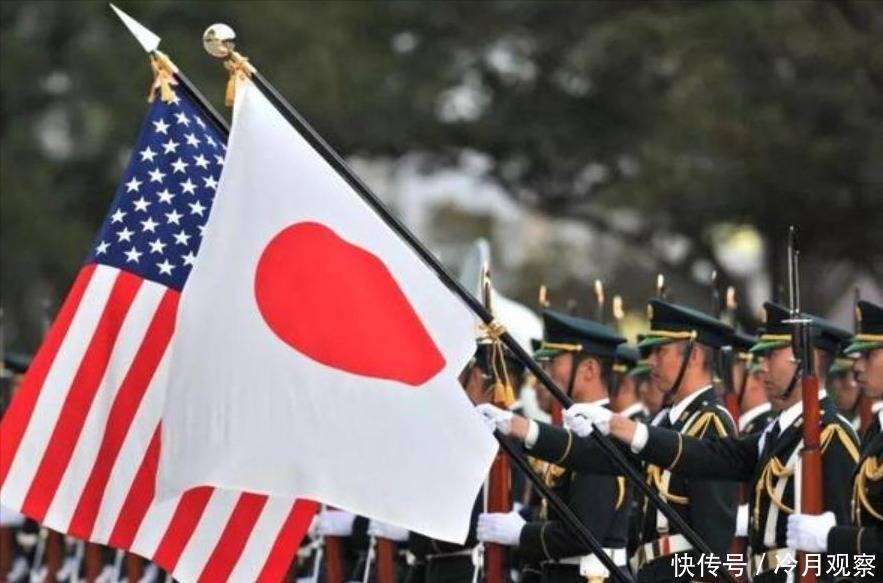
东京秒跪!24小时内三记闷棍,美国把日本按回“殖民地”原形
Sou Hu Cai Jing· 2026-02-23 05:38
Group 1 - The U.S. has imposed significant tariffs on Japan, including 25% on automobiles, 30% on steel, and 20% on semiconductors, leading to a combined market value loss of $68 billion for major Japanese companies like Toyota, Nippon Steel, and Tokyo Electron [1][3] - The tariffs target critical sectors where Japan has substantial exports to the U.S., with automobiles making up 32% of Japan's exports to the U.S., steel 38% of U.S. steel imports, and semiconductors being vital for the U.S.-Japan alliance [3][5] - Japan's response to the tariffs is heavily influenced by security concerns, as the U.S. nuclear umbrella is crucial for Japan's defense against regional threats, and any retaliatory measures could jeopardize this protection [5][7] Group 2 - Japanese companies are under pressure to comply with U.S. demands due to their significant revenue dependence on the U.S. market, with Toyota deriving 30% of its profits from North America and Nippon Steel having 40% of its high-end steel sales directed to U.S. automakers [5][7] - Japan lacks effective countermeasures against the U.S. tariffs, with limited resources to leverage, such as a three-month supply of rare earths and a substantial holding of U.S. Treasury bonds that could backfire if sold [7] - The U.S. strategy appears to be to use Japanese investments to fill its own gaps in the semiconductor industry while simultaneously benefiting from Japanese market access to support its automotive workforce [7]