
毕马威

Search documents
聚焦自然财务披露,驱动企业价值升级——毕马威TNFD闭门研讨会精彩回顾
Sou Hu Cai Jing· 2025-09-28 06:26
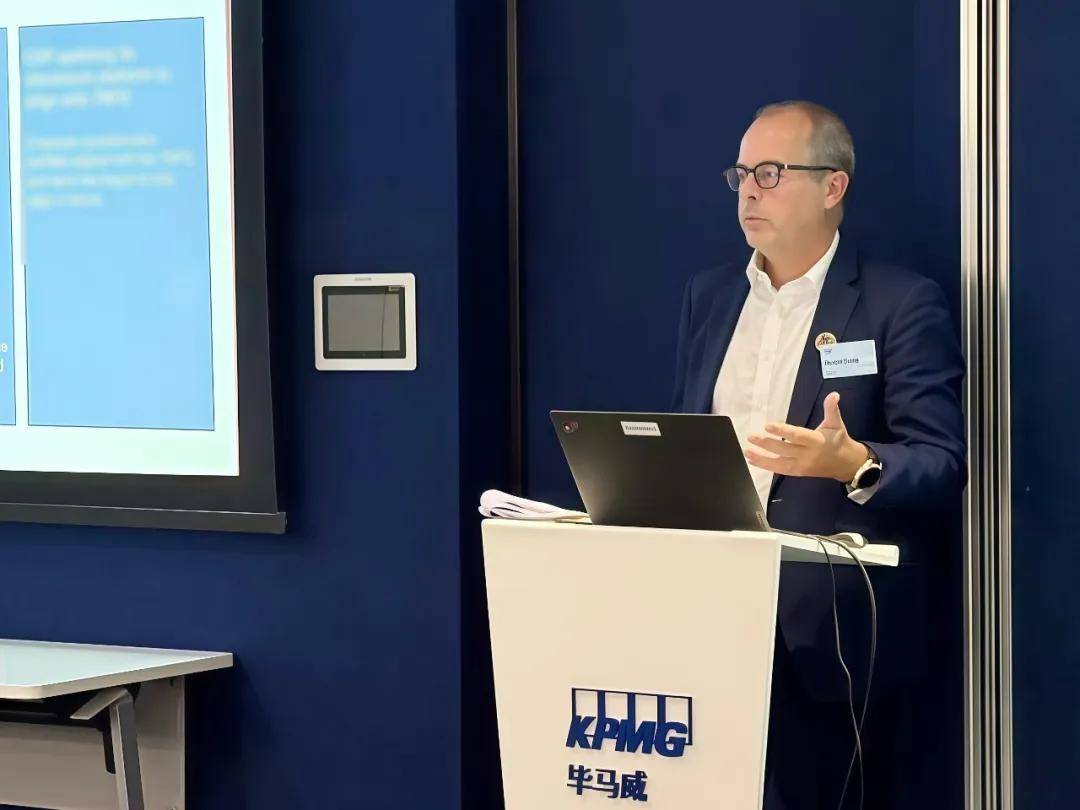
Core Insights - The TNFD (Taskforce on Nature-related Financial Disclosures) framework is gaining traction in China, with local enterprises actively participating and sharing best practices [1][3] - The TNFD framework aims to integrate natural factors into financial decision-making, helping organizations assess, report, and act on nature-related risks and opportunities [3][4] - The event highlighted the importance of aligning corporate strategies with environmental, social, and governance (ESG) goals, particularly in the context of China's ecological civilization and carbon neutrality objectives [3][4] Group 1 - The TNFD framework focuses on dependencies, impacts, risks, and opportunities related to nature, assisting businesses and financial institutions in evaluating and managing these aspects [3] - David Craig, TNFD co-chair, emphasized the need for companies and investors to understand their relationship with nature and reflect natural risks in financial statements and investment portfolios [3] - KPMG's ESG partners noted that proactive identification and management of natural risks are essential for enhancing corporate resilience and market recognition [3][4] Group 2 - The TNFD initiative is a market-driven, science-based global effort supported by governments, providing tools for organizations to address evolving nature-related issues [3][4] - The framework promotes the integration of natural considerations into strategic and capital allocation decisions, fostering positive impacts on the environment and sustainable development [3][4] - KPMG offers comprehensive ESG consulting services to help companies develop strategies that align with ESG regulations and stakeholder expectations, ultimately supporting sustainable growth [4]

毕马威发布《智能能源——人工智能驱动转型与价值重塑》:解码AI赋能能源转型的密码
Sou Hu Cai Jing· 2025-09-24 04:45
Core Insights - The energy industry is currently facing three main challenges: ensuring safe and reliable supply, accelerating decarbonization, and maintaining cost control. Artificial intelligence (AI) is emerging as a key solution, deeply integrated into the strategic planning of the energy sector [1][3] - A report by KPMG highlights the latest advancements in AI applications within the energy sector, based on a survey of 163 executives from medium to large energy companies across eight countries [1][3] AI Application in the Energy Sector - There is a significant growth in AI applications within the energy industry, with 56% of companies expanding their AI projects and 44% integrating AI into core operations. AI is viewed as a critical factor for optimizing operational processes [3][5] - 79% of surveyed companies have achieved measurable efficiency improvements through AI, with 60% reporting returns exceeding 10% on their investments. Looking ahead, 92% of respondents plan to increase their investments in AI projects, although they do not expect short-term returns [3][5] Investment and Implementation Strategies - Companies are investing heavily in AI technology across various areas, including hardware upgrades, software procurement, data infrastructure transformation, and talent acquisition. This investment is crucial for large enterprises [5][6] - AI projects in the energy sector are categorized into two types: value-driven projects aimed at maximizing efficiency and returns, and purpose-driven projects focused on enhancing safety and sustainability [6][8] Operational Challenges and Transformation - Energy companies face multiple challenges, including aging infrastructure, rigid operational models, and stringent regulatory requirements. Successful AI implementation requires comprehensive capability building at foundational, functional, and enterprise levels [10][12] - Establishing transformation management offices or AI centers of excellence is essential for ensuring alignment and consistency in AI strategy and project delivery across all levels of the organization [10][12] Future Directions and Ecosystem Development - The transition to AI in the energy sector is expected to evolve through three stages: from automation to autonomy, changing interactions between companies and customers, and accelerating decarbonization and innovation [12][19] - Companies are actively building broader intelligent ecosystems that facilitate collaboration among customers, competitors, regulators, suppliers, and technology partners [12][19] Generative AI in China’s Energy Sector - China's energy sector is leading in digital infrastructure development, with significant data assets, although the maturity of intelligent applications remains relatively low. Generative AI is still in its early stages but holds substantial potential [12][19] - By the end of 2024, 13 state-owned energy enterprises are expected to release 25 vertical industry models, with over 28 applications in areas such as production optimization and fault prediction [12][19]
毕马威《世界能源统计年鉴2025》:全球能源系统正持续向电气化方向转变
Zheng Quan Shi Bao Wang· 2025-09-22 05:51
Group 1 - Fossil fuels will continue to dominate the global energy structure in 2024, accounting for 87% of total energy consumption, with oil, natural gas, and coal all experiencing growth [1][2] - Renewable energy (excluding hydropower) is the fastest-growing energy type, with a growth rate of 9%, significantly outpacing the average growth rate of total energy demand over the past five years [1][2] - In 2024, renewable energy generation will account for one-third of global electricity supply, but only 8% of total energy demand, indicating substantial room for improvement in renewable energy penetration in end-use energy [2][4] Group 2 - The global energy transition is challenged by increasing energy demand and carbon emissions, which are projected to reach historical highs in 2024 [2][4] - Wind and solar energy generation will see a 16% increase, raising their share of total global electricity generation from 13% to 15%, with China being a major driver of this growth [2][4] - Countries are increasingly viewing renewable energy investments as a cornerstone of energy security, helping to reduce dependence on fossil fuel imports and stabilize economies against price fluctuations [4][5] Group 3 - Advanced technologies like artificial intelligence are playing a significant role in driving the demand for renewable energy, presenting complex challenges for energy development and utilization [3][5] - China plays a dual role in the global energy landscape, being the largest consumer of coal while also leading in renewable energy capacity, electric vehicle sales, and battery storage deployment [5] - The introduction of the "total energy supply" metric provides a more comprehensive view of energy system efficiency and the benefits of low-carbon and zero-carbon energy sources [4]
智慧空间科技风向标,千丁数科发布《不动产数智化转型白皮书》
3 6 Ke· 2025-09-22 04:46
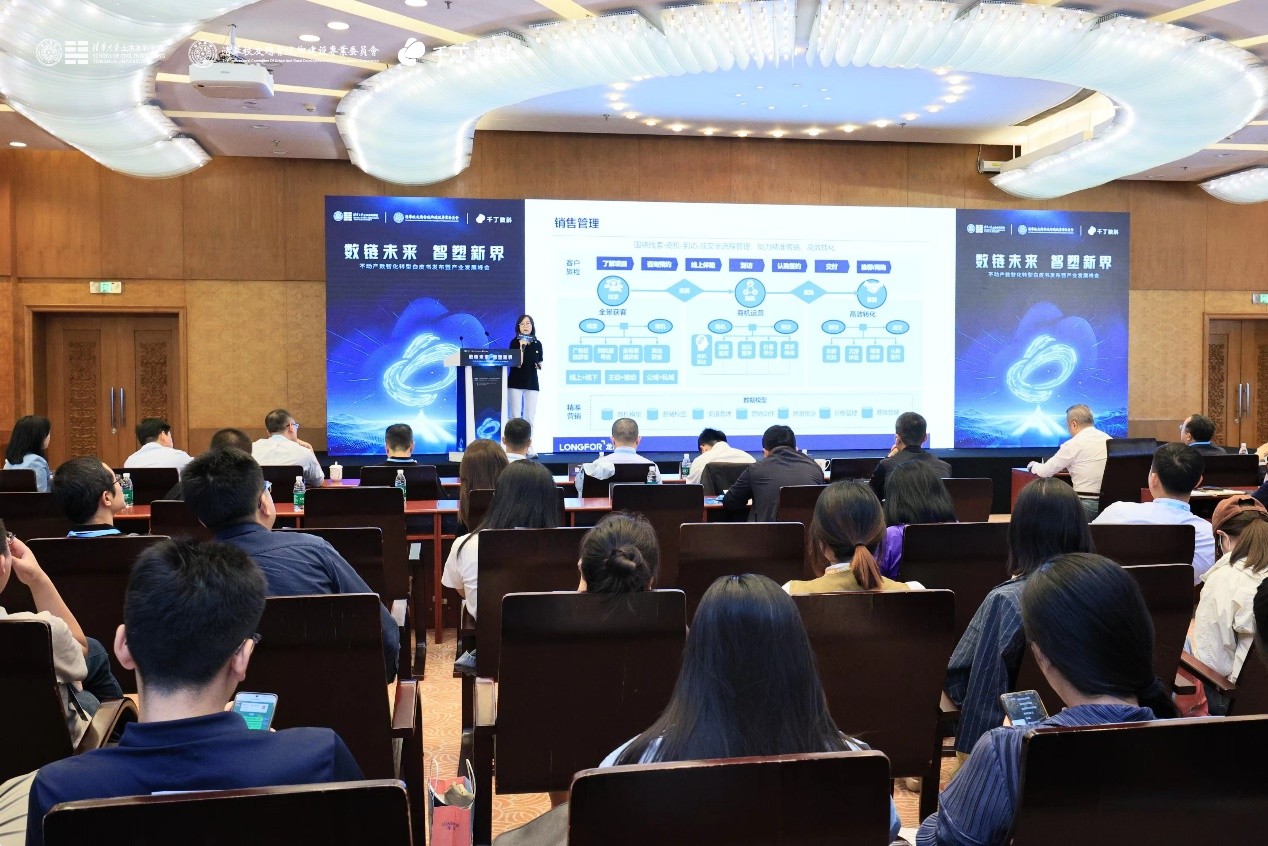
Core Insights - The summit focused on the theme "Digital Chain Future, Intelligent New Thinking," highlighting the importance of digital transformation in the real estate industry as a necessity rather than an option [3][4] - The release of the "Real Estate Digital Transformation White Paper" aims to provide actionable solutions for the industry's current challenges and digital capability building [6][8] Group 1: Event Overview - The summit was held at Tsinghua University and organized by various academic and industry bodies, featuring speeches from notable figures including Tsinghua University scholars and executives from Longfor Group [3][4] - The event emphasized the rapid adoption of digital transformation in the real estate sector, driven by the need for improved efficiency across various dimensions [3] Group 2: Digital Transformation Insights - Longfor Group has invested over 10 billion in product research and development over the past decade, establishing a methodology for digital transformation that can be referenced by the industry [4] - The integration of advanced technologies such as AI, BIM, IoT, and digital twins has enabled 千丁数科 to serve over 3,600 enterprises across multiple sectors, providing robust solutions for digital transformation [6] Group 3: White Paper Release - The "Real Estate Digital Transformation White Paper" was officially launched, addressing key industry concerns and offering practical solutions for digital application and future technology directions [6][8] - The white paper aims to guide the industry in finding suitable transformation paths, emphasizing a human-centered, data-driven, and sustainable approach to the digital real estate era [7]

毕马威:可再生能源成全球增长最快的能源类型,中国是主要推动力
Huan Qiu Wang· 2025-09-22 01:30
Group 1 - Fossil fuels still dominate the global energy structure, accounting for 87% of the total [1] - Renewable energy (excluding hydropower) is the fastest-growing energy type globally, with a growth rate of 9% [1] - China is the main driver of renewable energy growth, contributing 57% of the world's new wind and solar power generation [1] - Solar power generation in China has nearly doubled in two years [1] Group 2 - The report from Guosheng Securities indicates that the recent policy on market-oriented pricing for renewable energy will promote full market entry for renewables [4] - Increased competition in the renewable energy sector is expected, which may accelerate the recovery of national renewable energy subsidies [4] - This development is likely to alleviate cash flow pressures for green power operators, benefiting long-term industry growth [4]
毕马威:人工智能等技术与能源行业结合共生,中国能源转型提速
Bei Ke Cai Jing· 2025-09-20 12:16
Core Insights - The global energy demand is projected to grow by 2% in 2024, with energy-related carbon emissions increasing by approximately 1%, both reaching historical highs [1] - Fossil fuels continue to dominate the global energy structure, accounting for 87% of the total energy mix, with natural gas showing the highest growth rate at 2.5% [1] - Renewable energy, excluding hydropower, is the fastest-growing energy type, with a growth rate of 9%, significantly outpacing the average growth rate of total global energy demand over the past five years [1] Energy Demand and Supply - Global electricity demand is expected to grow by 4%, indicating a continued shift towards electrification in the energy system [1] - In 2024, renewable energy generation is anticipated to account for one-third of global electricity supply, but only 8% of total energy demand, highlighting the potential for increased penetration of renewables in end-use energy [1] Regional Insights - Wind and solar power generation increased by 16%, raising their share of global total generation from 13% to 15%, with China being the primary driver of this growth, contributing 57% of the new wind and solar capacity [2] - China's solar power generation nearly doubled in two years, showcasing its significant role in the renewable energy sector [2] Technological Impact - Advanced technologies like artificial intelligence are driving the demand for renewable energy, presenting complex challenges for energy development and utilization [2] - China is positioned to enhance its energy transition speed through the integration of AI with traditional fossil fuel industries and the development of new energy sectors [2] Dual Role of China - China plays a dual role in the global energy landscape, with coal demand exceeding that of all other regions combined, while also leading in renewable energy installations, electric vehicle sales, and battery storage deployment [2] - In 2024, China is expected to account for nearly 60% of the global increase in renewable energy electricity supply, significantly reducing fossil fuel imports and carbon emissions [2]
记者手记丨在伦敦,感受中国经济“新引力”
Xin Hua She· 2025-09-20 07:56
Core Insights - The event in London highlighted the growing attraction of the Chinese market for global resources, emphasizing the importance of partnerships between Chinese and British companies [1][3] - British companies recognize China's leading position in energy transition and innovation, with a focus on collaboration in various sectors such as finance, energy, and technology [2][3] Group 1: Chinese Economic Influence - Chinese companies are seen as key players in global innovation and technology, with the ability to provide mature technological solutions and innovative applications [3] - The rapid development of the Chinese economy has impressed international observers, leading to increased interest in collaboration with Chinese firms [2][3] Group 2: Collaboration Opportunities - The event showcased significant opportunities for cooperation between Chinese and British enterprises, particularly in energy transition technologies and financial services [3][4] - The rise of Chinese brands on the global stage is reshaping perceptions, with a focus on technology, climate science, and digital transformation as key strengths [3]
香港商界:施政报告释放发展信号 多项举措赋能经济增长
Zhong Guo Xin Wen Wang· 2025-09-18 13:56
Group 1 - The Chief Executive of Hong Kong, John Lee, presented a new policy address focusing on economic transformation and regional development, which is expected to inject strong momentum into Hong Kong's economy and reinforce its status as an international hub [1][3]. - HSBC's Hong Kong CEO highlighted Hong Kong's role as a "super connector" between mainland China and the global market, emphasizing the city's potential in cross-border capital flows and its position as the largest offshore RMB center [3][4]. - The Northern Metropolis development policies are anticipated to boost employment and productivity, while the optimization of the "New Capital Investor Entry Scheme" aims to attract more overseas investors to Hong Kong [3][4]. Group 2 - Professional services firms such as KPMG, Deloitte, and PwC have praised the policy address for providing a clear blueprint for Hong Kong's economic transformation, with measures to enhance investment attraction and solidify the city's roles in finance and trade [3][4]. - Deloitte's South China Managing Partner noted that initiatives to strengthen capital market competitiveness and accelerate the development of the Northern Metropolis align with industry recommendations, positioning Hong Kong to play a key role in global wealth migration and RMB internationalization [4]. - The Hong Kong Chinese Manufacturers' Association expressed that the policy address is both forward-looking and pragmatic, particularly in fostering advanced manufacturing and life sciences, which will accelerate the commercialization of research outcomes and support SMEs in upgrading their operations [5].

每日投行/机构观点梳理(2025-09-18)
Jin Shi Shu Ju· 2025-09-18 10:38
Group 1 - Fitch indicates that the Federal Reserve is fully supporting the labor market and will tolerate higher inflation in the short term, with a decisive rate cut cycle expected in 2025 [1] - Goldman Sachs maintains an overweight rating on A-shares and H-shares, suggesting that the "slow bull" market for A-shares appears more stable than before, with a focus on themes like private enterprises and artificial intelligence [1] - KPMG warns that extending current Federal Reserve policies into next year could lead to excessive stimulus, potentially creating a self-fulfilling prophecy of higher inflation expectations among consumers and businesses [1] Group 2 - BlackRock states that the prospects for Federal Reserve rate cuts may depend on the continued weakness of the labor market, with future policy actions likely to be data-dependent [2] - Mitsubishi UFJ notes that the Federal Reserve is not in a rate-cutting sprint mode, but has restarted the rate-cutting process due to weaker-than-expected labor market conditions [2] - Nomura has adjusted its expectations for the Federal Reserve, predicting a 25 basis point cut in October and subsequent cuts at each remaining meeting this year [3] Group 3 - Deutsche Bank raises its gold price forecast for next year to $4,000 per ounce, citing favorable foreign exchange and interest rate environments [4] - ING reports that the latest UK inflation data does not significantly alter the probability of further rate cuts by the Bank of England later this year [5][6] - Rabobank anticipates that European natural gas prices will stabilize at high levels starting in the second quarter of next year due to new liquefied natural gas capacity coming online [6] Group 4 - Bank of America survey reveals that 59% of European investors view the weakness of the US labor market as the biggest risk to global economic growth [7] - CICC reports that the Federal Reserve's dot plot indicates two more rate cuts this year, but there is significant divergence among committee members regarding the timing and extent of these cuts [8] - CICC also expects the Federal Reserve to cut rates again in October, but warns that the threshold for future cuts will become increasingly high due to rising inflation [9] Group 5 - Huatai Securities raises its forecast for the number of Federal Reserve rate cuts this year from two to three, anticipating cuts in October and December [10] - CITIC Securities predicts that the Federal Reserve may cumulatively cut rates by 50 basis points this year, with the policy rate expected to be between 3.5% and 3.75% by year-end [11] - CITIC Securities also suggests that the dollar may remain weak during this rate-cutting cycle, while gold is expected to perform well [12] Group 6 - Zheshang Securities highlights that the Federal Reserve's recent rate cut is a beginning rather than an end, with potential risks of inflation if cuts are too aggressive [14] - CICC notes that only a few companies possess the full-stack capabilities necessary to advance to the "embodied intelligence" level in robotics [15] - Galaxy Securities anticipates a seasonal increase in cement prices as demand is expected to recover from September to November [16]
第八届“毕马威中国汽车科技50榜单”揭晓
Zheng Quan Ri Bao Wang· 2025-09-18 08:51
Group 1 - The core focus of the Chinese automotive industry is on "AI + automotive" technology breakthroughs to build core competitiveness [1] - The integration of AI technology into smart driving, smart cockpits, and vehicle energy management is emphasized, along with the need to avoid technological homogenization [1] - China's automotive industry is experiencing a strong rise, supported by its position as an industrial manufacturing center, with continuous innovation investments providing diverse products for global consumers [1] Group 2 - The eighth "KPMG China Automotive Technology 50 List" was unveiled, highlighting companies with outstanding technological innovation capabilities and mature business models [2] - Selected companies are seen as representatives of the Chinese automotive industry's direction towards overcoming inefficient competition and establishing high-quality development benchmarks [2] - These companies contribute to building an open and collaborative innovation network, participating in international technology standard formulation, and promoting green upgrades across the entire industry chain [2]