上美股份

Search documents
商贸零售行业年度投资策略:国民收入的倍增潜力,消费的黄金十年
East Money Securities· 2025-12-05 12:22
Group 1 - The potential for national income doubling is expected to open a "golden decade" for new consumption development, with a theoretical target of nearly doubling per capita GDP by 2035, from $13,300 in 2024 to approximately $20,000 [16][17][33] - The growth of the middle-income group is crucial for driving consumption, with a target of over 800 million middle-income individuals in the next 15 years, which will significantly influence the scale and quality of domestic consumption [42][49] - The report emphasizes the importance of promoting common prosperity to activate domestic consumption potential, highlighting that increasing the income of low-income groups can effectively convert new income into consumption [20][23][49] Group 2 - The beauty and personal care sector is expected to see growth driven by new materials in the medical beauty segment, with companies like Lepu Medical focusing on innovative materials that fill market gaps [4][5][15] - The beauty industry is entering a low-growth phase, where brand group operations and market share enhancement will be critical for sustainable growth, with companies like Mao Ge Ping and Shangmei Holdings being highlighted for their potential [4][5][15] - The pet care market is experiencing both consumption upgrades and intensified competition, with a focus on high-end, health-oriented products [4][5][15] Group 3 - The service consumption sector, particularly tourism and sports, is expected to benefit from policy encouragement, with companies like Sanxia Tourism and Lansi Co. being recommended for investment [4][5][15] - The report notes that the tourism sector is poised for growth due to increased interest in flexible vacations and the aging population, which is expected to drive demand for river cruises [4][5][15] - The sports service sector is highlighted as a core growth area, with event-driven economic activities expected to boost related industries [4][5][15] Group 4 - The IP and trendy toy market is entering a new phase with a surge in supply, and companies like Pop Mart are expected to maintain their leading positions through effective IP management [4][5][15] - The report indicates that the emergence of new designers and retail platforms is likely to sustain high demand for IP products, with a focus on companies that can effectively monetize potential IP [4][5][15] Group 5 - The gold and jewelry sector is facing short-term demand pressure due to tax reforms and seasonal fluctuations, with a focus on brands that can maintain pricing power amid these changes [5][15]





电动车迎来「史上最严」新规
36氪· 2025-12-05 10:28
Core Viewpoint - The implementation of the new national standard for electric bicycles, effective December 1, 2025, marks a significant regulatory shift affecting approximately 380 million electric bicycle owners in China, emphasizing safety and efficiency over speed [5][8][25]. Regulatory Changes - The new standard limits the maximum speed of electric bicycles to 25 km/h and introduces stricter requirements for battery safety, including flame retardancy and traceability throughout the vehicle's lifecycle [9][8]. - Key components such as non-metal materials and electrical circuits must meet enhanced fire resistance standards, and the total mass of plastic used in the bicycle must not exceed 5.5% of the total vehicle weight [9][8]. - The standard allows for a transition period, with vehicles produced under the old standard permitted to be sold until August 31, 2025, and consumers will not be forced to discard non-compliant vehicles [9][10]. Market Impact - The new regulations are expected to lead to an increase in production costs by approximately 600-900 yuan per unit, which may result in higher retail prices for electric bicycles that were previously available for under 3000 yuan [21][19]. - The dual impact of the new standard and the "old-for-new" subsidy policy is anticipated to drive rapid growth in the electric bicycle industry, with companies like Yadea, Aima, and Ninebot reporting significant revenue increases [18][19]. User Behavior and Demand - Electric bicycles are a primary mode of transportation for many, with about half of users relying on them for commuting and shopping, valuing economic efficiency, convenience, and reliability [21][25]. - The new speed limit and safety features may affect the efficiency of delivery workers and commuters, who prioritize speed and endurance in their daily operations [21][25]. Public Reaction - The introduction of the new standard has sparked widespread discussion among users, focusing on technical performance, safety concerns regarding battery reliability, and the reasonableness of the 25 km/h speed limit [23][24]. - Despite mixed opinions, the overarching sentiment acknowledges the necessity of the new regulations as a transformative step towards a safer and more regulated electric bicycle market [26][27].




美妆行业周度市场观察-20251205
Ai Rui Zi Xun· 2025-12-05 05:36
Investment Rating - The report does not explicitly provide an investment rating for the beauty industry Core Insights - The beauty retail industry is experiencing a dichotomy of price increases and decreases, influenced by cost pressures from tariffs and varying consumer preferences for high-end and value products [4] - Anti-aging skincare is projected to grow to a market size of 85 billion yuan by 2025, with an 11% year-on-year increase, driven by scientific advancements and consumer demand for long-term efficacy [4] - The color cosmetics segment is becoming a key driver for attracting younger consumers, with a focus on experiential marketing and social engagement [6] Industry Environment - The beauty retail sector is facing contrasting pricing strategies, with brands like Elf Beauty opting for transparent price increases while others like BeautyStat are lowering prices to boost sales. Brands are also focusing on product line optimization and e-commerce partnerships to reach price-sensitive consumers [4] - The anti-aging skincare market is shifting towards systematic scientific management, with international brands focusing on cellular repair and longevity science, while domestic brands are leveraging precision intervention and synthetic biology [4] - Color cosmetics account for 21.3% of the Chinese cosmetics market and are crucial for attracting young consumers, with a significant presence in top shopping malls, particularly in East China [6] Top Brand News - During the Double 11 shopping festival, domestic brands like Pechoin and TILOWE outperformed international brands, indicating a shift in market dynamics towards local products [6][7] - Li Jiaqi's live streaming sessions have become a significant trendsetter in the beauty category, with high-efficacy products gaining popularity among consumers [8] - Marubi Biological's revenue grew by 25.51% year-on-year during the Double 11 period, attributed to its focus on R&D and a successful single-product strategy [11]


开源晨会-20251204
KAIYUAN SECURITIES· 2025-12-04 14:43
Group 1: Fixed Income Market Insights - The report suggests that December 2025 bond yields are likely to rise, as historical patterns indicate that December yields typically decline only during a bond bull market or after significant increases in November yields, neither of which applies to 2025 [3][10][12] - The analysis indicates that the bond market in 2025 is not in a bull phase, and the yield curve has steepened, contradicting the conditions for a typical December yield decline [9][11] - Historical years with similar yield patterns to 2025, such as 2006 and 2009, experienced rising yields in December, reinforcing the expectation for December 2025 [13] Group 2: Fund Management and Asset Allocation - In November 2025, a total of 131 fund advisory products adjusted their allocations, with significant increases in coal, electric equipment, and basic chemicals sectors, while reducing exposure to pharmaceuticals, electronics, and non-ferrous metals [17] - The performance of various fund types in November showed that pure bond and multi-asset advisory products performed relatively well, while equity assets underperformed [15][16] - The report highlights that the overall absolute return averages for different fund types in November were: pure bond (0.1%), multi-asset (-0.2%), and equity (-1.8%) [15] Group 3: Beauty and Aesthetic Medicine Industry - The aesthetic medicine sector saw notable stock performance in November, with *ST Suwu leading at +25.3%, followed by Langzi and Huadong Pharmaceutical [28] - The beauty sector also performed well, with Kedi and Jiaheng Home Care showing significant gains of +18.9% and +13.0%, respectively [28] - The report discusses the strategic acquisition of 100% of Siyanli by Meili Tianyuan, which consolidates three leading brands in the beauty service industry, enhancing competitive positioning [31][33] Group 4: E-commerce and Consumer Trends - The Double Eleven shopping festival in 2025 generated a total e-commerce sales of 16,950 billion yuan, marking a 14.2% increase from 2024, with beauty products achieving a GMV of 1,325 billion yuan [32] - The report notes that domestic brands like Proya and Han Shu dominated sales during the festival, indicating a strong market presence for local products [32] - Consumer trends show a shift towards high-value and efficacy-driven beauty products, with premium segments experiencing notable growth [32]
上美股份(02145) - 截至2025年11月30日止股份发行人的证券变动月报表
2025-12-04 09:22
致:香港交易及結算所有限公司 公司名稱: 上海上美化妝品股份有限公司 (於中華人民共和國註冊成立的股份有限公司) 呈交日期: 2025年12月4日 I. 法定/註冊股本變動 | 1. 股份分類 | 普通股 | 股份類別 H | | | 於香港聯交所上市 (註1) | | 是 | | | --- | --- | --- | --- | --- | --- | --- | --- | --- | | 證券代號 (如上市) | 02145 | 說明 | | | | | | | | | | 法定/註冊股份數目 | | | 面值 | | 法定/註冊股本 | | | 上月底結存 | | | 206,354,542 | RMB | | 1 RMB | | 206,354,542 | | 增加 / 減少 (-) | | | 0 | | | RMB | | 0 | | 本月底結存 | | | 206,354,542 | RMB | | 1 RMB | | 206,354,542 | 股份發行人及根據《上市規則》第十九B章上市的香港預託證券發行人的證券變動月報表 截至月份: 2025年11月30日 狀態: 新提交 | 2. 股份 ...
商贸零售行业周报:青木科技控股收购VITALIS 阿里AI眼镜正式发布关注产业链催化
Xin Lang Cai Jing· 2025-12-04 06:48
Group 1: Industry Changes - Aoki Technology Holdings is acquiring 65.83% of Norway's Vitalis for approximately 212 million RMB (30 million NOK), with the deal expected to close in 2026. Post-acquisition, Aoki will gain exclusive distribution rights for Vitalis's high-end dietary supplement brand Noromega in China, which has been a top seller on Tmall International for five consecutive years. Vitalis has committed to a net profit of no less than 22 million RMB in 2025, with a target of at least 35% year-on-year growth in 2027 and 2028 [1] - Jinbo Bio has received a registration certificate for its recombinant collagen injection in the Philippines, marking another international expansion after obtaining a similar certificate in Vietnam. The product is aimed at facial dermal filling for dynamic wrinkles and is classified as a high-risk D class medical device. This expansion aligns with the company's growth strategy and its aim to enter the "collagen+" era [2] - Longfeng Group has submitted a listing application to the Hong Kong Stock Exchange, potentially becoming the first "Hong Kong stock cosmetics store." The group operates 29 stores in Hong Kong and has over 600 suppliers, with revenue projected to grow from 1.094 billion HKD to 2.461 billion HKD from FY2023 to FY2025, reflecting a compound annual growth rate of 50% [3] Group 2: Market Insights - The overall consumer sector is currently in a valuation trough, with opportunities for recovery as the market adjusts. Key areas of focus include personal care and health sectors, particularly in health supplements and women's care, with companies like Aoki Technology and Weiyu Chen being highlighted [4] - The Double 11 shopping festival is expected to see intensified competition, with a focus on strong alpha beauty brands such as Mao Ge Ping and Shangmei Shares [4] - There is a potential turning point for upstream performance, with some upstream companies showing signs of recovery due to improved downstream demand and capacity adjustments. Companies like Qingsong Shares and Jiega Shares are under observation [4] - The AI+ operational model is gaining traction, with Alibaba's launch of the Qianwen AI application expected to deepen its integration into e-commerce, presenting investment opportunities in companies like Yiwang Yichuang and Aoki Technology [4] - The medical aesthetics sector is being closely monitored for new product commercialization, with companies like Ruiri Medical Technology and Jinbo Bio being of particular interest [4] Group 3: Retail Sector Updates - Chow Tai Fook reported a revenue of 38.99 billion HKD for FY26H1, a decrease of 1.1%, while operating profit increased by 0.7% to 6.82 billion HKD [5] - Luk Fook Holdings saw a revenue increase of 25.6% to 6.84 billion HKD for FY26H1, with operating profit rising by 45.4% to 780 million HKD [5] - Alibaba's FY26Q2 revenue reached 247.8 billion HKD, up 4.8%, but net profit dropped by 52.1% to 20.99 billion HKD. The strong performance of Alibaba Cloud and the launch of the C-end AI application are noteworthy [6] - Baozun E-commerce reported a revenue growth of 4.8% to 2.16 billion HKD, but its net loss expanded to 107 million HKD [7] - The Ministry of Industry and Information Technology, along with five other departments, released a plan to enhance the adaptability of consumer goods supply and demand, aiming for significant improvements by 2027 [8]
商贸零售行业点评报告:医美化妆品11月月报:美丽田园收购思妍丽100%股权,双十一大促落幕美妆表现亮眼-20251203
KAIYUAN SECURITIES· 2025-12-03 14:45
Investment Rating - The investment rating for the industry is "Positive" (maintained) [1] Core Insights - The report highlights the acquisition of 100% equity of Siyuanli by Meili Tianyuan for 1.25 billion RMB, which consolidates the top three brands in the Chinese beauty service industry, enhancing market share and competitive positioning [8][37] - The Double Eleven shopping festival saw a total e-commerce sales of 1.695 trillion RMB, a 14.2% increase from 2024, with beauty products generating 132.5 billion RMB in sales [9][41] - The report emphasizes the trend of "emotional consumption" driving growth in high-quality companies within the medical beauty and cosmetics sectors [10][66] Summary by Sections Medical Beauty - Meili Tianyuan's acquisition of Siyuanli aims to create a "triple strong alliance" in the high-end beauty market, with a projected market share increase in 20 major cities [8][37] - The report recommends focusing on upstream medical beauty product manufacturers and expanding chain medical beauty institutions, highlighting companies like Aimeike and Kedi-B as key investment targets [10][66] Cosmetics - The Double Eleven sales performance was strong, with beauty products leading the way, particularly domestic brands like Proya and Han Shu, which dominated sales across multiple platforms [9][41][48] - The report identifies a shift towards high-priced and multifunctional skincare products, with a significant increase in sales for premium beauty items during the festival [57][66] Investment Recommendations - The report suggests investing in companies that cater to emotional value and innovative safe ingredients, particularly domestic brands like Proya, Shangmei, and Marumi, which are expected to continue their growth trajectory [10][66] - It also highlights the importance of integrating AI technology into e-commerce platforms to enhance consumer experience and operational efficiency [62][66]
开源晨会-20251203
KAIYUAN SECURITIES· 2025-12-03 14:44
Group 1: Wind Power Industry - The domestic wind power demand is stable, driven by the "dual carbon" goals and the 2035 plan for 360 GW of installed capacity, with a projected addition of 86.99 GW in 2024 and a total of 272.1 GW from 2021 to 2024, significantly higher than the 145.5 GW added during the 13th Five-Year Plan period [7][8][9] - The "15th Five-Year Plan" aims for annual new installed capacity of no less than 120 GW, with offshore wind power expected to contribute at least 15 GW annually, indicating a robust growth trajectory for the wind power sector [7][8] - The industry is recovering from price wars, with a 9% increase in the average bid price for onshore wind projects in 2025 compared to 2024, suggesting improved profitability for wind turbine manufacturers [9] Group 2: Retail Industry - The retail sector is slowly recovering in 2025, with segments like high-end gold and fashion jewelry experiencing higher demand due to rising gold prices, while cosmetics and medical aesthetics face intense competition [13][15] - "Emotional consumption" is identified as a key driver of market dynamics, with a focus on brands that can leverage consumer insights and differentiate their products [13][15] - Investment strategies should prioritize high-quality segments with both short-term recovery potential and long-term growth prospects, emphasizing companies with competitive advantages and brand strength [13][15] Group 3: Coal Mining Industry - Yongtai Energy's Hai Zetan coal mine project is progressing ahead of schedule, with plans to repurchase shares worth 300-500 million yuan for cancellation, signaling confidence in long-term growth [20][21][22] - The Hai Zetan project has significant resource advantages, with reserves of 1.145 billion tons and a planned production capacity of 6 million tons per year, expected to reach 10 million tons annually upon completion [21][22] - The company maintains profit forecasts for 2025-2027, projecting net profits of 580 million, 1.05 billion, and 1.47 billion yuan, respectively, with a corresponding EPS of 0.03, 0.05, and 0.07 yuan [20][21] Group 4: Chemical Industry - Wankai New Materials is advancing its rPET and oxalic acid projects, which are expected to drive diversified growth, maintaining a "buy" rating [5][23] - The rPET project, in collaboration with Carbios, aims for an initial capacity of 50,000 tons, with a total investment of approximately 922 million yuan, showcasing strong partnership commitment [23][24] - The oxalic acid project, utilizing low-cost natural gas, aims to establish a production capacity of 100,000 tons, enhancing the company's competitive edge in the market [24]

申万宏源证券晨会报告-20251203
Shenwan Hongyuan Securities· 2025-12-03 00:13
Group 1: Economic Policy Outlook - The fiscal policy for 2025 is characterized by increased intensity, advanced timing, and enhanced flexibility, reflecting a strong intent to support the economy. The fiscal financing scale is expected to reach a historical high of 14.36 trillion yuan, accounting for 10.2% of GDP [2][8] - In the first three quarters of 2025, broad fiscal expenditure is projected to grow by 7.9% year-on-year, indicating a high level of spending intensity [2][8] - The monetary policy is expected to return to a "moderately loose" tone, focusing on guiding expectations and improving transmission channels, with a cautious approach to interest rate cuts compared to 2024 [8] Group 2: Cosmetics and Aesthetic Medicine Industry - The international cosmetics and aesthetic medicine companies are experiencing a strategic adjustment in China, with signs of recovery in the market. The third quarter of 2025 shows a positive revenue growth trend in China, driven by promotional events [3][11] - Key recommendations for the cosmetics sector include companies with strong channel and brand matrices such as Maogeping, Shangmei, and Proya, while companies like Marubi and Huaxi Biological are expected to see marginal improvements in growth [3][11] - In the aesthetic medicine sector, companies with high R&D barriers and strong profitability are favored, with a focus on major product drivers and extensive product pipelines [3][11] Group 3: Kweichow Moutai (贵州茅台) - Kweichow Moutai maintains a buy rating with profit forecasts for 2025-2027 at 90.47 billion, 95.02 billion, and 101.53 billion yuan respectively, with corresponding PE ratios of 20x, 19x, and 18x [12][10] - The company emphasizes its strong brand barrier and excellent business model, which contribute to stable long-term profitability and high cash flow quality [12][10] - Moutai's strategy includes a focus on sustainable development and a commitment to not sacrificing long-term growth for short-term gains, with expectations for stable growth during the 14th Five-Year Plan period [13][10]

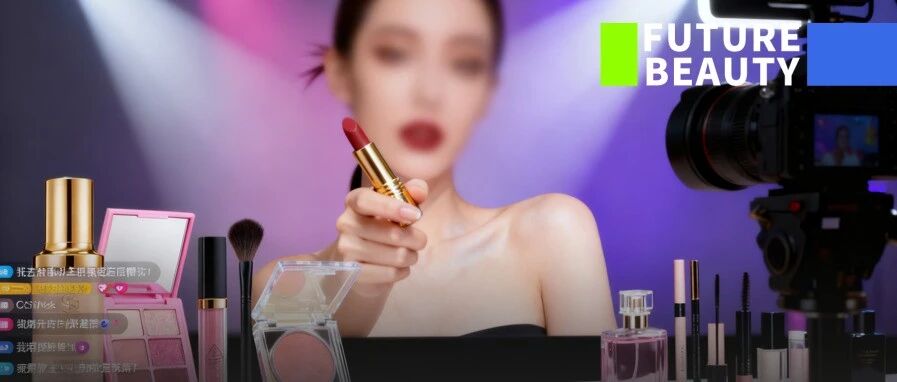
画梅退网、朱瓜瓜惹争议,美妆主播又到“至暗时刻”?
FBeauty未来迹· 2025-12-02 13:26
Core Viewpoint - The beauty live-streaming industry is undergoing a significant trust crisis, with issues related to product quality and exaggerated claims becoming increasingly prominent, leading to a need for rebuilding consumer trust [5][20][21] Group 1: Industry Challenges - Recent controversies involving beauty influencers, such as Huamei pausing beauty content updates and Zhu Guagua facing backlash over product quality, highlight the industry's struggles [3][5] - The beauty live-streaming sector is entering a deep adjustment period, marked by a decline in consumer trust and increasing scrutiny over product claims [5][20] - Zhu Guagua's promotion of Maystar shampoo has led to numerous consumer complaints regarding its effectiveness, with users reporting issues like scalp irritation and oiliness [7][9] Group 2: Consumer Concerns - Consumers have raised two main concerns: the poor quality of products and the potential exaggeration of product efficacy claims, revealing flaws in the influencer's product selection process [10][11] - There is a growing skepticism towards influencers' narratives, particularly when discrepancies arise between their claims and the actual product information [10][11] - The backlash against Zhu Guagua's promotional tactics reflects a broader consumer fatigue with scripted and exaggerated marketing strategies [12][20] Group 3: Market Dynamics - The beauty live-streaming market has seen a significant increase in scale, growing from 19.64 billion to 491.68 billion from 2017 to 2023, but the growth rate has slowed to 8.31% last year [18] - The competitive landscape is shifting, with major brands like Han Shu and Estée Lauder increasing their self-broadcasting efforts, thereby squeezing the space for individual influencers [14][22] - New influencers continue to emerge, indicating opportunities for differentiation in a crowded market, but many struggle to maintain consistent rankings in sales [13][14] Group 4: Future Trends - The industry is moving towards a phase where professional expertise and transparent communication will be more valued than emotional manipulation and scripted narratives [21][22] - Innovative approaches, such as emphasizing scientific skincare and transparent pricing, are being adopted to enhance consumer trust and engagement [22][23] - The need for a more rigorous and systematic product selection process, along with clear communication of product efficacy, is becoming essential for influencers to maintain credibility [23]