华天科技

Search documents
存储板块首份年报预告出炉 约5倍业绩增长“剧透”行业高景气度
Zheng Quan Shi Bao· 2026-01-14 17:33
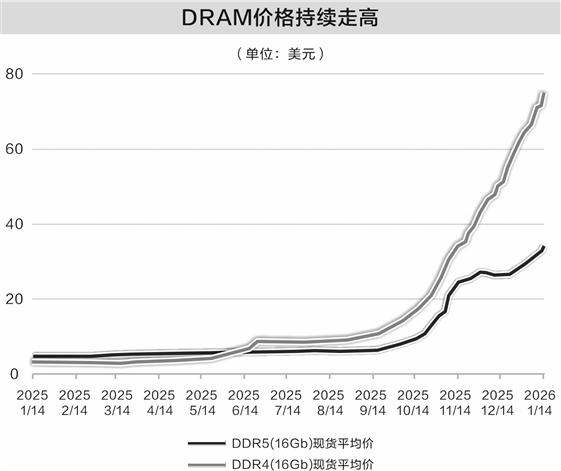
Core Viewpoint - The storage sector is expected to experience significant profit growth by 2025, driven by rising prices and increasing demand for storage chips due to the explosion of AI computing power and data generation. Group 1: Profit Growth Predictions - A total of 12 storage concept stocks are projected to achieve net profit growth or turnaround by 2025, with companies like Jiangbolong and Quanzhi Technology expecting profit increases exceeding 100% [8] - A-share storage module leader Baiwei Storage forecasts a substantial revenue increase to between 10 billion and 12 billion yuan, representing a year-on-year growth of 49.36% to 79.23% [2][3] - The company anticipates a net profit of 850 million to 1 billion yuan, reflecting a dramatic year-on-year growth of 427.19% to 520.22% [3] Group 2: Market Dynamics - The global storage market has entered a strong price increase cycle since 2025, with DRAM prices for DDR5 (16Gb) rising by 627.79% and DDR4 (16Gb) by 2252.57% compared to the beginning of the previous year [4] - NAND Flash prices have also surged, with 64G flash products increasing over 60% since early 2025 [4] - IDC predicts global data volume will reach 213.6ZB by 2025 and grow to 527.5ZB by 2029, with a compound annual growth rate of 25.4% [4] Group 3: Supply and Demand Factors - A significant supply shortage in the commodity storage market is expected in 2026, driven by structural data growth rather than temporary supply chain disruptions [5] - DRAM prices are projected to increase by 88% year-on-year, up from a previous estimate of 53% [5] - Major storage manufacturers are expanding production capacity to capitalize on market opportunities, with companies like Tongfu Microelectronics planning to raise up to 4.4 billion yuan for capacity enhancement projects [6][7] Group 4: Company Performance - Jiangbolong reported a substantial net profit of 698 million yuan in Q3 2025, a nearly 20-fold year-on-year increase [9] - The company has shipped over 80 million self-developed main control chips, indicating strong product demand [9] - Lanke Technology, a leading player in the memory interface chip industry, is expected to maintain robust growth due to increasing DDR5 penetration and new product releases driven by AI [9]


25年总营收约500亿,群创光电将持续加注FOPLP
势银芯链· 2026-01-14 01:02
Core Viewpoint - The article discusses the significant growth and transformation of the display panel industry in mainland China, highlighting the shift towards advanced packaging technologies like FOPLP (Fan-Out Panel Level Packaging) as companies seek new growth opportunities amidst declining traditional panel sales [2][4]. Group 1: Industry Overview - Mainland China has become the largest display panel manufacturing center globally, with a projected LCD panel capacity market share of 75% by 2028 [2]. - In 2025, the total shipment of television sets in China is expected to decline by 8.5% year-on-year, with a notable drop of 16.9% in the second half of the year [2]. - Taiwanese and Japanese/Korean LCD panel companies are optimizing their capacities and exploring new growth areas due to the impact of government subsidies and market conditions [2]. Group 2: Company Focus - Innolux Corporation - Innolux Corporation is shifting part of its focus to non-display panel businesses, particularly FOPLP technology, which has begun mass production with monthly output in the millions [2][5]. - The company aims to achieve a non-panel revenue share of approximately 11-15% by 2025 [5]. - Innolux's revenue for December 2025 is reported at NT$ 214 billion (approximately RMB 47.18 billion), marking a 25.18% month-on-month increase and a 19.22% year-on-year increase [7]. Group 3: FOPLP Technology Insights - FOPLP technology allows for higher chip placement efficiency, with theoretical board-level substrate utilization rates exceeding 95%, leading to significant cost advantages, with packaging costs potentially reduced by at least 50% compared to wafer-level packaging [9]. - The technology is primarily based on glass substrates, with applications in power management and RF chips, and is expected to expand into AI chip markets in the coming years [9][10]. - Challenges include compatibility issues due to the lack of standardization in panel sizes and technical difficulties related to panel warping and precision during the packaging process [10]. Group 4: Market Trends and Competitors - Major companies like NVIDIA and AMD are showing strong interest in FOPLP technology, indicating a growing market demand [10]. - A comprehensive overview of companies involved in FOPLP technology development includes major players like TSMC, ASE, and BOE, each with specific advancements and timelines for production [10][11].

需求强劲封测涨价-持续关注AI先进封装产业进展
2026-01-13 01:10
Summary of Conference Call on Advanced Packaging Industry Industry Overview - The advanced packaging industry is experiencing price increases due to rising costs of upstream precious metals, commodities, and substrate prices, leading to gradual increases in packaging prices [1][2] - Domestic packaging companies are also facing similar cost pressures, with many manufacturers operating at near full capacity, indicating a positive outlook for Q1 2026 [1][3] Key Insights - **Demand Growth**: Strong demand for AI and high-performance computing (HPC) is driving an increase in packaging orders, with prices at ASE rising by 5% to 20%, exceeding previous expectations of 5% to 10% [2] - **Capacity Utilization**: ASE's capacity utilization is over 90%, with a focus on optimizing product mix to prioritize high-margin products [2] - **Market Potential**: Advanced packaging has significant growth potential in AI chip and HBM manufacturing, with the value of advanced packaging in AI chips approaching manufacturing costs [1][5] Market Growth Projections - The global multi-chip integration packaging market is expected to grow from 58.9 billion yuan in 2024 to 185.9 billion yuan by 2029, with a CAGR of 25.8% [8] - The Chinese market is projected to grow from 2.89 billion yuan to 17.68 billion yuan, with a CAGR of 43.7% [8] Company Developments - Major domestic packaging companies such as JCET, Tongfu Microelectronics, and Huatian Technology are actively expanding capacity through advanced manufacturing projects [3][6] - JCET's high-density fan-out packaging project is set to increase capacity by 24,000 pieces per year, with a total investment of nearly 10 billion yuan [6] - Tongfu Microelectronics is progressing with its 2.5D and 3D equipment injection project, while Huatian Technology is investing 2 billion yuan to establish a new advanced packaging company [6] Financial Performance - Shenghe Microelectronics reported a revenue of 3.17 billion yuan for the first half of 2025, with significant contributions from multi-chip integration [10] - The company has a utilization rate of approximately 63%, indicating room for growth [10][11] Future Outlook - The advanced packaging industry is expected to thrive, driven by increasing orders from AI chip design companies and the upcoming IPO of Shenghe Microelectronics, which could enhance market interest [12] - The introduction of advanced technologies such as bonding, TSV, and RDL is expected to increase the value of equipment and materials, with a shift towards higher density I/O interfaces [12][13] - The demand for packaging is anticipated to rise sharply due to the growing number of AI chips, while the complexity of processes and rising costs will elevate the packaging value per chip [13] Investment Opportunities - Companies such as JCET, Tongfu Microelectronics, and Huatian Technology are recommended for investment, along with upstream supply chain opportunities [12] - The need for domestic alternatives in core equipment and materials, currently dominated by foreign suppliers, presents significant investment potential [13]


突发!芯片大利好!
天天基金网· 2026-01-13 01:04
Group 1 - The global storage chip industry is experiencing a price surge, with major packaging and testing companies raising prices by up to 30% due to capacity utilization nearing its limits [2][4] - The advanced packaging index in the A-share market saw significant gains, with companies like Huafeng Measurement Control rising over 7% and Changdian Technology over 6% [2] - The demand for DRAM and NAND Flash chips is increasing, driven by strong orders from major manufacturers, leading to a supply-demand imbalance and further price increases expected in the first quarter [4][6] Group 2 - Major chip manufacturers are focusing resources on advanced processes, which is squeezing the supply of standard DRAM and NAND chips, thus enhancing the bargaining power of packaging and testing companies [6] - High demand from cloud and industrial control markets is fueling the need for DDR4, DDR5, and NAND chips, contributing to the increased demand for packaging services [6] - Goldman Sachs indicates that AI remains a key investment theme through 2026, with a focus on high-end packaging and testing sectors, suggesting potential valuation reassessments for testing suppliers [7][8] Group 3 - Micron Technology is investing approximately $100 billion in a new semiconductor manufacturing facility in New York, aimed at meeting the growing demand for AI systems [8] - The first factory is expected to be operational by 2030, with the entire project projected to create 9,000 jobs by 2045 [8] - The supply constraints in the memory market are expected to persist until at least 2028 due to the lengthy expansion and certification processes for new facilities [9]


存储行业迎来“超级牛市”?手机、笔电等终端产品被迫调价
Zheng Quan Ri Bao Zhi Sheng· 2026-01-12 17:08
Core Insights - The global storage industry has entered a "super bull market," surpassing the historical high of 2018, driven by surging demand for AI computing power and server expansion [1] - DRAM and NAND Flash suppliers have reached their highest bargaining power ever, with storage prices expected to rise significantly in the coming quarters [1] - The current price surge is attributed to a structural supply-demand mismatch rather than a short-term fluctuation, indicating a long-term trend [1][2] Supply and Demand Dynamics - The price of 64GB RDIMM server memory modules has skyrocketed from $255 in Q3 2025 to $450 in Q4 2025, with projections to reach $700 by March 2026, marking a nearly 175% increase within six months [1] - Major semiconductor companies are ramping up production, with packaging and testing firms like Tongfu Microelectronics and Jiangsu Changjiang Electronics Technology reporting high order volumes and near-full capacity utilization [2] - Companies are actively expanding production capacities, with Tongfu Microelectronics planning to raise funds for storage chip packaging capacity enhancement [2] Cost Transmission to End Products - The rising costs of storage chips are being passed on to end products, leading to price increases in smartphones and laptops [4] - Major PC manufacturers like Lenovo, Dell, and HP have raised prices on various laptop models by 500 to 1500 yuan due to anticipated increases in memory prices [4] - The cost of storage chips is becoming a significant factor in the overall bill of materials (BOM) for devices, with estimates indicating that storage now accounts for over 30% of the BOM in some high-end models [5] Market Outlook - The AI-driven storage super cycle is expected to have strong sustainability, benefiting domestic semiconductor equipment and materials companies [3] - The demand for high-bandwidth and large-capacity storage from AI servers and AIPC will continue to support market momentum, prompting manufacturers to restructure supply chain strategies [5] - The industry is likely to experience increased consolidation, with leading brands that excel in cost control and technology integration gaining a competitive edge [5]
又一轮自贸区“申建潮”,这个西北大省能否圆梦?
Mei Ri Jing Ji Xin Wen· 2026-01-12 13:13
Core Viewpoint - The recent surge in applications for Free Trade Zones (FTZs) in China, particularly in Gansu, highlights the strategic importance of these zones for regional development and economic growth, especially in the less developed northwest region [1][2]. Group 1: Gansu's FTZ Application - Gansu has proposed the establishment of the China (Gansu) Free Trade Experimental Zone, aiming to activate the Mazong Mountain Port [1]. - Currently, 22 provinces in China have approved FTZs, with Gansu being one of the nine provinces still seeking approval [1]. - Gansu's application for an FTZ dates back to 2015, coinciding with the second batch of FTZs being established [2]. Group 2: Challenges and Conditions - Gansu's delay in obtaining FTZ status is attributed to its relatively weak economic indicators, such as low foreign trade and investment figures compared to other provinces [3][4]. - The overall environment for FTZ approvals has tightened, with only Xinjiang receiving approval during the 14th Five-Year Plan period, indicating a cautious national strategy [5]. Group 3: Potential for Development - The recent Central Economic Work Conference signaled a potential easing of restrictions on FTZ expansions, which could benefit regions like Gansu [6]. - The strategic significance of the northwest region is emphasized, as it is rich in resources and could play a crucial role in national infrastructure and industrial development [7]. Group 4: Industrial Growth and Opportunities - Gansu has shown promising growth in its semiconductor industry, with production reaching 43.11 billion chips in the first half of 2025, marking an 18.53% increase year-on-year [10]. - The establishment of an FTZ could provide Gansu with policy advantages and innovative mechanisms to address its industrial development challenges [10]. - Other provinces like Inner Mongolia are also exploring industrial innovations, indicating a broader trend of potential growth in the region [10].
芯片,利好传来!
券商中国· 2026-01-12 12:36
Core Viewpoint - The global storage chip industry is experiencing a price surge, particularly in the packaging and testing segment, driven by high demand and limited supply [2][4]. Group 1: Price Increases and Market Dynamics - Major storage packaging and testing companies have raised prices by up to 30% due to capacity utilization nearing its limits, with further price hikes anticipated [2][4]. - The advanced packaging index in the A-share market saw significant gains, with companies like Huafeng Measurement Control rising over 7% and Changdian Technology increasing by over 6% [2]. - The price of 8GB DDR4 memory has surged from $1.40 in January last year to $9.30 in December, indicating a substantial increase in memory prices [5]. Group 2: Supply and Demand Imbalance - The core reason for the tight packaging capacity is the strategic focus of major chip manufacturers like Samsung, SK Hynix, and Micron on expanding AI-specific HBM production, which has squeezed the supply of standard DRAM and NAND chips [6]. - The demand for DDR4, DDR5, and NAND chips is strong, particularly from the cloud and industrial control markets, further fueling the need for packaging services [6]. Group 3: Future Outlook and Investments - Goldman Sachs emphasizes that AI remains a key investment theme through 2026, with a focus on high-end packaging and testing sectors [8]. - Micron Technology is set to invest approximately $100 billion in a new semiconductor manufacturing center in New York, aimed at meeting the growing demand for AI systems [8]. - The construction of this facility is expected to create 9,000 jobs and will include multiple factories, with the first expected to be operational by 2030 [8].

又一轮“申建潮”,这个西北大省能否圆梦?
Mei Ri Jing Ji Xin Wen· 2026-01-11 04:30
Core Viewpoint - The recent surge in applications for Free Trade Zones (FTZs) across various provinces in China, particularly in the northwest region, highlights the strategic importance of these zones for local economic development and integration into national and international trade networks [3][4]. Group 1: Free Trade Zone Applications - Gansu has announced plans to actively apply for the establishment of the China (Gansu) Free Trade Experimental Zone, aiming to open the Mazongshan Port [3]. - Currently, 22 provinces in China have approved FTZs, with Gansu being one of the nine provinces yet to receive approval, alongside Inner Mongolia, Shanxi, and Guizhou, which have also proposed FTZ applications [3][4]. - The development environment for FTZs has changed significantly over the past decade, raising questions about the potential benefits for provinces like Gansu that are now seeking FTZ status [3][4]. Group 2: Historical Context and Current Developments - Gansu's pursuit of an FTZ can be traced back to 2015, coinciding with the second batch of FTZs being established in China [4]. - Despite a long wait since the initial proposal, Gansu has remained persistent in its efforts, with recent developments indicating a renewed focus on establishing the FTZ [4][5]. - The overall environment for FTZ approvals has tightened, with only one new FTZ (Xinjiang) approved during the 14th Five-Year Plan period, indicating a cautious approach from the national government [5][6]. Group 3: Economic and Strategic Importance - The northwest region, particularly Gansu, is seen as having significant potential for FTZ development due to its strategic resources and geographical position [8][10]. - The establishment of new FTZs is expected to enhance the region's role in China's broader strategy for western development and international trade [8][10]. - The recent approval of the Xinjiang FTZ is viewed as a critical step in promoting western openness and integrating the region into global trade networks [8][9]. Group 4: Industry Development and Challenges - Gansu has shown remarkable growth in its semiconductor industry, with production reaching 43.11 billion chips in the first half of 2025, marking an 18.53% increase year-on-year [12]. - The semiconductor sector's growth is attributed to historical military investments and favorable environmental conditions, but challenges remain in terms of funding and technological advancement [12]. - The FTZ's establishment could provide essential policy support and innovative mechanisms to address these challenges and enhance industrial development in Gansu and other candidate provinces [12].

盈新发展收购长兴半导体:主营业务孱弱、亏损扩大 跨界转型能否成功?
Xin Lang Cai Jing· 2026-01-09 10:17
Core Viewpoint - Yingxin Development is in the process of acquiring control of Guangdong Changxing Semiconductor Technology Co., Ltd. to pivot towards the high-growth semiconductor sector amid declining revenues and ongoing losses in its main business areas [1][2][3]. Acquisition Progress - Yingxin Development signed a supplementary agreement to the equity acquisition intention agreement, committing to pay an exclusive intention fee of RMB 10 million within three working days [2][9]. - The company plans to acquire an 81.8091% stake in Changxing Semiconductor, which specializes in memory chip packaging and testing, aiming to gain control post-transaction [2][10]. Financial Performance and Challenges - Yingxin Development has faced significant revenue declines and continuous losses in its tourism and real estate sectors, necessitating the search for new growth engines [1][6][14]. - The company reported a high asset-liability ratio of 58.49% as of Q3 2025, with cash short-term debt coverage ratio at 0.95, indicating liquidity challenges [15]. Market Context - The semiconductor industry is experiencing a new round of price increases driven by demand from the AI sector, which has positively impacted stock prices of related companies [3][10]. - Following the acquisition announcement, Yingxin Development's stock surged by up to 133%, although shareholder reductions were noted shortly after [3][11]. Changxing Semiconductor's Position - Changxing Semiconductor is categorized as a second-tier packaging and testing factory, focusing on niche DRAM/NAND packaging, but has not entered the supply chains of first-tier manufacturers [4][12]. - The company faces challenges such as a shallow patent pool and reliance on foreign suppliers for high-end equipment, which may hinder its competitive edge [4][12].

并购 | 从上市公司收购中多元化支付工具的运用看并购对价的博弈
Sou Hu Cai Jing· 2026-01-07 07:56
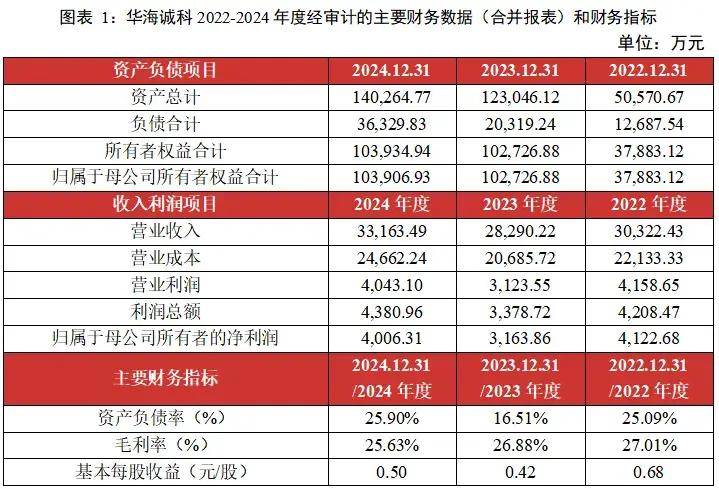
Core Viewpoint - The acquisition of 70% stake in Hengsuo Huawai by Huahai Chengke marks a significant step in enhancing the domestic semiconductor packaging materials industry, aiming to improve international competitiveness and technological capabilities in the sector [1][5]. Company Overview - Huahai Chengke, established in December 2010, is a national-level specialized and innovative "little giant" enterprise focused on the R&D and industrialization of semiconductor chip packaging materials, with a complete R&D and production system and independent intellectual property rights [1]. - Hengsuo Huawai is recognized as a national-level specialized and innovative "little giant" enterprise, with a strong global sales network and a product range that includes over a hundred models under the Hysol brand [2]. Financial Performance - As of December 31, 2024, Huahai Chengke reported total assets of 53.53 billion, total liabilities of 13.21 billion, and total equity of 40.33 billion, indicating growth from the previous year [4]. - The company's revenue for 2024 was 46.78 billion, with a net profit of 4.57 billion, reflecting an increase from 2023 [4]. Market Context - The semiconductor packaging materials market is projected to grow significantly, with epoxy molding compounds being critical for the semiconductor industry, as over 90% of semiconductor chips utilize these materials [4][5]. - The domestic demand for semiconductor supply chain security is urgent, given the low localization rate of high-performance packaging materials in China, which is only 10%-20% [4]. Acquisition Details - The acquisition of Hengsuo Huawai was valued at 1.12 billion, with payment structured through cash, shares, and convertible bonds, allowing for a balanced approach to meet various shareholder needs [6][7]. - The cash payment of 320 million was aimed at addressing short-term liquidity needs of certain shareholders, while share issuance and convertible bonds were designed to bind long-term value supporters [7][9][10]. Strategic Implications - The acquisition is expected to extend Huahai Chengke's production and sales base to international markets such as South Korea and Malaysia, enhancing its global market share and competitiveness [5]. - The multi-faceted payment structure of cash, shares, and convertible bonds is seen as a strategic move to mitigate risks associated with valuation discrepancies and to ensure a smooth integration post-acquisition [10][12]. Industry Outlook - The global semiconductor materials market is anticipated to grow by 3.8% in 2024, reaching approximately 67.5 billion, with packaging materials revenue expected to increase by 4.7% to 24.6 billion [5]. - The Chinese packaging materials market is projected to reach 7.86 billion by 2025, growing at a rate of 7.23% [5].