
阿特斯

Search documents
太空能源需求爆发催化,科创新能源ETF(588830)涨超2.3%
Xin Lang Cai Jing· 2026-01-12 06:47
Group 1 - The core viewpoint is that the maturity of reusable rocket technology is significantly reducing launch costs, leading to a "Moore's Law" moment in commercial space, which is driving huge demand for space photovoltaic technology [1] - Space photovoltaics must address high radiation, large temperature differences, and requirements for lightweight, cost-effective, and thin-film solutions [1] - Current technology pathways include gallium arsenide, which is mature but costly, and silicon technology, which has competitive routes such as P-type, HJT, and HBC that can achieve lightweight designs [1] - The market for space photovoltaics related to low Earth orbit satellites is projected to reach approximately 29.5 billion yuan by 2030, with optimistic scenarios suggesting the market could exceed one trillion yuan when considering space computing scenarios [1] Group 2 - The Science and Innovation New Energy ETF closely tracks the Shanghai Stock Exchange Science and Technology Innovation Board New Energy Index, which selects 50 large-cap stocks in the photovoltaic, wind power, and new energy vehicle sectors [2] - As of December 31, 2025, the top ten weighted stocks in the index include JinkoSolar, First Solar, Trina Solar, and others, collectively accounting for 46.84% of the index [2]
储能+融合发展供需对接会在南京举行
Zhong Guo Qi Che Bao Wang· 2026-01-12 01:42
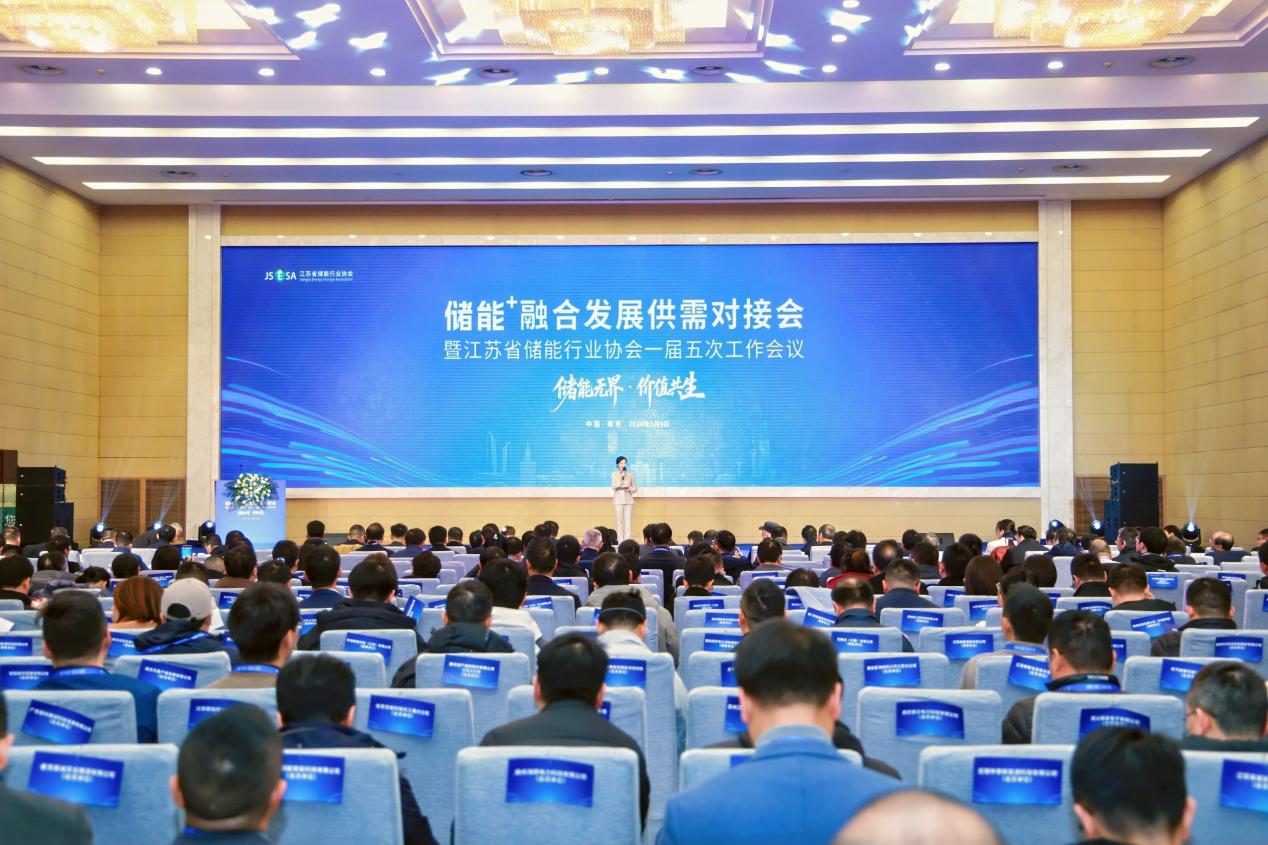
2026年1月9日,由江苏省储能行业协会主办的"储能+融合发展供需对接会"在南京成功举行。 会议以"储能无界,价值共生"为主题,汇聚"政、产、学、研、用、金"各方力量,共商储能融合发展大计,共促产业供需高效对接,共建开放协同的行 业生态。 会议上,《储能先进技术及应用指南2025》正式发行。中国科学院电工研究所研究员、《储能先进技术及应用指南2025》主编唐西胜介绍并启动发行。 他表示,本书由中国工程院院士舒印彪指导作序,编写团队涵盖清华大学、中国电科院等顶尖机构专家,历时一年打磨,系统梳理了电化学储能、压缩空气 储能、氢储能等核心技术原理与进展。 同时,会上《储能先进技术与应用指南(2026)版》优秀案例征集工作同步启动,将继续秉持"收录行业标杆、赋能产业升级"的宗旨,打造权威性与实 操性兼具的储能领域标杆著作。 江苏省工信厅二级巡视员卢载贵在致辞中指出,当前全球能源格局正经历深刻调整,储能产业已成为推动能源转型的关键力量。江苏作为经济与制造强 省,在储能领域已形成显著优势:产业规模上,企业数量超2000家,2025年产业链开票销售规模突破千亿元;技术创新上,发明专利超6万件,前沿技术成 果丰硕;应用场景上 ...

光伏产品取消出口退税,江苏超800MW海上风电项目获核准
GOLDEN SUN SECURITIES· 2026-01-11 05:56
证券研究报告 | 行业周报 gszqdatemark 2026 01 11 年 月 日 电力设备 光伏产品取消出口退税,江苏超 800MW 海上风电项目获核准 光伏:两部门宣布取消光伏等产品增值税出口退税,硅料电池组件价格上涨。近 日财政部、税务总局发布关于调整光伏等产品出口退税政策的公告:自 2026 年 4 月 1 日起,取消光伏等产品增值税出口退税。自 2026 年 4 月 1 日起至 2026 年 12 月 31 日,将电池产品的增值税出口退税率由 9%下调至 6%;2027 年 1 月 1 日 起,取消电池产品增值税出口退税。适时降低或取消光伏产品的出口退税,有助于 推动国外市场价格理性回归,降低我国面临的贸易摩擦的风险。据安泰科统计,本 周多晶硅 n 型复投料成交价格区间为 5.0-6.3 万元/吨,成交均价为 5.92 万元/吨, 周环比上涨 9.83%。n 型颗粒硅成交价格区间为 5.0-6.4 万元/吨,成交均价为 5.58 万元/吨,环比涨幅为 10.5%。据 Infolink,本周 N 型电池片价格如下:183N、 210RN 与 210N 均价再度上调,本周上升至每瓦 0.39 元人民 ...
——储能2026年投资策略:独储迎来商业化关键节点规模化发展β或已现
Hua Yuan Zheng Quan· 2026-01-09 06:02
行业评级:看好(维持) 证券研究报告|行业专题报告 电力设备 2026年1月9日 独储迎来商业化关键节点 规模化发展β或已现 --储能2026年投资策略 证券分析师 姓名:查浩 资格编号:S1350524060004 邮箱:zhahao@huayuanstock.com 姓名:刘晓宁 资格编号:S1350523120003 邮箱:liuxiaoning@huayuanstock.com 姓名:戴映炘 资格编号:S1350524080002 邮箱:daiyingxin@huayuanstock.com 联系人 姓名:豆鹏超 邮箱:doupengchao@huayuanstock.com 请务必仔细阅读正文之后的评级说明和重要声明 主要内容 | 1. | 需求:新能源渗透率走高 | 调节资源重要性持续提升 | | --- | --- | --- | | 2. | 国内:现货+容量机制加速完善 | 价值驱动时代或已来 | | 3. | 海外:市场机制愈发完善 | 增量景气市场或继续增加 | | 4. | 产业链:优选格局较优环节 | 重视企业技术升级与转型α机遇 | | 5. | 风险提示 | | 1.1 双碳目标 ...

光储2026年展望-光伏蛰伏迎拐点-储能方兴未艾时
2026-01-08 16:02
Summary of Conference Call Notes Industry Overview - The conference call discusses the solar energy and energy storage industries, focusing on projections for 2026 and 2027, highlighting trends in demand, supply, and pricing dynamics across various segments of the industry. Key Points on Solar Industry - **Projected Installation Decline**: Domestic solar installation is expected to drop to 180-200 GW in 2027, a decrease of approximately 35% year-on-year, primarily due to prior over-installation [1][2] - **Global Component Demand**: Global demand for solar components is anticipated to fall below 600 GW in 2027, reflecting an 8.5% year-on-year decline, with exports from overseas markets decreasing by about 5% [1][4] - **Market Dynamics**: The concentrated solar power sector remains driven by large base projects, while distributed solar may see some recovery by year-end [2] Key Points on Energy Storage Industry - **Rapid Growth**: The energy storage market is experiencing rapid growth, with a projected increase of over 40% globally next year, driven by policy support and widening price differentials [1][5] - **Domestic Capacity Projections**: Domestic energy storage capacity is conservatively estimated at 180 GWh, with global capacity reaching 400 GWh [3][13] - **Market Trends**: The energy storage market is shifting towards large-scale systems in Europe and is seeing robust demand in emerging markets due to electricity shortages [5][10] Pricing and Profitability Insights - **Price Recovery**: The solar industry is expected to see improved financial reports in Q2, driven by policies that prevent sales below cost and measures to combat internal competition [1][6] - **Component Pricing Trends**: Prices for silicon materials, wafers, cells, and modules have shown signs of recovery, with some companies turning profitable in Q3 [8][9] Emerging Technologies and Innovations - **Technological Advancements**: New technologies such as TOPCon and high-power components are enhancing profitability and market positioning for leading companies [8][9] - **Market Concentration**: The energy storage market is expected to see a decrease in concentration as demand surges, but will likely return to a more concentrated state in the long term [14] Recommendations for Investment - **Key Companies to Watch**: - Large storage and industrial storage companies such as Artis, Tongrun Equipment, and Deye [15][24] - High-power component manufacturers like Jinko and Aiko [24] - Leading silicon material companies with strong cost advantages [24] - Glass companies capable of exporting, and Foster in the encapsulant sector [24] Additional Insights - **Glass Industry Challenges**: The solar glass sector faces overcapacity and high inventory levels, with domestic demand expected to remain weak [17][18] - **Profitability Pressures**: Current glass prices are around 11 RMB, with further declines expected, potentially leading to significant cash flow issues for smaller companies [19][20] This summary encapsulates the critical insights and projections discussed during the conference call, providing a comprehensive overview of the solar and energy storage industries' current state and future outlook.



深夜中概股拉升,虎牙飙涨22%,美股军工股大涨,脑再生跳水30%
2 1 Shi Ji Jing Ji Bao Dao· 2026-01-08 15:55
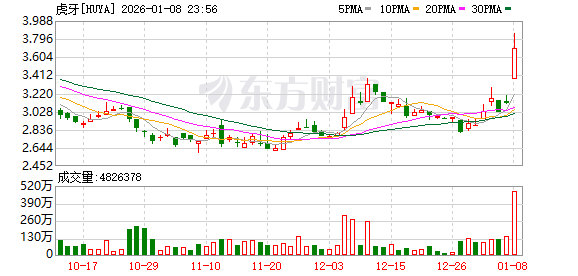
Market Overview - The U.S. stock market opened lower on January 8, with the Dow Jones up 0.34%, S&P 500 up 0.01%, and Nasdaq down 0.51% [2] - Major tech stocks mostly declined, with Nvidia and Intel dropping over 2%, and Apple and Facebook down over 1% [4] - Defense stocks surged, with Northrop Grumman rising over 9% and Lockheed Martin up over 7%, following President Trump's proposal to increase U.S. military spending from $1 trillion to $1.5 trillion for fiscal year 2027 [4] Chinese Stocks - The Nasdaq Golden Dragon China Index saw a short-term rise of over 1.14%, with notable gains from Huya (up over 22%), Bilibili (up over 7%), and Alibaba (up over 4%) [5] - However, Canadian Solar fell over 8%, and Dingdong Maicai dropped over 4% [5] Commodity Prices - Silver prices fell significantly, with spot silver down over 5% and COMEX silver down over 4% [5] - The gold-silver ratio has dropped below 60, currently around 59, with the ratio hitting a ten-year low of 57.22 on January 6 [5] Oil Prices - International oil prices increased, with Brent crude rising nearly 2% to $61 per barrel and WTI crude up 1.95% to $57 per barrel [7] Cryptocurrency Market - Major cryptocurrencies experienced a collective decline, with Bitcoin dropping over 2% to below $90,000 [7][8] - Other cryptocurrencies also saw significant losses, including Ethereum down 3.81% and XRP down 6.66% [8] Employment Data - The number of initial jobless claims in the U.S. was recorded at 208,000, slightly below the forecast of 212,000, with the previous value revised to 200,000 [9] - Federal Reserve Governor Milan indicated a potential interest rate cut of about 150 basis points by 2026, which could create approximately one million jobs without triggering inflation [9] Federal Reserve Outlook - Market expectations suggest the Federal Reserve may enter a rate-cutting cycle, with predictions varying from one to two rate cuts this year [10] - The overall sentiment among Fed officials is cautious, with a focus on balancing employment and inflation data [9][10]




深夜中概股拉升,虎牙飙涨22%,美股军工股大涨,脑再生跳水30%
21世纪经济报道· 2026-01-08 15:43
Market Overview - The U.S. stock market opened lower on January 8, with the Dow Jones up 0.34%, S&P 500 up 0.01%, and Nasdaq down 0.51% [1] - Major tech stocks mostly declined, with Nvidia and Intel dropping over 2%, and Apple and Facebook down over 1% [3] - Military stocks surged, with Northrop Grumman rising over 9% and Lockheed Martin up over 7%, following President Trump's proposal to increase U.S. military spending from $1 trillion to $1.5 trillion for FY2027 [3] Commodity Market - Silver prices fell significantly, with spot silver down over 5% and COMEX silver down over 4%. The gold-silver ratio has dropped below 60, currently around 59, marking a ten-year low [3] - International oil prices saw an increase, with Brent crude rising nearly 2% to $61 per barrel and WTI crude up 1.95% to $57 per barrel [3] Employment and Economic Indicators - The number of initial jobless claims in the U.S. was recorded at 208,000, slightly below the forecast of 212,000, with the previous value revised from 199,000 to 200,000 [4] - Analysts expect the Federal Reserve to potentially lower interest rates by about 150 basis points by 2026, with a focus on balancing employment and inflation [4] Federal Reserve Outlook - Various institutions have differing views on the Fed's interest rate decisions for the year, with JPMorgan and UBS predicting only one rate cut, while Goldman Sachs and Wells Fargo expect two cuts. Some banks believe there will be no cuts at all [5]



中国储能系统:美国政策对中国储能企业的影响-China energy storage system_ US policy impact on China ESS firms
2026-01-08 10:42
Summary of Conference Call on China Energy Storage System (ESS) Market Industry Overview - The conference call focused on the **China Energy Storage System (ESS)** market and its interaction with **US policy**, particularly the **Inflation Reduction Act of 2022 (IRA)** and the **One Big Beautiful Bill Act (OBBBA)** [1][2][3] Key Points and Arguments US Policy Impact - The IRA established a framework for tax incentives in the US ESS sector, primarily through the **Investment Tax Credit (ITC)** and the **Production Tax Credit (PTC)**, with credits ranging from **6% to 30%** depending on compliance with wage and apprenticeship standards [1] - The OBBBA, enacted on **July 4, 2025**, introduces curtailments for ESS, including accelerated phaseouts and **Prohibited Foreign Entity (PFE)** restrictions, which will impact tax credits for projects starting construction after **2033** [1][2] Asymmetric Impact on ESS - The OBBBA imposes asymmetric constraints on ESS tax incentives, particularly affecting projects linked to PFEs, which include entities from countries like China [2] - The ITC has stringent recapture provisions that can jeopardize credits if non-compliant components are integrated post-construction, while the PTC offers greater flexibility in managing sourcing [2][3] Short-term and Long-term Strategies - In the short term, ESS firms are favoring the PTC to navigate stringent FEOC restrictions associated with the ITC [3] - The market is witnessing a surge in **front-loaded shipments** as developers aim to capitalize on IRA provisions before stricter FEOC restrictions take effect [3] - Solutions to navigate FEOC constraints include collaborations, such as **Tesla's partnership with CATL** for battery production in the US, and **Canadian Solar's restructuring** to maintain tax-credit eligibility [3] Compliance and Manufacturing Strategies - ESS firms are exploring offshore manufacturing to circumvent PFE designations while maintaining access to production-linked credits [2][3] - The eligibility for tax credits remains contingent on **Material Assistance Cost Ratio (MACR)** calculations, which could trigger ineligibility if thresholds are exceeded [2] Additional Important Content - The call highlighted the **complexity of FEOC rules** and the potential convergence of PTC restrictions toward ITC-like stringency, which could diminish credit availability for ESS unless domestic manufacturing scales sufficiently [5] - The discussion emphasized the need for rapid domestication of supply chains to mitigate geopolitical dependencies and compliance costs amid ongoing supply-chain disruptions [1][5] Conclusion - The conference call provided insights into the evolving landscape of the ESS market in China, particularly in light of US policy changes that create both challenges and opportunities for manufacturers and developers in the sector. The emphasis on compliance, strategic partnerships, and adaptive manufacturing practices will be crucial for navigating the regulatory environment and sustaining growth in the ESS market.
AI浪潮之基,电力价值与生态重塑
HUAXI Securities· 2026-01-08 02:38
Investment Rating - The report maintains a positive investment outlook on the power equipment sector, driven by the rapid development of AIDC and ongoing investments in grid construction [3]. Core Insights - The power system is expected to undergo a value and ecological transformation due to the surge in computing power demand driven by AI technology and applications [3]. - The report identifies two main demand drivers (increased electricity demand and enhanced power quality requirements) and three key sectors (generation, grid, and user) that will reshape the power system's value and ecology [3]. - The demand for gas turbines and energy storage solutions is expected to rise significantly due to the expansion of data centers and the need for reliable power supply [3]. - The global grid construction demand is increasing, particularly in regions with aging infrastructure, leading to heightened investment from utility companies [3]. - The report highlights the importance of companies with strong channel resources and technological advantages in capitalizing on these trends [3]. Summary by Sections AI Applications and Power System Transformation - The rapid development of AI applications is reshaping the value of the power system, with significant implications for electricity demand and supply efficiency [4][8]. - The report emphasizes the need for technological upgrades in power supply systems to meet the increasing demands of AI-driven applications [3]. Generation Side: Increased Electricity Demand - The global electricity demand from data centers is projected to reach 415 TWh in 2024 and 945 TWh by 2030, with a CAGR of approximately 15% [16]. - The report notes that the demand for gas turbines is rising as data centers explore on-site generation solutions to enhance energy efficiency and supply resilience [22][23]. - Companies like GE Vernova and Siemens Energy are experiencing a surge in gas turbine orders, indicating a robust market outlook [27][71]. Grid Side: Growing Construction Demand - Aging power grids in developed economies are under pressure, necessitating increased investment in infrastructure upgrades [54][56]. - The U.S. is launching initiatives to accelerate grid infrastructure projects to meet rising electricity demands driven by AI [58]. - European utility companies are also ramping up investments in grid infrastructure to address similar challenges [65]. User Side: Power Supply Technology Evolution - The report highlights a shift towards high-voltage and direct current (DC) power supply systems in data centers to accommodate rising power demands [81][90]. - Major tech companies are transitioning to DC power distribution systems to improve efficiency and support higher power densities [100][104].
华西证券:电力设备需求迎来景气周期 重点关注AI电源等核心环节
智通财经网· 2026-01-08 02:12
Core Insights - The report from Huaxi Securities indicates that the demand for electrical equipment is entering a prosperous cycle driven by the rapid development of AIDC (AI Data Center) and continuous growth in grid construction investment [1][2] Group 1: Power Generation Side - The expansion of data centers is leading to an increasing contradiction between power supply and demand, necessitating enhanced power solutions, particularly for gas turbines and energy storage [3] - Gas turbines are currently the preferred choice in North America to alleviate power supply issues, with industry demand on the rise [3] - Owners can accelerate power supply assurance and rapid grid connection or expansion by configuring energy storage systems due to their construction cycle and supply capability advantages [3] Group 2: Grid Side - There is an increasing demand for global grid construction, especially in regions like Europe and North America where infrastructure is relatively weak [4] - Aging grid systems are putting pressure on the electrical grid, prompting U.S. utility companies and some European grid operators to increase investment in grid infrastructure [4] - Leading overseas power equipment companies such as Eaton, Hyundai Electric, and Siemens Energy have substantial orders on hand, while domestic companies are also increasing grid investment and expanding overseas [4] Group 3: User Side - The surge in AI computing power is driving AIDC towards high power consumption, which raises the requirements for power reliability and efficiency [5] - The power supply architecture is evolving towards higher voltage and direct current systems, with server power technology continuously iterating [5] - The transition from PowerShelf to PowerRack in server power systems is occurring against a backdrop of increasing power demands, suggesting that companies with technological advantages are likely to benefit [5] Group 4: Beneficiary Targets - Key beneficiaries include transformer and SST manufacturers such as Suyuan Electric, Jinpan Technology, Igor, Huaming Equipment, Shunma Electric, Sifang Co., and China West Electric [6] - Gas turbine and related component manufacturers include Dongfang Electric, Boying Welding, and Harbin Electric [6] - AI power companies include Xinle Energy, Keda, Magmeter, Oulu Tong, Zhongheng Electric, Hewei Electric, and Xinrui Technology [6] - Energy storage and related component manufacturers include Sunshine Power, Shangen Electric, Canadian Solar, CATL, Yiwei Lithium Energy, Penghui Energy, Xinwanda, and Zhongchuang Innovation [6]
