茶百道

Search documents
港股新消费概念股持续低迷





Jin Rong Jie· 2025-12-09 05:42
Group 1 - The new consumption concept stocks in the Hong Kong market continue to be sluggish, with significant declines observed [1] - Pop Mart (09992.HK) fell over 5%, while Blok (00325.HK) dropped 4.3% [1] - Other companies such as Guoquan (02517.HK), Xiaomi Group (01810.HK), and Laopu Gold (06181.HK) experienced declines exceeding 3%, and Chabaidao (02555.HK) fell by 2.8% [1]
中金:维持茶百道“跑赢行业”评级 目标价9.3港元
Zhi Tong Cai Jing· 2025-12-08 08:14
Core Viewpoint - The company maintains a positive outlook on Cha Bai Dao (02555), projecting net profits of 870 million and 1.06 billion yuan for 2025 and 2026, respectively, with a target price of 9.3 HKD, indicating a potential upside of 31% based on a P/E ratio of 14/12 times for 2025/2026 [1] Group 1: Company Adjustments and Innovations - The company is undergoing a deep adjustment period from 2024 to 2025, with initial positive results observed, and further improvements expected in 2026 [2] - In the second half of 2025, the company is restructuring its R&D organization and new product introduction mechanism to a more market-oriented approach, focusing on consumer insights and market trends [2] - Recent product innovations, such as the solid mango sago, have become a core competency, leading to a double-digit growth in same-store sales in November [2] Group 2: Sales Channel Exploration and Store Management - The company plans to enhance its coffee product line in 2026, utilizing fresh milk and fruits to boost morning sales and achieve scale effects, with 200 stores already equipped with coffee machines [3] - The company aims to expand its price range to meet the demand for lower-priced beverages in lower-tier markets, targeting a 3-4% increase in store expansion in tier 3-4 cities and a 6-10% increase in tier 4 and below [3] - A new membership pricing system is being implemented to guide consumer orders through online and offline channels, with a focus on encouraging in-store purchases [3] Group 3: Channel Operations and Profitability - The company plans to recover franchise subsidies by enhancing store profitability through standardized products, smart tea-making machines, and operational reforms [4] - Expected improvements in store and company profitability in 2026, with a projected dividend payout ratio of 60-80% over the next three years, corresponding to a current dividend yield of 5.4-7.2% [4]
中金:维持茶百道(02555)“跑赢行业”评级 目标价9.3港元
智通财经网· 2025-12-08 08:13
Core Viewpoint - Company is undergoing a deep adjustment period from 2024 to 2025, with initial positive results observed, and further improvements expected in 2026 [1] Group 1: Business Strategy and Product Development - In the second half of 2025, the company is restructuring its R&D organization and new product launch mechanism to a more market-oriented approach, focusing on consumer insights and data analysis [1] - Recent product innovations, such as the solid mango sago, have become a core competency for the company, leading to double-digit growth in same-store sales in November [1] Group 2: Sales Channel Expansion and Store Operations - The company plans to enhance its coffee product line in 2026, aiming to increase morning sales and achieve economies of scale with the installation of coffee machines in 2000 new stores [2] - The company is restructuring its membership pricing system to guide consumers towards online orders while increasing offline activities to encourage in-store purchases [2] Group 3: Profitability and Financial Outlook - The company is expected to recover franchisee subsidies by standardizing products and improving operational efficiency, which will enhance store profitability [3] - Over the next three years, the company aims for a dividend payout ratio of 60-80%, indicating a current dividend yield of 5.4-7.2%, highlighting its investment value [3]
5家消费公司拿到新钱;豆包手机陷入无法使用微信争议;蜜雪冰城开始卖早餐了|创投大视野
3 6 Ke· 2025-12-07 06:33
Group 1: Company Financing - The high-end gold jewelry brand "寶蘭" has completed over 100 million RMB in Series A financing, led by Challenger Capital, with funds allocated for brand enhancement, multi-channel layout, supply chain resilience, and talent empowerment [1] - The smart delivery company "江苏云闪送" has announced a completion of 30 million RMB in Series A financing, focusing on upgrading its intelligent scheduling system, expanding its national service network, and building a logistics ecosystem [2] - AI video generation platform Pollo AI has raised 14 million USD in financing, with over 20 million registered users and achieving breakeven in May this year [3] - Robotics company "优理奇机器人" has completed a total of 300 million RMB in financing across two rounds, indicating market recognition of its integrated strategy in embodied intelligence [4] - "戴盟机器人" has completed a strategic round of financing worth over 100 million RMB, aimed at advancing technology breakthroughs and global market expansion [5] Group 2: Company Developments - The launch of the "豆包手机助手" on the nubia M153 has faced issues with WeChat login, leading to the discontinuation of this feature by ByteDance [6][7] - The Taiwanese authorities have announced a one-year ban on the app Xiaohongshu, citing security concerns, although the app remains accessible to many users [8][9] - Shanghai Linqingxuan Cosmetics Group has updated its IPO application, reporting a 98.3% year-on-year revenue growth in the first half of 2025 [10][12] - The breakfast initiative by "蜜雪冰城" is currently being tested in select cities, expanding its product offerings [14][15][16] - The launch of the winter product "豆乳黑麒麟" by Tea Baidao has achieved over 200,000 cups sold on its first day [17] - "奈雪的茶" has appointed actress Gao Yuanyuan as its brand ambassador and launched a low-GI fruit tea product [19] Group 3: Industry Insights - The 2025 holiday film season has surpassed 2.5 billion RMB in box office revenue, led by "疯狂动物城2" [20] - China's esports industry revenue reached 29.33 billion RMB in 2025, with a 6.4% year-on-year growth [21] - Global smartphone production reached 328 million units in Q3 2025, marking a 7% year-on-year increase [22]

5家消费公司拿到新钱;豆包手机陷入无法使用微信争议;蜜雪冰城开始卖早餐了|创投大视野
36氪未来消费· 2025-12-06 11:27
Group 1 - The high-end gold jewelry brand "寶蘭" has completed over 100 million RMB in Series A financing, led by Challenger Capital, with funds allocated for brand enhancement, omnichannel layout, supply chain resilience, and talent empowerment [3][4] - "江苏云闪送," a smart delivery company, has raised 30 million RMB in Series A financing, focusing on upgrading its intelligent scheduling system, expanding its national service network, and building a logistics ecosystem [5][6][7] - Pollo AI, a video content creation platform, has secured 14 million USD in funding, with over 20 million registered users and achieving breakeven in May this year [8][9] Group 2 - "优理奇机器人" (UniX AI) has announced a total of 300 million RMB in financing across two rounds, indicating market recognition of its integrated strategy in embodied intelligence [9][10] - "戴盟机器人" has completed a strategic round of financing worth over 100 million RMB, aimed at advancing technology breakthroughs, product development, and global market expansion [11] - Shanghai Lin Qingxuan Cosmetics Group has updated its IPO application, reporting a 98.3% year-on-year revenue growth in the first half of 2025, with a net profit increase of 109.86% [19][21][22] Group 3 - "蜜雪冰城" has initiated a breakfast program in select cities, expanding its product offerings beyond beverages [23][24] - "茶百道" launched a winter product, the "豆乳黑麒麟," which sold over 200,000 cups on its first day, highlighting the trend of seasonal beverage innovation [25][26] - "奈雪的茶" has appointed actress Gao Yuanyuan as its brand ambassador and introduced a low-GI fruit tea, marking a significant product innovation in the tea beverage sector [27][28] Group 4 - The 2025 New Year film season has surpassed 2.5 billion RMB in total box office revenue, with "疯狂动物城2" leading the charts [29] - China's esports industry revenue reached 29.33 billion RMB in 2025, showing a 6.4% year-on-year growth, with live streaming accounting for 80.81% of the revenue [30] - Global smartphone production reached 328 million units in Q3 2025, reflecting a 7% year-on-year increase, driven by seasonal demand and new product launches [31]


冬日“暖经济”激发消费新热点
Xin Hua Cai Jing· 2025-12-05 09:00
Core Insights - The "warm economy" is rapidly gaining traction across China, driven by the cold wave, enhancing traditional dining and leisure consumption while reflecting a shift towards quality, health, and experiential consumption [1][2] Group 1: Dining Sector - Hot pot, buffet, and local specialty dishes are experiencing a surge in demand, with search volumes significantly above average [1] - In the past week, there has been a notable increase in 1-to-1 urgent delivery orders, particularly for soup and hot drinks, with orders for braised pots and spicy dishes rising over 30% week-on-week [1] - New tea beverage brands are prominently promoting their winter hot drinks, with one brand reporting a doubling in hot drink sales over the past month [1] Group 2: Leisure Consumption - The bathing industry is witnessing remarkable growth, transforming from a single service to a comprehensive leisure activity that includes bathing, dining, entertainment, and accommodation [2] - On November 22, the transaction scale for bathing services exceeded 100 million yuan, with over 2,000 bathing centers experiencing a year-on-year increase of over 152% [2] - Major cities like Beijing, Shanghai, and others reported transaction growth exceeding 100% [2] Group 3: Online Shopping Trends - There is a significant increase in sales of mid-to-high-end winter clothing and localized heating products, indicating a refined consumer demand for comfort [2] - The overall development of the "warm economy" reflects both seasonal demand release and ongoing optimization of consumption structure, showcasing a new market trend [2]
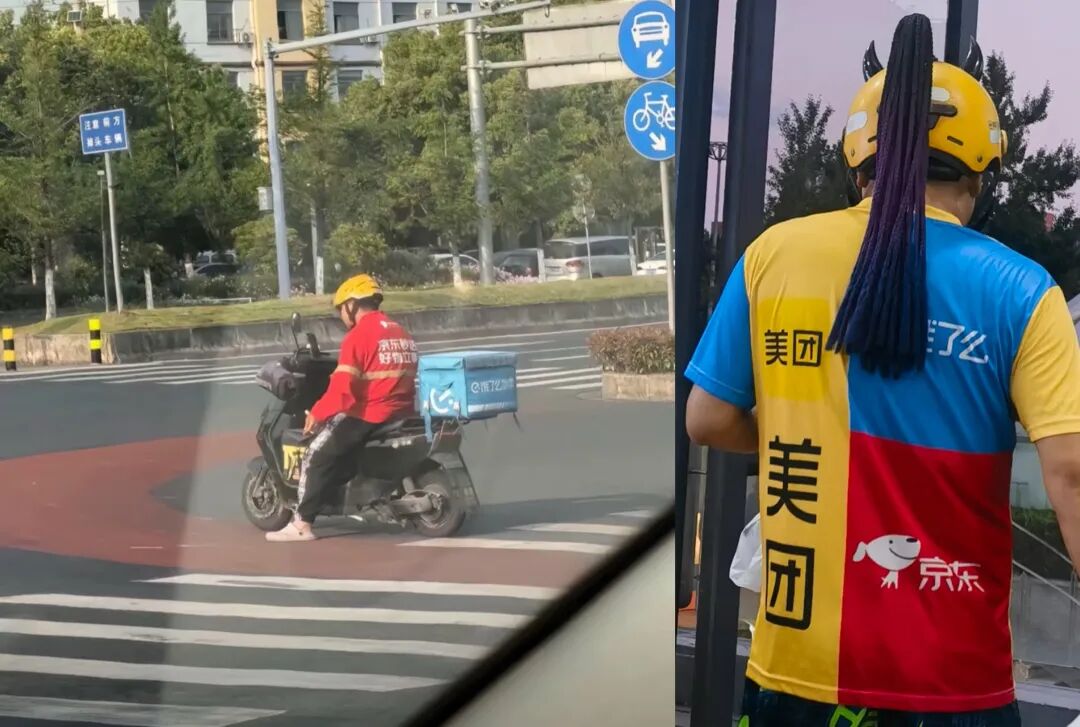
为了三套新工服,外卖平台烧光1000亿
3 6 Ke· 2025-12-04 23:48
Core Insights - The intense competition among Meituan, JD.com, and Alibaba in the food delivery sector has led to a combined loss of nearly 100 billion yuan in profits over the past six months, marking one of the most costly battles in Chinese internet history [1][4][7] - The third quarter saw unprecedented levels of platform subsidies, resulting in significant financial losses for all three companies, with Meituan reporting its largest quarterly loss since its IPO [1][4][12] Financial Performance - Meituan experienced a quarterly loss of approximately 448 million yuan, while Alibaba's e-commerce business saw a staggering 85% year-on-year decline in operating profit [1][4] - JD.com reported a 108% year-on-year drop in overall operating profit, indicating severe financial strain across the board [1][4] - Marketing expenditures surged dramatically, with Alibaba and JD.com increasing their spending by 106% and 110% respectively, while Meituan's marketing costs rose by 91% [4][12] Market Dynamics - The oligopolistic structure of the food delivery market is beginning to shift, with Meituan's market share expected to drop to around 65% in 2024, a decline of nearly 20% from previous levels [4][7] - The competition is not just about food delivery; it serves as a strategic entry point for e-commerce growth, with JD.com and Alibaba leveraging food delivery to drive traffic to their core retail businesses [7][12] User Engagement and Growth - Despite the financial losses, user engagement metrics have shown positive trends, with JD.com's food delivery GMV experiencing triple-digit growth and a nearly 50% conversion rate for new users [7][12] - Meituan's daily active users increased by over 20% year-on-year, indicating a strong user base despite the competitive pressures [7][12] Strategic Shifts - The companies are recognizing the unsustainable nature of the price war, with a collective call to resist "disorderly competition" in the food delivery sector [22][24] - JD.com is reportedly adjusting its strategy by launching an independent app for food delivery and focusing on improving unit economic costs [22][24] - Alibaba plans to significantly reduce its investment in flash sales in the upcoming quarter, indicating a shift towards more sustainable practices [22][24]

创新还是噱头,餐饮跨界边在哪?
Qi Lu Wan Bao· 2025-12-04 22:02
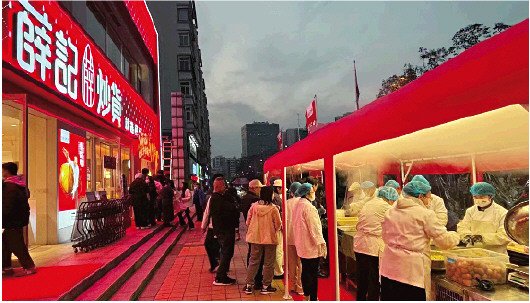
Core Viewpoint - The article discusses the trend of food and beverage brands diversifying their product offerings by entering new categories, such as breakfast items and snacks, to enhance customer engagement and drive sales growth [2][4][5]. Group 1: New Product Launches - Recently, customers reported that Mixue Ice City has introduced a breakfast series in its app, featuring items priced at 5 yuan each, although the rollout is currently limited to select cities like Dalian and Xi'an [2]. - Xueji Snack has also ventured into the snack market by selling fried items such as chicken legs and meatballs, with prices ranging from 10 yuan for a chicken leg to 19.8-39.8 yuan per pound for other snacks [3]. Group 2: Industry Trends - The restaurant industry is shifting from expansion to deepening existing markets, with brands focusing on creating diverse consumption experiences to attract a wider customer base and increase purchase frequency [4]. - The "fast food economy" is becoming a key area for many brands, with examples including M Stand's breakfast sets and Tims' lunch boxes, indicating a growing trend towards all-day dining options [4]. Group 3: Consumer Reactions - Social media users have expressed mixed feelings about the cross-industry innovations, with some appreciating the new combinations while others emphasize the importance of taste and service over novelty [5]. - The cross-industry attempts have helped brands attract younger consumers, expanding their traditional customer base, which primarily consisted of individuals aged 30-60 [5]. Group 4: Challenges and Opportunities - Despite having a "stock advantage," brands face challenges in maintaining product quality and pricing strategies when entering new markets, as seen with brands like Heytea and others that struggled to establish sustainable consumption habits [6]. - Experts suggest that brands with established store networks can leverage their existing resources to minimize costs while introducing new product lines, but they must also ensure staff are adequately trained to maintain quality [6][7].

全球排名提升5位的背后,成都金融如何强支撑?|“十四五”对账本
Sou Hu Cai Jing· 2025-12-04 13:37
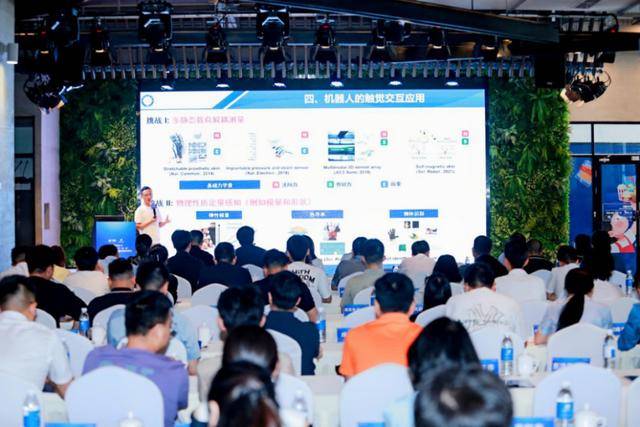
Core Insights - Chengdu's capital market has seen significant activity in November, with companies like Canopus Robotics and NobiKan AI filing for Hong Kong Stock Exchange listings, and WoFei ChangKong completing financing of several hundred million yuan [1] - The city aims to enhance its financial sector, targeting a financial industry value-added of over 280 billion yuan by 2025, while maintaining a top-tier position in the global financial center index [1] Financial Growth - By the end of 2024, Chengdu's banking assets and liabilities are projected to exceed 8 trillion yuan, marking over 56% growth since the beginning of the 14th Five-Year Plan [2] - The financial industry's value-added is expected to grow by 9.3% compared to the start of the 14th Five-Year Plan, with total deposits and loans reaching 6.27 trillion yuan and 6.66 trillion yuan respectively [2] Financial Ecosystem Development - Chengdu has seen a 68.42% increase in private equity fund management scale since the start of the 14th Five-Year Plan, with the establishment of a complete financial license system [5] - The city has implemented initiatives to connect financial resources directly to key enterprises and projects, providing substantial financial support for economic growth [5] Financing Initiatives - The "Huirong Loan" program has surpassed 200 billion yuan in loans, significantly alleviating financing pressures for local enterprises [6] - Chengdu Bank has launched the "Cheng Xiaowei" service brand to support small and micro enterprises with comprehensive financial services [6] Customized Financial Solutions - A "Financial Advisory Service Team" has been established to provide tailored solutions for businesses, completing over 950 projects related to supply chain financing and listing guidance [9] - Chengdu has launched a 100 billion yuan future industry fund to invest in emerging sectors, with the first batch of sub-funds totaling approximately 6.5 billion yuan already signed [9] Capital Market Performance - As of October 2025, Chengdu has 153 listed companies with a total market capitalization exceeding 2 trillion yuan, reflecting the city's growing capital strength [10] - The city has developed a comprehensive capital market service ecosystem, facilitating the listing process for local companies and hosting various promotional activities [10] Future Directions - Chengdu's financial authorities plan to continue enhancing support for key industries and small and micro enterprises, focusing on technological innovation and resource integration [11]
为了三套新工服,外卖平台烧光1000亿
远川研究所· 2025-12-04 13:04
Core Viewpoint - The intense competition among Meituan, JD, and Alibaba in the food delivery sector has led to significant financial losses, with nearly 100 billion yuan in profits wiped out over the past six months, marking one of the most costly battles in Chinese internet history [2][6]. Group 1: Financial Performance - Meituan reported its largest quarterly loss since its IPO, while Alibaba's e-commerce business saw operating profits decline by 85% year-on-year, and JD's overall operating profit dropped by 108% [2][6]. - In Q3, Alibaba's EBITDA decreased by approximately 24 billion yuan, while JD and Meituan's EBITDA fell by 17.5 billion yuan and 44.8 billion yuan, respectively [6]. - Marketing expenses surged dramatically, with Alibaba and JD increasing their spending by 106% and 110% year-on-year, while Meituan's marketing costs rose by 91% [6]. Group 2: Market Dynamics - The oligopolistic structure of the food delivery market is beginning to shift, with Meituan's market share expected to drop to around 65% in 2024, a decline of nearly 20% this year [6][8]. - The competition is not just about food delivery; it serves as a strategic entry point for e-commerce growth, with JD and Alibaba leveraging food delivery to drive traffic to their core retail businesses [8][9]. Group 3: User Engagement and Growth - JD's food delivery GMV experienced triple-digit growth, with new user conversion rates nearing 50%, leading to a 40% increase in active users and shopping frequency [9]. - Taobao's flash sales in August contributed to a 25% year-on-year increase in monthly active users, while Meituan also saw a more than 20% increase in daily active users [9]. Group 4: Strategic Adjustments - The three major platforms have begun to recognize the unsustainable nature of the price war, with joint statements issued to resist "disorderly competition" in July [22]. - JD has quietly adjusted its strategy, including plans to launch an independent app and improve unit economic costs, while Alibaba aims to significantly reduce its flash sales investments in the upcoming quarter [22]. Group 5: Long-term Outlook - Despite the fierce competition, the platforms are now more focused on survival rather than solely defeating competitors, indicating a potential shift towards more sustainable practices in the industry [22][23]. - The ongoing battle in the food delivery sector is expected to continue, with companies acknowledging that the price war has not created value for the industry and is not sustainable [20][26].