欣旺达

Search documents
早报 | 字节阿里春节推新AI模型;SpaceX拟与特斯拉或xAI合并;黄金白银深夜巨震;苹果Q4营收和iPhone销售均创新高
虎嗅APP· 2026-01-30 00:50
Group 1 - ByteDance and Alibaba are set to launch new AI models around the Lunar New Year, intensifying competition in China's AI and cloud market [2] - ByteDance plans to release three new models, including large language models and image/video generation, to challenge Alibaba's market position [2] - Alibaba will launch its flagship model Qwen 3.5, which is expected to have strong mathematical and coding capabilities, alongside a major holiday marketing push [2] - The competition is crucial for determining the future landscape of China's AI cloud market, projected to reach nearly $90 billion by 2030 [2] Group 2 - Apple's Q4 revenue reached a record $143.76 billion, a 16% year-over-year increase, exceeding analyst expectations [4] - iPhone sales revenue surged 23% year-over-year to $85.27 billion, also surpassing forecasts [4][5] - Apple's active device installations have exceeded 2.5 billion, indicating high customer satisfaction with its products and services [6] Group 3 - Amazon is in talks to invest up to $50 billion in OpenAI, potentially becoming the largest investor in the current funding round [6][7] - OpenAI is seeking to raise up to $100 billion, which could value the company at $830 billion [6] - The investment discussions are led by Amazon's CEO, indicating a significant strategic move in the AI sector [6] Group 4 - Blackstone Group is reportedly close to becoming the largest shareholder of New World Development, marking a significant shift in control [12] - New World Development has faced financial difficulties, being one of Hong Kong's most indebted developers [12] Group 5 - Huawei announced significant price reductions across its smartphone lineup, with discounts reaching up to 4,000 yuan [13] - The promotional campaign is set to run until February 28, targeting increased sales during the holiday season [13] Group 6 - Microsoft reported strong Q2 results for FY2026, with revenue and profit exceeding Wall Street expectations, but its stock experienced a significant drop [14] - The company's capital expenditures rose 66% year-over-year to a record $37.5 billion, raising concerns about the return on investment in AI [14]





汰劣立规“反内卷” 中国电池产业转向价值竞争
Zhong Guo Chan Ye Jing Ji Xin Xi Wang· 2026-01-30 00:20
Core Insights - The battery industry is entering a phase of "de-involution" as government policies aim to optimize capacity planning and regulate market competition, signaling an end to the era of disorderly growth in battery production [1][2]. Group 1: Policy Changes - A joint meeting by four government departments emphasized the need to optimize capacity planning and avoid overcapacity risks in the battery sector [1]. - The Ministry of Finance and the State Taxation Administration announced a phased reduction of the export VAT rebate for battery products, decreasing from 9% to 6% from April 1, 2026, and completely eliminating it by January 1, 2027 [1][2]. - The phased approach to the export VAT rebate aims to provide a transition period for the industry, allowing for the orderly exit of low-quality production capacities [3][4]. Group 2: Industry Challenges - The reduction in export rebates is expected to increase export costs for companies, particularly affecting small and medium-sized enterprises that rely on low-price strategies [2][6]. - Current production capacity in China's battery sector exceeds 3000 GWh, while actual demand is projected to be around 1500 GWh by 2025, leading to low utilization rates [2][3]. - The price of storage systems has dropped by 80% over three years, with some battery export prices falling below production costs, resulting in negative profit margins for certain companies [2]. Group 3: Market Dynamics - Despite challenges, the demand for electric and storage batteries remains strong, with expectations for the share of storage batteries to increase from one-quarter to potentially one-half of the market [3][4]. - The new policies are expected to accelerate industry consolidation, pushing companies to focus on technological innovation and brand strength rather than price competition [2][3]. - The upcoming changes may lead to a surge in exports as companies rush to ship products before the rebate reduction takes effect, potentially causing supply chain strains [5][6]. Group 4: Globalization and Competitive Landscape - The shift away from subsidy dependence is anticipated to enhance the competitive edge of Chinese battery companies in the global market, focusing on technology, branding, and supply chain integration [9][10]. - Companies are expected to adapt by strengthening international collaborations and optimizing production strategies to mitigate the impact of rising costs due to the rebate changes [10][11]. - The long-term outlook suggests that the balance of supply and demand will increasingly depend on global market needs and technological advancements rather than just domestic production capacity [4][10].

密集官宣全固态电池,纯电车最后一块短板要被补齐了
Hua Er Jie Jian Wen· 2026-01-29 23:23
Core Viewpoint - The new energy vehicle (NEV) industry is experiencing a favorable shift due to changing geopolitical relations, with markets like Europe and Canada opening up to Chinese NEVs, which were previously hindered by tariffs and policy barriers [1][3] Group 1: Market Dynamics - European and Canadian markets are now welcoming Chinese NEVs, with the EU even suggesting price increases for these vehicles, alleviating pressure on domestic brands [1] - Concerns remain regarding the performance of Chinese NEVs in cold climates, particularly in Canada, where battery efficiency may be compromised [1][3] Group 2: Technological Advancements - CATL's "Tianxing II" sodium-ion battery, capable of maintaining 90% capacity at -40°C, represents a significant technological breakthrough for NEVs in extreme cold environments [2][3] - The market response to the "Tianxing II" battery has been muted, overshadowed by rumors of Huawei's solid-state battery, which reportedly offers a range of 3000 km and rapid charging capabilities [2][3] Group 3: Battery Technology Evolution - The NEV industry has transitioned from lithium-ion batteries, primarily led by Tesla, to lithium iron phosphate (LFP) batteries, which are cheaper and safer but have limitations in energy density [4][5] - CATL's fifth-generation LFP battery has achieved a range of nearly 1200 km, making it competitive against traditional lithium-ion technologies [5] Group 4: Future of Battery Technology - Sodium-ion batteries, like the "Tianxing II," are seen as a potential solution for extreme environments, but they do not fully address the industry's need for high-performance, cost-effective solutions [6][7] - Solid-state batteries are viewed as the next major breakthrough, with potential energy densities significantly higher than current lithium-ion technologies, promising ranges over 2000 km and rapid charging times [8][10] Group 5: Market Implications - The cost of batteries constitutes about 40% of the total cost of electric vehicles, making the development of solid-state batteries critical for competitive pricing and profit margins [10][11] - Major automotive and battery companies are racing to develop solid-state technology, with firms like Toyota and Samsung targeting commercial production by 2027 [11][12] Group 6: Challenges Ahead - Despite the promise of solid-state batteries, challenges such as high production costs, charging speed limitations, and the need for new manufacturing processes remain significant hurdles [14][15] - Experts predict that while solid-state technology may see technical advancements by 2030, widespread commercial availability may not occur until 2035 [15]

欣旺达电子股份有限公司(H0379) - 申请版本(第一次呈交)
2026-01-29 16:00
香港交易及結算所有限公司、香港聯合交易所有限公司及證券及期貨事務監察委員會對本申請版本 的內容概不負責,對其準確性或完整性亦不發表任何聲明,並明確表示概不就因本申請版本全部或 任何部分內容而產生或因依賴該等內容而引致的任何損失承擔任何責任。 Sunwoda Electronic Co., Ltd.* 欣旺達電子股份有限公司 (「本公司」) (於中華人民共和國註冊成立的股份有限公司) 的申請版本 警告 本申請版本乃根據香港聯合交易所有限公司(「聯交所」)與證券及期貨事務監察委員會(「證監會」)的 要求而刊發,僅用作提供資訊予香港公眾人士。 本申請版本為草擬本,其所載資料並不完整,亦可能會作出重大變動。 閣下閱覽本文件,即代 表 閣下知悉、接納並向本公司、其保薦人、整體協調人、顧問或包銷團成員表示同意: 本公司招股章程根據香港法例第32章《公司(清盤及雜項條文)條例》呈交香港公司註冊處處長登記 前,本公司不會向香港公眾人士提出要約或邀請。倘於適當時候向香港公眾人士提出要約或邀請, 有意投資者務請僅依據呈交香港公司註冊處處長登記的本公司招股章程作出投資決定;招股章程的 文本將於發售期內向公眾發佈。 * 僅供識別 ( ...
欣旺达在韩再遭诉讼,专利与质量双重围剿下溃败在即?
3 6 Ke· 2026-01-29 13:24
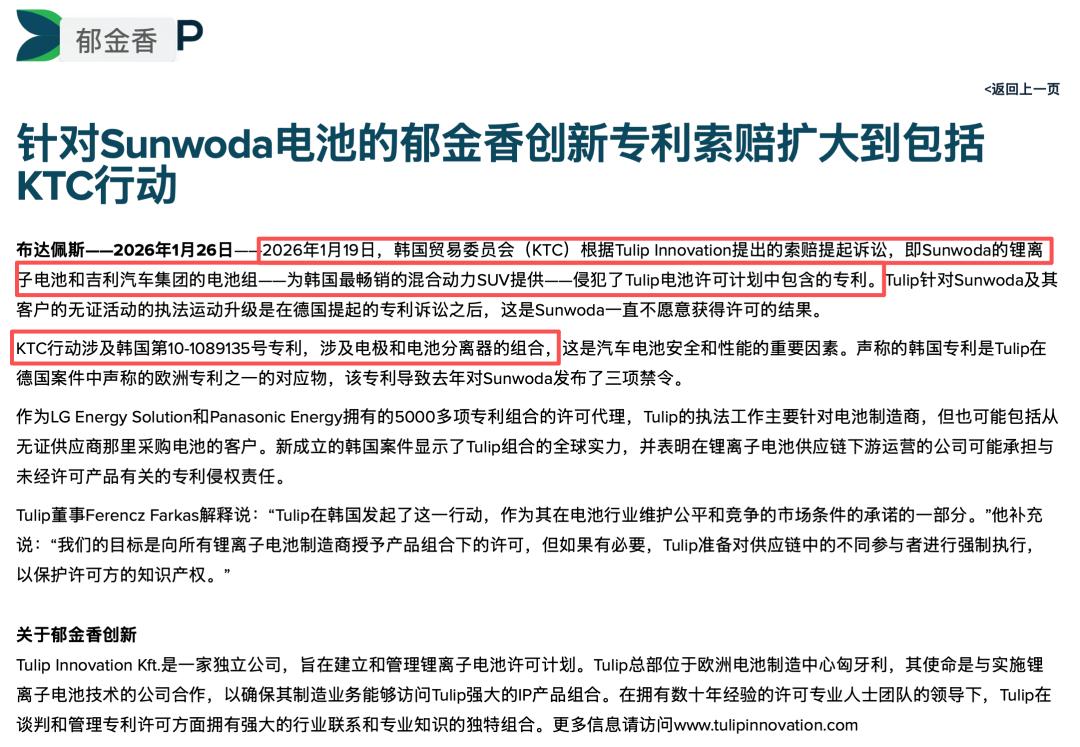
Core Viewpoint - The patent alliance "Tulip Innovation," formed by LG Energy and Panasonic, has initiated a patent infringement lawsuit against Xinwanda in South Korea, claiming that Xinwanda's lithium-ion battery cells and battery packs for Geely's popular hybrid SUV violate a specific patent related to electrode and separator technology [1][4]. Group 1: Patent Infringement and Legal Challenges - The lawsuit in South Korea is part of a broader strategy similar to previous actions taken in Germany, targeting core battery technologies that are critical for energy, safety, and lifespan [4][7]. - Xinwanda has previously faced three defeats and sales bans in Germany regarding the same patent, indicating the strength of the patent barriers established by the alliance [4][7]. - The lawsuit poses risks not only to Xinwanda but also to its customers, as the involved battery technology is used in Geely's hybrid SUV sold in South Korea, potentially affecting market prospects [7][11]. Group 2: Domestic Quality Issues and Financial Implications - Xinwanda is also facing a domestic lawsuit from Geely's Weirui company, claiming damages of 2.313 billion RMB due to serious quality issues with battery cells supplied between 2021 and 2023 [4][11]. - The quality issues have led to significant vehicle recalls, with estimates suggesting that tens of thousands of vehicles may be affected, aligning with the compensation amount sought [11][15]. - The financial impact of the 2.313 billion RMB claim is severe, potentially consuming 90% of Xinwanda's net profit for 2023 and 2024, with insufficient reserves to cover such liabilities [15][16]. Group 3: Industry Implications and Strategic Reflections - Xinwanda's situation serves as a warning for the industry, highlighting the risks of prioritizing cost over quality, as aggressive pricing strategies may compromise essential safety and reliability standards [20][24]. - The dual challenges of patent infringement and quality issues are forcing a reevaluation of supplier assessments, emphasizing the need for robust quality systems and independent patent strategies [20][24]. - The case of Xinwanda illustrates the complexities of international expansion for Chinese companies, where legal and technical challenges are becoming increasingly intertwined [20][24].
电池回收黑灰暴利产业曝光!拆一辆赚1万
Di Yi Cai Jing· 2026-01-29 10:42
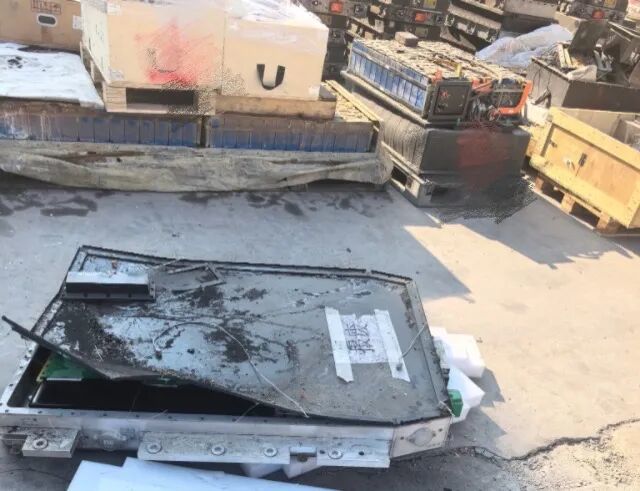
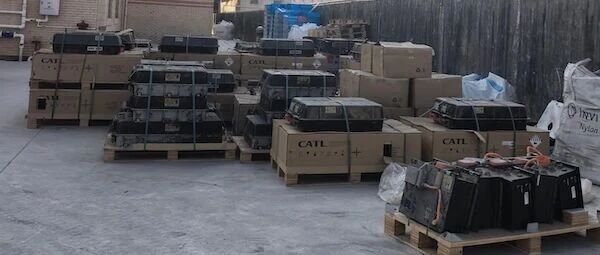
广东惠州一条国道旁的青草窝工业园区附近,一家从事动力电池回收的小作坊隐藏于此。近日,当第一 财经记者来到这里时,这家小作坊大门处只有一个蓝色门牌号,没有公司名称,且门岗管理森严,进出 均需登记。 整个园区内有6栋厂房,第一排厂房看上去并没有人办公,而走到后排,整个厂房真实的功能才呈现在 眼前,厂房外的水泥地上随意摆放着超过100件待拆解的旧动力电池包,有的电池包被撬开了一角,有 的电池包旁放着一台小型切割机。 在其中一个厂房内,5~6名工人各司其职:有人在检测电芯质量、有人操作钻床拆卸电池包、有人忙着 给"美化"后的拆机电池贴新膜,还有销售人员在联系客户准备发货。 根据该小作坊负责人吴雷(化名)的介绍,小作坊的业务流程较为简单:首先,从全国各地收购新能源 汽车动力电池包;其次,在厂子里拆开电池包,分成一块块的电芯,每块电芯检测过后,进行分组;再 次,质量好的电芯重新贴膜后,二次转手销售,而质量差的电芯就拆解提取有价值的金属,比如镍、 钴、锂等等。 这家小作坊看上去并不缺旧动力电池货源。记者所在的时间里,吴雷平均十几分钟就要接一个电话,他 会问对方是什么牌子的电池,电池容量多少,如果合适他再安排拖车去收货。 新 ...
电池回收黑灰暴利产业曝光!拆一辆赚1万
第一财经· 2026-01-29 10:37
2026.01. 29 本文字数:5159,阅读时长大约10分钟 作者 | 第一 财经 吴迪 广东惠州一条国道旁的青草窝工业园区附近,一家从事动力电池回收的小作坊隐藏于此。近日,当第 一财经记者来到这里时,这家小作坊大门处只有一个蓝色门牌号,没有公司名称,且门岗管理森严, 进出均需登记。 整个园区内有6栋厂房,第一排厂房看上去并没有人办公,而走到后排,整个厂房真实的功能才呈现 在眼前,厂房外的水泥地上随意摆放着超过100件待拆解的旧动力电池包,有的电池包被撬开了一 角,有的电池包旁放着一台小型切割机。 在其中一个厂房内,5~6名工人各司其职:有人在检测电芯质量、有人操作钻床拆卸电池包、有人 忙着给"美化"后的拆机电池贴新膜,还有销售人员在联系客户准备发货。 根据该小作坊负责人吴雷(化名)的介绍,小作坊的业务流程较为简单:首先,从全国各地收购新能 源汽车动力电池包;其次,在厂子里拆开电池包,分成一块块的电芯,每块电芯检测过后,进行分 组;再次,质量好的电芯重新贴膜后,二次转手销售,而质量差的电芯就拆解提取有价值的金属,比 如镍、钴、锂等等。 这家小作坊看上去并不缺旧动力电池货源。记者所在的时间里,吴雷平均十几分 ...
电池回收黑灰暴利产业曝光!拆一辆赚1万,75%废旧电池流向了小作坊
Di Yi Cai Jing· 2026-01-29 10:05
根据该小作坊负责人吴雷(化名)的介绍,小作坊的业务流程较为简单:首先,从全国各地收购新能源 汽车动力电池包;其次,在厂子里拆开电池包,分成一块块的电芯,每块电芯检测过后,进行分组;再 次,质量好的电芯重新贴膜后,二次转手销售,而质量差的电芯就拆解提取有价值的金属,比如镍、 钴、锂等等。 这家小作坊看上去并不缺旧动力电池货源。记者所在的时间里,吴雷平均十几分钟就要接一个电话,他 会问对方是什么牌子的电池,电池容量多少,如果合适他再安排拖车去收货。 小作坊的暴利生意何时止? 广东惠州一条国道旁的青草窝工业园区附近,一家从事动力电池回收的小作坊隐藏于此。近日,当第一 财经记者来到这里时,这家小作坊大门处只有一个蓝色门牌号,没有公司名称,且门岗管理森严,进出 均需登记。 整个园区内有6栋厂房,第一排厂房看上去并没有人办公,而走到后排,整个厂房真实的功能才呈现在 眼前,厂房外的水泥地上随意摆放着超过100件待拆解的旧动力电池包,有的电池包被撬开了一角,有 的电池包旁放着一台小型切割机。 在其中一个厂房内,5~6名工人各司其职:有人在检测电芯质量、有人操作钻床拆卸电池包、有人忙着 给"美化"后的拆机电池贴新膜,还有销售人 ...
对话磅旗科技董事长吴小倩:全链路智能如何赋能无人工厂?
2 1 Shi Ji Jing Ji Bao Dao· 2026-01-29 07:32
宁德时代AI无人工厂供应商——深圳市磅旗科技智能发展有限公司(简称"磅旗科技")已将资本化提上 日程。 近日,磅旗科技董事长吴小倩在接受21世纪经济报道记者采访时透露,公司已于三年前实现盈亏平衡, 计划在下个五年(2026年至2030年)完成上市。 磅旗科技是国内AI数字化无人工厂"黑马",主要通过自主构建工业垂类AI小模型数字底座,为工业制造 业企业提供 "AI+软件+硬件+服务" 一体化解决方案。目前已在全球落地超过2000个项目,覆盖中国、 北美、欧洲、东南亚等国家和地区,客户复购率超过90%。 "工业场景千行百业,工业智能场景的模型,一定要根据它的工序流程和逻辑去设定,大语言模型很难 解决不同工业生产和制造中实际的场景需求。另外,工业场景一定要根据行业进行细分,我们现在的 AI小模型,可能在不同行业间只有80%是通用的,另外20%肯定需要再重新研发设计,熟练之后,再根 据行业特征将非标准化的产品标准化。"吴小倩说道。 打造全链路协同的制造闭环 说起磅旗科技,资本市场可能并不陌生。 磅旗科技是宁德时代、亿纬锂能、欣旺达、国轩高科等新能源龙头无人化解决方案的重要提供商。据了 解,其新能源全场景无人化整体解 ...
万亿级市场!低空经济,迈向场景化应用元年
Xin Lang Cai Jing· 2026-01-29 03:47
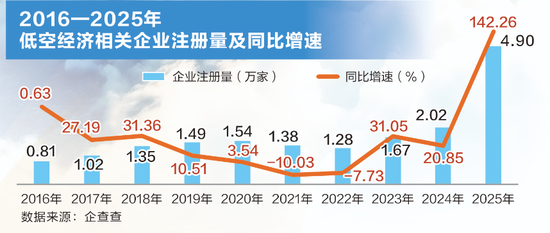
Core Insights - The low-altitude economy is projected to reach a market size of 1.5 trillion yuan by 2025 and 3.5 trillion yuan by 2035, becoming a core track for cultivating new productive forces and emerging industries [4][26] - The year 2026 is seen as a pivotal year for the low-altitude economy, marking the transition from concept validation to scenario application [2][24] - The Chinese government has elevated the low-altitude economy to a strategic emerging industry, with multiple policies and frameworks established to support its development [6][28] Market Potential - The low-altitude economy market in China surpassed 500 billion yuan in 2023, reaching 505.95 billion yuan, with a projected growth of 32.5% to 670.25 billion yuan in 2024 [4][26] - The number of registered low-altitude economy-related enterprises increased significantly, with a forecast of 49,000 registrations by 2025, marking a year-on-year growth of 142.26% [2][24] Policy Support - The low-altitude economy was included in national planning for the first time in February 2021, and it has been recognized as a strategic emerging industry in subsequent government reports [6][28] - The establishment of the Low Altitude Economy Development Department by the National Development and Reform Commission aims to coordinate the advancement of the low-altitude economy [6][28] Industry Structure - The low-altitude economy industry is concentrated in three major economic zones: the Greater Bay Area, Yangtze River Delta, and Beijing-Tianjin-Hebei, which together form the leading tier of development [7][29] - As of January 2023, there were approximately 163,000 active low-altitude economy-related enterprises in China, with significant concentrations in East and South China [7][29] Technological Advancements - The low-altitude economy has developed a complete industrial chain encompassing low-altitude manufacturing, operation, infrastructure, and information services [10][32] - China leads globally in drone research and design, with over 77,000 drone R&D companies, including major players like DJI [10][32] Investment Trends - Investment in the low-altitude economy is on the rise, with 143 financing events recorded in the first half of 2025, a 120% increase year-on-year [15][37] - The stock market has seen significant interest, with 17 concept stocks doubling in price since 2024, indicating strong investor confidence [15][37] Application Scenarios - The low-altitude logistics market is expected to grow rapidly, with projections of reaching 120 to 150 billion yuan by 2025 and 450 to 605 billion yuan by 2035 [11][33] - Companies like WanFeng Aviation are developing comprehensive applications for fixed-wing aircraft, eVTOL, and drones, covering various transportation scenarios [12][34] Challenges Ahead - The low-altitude economy faces challenges in infrastructure development, regulatory frameworks, and technological breakthroughs, which are essential for scaling operations [40][41] - Key issues include the reliance on imported components, high operational costs, and the need for a stable business model to ensure sustainable growth [40][41]