
华润

Search documents
2026年瓶片期货年度行情展望:供需好转,先抑后扬
Guo Tai Jun An Qi Huo· 2025-12-18 12:58
Report Title - "Supply and Demand Improvement, First Decline then Rise - 2026 Annual Outlook for Bottle Chip Futures" [1] Report Core View - In terms of unilateral prices, bottle chips are expected to be weak first and then strong in H1 2026, and there may be a trend change in H2 or Q4 due to weakening cost - end. For structural opportunities, focus on long - spreads during the peak season in H1, and pay attention to the redistribution of profits after the cost weakens in H2. When evaluating the spread between staple fiber and bottle chips, avoid inertial thinking and make separate assessments, and only trade the spread when the supply - side rhythm coincides with seasonal drivers [2][77] 1. 2025 Bottle Chip Futures Trend Review 1.1 Bottle Chip Spot and Futures Price Trend Review - In 2025, bottle chip futures prices were highly correlated with raw material PTA and staple fiber. The main driving factors included Sino - US trade war, geopolitical issues affecting crude oil prices, "anti - involution" expectations and their falsification, and joint production cuts by bottle chip factories. After industry - self - discipline production cuts in July, the processing fee increased compared to the previous year [5] - In different stages, the price was affected by factors such as supply - side concerns, demand - side seasonality, US tariff policies, and geopolitical events. The price showed fluctuations including declines, rebounds, and sideways movements [7] 1.2 Bottle Chip Volatility Performance Review - In H1 2025, bottle chip volatility increased significantly compared to the previous year, mainly due to the repeated US tariffs. In H2, the volatility narrowed, mainly because of increased supply elasticity and compressed profits caused by large - scale expansions in the middle and downstream of the industrial chain, and the stable production after the joint production cuts by leading factories from July [12] 2. Cost - end Operation Logic and View Summary 2.1 Naphtha: Transition from Shortage to Tight Balance - In 2026, naphtha supply will show a pattern of low in H1 and high in H2. The global naphtha supply is expected to have no growth in H1, and may increase in H2 with new refining capacity. The supply growth rate is expected to be less than 1.2%. In H1, the supply - demand balance in Asia will show a slight de - stocking trend, but it is defined as a tight balance and may change due to downstream negative feedback. In H2, factors such as the lightening of ethylene cracking raw materials in Asia may lead to an oversupply [15] 2.2 PX, PTA: Focus on Supply Fluctuations, PX is Relatively Strong - The unilateral prices of PX and PTA will be weak in H1 and strong in H2. It is recommended to go long on PXN at low prices, short the PTA - PX spread, and conduct long - spreads on basis and calendar spreads. In 2026, with a loose monetary and fiscal policy, polyester production is expected to grow by 4% - 6%. In H1, there are maintenance plans for three major private refineries, and the PX supply will tighten during the second - quarter gasoline - blending peak season. Seasonal potential negative factors include poor post - Spring Festival clothing and export orders and unexpected inventory accumulation. In H2, prices may rebound due to demand recovery [16] 2.3 MEG: Over - capacity, Focus on Unplanned Production Cuts and Cost Bottom - building - Ethylene glycol has over - capacity, and unplanned production cuts are needed to reverse the trend of significant inventory increase. Based on a 4% polyester growth rate in 2026, the annual consumption of ethylene glycol is estimated to be 29.5 million tons. The domestic production capacity of ethylene glycol will gradually increase to 32.5 million tons, and the domestic production device operating rate should not exceed 73%. The operating status of marginal coal - based devices is worthy of attention. If large - scale and long - term production cuts of coal - based ethylene glycol devices are observed, it may indicate the bottom of ethylene glycol. After the end of supply - guarantee, attention should be paid to whether coal prices have new trend - changing impacts on the ethylene glycol cost line [18][19][20] 3. 2026 Bottle Chip Operation Logic 3.1 Supply - side: Reduced Supply Pressure and Increased Operating Rate 3.1.1 Fewer New Devices - In 2026, there are few plans for new domestic bottle chip devices. The total new capacity is 700,000 tons, with a growth rate of + 3.2%, significantly lower than this year and the past three years. It is also a low - investment year globally for bottle chips. The supply - side pressure is expected to gradually reduce, and the central operating rate of factories is expected to increase [21] 3.1.2 Focus on the Anti - involution Path of the Cost - end - Pay attention to the continuation of industry self - discipline and anti - involution, especially in the cost link. In 2026, "comprehensively rectify 'involution - style' competition" was included in the 14th Five - Year Plan. The impact of anti - involution on the polyester supply - side needs continuous attention. In terms of specific anti - involution paths, focus on the possibility of updating energy - consumption standards and eliminating old or small - scale upstream devices. The impact of anti - involution in the refining and PTA links on the bottle chip link should be noted, especially the actions of leading state - owned enterprises. In the PTA link, the operating rate may fluctuate more due to increased operating competition [26] 3.1.3 Delivery: Reduced Warehouse - receipt Pressure after Spring Festival, Focus on Spot Liquidity during Peak Season - The warehouse - receipt pressure of the 2601 contract is acceptable, but there is significant inventory - accumulation pressure from the end of the 01 contract delivery to before the Spring Festival. If the joint production cuts by factories end before the Spring Festival, the pre - holiday inventory - accumulation pressure will be relatively large. The long - term contract volume will decrease, and the spot liquidity during the peak season will be tested. The current delivery buyers have digestion pressure on the delivery products and face additional costs [29][31][32] 3.2 Demand - side: Neutral Domestic Demand and Steady Export Growth 3.2.1 The Crowding - out Effect is Over, Beverage Demand Improves Moderately, but Competition Remains Fierce - In 2025, the beverage industry was affected by the crowding - out effect of optional consumption on essential consumption in H1. By the end of the year, this effect was basically over. In 2026, the government subsidy may continue but with a weaker intensity. The expansion of soft - drink production capacity is slowing down, and some leading companies still maintain high investment. The tea - beverage industry has entered a stage of stable growth, and the competition in the bottled - water market continues. The sports - drink category has a leading growth rate, and the sales of bottled water are relatively stable. The ready - to - drink beverage industry is facing a transformation from high - speed growth to stock competition. The ready - to - drink beverage market may see the elimination of marginal SKUs and an increase in the market share of leading enterprises. The ready - to - drink products and bottled beverages are facing cross - competition from ready - made drinks [33][39][45] 3.2.2 Edible Oil Demand is Still Affected by the Food Service Industry, with No Significant Increment - In 2025, the edible oil industry maintained steady growth, but the profits of the food service industry were still weak. The demand for bottle chips from the edible oil industry is expected to remain stable, waiting for the overall recovery of consumer spending to drive the food service industry [47] 3.2.3 The Continuation of the Food Delivery War and New - area Demand Support the Demand for Sheet Materials - The food delivery war in 2025 drove the demand for sheet materials, but the peak has passed. In 2026, food delivery subsidies are expected to continue in a phased and refined way. The high cost - effectiveness of bottle chips promotes the development of new demand in different fields, such as high - end applications in high - frequency circuit boards and lithium - battery separators [55][59] 3.2.4 Export: Expected Decline in Growth Rate, but Overall Steady Growth - In 2025, bottle chip exports were not negatively affected by the trade war, with concentrated stockpiling in H1, a decline in summer due to rising freight rates, and a downward - trending growth rate in H2. In 2026, factors such as high export bases and compressed export profits may lead to a decline in the growth rate, with an expected annual growth rate of about 10% [65][67] 3.3 Bottle Chip Supply - demand Fundamental Summary - In monthly supply - demand terms, the inventory - accumulation pressure during the peak season in 2026 will be reduced. Assuming a 4% growth in domestic demand, a 10% growth in exports during the peak season, and the same situation of domestic - to - export conversion as this year, the monthly production - sales balanced operating rate is about 84% - 85%, 3 - 4 percentage points higher than this year without inventory accumulation. In different operating - rate scenarios, the peak - season inventory - accumulation or de - stocking situation varies. Overall, the peak - season inventory - accumulation pressure will be reduced, and in the off - season, the inventory and operating - rate game of factories still needs to be considered [75] 4. Conclusion and Investment Outlook - In terms of unilateral prices, bottle chips will be weak first and then strong in H1 2026, and there may be a trend change in H2 or Q4 due to weakening cost - end. The key inflection points are the negative feedback of high polyester inventory after the Spring Festival in H1 and the weakening cost due to the commissioning of new PX devices in H2. In 2026, the new capacity of bottle chips is small, and the most significant capacity increment in H1 comes from the Fuhai device commissioned at the end of 2025, which supports the increase in the operating rate. After the inventory risk is released in H1, it is beneficial for long - spreads. In H2, focus on the price weakening and profit redistribution caused by the collapse of cost support after the new PX capacity is commissioned in Q4 [77] - Regarding the spread between staple fiber and bottle chips, although the seasonal demand mismatch driving force still exists in 2026, due to the expected large - scale commissioning of staple fiber devices in H2, the spread market may deviate from the seasonal demand drive. It is recommended to evaluate them separately and trade the spread when the supply - side rhythm coincides with seasonal drivers [78]
世界品牌500强2025发布
Zhong Guo Xin Wen Wang· 2025-12-18 01:38
Group 1 - Google surpasses Apple to rank first in the "World's 500 Most Valuable Brands" list, with Microsoft in second place and Apple in third [1] - The 2025 list includes 50 Chinese brands, maintaining China's position as the third-largest country by brand representation [1] - The United States leads with 184 brands, followed by France (51), China (50), Japan (40), and the United Kingdom (34) [1] Group 2 - The average age of brands on the list is 98.46 years, a decrease from the previous year due to the rapid growth of younger brands in the technology sector [2] - Over 40% of the brands, totaling 221, are over 100 years old, with notable Chinese brands like Moutai and Qingdao Beer exceeding this age [2] - A discussion at the launch event focused on the impact of artificial intelligence on branding and marketing, highlighting its mixed contributions to growth and revenue [2]
羡慕段永平的王石,真的老了
36氪· 2025-12-16 11:08
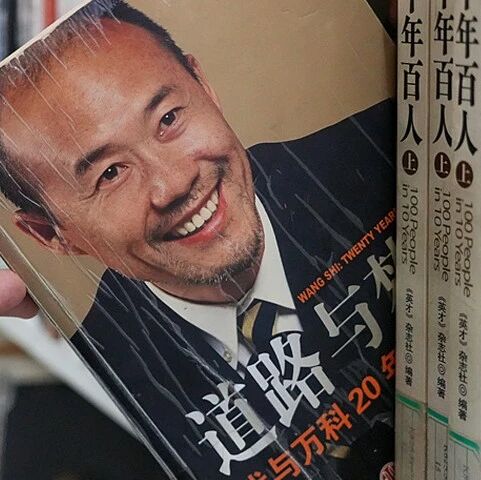
Core Viewpoint - The article reflects on the journey of Vanke and its founder Wang Shi, highlighting the company's rise and subsequent challenges, emphasizing the impact of market dynamics and Wang's management style on Vanke's trajectory [5][25][27]. Group 1: Company History and Development - Wang Shi began his career in 1983 at Shenzhen Special Economic Zone Development Company, where he gained initial capital through feed trade, leading to the establishment of Vanke's predecessor in 1984 [9][11]. - Vanke underwent significant transformations, including a shareholding reform in 1986, which aimed to clarify ownership but faced challenges due to the political landscape of the time [13][14]. - By 1991, Vanke was listed on the Shenzhen Stock Exchange, with a diverse shareholding structure that included state-owned and foreign investments, setting the stage for its future growth in the real estate sector [16][17]. Group 2: Market Position and Strategy - Vanke quickly adapted to the real estate market, transitioning from a diversified business model to a focused real estate developer, becoming a leader in the industry by the late 1990s [19][20]. - The company emphasized product quality and customer service, distinguishing itself from competitors and establishing a strong brand reputation in the mid to late 2000s [21][22]. - Vanke's strategic decisions during the "Silver Age" of real estate focused on enhancing quality over mere expansion, which contributed to its strong financial health and market position [22]. Group 3: Challenges and Controversies - Vanke faced significant challenges during two major shareholder disputes, the "Junwan Battle" in 1994 and the "Baowan Battle" starting in 2015, which highlighted Wang Shi's confrontational approach and strong desire for control [25][26]. - The aftermath of the "Baowan Battle" led to substantial financial strain on Vanke, as aggressive tactics resulted in a depletion of resources and a shift away from its previously stable growth strategy [26][27]. - The article suggests that Wang Shi's reluctance to adapt to market dynamics and his intense control over the company contributed to Vanke's current difficulties, reflecting broader issues within the entrepreneurial landscape of China [27].


消费供需四象限策略剖析 (1)
2025-12-16 03:26
Summary of Conference Call Records Industry Overview - The focus is on the **domestic consumption market** in China, particularly in the context of the "2035 Income Doubling Plan" aimed at increasing per capita GDP to over $20,000 by enhancing new productivity and achieving common prosperity [1][5]. Key Points and Arguments Consumption Recovery - The recovery of consumption in the coming year is heavily reliant on the **wealth effect**, with high-net-worth individuals showing increased willingness to spend. However, the purchasing power of the general public is constrained by salary structures and leverage capabilities [1][6]. - The disparity between high-net-worth individuals and the general consumer is widening, with the middle class facing pressures from mortgage debts and stagnant wages, necessitating policy interventions to improve leverage capabilities [1][7][8]. Economic Policies and Projections - The **CPI expectations**, transfer payments, and policies like mortgage interest subsidies are critical for achieving a positive cycle of wages, consumption, and employment in 2026 [1][6][9]. - Transitioning from value-added tax to consumption tax could encourage local governments to support consumption stimulus, which may initially pressure consumers but ultimately aid local economic development [1][10][11]. Challenges in the Consumption Market - The current challenges include issues with salary structures and leverage capabilities, as companies are cutting costs and laying off employees to improve profit margins, which hampers wage growth for the middle class [1][3]. - The importance of domestic demand is emphasized due to increasing uncertainties in global trade, particularly in light of poor export data and weakening overseas PMIs [1][3][12]. Sector-Specific Insights - The **high-end consumption market** is gradually recovering, with notable performance in high-end hotels, luxury cruises, and the gambling industry, indicating a trend towards high-end consumer recovery [1][3][22]. - The **pet food sector** has shown strong performance, with a three-year compound growth rate reaching two times, although high valuations are driven more by market speculation than by actual company performance [1][14]. - The **medical beauty industry** is experiencing a K-shaped differentiation, where high spenders opt for premium services while others seek lower-priced options, indicating a need for investors to choose wisely between high-end and budget segments [1][21]. Future Investment Opportunities - The best time to invest in the consumption sector is projected to be from the lunar new year until March, coinciding with high policy expectations and numerous holidays that will boost consumer spending [1][23]. - The **duty-free industry** is expected to improve as foreign cosmetic brands show recovery, indicating a potential for continuous improvement in this sector [1][16]. Additional Important Insights - The **global trade situation** significantly impacts domestic GDP and demand, with a shift towards strengthening internal demand as a strategy to mitigate external trade risks [1][12]. - The **performance of high-end shopping malls** has increased due to data indicating a recovery in high-end consumption, prompting brands to enter the market [1][20]. This summary encapsulates the critical insights from the conference call, highlighting the current state and future outlook of the domestic consumption market in China, along with sector-specific trends and investment opportunities.
郑州航空港区管委会田海涛:险资入港正当其时 期待与投资者携手打造“金融合作示范区”
Xin Lang Cai Jing· 2025-12-11 10:16
Core Viewpoint - The Zhengzhou Airport Economic Zone is experiencing significant economic growth and is positioning itself as a hub for various industries, particularly in manufacturing and finance, with a focus on attracting insurance capital for long-term investments [1][2][3][4][5] Economic Growth Indicators - In the first three quarters of this year, the GDP of the Zhengzhou Airport area grew by 11.1% year-on-year, with industrial added value increasing by 15%, fixed asset investment rising by 29.5%, and retail sales of consumer goods up by 11.2% [1][3] - The region's economic indicators are leading the province of Henan [1] Industry Development - The Zhengzhou Airport area is committed to high-quality development in manufacturing, integrating modern services with advanced manufacturing to build a modern industrial system [1][3] - The electronic information industry is expanding steadily, with major projects like Super Fusion and Huike New Display coming online, and Foxconn producing over 80 million smartphones this year, a 5% increase from last year [1][3] - The new energy vehicle industry is rapidly emerging, with BYD's vehicle manufacturing and key supporting projects forming a nascent 500 billion-level cluster [1][3] - The biopharmaceutical sector is attracting multinational companies such as Philips, Siemens, and BD, along with several state-owned enterprises [1][3] Financial Sector Development - The Zhengzhou Airport area has gathered 44 financial institutions, nurtured 2 listed companies, and has 44 private equity funds with a total scale exceeding 26 billion yuan, while the bond market has surpassed 70 billion yuan [2][4] - The area has been approved for the first Qualified Foreign Limited Partner (QFLP) fund in Henan, supporting high-quality projects both domestically and internationally [2][4] - New financial products such as "Medical Certificate Loan" and "Science and Technology Insurance" have been introduced, providing 178 million yuan in financing support to 26 technology-based enterprises [2][4] Investment Opportunities - The characteristics of insurance capital, including large scale, long duration, and a pursuit of stable returns, align well with the local demand for long-term funding in infrastructure, industrial upgrades, and technological innovation [5] - The Zhengzhou Airport area aims to optimize the business environment, ensuring that investors can operate smoothly and contribute to the creation of a "Financial Cooperation Demonstration Zone" [5]
双城联展,深圳国际高性能医疗器械展暨创新医药展将开展
Nan Fang Du Shi Bao· 2025-12-11 01:09
Core Viewpoint - The 2025 Shenzhen International High-Performance Medical Device and Innovative Pharmaceutical Exhibition will take place in two phases, with the Hong Kong station starting on December 11 and the main exhibition in Shenzhen from December 18 to 20, showcasing advancements in the medical device and pharmaceutical industries [1][2]. Group 1: Exhibition Overview - The exhibition adopts a "one exhibition, two cities" model, focusing on the latest achievements from innovation to industrial transformation, and aims to create a platform for industry exchange, resource integration, and trade [2][3]. - The Hong Kong station will emphasize international clinical trials, technology and product exports, and new fields such as AI in medical devices and brain science, while the Shenzhen station will cover the entire pharmaceutical and medical device supply chain [2][3]. Group 2: Industry Development - Shenzhen's pharmaceutical and medical device output is projected to grow from 128 billion yuan in 2020 to 157.6 billion yuan by 2024, with an annual growth rate of 5.3%, maintaining its position as the national leader in medical device output [3]. - The city plans to establish a development framework consisting of "one corridor, two zones, and three bases" to enhance its biopharmaceutical and medical device industries [3]. Group 3: Regional Focus - Pingshan District, as a national biopharmaceutical industry base, has established 13 specialized parks covering over 2.79 million square meters, with a compound annual growth rate of 39.8% in enterprise numbers [4]. - The Guangming District has attracted over 900 medical device companies and is focusing on building a comprehensive ecosystem for biomanufacturing and innovative medical devices [5][6]. Group 4: Exhibition Highlights - The exhibition will feature over 300 participating companies, including international giants like Siemens and Medtronic, and will host more than 20 sub-forums covering key topics such as policy interpretation and cutting-edge technologies [7][8]. - This year's exhibition will continue to emphasize the dual focus on pharmaceuticals and medical devices, showcasing a wide range of innovations and establishing a complete industry chain from research to application [7][8].
深圳医疗器械产值全国第一 将构建“一廊两区三基地”产业格局
2 1 Shi Ji Jing Ji Bao Dao· 2025-12-10 10:07
Core Viewpoint - Shenzhen is positioning itself as a leading hub for the biopharmaceutical and high-end medical device industries, with significant growth in production value and exports projected through 2024 [1][2]. Group 1: Industry Growth and Development - From 2020 to 2024, the production value of Shenzhen's biopharmaceutical and medical device sectors is expected to increase from 128 billion to 157.6 billion yuan, with an average annual growth rate of 5.3% [1][2]. - Medical device production value is projected to rise from 83.1 billion to 102.8 billion yuan, maintaining the top position in the country [1][2]. - In 2024, the total export value of pharmaceuticals and medical devices is anticipated to reach 41.38 billion yuan, with medical device exports alone accounting for 29.85 billion yuan, also ranking first nationally [1][2]. Group 2: Strategic Initiatives - Shenzhen plans to establish an "industrial development pattern" consisting of "one corridor, two zones, and three bases" to enhance its biopharmaceutical sector [2]. - The "4+4+N" development strategy will focus on four emerging tracks, including cell and gene therapy, and will promote key projects in research and development and international expansion [2]. Group 3: Infrastructure and Ecosystem - The Pingshan District, as a national-level biopharmaceutical industrial base, has developed 13 specialized parks covering over 2.79 million square meters, with an annual compound growth rate of enterprises at 39.8% [2]. - The Guangming District hosts over 900 medical device companies and is developing a comprehensive ecosystem that includes technological innovation, clinical research, and policy support [3]. Group 4: Upcoming Events and Innovations - The Shenzhen International High-Performance Medical Device and Innovative Pharmaceutical Exhibition will take place from December 18 to 20, showcasing advancements in biomanufacturing, AI in pharmaceuticals, and other emerging fields [4][5]. - The exhibition will feature over 300 participating companies, including major international and domestic players, and will highlight new drug developments and clinical trials [5][6].
中炬高新:未收到华润对于与公司合作的意向,对于更名问题会慎重考虑
Cai Jing Wang· 2025-12-10 03:30
Group 1 - The company has not engaged in in-depth discussions with any strategic partners, including China Resources, regarding potential investments [1] - The company is considering a name change, emphasizing the importance of brand alignment with business strategy, and will evaluate the feasibility of this change carefully [1] Group 2 - The company has set a strategic goal for 2024 to "recreate a new Chubang" and aims for high-quality development through both internal and external growth strategies [2] - The company is actively seeking acquisition targets primarily in the seasoning sector, focusing on channel and product complementarity [2] - Various measures have been implemented to enhance management efficiency and market competitiveness, including marketing reforms, R&D innovation, and supply chain optimization [2] - The company reports that channel inventory has returned to a healthy level, with sales volume increasing month by month in the second half of the year [2] - The company expresses confidence in achieving continuous improvement in operational performance each quarter [2]

解码“投资福地”引力!全球企业家精英齐聚福田
Sou Hu Cai Jing· 2025-12-06 21:20
Group 1 - The Shenzhen Global Investment Conference highlights Futian District's recognition as a "Top Investment Zone" for three consecutive years, showcasing its international business environment that attracts global enterprises and talent [1][3] - The conference features investment inspection activities, bringing together entrepreneurs from around the world to explore opportunities in Futian [3] Group 2 - The first stop for the inspection team is the He Tao Shenzhen Park, a unique platform for technological innovation under the Guangdong-Hong Kong-Macao Greater Bay Area development plan, facilitating seamless cross-border collaboration between Shenzhen and Hong Kong [5][7] - He Tao Shenzhen Park focuses on cutting-edge fields such as life sciences and information technology, aiming to become a world-class research hub with a total planned construction area of 7.45 million square meters, including over 800,000 square meters of research space already secured [8][9] Group 3 - The park currently hosts over 200 high-end research projects, 447 technology companies, and more than 15,000 researchers, with several world-renowned universities and Fortune 500 companies establishing innovation centers there [9][11] - The park is developing an international talent community and various professional service systems to support its innovative ecosystem [11] Group 4 - The inspection then moves to the Xiangmi Lake New Financial Center, designed as a comprehensive area for international exchange, high-end finance, and cultural creativity, aiming to enhance Shenzhen's financial competitiveness [12][14] - The center is divided into three functional zones, integrating finance, culture, and ecology, and is focused on attracting wealth management institutions and foreign banks [14][15] Group 5 - The inspection also highlights Huaqiangbei, known as "China's First Electronics Street," which showcases rapid innovation and manufacturing capabilities, with a high density of high-tech enterprises and a vibrant entrepreneurial ecosystem [16][21] - Huaqiangbei is home to over 3,000 research institutions and 7,000 sales entities, making it a hub for electronic products and innovation [21][22] Group 6 - The final stop is at Shenye Shangcheng, a key hub connecting financial resources and empowering the real economy, with a planned area of 2.28 million square meters for global enterprises [25][28] - The area is developing a unique "24/7" vibrant community and aims to integrate commercial, ecological, and financial elements to support sustainable development [28][30] Group 7 - The overall narrative emphasizes Futian's strategic development, weaving together industry and lifestyle while inviting global investors to become "city partners" in its growth [31]
广州密集拍地将至,保利35亿落子海珠
Cai Jing Wang· 2025-12-05 14:05
Core Viewpoint - Guangzhou is entering a period of intensive land auctions, with a recent successful sale of a residential plot in Haizhu District, indicating strong interest from major real estate companies and a strategic shift towards optimizing land resource allocation [1][4]. Group 1: Land Auction Details - On December 5, Guangzhou successfully auctioned a residential land plot in Haizhu District for 3.5 billion yuan, with a floor price of approximately 36,800 yuan per square meter and a premium of 27.27% [1]. - The land plot, designated for residential use (R2) with commercial compatibility (B1), covers an area of 64,812 square meters, with a saleable area of 42,208 square meters and a total buildable area of 143,507 square meters [1]. - The winning bidder, Poly Developments, is required to construct approximately 200,000 square meters of commercial space and a new primary school, addressing the local demand for quality housing and educational facilities [1]. Group 2: Location and Market Context - The land is strategically located in Haizhu West, surrounded by multiple metro lines and essential amenities, including hospitals and shopping centers, enhancing its attractiveness to potential buyers [2]. - The area is characterized by a lack of large, high-quality residential developments, creating a strong demand for the low-density large-scale project that the South Tai Road plot represents [3]. - As of now, Guangzhou has auctioned 51 residential plots this year, raising approximately 35.8 billion yuan, which is less than half of last year's total, indicating a shift in market dynamics and a focus on smaller, high-quality land parcels [4].
