
瑞幸咖啡

Search documents
为什么所有的消费品牌,都会在2026被GEO重做一遍?
新消费智库· 2026-01-14 14:19
Core Viewpoint - The article emphasizes the need for brands to adapt to a new era of consumer engagement driven by AI and GEO (Generative Engine Optimization), moving away from traditional short video and live-streaming strategies to focus on building trust and knowledge through AI-driven content [3][11][30]. Group 1: Challenges in Current Business Environment - The current business landscape is increasingly challenging, with high costs of traffic and fleeting consumer attention, leading to thin profit margins for brands relying solely on short video and live-streaming [2][4]. - Brands must shift their strategies to avoid hitting an "invisible wall" by embracing new methods of consumer engagement that leverage AI [3][6]. Group 2: Importance of GEO - GEO represents a significant new opportunity for brands, focusing on how to be recognized and recommended by AI systems, which are becoming the primary source of consumer information [3][14]. - Brands that fail to establish a strong presence in AI knowledge bases risk being overlooked in consumer decision-making processes [16][19]. Group 3: Balancing Brand and Performance - There is a need for brands to balance performance-driven marketing with brand-building efforts, as overemphasis on short-term results can lead to hollow brand identities [4][6]. - AI provides a unique opportunity to enhance brand perception and consumer trust through in-depth, informative content rather than superficial marketing tactics [7][10]. Group 4: Content Strategy Shift - Future marketing budgets should be reallocated to focus on creating knowledge-based content that builds trust, rather than solely on conversion-driven short videos [17][19]. - Brands must produce detailed, evidence-based content that addresses consumer questions and concerns, establishing themselves as authorities in their fields [21][22]. Group 5: Competitive Landscape - The competitive landscape is shifting, with brands needing to understand GEO as a new optimization strategy distinct from traditional SEO [23][24]. - Companies must adapt to this new environment by developing a deep understanding of their products and creating high-quality, informative content that can be recognized by AI [25][26]. Group 6: Trust and Authority in AI - Trust signals such as awards, academic papers, and media endorsements will become increasingly important in the AI-driven marketplace, as AI relies on these signals to determine credibility [57][58]. - Brands that can provide robust evidence of their claims will be favored by AI systems, enhancing their visibility and consumer trust [60][61]. Group 7: Opportunities for Smaller Brands - Smaller and newer brands have a unique opportunity in the GEO era, as the focus shifts from budget-driven marketing to expertise and knowledge [46][47]. - By concentrating on niche markets and providing in-depth, credible information, smaller brands can compete effectively against larger, established players [48][49]. Group 8: The Role of AI in Brand Positioning - GEO forces brands to articulate clear, factual value propositions, moving away from vague marketing language to concrete evidence of product benefits [50][52]. - This shift necessitates a return to foundational marketing principles, emphasizing the importance of clarity and substantiation in brand messaging [53][54]. Group 9: The Future of Content and Communication - The evolution of content formats will continue, but the core need for deep, trustworthy communication will remain essential [55][56]. - Brands should focus on creating compelling narratives supported by evidence, which will serve as a foundation for building trust in an AI-driven marketplace [66].


“以前哪能想到,都是中国的…”
Xin Lang Cai Jing· 2026-01-14 12:36
Core Insights - Chinese brands are increasingly establishing a presence in global markets, with a focus on building local operations and brand recognition rather than merely exporting cheap products or making large-scale acquisitions [1][2] - The global expansion of Chinese companies is marked by a significant increase in overseas sales, with projections indicating that overseas sales for Chinese listed companies will reach 15 trillion RMB in 2024, up from 11.6 trillion RMB in 2021 [2] - The shift in Chinese companies' strategies is driven by rising domestic labor costs and geopolitical tensions, prompting a move towards establishing manufacturing bases abroad, particularly in developing countries [5][7] Group 1 - Chinese electric vehicle manufacturer BYD surpassed Tesla in sales, with over 20% of its sales coming from overseas, doubling from 10% in 2024 [2] - The transformation of Chinese enterprises from imitation to innovation is evident, as they now produce high-end products and are sought after by Western companies for their expertise [4] - The establishment of local distribution and supply chain systems is becoming a priority, with companies like Mengniu successfully launching products in local markets [7] Group 2 - The historical context of Chinese companies' global expansion reveals a journey marked by challenges, including initial perceptions of low-quality products and failed acquisitions due to increasing Western scrutiny [3][4] - A shift in human resource strategies is occurring, with Chinese companies increasingly hiring local employees to reduce cultural friction and enhance local engagement [7] - Professional service firms are now actively supporting Chinese companies in their global expansion efforts, reflecting a change in focus from assisting Western firms entering China [8] Group 3 - Despite the strong momentum of expansion, Chinese multinational companies face complex pressures, including Western regulatory challenges and geopolitical risks [8] - The Chinese government is expected to relax strict overseas investment approval processes, which may lead to a greater presence of vibrant Chinese brands in the global market [9]


因出价未达预期 可口可乐叫停出售Costa咖啡计划
Xi Niu Cai Jing· 2026-01-14 11:36
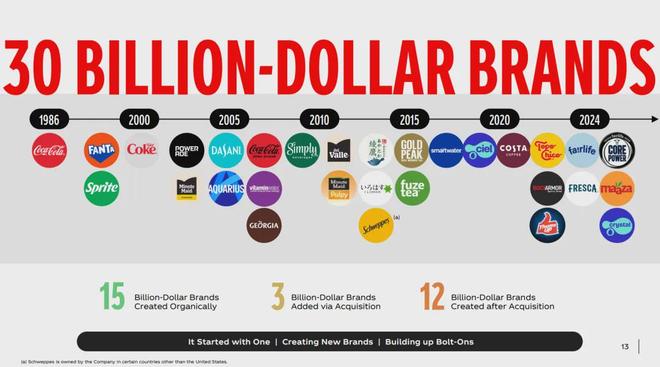
Core Viewpoint - The divestment plan for Costa by Coca-Cola has been temporarily shelved due to potential buyers' bids falling short of expectations, leading to the termination of negotiations with remaining bidders as of December 2025 [2][3] Group 1: Divestment Plan - Coca-Cola initiated the search for buyers for Costa in August 2025 to optimize its brand portfolio and reallocate funds [2] - The negotiations attracted interest from several private equity firms, including TDR Capital, KKR, and the backers of Luckin Coffee, but ultimately failed due to pricing issues [2] - Coca-Cola aimed to complete the sale for approximately £2 billion, which is nearly half of the £3.9 billion acquisition price in 2018 [2] Group 2: Business Challenges - The acquisition of Costa in 2018 was intended to strengthen Coca-Cola's position in the hot beverage market, creating a comprehensive coffee platform across various consumption scenarios [2] - The business faced multiple challenges post-acquisition, including the impact of the global pandemic, soaring costs of raw materials like coffee beans, and intensified market competition [2] Group 3: Future Considerations - The suspension of the sale plan may necessitate Coca-Cola to reassess the value of the Costa business [3] - Industry insiders suggest that Coca-Cola's management will need to balance between unfavorable sale prices and the pursuit of new growth opportunities in the ongoing operation of Costa [3]


瑞幸没能“喝上”,可口可乐叫停COSTA咖啡出售计划
Xin Lang Cai Jing· 2026-01-14 11:21
Core Viewpoint - Coca-Cola has decided to abandon the sale of Costa Coffee due to bidders' offers not meeting expectations, marking a significant setback for the company [1][3]. Group 1: Sale Abandonment - Coca-Cola has terminated negotiations with remaining bidders for Costa Coffee as of December 2025, halting the auction process that had been ongoing for several months [3]. - Potential bidders included TDR Capital and Bain Capital, with discussions reportedly stalling over price disagreements [3][5]. - Coca-Cola's asking price for Costa Coffee was approximately £2 billion (around ¥18.7 billion), which is about half of the £3.9 billion it paid for the brand in 2018 [3][4]. Group 2: Financial Performance - Costa Coffee's revenue for 2024 was reported at £1.2 billion (approximately ¥11.2 billion), but the company experienced a significant operating loss of £13.5 million (around ¥1.25 billion), attributed to weak foot traffic and competition from lower-priced rivals [4]. - The company also recorded an impairment loss of £48.6 million (approximately ¥455 million) related to its operations in China, citing weaker-than-expected coffee demand in Shanghai [4]. Group 3: Future Considerations - There is speculation that Coca-Cola may revisit the sale of Costa Coffee in the medium term despite the current abandonment of the sale [3]. - The new CEO, Henrique Braun, will be responsible for determining the future strategy for Costa Coffee, with an emphasis on creating value for consumers [7][9]. - Coca-Cola has indicated that it will retain control over Costa Coffee's ready-to-drink products, which have shown strong sales growth in specific regions [5].
可口可乐公司已放弃出售Costa Coffee的计划
Jin Rong Jie· 2026-01-14 07:53
来源:环球市场播报 在可口可乐的运营下,Costa Coffee一方面要与定位更高端的独立咖啡店竞争,另一方面还要应对格雷 格斯(Greggs)等平价咖啡运营商的冲击,而与此同时,消费者支出始终保持疲软态势。 英国Companies House提交的财务文件显示,2024年Costa Coffee的营业收入为12亿英镑,运营亏损却同 比翻倍多,增至1350万英镑。该公司将亏损归咎于商业街客流量低迷以及来自平价竞争对手的激烈竞 争。 此后,英国咖啡行业一直受困于咖啡豆价格上涨和人力成本增加的双重压力,尤其是去年4月生效的雇 主国民保险缴费上调政策,进一步加重了企业负担。 此次出售计划失败可能迫使可口可乐减记Costa Coffee在其账面上的资产价值。 知情人士表示,进入后期谈判的企业包括阿斯达超市(Asda)的母公司TDR Capital,以及贝恩资本特 殊情况基金——该基金旗下拥有盖尔面包店(Gail's)和必胜客英国业务(Pizza Express)等品牌。 此前有报道称,可口可乐为Costa Coffee设定的出售目标价约为20亿英镑,这一金额大致相当于其2018 年从普瑞米尔酒店集团(Premier ...
供需错配下的新蓝海:新兴城市消费上涌与一线品牌“双向奔赴”
Guan Cha Zhe Wang· 2026-01-14 00:50
Core Insights - Hema's CEO announced that the company expects a revenue growth rate exceeding 40% by 2025, with its annual GMV projected to surpass 100 billion yuan [1] - The growth is driven by Hema's expansion into 40 emerging cities, achieving high initial sales performance in these locations [1] - Other brands like Starbucks and Lululemon are also accelerating their presence in non-first-tier cities, indicating a broader market shift [1] Group 1: Market Dynamics - There is a significant shift in China's urban development, with a reversal of the traditional trend of population influx into first-tier cities, leading to increased consumer activity in emerging cities [3] - The 2024 migration index for second-tier cities and above shows a decline, with more individuals choosing to stay in their hometowns for work [3] - Over 130 cities are projected to experience net population growth by the end of 2025, with 17 of the top 30 cities being second-tier or below [3] Group 2: Consumer Behavior - The influx of new residents, including internet professionals and entrepreneurs, is driving higher income levels and consumer willingness in emerging cities [5] - The fast-moving consumer goods market is stabilizing, with three to five-tier cities contributing 80% of the market's growth [5] - A significant majority of non-first-tier cities reported positive retail sales growth, with many third-tier cities exceeding the national average [5] Group 3: Supply and Demand Mismatch - Despite rising consumer demand, the supply chain in emerging cities has not kept pace, leading to a mismatch [7] - Consumers face challenges in accessing high-quality products, as local supermarkets primarily offer traditional goods [7] - The lack of modern retail experiences in emerging cities limits consumer engagement and frequency of purchases [7][9] Group 4: Brand Strategies - Major brands are capitalizing on the supply-demand gap by expanding into emerging cities, offering established product lines and service models [10] - Hema's strategy includes leveraging a national supply chain to provide high-quality products directly to consumers in these cities [12] - Other brands, such as Haidilao and Luckin Coffee, are also expanding their presence in lower-tier cities, indicating a trend towards market saturation in these areas [12][14] Group 5: Future Outlook - Emerging cities are becoming essential markets for brands, transitioning from experimental zones to critical battlegrounds for growth [14] - There is significant potential for continued consumer growth in these areas, necessitating brands to tailor their offerings to local demands [14] - The development of local policies and infrastructure will be crucial in unlocking the full consumer potential in emerging cities [14]

到底是谁还在花钱?
虎嗅APP· 2026-01-13 10:11
Core Insights - The growth engine of China's consumer market is shifting from traditional first-tier cities to emerging cities, indicating a significant change in consumption patterns [4][17]. - Emerging cities like Changsha and Guiyang are leading new consumption trends, characterized by a willingness to spend and a focus on emotional value in purchases [9][19]. Group 1: Emerging Consumption Trends - Changsha has become a leader in new consumption trends, with unique entertainment options like comedy clubs and tea houses attracting consumers [11][12]. - Guiyang ranks second nationally in the willingness to spend on self-pleasure, with a thriving coffee culture despite not being a coffee-producing region [13]. - The 2025 Box District Consumption Power Report highlights surprising consumption behaviors in cities like Yibin and Bengbu, showcasing a desire for quality and novelty in food [14][15]. Group 2: Emotional and Health-Oriented Consumption - Emotional value is becoming a key driver of consumer behavior, with reports indicating that emotional experiences are now central to purchasing decisions [19][20]. - The emotional consumption market is projected to grow significantly, reaching 2.72 trillion yuan in 2025, reflecting a shift towards seeking self-value and emotional fulfillment [20]. - Health-conscious consumption is also on the rise, with 71% of consumers actively researching product ingredients before purchase, indicating a proactive approach to dietary health [23][25]. Group 3: Market Dynamics and Opportunities - The retail landscape is evolving, with brands adapting to the changing preferences of consumers in emerging cities, which are becoming the core growth engines for fast-moving consumer goods [36][38]. - Companies like Hema are expanding into emerging cities, focusing on high-end products to meet the growing demand for quality among local consumers [38][42]. - The success of innovative retail models and supply chain strategies is crucial for companies aiming to tap into the vast consumer base in these regions, highlighting the importance of addressing real consumer needs [43].

中国银河:瑞幸咖啡多头预计2026-2028年市场份额将增长
Xin Lang Cai Jing· 2026-01-13 06:33
Core Viewpoint - Luckin Coffee is favored by China Galaxy International due to its overseas expansion plans and resilient market share, with expectations of over 23% growth in total merchandise transaction volume from 2026 to 2028 [1] Group 1: Company Analysis - Analysts highlight that rising coffee bean prices are tightening cash flow, putting pressure on smaller competitors in the ready-to-drink beverage industry [1] - Luckin Coffee is expected to benefit from the industry's expansion in Southeast Asia [1] - A potential acquisition of a high-end brand is deemed crucial for Luckin Coffee to solidify its brand and enter more mature overseas coffee markets [1] Group 2: Market Performance - China Galaxy International initiates coverage on Luckin Coffee, assigning a "Buy" rating with a target price of $52.00 [1] - The company's American Depositary Shares closed up 1.2% at $33.52 [1]

大模型中标TOP10里的黑马:中关村科金的应用攻坚之道
机器之心· 2026-01-13 02:33
Core Insights - The article highlights a significant shift in the Chinese large model industry, with application projects accounting for nearly 60% of the market, indicating a transition from technical competition to value validation in commercial scenarios [1][3][25] - In 2025, the number of large model-related bidding projects reached 7,539, with a disclosed amount of 29.52 billion yuan, marking a dramatic increase of 396% and 356% compared to 2024 [1][3] - The report emphasizes the importance of industry-specific knowledge and high-quality private data as key competitive advantages in the evolving market landscape [19][20] Market Trends - Application projects dominated the bidding landscape, comprising 58% of the total projects, with a peak of 63% in November 2025 [1][5] - The trend shows a quarterly increase in application project share from 44% in Q1 to 61% in Q3, stabilizing at 60.5% in Q4 [5] - The highest monetary share came from computing projects at 52.9%, but their quantity share was only 27%, indicating a preference for direct procurement of computing power and existing models for application development [5] Industry Distribution - The top five industries by project quantity were education, government, telecommunications, energy, and finance, with the government sector leading in monetary share at approximately 40% [5] - The financial sector showed a notable shift from computing investment to application deployment in the latter half of 2025 [5] Vendor Landscape - Major players in the bidding market included general large model vendors like iFlytek, Baidu, Volcano Engine, and Alibaba Cloud, alongside specialized vendors like Zhongguancun KJ, which focused on niche markets [6][11] - Zhongguancun KJ ranked fourth among financial industry large model vendors, showcasing its deep industry expertise and successful project implementations [13] Case Studies - Zhongguancun KJ's collaboration with China Shipbuilding Group led to the development of a large model for the shipbuilding industry, integrating a vast knowledge base and enhancing operational efficiency [11][12] - In the finance sector, Zhongguancun KJ has served over 500 leading financial institutions, creating a comprehensive financial intelligent agent matrix that integrates AI capabilities into core business processes [13][14] Future Outlook - The market is expected to enter a "deep water zone" in 2026, where return on investment (ROI) will become a critical metric for evaluating AI projects [18] - The relationship between specialized vendors and general platforms is anticipated to evolve from competition to collaboration, fostering a symbiotic ecosystem [22][23]

消费者服务行业周报(20260105-20260109):交运股份拟实施资产置换,关注体育产业发展-20260112
Huachuang Securities· 2026-01-12 09:08
Investment Rating - The report maintains a "Recommendation" rating for the consumer services industry, indicating an expected increase in the industry index exceeding the benchmark index by more than 5% in the next 3-6 months [40][42]. Core Insights - The report highlights that Jiangyun Co. plans to swap its assets related to passenger car sales and automotive services with the cultural and sports assets held by its controlling shareholder, Jiushi Group. This move is expected to promote the capitalization process of China's sports industry, presenting potential investment opportunities [5]. - The State Council's antitrust office is investigating the competitive landscape of the food delivery platform service industry, which may shift the focus from price wars to compliance battles [5]. - The report identifies several investment targets, including hotels with balanced supply and demand, human resources services with clear industry trends, and the sports sector with significant growth potential [5]. Industry Basic Data - The consumer services industry comprises 55 listed companies with a total market capitalization of 498.804 billion yuan and a circulating market capitalization of 457.081 billion yuan [2]. Market Performance - The consumer services sector experienced a weekly increase of 4.71%, outperforming the overall A-share market, which rose by 5.08%, and the CSI 300 index, which increased by 2.79% [8][27]. - Notable performers in the sector included Gu Ming, which rose by 8.72%, and Jun Ting Hotel, which increased by 12.13% [5][21]. Important Announcements - Key announcements from companies in the sector include: 1. Excellence Education Group purchased 51,000 shares in the open market [32]. 2. New Oriental will hold a board meeting on January 27 to approve its unaudited performance for the six months ending November 30, 2025 [32]. 3. JD Group plans to repurchase approximately 180 million Class A ordinary shares for about $3 billion [32]
