迪卡侬

Search documents
哈根达斯中国业务或将被出售
3 6 Ke· 2025-06-12 23:33
Core Insights - Häagen-Dazs is facing dual challenges from local brand competition and changing consumer perceptions, necessitating a strategy that maintains its premium positioning while optimizing cost-effectiveness and enhancing brand value through sustainable practices [1][12] - The potential sale of Häagen-Dazs' China operations has sparked industry interest, marking a significant turning point for the brand after nearly 30 years in the market [1][11] - General Mills is reportedly collaborating with advisors on potential asset disposal, with initial valuations reaching hundreds of millions of dollars, although negotiations are still in early stages [1][11] Industry Context - The news of Häagen-Dazs' potential sale contrasts sharply with Unilever's plan to spin off its ice cream business, highlighting a trend of foreign brands reassessing their strategies in China amid market challenges [2][11] - The decline in performance of international brands in China is evident, with notable examples including Pandora and Starbucks, which have also faced store closures and strategic adjustments [2][3] - General Mills reported a 5% year-over-year decline in net sales for Q3 of FY2025, with international markets, including China, contributing to this downturn [2][3] Market Dynamics - Häagen-Dazs has experienced a significant drop in store traffic, with double-digit declines reported, reflecting broader challenges in the high-end ice cream market [3][5] - The brand's fixed costs remain high while profit margins are under pressure, exacerbated by a shift in consumer preferences towards value-for-money options [3][8] - Local brands like Zhong Xue Gao and Moutai Ice Cream are capturing market share through differentiated strategies and competitive pricing, appealing to younger consumers [5][8] Strategic Implications - The potential sale of Häagen-Dazs could lead to a fundamental shift in its brand positioning and operational model, with new investors possibly adopting successful local strategies [11][12] - The ongoing transformation in the ice cream market may accelerate the reshaping of competitive dynamics, providing new opportunities for both local enterprises and international capital [12] - To regain growth, Häagen-Dazs must adapt to the "quality-price ratio era" by enhancing market penetration, optimizing pricing strategies, and reinforcing brand value through sustainable initiatives [1][12]



深度:如何构建品牌稀缺性?
Hu Xiu· 2025-06-12 01:42
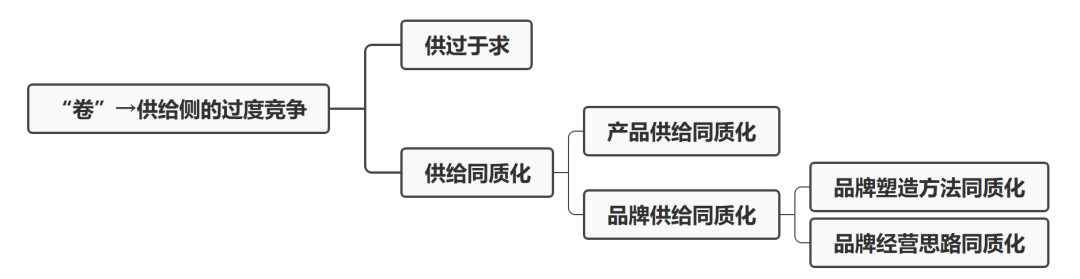
Core Viewpoint - The concept of "competition" in the consumer goods sector has intensified, evolving from mere growth to a survival mode, affecting even niche categories that were previously less competitive [1][4]. Group 1: Nature of Competition - The essence of "competition" is characterized by oversupply and supply homogenization, driven by excessive competition on the supply side [4]. - Two main factors contribute to this phenomenon: oversupply due to a high number of competitors and the homogenization of supply, where many brands follow similar paths, leading to a crowded market [4][6]. Group 2: Brand Homogenization - The trend of brand homogenization has become more pronounced in recent years, with brands increasingly adopting similar strategies and methods, resulting in a lack of differentiation [8][9]. - The rise of e-commerce has lowered the barriers for brand creation, leading to an explosion of brands and consequently, a homogenization of brand offerings [8][9]. Group 3: Building Brand Scarcity - To escape the cycle of homogenization, brands need to focus on creating scarcity through unique brand positioning and innovative strategies [10][11]. - The differentiation of brands can be achieved by understanding the dual nature of branding: as a tool for business strategy and as a result of consumer perception [12][14]. Group 4: Positioning Theory - The essence of consumer goods business is rooted in "concept" and the competition for consumer mindshare through effective positioning [20]. - Many brands tend to adopt a simplistic approach to positioning, focusing solely on product categories, which can lead to a lack of differentiation in a saturated market [21][22]. Group 5: Multi-Dimensional Brand Image - A multi-dimensional brand image is more difficult to replicate and can provide a competitive edge, as seen in successful brands like Apple [37][38]. - Building a multi-dimensional brand requires a cohesive narrative and alignment with business strategies to create a strong brand identity [38].
lululemon涨价,是中国给的底气?
3 6 Ke· 2025-06-11 23:27
Core Viewpoint - Lululemon is facing significant challenges in maintaining growth, particularly in its core North American market, leading to a substantial drop in stock price after disappointing earnings and lowered guidance [3][4][5]. Group 1: Financial Performance - Lululemon's first-quarter revenue in North America grew by only 3% year-over-year, with comparable sales down by 2%, indicating a decline in customer retention [5][6]. - The company's net profit for the quarter decreased by 2.13% to $315 million, marking the first decline since the pandemic's impact in 2020 [6]. - Analysts have expressed skepticism about Lululemon's ability to recover in North America, with Morgan Stanley cutting its price target from $389 to $303 per share [7]. Group 2: Market Dynamics - The brand is losing its core customers, particularly as U.S. middle-class consumers reduce spending on high-end athletic apparel [6][11]. - In China, while revenue grew by 21%, comparable sales only increased by 7%, suggesting a slowdown in growth despite the market's overall performance [9][12]. - Lululemon's expansion plans have fallen short, with only three new stores opened in China this year, compared to an initial target of 40-50 [9]. Group 3: Competitive Landscape - Lululemon faces increasing competition from brands like Alo Yoga, Vuori, and Gymshark, as well as established players like Nike and Adidas, which are capturing market share among younger consumers [11][12]. - The brand's recent shift towards a more fashion-oriented image has diluted its core identity, leading to concerns about product differentiation and market positioning [18]. Group 4: Strategic Responses - To mitigate financial impacts, Lululemon is optimizing procurement and negotiating with suppliers to reduce costs, while also planning to raise prices on some products [12][13]. - The company is attempting to diversify its product offerings, including men's apparel and footwear, but has struggled to achieve significant growth in these categories [14][16].


泰慕士上市三年多后拟“易主”,广州市政府将成新实控人 公司股价4月份曾收获六连板
Mei Ri Jing Ji Xin Wen· 2025-06-11 15:33
Group 1 - The core point of the article is that the supplier of Decathlon, Taimushi, is preparing for a change of control, with the new actual controller being the Guangzhou Municipal Government [1][2] - Taimushi's controlling shareholder plans to transfer control through a combination of equity transfer and voting rights waiver, with the total market value for the transfer set at 2.5 billion yuan [1][4] - The stock price of Taimushi experienced a significant increase, with a six-day limit-up period from April 10 to April 17, resulting in an approximate 80% rise [1][4] Group 2 - The controlling shareholder, Rugao Xintai Investment Co., Ltd., intends to transfer 29.99% of its shares to Guangzhou Light Industry Trade Group Co., Ltd., which will lead to a change in control [2][4] - Prior to the agreement, the actual controllers, Lu Biao and Yang Min, held a combined 70.91% of the voting rights [3] - Following the change of control, the transferring parties are required to assist Guangzhou Light Industry in increasing its stake in Taimushi through private placements within three years [4] Group 3 - Taimushi's financial performance has shown limited growth, with revenues of 742 million yuan in 2022 and 908 million yuan in the following year, while net profit decreased from 76.84 million yuan to 70.38 million yuan [5] - The company primarily provides OEM services for well-known clothing brands, including Decathlon, Semir, Anta, QUIKSILVER, and others [5][6] - Taimushi became Decathlon's first strategic partner in the global textile and apparel industry, with Decathlon orders accounting for 40% of its annual sales [6]
户外专题:为何兴起?趋势如何?
2025-06-10 15:26
Summary of Outdoor Sports Industry Conference Call Industry Overview - The outdoor sports market in China experienced explosive growth after the GDP per capita surpassed $10,000 in 2019, driven by non-competitive, socially engaging activities that appeal more to women and emphasize experience and aesthetics, differentiating from traditional competitive sports [1][2][3] Key Companies and Their Strategies Decathlon - Positioned as a mass-market brand with 100% private label coverage, Decathlon focuses on both entry-level and professional products while reducing costs [1][6] - Lacks personalized customer service, emphasizing a broad market approach [6] - Global annual revenue is approximately €13.8 billion, with around 1,700 stores worldwide, including 200-300 in China [8] - Localized supply chain management has significantly improved profitability, with 70% of products priced below ¥50 [9] REI - REI enhances user engagement through high-value products, mid-to-high-end market coverage, and a unique community operation model that allows members to participate in board elections [7][11] - The company has shown strong growth, particularly in the U.S. West Coast, targeting middle-class consumers [11] K-Star Sports - Reported Q1 revenue of $1.473 billion, a 26% year-on-year increase, with an adjusted gross margin of 58% [15] - Plans to open 25 new stores globally, focusing on optimizing store locations in Greater China [15] Salomon - Salomon's revenue grew by 29% year-on-year, with a significant increase in the Asia-Pacific region [16] - Expected revenue growth of 15% in 2025, with a target of opening 300 stores in China by year-end [16] Wilson - Wilson's ball department grew by 13% in Q1, exceeding expectations, with a net increase of 36 stores [17] - Projected revenue growth in the mid-single digits for 2025, with an expected operating profit margin increase of 3-4 percentage points [17] Bosideng - Bosideng, a leading Chinese outdoor apparel brand, has a CAGR of approximately 116% in revenue and 20% in net profit [4][18] - The brand focuses on high-performance outdoor apparel and has a market share ranking among the top three domestic outdoor brands [18] - Utilizes a direct-to-consumer (DTC) model, contributing 76% of revenue, and plans to expand its store network significantly [18][19] Market Trends and Consumer Behavior - Post-pandemic, outdoor activities like camping and picnicking have become popular social activities, fulfilling both lifestyle and safety needs [2] - The outdoor consumer market in China is still in a high-growth phase, with a focus on quality and unique consumption tastes among urban middle-aged consumers [13] - Increasing male consumer demand in areas such as road cycling and outdoor gear is noted [13] Additional Insights - The outdoor sports market in the U.S., Japan, and China has evolved differently, with the U.S. maturing post-WWII, Japan experiencing a boom and subsequent decline, and China seeing rapid growth post-2019 [5] - The competitive landscape is characterized by a mix of high-end and affordable brands, with a notable shift towards quality and performance in consumer preferences [18]
“苏超”全面带火本地消费,这3大类消费暴涨!
Sou Hu Cai Jing· 2025-06-10 15:23
Core Insights - The "Su Chao" phenomenon is significantly boosting local consumption in Jiangsu, extending beyond just the sports economy [1][3]. Consumption Trends - The local consumption index during the "Su Chao" period shows a remarkable increase in various categories: - In the "sports health consumption" category, sales of smartwatches surged nearly 9 times compared to the same period last year, while sales of sports T-shirts and running shoes more than doubled, and children's sports shoes also saw close to a 2-fold increase [3]. - For "viewing atmosphere consumption," there was a notable increase in sales of beverages and entertainment products, with local liquor sales, particularly Yanghe, increasing nearly 18 times, and craft beer sales doubling [3]. - In the "viewing equipment" category, air conditioner sales grew over 5 times, and sales of cool mats increased by more than 1 time [3]. Retail Platform Impact - The instant retail platform, Meituan Shanguo, acts as a "magnifier" for the consumption boost driven by "Su Chao," connecting consumers with physical stores [5]. - Sales at offline stores of sports brands like Decathlon and Taobo have rapidly increased due to the "Su Chao" effect [5]. - A local liquor store manager reported a significant increase in orders for beer and ice cups, with many orders specifically mentioning "for watching Su Chao" [5]. Economic Development - The "Su Chao" effect is seen as a collaborative effort among various stakeholders to promote economic growth in Jiangsu through sports [5]. - There are expectations for sustained consumption effects as local platforms and regional cooperation continue to support the initiative [5].
不爱穷游的年轻人,开始爱上徒步
Hu Xiu· 2025-06-10 00:37
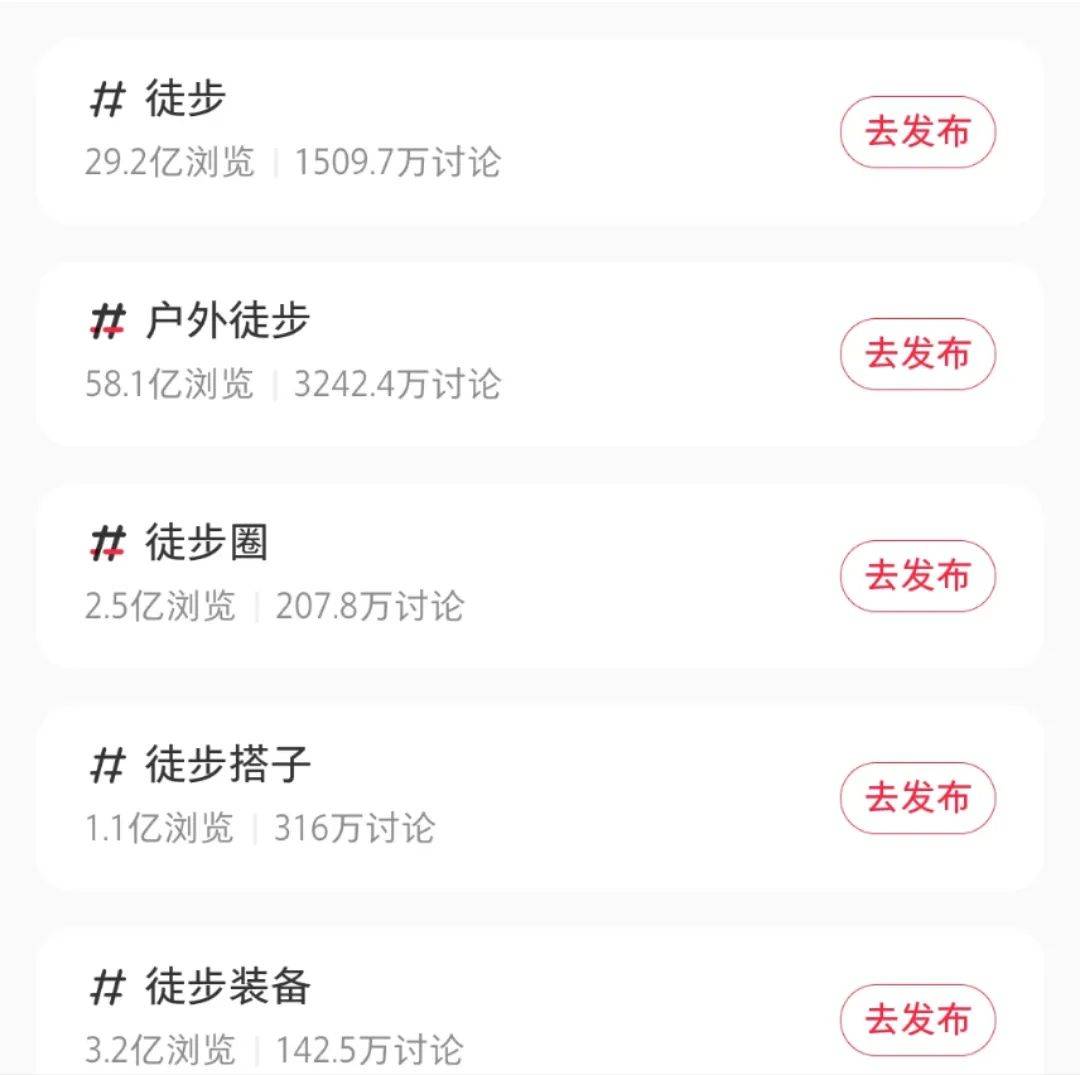
Group 1 - The trend of "hiking" is emerging as a new travel method among young people, moving away from traditional tourism and budget travel [1][2] - Data from Meituan and Dianping indicates that the search volume for "hiking" is expected to increase by nearly 100% year-on-year in 2024 [3] - Popular hiking destinations such as Nanjing Lu, Tiger Leaping Gorge, and Rainy崩 are becoming mainstream, while nearby day trips are replacing traditional weekend getaways [4][6] Group 2 - Hiking is perceived as a form of mental healing, allowing participants to disconnect from digital distractions and immerse themselves in nature [5][12] - The outdoor market is thriving, with a reported 50% increase in revenue for hiking shoes and over 20% for equipment from Decathlon in 2024 [7] - The hiking trend is leading to a diversification of products, with brands focusing on footwear, apparel, and accessories as new market opportunities [8][28] Group 3 - The hiking movement is becoming more inclusive, with a significant increase in sales of related products, showing over 60% compound growth since 2021 [29] - Companies like Arc'teryx and Salomon are experiencing substantial revenue growth, with a reported 53.7% increase in revenue in the Greater China region [30] - The hiking community is expanding, with brands like Anta acquiring outdoor brands to enhance their market presence [31] Group 4 - The conversion rate for hiking as an outdoor activity is high, with 47% of interested individuals actually trying it [32] - The market is seeing a wide range of products catering to different consumer needs, from budget-friendly options to high-end technical gear [34] - As hiking becomes a popular lifestyle choice among young people, it signifies a shift towards outdoor activities beyond traditional sports like marathons and trail running [35]
Met Gala红毯撞衫之战,DIOR输给LV了?|5月潮汐Mail
36氪· 2025-06-06 00:26
Group 1 - The article discusses the evolving trends in food and beverage, highlighting how young consumers are creatively using products like "Mixue Ice City" in cooking, transforming drinks into culinary ingredients [4][5][6] - The rise of unique food presentations, such as the "Prince Charming Soup," showcases the trend of visually appealing dishes gaining popularity on social media [8] Group 2 - The opening of LE LABO's new store in a traditional Beijing courtyard marks a significant move for the brand, integrating local architectural styles with its fragrance offerings [9][11][14] - The competitive landscape of high-end retail is shifting, with Beijing SKP undergoing a partial ownership change, raising questions about its future amidst a cooling luxury market [20][22][23] Group 3 - The collaboration between outdoor brand Outopia and China Rocket Company reflects a trend of brands merging functionality with cultural values, appealing to younger consumers [25][27] - The launch of IKEA's second-hand platform "IKEA preowned" aligns with sustainability goals, allowing users to buy and sell used IKEA products [60][62] Group 4 - GAP's marketing campaign for the 520 event emphasizes emotional connections and inclusivity, contrasting with the quieter responses from luxury brands in the same period [65][68]
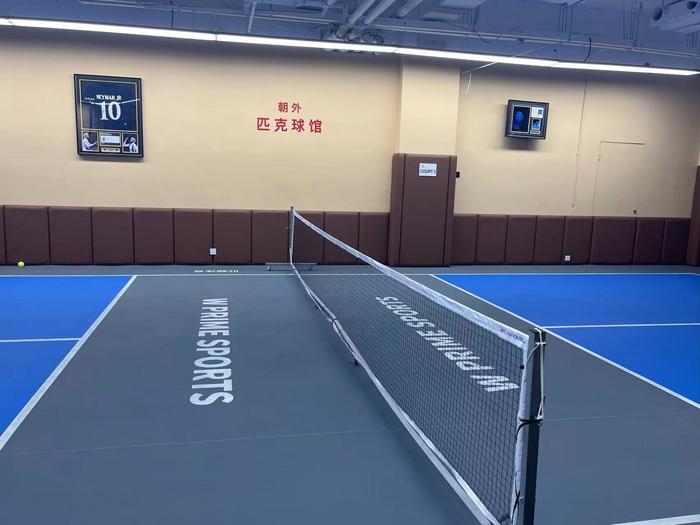
年轻人玩起匹克球,打开一个亿级消费市场
Xin Lang Cai Jing· 2025-06-06 00:12
Core Insights - Pickleball is emerging as a popular sport in China, with a growing number of enthusiasts and participants, likened to a "three-in-one" sport due to its combination of elements from badminton, tennis, and table tennis [1][2] - The sport's accessibility, low equipment costs, and ease of learning are driving its popularity among various age groups, including children and adults [2][4] - Major sports brands are increasingly investing in pickleball, with companies like Adidas and Li Ning actively expanding their product lines and hosting tournaments [4][5] Industry Trends - The global pickleball community has expanded to over 90 countries, with significant participation growth in China, particularly in Guangdong and Shanghai, where the number of courts is expected to increase significantly [2][5] - The cost of pickleball equipment is relatively low, with paddles priced between 100 to over 1000 yuan, making it more accessible compared to other racquet sports [2][4] - The pickleball equipment market is projected to grow, with global sales reaching $204 million in 2023 and expected to hit $360 million by 2030, reflecting a compound annual growth rate (CAGR) of 8.6% [7] Market Opportunities - The rise of pickleball has created business opportunities, with private coaching sessions priced similarly to tennis lessons, indicating a viable market for coaching and facilities [4][5] - China is a major production hub for pickleball equipment, with around 300 companies manufacturing related products, highlighting the potential for growth in domestic production and export [5][8] - The professionalization of pickleball in the U.S. has led to increased investment and revenue generation, with leagues like Major League Pickleball (MLP) attracting significant financial backing and partnerships [6][7]
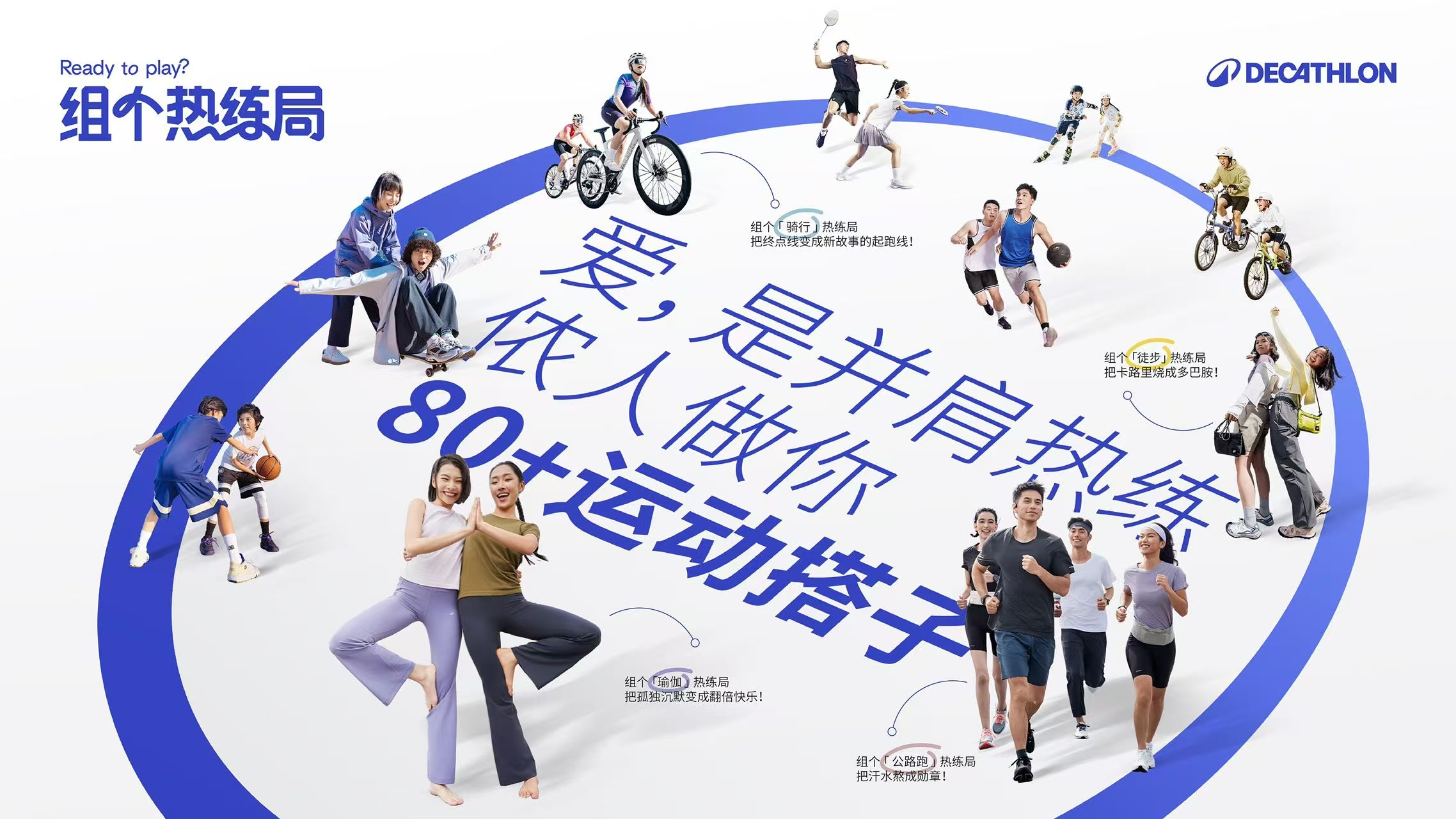
迪卡侬 “热练局” 焕新社群生态,三位一体点燃全民运动热潮
Jin Tou Wang· 2025-06-04 07:05
Core Concept - Decathlon launched the annual initiative "Group a Hot Training Session" in May 2025, aiming to promote high-quality development in national fitness and meet the growing fitness demands of the public [1][12] Group 1: Concept Upgrade - Over 72.3% of consumers desire to achieve "high-quality companionship" through shared exercise during holiday periods, leading to the creation of "Group a Hot Training Session" [3] - The initiative aims to create scenarios that combine sports vitality with emotional warmth, catering to various festive occasions [3] Group 2: Community Engagement - Decathlon's community activities bridge communication for families, open new social paths for young people, and create interaction platforms for people and pets [4] - The brand encourages users to find their own "hot training methods," celebrating diverse activities from family cycling to challenging long-distance rides [4] Group 3: Scenario Upgrade - "Group a Hot Training Session" breaks the boundaries between virtual and reality, making sports an accessible part of daily life through innovative online and offline interactions [7] - The Decathlon Sports APP allows users to form "hot training buddy teams" and unlock achievements in various sports scenarios, promoting a viral participation trend [7] Group 4: Event Launch - The "Ride Encounter 100KM" cycling challenge, part of the 2025 strategic activities, began on May 9, 2025, across over 60 cities and 200 stores, expecting 40,000 to 60,000 participants [8] - Participants can choose between an "online 25KM light challenge" and a "100KM offline group cycling race," with rewards including a limited edition medal and a chance to win a trip to cycling destinations in France [8] Group 5: Product Upgrade - Decathlon's community ecosystem upgrade is rooted in "product strength," offering a range of cycling gear from entry-level to professional models to meet various sports needs [11] - The brand provides specialized equipment, such as breathable cycling clothing and helmets optimized for comfort and safety [11] Group 6: Brand Philosophy - Since its founding in 1976, Decathlon has maintained its mission to make sports accessible, evolving from a single-store model to a global brand covering over 80 sports categories [12][15] - The "Group a Hot Training Session" initiative reflects the brand's commitment to "joyful sports" and its promise of mutual growth with users [12][14]