北方华创

Search documents
惊天大逆转,产能严重不足
Ge Long Hui· 2026-01-21 10:13
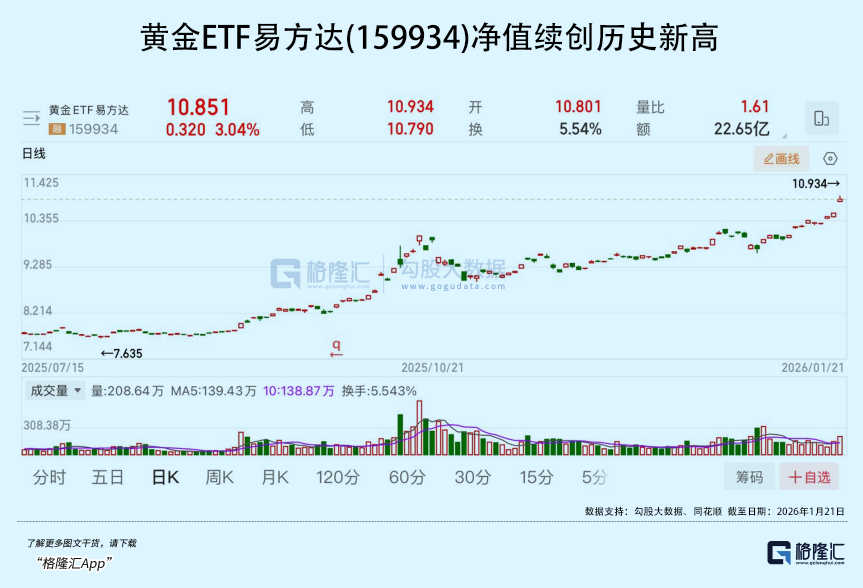
Group 1 - A-shares showed resilience despite a significant drop in overseas markets, with major indices rising, particularly in the gold and semiconductor sectors [1][5] - The semiconductor foundry sector is strong, with companies like SMIC and Hua Hong Semiconductor seeing gains of over 4% [6] - A report from TrendForce indicates a 2.4% reduction in global 8-inch foundry capacity by 2026 due to strategic cuts by TSMC and Samsung, while demand for AI-driven power management chips remains robust, pushing average capacity utilization rates above 90% [6][7] - Chinese foundries are positioned to benefit from the demand for 8-inch chips, with significant growth in storage chip production driven by AI [7][8] Group 2 - The gold sector is also performing well, with gold prices reaching $4,880 per ounce, and the gold ETF E Fund (159934) seeing a net inflow of 15.067 billion yuan over the past year [9][11][12] - The semiconductor market is experiencing a price surge, with reports indicating a potential 40-50% increase in storage chip prices by Q1 2026, driven by a combination of consumer electronics recovery and AI demand [15][19] - TSMC's capital expenditure guidance for 2026 has been significantly raised to between $52 billion and $56 billion, indicating strong demand for high-end chips [18][19] Group 3 - SMIC reported a record monthly production capacity of 1.023 million 8-inch equivalent wafers, with utilization rates reaching 95.8% [26] - The domestic semiconductor equipment market is expected to exceed 50 billion yuan in 2026, with a compound annual growth rate of around 30% [30] - The semiconductor equipment ETF E Fund (159558) is closely tied to the semiconductor materials and equipment sectors, covering key players in the industry [32]




数智时代:企业全球化经营发展战略与合规落地论坛在京成功举办
Sou Hu Cai Jing· 2026-01-21 08:18
Group 1 - The core viewpoint of the articles emphasizes the profound impact of digital technologies such as cloud computing, big data, artificial intelligence, and the Internet of Things on global industrial patterns and business ecosystems, highlighting both opportunities and challenges for Chinese enterprises going global [2] - The forum titled "Digital Intelligence Era: Development Strategy and Compliance Implementation for Global Business Operations" aims to explore new paths and challenges in global business development under the digital intelligence wave, focusing on compliance strategy construction and practical norms [4] - The forum gathered over 290 participants, including top experts, scholars, and executives from well-known companies, to discuss strategic planning, legal regulatory environments, and business practices for international operations [6] Group 2 - The opening remarks by the chairman of the law firm highlighted the firm's growth through various stages and its leading position in the industry, attributing success to the support from cross-border lawyers and industry peers [8] - The Secretary-General of the China Semiconductor Industry Association discussed the challenges faced by the semiconductor industry due to international technology controls and announced the establishment of a legal compliance working group to enhance compliance management capabilities [10] - The Deputy Minister of the China Council for the Promotion of International Trade emphasized the importance of international business operations in the digital context and promoted an upcoming international supply chain trade promotion expo [12] Group 3 - A lawyer from the law firm analyzed the compliance challenges faced by enterprises in the current environment, emphasizing the need for a multi-dimensional compliance integration approach and the rapid iteration of regulatory policies [14] - The forum featured a keynote speech by an academician focusing on building a secure and trustworthy network security guarantee system, highlighting the importance of cybersecurity as a component of national security [17] - A senior partner from the law firm provided insights on compliance in high-tech sectors, detailing regulatory changes in the US, EU, and China, and offering predictions and practical suggestions for enterprises [19] Group 4 - The forum included discussions on the impact of international trade compliance, focusing on anti-dumping and countervailing investigations, and the implications of "reciprocal tariffs" between China and the US [29] - A lawyer presented on the risks and strategies related to foreign investment in China, outlining key risk points and response strategies for foreign enterprises [36] - The forum concluded with a summary emphasizing the rich content and deep insights shared by experts, showcasing China's systematic layout and innovative exploration in digital governance [72]

数观丨2026年半导体集成电路产业融资分析
Sou Hu Cai Jing· 2026-01-21 07:56
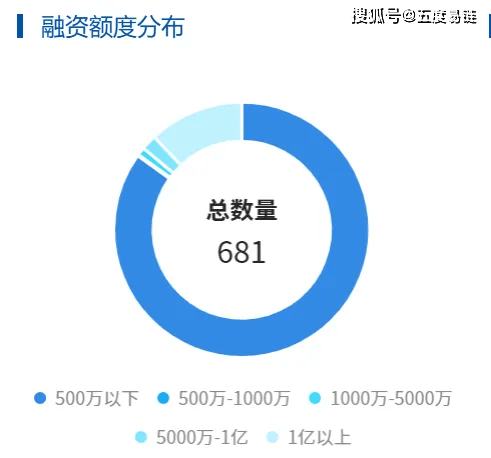
Core Insights - The domestic semiconductor integrated circuit industry is experiencing a financing boom from July 2025 to January 2026, characterized by frequent capital layouts, focused sectors, and regional clustering [1] - The industry is entering a critical phase of deep integration of capital and technology, driven by domestic substitution efforts and a global surge in computing power demand [1] National Financing Overview - A total of 681 financing events occurred across 610 companies, with 1,130 investment institutions participating, indicating a strong capital interest in the semiconductor sector [2] - There were 82 financing events exceeding 1 billion yuan, highlighting significant capital concentration in capital-intensive fields, with leading companies like Longxin Technology and Moer Thread attracting substantial investments [2] - The financing structure shows a "small amount dense, large amount concentrated" pattern, with over 84.9% of events being under 5 million yuan, providing essential funding for innovation [2] Financing Round Distribution - Strategic financing dominated with 307 events, accounting for 45.1%, followed by A rounds (156 events, 22.9%) and B rounds (59 events, 8.7%), indicating accelerated industry consolidation [4] - The high proportion of strategic financing reflects the trend of industry chain integration, with resources being allocated efficiently towards mature enterprises and high-potential early-stage projects [4] Regional Financing Landscape - The financing landscape is characterized by three major clusters: the Yangtze River Delta, the Guangdong-Hong Kong-Macao Greater Bay Area, and the Beijing-Tianjin-Hebei region, collectively accounting for over 80% of financing events [6] - The Yangtze River Delta leads with 377 financing events and 53.205 billion yuan, benefiting from a complete semiconductor industry chain [6] - The Guangdong-Hong Kong-Macao Greater Bay Area focuses on packaging, testing, and automotive electronics, while the Beijing-Tianjin-Hebei region excels in high-performance computing chips and semiconductor materials [6][8] Benchmark Enterprises Layout - Key enterprises in each region leverage their technological advantages and capital support to position themselves in core sectors, driving industry development [9] - In the Beijing-Tianjin-Hebei region, companies focus on high-end computing chips, while the Yangtze River Delta hosts firms covering storage and computing core sectors [12] - The Greater Bay Area's financing vitality relies on leading investment institutions targeting specialized chips and advanced materials [12] Industry Trend Summary - The financing market from July 2025 to January 2026 is characterized by high frequency, strong concentration, and precise sector focus, with capital supporting high-performance and domestic substitution sectors [15] - The industry is accelerating technology implementation and supply chain integration through capital empowerment, with a focus on companies possessing core technologies and production capabilities [15]


台积电Capex与业绩双超预期,先进制程 封装加速增长
CAITONG SECURITIES· 2026-01-21 07:35
Investment Rating - The industry investment rating is "Positive" (maintained) [1] Core Insights - AI computing demand is surging, with advanced processes solidifying growth foundations. TSMC's revenue is projected to exceed $33.7 billion in Q4 2025, driven by AI chip demand, with advanced process revenue share rising to 77% [6][7] - Strong profitability resilience is noted, with gross margin reaching 62.3% and net profit margin at 48.3% in Q4 2025, significantly exceeding guidance [10][11] - Global capacity layout and technology/resource allocation are strengthening long-term barriers, with TSMC's overseas capacity expansion and advanced packaging facilities progressing [6][12] - Investment recommendations focus on companies with competitive advantages in advanced manufacturing and those benefiting from domestic advanced packaging capacity [6] Summary by Sections TSMC Q4 2025 Performance - TSMC's Q4 2025 revenue reached NT$1.04609 trillion (approximately $33.7 billion), a year-on-year increase of 20.5% and a quarter-on-quarter increase of 5.7%, driven by AI-related high-performance computing chip demand [7][10] - The advanced process (7nm and below) revenue share increased to 77%, with 3nm process contributing 28% of revenue, highlighting the importance of AI chip demand [12][14] Capital Expenditure and Future Outlook - TSMC raised its 2026 capital expenditure guidance to $52-56 billion, reflecting a nearly 40% increase from previous plans, focusing on advanced process capacity expansion and semiconductor equipment procurement [17][21] - The company aims for a long-term revenue compound annual growth rate (CAGR) of 25%, with AI accelerator revenue CAGR adjusted upwards for 2024-2029 [21]
AI驱动存储芯片结构性短缺,CPU涨价潮将至,新一轮风口来袭!全市场费率最低档的芯片50ETF(516920)放量飙涨超4%!
Xin Lang Cai Jing· 2026-01-21 05:38
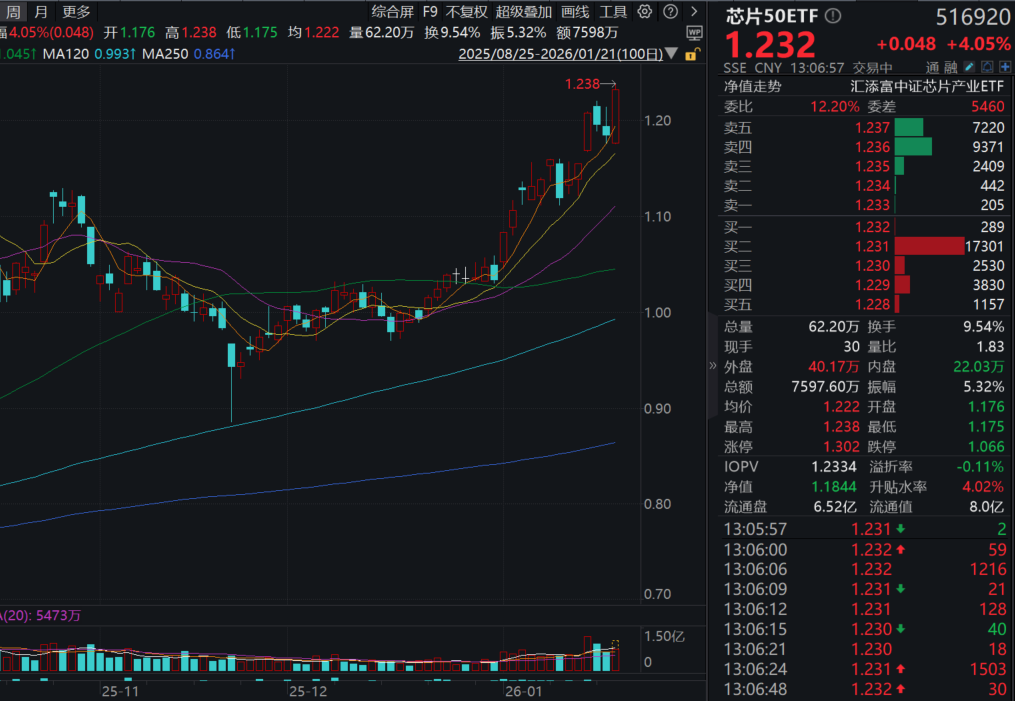
Core Viewpoint - The semiconductor sector is experiencing significant growth, with the Chip 50 ETF (516920) seeing a surge of over 4% and attracting substantial capital inflow, indicating strong market interest in semiconductor investments [1][3]. Group 1: Market Performance - The Chip 50 ETF (516920) recorded a trading volume of 80 million yuan, with a total capital inflow of over 38 million yuan in the last two days [1]. - Key stocks within the Chip 50 ETF showed positive performance, with notable increases such as Haiguang Information rising over 16% and Lanke Technology increasing over 11% [3]. Group 2: Supply and Demand Dynamics - Intel and AMD plan to raise server CPU prices by 10%-15% to address supply-demand imbalances and ensure stable future supply, with their server CPU capacity for 2026 already largely pre-sold [3]. - The global demand for storage is structurally increasing, driven by the growth of artificial intelligence, which is significantly underappreciated by the market [3]. Group 3: CPU Importance in AI Era - The importance of CPUs is expected to rise in the AI era, as new computing scenarios demand higher processing speed and accuracy, making CPU innovation a key focus for the computing industry [4][5]. - High-end AI servers typically follow a configuration of "2 high-end CPUs for every 8 GPUs," highlighting the CPU's critical role in system stability and performance [5]. Group 4: Market Trends and Projections - The general server market is recovering, with a projected over 9% year-on-year growth in global server shipments, driven by data center upgrades and the replacement of existing server CPUs [6]. - Cloud vendors are expected to increase capital expenditures to meet AI demand, with global AI server shipments projected to grow over 20% year-on-year by 2026, accounting for 17% of total server shipments [7].





双重引擎驱动:GPU放量与存储涨价催生扩产需求
Mei Ri Jing Ji Xin Wen· 2026-01-21 01:12
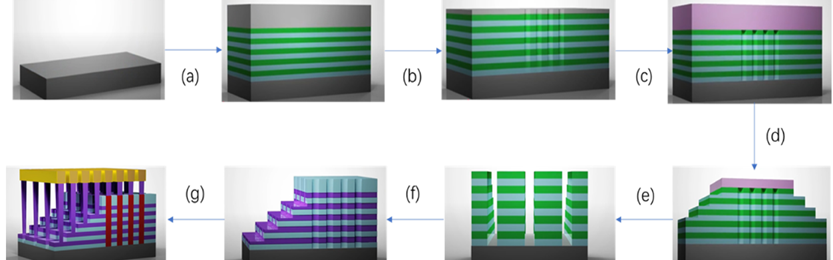
Group 1: GPU Market and Demand - The GPU market is expected to be a core driver for semiconductor chip demand in the domestic market, with North American companies investing billions annually in NVIDIA's GPU chips [1] - China's cloud computing market accounts for about one-fifth of the global share, suggesting that domestic computing power demand should represent 20%-30% of the global market [1] - The increasing demand for GPUs will accelerate the need for advanced process technologies, with companies like Apple already adopting advanced processes for their chips [1][2] Group 2: Advanced Process and Equipment Demand - Current GPU manufacturers in mainland China primarily use 7 to 14 nanometer processes, while leading overseas companies like NVIDIA utilize around 4 nanometers, indicating a pressing need for advanced process expansion [2] - The demand for advanced process equipment is expected to rise significantly as GPU production increases, providing opportunities for domestic equipment manufacturers [2] - The storage industry, particularly DRAM and NAND products, dominates the market, but the majority of market share is still held by Japanese and American manufacturers [2] Group 3: Storage Market Dynamics - The rise in storage prices is largely attributed to the AI industry's demand for high-bandwidth memory (HBM), which is essential for efficient data handling during AI training and inference [3][4] - The global GPU shipment volume is projected to reach nearly or exceed 10 million units by 2025, leading to a rapid increase in storage demand that is not being met by supply [3] - The supply-demand imbalance in the storage market has resulted in significant price increases, with DRAM contract prices expected to rise by 50% to 60% in Q1 of this year [4] Group 4: Semiconductor Equipment and Market Trends - The semiconductor equipment market is expected to benefit from the ongoing expansion in the storage sector, particularly as domestic manufacturers increase their production capabilities [6][9] - The trend towards 3D NAND technology is driving demand for etching and deposition equipment, as the complexity of manufacturing increases with more layers being added to storage chips [6][7] - The semiconductor equipment sector is transitioning from a focus on domestic market penetration to a model that reflects global AI developments, with increased capital expenditures from overseas storage companies impacting domestic stock prices [8][9]
中国10种半导体设备国产化率30%、特殊涂层零部件发展情况:产业链、技术工艺、应用领域
材料汇· 2026-01-20 16:00
Core Viewpoint - The article discusses the current state and future trends of the semiconductor equipment market in China, focusing on the localization rates of various equipment types and the growth potential of domestic manufacturers in the semiconductor components sector. Group 1: Semiconductor Equipment Localization Rates - The localization rate for photoresist equipment is projected to be 80-90% by 2024, with major domestic brands like Shengmei Shanghai and Zhichun Technology leading the market [2] - The localization rate for etching equipment is expected to be around 30-40%, with companies such as Zhongwei and Beifang Huachuang making significant contributions [3] - For cleaning equipment, the localization rate is anticipated to be between 30-40%, with domestic players like Shengmei Shanghai and Beifang Huachuang involved [3] - The localization rates for other equipment types, such as chemical mechanical polishing and coating, are lower, ranging from 10-30% and <10% respectively [2][3] Group 2: Market Size and Growth Projections - The semiconductor equipment market in China is projected to grow significantly from 2020 to 2029, with revenue expected to reach substantial figures in billions of yuan [4][18] - The market for semiconductor equipment components is also expected to see growth, with localization rates improving as domestic manufacturers enhance their technological capabilities [15][20] Group 3: Semiconductor Equipment Components Industry Chain - The semiconductor equipment components industry chain includes upstream raw material suppliers and midstream component manufacturers, serving both semiconductor equipment manufacturers and downstream IDM and foundry companies [6][10] - The components are categorized into mechanical, optical, and other types, each with specific applications in semiconductor manufacturing processes [12][19] Group 4: Trends in Surface Treatment Components - The surface treatment components market is defined by stringent requirements for materials, structure, and process precision, which are critical for enhancing wafer quality and ensuring process stability [19] - The domestic market for surface treatment components is expected to see increased localization, driven by advancements in technology and government support for R&D [20][24] Group 5: Special Coating Components Market - The market for special coating components is characterized by high technical barriers and significant potential for domestic substitution, particularly in high-value segments of semiconductor manufacturing [34][40] - The demand for high-performance coatings is rising, driven by the need for enhanced durability and stability in extreme processing environments [46][47] Group 6: Competitive Landscape - As of 2024, the top five companies in the special coating components market hold a combined market share of 55.7%, indicating a concentrated competitive landscape [47][48] - Leading companies have established strong customer relationships through successful validation processes, creating high entry barriers for new entrants [47][48]
关键技术突破叠加存储涨价大周期,国产半导体设备景气度确认
Zhong Guo Zheng Quan Bao· 2026-01-20 11:47
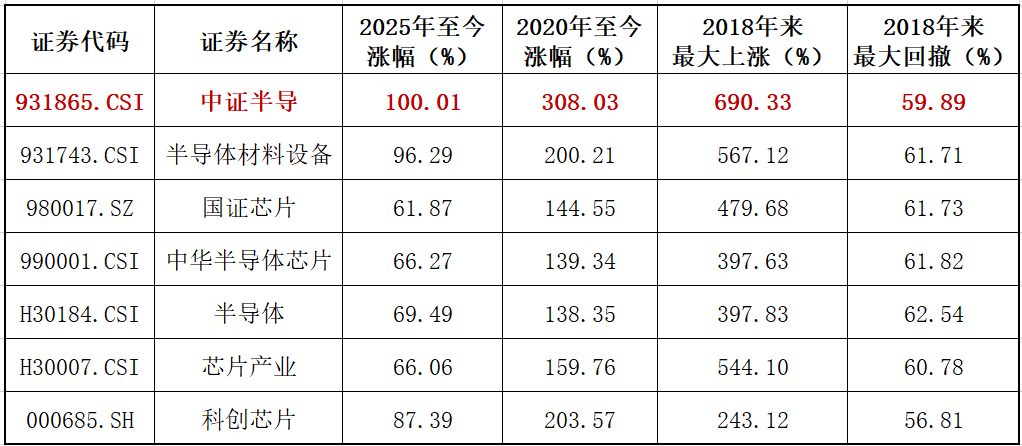
Core Viewpoint - The domestic semiconductor equipment sector is experiencing significant boosts in confidence due to two recent catalysts: the successful development of a high-energy hydrogen ion implanter and strong financial signals from industry leaders indicating expansion. Group 1: Domestic Semiconductor Equipment Development - The China National Nuclear Corporation announced the successful launch of the first domestically developed series-type high-energy hydrogen ion implanter (POWER-750H), achieving international advanced levels in core indicators, marking a breakthrough in key processes of power semiconductor manufacturing [1] - Ion implanters are considered one of the "four core equipment" essential for chip manufacturing, alongside photolithography machines, etching machines, and thin-film deposition equipment, highlighting their critical role in semiconductor production [1] - Historically, China has relied entirely on imports for high-energy hydrogen ion implanters, which has been a bottleneck for upgrading key technology industries due to high technical barriers [1] - According to the China Semiconductor Industry Association, China's equipment localization may have entered a rapid growth phase, indicating a significant shift in the domestic semiconductor landscape [1] Group 2: Financial Performance and Market Outlook - TSMC, the world's largest chip foundry, reported a 35% year-on-year increase in net profit for Q4 2025, with a gross margin of 62%, significantly exceeding expectations; capital expenditures are projected to reach up to $56 billion in 2026 [2] - The surge in AI demand is directly impacting the supply-demand balance for advanced processes, with storage chip prices expected to rise by up to 1800% in 2025 and by 60% in Q1 2026 [2] - The combination of AI-driven price increases in storage and advancements in process technology is likely to create a "golden period" for the domestic semiconductor equipment and materials industry, characterized by simultaneous expansion and technological breakthroughs [2] Group 3: Index Performance - The semiconductor equipment ETF (561980) tracks the CSI index, with over 90% coverage of the upstream and midstream semiconductor industry, including key players like Zhongwei Company and SMIC, indicating a strong concentration in leading firms [2] - The CSI semiconductor index has shown higher elasticity compared to similar indices, achieving a doubling in growth since 2025 and a 308% increase since 2020, outperforming the Sci-Tech Innovation Board chip index [3] - From the last semiconductor cycle in 2018 to the present, the CSI semiconductor index has recorded a maximum increase of over 690%, leading among comparable indices [3] Group 4: Performance Metrics - The following table summarizes the performance metrics of various semiconductor indices: | Securities Code | Securities Name | Growth Rate (2025 to Present) | Growth Rate (2020 to Present) | Maximum Increase (Since 2018) | Maximum Drawdown (Since 2018) | |------------------|------------------|-------------------------------|-------------------------------|-------------------------------|-------------------------------| | 931865. CSI | CSI Semiconductor | 100.01% | 308.03% | 690.33% | 59.89% | | 931743. CSI | Semiconductor Materials & Equipment | 96.29% | 200.21% | 567.12% | 61.71% | | 980017. SZ | National Chip | 61.87% | 144.55% | 479.68% | 61.73% | | 990001. CSI | China Semiconductor Chip | 66.27% | 139.34% | 397.63% | 61.82% | | H30184. CSI | Semiconductor | 69.49% | 138.35% | 397.83% | 62.54% | | H30007. CSI | Chip Industry | 66.06% | 159.76% | 544.10% | 60.78% | | 000685. SH | Sci-Tech Innovation Chip | 87.39% | 203.57% | 243.12% | 56.81% | [4]
半导体行业周报:台积电上调2026年资本开支,加速现有晶圆厂建设
Huaxin Securities· 2026-01-20 10:24
Investment Rating - The report maintains a "Buy" rating for TSMC, highlighting its strong performance and growth potential in the semiconductor industry [1]. Core Insights - TSMC's Q4 2025 earnings exceeded expectations, prompting an increase in its 2026 capital expenditure (CAPEX) to between $52 billion and $56 billion, up from $40.9 billion in 2025. The company anticipates a revenue growth of 35.7% to 40% year-on-year, potentially reaching $35.8 billion [3][12]. - The demand for AI high-performance chips is driving TSMC's growth, with AI accelerator-related revenue accounting for approximately 17% to 19% of total revenue in 2025 [3][12]. - TSMC is accelerating the construction of its existing wafer fabs, with the third fab in Arizona already under construction and expected to begin production by the second half of 2027 [4][13]. Summary by Sections Market Performance - The semiconductor sector has shown a strong performance, with the semiconductor index rising by 5.33% during the week of January 12 to January 16, 2026 [17][21]. Key Company Announcements - TSMC has begun mass production of 2nm technology in Q4 2025, with plans for enhanced versions and new technologies to be introduced in 2026 [4][13]. - The report suggests monitoring domestic semiconductor companies such as Cambricon, SMIC, Huahong, and others for potential investment opportunities [4][13]. Earnings Forecasts - The report includes earnings per share (EPS) and price-to-earnings (PE) ratios for several companies, with Cambricon rated as "Buy" and others currently un-rated [14][28]. Industry Trends - The semiconductor industry is experiencing a rebound, with global semiconductor sales showing significant growth, particularly in AI and 5G applications. The report notes a 29.8% year-on-year increase in global semiconductor sales in November 2025 [36][37]. - The report highlights the increasing demand for NAND and DRAM memory chips, driven by AI storage needs, with prices for NAND and DRAM showing upward trends [50][51].
AI与国产化双轮驱动!半导体设备EFT怎么选?
市值风云· 2026-01-20 10:12
Core Viewpoint - The semiconductor equipment sector is currently attracting significant investment interest, driven by macroeconomic growth points and strong policy support, making it a key area for potential investment opportunities [4][7]. Group 1: Market Performance - The semiconductor equipment sector has shown remarkable performance in the A-share market, with the top three indices tracking semiconductor equipment themes performing the best year-to-date [5]. - The leading indices include the Semiconductor Materials Equipment Index, which has increased by 27.71%, and the Sci-Tech Innovation Board Semiconductor Materials Index, which has risen by 26.35% [6]. Group 2: Investment Logic - The investment logic in semiconductor equipment is driven by a dual-cycle resonance and the trend of domestic substitution, positioning these companies to benefit from the overall industry growth [8][16]. - The current industry cycle is characterized by a recovery in traditional demand and a surge in new demand driven by AI, with healthy inventory levels in consumer electronics and automotive sectors [12]. - The domestic semiconductor equipment localization rate is low, at approximately 25% for 2024, indicating significant room for growth in domestic production capabilities [14]. Group 3: ETF Landscape - Several ETFs have emerged to capitalize on the semiconductor equipment sector, with returns exceeding 20% this year, although performance varies based on the indices they track [19]. - The largest ETF, the Semiconductor Equipment ETF (159516.SZ), tracks the Semiconductor Materials Equipment Index, which includes 40 leading companies in the sector, with a weight of 86.5% in semiconductor equipment and materials [21]. - The Sci-Tech Semiconductor ETF (588170.SH) focuses on the Sci-Tech Innovation Board, offering higher volatility and potential returns due to its concentrated investment strategy [23]. Group 4: Investment Strategies - For investors seeking a balanced approach, the Semiconductor Materials Equipment ETF provides a diversified solution, while aggressive investors may prefer ETFs focused on the Sci-Tech Board for higher potential returns [30][32]. - Investors looking to capture gains across the entire semiconductor value chain, including design and manufacturing, may find the Zhongzheng Semiconductor Industry ETF to be a suitable option [33].