
雀巢

Search documents
汽车、航空、能源…全球多行业巨头近两个月相继宣布裁员
Sou Hu Cai Jing· 2025-10-24 16:00
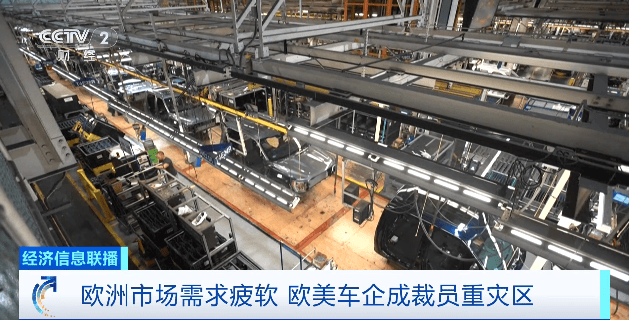
Group 1: Overview of Layoffs - A new wave of layoffs is occurring across multiple global industries, including automotive, pharmaceuticals, aviation, energy, and consumer goods, with plans announced by several leading companies in the past two months [1] Group 2: Automotive Industry - The automotive sector is particularly hard-hit, with Renault planning a voluntary departure program to cut 3,000 jobs globally [3] - Ford announced a layoff of 1,000 employees at its Cologne plant in Germany due to weak demand in the European electric vehicle market [3] - ZF Friedrichshafen plans to cut 7,600 jobs, while Bosch aims to reduce approximately 13,000 positions by the end of 2030, driven by the transition to electric vehicles and rising costs [3] Group 3: Pharmaceutical Industry - The global pharmaceutical industry is undergoing structural adjustments, with Novo Nordisk announcing a layoff of 9,000 employees, representing about 11% of its total workforce [5] - Other companies like Merck and Moderna have also initiated layoffs this year, attributed to challenges such as patent expirations and increased competition [5] Group 4: Other Industries - In addition to the automotive and pharmaceutical sectors, companies like Lufthansa, ExxonMobil, Nestlé, Starbucks, and Heineken have also announced layoffs since September [6] - Accenture reported layoffs of over 11,000 employees in the past three months, warning of potential further cuts if employees cannot adapt to the demands of artificial intelligence [6] - Some companies are citing a shift towards artificial intelligence to improve efficiency as a reason for layoffs, although critics argue that the widespread use of AI for layoffs has not yet materialized [6]

卷中破局,咖啡赛道如何“续命”?
Sou Hu Cai Jing· 2025-10-23 09:38
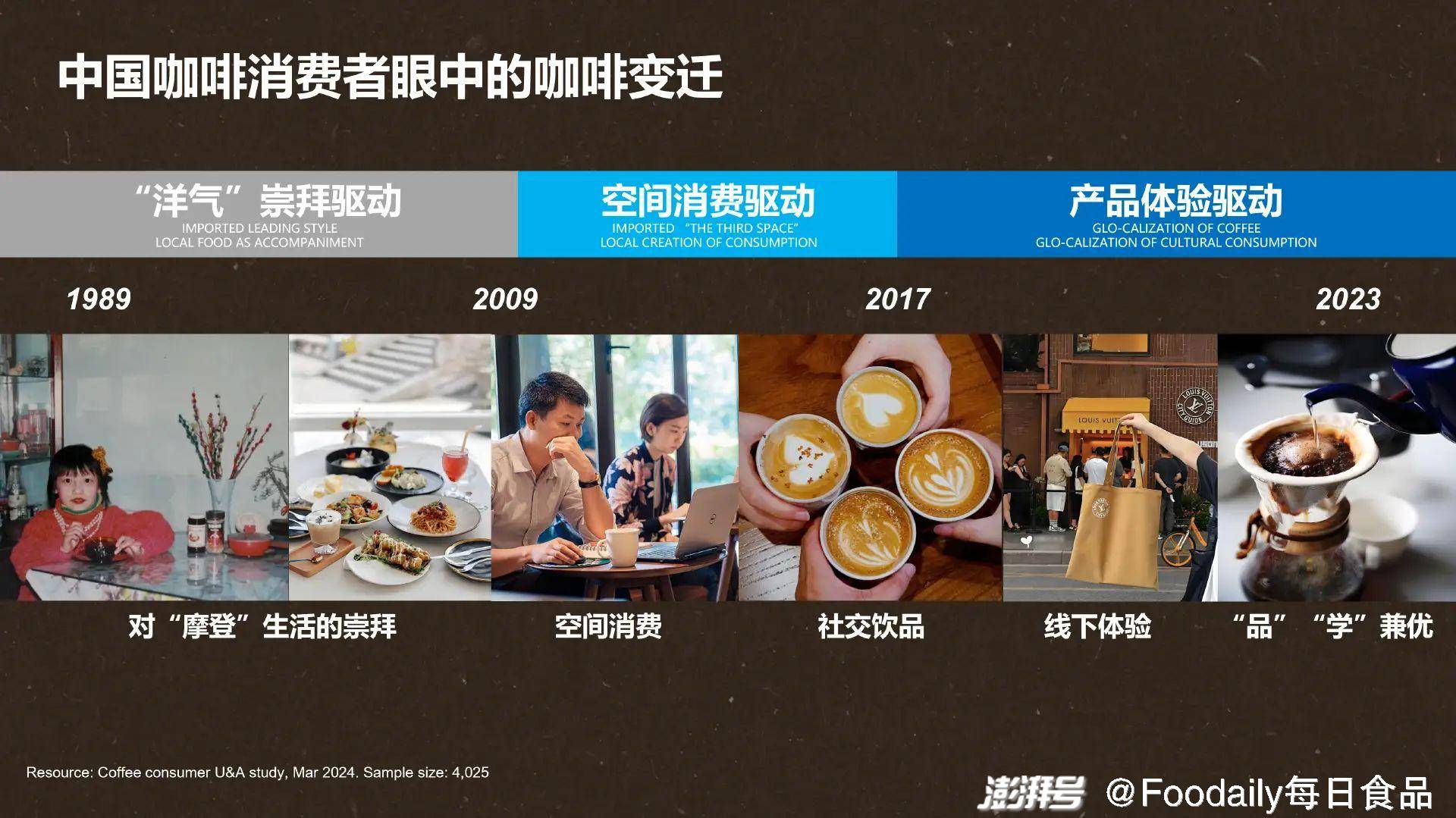
Core Insights - Coffee consumption is rapidly rising in China, with the overall coffee market potential exceeding 1 trillion yuan, driven by various segments including instant, ready-to-drink, and freshly brewed coffee [1] - The compound annual growth rate (CAGR) of the Chinese coffee market is projected to reach 12.5% from 2022 to 2025, with freshly brewed coffee experiencing a remarkable growth rate of 21.56%, significantly higher than the overall market [1] - Major cities like Shanghai, Beijing, and Chengdu are witnessing high coffee consumption, indicating a substantial growth opportunity as current consumption levels in mainland China remain below those of developed countries [1] Consumer Trends - The evolution of coffee consumption in China can be categorized into three stages: initial perception as a trendy beverage, the emergence of coffee shops as social spaces, and the current focus on product experience [2] - The proportion of consumers choosing freshly brewed coffee as their first cup has increased from 30% to 39% in 2023, reflecting a shift in consumer preferences [5][6] - Most coffee consumers in China have developed a habit of drinking coffee 3-5 times a week, with consumption times expanding beyond mornings to include evenings [6] Expanding Consumption Scenarios - Coffee consumption scenarios are diversifying beyond traditional settings like homes and offices to include outdoor environments such as high-speed trains and during commutes [9] - The four main consumption scenarios identified are formal occasions, leisure time, fitness, and self-discipline, with a notable increase in coffee consumption during business meetings [9] Market Dynamics and Challenges - The Chinese coffee market is characterized by growth and maturity, with high-frequency consumption patterns emerging, leading to new opportunities in instant, ready-to-drink, and specialty coffee segments [11] - Small brands face significant challenges in a rapidly changing retail landscape, where online sales require advanced operational capabilities and traditional retail channels impose high entry costs [12] - The competitive environment is intensifying, with price wars and the need for innovative supply chains becoming critical for brand survival [12] Future Outlook - The coffee industry in China is experiencing rapid growth, with evolving consumer preferences creating both opportunities and challenges for brands [14] - Brands are exploring product innovation, packaging upgrades, and supply chain enhancements to navigate the competitive landscape and meet changing consumer demands [14]
宠物食品行业专题报告十六:迎接产业整合新时代
Changjiang Securities· 2025-10-23 05:16
Investment Rating - The investment rating for the pet food industry is "Positive" and maintained [13]. Core Viewpoints - The pet food industry is entering a new era of industry consolidation, with significant mergers and acquisitions indicating an acceleration in this trend. The past two years have seen strong performance from leading companies, with continued profitability exceeding expectations. Key companies such as Tianyuan Pet, Petty, and Yiyi have made strategic acquisitions, suggesting a robust consolidation phase ahead. The report continues to recommend the pet food sector, particularly highlighting companies like Guibao Pet and Zhongchong Co., while suggesting attention to Petty and Yuanfei Pet [2][19]. Summary by Sections Industry Overview - The report emphasizes that the pet food industry is experiencing a new era of consolidation, driven by strong market demand and the successful profitability of leading companies. The consolidation is seen as a crucial pathway for sustained growth [2][19]. M&A Activity - Recent mergers and acquisitions, such as Tianyuan Pet's acquisition of Taotong Technology and Yiyi's acquisition of Gaoyejia, indicate a trend towards accelerated consolidation in the pet food industry. This trend is expected to continue as companies seek to enhance their market positions and capabilities [2][10]. Competitive Landscape - The competitive landscape is characterized by increasing concentration among leading companies, with the CR10 (the market share of the top 10 companies) in China's pet food industry rising from 28.3% in 2019 to 32.7% in 2024. Leading companies like Guibao Pet and Zhongchong Co. are rapidly gaining market share, while mid-tier brands face intense competition and many are struggling financially [9][36]. Strategic Insights - The report highlights that multi-brand acquisitions have been key to the success of industry giants like Mars and Nestlé, allowing them to quickly adapt to consumer demands and market changes. This strategy has enabled them to build comprehensive brand matrices that cater to various market segments [8][20]. Future Outlook - The report suggests that as the industry consolidates, competition will shift from price and channel competition to brand, supply chain, and technology competition. This evolution will favor companies with well-established brand matrices and the ability to innovate [10][46].
谁在“改造”雀巢?
3 6 Ke· 2025-10-23 00:06
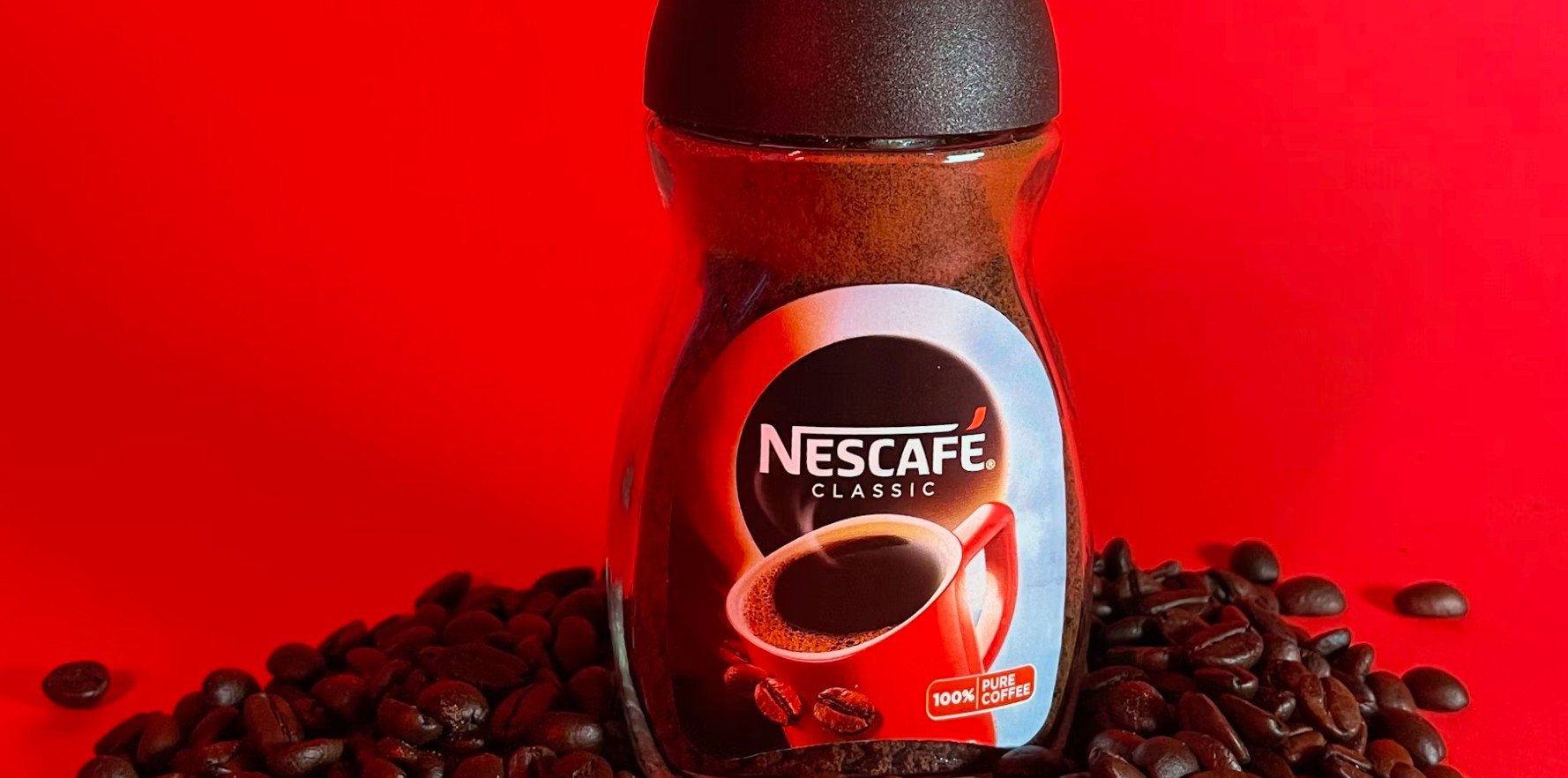
Core Insights - The food and beverage industry is undergoing a deep adjustment as consumer preferences shift from large brands and standardized products to functional, health-oriented, and localized options, leading to a decline in traditional growth strategies [1][10] Company Performance - Nestlé's CEO announced a global layoff plan affecting approximately 16,000 employees, including 12,000 white-collar jobs and 4,000 in production and supply chain roles, as part of a strategy to address declining sales and growth [2][11] - For the first nine months of 2025, Nestlé reported global sales of CHF 65.9 billion, a year-on-year decline of about 1.9%, with an organic growth rate of 3.3%, primarily driven by price increases rather than volume growth [2][6] - The organic growth rate in emerging markets was 5.2%, mainly attributed to pricing, while developed markets saw a lower organic growth rate of 2.1%, indicating a slowdown compared to long-term targets [2][6] Strategic Adjustments - The new CEO emphasized the need for actual internal growth as a primary goal and announced comprehensive measures including personnel optimization, process reengineering, and divesting inefficient businesses [3][11] - Nestlé has restructured its organization from five regions to three, indicating a strategic shift to allocate more resources to faster-growing and more profitable segments such as premium coffee, pet care, and health nutrition [5][11] Market Dynamics - Nestlé's growth is increasingly reliant on price increases rather than volume expansion, with coffee and candy being the strongest performing segments, although their growth is also driven by pricing strategies [6][7] - The pet food segment has shown resilience, achieving an organic growth rate of approximately 1.6%, indicating a stable market demand despite overall challenges [9][11] Consumer Trends - The company faces challenges from changing consumer preferences towards personalization, health consciousness, and emotional value, which are impacting brand loyalty and traditional business models [10][11] - The shift in consumer behavior, particularly in markets like China, where demand for high-sugar and high-fat products is declining, poses significant challenges for Nestlé's traditional product lines [11][13] Future Outlook - Nestlé is in a deep adjustment phase, with the layoffs being just the beginning of a broader strategic overhaul aimed at innovating its business model to align with new consumer demands [11][13] - The company's ability to adapt and innovate in response to market changes will be crucial for its future growth, as traditional strategies are becoming less effective [13][14]


Protein Supplements Market Forecast Report 2025-2030 | Clean-Label Protein Supplements Surge as Consumers Demand Transparency and Quality
Globenewswire· 2025-10-22 08:04
Core Insights - The global protein supplements market is projected to grow at a CAGR of 3.61% from 2024 to 2030, with an estimated market value of $29.98 billion in 2024 and $37.1 billion by 2030 [1][25]. Market Overview - The protein supplements market is highly fragmented but brand-led, featuring a mix of global leaders and fast-moving challengers [2]. - The market is evolving beyond traditional powder formats to include ready-to-drink (RTD) beverages and gummies, catering to consumer preferences for convenience and variety [4]. Market Drivers - Increased focus on fitness and active living is driving demand for protein supplements, with more consumers integrating these products into their daily routines [8]. - Growing public awareness of nutrition, particularly the importance of protein, has expanded the market to include general wellness seekers and busy professionals [9]. - The rise of e-commerce and direct-to-consumer platforms has transformed distribution, allowing brands to reach wider audiences and engage directly with consumers [10]. Consumer Trends - There is a significant shift towards plant-based protein sources, driven by the adoption of plant-based diets and flexitarian lifestyles [5]. - Personalized protein supplementation is gaining traction, supported by advances in nutrition science and technology [6]. - Consumers are increasingly demanding clean-label products that are transparent and minimally processed [7]. Geographical Analysis - North America holds the largest share of the protein supplements market, accounting for over 35% in 2024, driven by a strong fitness culture and health awareness [16]. - The APAC region is experiencing the fastest growth, fueled by urbanization and rising disposable incomes among millennials and Gen Z [18]. - Europe is characterized by a health-conscious population with a growing preference for organic and sustainably sourced products [17]. Industry Restraints - The premium nature of high-quality protein supplements can limit accessibility in price-sensitive markets [12]. - The market faces challenges from counterfeit products, particularly in regions with inconsistent regulatory enforcement [13]. - Common protein sources may cause allergic reactions or digestive discomfort for some consumers, limiting market reach [14]. Vendor Landscape - Key developments include Danone's launch of a new protein shake under its Oikos brand and Glanbia's acquisition of Flavor Producers for $300 million [23]. - Prominent companies in the market include Glanbia, Nestle, Herbalife, and Abbott [27].

川菜味型团体标准发布 川味从“技艺传承”迈入“标准时代”
Zheng Quan Shi Bao Wang· 2025-10-22 05:09
Core Points - The release of the "Twenty-Four Flavors of Sichuan Cuisine" group standard marks a transition from "artisanal tradition" to a "standardized era" for Sichuan cuisine, providing a systematic definition of its flavor profiles [1] - The standard aims to address the lack of unified definitions for Sichuan flavors, which has hindered the standardization and globalization of Sichuan cuisine [1] - The establishment of this standard is expected to enhance the global dissemination of Sichuan culinary culture while promoting high-quality development in the Chinese dining industry [2][3] Group 1 - The group standard was initiated by the Sichuan Condiment Association, with Sichuan Tourism College drafting it and Haoji leading the effort as the sole enterprise [1] - The standard defines 24 classic flavor profiles of Sichuan cuisine, including spicy, fish-flavored, and strange flavors, along with their ingredient benchmarks, flavor characteristics, and taste logic [1] - The standard serves as a "common language" for the standardization and globalization of Sichuan cuisine, with Nestlé expressing commitment to support this initiative [2] Group 2 - The standard is seen as a foundation for chefs and restaurants, providing a solid basis for innovation while preserving the authentic taste of Sichuan cuisine [3] - The Sichuan Condiment Association anticipates that more brands will emerge to deepen their focus on Sichuan flavors, driving flavor innovation and industry upgrades [2][3] - A cultural exhibition titled "From Complexity to Simplicity: The Culture of the Twenty-Four Flavors of Sichuan Cuisine" was launched to engage the public in understanding the scientific framework behind Sichuan flavors [3]
巨头雀巢要裁员一万六千人?如此大裁员究竟想干啥?
3 6 Ke· 2025-10-22 04:04
Group 1 - Nestlé plans to lay off approximately 16,000 employees globally over the next two years, with around 12,000 of these being white-collar professionals [3][6] - The company's sales for the first nine months of 2025 amounted to 65.87 billion Swiss francs, reflecting a 1.9% decline, while organic growth was reported at 3.3% [3] - The restructuring aims to save 1 billion Swiss francs annually by 2027, doubling the initial target of 500 million Swiss francs, with one-time restructuring costs expected to be twice the annual savings [3][9] Group 2 - The layoffs are a response to ongoing global economic pressures, including weak consumer demand and intensified competition in the consumer goods sector [6][8] - The focus of the layoffs on white-collar positions indicates a shift towards automation and digital transformation, as these roles are more susceptible to being replaced by technology [8] - By reducing workforce costs, Nestlé aims to free up cash flow for core business investments, such as new product development and market expansion [9] Group 3 - The situation highlights the increasing importance of building "risk resilience" among employees, as job security in even major corporations like Nestlé is not guaranteed [11] - The demand for versatile talent is expected to rise, emphasizing the need for continuous learning and skill enhancement among workers to remain competitive [11]
靠奥特曼、小马宝莉年入8亿,毛利超3成,零食界泡泡玛特冲刺港股
21世纪经济报道· 2025-10-21 12:46
Core Viewpoint - The article discusses the upcoming IPO of Guangdong Jintian Animation Co., Ltd., which is positioned as a leading player in the children's snack market, integrating popular IPs into its products, similar to the model of Pop Mart [1][10]. Group 1: Company Overview - Guangdong Jintian Animation Co., Ltd. has submitted its IPO application to the Hong Kong Stock Exchange, with joint sponsors being China Merchants Securities International and China Galaxy International [1]. - The company specializes in "IP fun food," which incorporates anime elements into traditional snacks, offering products like juice gummies featuring Ultraman and toys associated with popular IPs [5][6]. Group 2: Financial Performance - The revenue from the top five licensed IPs (Ultraman, My Little Pony, Crayon Shin-chan, Pleasant Goat and Big Big Wolf, and Peppa Pig) is projected to be RMB 5.36 billion, RMB 5.88 billion, and RMB 7.54 billion for the years 2022, 2023, and 2024 respectively, accounting for 90.0%, 88.7%, and 85.9% of total revenue [7]. - The company has shown consistent revenue growth, with figures of RMB 5.96 billion, RMB 6.64 billion, RMB 8.77 billion, and RMB 4.44 billion for the years 2022, 2023, 2024, and the first half of 2025 respectively, alongside increasing gross margins [10][11]. Group 3: Market Position and Strategy - The IP food market in China is expected to grow from RMB 354 billion in 2024 to RMB 849 billion by 2029, with a compound annual growth rate of 18.5% [10]. - Jintian Animation is positioned as the largest IP fun food company in China with a market share of 7.6% and the fourth largest IP food company with a market share of 2.5% [10]. - The company plans to enhance its IP portfolio and develop proprietary IPs to mitigate risks associated with reliance on external IP licenses [7][12]. Group 4: Sales Channels - The company has established strong sales channels, particularly in third- and fourth-tier cities, collaborating with various retail outlets including supermarkets and specialty snack stores [8].

靠奥特曼、小马宝莉年入8亿,毛利超3成,零食界泡泡玛特冲刺港股
2 1 Shi Ji Jing Ji Bao Dao· 2025-10-21 12:44
Core Viewpoint - The company, Guangdong Jintian Animation Co., Ltd., is preparing for an IPO on the Hong Kong Stock Exchange, aiming to become a significant player in the IP food market, similar to brands like Pop Mart and Miniso [1][12]. Company Overview - Jintian Animation specializes in children's snacks that incorporate popular IP elements, such as toys and badges, targeting a young audience [3][6]. - The company's revenue heavily relies on key IPs like Ultraman, My Little Pony, and Crayon Shin-chan, with the top five IPs contributing 90% of total revenue in 2022 [5][12]. Market Position - By 2024, Jintian Animation is projected to be the largest IP fun food company in China, holding a market share of 7.6% [13]. - The overall IP food market in China is expected to grow from RMB 354 billion in 2024 to RMB 849 billion by 2029, with a compound annual growth rate of 18.5% [12]. Financial Performance - The company has shown consistent revenue growth, with revenues of RMB 5.96 billion in 2022, RMB 6.64 billion in 2023, and projected RMB 8.77 billion in 2024 [14]. - Jintian Animation's gross margin is notably higher than other snack brands, reaching 33.7% in 2024, compared to 24.3% for Three Squirrels and 26.1% for Bestore [14][15]. Strategic Initiatives - The company plans to diversify its IP portfolio and enhance its product development capabilities through the IPO proceeds, which will also be used to expand sales networks and improve supply chain infrastructure [17]. - Jintian Animation aims to mitigate risks associated with reliance on external IPs by developing its own IPs and enhancing its design capabilities [9][8]. Sales Channels - The company has established a strong sales network, particularly in lower-tier cities, collaborating with various retail outlets, including supermarkets and convenience stores [10].


IP食品半年卖了4.4亿,“零食界的泡泡玛特”冲击港股IPO
2 1 Shi Ji Jing Ji Bao Dao· 2025-10-21 11:45
Core Viewpoint - The company, Guangdong Jintian Animation Co., Ltd., is preparing for an IPO on the Hong Kong Stock Exchange, positioning itself as a leader in the Chinese IP play food industry, focusing on the production and sale of IP-themed snacks [1][7]. Group 1: Company Overview - Jintian Animation is recognized as a pioneer in the IP play food sector in China, with a business model that integrates animated elements into traditional snacks, appealing to young children [2][3]. - The company has established five production bases across the country and holds 26 licensed IPs with over 600 active SKUs, including categories like candy, biscuits, and chocolate [1][3]. Group 2: Revenue and IP Dependency - The majority of the company's revenue is derived from key IPs such as Ultraman and My Little Pony, contributing significantly to total income, with projections showing a decrease in reliance from 90% in 2022 to 85.7% in the first half of 2025 [3][5]. - Jintian Animation acknowledges the risks associated with heavy reliance on external IP licenses, as non-exclusive agreements allow competitors to produce similar products, potentially impacting pricing and profitability [5]. Group 3: Market Position and Growth - The IP food market in China is projected to grow from RMB 354 billion in 2024 to RMB 849 billion by 2029, with a compound annual growth rate of 18.5% [7]. - Jintian Animation is positioned as the largest IP play food company and the fourth largest in the overall IP food market in China, holding market shares of 7.6% and 2.5%, respectively [8]. Group 4: Financial Performance - The company has shown consistent revenue growth, with figures of RMB 5.96 billion in 2022, RMB 6.64 billion in 2023, and projected RMB 8.77 billion in 2024, alongside improving gross margins [9]. - Jintian Animation's gross margin is notably higher than that of other snack brands, reaching 34.7% in the first half of 2025, compared to competitors like Three Squirrels and Bestore [9]. Group 5: Future Plans - The proceeds from the IPO will be allocated to enhance product development, brand awareness, sales network expansion, capacity upgrades, and the enrichment of the company's IP portfolio [10].