淘宝

Search documents
外卖下半场:餐饮商家的新牌局
Di Yi Cai Jing Zi Xun· 2025-08-12 05:33
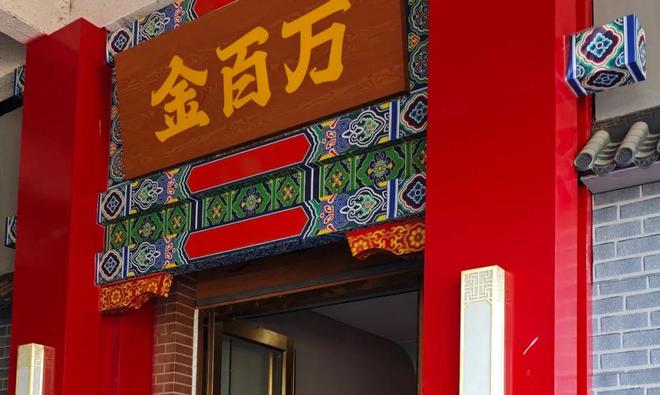
Core Insights - The restaurant industry is experiencing a resurgence due to a renewed competition in the food delivery market, driven by major platforms like JD.com, Taobao, and Meituan increasing subsidies and enhancing their services [1][6][12] - This competition is not merely a zero-sum game but is expanding the market by activating new consumer segments and increasing overall demand [15][24] Industry Overview - The restaurant sector has faced significant challenges over the past two years, including a decline in customer spending and rising costs, leading to a growth bottleneck [6][19] - The entry of JD.com into the local lifestyle market and the upgrade of Taobao's "hourly delivery" to "Taobao Flash Purchase" have disrupted the existing market dynamics [1][12] Competitive Landscape - The competition among the three major platforms has intensified, focusing on user subsidies, merchant support, and fulfillment efficiency, leading to a surge in daily order volumes [1][7] - The new competition has allowed restaurants to regain market choice and operational power, breaking the previous single-channel ecosystem [12][14] Impact on Restaurants - Established brands like Jinbaiwan and Hehegu have reported significant increases in order volumes due to the subsidies, with Jinbaiwan's daily orders rising from 1,800 to over 3,500 [8][10] - New brands like Yixin Rice Ball have also benefited, with their order volumes increasing significantly, demonstrating the effectiveness of the subsidy-driven growth [8][21] Consumer Behavior - The influx of subsidies has attracted new customers, particularly among younger demographics, indicating a shift in consumer behavior and preferences [15][24] - The platforms' strategies have lowered barriers for new consumers, expanding the potential customer base beyond traditional users [15][16] Long-term Strategy - Restaurants are viewing the current subsidies as strategic investments for long-term brand exposure rather than short-term price cuts [10][20] - The focus is shifting towards optimizing internal operations and enhancing customer experience to convert new users into loyal customers [21][22] Future Outlook - The competition is expected to drive a supply-side reform in the restaurant industry, pushing businesses to adapt and innovate in response to changing market dynamics [24][25] - The emphasis on multi-platform strategies is likely to continue, fostering a more transparent and competitive market environment that benefits both consumers and merchants [12][14]



小米销售回应未交车先结尾款;网传赵明加盟智界;淘宝闪购峰值超美团
Guan Cha Zhe Wang· 2025-08-12 00:48
Group 1 - Apple released the sixth developer beta of its mobile operating system iOS 26, which includes new ringtones and updates to camera application settings [1] - Ant Group denied rumors about collaborating with the People's Bank of China and China Rare Earth Group to create the world's first rare earth RMB stablecoin, warning the public to be cautious of scams [2] - OpenAI's internal AI reasoning system won a gold medal at the 2025 International Olympiad in Informatics, outperforming 98% of human competitors [3] Group 2 - NVIDIA and AMD agreed to pay 15% of their revenue from chip sales to China to the U.S. government in exchange for export licenses, marking an unprecedented arrangement [4] - Zhiyuan Robotics secured a multi-million yuan order from Fulian Precision Engineering for nearly 100 units of its A2-W robots, marking a significant milestone in industrial robotics [5] - Huawei's Yu Chengdong announced the Zun Jie S800, which integrates six domains of technology to enhance vehicle comfort and safety [6] Group 3 - Controversy arose over Xiaomi's request for customers to pay the remaining balance on their cars before delivery, with sales staff clarifying it applies only to specific cases [7] - Former Honor CEO Zhao Ming is rumored to have joined Zhijie, potentially targeting young consumers and leveraging his marketing skills [8] - Taobao's flash sales surpassed Meituan in daily order volume for the first time during promotional events, although the metrics used for counting orders differ between the two platforms [9] Group 4 - Oriental Selection's stock price surged over 240% since the departure of its co-founder Dong Yuhui, with the company's market value reaching 31.937 billion HKD [9] - Bilibili established a new company in Guangzhou focused on anime and game development, expanding its business scope [10]
抖音电商正式成立安全与信任中心;有赞2025年上半年实现扭亏为盈丨未来商业早参
Mei Ri Jing Ji Xin Wen· 2025-08-11 23:06
丨 2025年8月12日星期二丨 NO.1抖音电商成立安全与信任中心 (文章来源:每日经济新闻) NO.2 立秋当天饿了么骑手平均收入为去年1.4倍 8月11日,淘宝闪购及饿了么发布的"立秋消费观察"数据显示,8月7日立秋当天,有30多万家餐饮小店 在淘宝闪购平台上成交突破峰值,饿了么骑手数量达到去年的3.5倍,平均收入是去年的1.4倍。其中,7 月收入超过1万元的骑手数量较去年同比增长了184%。立秋当天,有超过30万家餐饮夫妻老婆店在淘宝 闪购迎来成交破峰,同时有8万家非餐小店成交增速超过100%。 点评:在当下竞争激烈的外卖行业中,平台纷纷发力。继美团不发布"秋天第一杯奶茶"战报之后,饿了 么也更关注平台收入和餐饮夫妻老婆店的收入和增速,可以看出在集体承诺"规范促销"后,外卖平台竞 争正从单纯的价格战,逐步转向价值和高质量的角逐。 NO.3有赞今年上半年实现扭亏为盈 点评:有赞此次逆袭,源于其在AI应用、客户结构调整等方面发力,比如推出"智能体"与全托管服务, 降低商家运营成本。在对手如云的市场中,有赞靠此实现盈利,未来有望持续拓展市场份额。 8月11日,抖音电商发文称,抖音电商近日正式成立安全与信任中 ...
全球关税博弈进入深水区
2025-08-11 14:06
Summary of Conference Call Records Industry or Company Involved - Focus on various industries including **internet**, **photovoltaics**, **defense and military**, **non-ferrous metals**, **machinery equipment**, and **social services**. Core Points and Arguments 1. **High-Quality Development Initiatives**: China is promoting high-quality development across industries through market and legal means, particularly focusing on the internet and photovoltaic sectors to avoid excessive administrative intervention. Policies are being gradually implemented, significantly impacting companies near the breakeven point [1][3][4]. 2. **Internet Industry Competition**: Major players like Meituan, Taobao, and JD.com are actively supporting small businesses and expanding their services. Meituan announced a plan to support 100,000 small stores by the end of 2025, while Taobao's food orders doubled in July. However, the competition remains fierce with ongoing subsidy wars [1][3]. 3. **Photovoltaic Industry Adjustments**: The photovoltaic sector is responding to the government's call to control capacity expansion and phase out outdated production. Recent initiatives have led to improvements in silicon material prices, indicating a shift towards high-quality foreign trade development [1][3][4]. 4. **Global Tariff Negotiations**: The first round of U.S. tariffs has ended, with the U.S. signing preliminary trade agreements with several countries. However, the quality of these agreements is crucial, and ongoing negotiations indicate continued uncertainty in global tariff issues [1][5][6]. 5. **Market Performance**: Domestic indices showed recovery, with the Shanghai Composite Index rising approximately 2%. The average daily trading volume decreased by 6.2% week-on-week, but trading was active towards the end of the week [2][9][11]. 6. **Sector Performance**: Among 31 Shenwan industries, defense, non-ferrous metals, and machinery equipment saw gains exceeding 5%. Conversely, sectors like social services, retail, computing, and pharmaceuticals experienced pullbacks [2][10]. Other Important but Possibly Overlooked Content 1. **Impact of High Tariffs**: The U.S. maintains high tariffs on many countries, which is expected to suppress import demand and help reduce the trade deficit significantly by 2025 [8]. 2. **Market Sentiment**: The overall market sentiment has improved, with the valuation of the Wan De Quan A index reaching 20.7 times, indicating a recovery in market confidence, although future policy changes and external factors remain a concern [11].
快手本地生活上线独立“外卖”入口,松延动力等多家具身智能公司融资|一周未来商业
Mei Ri Jing Ji Xin Wen· 2025-08-10 22:36
E-commerce Retail - JD.com announced a partnership with IKEA, launching the IKEA flagship store on JD.com with over 6,500 products across 168 categories, enhancing JD's home supply chain ecosystem and online presence for IKEA [1] - Taobao is set to launch a new membership system that integrates resources from Ele.me, Fliggy, and Hema, providing comprehensive services across shopping, food delivery, travel, and more, marking a strategic shift for Alibaba towards a broader consumer platform [2] - JD.com will open five discount supermarkets in Suqian, Jiangsu, and Zhuozhou, Hebei, focusing on direct sourcing and its private label, aiming to penetrate lower-tier markets [3] - Hema plans to open nearly 100 new stores within the fiscal year, expanding its presence to over 500 locations, while optimizing its store layout and operations to meet consumer demand for high-quality fresh products [4] Lifestyle Services - The Guizhou Provincial Market Supervision Administration has conducted talks with travel platforms including Ctrip, Tongcheng, Douyin, Meituan, and Fliggy, emphasizing the need for compliance with laws and regulations to maintain fair market practices [5] - Kuaishou has launched an independent "takeout" entry on its group purchase page, allowing users to order food through third-party mini-programs, which may enhance its position in the local lifestyle service market [6][7] Logistics and Supply Chain - SF Express and Tongcheng Travel have signed a strategic cooperation agreement to explore new logistics and tourism integration models, aiming to provide a comprehensive logistics solution for travel experiences [8] Innovation and Investment - Humanoid robot company Songyan Power has completed a multi-billion A++ round of financing, with plans to increase R&D investment and accelerate commercialization, having received orders for over 2,000 products this year [9] - JD.com led a new A round of financing for embodied intelligence company Pasini, indicating its strategic focus on the embodied intelligence sector [10] - The startup VITADynamic has completed an angel round of financing, which will support its product development and market promotion efforts in the consumer-grade embodied intelligence space [11]

喜茶开店蹭苹果总部热点,“其实只是开到附近商场”;国内10座荟聚购物中心要被打包出售丨Going Global
创业邦· 2025-08-10 10:17
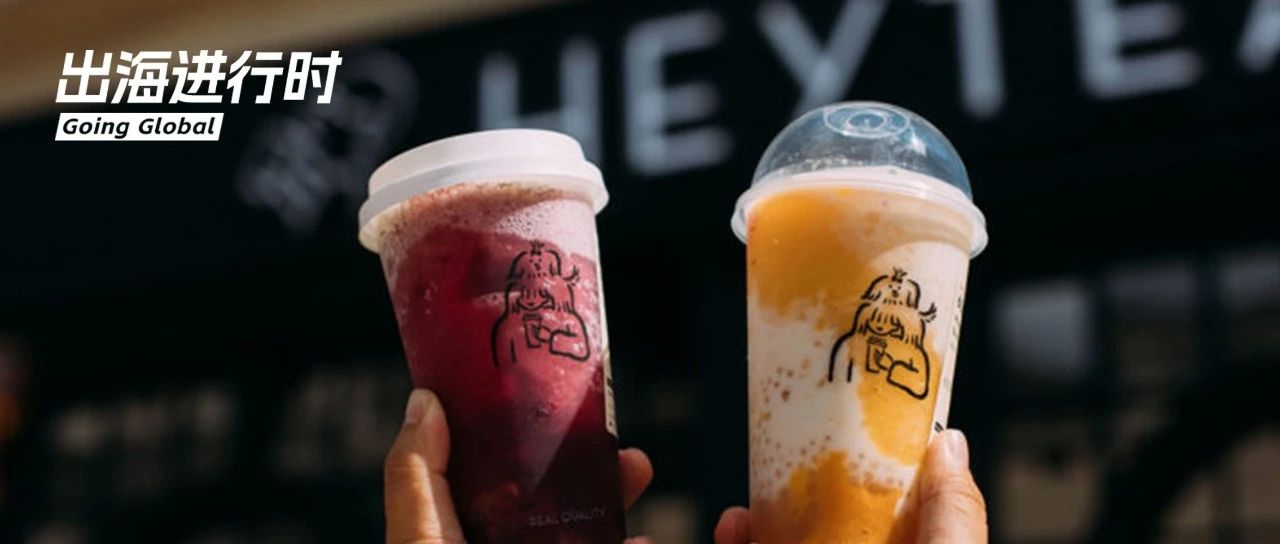
Key Points - SHEIN and Temu have captured a combined market share of 3.6% in South Africa's retail, apparel, textiles, footwear, and leather (CTFL) market, with sales reaching 7.3 billion Rand (approximately 405 million USD) in 2024 [5] - SHEIN alone holds 28% of the online CTFL sales for women in South Africa, while local retailers' market share has slightly decreased from 75.3% in 2011 to 74% in 2024 [5] - Temu has joined the International Trademark Association (INTA) to strengthen its compliance and lobbying efforts [9] - In Q1 2024, Temu's parent company PDD Holdings reported a net profit of 1.474 billion RMB (approximately 204.9 million USD), a 47% year-over-year decline, while revenue grew by 10% to 95.672 billion RMB (approximately 13.297 billion USD) [10] - Temu's active users in Southeast Asia reached 22 million by June 2024, with significant growth in the Philippines and Thailand [10] - TikTok is testing local lifestyle-related services in the U.S. by partnering with Booking.com, allowing users to book hotels directly through the platform [11][13] - Saudi Arabia's Othaim supermarket chain has joined Alibaba's AliExpress, enabling consumers to order various products online [14][16] - Heytea has expanded its overseas store count over sixfold in the past year, now exceeding 100 locations, while also closing some stores [19][21] - Meituan's Keeta has rapidly expanded in Saudi Arabia, covering 20 cities and achieving a 10% market share in the food delivery sector [22][24] - Xiaomi has become the second-largest smartphone brand in Europe, with a market share of 23% after a 11% growth in Q2 2025 [25][28] - Sweetlala has opened three new stores in Bali, Indonesia, and plans to extend its market reach to Europe and the Middle East [32][34] - Tencent led a funding round for Uzbekistan's fintech company Uzum, valuing it at 1.5 billion USD [50][52] - Luma AI's valuation has surged nearly 13 times to at least 3.2 billion USD within a year [53][55] - Naver is acquiring Spain's second-hand trading platform Wallapop for 377 million euros [59][61] - Anta is reportedly acquiring Reebok's China business, furthering its international expansion strategy [62][64]

赔本赚吆喝外卖大战“卷”坏商家 官方出手“反内卷”保护餐饮业
Yang Shi Xin Wen Ke Hu Duan· 2025-08-10 05:28
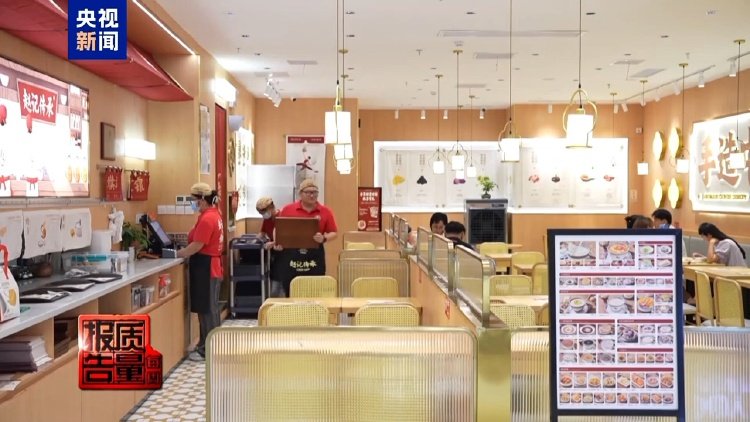
Core Viewpoint - The ongoing "subsidy war" among major food delivery platforms has led to record-breaking order volumes, but many restaurant operators report that their profits are being severely squeezed, resulting in financial losses despite increased sales [1][38][40]. Group 1: Impact on Restaurant Profitability - Many restaurants participating in the subsidy programs are experiencing reduced actual income after accounting for costs, with some reporting that their revenue barely covers expenses [5][9][12]. - For example, a tea shop in Yichang reported a net income of only 5.05 yuan from a 19.4 yuan order after deducting various fees, which is nearly equal to the cost of the product [1]. - A dessert shop in Hefei indicated that their actual revenue from online sales was only 6,082 yuan out of a gross sales figure of 11,207 yuan, leading to a loss when fixed costs were considered [5][12]. Group 2: Competitive Pressure and Market Dynamics - Restaurants face a dilemma: participating in subsidies to attract customers or opting out and risking a loss of business to competitors who do participate [7][27]. - A fast-food restaurant in Changsha noted that while their order volume increased significantly, the average income per order decreased by 6.12 yuan, which directly impacts their profit margins [29][31]. - The competitive landscape has shifted, with many restaurants feeling pressured to engage in promotional activities to maintain visibility on delivery platforms, despite the financial strain it imposes [37][40]. Group 3: Structural Issues in the Industry - The complex commission structures and promotional requirements imposed by delivery platforms create a challenging environment for restaurant operators, often leading to a situation where they are effectively "working for the platform" rather than earning a sustainable profit [33][48]. - The reliance on delivery platforms has resulted in a significant decline in dine-in customers, further complicating the financial viability of traditional restaurants [35][37]. - The ongoing subsidy competition has raised concerns about the long-term sustainability of the restaurant industry, as many operators are forced to compromise on quality and service to remain competitive [54][58]. Group 4: Regulatory Response and Future Outlook - In response to the unsustainable practices in the industry, regulatory bodies have begun to intervene, aiming to establish fair competition and protect the interests of restaurants and consumers [49][63]. - Recent statements from major delivery platforms indicate a shift towards more rational subsidy practices, with a focus on creating a healthier market environment [62][64]. - The industry is at a crossroads, with stakeholders advocating for a transition from price competition to value and service competition to ensure long-term viability [60][64].
在商场蹭空调,去麦当劳打牌:城市空间应向谁开放?| 编辑部聊天室
Xin Lang Cai Jing· 2025-08-10 03:16
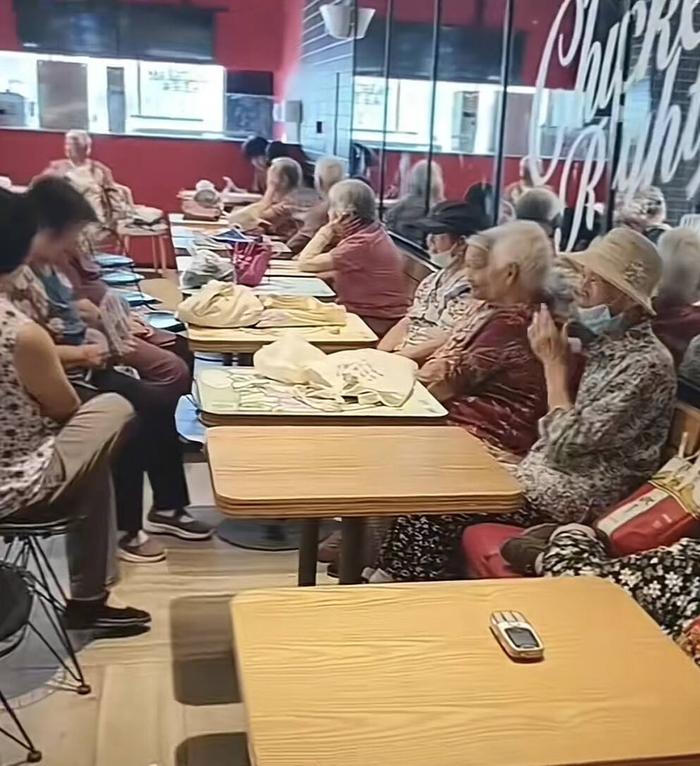
Group 1 - The article discusses the increasing presence of elderly individuals in urban spaces such as cafes and fast-food restaurants, highlighting their need for social interaction and cooling spaces during summer [1][3][4] - It emphasizes the lack of suitable urban spaces for different demographics, particularly the elderly, who often occupy areas designed for younger populations, leading to conflicts over space usage [3][8] - The concept of public space is explored, noting that urban planning often fails to accommodate the needs of various groups, resulting in a struggle for resources among different age demographics [8][9][22] Group 2 - The article references sociologist William H. Whyte's research on public spaces, indicating that people are drawn to areas with others, contradicting their stated preferences for solitude [4][7] - It highlights the active role of elderly individuals in claiming and modifying urban spaces to meet their needs, demonstrating a proactive approach rather than a passive one [8][11] - The discussion includes the impact of commercial spaces, such as Starbucks, which serve as informal public spaces, providing a venue for social interaction beyond traditional settings [12][14][18] Group 3 - The article points out the tension between different user groups in public spaces, where the needs of the elderly for leisure and socialization often clash with those of younger individuals seeking active recreational areas [8][9][22] - It discusses the role of chain stores in providing standardized public spaces that cater to diverse needs, while also raising concerns about the homogenization of social experiences [18][19] - The narrative suggests that urban spaces are increasingly shaped by commercial interests, blurring the lines between public and private domains, and complicating the understanding of public space in the context of urban life [22][27]

反内卷才能赢未来
Chang Sha Wan Bao· 2025-08-09 23:52
Core Viewpoint - The article discusses the phenomenon of "involution" in various industries in China, highlighting the negative impacts of excessive price competition and the resulting decline in product quality and innovation [2][4][5]. Group 1: Involution in Various Industries - The external environment has led to severe price wars across multiple sectors, including the automotive, food delivery, and renewable energy industries, with price reductions reaching as high as 45% in the electric vehicle market [2][3]. - The food delivery platforms like Meituan and Ele.me are engaged in a subsidy war, resulting in profits for certain products, such as milk tea, dropping below 1 yuan, and in some cases, leading to negative profit margins [3][4]. - In the automotive sector, profit margins have plummeted to 3.9%, forcing companies to engage in aggressive price cuts to stimulate sales, creating a vicious cycle of declining sales and further price reductions [3][4]. Group 2: Consequences of Involution - Involution leads to a reduction in necessary operational costs, which ultimately harms research and development investments, resulting in a cycle of innovation stagnation and product homogenization [4][5]. - The excessive competition has created systemic risks, with the potential for overcapacity and a decline in industry competitiveness, ultimately harming consumer rights and high-quality development [5][6]. - The government has recognized the issue, with multiple meetings emphasizing the need to prevent "involution" and regulate low-price competition among enterprises [6][7]. Group 3: Government and Industry Response - The National Market Supervision Administration has begun addressing the issue by engaging with major platforms to regulate promotional activities and encourage rational competition [8]. - Industry self-regulation is showing positive signs, with leading automotive companies taking steps to stabilize supply chains and various associations urging food delivery platforms to cease irrational subsidies [8][9]. - The focus is shifting from price competition to value creation, with an emphasis on innovation and differentiation to enhance market competitiveness and consumer experience [9].
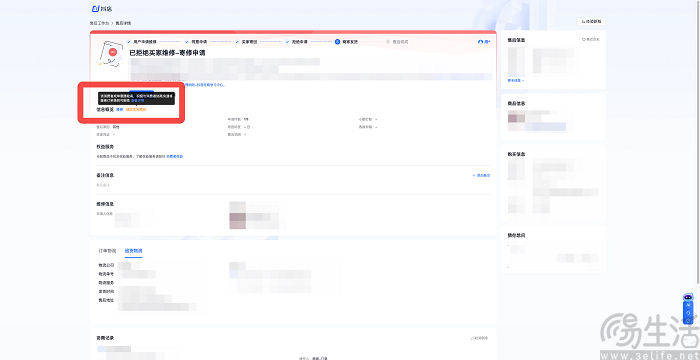
为了打破高退货率,抖音电商重点照顾“优等生”
Sou Hu Cai Jing· 2025-08-08 14:52
Core Viewpoint - Douyin E-commerce has launched a "suggest priority recovery" label to help merchants identify consumers with a "high intention to purchase" and encourage them to negotiate returns, repairs, or partial refunds to recover orders, aiming to reduce the return rate [1] Group 1: Douyin E-commerce Initiatives - The new label function is currently available only to select categories of merchants [1] - Douyin E-commerce's initiative reflects a broader trend among e-commerce platforms to address rising return rates, which can negatively impact profit margins and brand reputation [1] - Other platforms, such as Taobao, have also introduced features like "refund analysis" to help merchants understand the reasons behind returns [1] Group 2: Industry Trends - The return rate for e-commerce has been increasing, with a reported compound annual growth rate of 22.7% for reverse logistics from 2019 to 2023, and an expected 20.7% growth from 2023 to 2028 [2] - Douyin E-commerce faces challenges related to high return rates, particularly due to the nature of live commerce and recommendation algorithms that lead to consumer indecision [5] - The high return rate has become a point of criticism for Douyin E-commerce, with false claims circulating on social media about excessively high return rates [5] Group 3: Merchant Strategies - Merchants are encouraged to use compensation offers as a common and effective method to resolve transaction disputes [5] - Previous initiatives by other platforms, such as Pinduoduo's "retention card" feature, show a trend towards helping merchants retain customers after refund requests [7] - While offering compensation may provide short-term relief, it could potentially disrupt the platform's product evaluation system and lead to misallocation of resources [7] Group 4: Preventive Measures - Douyin E-commerce could consider preventive measures, such as implementing features to screen high-refund customers, similar to those introduced by Taobao [9] - Addressing the high return rate may require optimizing the live commerce model rather than solely relying on post-transaction recovery strategies [9]