欣旺达

Search documents
车市2025|从监管智驾到准许L3上路 十大事件解码多维博弈
Xin Jing Bao· 2026-01-08 08:45
Core Insights - The Chinese automotive market in 2025 is undergoing a multifaceted transformation driven by policy regulations, capital restructuring, technological breakthroughs, and safety standards, marking a significant shift from mere technological iterations to a comprehensive industry evolution [1] Regulatory Changes - The Ministry of Industry and Information Technology (MIIT) has mandated that automotive companies clarify system functionalities and safety responses, effectively ending the use of vague terms like "L2.999" and "quasi-L3" in marketing, promoting a focus on safety over flashy terminology [2] - A new regulation requires large enterprises to pay small and medium-sized suppliers within 60 days, significantly reducing the previous average payment period of 170-200 days, thus improving cash flow for smaller suppliers and enhancing the overall supply chain stability [3][4] Industry Restructuring - The establishment of the China Changan Automobile Group as a new state-owned enterprise marks a significant shift in the industry landscape, enhancing decision-making autonomy and financing capabilities, and allowing a concentrated focus on new energy and intelligent vehicles [5] - Dongfeng Group has accelerated its transformation by divesting inefficient fuel assets and focusing on high-end new energy brands, exemplifying a successful capital operation strategy in the traditional automotive sector [6][7] Safety and Quality Standards - New safety regulations for hidden door handles in vehicles emphasize that aesthetics should not compromise safety, requiring mechanical emergency functions to be retained in designs, thus addressing safety concerns in the industry [8] - A significant lawsuit against battery manufacturer Xinwanda highlights the critical importance of quality in the battery sector, as a major claim for 2.314 billion yuan has been filed due to quality issues, prompting a shift towards prioritizing quality over mere scale in the industry [12][13] Strategic Collaborations - A partnership between FAW Group and Leap Motor, involving a 3.74 billion yuan investment, illustrates a strategic collaboration aimed at leveraging each other's strengths in manufacturing and technology, potentially enhancing both companies' market positions [14]
从监管智驾到准许L3上路,十大事件解码多维博弈
Xin Jing Bao· 2026-01-08 08:29
Core Insights - The Chinese automotive market in 2025 is undergoing a multifaceted transformation driven by policy regulations, capital restructuring, technological breakthroughs, and safety standards. This transformation is not merely a technical iteration or market reshuffle but a comprehensive evolution that presents opportunities for industry restructuring and transformation [1] Regulatory Changes - The Ministry of Industry and Information Technology (MIIT) has mandated that automotive companies clarify system functionality and safety responses, moving away from exaggerated claims in intelligent driving promotions. This shift has led to a more rational understanding of "assisted driving" versus "autonomous driving" among consumers [2] Supply Chain Developments - The implementation of a 60-day payment term for large enterprises purchasing from small and medium-sized suppliers has significantly alleviated cash flow pressures on these suppliers. This change allows them to invest more in technology development, enhancing the quality and technical level of components [3] New Corporate Structures - The establishment of the China Changan Automobile Group as a new state-owned enterprise marks a significant shift in the industry landscape, enhancing decision-making autonomy and financing capabilities while focusing on new energy and intelligent technology [5] Asset Restructuring - Dongfeng Group has accelerated its transformation by divesting low-efficiency fuel assets and focusing on high-end new energy brands. This strategic move exemplifies how traditional automakers can innovate through capital restructuring [6][7] Safety Regulations - New regulations regarding hidden door handles require mechanical emergency functions to ensure safety in extreme conditions, reflecting a balance between innovation and safety in vehicle design [8] Market Performance - Chery Automobile's successful IPO, achieving a market value exceeding 200 billion HKD, highlights its strong performance with a 7.8% increase in total sales and a 54.9% surge in new energy vehicle sales [9] Autonomous Driving Milestones - The approval of L3-level conditional autonomous driving vehicles for real-world testing represents a significant milestone for the industry, allowing for data collection and setting safety boundaries for future developments [10] Corporate Integrations - The completion of the integration of Geely and Zeekr signifies a strategic elevation of Geely's market position, enhancing its technological capabilities and financial stability [11] Quality Concerns - A significant lawsuit against Xinwanda for quality issues in battery cells has raised alarms in the battery industry, emphasizing the need for improved quality management throughout the product lifecycle [12][13] Strategic Partnerships - FAW's investment in Leap Motor illustrates a strategic collaboration that combines manufacturing strength with innovative technology, potentially enhancing both companies' market positions [14]


AI浪潮之基,电力价值与生态重塑
HUAXI Securities· 2026-01-08 02:38
Investment Rating - The report maintains a positive investment outlook on the power equipment sector, driven by the rapid development of AIDC and ongoing investments in grid construction [3]. Core Insights - The power system is expected to undergo a value and ecological transformation due to the surge in computing power demand driven by AI technology and applications [3]. - The report identifies two main demand drivers (increased electricity demand and enhanced power quality requirements) and three key sectors (generation, grid, and user) that will reshape the power system's value and ecology [3]. - The demand for gas turbines and energy storage solutions is expected to rise significantly due to the expansion of data centers and the need for reliable power supply [3]. - The global grid construction demand is increasing, particularly in regions with aging infrastructure, leading to heightened investment from utility companies [3]. - The report highlights the importance of companies with strong channel resources and technological advantages in capitalizing on these trends [3]. Summary by Sections AI Applications and Power System Transformation - The rapid development of AI applications is reshaping the value of the power system, with significant implications for electricity demand and supply efficiency [4][8]. - The report emphasizes the need for technological upgrades in power supply systems to meet the increasing demands of AI-driven applications [3]. Generation Side: Increased Electricity Demand - The global electricity demand from data centers is projected to reach 415 TWh in 2024 and 945 TWh by 2030, with a CAGR of approximately 15% [16]. - The report notes that the demand for gas turbines is rising as data centers explore on-site generation solutions to enhance energy efficiency and supply resilience [22][23]. - Companies like GE Vernova and Siemens Energy are experiencing a surge in gas turbine orders, indicating a robust market outlook [27][71]. Grid Side: Growing Construction Demand - Aging power grids in developed economies are under pressure, necessitating increased investment in infrastructure upgrades [54][56]. - The U.S. is launching initiatives to accelerate grid infrastructure projects to meet rising electricity demands driven by AI [58]. - European utility companies are also ramping up investments in grid infrastructure to address similar challenges [65]. User Side: Power Supply Technology Evolution - The report highlights a shift towards high-voltage and direct current (DC) power supply systems in data centers to accommodate rising power demands [81][90]. - Major tech companies are transitioning to DC power distribution systems to improve efficiency and support higher power densities [100][104].
华西证券:电力设备需求迎来景气周期 重点关注AI电源等核心环节
智通财经网· 2026-01-08 02:12
Core Insights - The report from Huaxi Securities indicates that the demand for electrical equipment is entering a prosperous cycle driven by the rapid development of AIDC (AI Data Center) and continuous growth in grid construction investment [1][2] Group 1: Power Generation Side - The expansion of data centers is leading to an increasing contradiction between power supply and demand, necessitating enhanced power solutions, particularly for gas turbines and energy storage [3] - Gas turbines are currently the preferred choice in North America to alleviate power supply issues, with industry demand on the rise [3] - Owners can accelerate power supply assurance and rapid grid connection or expansion by configuring energy storage systems due to their construction cycle and supply capability advantages [3] Group 2: Grid Side - There is an increasing demand for global grid construction, especially in regions like Europe and North America where infrastructure is relatively weak [4] - Aging grid systems are putting pressure on the electrical grid, prompting U.S. utility companies and some European grid operators to increase investment in grid infrastructure [4] - Leading overseas power equipment companies such as Eaton, Hyundai Electric, and Siemens Energy have substantial orders on hand, while domestic companies are also increasing grid investment and expanding overseas [4] Group 3: User Side - The surge in AI computing power is driving AIDC towards high power consumption, which raises the requirements for power reliability and efficiency [5] - The power supply architecture is evolving towards higher voltage and direct current systems, with server power technology continuously iterating [5] - The transition from PowerShelf to PowerRack in server power systems is occurring against a backdrop of increasing power demands, suggesting that companies with technological advantages are likely to benefit [5] Group 4: Beneficiary Targets - Key beneficiaries include transformer and SST manufacturers such as Suyuan Electric, Jinpan Technology, Igor, Huaming Equipment, Shunma Electric, Sifang Co., and China West Electric [6] - Gas turbine and related component manufacturers include Dongfang Electric, Boying Welding, and Harbin Electric [6] - AI power companies include Xinle Energy, Keda, Magmeter, Oulu Tong, Zhongheng Electric, Hewei Electric, and Xinrui Technology [6] - Energy storage and related component manufacturers include Sunshine Power, Shangen Electric, Canadian Solar, CATL, Yiwei Lithium Energy, Penghui Energy, Xinwanda, and Zhongchuang Innovation [6]

遭吉利23亿天价索赔,电池龙头欣旺达错了吗?
阿尔法工场研究院· 2026-01-08 00:05
Core Viewpoint - The recent lawsuit between XWANDA and Geely highlights significant quality issues in battery production, which may jeopardize XWANDA's upcoming IPO and reflects broader industry challenges related to rapid expansion and quality control [6][11][20]. Group 1: Lawsuit and Financial Impact - XWANDA announced a major economic loss due to quality issues in battery cells, resulting in a compensation claim of 2.314 billion yuan from Geely's subsidiary, which accounts for 90% of XWANDA's net profit for 2023 and 2024 [6][11]. - Following the announcement, XWANDA's stock plummeted by 15.97% at the opening and closed down 11.39%, leading to a market value loss of 6.3 billion yuan in a single day [6][11]. - The lawsuit could potentially derail XWANDA's plans for a Hong Kong IPO, which was submitted in July 2025 [6][11]. Group 2: Quality Issues and Industry Context - The lawsuit reveals underlying quality problems in the battery industry, exacerbated by rapid production expansion and intense competition, which have led to compromised quality control [20][23]. - XWANDA's production capacity surged from 4 GWh in 2018 to a planned 140 GWh by 2025, with a significant increase in battery shipments, reflecting the industry's aggressive growth strategy [17][20]. - The electric vehicle market's explosive growth has resulted in numerous quality complaints from major automakers, indicating that XWANDA's issues are part of a larger trend affecting the industry [20][23]. Group 3: Customer Reactions and Brand Image - Following battery quality complaints, Geely's brand, Zeekr, faced significant backlash, leading to a costly battery replacement program estimated at 2 to 2.4 billion yuan for around 40,000 vehicles [8][12]. - XWANDA's reputation has suffered as consumers express concerns over battery quality, with some customers of Li Auto opting to cancel orders when informed their vehicles would be equipped with XWANDA batteries [12][14]. - The negative publicity surrounding battery quality issues has resulted in a broader loss of consumer trust in XWANDA and potentially other manufacturers in the industry [14][20]. Group 4: Industry-Wide Challenges - The rapid expansion of battery production capacity has led to a significant increase in output, from 83.4 GWh in 2020 to an estimated 826 GWh by 2024, raising concerns about quality management [20][21]. - The intense price competition in the battery market has prompted some manufacturers to cut corners, leading to safety risks and quality failures [21][22]. - Regulatory bodies are beginning to address these quality issues, with new safety standards being implemented to ensure battery safety and reliability [31][33].



亿欧智库:中国蓄电池行业出海国别机会洞察报告 2025
Sou Hu Cai Jing· 2026-01-07 22:35
Industry Background and Development Characteristics - The lithium-ion battery industry is driven by the global electrification of new energy vehicles and energy storage demand, alongside stricter energy security and environmental regulations, leading to a focus on technology compliance, functional adaptation, and environmental sustainability [1][9] - Key industry trends include green initiatives (promoting low-carbon processes and optimizing recycling and wastewater treatment technologies), globalization (Chinese companies exporting technology and management systems to establish complete manufacturing capabilities overseas), and vertical integration among leading firms to reduce costs and enhance efficiency [1][9] Key Export Opportunities and Buyer Situations - In Vietnam, the top 10 high-frequency and high-value buyers within 87 days include SAMSUNG SDI VIETNAM CO., LTD and NEWTIMES IMPORT EXPORT, reflecting strong demand from the local electronics manufacturing sector [1][2] - In the United States, major buyers over 156 days include BELLEFIELD HOLDCO LLC. and TOYOTA MOTOR SALES USA INC., indicating significant procurement needs in the new energy vehicle and energy storage sectors [1][2] Import Policy Requirements by Key Countries - India requires products to pass BIS certification and imposes around 20% basic customs duty along with 18% or 28% integrated goods and services tax, with importers needing to register with CPCB and label products with EPR registration codes [2][26] - Vietnam mandates compliance with QCVN 101:2020/BTTTT standards for lithium batteries used in mobile phones and tablets, prohibits the import of used batteries, and requires exporters to fulfill recycling obligations [2][26] - The U.S. requires electric bicycle and balance vehicle batteries to meet UL 2271/UL 2272 standards, with lithium batteries classified as hazardous materials under PHMSA regulations, necessitating the provision of UN 38.3 test report summaries [2][26] Export Challenges and Development Trends - The industry faces challenges such as supply chain and resource constraints (with lithium and cobalt resources concentrated and affected by geopolitical conflicts), technological iteration pressures (difficulty in introducing overseas production capacity and the need to shift towards solid-state battery research), localization operational risks (long factory construction cycles and high costs), and rising compliance thresholds due to stricter regulations [2][31] - The industry is transitioning towards a "technology + compliance" dual-driven model, balancing supply chain resilience, technological upgrades, and localization to maintain global competitiveness while optimizing export costs through trade agreements and local assembly [3][31] Export Data Overview - From 2020 to 2025, China's lithium-ion battery exports are projected to grow from $20.203 billion in 2020 to $66.622 billion in 2025, with a year-on-year growth of 24.22% expected in 2025 compared to the same period in 2024 [10][12] - The U.S. is expected to account for 19.39% of China's lithium-ion battery exports in 2025, followed by Germany at 17.32%, with Cambodia, Bulgaria, and Chile showing the highest growth rates among export markets [10][15]
欣旺达陷23亿元索赔风波 港股IPO进展或停滞 订单需求端压力显现 生产基地建设资金链承压
Xin Lang Zheng Quan· 2026-01-07 06:24
出品:新浪财经上市公司研究院 作者:喜乐 2025年12月26日,欣旺达公告称子公司欣旺达动力被吉利控股集团旗下的威睿电动汽车技术(宁波)有限公司起诉,索赔金额高达23.14亿元,案由为2021 年6月至2023年12月交付的电芯存在质量问题。目前,这一案件尚未开庭,后续判决结果存在不确定性。对于欣旺达来说,这次诉讼金额巨大,不仅会影响 公司与主机厂的合作,也会对后续的资本运作造成影响。 根据财报数据,欣旺达 2023 年和 2024 年的归母净利润总和约为 25.44 亿元,这次的索赔金额几乎相当于其过去两年的净利润总和。事发至今,欣旺达股价 跌超 10%,市值蒸发约 60 亿元。 前期高频募资 近三年资本运作遇阻 作为2011年登陆深交所的上市公司,欣旺达此前一直保持较为高频的融资节奏:2018年定增募资近26亿元,2020年发行11亿元可转债,2021年再获39亿元定 增(瑞银、巴克莱、易方达等中外知名机构均参与),2022年更通过GDR在瑞士上市,募资约合4.4亿美元。根据欣旺达2025年7月公告,2020年可转债、 2021年定增分别仅结余1.3亿元、3.2亿元,2022年GDR募资则已全部耗尽。 ...
欣旺达跌2.01%,成交额6.93亿元,主力资金净流出1.18亿元
Xin Lang Cai Jing· 2026-01-07 02:44
Core Viewpoint - The stock price of Xinwanda has experienced a decline, with a current trading price of 25.90 CNY per share and a market capitalization of 47.849 billion CNY, reflecting a downward trend in recent trading days [1] Financial Performance - For the period from January to September 2025, Xinwanda achieved a revenue of 43.534 billion CNY, representing a year-on-year growth of 13.73% [2] - The net profit attributable to shareholders for the same period was 1.405 billion CNY, showing a year-on-year increase of 15.94% [2] Shareholder Information - As of September 30, 2025, the number of shareholders for Xinwanda increased to 135,300, up by 18.08% from the previous period [2] - The average number of circulating shares per shareholder decreased by 15.23% to 12,669 shares [2] Dividend Distribution - Xinwanda has cumulatively distributed dividends of 1.772 billion CNY since its A-share listing, with 755.6 million CNY distributed over the past three years [3] Institutional Holdings - As of September 30, 2025, Hong Kong Central Clearing Limited is the second-largest circulating shareholder, holding 69.2789 million shares, a decrease of 21.4163 million shares from the previous period [3] - The top ten circulating shareholders include new entrants such as the Guangfa National Standard New Energy Vehicle Battery ETF, holding 14.9013 million shares [3]
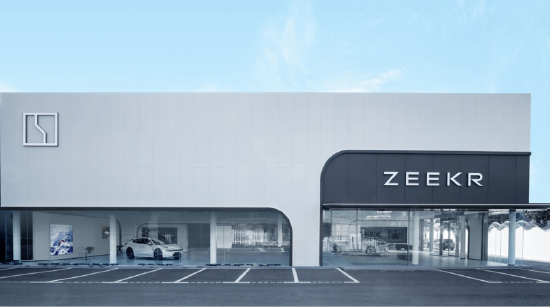
钱交了、单锁了、承诺却没了?极氪「食言」购置税兜底,数百车主怒斥「言而无信」
Xin Lang Ke Ji· 2026-01-07 01:13
Core Viewpoint - The adjustment of the new energy vehicle purchase tax policy from full exemption to a 5% tax rate starting January 1, 2026, has led to significant dissatisfaction among customers of Zeekr, particularly regarding the company's failure to honor its tax subsidy promises [2][4][19]. Group 1: Tax Policy Changes and Customer Reactions - Starting January 1, 2026, the purchase tax for new energy vehicles will be halved, increasing costs for consumers by approximately 5% of the vehicle price, which translates to around 10,000 yuan for vehicles priced over 200,000 yuan [2][4]. - Zeekr had previously launched a "cross-year purchase tax subsidy" program, promising to cover the tax if orders were locked by December 31, 2025, but later retracted this commitment, offering only points as compensation instead [2][3][6]. - Many customers, feeling deceived, have formed groups to demand the original tax subsidy, expressing frustration over the company's change in policy and lack of communication [3][8]. Group 2: Customer Complaints and Company Response - Numerous customers have reported issues with Zeekr's sales practices, where they were pressured to pay the final amount without seeing the vehicle, raising concerns about the company's integrity [6][7]. - Customers have expressed dissatisfaction with the compensation offered, which they view as inadequate compared to the promised tax subsidy [8][14]. - The company has not provided a clear response to these complaints, leading to further frustration among affected customers [3][14]. Group 3: Broader Implications for Zeekr - In 2025, Zeekr's total sales reached 224,133 units, a mere 1% increase year-on-year, falling short of the 300,000 unit target set at the beginning of the year [17]. - The company is undergoing significant restructuring, having merged with Geely and delisted from the NYSE, which raises questions about its operational stability [17][18]. - Zeekr is also involved in a 2.314 billion yuan lawsuit against a battery supplier over quality issues, further complicating its operational challenges [18][19].
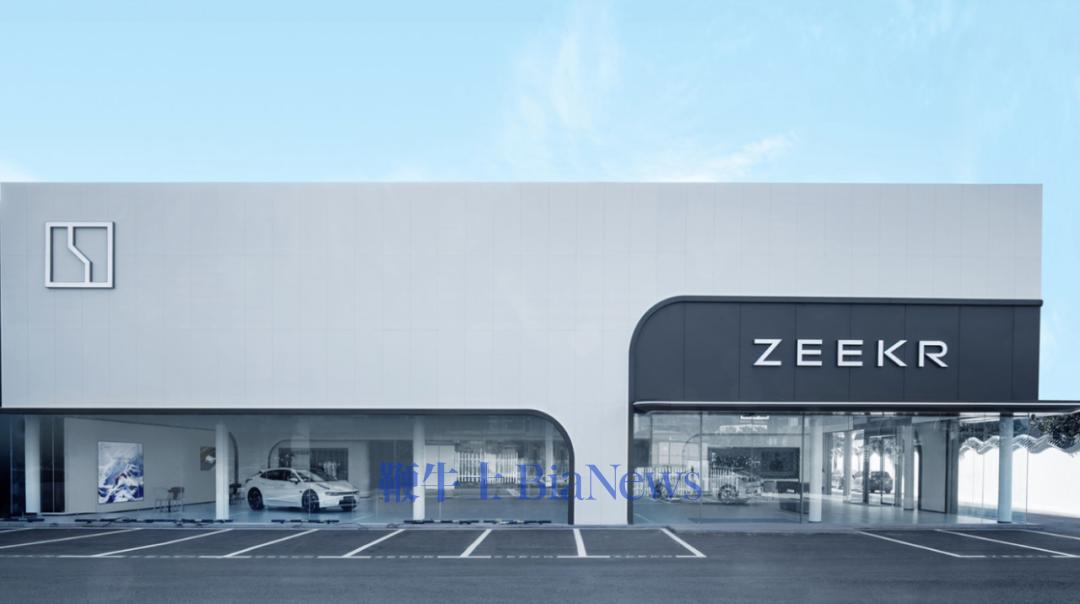
钱交了、单锁了、承诺却没了? 极氪“食言”购置税兜底,数百车主怒斥“言而无信”
Xin Lang Cai Jing· 2026-01-07 00:34
Core Viewpoint - The adjustment of the new energy vehicle purchase tax policy from full exemption to a 5% tax rate starting January 1, 2026, has led to significant dissatisfaction among customers of Zeekr, particularly regarding the company's failure to honor its tax subsidy promises [2][3][12]. Group 1: Tax Policy Changes and Customer Reactions - Starting January 1, 2026, the purchase tax for new energy vehicles will be halved, increasing costs for consumers by approximately 5% of the vehicle price, which translates to around 10,000 yuan for vehicles priced over 200,000 yuan [3][17]. - Zeekr had previously launched a "cross-year purchase tax subsidy" program, promising to cover the tax if orders were locked by December 31, 2025, but later retracted this commitment, offering only points as compensation instead [2][5][19]. - Many customers, feeling deceived, have formed groups to demand the original tax subsidy, expressing their frustration over the company's failure to deliver on its promises [6][20][21]. Group 2: Customer Complaints and Company Response - Customers reported being pressured to pay the remaining balance on their vehicles without having seen them, raising concerns about the legitimacy of the tax subsidy promises [5][19][20]. - Some customers received compensation in the form of points equivalent to 3,000 yuan, which they deemed inadequate compared to the promised tax subsidy of over 10,000 yuan [6][20][21]. - Zeekr has not provided a clear response to the complaints, leading to further dissatisfaction among customers [6][20][21]. Group 3: Broader Issues Facing Zeekr - In 2025, Zeekr's total vehicle deliveries reached 224,133 units, a mere 1% increase year-on-year, falling short of the 300,000 unit target set at the beginning of the year [10][26]. - The company underwent a significant restructuring, merging with Geely and becoming a wholly-owned subsidiary, which raised questions about operational stability [10][11][26]. - Zeekr is also embroiled in a 2.314 billion yuan lawsuit against a battery supplier over quality issues, further complicating its operational challenges [10][27][28].