东风股份

Search documents
中国汽车品牌在厄瓜多尔市场表现亮眼
Xin Hua She· 2026-01-08 04:21
Core Insights - The report from the Ecuadorian Automotive Industry Association indicates that new car sales in Ecuador are projected to reach 124,500 units in 2025, representing a 15% increase from the previous year [1] - Chinese brands are experiencing rapid growth in the Ecuadorian market, with BYD expected to sell 2,916 vehicles in 2025, marking a significant increase of 243.1% compared to 2024, making it the fastest-growing automotive brand [1] - Other Chinese brands such as Great Wall, Dongfeng, Foton, and China National Heavy Duty Truck are also seeing sales growth exceeding 60% [1] Electric and Hybrid Vehicle Market - The report forecasts that electric vehicle sales in Ecuador will reach 4,276 units in 2025, reflecting a remarkable growth of 202% year-on-year [1] - Chinese brands are also performing well in the hybrid vehicle segment, with significant sales increases for Dongfeng Xiaokang, BYD, Dongfeng, and Great Wall in 2025 [1] Market Drivers - The recovery of the Ecuadorian automotive market in 2025 is closely linked to improvements in the political and economic environment, increased liquidity in the financial system, and an expansion of credit [1] - The competitive advantages of Chinese brands in terms of cost-effectiveness and technological features are making them the preferred choice for both businesses and individual consumers in Ecuador [1]




多家车企密集降价促销
YOUNG财经 漾财经· 2026-01-08 04:05
Core Viewpoint - Multiple automotive companies are launching aggressive discount promotions to counter the impact of the new energy vehicle purchase tax adjustments scheduled for 2026 [3][6]. Group 1: Promotions and Discounts - Tesla China has introduced purchase incentives for the Model 3/Y/Y L, offering a "7-year ultra-low interest" financing plan with a minimum down payment of 79,900 yuan and monthly payments starting at 1,918 yuan [3]. - GAC Group has announced promotional activities for its self-owned brands, including a maximum of 70,000 yuan in "government-enterprise subsidies" for vehicles like GAC Trumpchi [3]. - NIO's Firefly brand is providing benefits such as a 2,000 yuan purchase tax subsidy and rewards for repeat buyers [4]. - Xiaomi has launched promotions for its YU7 and SU7 Ultra models, with financing options including "3 years 0 interest" and a down payment starting at 74,900 yuan [4]. - BMW has implemented a significant price reduction across 31 models, with the BMW iX1 seeing a price drop from 299,900 yuan to 228,000 yuan, a reduction of 24% [5]. - Volvo is offering a limited-time promotion for the XC70, including a direct purchase tax subsidy of 14,000 yuan [5]. - Wuling Motors is providing full purchase tax subsidies for several new energy models, along with additional trade-in and financing incentives [5]. Group 2: Market Outlook - The automotive industry anticipates a decline in the market due to the new energy vehicle purchase tax policy changes and the withdrawal of national subsidies by the end of 2025 [6]. - Despite initial cautious forecasts, the introduction of vehicle scrappage and trade-in subsidies earlier than expected has led to a more optimistic outlook for the 2026 automotive market [6]. - The combination of substantial promotional efforts by car manufacturers and government incentives is expected to support continued growth in the Chinese automotive market in 2026 [6].



黑芝麻智能五赴CES,三大领域最新突破推动智能全维进化
Zhong Guo Qi Che Bao Wang· 2026-01-08 03:37
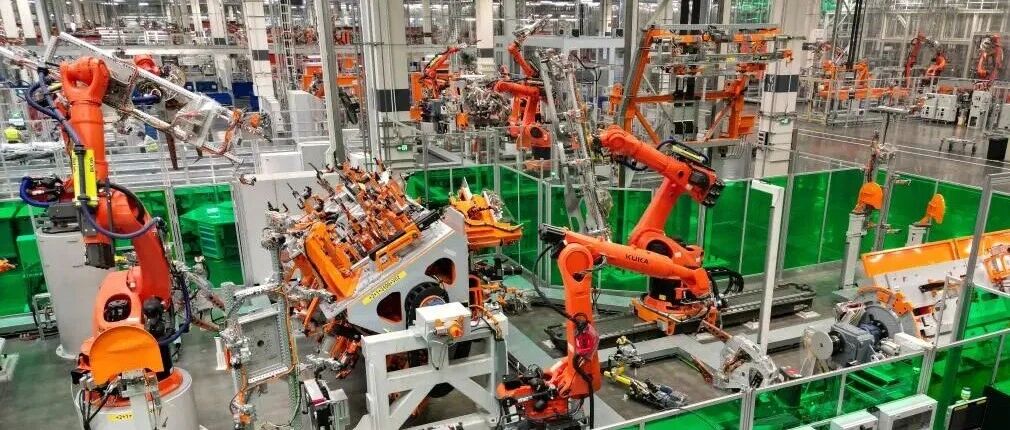
Core Insights - Black Sesame Intelligence showcased its latest achievements in assisted driving, embodied intelligence, and consumer electronics at CES 2026, marking its strategic shift from "driving assisted driving" to "promoting intelligent evolution" [1] Group 1: Assisted Driving Technology - The A2000 all-scenario general-purpose assisted driving demonstration platform made its debut, focusing on providing high-performance, reliable full-stack solutions for the smart automotive industry [3] - The Huashan A2000 chip has gained widespread recognition in the industry, with collaborations established with major automotive companies like Dongfeng, Geely, Hongqi, and JAC, successfully integrating assisted driving technology into mass-produced vehicles [4] - The Huashan A2000 chip, featuring a large-core architecture and algorithmic collaboration design, has been optimized for performance, comparable to the highest-performing smart driving chips globally [4] Group 2: Cross-Domain Integration - The Wudang C1296 integrated cockpit solution made its overseas debut, developed in collaboration with Dongfeng Motor and Junlian Smart, utilizing a single C1296 chip for digital dashboards, smart cockpits, and assisted driving functions [6] - The Wudang series chips are pivotal in advancing automotive electronic and electrical architecture towards cross-domain integration, with high-integration mass production solutions launched by partners like Dongfeng, Continental Group, and Zebra Smart Mobility [6] Group 3: Embodied Intelligence - The SesameX multidimensional embodied intelligence computing platform made its first overseas appearance, aimed at providing an open, scalable, and mass-producible intelligent computing foundation for robots [7] - The SesameX platform includes three series—Kalos, Aura, and Liora—catering to various complexities and forms of robotic needs, promoting the large-scale industrial deployment of embodied intelligence [7] Group 4: Consumer Electronics - Black Sesame's AI imaging solutions have been widely adopted in consumer electronics, with over 500 million devices globally equipped with these technologies [10] - The recent strategic acquisition of Yizhi Electronics enhances Black Sesame's capabilities in low-power, cost-effective AI SoC chips, showcased at CES [10] - The AI imaging solutions cover a range of products, including smartphones, tablets, cameras, and AI glasses, providing enhanced user experiences through deep integration of chips and algorithms [10]

2026年,这些“创二代”,谁能突围,谁是扶不起的阿斗?
3 6 Ke· 2026-01-07 13:07
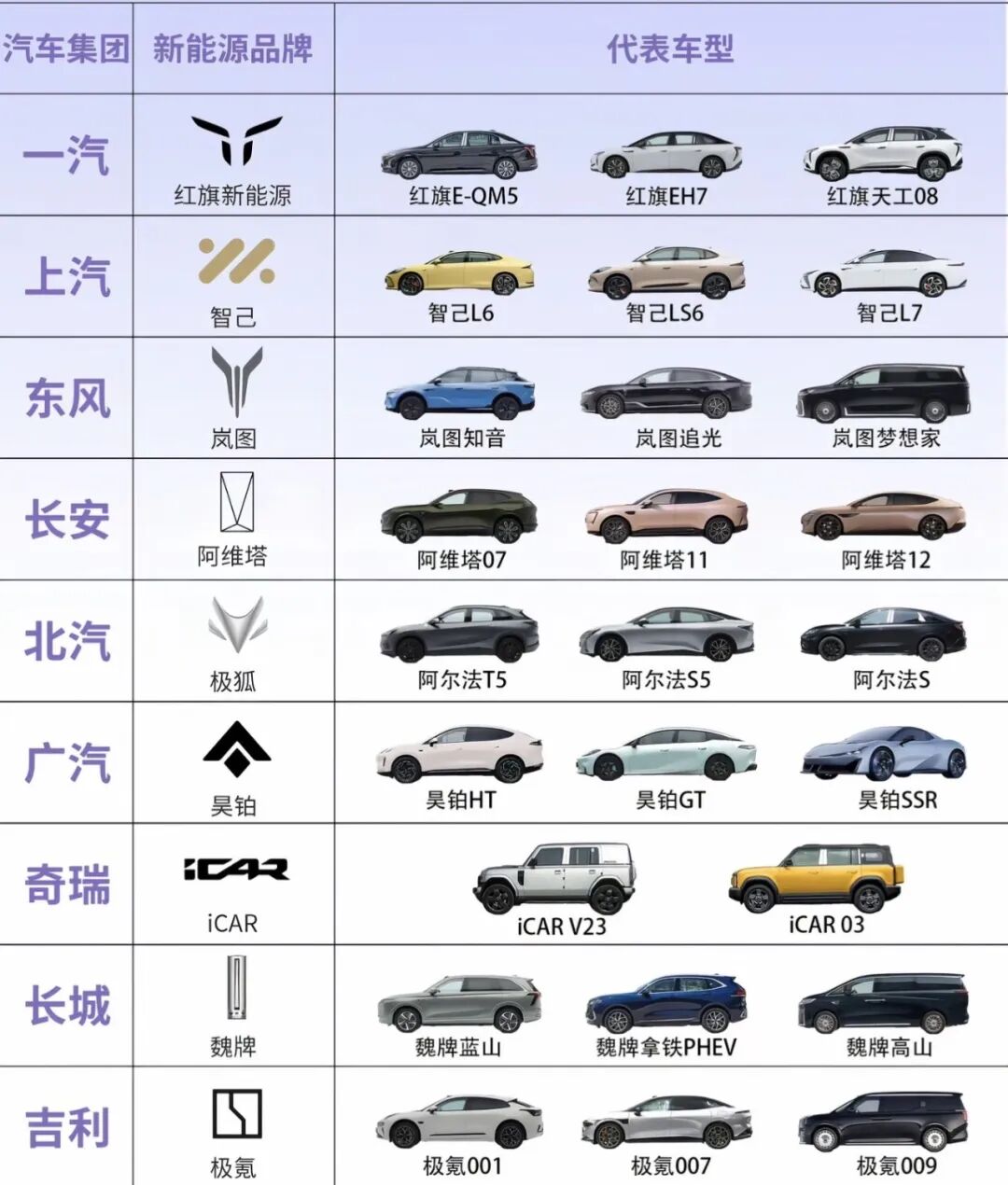
Core Insights - The new energy vehicle (NEV) industry in 2025 has seen a clear division between leading brands and those lagging behind, with companies like Leap Motor, Hongmeng Zhixing, and Xiaopeng firmly establishing themselves in the top tier, while traditional automaker-backed brands struggle to gain traction [1][6][11] Group 1: Market Performance - In 2025, the top three new car brands were Leap Motor (596,555 units, +103%), Hongmeng Zhixing (589,107 units, +32%), and Xiaopeng (429,445 units, +126%) [6][7] - The second tier includes Xiaomi Auto (over 411,625 units), Li Auto (406,343 units), and Deep Blue (333,117 units), while brands like Lantu, Avita, and Zhiji lagged with sales of 150,169, 128,772, and 81,017 units respectively [6][7][8] - The overall NEV market is expected to enter a phase of slower growth and intensified competition in 2026, with significant price cuts from major players like BMW and Tesla reigniting a price war [2][5] Group 2: Brand Dynamics - The "second-generation" brands, despite their backing from established automakers, have not been able to match the performance of pure new car brands, with significant sales gaps [6][11] - However, brands like Deep Blue and Lantu have shown impressive growth rates, with Lantu achieving a 87% increase in sales [8][21] - Traditional automakers are heavily investing in these "second-generation" brands, providing them with essential resources and support to compete in the high-end NEV market [11][13][15] Group 3: Future Outlook - Predictions for 2026 indicate a potential market growth of only about 2%, significantly lower than the previous year's growth [16] - Lantu is expected to expand its product lineup significantly and is on track for an IPO, which could enhance its market position [21][23] - Deep Blue is also positioned for growth, having achieved a high completion rate of its annual sales target [21][23] - Brands like Avita and Zeekr may stabilize but face challenges in maintaining competitive pricing and market share [26][29]


特斯拉吹响号角,2026年新能源汽车竞赛进入下一轮
Xin Lang Cai Jing· 2026-01-07 12:53
Core Insights - The new energy vehicle (NEV) industry in 2025 has shown a clear division between leading brands and those lagging behind, with a notable performance from new entrants like Leap Motor, Hongmeng Zhixing, and Xiaopeng, which have solidified their positions in the first tier of the market [2][5][6] - Traditional automakers' second-generation brands, such as Deep Blue, Zhiji, and Avita, despite having strong backing, have struggled to compete and remain in the second tier [2][5] Market Performance - In 2025, the top three new car brands were Leap Motor (596,555 units, +103%), Hongmeng Zhixing (589,107 units, +32%), and Xiaopeng (429,445 units, +126%) [5][7] - Other notable brands included Xiaomi Auto (over 411,625 units), Li Auto (406,343 units), and Deep Blue (333,117 units) [5][7] - The bottom performers were Avita (128,772 units), Zhiji (81,000 units), and Deep Blue (150,169 units), with Zhiji being the only brand with sales below 100,000 units [6][7][8] Competitive Landscape - The NEV market is transitioning from growth to intensified competition, with a resurgence of price wars as seen with BMW's significant price cuts across multiple models [3][4][14] - The first-tier brands are primarily pure new car manufacturers, while many second-tier brands are traditional automakers' second-generation brands, which have shown promising growth rates despite lower overall sales [8][11] Future Outlook - The NEV market is expected to see slower growth in 2026, with predictions of only about 2% increase in sales, leading to a more competitive environment [14][15] - Brands like Lantu and Deep Blue are anticipated to perform well in 2026, with Lantu expected to expand its product lineup significantly and Deep Blue achieving high delivery rates [19][21] - Conversely, brands like Avita and Zeekr may face challenges in maintaining momentum due to market saturation and pricing pressures [22][25] Consumer Sentiment - Consumers show a preference for traditional automakers' NEV brands, citing concerns over the stability and reliability of newer entrants [26][27] - The backing of established manufacturers provides a sense of security for consumers, influencing their purchasing decisions [26][27]
中海达:目前公司车载端软硬件产品交付情况良好
Zheng Quan Ri Bao· 2026-01-07 12:38
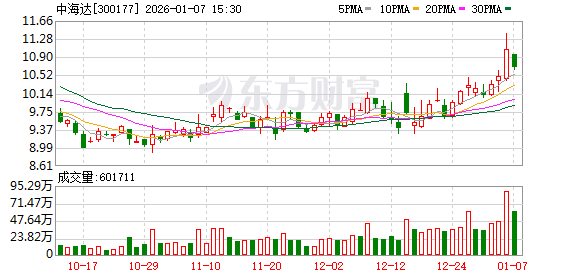
Core Viewpoint - The company, Zhonghaid, has reported strong delivery performance and stable production capacity for its in-vehicle software and hardware products, collaborating with several major automotive manufacturers and Robotaxi clients [2] Group 1: Company Performance - The delivery situation of the company's in-vehicle software and hardware products is good, with sufficient and stable production capacity [2] - The company has established partnerships with notable automotive manufacturers including Xiaopeng, Geely, SAIC, Great Wall, Dongfeng, and FAW, as well as Robotaxi clients such as Didi, Baidu Apollo, Hello Auto, and Momanta [2] Group 2: Product Advantages - The company's high-precision in-vehicle products have mass production experience, with a comprehensive product layout including GNSS antennas, positioning modules, fusion algorithms, and IMUs, providing a full-stack positioning solution [2] - The in-vehicle software and hardware products are designed to adapt to the trends of integrated domain control hardware platforms and BEV algorithm architecture evolution, forming platform-based products that can quickly meet the changing technical requirements of automotive clients [2] - The annual shipment volume of the company's high-precision hardware products has exceeded one million units, demonstrating advantages in the automotive parts supply chain, ensuring cost, quality, and delivery meet the high-quality and long-term stable delivery requirements of clients [2]

投资5亿元!“T3出行”落户中山
Xin Lang Cai Jing· 2026-01-07 10:06
1月6日,中山火炬工业集团官宣:近日,南京领行科技股份有限公司(T3出行)与中山火炬工业集团正式签署投资协议,标志 着总投资额达5亿元的T3出行大湾区生态总部项目成功落户中山火炬高新区。 1月6日,中山火炬工业集团官宣:近日,南京领行科技股份有限公司(T3出行)与中山火炬工业集团正式签署投资协议,标志 着总投资额达5亿元的T3出行大湾区生态总部项目成功落户中山火炬高新区。 据了解,该项目由中山市招商引资工作专班牵头对接,联合火炬高新区招商团队,共同引进的中山市首个融合智慧出行与无人 驾驶技术的区域总部,将围绕智能交通产业链生态,吸引上下游企业集聚,进一步提升区域产业竞争力和城市生活品质。 作为行业"国家队"与互联网巨头双重加持的头部企业,南京领行科技股份有限公司成立于2019年,核心股东涵盖中国一汽、东 风汽车、长安汽车等汽车行业领军企业,同时获得腾讯、阿里巴巴等互联网巨头战略投资,既是高新技术企业,更是行业内备 受瞩目的独角兽企业。此次落户中山的T3出行湾区生态总部,将重点建设大湾区运营管理与结算中心、自动驾驶(Robo-Taxi) 运营研发中心、低空服务运营中心及司机驿站等核心板块,通过一站式智慧出行服务 ...
黑芝麻智能(02533.HK)五赴CES,三大领域最新突破推动智能全维进化
Ge Long Hui A P P· 2026-01-07 09:54
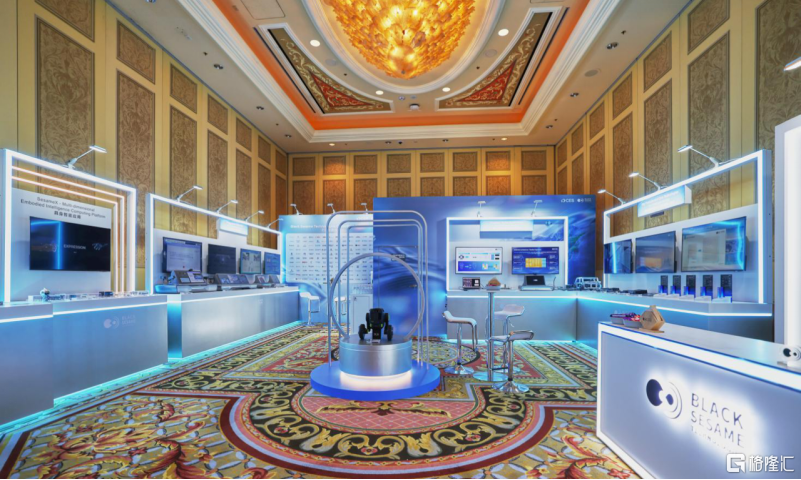
Core Insights - Black Sesame Intelligence showcased its latest achievements in assisted driving, embodied intelligence, and consumer electronics at CES 2026, marking its strategic shift from "driving assisted driving" to "promoting intelligent evolution" [1] Group 1: Assisted Driving - The A2000 all-scenario general-purpose assisted driving demonstration platform made its debut, providing high-performance, high-reliability full-stack solutions for the smart automotive industry [2] - The Huashan A2000 chip has gained wide recognition in the industry, successfully collaborating with major automakers like Dongfeng, Geely, Hongqi, and JAC to implement assisted driving technology in mass-produced vehicles [5] - The A2000 chip has passed relevant U.S. reviews and is officially launched in the global market, featuring a large-core architecture and system-level optimization [5] Group 2: Embodied Intelligence - The SesameX multi-dimensional embodied intelligence computing platform made its overseas debut, aimed at providing an open, scalable, and mass-producible intelligent computing base for robotics [7] - The platform includes three series: Kalos, Aura, and Liora, catering to various complexities and forms of robotic needs, promoting the large-scale industrial implementation of embodied intelligence [7] Group 3: Consumer Electronics - Black Sesame's AI imaging solutions have been widely adopted in consumer electronics, with over 500 million devices equipped globally [8] - The recent strategic acquisition of Yizhi Electronics enhances Black Sesame's capabilities in low-power, cost-effective AI SoC chips, showcased at CES [8] - The AI imaging solutions cover a range of products, including smartphones, tablets, cameras, and AI glasses, providing enhanced user experiences through deep integration of chips and algorithms [8]
2026年车圈这三大趋势“藏不住”
Huan Qiu Wang· 2026-01-07 07:28
Core Insights - The automotive industry in China is transitioning from "scale expansion" to "quality enhancement," indicating a shift in focus towards technological transparency and user trust as key competitive factors [1][3][4] Group 1: Technological Transparency - Companies are moving away from abstract innovation slogans to concrete technological commitments and public demonstrations, with firms like FAW aiming to become technology companies and SAIC focusing on electrification and intelligence [1] - The concept of "technological transparency" is becoming a competitive threshold, where companies must publicly verify their core component performance and manufacturing standards to build market trust [1] Group 2: Smart Technology as a Necessity - Smart technology is no longer an optional enhancement but a survival requirement for automotive companies, as evidenced by leaders like Li Shufu and Yin Tongyue emphasizing the importance of emotional and intelligent vehicles [2] - The automotive value proposition is shifting from mere transportation to mobile intelligent terminals, with AI-driven smart cabins and high-level autonomous driving becoming essential for competitive advantage [2] Group 3: Trust in a Saturated Market - The Chinese automotive market has transitioned to a saturation phase, with a 52.7% penetration rate for new energy vehicles by 2025, shifting the focus from acquiring new customers to retaining existing ones [3] - Building user trust is now a core asset for companies, requiring substantial investments in product quality, service experience, and commitment fulfillment to navigate market cycles effectively [3] Group 4: Consumer and Industry Benefits - The industry's transformation will yield tangible consumer benefits through technological transparency, smart upgrades, and service optimization [4] - This competition around technology, intelligence, and trust will enhance the resilience and security of the supply chain, contributing to the establishment of a modern automotive industry with international competitiveness [4]
武汉政府工作报告,8次提到同一个词
Chang Jiang Ri Bao· 2026-01-07 07:27
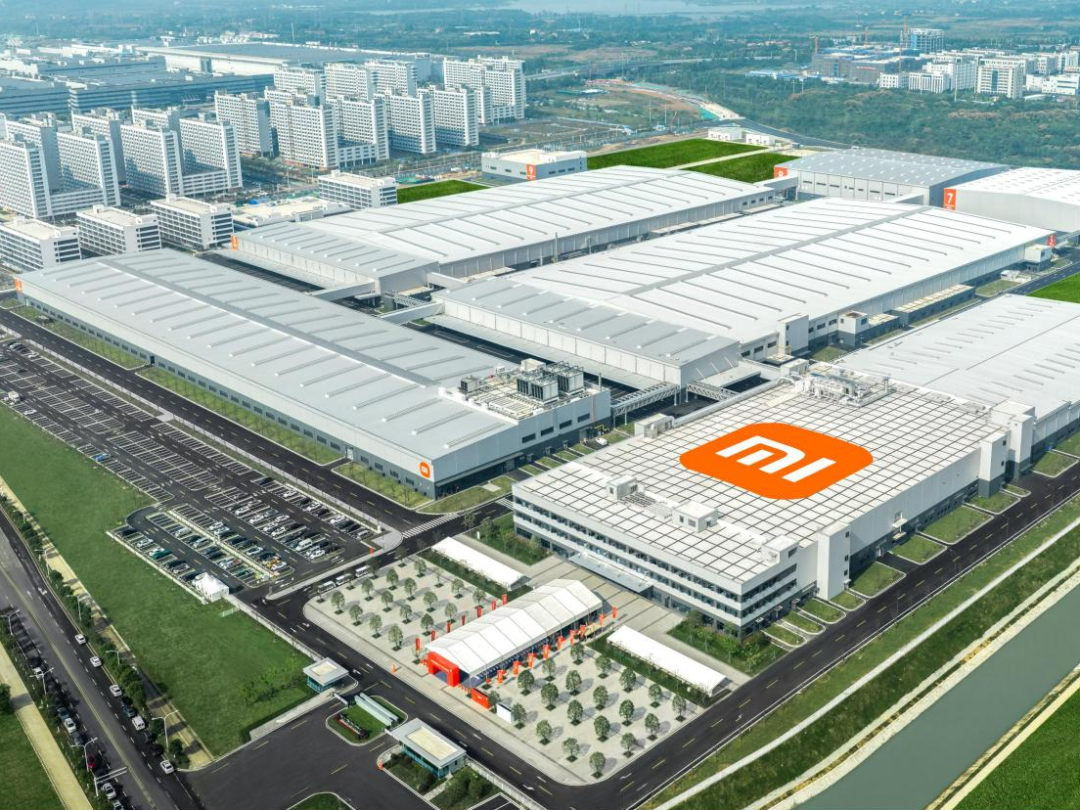
Group 1 - The core focus of the news is the significant growth of the artificial intelligence (AI) industry in Wuhan, with a reported increase of over 20% in scale, highlighting the government's emphasis on AI in its work report [1][8] - The government aims to implement the "AI+" initiative, accelerating the development of the Wuhan National New Generation Artificial Intelligence Innovation Development Experimental Zone and the National AI Innovation Application Pilot Zone [1][8] - Various sectors such as optoelectronic information, low-altitude economy, AI, and smart home appliances are targeted for the establishment of industrial parks, fostering advanced manufacturing clusters [6][8] Group 2 - Xiaomi's smart home appliance factory has officially commenced operations in Wuhan, utilizing intelligent manufacturing platforms [3][4] - AI technologies are being integrated into various industries, including automotive manufacturing, logistics, and healthcare, with significant efficiency improvements noted, such as a 20% reduction in new car production preparation time [4][5] - The introduction of AI in logistics has led to more organized and efficient operations in factories and warehouses, as highlighted by representatives from local tech companies [5] Group 3 - The government plans to create 20 new demonstration application scenarios and establish 15 exemplary smart factories as part of its AI development strategy [8] - The concept of "black lamp ports" is proposed, envisioning a future where port operations are largely automated, showcasing the potential for AI applications in logistics [14] - The need for a talent pool is emphasized, with calls for early intervention in talent cultivation to support the rapid advancements in AI technology [19]