
联电

Search documents
集邦咨询:第三季前十大晶圆代工厂合计营收环比增8.1% 接近451亿美元
Zhi Tong Cai Jing· 2025-12-12 08:13
Core Insights - The global wafer foundry industry saw a revenue increase of 8.1% quarter-over-quarter in Q3 2025, reaching nearly $45.1 billion, driven by demand from AI high-performance computing (HPC) and consumer electronics [1] Group 1: Major Players' Performance - TSMC's revenue was supported by smartphone and HPC demand, with a quarterly increase of 9.3% to nearly $33.1 billion, resulting in a slight market share increase to 71% [2] - Samsung's revenue remained flat at approximately $3.18 billion, with a market share of 6.8%, despite a slight increase in capacity utilization [2] - SMIC's revenue grew by 7.8% to $2.38 billion, ranking third due to improved capacity utilization and wafer shipments [2] - UMC's revenue increased by 3.8% to nearly $1.98 billion, supported by demand for ICs from smartphones and PCs, with a market share of 4.2% [2] Group 2: Other Notable Companies - GlobalFoundries' revenue held steady at approximately $1.69 billion, maintaining its fifth position, but its market share slightly decreased to 3.6% due to competitive pressures [3] - HuaHong Group's revenue exceeded $1.21 billion, with a market share of 2.6%, benefiting from increased wafer shipments and ASP growth [4] - Vanguard's revenue increased by 8.9% to $412 million, driven by demand for PMICs from smartphones and PCs [4] - Nexchip's revenue rose by 12.7% to $409 million, surpassing Tower Semiconductor to become the eighth-largest player, supported by increased customer market share and demand [4] - Tower's revenue was approximately $396 million, with a quarterly increase of 6.5%, ranking ninth [4] - PSMC's revenue grew by 5.2% to $363 million, driven by stronger demand for DRAM and improved foundry pricing [4]


中原证券晨会聚焦-20251211
Zhongyuan Securities· 2025-12-10 23:30
Core Insights - The report indicates that the Chinese economy is expected to grow by 5.0% in 2025 and 4.5% in 2026 according to the IMF, reflecting a moderate recovery phase [5][8] - The A-share market is experiencing a phase of consolidation with potential upward movement supported by favorable policies and improved liquidity [9][12] - The semiconductor industry is in an upward cycle, driven by strong demand for AI computing hardware and significant capital investments from major tech companies [19][30] Domestic Market Performance - The Shanghai Composite Index closed at 3,900.50 with a slight decline of 0.23%, while the Shenzhen Component Index rose by 0.29% to 13,316.42 [4] - The average P/E ratios for the Shanghai Composite and ChiNext are 16.04 and 49.54 respectively, indicating a suitable environment for medium to long-term investments [12] Industry Analysis - The food and beverage sector saw a rebound in November 2025, particularly in pre-packaged foods and alcoholic beverages, although overall performance remains weak with a cumulative decline of 0.16% from January to November [14][15] - The semiconductor industry experienced a 5.10% decline in November, but year-to-date performance remains strong with a 38.02% increase [19] - The electric power and utilities sector showed resilience, with a 10.4% year-on-year increase in electricity consumption in October 2025, driven by the charging and swapping service industry [23][24] Investment Strategies - The report suggests focusing on sectors such as commercial retail, precious metals, and automotive for short-term investment opportunities [12][18] - In the semiconductor space, companies involved in AI chip production and infrastructure are recommended due to the ongoing demand and technological advancements [19][30] - The food and beverage sector is advised to consider investments in soft drinks, health products, and baked goods, with specific companies highlighted for potential growth [35][36]
【太平洋科技-每日观点&资讯】(2025-12-10)
远峰电子· 2025-12-09 11:59
Market Overview - The main board saw significant gains with companies like Bona Film Group (+10.02%), Tiantong Co., Ltd. (+10.02%), and Zhongci Electronics (+10.01%) leading the charge [1] - The ChiNext board also performed well, with Hengxin Oriental (+20.04%) and Online Offline (+20.00%) showing strong increases [1] - The Sci-Tech Innovation board was led by Dekeli (+20.00%) and Tengjing Technology (+10.54%) [1] - Active sub-industries included SW Printed Circuit Boards (+5.43%) and SW Communication Network Equipment (+3.68%) [1] Domestic News - Aibang ARAI announced that its 12-inch Micro OLED production line has successfully lit up, marking a new phase in silicon-based OLED product mass production [1] - Semiconductor Investment Alliance reported that Shengmei Shanghai has launched several devices compatible with HBM processes, including Ultra ECP 3D equipment for TSV copper filling [1] - United Microelectronics Corporation (UMC) signed a technology licensing agreement with imec for silicon photonics processes, aiming to target next-generation high-speed connectivity applications [1] - Baiwei Storage highlighted the increasing demand for high-bandwidth, low-latency storage chips in robotics, launching products suitable for embodied intelligence [1] Company Announcements - Shenzhou Information disclosed a plan for its controlling shareholder to reduce holdings by up to 28,827,300 shares between December 31, 2025, and March 30, 2026 [2] - Saiwei Microelectronics announced a share reduction plan by Shanghai Lingguan, intending to reduce up to 14,500 shares for personal funding needs [2] - Juguang Technology reported the completion of a share reduction by shareholder Wang Donghui, decreasing his stake from 6.6427% to 3.6427% with a total reduction amounting to 323 million yuan [2] - Zhangyue Technology received a cash dividend of 4.99 million yuan from its associate company, which will positively impact its 2025 financial performance [2] Overseas News - DNP successfully developed a nano-imprint lithography (NIL) template with a line width of 10nm, meeting the miniaturization needs for advanced logic semiconductors [2] - Omdia reported a 3% year-on-year increase in global wearable wristband shipments in Q3 2025, reaching 54.6 million units, with market value rising by 12% [2] - IBM announced an acquisition of Confluent for $11 billion, aiming to integrate it into its software division to enhance AI-driven data platforms [2] - The U.S. government allowed NVIDIA to export its H200 AI chips to China under certain conditions, including a 25% revenue share for the U.S. [2]

联电官宣,发力硅光
半导体行业观察· 2025-12-09 01:50
Core Viewpoint - United Microelectronics Corporation (UMC) has signed a technology licensing agreement with imec to acquire the iSiPP300 silicon photonics process, aiming to develop a 12-inch silicon photonics platform for next-generation high-speed connectivity applications [2]. Group 1: Technology Development - The iSiPP300 silicon photonics process is compatible with Co-Packaged Optics (CPO) and addresses the bottlenecks of traditional copper interconnects due to increasing AI data loads [2]. - UMC plans to combine imec's proven 12-inch silicon photonics process technology with its Silicon-On-Insulator (SOI) wafer process to offer a highly scalable Photonic Integrated Circuit (PIC) platform [2]. - UMC is collaborating with multiple new customers to provide photonic chips for optical transceivers, with risk production expected to begin in 2026 and 2027 [2]. Group 2: Market Implications - The partnership with imec is expected to accelerate the development of UMC's 12-inch silicon photonics platform, enhancing the market for silicon photonics solutions and facilitating the introduction of next-generation computing systems [3]. - The iSiPP300 platform features compact and efficient components, including micro-ring modulators and GeSi electro-absorption modulators (EAM), which will contribute to diverse low-loss optical fiber interfaces and 3D packaging modules [3].
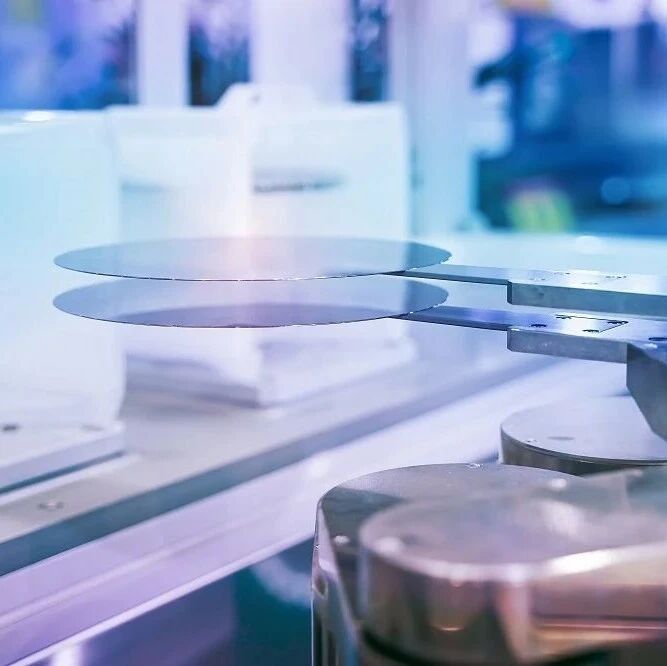
联电的突围之道
半导体行业观察· 2025-12-01 01:27
Core Viewpoint - The article discusses UMC's strategic transformation in response to the competitive landscape in the mature process foundry market, focusing on high-value applications such as silicon photonics and advanced packaging to create new growth opportunities [1][2]. Group 1: UMC's Strategic Initiatives - UMC is accelerating its transformation by leveraging its existing special process capabilities to enter high-value applications like silicon photonics and advanced packaging [1]. - The company has reported successful developments in advanced packaging, with its self-developed high-end interposer achieving electrical validation from Qualcomm and entering trial production, with mass production expected by Q1 2026 [1]. - UMC is expanding its overseas packaging capabilities, with its Singapore facility now utilizing 2.5D processes and wafer-to-wafer technology, which is critical for 3D IC manufacturing [1]. Group 2: Collaboration and Market Position - UMC is reportedly interested in collaborating with Intel to challenge the 6nm process, while emphasizing its ongoing collaboration with Intel on the 12nm FinFET process, set for mass production in 2027 [2]. - The company’s diversification into silicon photonics and advanced packaging is seen as a way to create new opportunities in the mature foundry market [2]. Group 3: Silicon Photonics Development - UMC is entering the silicon photonics field in collaboration with IMEC, aiming for trial production next year and mass shipments by 2027, capitalizing on the growing demand driven by AI applications [4][6]. - The company has a natural advantage in silicon photonics due to its reliance on mature processes, which predominantly use 28nm and 22nm platforms, allowing it to expand into higher-margin product lines [4][5]. - The collaboration with IMEC provides UMC with access to advanced design rules and significantly shortens the time to commercialize silicon photonics products [6]. Group 4: Industry Trends and Advantages - The demand for silicon photonics is expected to surge, particularly with NVIDIA's next-generation AI platform Rubin incorporating silicon photonics components, which will drive significant market growth [4][6]. - Silicon photonics technology offers substantial advantages, including over tenfold reductions in power consumption and improvements in latency, making it a consensus technology for next-generation data centers [5].

中介层,太贵了
半导体行业观察· 2025-11-21 00:58
公众号记得加星标⭐️,第一时间看推送不会错过。 来 源 : 内容 编译自 semiengineering 。 尺寸越来越大的中介层成本不断上升,这重新激发了人们对面板级制造的兴趣。多年来,由于芯片行 业需要付出巨大的集体努力来改变格式,面板级制造的发展一直步履蹒跚。 Joint3 的计划是开发一条新的试验线,供参与者用来调试工艺流程,然后将该流程转移到生产线上。 这使得参与公司能够利用现有的基板制造设备。"全球有很多研究机构,但有些专注于前端工艺,有 些专注于晶圆工艺,还有一些专注于玻璃,"Resonac 电子事业部总部执行董事安倍秀典表示,"但没 有哪个机构在主导大型面板级中介层项目。" 化圆为方 过去几年最大的变化是多芯片封装技术的快速普及,尤其是在人工智能数据中心领域。芯片和中介层 的尺寸越来越大,成本和良率问题也随之而来。采用先进工艺节点开发的高性能芯片本身就极具挑战 性,尽管最大光罩尺寸的限制使其难度有所降低。但中介层的尺寸往往是芯片的数倍,这使得其成本 控制更具挑战性。 幸运的是,并非所有中介层都必须是硅基的。无源中介层没有主动电路,因此它们不像芯片那样依赖 于先进的硅工艺。这使得一些性能不佳而无 ...
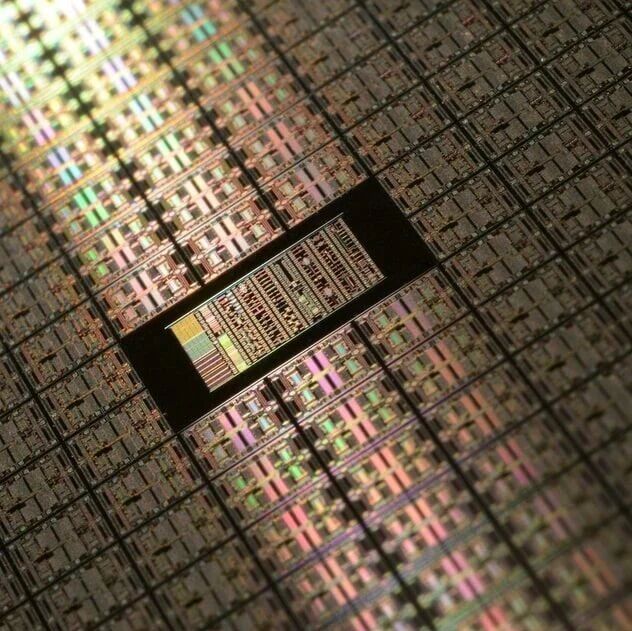
全球最大纯硅光子芯片代工厂诞生:格芯收购鑫精源,押注硅光子
2 1 Shi Ji Jing Ji Bao Dao· 2025-11-19 11:32
Core Insights - GlobalFoundries has announced the acquisition of Advanced Micro Foundry in Singapore, marking a significant step in its innovation strategy and leadership in silicon photonics [1] - The acquisition will enable GlobalFoundries to integrate manufacturing assets, intellectual property, and expertise from Advanced Micro Foundry, enhancing its silicon photonics technology portfolio and production capabilities in Singapore [1] - Following the acquisition, GlobalFoundries will become the largest pure-play silicon photonics chip foundry globally based on revenue [1] Industry Context - The driving force behind this acquisition is the urgent demand for data transmission efficiency in artificial intelligence infrastructure, as the computational power required is growing exponentially [2] - AI workloads are increasing computational demands by four to five times annually, while data transmission efficiency has not kept pace, leading to significant idle time for high-end accelerators in data centers [2] Technology Overview - Silicon photonics technology, which uses lasers instead of electronic signals for data transmission, is seen as a solution to high energy consumption and signal delay issues [3] - This technology can achieve data transfer speeds that are 100 times faster than traditional methods, making it a key component for next-generation semiconductor technology [3] Company Strategy - Advanced Micro Foundry has over 15 years of process accumulation in silicon photonics, with a focus on specialized processes and significant patents [4] - GlobalFoundries plans to leverage its large-scale manufacturing experience to transition these technologies from a 200mm platform to a 300mm platform, which is crucial for the future of co-packaged optics (CPO) technology [4] Competitive Landscape - GlobalFoundries, established in 2009, has shifted its focus from advanced processes to mature processes and specialty technologies, including silicon photonics [5] - As of Q2 2023, GlobalFoundries holds a 3.9% market share, ranking fifth among global foundries, while TSMC leads with a 70.2% share [5] - The silicon photonics foundry market is becoming competitive, with major players like TSMC and Intel also investing in this technology [5] Growth Plans - GlobalFoundries launched its Fotonix silicon photonics platform in March 2022, integrating 300mm photonic characteristics with RF-CMOS technology [6] - The company aims to expand its production capacity, targeting a total output of 2 million 12-inch wafers by 2024, with plans to increase this to 3 million [6] - An investment of €1.1 billion is planned to expand its facility in Dresden, Germany, with expectations to boost annual production capacity to over 1 million wafers by the end of 2028 [6]

“十五五”系列研究之二:加速中国经济动力变革的十五大产业赛道
Tebon Securities· 2025-11-14 13:46
Group 1: Semiconductor Industry - The semiconductor industry is undergoing a transformation driven by accelerated technological iteration, supply chain restructuring, and deepening domestic substitution, with advanced process nodes becoming a core growth driver[17] - In Q2 2025, TSMC's revenue reached $30.239 billion, with advanced process nodes (3nm, 5nm, 7nm) contributing 24%, 36%, and 14% respectively to its revenue structure[18] - By 2024, China's semiconductor sales are projected to be $182.1 billion, accounting for 29.52% of global sales, while its wafer demand is only 5%, indicating a significant gap in domestic chip design capabilities[30] Group 2: AI Infrastructure and Applications - The AI industry is transitioning into a dual-phase of infrastructure development and deep industry integration, with domestic AI chip production and commercialization being key investment themes[39] - The demand for AI servers is expected to surge, driven by the need for robust computing power, which will enhance the domestic AI infrastructure[7] - AI is anticipated to become a foundational productivity driver in the economy, with significant potential for explosive applications in various sectors[39] Group 3: Nuclear Energy and New Energy Storage - Nuclear power is positioned as a clean and stable energy source, crucial for achieving dual carbon goals, with the industry entering a golden development period focusing on third-generation technology and breakthroughs in fourth-generation technology[7] - New energy storage technologies are rapidly advancing, with installed capacity expected to double under strong policy support, leading to a diversified technological landscape[7] Group 4: Emerging Industries - The commercial aerospace sector is transitioning from state-led initiatives to large-scale commercialization, with significant growth in low-orbit satellite demand and the development of reusable rocket technologies[7] - The pet economy is evolving into a mature market, with a notable shift towards high-end products and domestic brands gaining market share through online channels[8] - The CXO industry is entering a new growth cycle, with China holding nearly 30% of the global market share, driven by innovation in drug development despite geopolitical challenges[8]



3nm芯片凭什么卖两万美元?技术博弈、市场逻辑和中国机遇分析
材料汇· 2025-10-23 13:43
Core Viewpoint - The article discusses the evolution of semiconductor processes, highlighting the dual-track competition between advanced and mature processes, and the implications for global technology competition and opportunities for China [2][3]. Group 1: Price and Technology Insights - The price of chips decreases as the process size decreases, with 3nm chips priced around $20,000 per piece, expected to rise to over $30,000 for 2nm chips by 2026 [5][6]. - The price differences are driven by two main factors: the scarcity of production capacity and the complexity of technology, with advanced processes requiring significantly more steps and equipment [6][11]. - Major tech companies are adopting different strategies: Apple is taking a cautious approach, Nvidia focuses on cost-performance balance, while Qualcomm and MediaTek are aggressively pursuing next-generation processes [7][8]. Group 2: TSMC's Dominance - TSMC plays a crucial role in defining industry trends, with 3nm chips expected to account for nearly 30% of its revenue, and plans to ramp up production significantly in the coming years [9][10]. - The investment required for advanced production lines is substantial, with a 2nm line costing around $10 billion, reflecting the increasing number of necessary equipment [10][11]. Group 3: Technical Challenges - Key technical challenges in semiconductor processes include advancements in lithography, architectural transitions, and design-technology co-optimization (DTCO) [12][13]. - EUV lithography is currently the main technology, with High-NA technology not yet ready for widespread use due to maturity and cost issues [14][15]. - The transition from FinFET to GAA architecture is increasing the demand for ALD equipment, which is critical for the new structures [16]. Group 4: Global Competition Landscape - TSMC leads the semiconductor process competition, while Samsung and Intel face significant challenges, including equipment procurement strategies and financial losses [18][21]. - Samsung's aggressive early procurement of EUV equipment led to higher costs due to lower yield rates, while TSMC's cautious approach has proven more effective [20]. - Intel's financial struggles are impacting its ability to compete in advanced processes, raising concerns about its future in the foundry business [21]. Group 5: Opportunities and Challenges for China - China's semiconductor industry is focusing on mature processes (28nm and above), with companies like SMIC making significant progress in yield rates and production capacity [24][25]. - Despite advancements, challenges remain, including higher production costs and competition from TSMC, which has superior technology and customer quality [25]. - Long-term opportunities exist in the growing demand for automotive electronics and IoT, supported by government initiatives and investments [26]. Group 6: Future Directions - The semiconductor industry is expected to continue evolving beyond 2nm, with innovations like backside power delivery and CFET technology anticipated in the coming years [27]. - The industry is committed to gradual breakthroughs, focusing on both mature and advanced processes to strengthen its competitive position globally [28]. Conclusion - The competition in semiconductor technology is a comprehensive battle involving technical, capital, and market dynamics, with TSMC and China’s semiconductor industry navigating their respective paths [29].

中国加大稀土出口管制,美方计划对中加征100%关税 | 投研报告
Zhong Guo Neng Yuan Wang· 2025-10-14 02:24
重大事件 1)中国具有针对性的稀土出口管制措施,新增对钼、锰、铽、铑、镭五种关键稀土元 素的管制,并规定只要产品含中国稀土原料,无论是否出口均需许可。2)美国总统特朗普 表示将于11月1日起对中国加征100%的额外关税并管制所有关键软件的出口,以此回应中国 实施稀土出口管制。3)特朗普政府正加大力度,将联邦政府对企业的拨款转换为股权,以 保障美国关键矿产和半导体供应链的安全,旨在减少对中国的依赖。以下公司与此次战略投 报告要点: 期间(2025.9.29-2025.10.12)市场回顾 1)海外AI芯片指数期间上涨2.66%,只有博通小幅度下跌3%,其余成分股均出现上 涨。2)国内AI芯片指数下跌0.6%,其中通富微电涨幅超20%,兆易创新与澜起科技涨幅超 过10%。3)英伟达映射指数上涨0.2%,相关产业链公司股票多数出现下滑的情况。4)服务 器ODM指数上涨5.8%,成分股大都呈现上涨情况,其中Wistron、超微以及Wiwynn涨幅超 10%。Quanta下跌23.1%,为唯一下跌成分股。5)存储芯片指数上涨12.2%,近期存储芯片 板块受AI需求驱动持续活跃,但企业级需求增长与供应链调整导致市场波动加 ...