华住集团

Search documents
“超长黄金周”催热旅游市场 旅游产业链或迎来上修(附概念股)
Zhi Tong Cai Jing· 2025-09-11 00:24
Group 1 - The upcoming "Golden Week" during the National Day and Mid-Autumn Festival is expected to see a surge in travel bookings, with some popular products already sold out [1] - Consumers are planning their trips earlier than in previous years, showing a preference for domestic long-distance travel products, and a diverse range of travel experiences is emerging to meet varied consumer demands [1] - The United Nations World Tourism Organization forecasts a 5% increase in global international tourist arrivals in the first half of 2025, with a total of approximately 690 million outbound trips recorded in the first half of this year, marking an increase of about 33 million compared to last year [1] Group 2 - Morgan Stanley projects that China's inbound tourism retail market will grow over threefold in the next decade, from $14 billion in 2024 to $60 billion by 2034, increasing its share of the overall tourism retail market from 10% to 25% [2] - The rise of globally recognized brands and improved shopping experiences are key drivers for this growth, with Chinese consumer electronics and brands like Pop Mart attracting tourists and stimulating shopping demand [2] - Domestic retailers, shopping centers, and duty-free operators in China are expected to benefit significantly from policy support aimed at enhancing tax-free and refund shopping experiences [2] Group 3 - Relevant Hong Kong stocks in the tourism sector include online travel agencies like Trip.com Group and Tongcheng Travel, as well as companies in the tourism industry chain such as Macau-related stocks, China International Travel Service, and Huazhu Group [3]


9000亿美元巨头,股价创历史新高
Zhong Guo Zheng Quan Bao· 2025-09-10 23:34
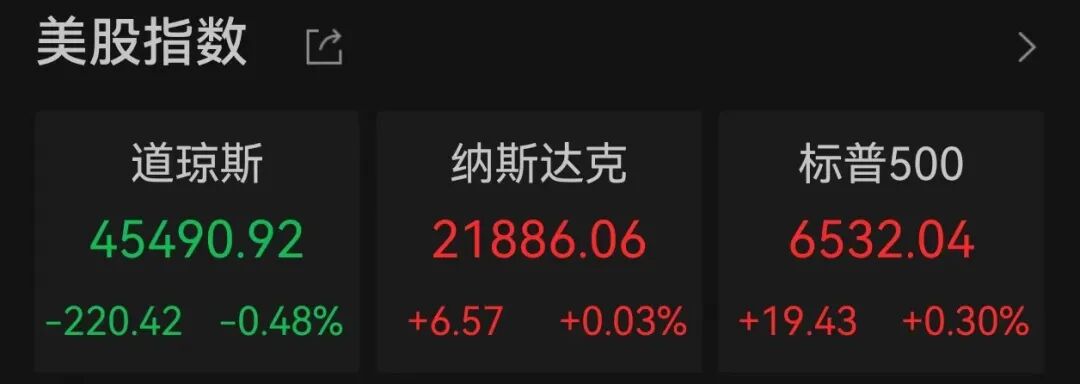
Group 1: Oracle's Stock Performance - Oracle's stock surged to a historic high, closing at $328.62 per share, a 36.07% increase, with a market capitalization reaching $923 billion, equivalent to over 65,000 million RMB [3][4] - The stock price increase was driven by a significant rise in unconfirmed performance obligations, which exceeded $440 billion, a 359% increase year-over-year, attributed to major cloud contracts signed during the reporting period [3] - Oracle's CEO, Safra Catz, projected that the unfulfilled performance obligations will lead to rapid expansion in the cloud infrastructure business, with expected revenue growth of 77% to $18 billion in fiscal year 2026, and reaching $144 billion by fiscal year 2030 [3] Group 2: Financial Performance - For the first quarter of fiscal year 2026, Oracle reported total revenue of $14.926 billion, a year-over-year increase of 12.17%, while net profit slightly decreased to $2.927 billion from $2.929 billion in the previous year [3] - Oracle's overall revenue for fiscal year 2025 was $57.399 billion, reflecting an 8.38% year-over-year growth, with net profit increasing by 18.88% to $12.443 billion [4] Group 3: Market Context - The broader U.S. stock market showed mixed performance, with major indices fluctuating, while large tech stocks generally declined [5][7] - The semiconductor sector saw most stocks rise, with notable increases in companies like Broadcom and ARM [7]

东方证券:酒店机器人市场快速成长 成本有望进一步优化下降
Zhi Tong Cai Jing· 2025-09-10 08:57
Core Insights - The hotel service robot market is rapidly growing, with a global market projected to reach approximately $1.42 billion in 2024 and $7.04 billion by 2033, reflecting a CAGR of 17.8% from 2025 to 2033 [2] - The Chinese market has seen growth from 500 million RMB in 2019 to 1.1 billion RMB in 2023, with an expected increase to 3.6 billion RMB by 2028, indicating a CAGR of 26.4% from 2023 to 2028 [2] - The market is becoming more concentrated, with the top five players holding a combined market share of 27.6% as of 2023, led by Cloudwalk Technology at 12.2% [2] Market Growth and Dynamics - The common applications of hotel robots include delivery and cleaning, primarily focusing on cross-floor delivery and nighttime needs [2][3] - The Chinese hotel robot market, while currently smaller than the global market, has greater growth potential due to higher growth rates and increased penetration [2] - Factors driving this growth include an increase in chain hotel rates and a rapid decline in hardware prices, exemplified by the price drop of Cloudwalk's "Gegge" series robots from 26,800 RMB in 2022 to 20,900 RMB in 2024 [2] Application and Efficiency - Hotels like Huazhu have integrated delivery robots as standard features, allowing guests to order via an app or front desk, with robots autonomously delivering items [3] - The introduction of robots has led to more efficient delivery and cleaning processes, reducing the need for front desk staff to leave their posts and improving customer satisfaction [3] - Data from Cloudwalk's robots indicate that their use can enhance hotel ratings on OTA platforms by 0.1 to 0.2 points [3] Cost Optimization and Future Directions - The cost of a single hotel delivery robot starts at approximately 20,000 to 30,000 RMB, with total investment for two robots in a mid-range hotel estimated at around 60,000 RMB over five years, compared to 750,000 RMB for equivalent human labor [4] - Future trends include further cost optimization through declining hardware prices, smarter navigation and scheduling, expanded task capabilities, and improved human-robot interaction [4] - The average usage cost for hotels is expected to decrease significantly as hardware prices drop and scale efficiencies are realized [4] Company Insights - Huazhu Group is among the first hotel groups in China to implement large-scale robot deployment as part of its digital transformation [5] - Shouqi Hotel (600258) has 29% of its hotels equipped with robots, indicating room for further penetration and enhanced profitability for franchisees [5] - Atour emphasizes the integration of intelligent technology in its operations and management [5]

2025上半年上市旅企成绩单出炉,谁是最大赢家
Sou Hu Cai Jing· 2025-09-08 02:24
Core Insights - The travel industry is experiencing significant profit differentiation, with leading companies like Ctrip and Huazhu showing strong performance, while traditional players like Overseas Chinese Town are struggling [2][3]. Industry Overview - Among 38 listed travel companies, 29 reported profits, while 9 incurred losses, indicating a strong overall profitability in the sector [3]. - Ctrip leads the industry with a revenue of 28.714 billion yuan, a year-on-year increase of 16.21%, and a net profit of 9.194 billion yuan, up 11.94% [4][6]. Company Performance - China Duty Free Group follows Ctrip with a revenue of 28.151 billion yuan, down 9.96%, and a net profit of 2.599 billion yuan, down 20.81%, affected by market fluctuations [6]. - Huazhu Group reported a revenue of 11.821 billion yuan, a 3.46% increase, and a net profit of 2.438 billion yuan, a significant rise of 41.25% [6]. - Tibet Tourism and Guilin Tourism turned profitable with net profit increases of 181.22% and 141.94%, respectively, due to increased visitor numbers and recovery of past debts [7]. Sector Analysis - The OTA segment shows strong growth, with Ctrip, Tongcheng Travel, and Tuniu all achieving double-digit revenue growth, highlighting market recovery [10]. - Scenic area companies face challenges due to increased competition and reliance on ticket sales, which may not meet evolving consumer demands [11]. - Hotel companies like Huazhu continue to thrive, while others like Jinjiang Hotels and Huatian Hotels face declines due to market conditions [17][18]. Conclusion - The travel industry is at a crossroads, with leading companies leveraging supply chain management and digital transformation to maintain competitive advantages, while struggling firms must innovate and optimize operations to survive [18].

2025上半年消费图鉴:情绪、性价比与钱的流向
3 6 Ke· 2025-09-05 08:46
Group 1: Consumer Market Overview - The overall consumer market in China shows vitality, with a 5% year-on-year growth in retail sales of consumer goods in the first half of 2025, reaching 24.55 trillion yuan [1][2] - The contribution rate of final consumption expenditure to GDP growth is 52%, indicating that domestic demand is a key driver of economic growth [1] - The Consumer Price Index (CPI) has shown signs of recovery, with a 0.1% year-on-year increase in June and a 0.8% increase in July, suggesting a continuous recovery in domestic demand [1] Group 2: Emotional Consumption Trends - Emotional consumption has become a significant trend, with the emotional consumption market expected to exceed 2 trillion yuan by 2025, growing at a compound annual growth rate of 12% since 2013 [3][4] - Companies like Pop Mart have seen substantial revenue from emotional products, with LABUBU generating 4.81 billion yuan in revenue in the first half of 2025, contributing to Pop Mart's total revenue of 13.88 billion yuan, a 204.4% year-on-year increase [4][5] - The rise of emotional consumption is reflected in various sectors, including toys, gaming, and entertainment, where consumers are willing to pay a premium for products that provide emotional value [3][4] Group 3: Shifts in Consumer Preferences - There is a notable shift from traditional consumption patterns, often referred to as "old consumption," towards emotional and experience-driven purchases, particularly among younger consumers [6][8] - The traditional liquor and high-end tea markets are experiencing declines, with many companies reporting negative growth in revenue and profit, contrasting with the growth seen in emotional consumption sectors [6][7] - The younger generation prioritizes individual satisfaction and emotional value over traditional status symbols, leading to a decline in "face consumption" [8][9] Group 4: Impact on Specific Industries - The restaurant industry is facing challenges, with major chains like Haidilao reporting a 3.7% decline in revenue, while their takeaway business is growing significantly [14] - The tea beverage market is also seeing a divide, with brands like Mixue Ice City performing well, while others like Nayuki's Tea are struggling with losses [15] - The home appliance sector has benefited from government subsidies, with major players like Midea and Haier reporting over 10% revenue growth, while the smartphone market saw a 65% increase in sales during the subsidy period [16][18] Group 5: Real Estate and Investment Trends - The real estate market is experiencing a downturn, with a 11.2% year-on-year decline in real estate development investment in the first half of 2025, leading to cautious consumer sentiment towards property purchases [18][19] - Investment trends indicate a shift towards stock markets and gold, with A-shares and Hong Kong stocks seeing increased liquidity, while gold prices continue to rise, reflecting a preference for safer assets [19][20] - The overall sentiment among consumers is characterized by a cautious approach to spending, with many preferring to save rather than invest in real estate, leading to a significant increase in second-hand property transactions [18][20]



“有点钱,但不多,不急花”:2025上半年消费者现状
Hu Xiu· 2025-09-05 06:26
Group 1: Consumer Market Overview - The overall vitality of the consumer market is improving, with a 5% year-on-year increase in retail sales of consumer goods in the first half of the year, reaching 24.55 trillion yuan [1][2] - The contribution rate of final consumption expenditure to GDP growth is 52%, indicating that consumer spending is a key driver of economic growth [1][2] - The core CPI has shown a continuous upward trend, indicating a recovery in domestic demand [1][2] Group 2: Emotional Consumption Trends - Emotional consumption has become a significant trend, with the emotional consumption market expected to exceed 2 trillion yuan by 2025, growing at a compound annual growth rate of 12% since 2013 [4][11] - Companies like Pop Mart have seen substantial revenue growth from emotional products, with LABUBU generating 4.81 billion yuan in revenue in the first half of the year, contributing to Pop Mart's total revenue of 13.88 billion yuan, a 204.4% increase year-on-year [7][5] - Other companies in the emotional consumption space, such as MINISO, are also adapting their strategies to capture this market, with their sub-brand TOP TOY achieving 740 million yuan in revenue, a 73% increase [8] Group 3: Traditional Consumption Decline - Traditional consumption categories, particularly in the liquor and high-end tea sectors, are experiencing declines, with many companies reporting negative growth in revenue and profit [10][12] - The white liquor industry saw a 5% decrease in revenue and a 7.5% drop in net profit in the second quarter of 2025, with only a few companies maintaining positive growth [10] - The high-end tea market is also struggling, with companies like Tianfu Tea reporting a 17.1% decline in revenue [10] Group 4: Impact of Economic Conditions on Consumer Behavior - Economic uncertainties have led to a cautious consumer sentiment, with many individuals opting for cost-effective options and prioritizing emotional value in their purchases [12][13] - The trend of "old consumption" is fading, as younger consumers focus on personal satisfaction rather than social status, leading to a shift in spending patterns [9][11] - The overall consumer sentiment is reflected in the decline of high-end dining and entertainment, with many consumers opting for more affordable alternatives [17][18] Group 5: Investment and Housing Market Dynamics - The real estate market is facing challenges, with a 11.2% decline in real estate development investment in the first half of 2025, and a 3.5% drop in new housing sales [25][26] - Consumer confidence in real estate has diminished, leading to a decrease in housing purchases and a shift towards investments in stocks and gold [27][29] - The stock market has seen increased activity, with A-shares and Hong Kong stocks experiencing good liquidity, indicating a shift in investment preferences among consumers [27][29]


资金面整体均衡偏松,股市下挫提振债市走强
Dong Fang Jin Cheng· 2025-09-05 04:07
Report Summary Investment Rating No investment rating for the industry is provided in the report. Core Viewpoints On September 3, the overall liquidity was balanced and slightly loose; the stock market decline boosted the bond market; the convertible bond market stopped falling and closed higher, with most convertible bond issues rising; yields on U.S. Treasuries across all maturities generally declined, and yields on 10 - year government bonds of major European economies generally decreased [1]. Section Summaries 1. Bond Market News - **Domestic News**: The joint working group of the Ministry of Finance and the central bank held its second meeting to discuss issues related to the bond market. Since May, over 1.02 trillion yuan of science - innovation bonds have been issued. The 2nd private enterprise bond financing training class was held in Wuxi. As of June 30, 2025, the total management scale of 460 mother funds was 3484.5 billion yuan, a 23.7% decrease from the end of 2024 [3][4]. - **International News**: In July, U.S. JOLTS job openings dropped to a 10 - month low, with significant decreases in healthcare, retail, and leisure & hospitality sectors. The ratio of job openings to the number of unemployed fell to 1, hovering at the lowest level since 2021. Recruitment increased by 41,000 to 5.308 million, and layoffs reached the highest level since September last year [6]. - **Commodities**: On September 3, WTI October crude oil futures fell 2.47% to $63.97 per barrel, Brent November crude oil futures fell 2.23% to $67.60 per barrel, COMEX gold futures rose 0.82% to $3621.80 per ounce, and NYMEX natural gas prices rose 2.71% to $3.071 per ounce [7]. 2. Liquidity - **Open - Market Operations**: On September 3, the central bank conducted 229.1 billion yuan of 7 - day reverse repurchase operations at a fixed - rate and quantity - tender method, with an operating rate of 1.40%. With 379.9 billion yuan of reverse repurchases maturing on the same day, the net withdrawal of funds was 150.8 billion yuan [9]. - **Funding Rates**: On September 3, the overall liquidity was balanced and slightly loose. DR001 decreased by 0.01bp to 1.314%, and DR007 increased by 0.40bp to 1.442% [10]. 3. Bond Market Dynamics - **Interest - Rate Bonds**: - **Spot Bond Yields**: On September 3, the bond market strengthened. The yield of the 10 - year Treasury active bond 250011 decreased by 2.00bp to 1.7475%, and the yield of the 10 - year CDB active bond 250215 decreased by 2.15bp to 1.8460% [13]. - **Bond Tenders**: Details of the issuance scale, winning yields, and other information of multiple bonds such as 25贴现国债54 were provided [14]. - **Credit Bonds**: - **Secondary - Market Transaction Anomalies**: On September 3, 5 industrial bonds had a price deviation of over 10%, including "15 宏图 MTN001" down over 97% and "H9 龙控 01" up over 100% [14]. - **Credit Bond Events**: Multiple companies had events such as bank loan defaults, subsidiary bankruptcies, and cancellation of bond issuances [15]. - **Equity and Convertible Bond Indexes**: - **Equity Market**: On September 3, the A - share market showed divergence. The ChiNext Index rose 0.95%, while the Shanghai Composite Index and Shenzhen Component Index fell 1.16% and 0.65% respectively. The full - day trading volume was 2.4 trillion yuan [16]. - **Convertible Bond Market**: On September 3, the convertible bond market stopped falling and closed higher. The CSI Convertible Bond Index, Shanghai Convertible Bond Index, and Shenzhen Convertible Bond Index rose 0.26%, 0.23%, and 0.28% respectively. The trading volume was 85.809 billion yuan, a decrease of 19.905 billion yuan from the previous trading day [16]. - **Convertible Bond Tracking**: On September 3, "伟 22 转债" announced no downward revision of the conversion price, and "宏辉转债" announced early redemption, among other announcements [20]. - **Overseas Bond Markets**: - **U.S. Bond Market**: On September 3, yields on U.S. Treasuries across all maturities generally declined. The 2 - year yield decreased by 5bp to 3.61%, and the 10 - year yield decreased by 6bp to 4.22%. The 2/10 - year yield spread narrowed by 1bp to 61bp, and the 5/30 - year yield spread narrowed by 2bp to 121bp. The 10 - year TIPS break - even inflation rate decreased by 1bp to 2.40% [21]. - **European Bond Market**: On September 3, yields on 10 - year government bonds of major European economies generally declined. For example, the German 10 - year yield decreased by 5bp to 2.74% [24]. - **Chinese - Issued U.S. Dollar Bonds**: Price changes of Chinese - issued U.S. dollar bonds as of the close on September 3 were presented, including the daily changes, credit entities, and other information of multiple bonds [26].
政策预期 高切低下,商社投资机会展望
2025-09-04 14:36
Summary of Conference Call Notes Industry Overview - The conference call discusses the service consumption promotion policy, focusing on local services and travel consumption, which is expected to benefit sectors such as dining, OTA (Online Travel Agencies), scenic spots, and hotels [1][4]. Key Points and Arguments - **Service Consumption Promotion Policy**: The policy aims to stimulate local service consumption and travel services, with specific benefits expected in the dining and travel sectors [1][4]. - **Dining Sector Benefits**: The dining industry is anticipated to benefit significantly from consumption vouchers, with companies like Yum China, Green Tea, and Haidilao expected to gain from increased consumer spending [1][5]. - **Travel Industry Gains**: OTA platforms such as Ctrip, Tongcheng, and Didi are expected to directly benefit from subsidies. Mid-to-high-end hotels like Atour, Huazhu, and Jinjiang are also likely to see positive impacts [1][6]. - **Sports Industry Growth**: A new policy aims for the sports industry to exceed 7 trillion yuan by 2030, significantly surpassing market expectations. The current size of the sports industry is approximately 3.67 trillion yuan, indicating a need for substantial growth over the next seven years [1][9][10]. - **Specific Measures in Sports Policy**: The policy includes 20 specific measures aimed at expanding sports product supply, stimulating consumption, and enhancing service levels [1][11][12]. Additional Important Insights - **Impact of Upcoming Holidays**: The alignment of the Mid-Autumn Festival and National Day in 2025 is expected to create a long holiday effect, boosting travel demand [1][14]. - **Stock Market Reactions**: Recent stock price increases are attributed to positive outlooks for the upcoming holiday season and changes in investor sentiment, with recommendations for various companies across H-shares and A-shares [1][15]. - **Potential Beneficiaries**: Companies involved in the ice and snow economy, such as Changbai Mountain and Tianfu Culture Tourism, are identified as clear beneficiaries of the new sports policy [1][13]. This summary encapsulates the key insights from the conference call, highlighting the expected impacts of government policies on various sectors and the potential investment opportunities arising from these developments.
社服行业2025年中期投资策略:供需两端酝酿新变,关注线下重塑、AI应用、体验消费三条主线
Huachuang Securities· 2025-09-04 12:12
Group 1 - The report highlights the structural prosperity of service consumption within the overall consumption landscape, indicating that while overall consumption growth is slowing, service-related consumption is on the rise, with service sector PMI consistently outperforming manufacturing PMI [12][20][23] - The demand side is characterized by three new trends: price-performance ratio, emotional value, and overseas expansion, with the price-performance ratio expected to be a key driver in the Chinese consumption sector [20][23][30] - Emotional and experiential consumption is becoming a focal point for consumers, with the emotional economy projected to reach 23.1 trillion yuan in 2024, indicating a strong demand for content and experience-driven products [23][27] Group 2 - The supply side is witnessing accelerated chain store development and integration of supply chains, with offline consumption becoming increasingly standardized and efficient, particularly in the beverage and hotel sectors [36][41] - Instant retail is identified as a significant growth area for consumption internet platforms, with a projected compound annual growth rate (CAGR) exceeding 20% from 2024 to 2026, indicating a shift towards integrating online and offline retail [60][66] - The report emphasizes the importance of supply chain capabilities in the restaurant and beverage sectors, with stronger supply chain management expected to lead to increased market concentration and competitive advantages for leading brands [52][53] Group 3 - The report identifies three main investment themes: the reshaping of offline business models, the application of AI to enhance service efficiency, and the high demand for experiential consumption in tourism and sports [7][8][54] - In the offline business model reshaping, companies like Meituan, Alibaba, and JD.com are recommended for their roles in the rapid growth of instant retail and their strategic expansions into offline retail [8][60][78] - The application of AI is seen as a transformative force across various sectors, enhancing efficiency in human resources, education, and exhibition services, with companies like Keri International recommended for investment [54][54]
涉及万亿消费市场,国庆中秋长假临近,“最热”旅游国免签政策也将生效
Xuan Gu Bao· 2025-09-03 23:00
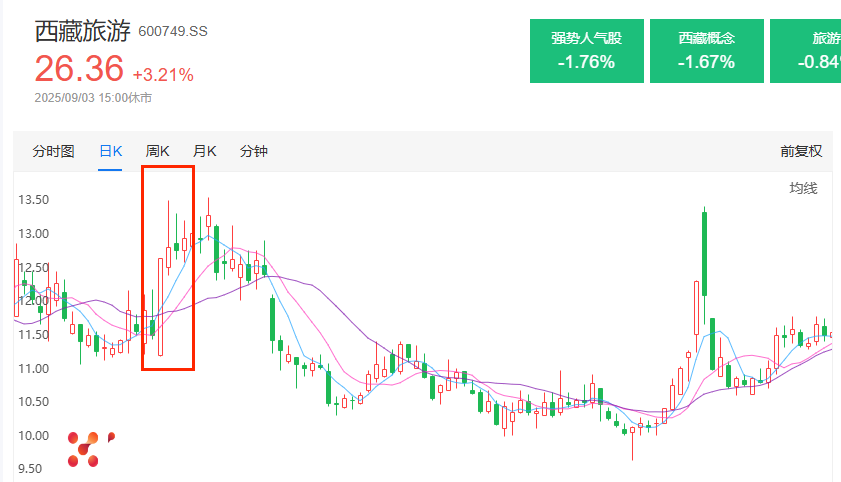
Group 1 - The 2025 National Day and Mid-Autumn Festival holiday will have a total of 8 consecutive days off, which is expected to boost travel demand [1] - The Chinese government announced a temporary visa-free policy for Russian passport holders from September 15, 2025, to September 14, 2026, leading to a significant increase in flight searches from Moscow [1] - South Korea will implement a temporary visa-free policy for Chinese group tourists starting September 29, 2025, lasting until June 2026, further enhancing travel opportunities [1] Group 2 - International flight bookings for popular cities have rebounded to over 50% of pre-pandemic levels during this summer, indicating a strong recovery in outbound tourism [2] - Japan and South Korea have emerged as popular destinations, with booking volumes increasing nearly tenfold compared to the beginning of the year, and flight prices dropping by approximately 40% [2] - Visa applications on the Fliggy platform surged over 13 times year-on-year in July, with Japan's visa applications surpassing 2019 levels [2] Group 3 - Various cities in China, including Guangdong, Hangzhou, and Chengdu, are set to issue cultural and tourism consumption vouchers in September to stimulate local tourism [3] - Guangdong will distribute 20 million yuan worth of vouchers starting September 12, while Chengdu will launch its second round of tourism accommodation vouchers from September 21 to October 28 [3] - Other regions, such as Huangshan and Yulin, are also implementing similar voucher programs to encourage spending in the tourism sector [3] Group 4 - The National Development and Reform Commission has proposed measures to cultivate new consumption scenarios in cultural tourism, aiming to create influential themed tourism routes [4] - Following this announcement, stocks related to tourism, such as Tibet Tourism and Dalian Shengya, experienced significant price increases [5] Group 5 - Related concept stocks include travel agencies like Zhongxin Tourism and China Youth Travel Service, scenic spots like Songcheng Performance and Huangshan Tourism, and hotel chains such as Jinjiang Hotels and Huazhu Group [8]