
黑芝麻智能

Search documents
20多家公司排队候审,AI企业再掀赴港上市潮
第一财经· 2025-06-18 02:38
Core Viewpoint - The article highlights a surge in AI companies seeking to list on the Hong Kong Stock Exchange (HKEX), driven by new regulations that allow unprofitable tech firms to go public, particularly in the generative AI sector [1][7]. Group 1: Listing Trends - A significant number of AI companies, including Yunzhisheng, Woan Robotics, and Qunhe Technology, are currently in the process of listing on HKEX, with over 20 firms reported to be in the pipeline [1][3]. - As of 2023, 20 AI-related companies have gone public in Hong Kong, achieving a total market capitalization exceeding 2833 million HKD [3][4]. - The IPO fundraising in Hong Kong has seen a dramatic increase of 711% year-on-year in the first half of 2023, with many new listings coming from the tech sector [1][8]. Group 2: Market Performance - The newly listed AI companies have shown strong market performance, with half of the 20 stocks listed in 2023 experiencing price increases, and some, like Horizon Robotics, seeing gains of over 90% [4][9]. - The overall market environment has improved, with a decrease in the new stock failure rate from 57% to 32.1% compared to the previous year, indicating a more favorable climate for IPOs [9]. Group 3: Financial Challenges - Despite the listing boom, approximately 75% of AI companies listed on HKEX are currently operating at a loss, with many facing increasing financial pressures [1][11]. - For instance, Horizon Robotics reported a loss of 21.44 billion RMB in 2024, contributing to a cumulative loss exceeding 76 billion RMB over four years [11][12]. - High R&D expenditures are a significant factor in these losses, with companies like Hezhima Intelligent seeing their R&D costs rise dramatically, impacting their financial stability [12][13].

资本引擎驱动科创裂变:武汉基金解码城市产业升级密钥
2 1 Shi Ji Jing Ji Bao Dao· 2025-06-18 00:05
Group 1 - The article highlights the strategic role of Wuhan Fund in attracting and nurturing technology innovation companies, exemplified by the return of Hantao Technology to Wuhan with significant investment support [1][9] - Wuhan is focused on becoming a nationally influential technology innovation center, requiring new points for industrial transformation and upgrading [1][2] - The Wuhan Fund operates with a model of "government guidance, market operation, focusing on technology innovation, and empowering industries," demonstrating the core value of state-owned capital in urban development [1][4] Group 2 - The Wuhan Fund has established a complete early-stage investment ecosystem to address the "valley of death" faced by startups, which often struggle with high failure rates and funding shortages [3][11] - The fund has launched the Wuhan Wuchuang Xinghuo Seed Fund, with an initial scale of 200 million yuan, targeting early-stage technology innovation projects [3][4] - Collaboration with top market-oriented early-stage investment institutions has been emphasized to enhance project discovery and post-investment management [4][5] Group 3 - The Wuhan Fund has successfully issued technology innovation bonds totaling 1.45 billion yuan, with a focus on strategic emerging fields such as optoelectronics and artificial intelligence [6][8] - The fund has formed partnerships with various institutions to establish multiple industry funds, including a 3 billion yuan QFLP fund to attract foreign capital [7][8] - A collaborative effort among provincial, municipal, and district levels has been initiated to create a unified investment fund structure, enhancing resource synergy [8][11] Group 4 - The return of Hantao Technology is seen as a significant achievement, addressing both capital gaps and service chain deficiencies in Wuhan's industrial ecosystem [9][10] - The Wuhan Fund is actively establishing new funds to support key industries, including a 700 million yuan fund for smart connected vehicles and a 1.632 billion yuan fund for integrated circuits [10][11] - The fund has invested over 20.441 billion yuan in direct projects, leveraging social capital to achieve a total investment scale of 83.475 billion yuan [11]
100万片才能回本!蔚小理为啥还要扎堆造芯片?
电动车公社· 2025-06-17 16:28
Core Viewpoint - The automotive industry is entering a new era of chip self-research and high computing power, driven by the need for advanced autonomous driving capabilities, particularly L3 level automation, as exemplified by companies like Xiaopeng and NIO [6][39][60]. Group 1: Chip Development and Competition - The competition for automotive computing power began around 2021, initiated by NVIDIA's Orin-X chip, which boasts a computing power of 254 TOPS, significantly surpassing Mobileye's Q5H and Tesla's HW3.0 [1][6]. - Companies like NIO have adopted multiple Orin-X chips, achieving over 1000 TOPS in computing power [3]. - The automotive computing power has fluctuated between 80 to 1000 TOPS over the past four years, but a new phase has emerged in 2023 with the introduction of self-developed chips [5][34]. Group 2: Self-Developed Chips and Industry Trends - Xiaopeng's self-developed 5nm chip, NX9031, is expected to reach 2000 TOPS with two chips in the ET9 model, while the Xiaopeng G7 features three self-developed Turing AI chips, achieving 2200 TOPS [6][39]. - The trend of automakers developing their own chips is gaining momentum, similar to Tesla's earlier journey, as companies seek to overcome the limitations of the "black box" model previously used with suppliers like Mobileye [9][30]. - The emergence of domestic chip companies like Horizon and Black Sesame Intelligence is diversifying the market, with many automakers now developing their own chips that can compete with NVIDIA's flagship products [35][38]. Group 3: The Shift to L3 Autonomous Driving - The automotive industry is approaching the L3 autonomous driving era, with Xiaopeng defining its G7 as the "world's first L3 level AI car" [39]. - The effective computing power required for L3 autonomous driving has been clarified by Xiaopeng at 2200 TOPS, indicating a significant leap from L2 systems [43][55]. - The transition to L3 involves not only technological advancements but also a shift in liability, as vehicles may be held accountable for accidents, increasing pressure on automakers to refine their technologies [56][58]. Group 4: Challenges in Chip Development - The journey of self-developing chips is fraught with challenges, including architectural issues and the risk of costly failures during the chip manufacturing process [62][64]. - Companies must also ensure that their chips meet stringent automotive safety standards, which can extend the validation period significantly [69]. - The need for large-scale production to recoup development costs is critical, with estimates suggesting that around 1 million units may be necessary for profitability [71].


黑芝麻智能高算力布局迎来回报,具身时代空间广阔
Guan Cha Zhe Wang· 2025-06-17 09:27
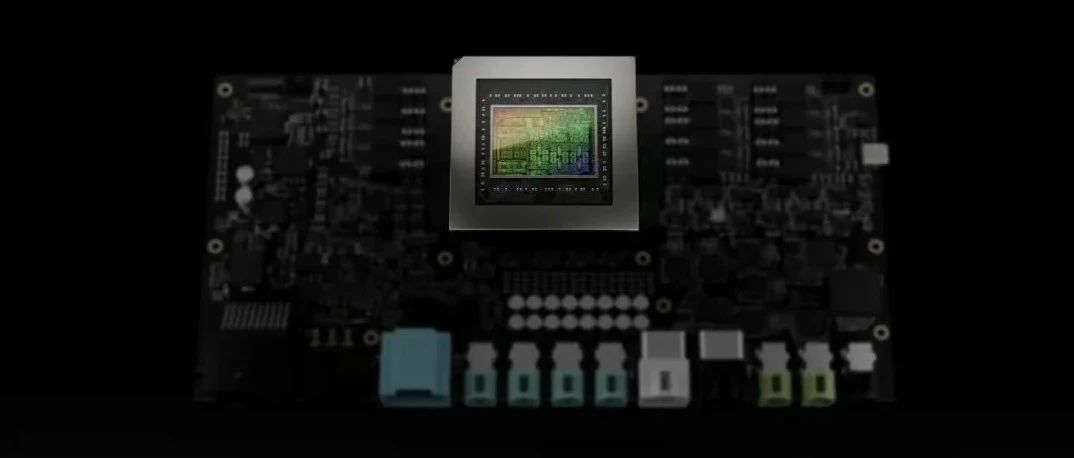
Group 1 - The automotive industry is experiencing a significant opportunity with the rise of third-party high-performance computing chips, as companies face the choice between self-developed and externally supplied chips for intelligent driving [1][4] - Tesla's strategy of self-developing HW3.0 and later collaborating with Broadcom for HW4.0 highlights the increasing importance of specialized third-party suppliers in meeting the growing computational demands of intelligent driving [1][3] - Black Sesame Intelligence, a leading domestic chip supplier, has proven its capabilities by becoming a supplier for BYD's "Tianshen Eye" intelligent driving platform and showcasing its products at the Hong Kong "Car Expo" [1][3][4] Group 2 - Black Sesame Intelligence's global expansion is a natural outcome of the trend of Chinese new energy vehicles entering international markets, with its chips widely adopted by major automakers like Geely and Dongfeng [4][5] - The company has been focusing on high-performance chips since its establishment in 2016, launching the 58 TOPS Huashan A1000 chip in 2020 and the 106 TOPS A1000 Pro in 2021, positioning itself ahead of competitors [5][6] - The launch of the Huashan A2000 family, capable of exceeding 1000 TOPS, aligns with the industry's shift towards higher-level intelligent driving features, making Black Sesame a viable alternative to NVIDIA's Orin [6][7] Group 3 - Black Sesame Intelligence is experiencing a commercial harvest period, with a projected revenue increase of 51.8% in 2024 and a gross margin rise to 41.1% [7] - The performance of a System on Chip (SoC) is not solely determined by computational power; the integration with algorithms is crucial, especially as AI model technology advances [7][8] - The Huashan A2000 family features the industry's largest NPU core, "Jiushao," designed for neural network computations, which enhances efficiency compared to traditional GPUs [7][8] Group 4 - The Jiushao architecture supports mixed precision and is optimized for high-precision quantization and Transformer algorithms, which are essential for the development of autonomous driving technologies [8][9] - Black Sesame Intelligence's technology is also being applied in the field of embodied intelligence, with its chips supporting various applications beyond autonomous driving, including humanoid robots [8][9] - The company has partnered with Fourier to provide computational support for its "Dexterous Hand," indicating its commitment to expanding into broader applications of embodied intelligence [9]

东吴证券晨会纪要-20250617
Soochow Securities· 2025-06-17 02:40
Macro Strategy - Economic resilience is observed in May, with industrial added value increasing by 5.8% year-on-year and service production index rising by 6.2% year-on-year, indicating a slight weakening in industrial supply and a slight strengthening in services [1] - Retail sales grew by 6.4% year-on-year, showing a recovery in domestic demand, while fixed asset investment showed a cumulative year-on-year increase of 3.7%, reflecting a decline in investment growth [1] - The report highlights three distinct economic narratives: (1) sectors supported by policies such as infrastructure and durable goods consumption, (2) new productive forces with strong endogenous momentum, and (3) real estate and non-subsidized consumption sectors showing weaker performance [1] - The overall economic growth target of around 5% for the year is expected to be achieved, but the pace and structure of economic growth will depend on the evolution of these narratives [1] Industry Insights Construction and Decoration Industry - The State Council emphasizes the need to promote the construction of "good houses" and stabilize the real estate market, indicating potential policy support for real estate investment [10] - Infrastructure investment remains stable, with significant growth in water conservancy and transportation sectors, suggesting a focus on major infrastructure projects [10] - The report recommends focusing on state-owned enterprises and local state-owned enterprises with low valuations and stable performance, such as China Communications Construction and China Electric Power [10] Retail Industry - Non-American exports show resilience, with a focus on the strategic position of small commodity cities as export hubs [11] - The automotive sector is expected to perform well, driven by technological innovation and market dynamics, despite some challenges in the supply chain [11] Public Utilities Industry - Investment opportunities in hydropower and thermal power are highlighted, with recommendations for companies like China Power Investment and Huadian International [13] - The report notes the potential for growth in nuclear power and renewable energy sectors, with specific recommendations for companies involved in these areas [13] Renewable Energy and Storage - The report indicates a significant demand for energy storage in emerging markets, with expectations of a 20-30% growth in installations in the US [18] - Companies like CATL and BYD are recommended as leading players in the lithium battery sector, benefiting from the growing demand for energy storage solutions [18] Non-Banking Financial Industry - The insurance sector is expected to benefit from economic recovery and rising interest rates, with a focus on health and pension insurance [19] - The securities industry is poised for growth due to favorable market conditions and policy support, with recommendations for companies like CITIC Securities and China Ping An [19]
“智驾平权”之路:安全是前提 行业格局待重塑
2 1 Shi Ji Jing Ji Bao Dao· 2025-06-16 13:45
Core Insights - Intelligent assisted driving has become a focal point in the automotive industry, with a significant push towards "equal rights" in technology access and safety standards [1][3][5] - The recent "Xiaomi incident" has raised safety concerns, prompting the introduction of mandatory national standards for L2 level assisted driving systems [1][5] - The rapid increase in the penetration rate of urban NOA (Navigation on Autopilot) reflects a shift in market dynamics, with prices for such technologies decreasing significantly [2][3] Industry Trends - The penetration rate of urban NOA in vehicles priced between 200,000 to 250,000 yuan rose from 2.1% in January 2024 to 24.7% by October 2024, driven by decreasing prices [2] - As of December 2023, vehicles equipped with urban NOA are increasingly found in the 200,000 to 300,000 yuan price range, while high-speed NOA is penetrating the 150,000 to 200,000 yuan segment [2] - The industry anticipates that 2025 will be a pivotal year for urban NOA, with expectations for it to enter the mainstream market segment priced between 150,000 to 200,000 yuan [2] Safety and Technology Concerns - There is a growing consensus that achieving "equal rights" in intelligent driving must prioritize safety, with significant disparities in safety capabilities among vehicles in the same price range [3][5] - The current configuration differences in vehicles at the same price point can lead to substantial safety performance variations, with some models having up to six times the computing power and eight more sensors than others [5] - The push for widespread adoption of advanced driving technologies must not compromise safety, as highlighted by industry experts [4][5] Market Dynamics - The competition in the intelligent driving chip sector is intensifying, with established players like NVIDIA dominating the market, making it challenging for new entrants [8][9] - The industry is witnessing a shift where intelligent driving chip manufacturers and solution providers are becoming central players, potentially overshadowing traditional Tier 1 suppliers [7][8] - The trend towards "equal rights" in intelligent driving is expected to lead to standardization, which will benefit chip manufacturers by increasing shipment volumes and enhancing cost competitiveness [8][9] Future Outlook - Industry leaders predict that within 2 to 3 years, intelligent assisted driving features will become standard in vehicles priced above 100,000 yuan, with aspirations to extend this to lower-priced models [7] - The automotive industry is expected to see a consolidation of suppliers, with a few strong players emerging as leaders while maintaining a diverse market landscape [9] - The challenge for automakers will be to differentiate their brands in a market increasingly focused on standardized intelligent driving technologies [9]
第十七届轩辕汽车蓝皮书论坛首日,32位嘉宾谈如何“决断”
汽车商业评论· 2025-06-14 00:18
Core Viewpoint - The automotive industry in China is at a critical juncture, facing challenges from intense competition and declining overall profitability despite the growth of domestic brands and the electric vehicle market [3][5][13]. Group 1: Industry Challenges and Decisions - The automotive industry is experiencing "involution" or excessive competition, leading to a widening gap in profit margins compared to the average profit margins of industrial enterprises [3][5]. - The forum emphasized the need for decisive actions to address the current challenges, with a focus on long-term strategies rather than short-term gains [5][8]. - The ten key decisions proposed for the Chinese automotive industry include: 1. Consensus against involution 2. Legal regulation to ensure order 3. Safety as a fundamental requirement 4. Exceeding user expectations 5. AI empowerment in business operations 6. Collaboration over comprehensive solutions 7. The necessity of a harmonious ecosystem 8. Commitment to global localization 9. Recognition that new automotive development is just beginning 10. Building strong foundations for future leadership [9]. Group 2: Corporate Strategies and Innovations - Companies like GAC emphasize the importance of a robust supply chain as a strategic partner to ensure product safety and quality [11]. - Chery Motors is focusing on user engagement by connecting engineers directly with customers to better understand their needs [15]. - NIO is committed to long-term strategies, enhancing operational management while continuing to invest in technology and product experience [18]. - Lantu Motors highlights the importance of understanding industry essence and pursuing positive values in every decision made [21]. Group 3: Technological Advancements and Market Trends - The rapid iteration of intelligent driving technology is leading to a significant opportunity in the market, with expectations for L2 and above autonomous systems to exceed 60% penetration by 2025 [27]. - The focus on safety in intelligent driving systems is becoming paramount, with maps playing a crucial role in ensuring safety [29]. - The concept of "intelligent driving equity" is gaining traction, aiming to make advanced driving features standard across various vehicle models [33][41]. Group 4: Globalization and Market Expansion - The forum discussed the risks and strategies associated with overseas expansion, emphasizing the importance of understanding local cultures and regulations [51][63]. - Companies are encouraged to adopt a collaborative approach in international markets, creating value for local communities rather than merely competing [69]. - The need for a dual cultural integration strategy was highlighted, ensuring that both Chinese efficiency and local workplace norms are respected [73].




山西证券研究早观点-20250609
Shanxi Securities· 2025-06-09 05:56
Group 1: New Stock Market Insights - The new stock market activity has decreased, with the first-day gains and opening valuations of new stocks in May declining across the three major boards [5][4] - In the past week, 10 new stocks recorded positive gains, accounting for 20.83% of the total, down from 26.53% previously [5] - The main board saw a new stock, Guqi Textile Materials, debut with a first-day gain of 148.34% and an opening valuation of 34.86 times [5] Group 2: Automotive Industry Developments - Multiple companies are accelerating their layouts to compete in the trillion-level unmanned logistics market, with significant growth in the sector [6][8] - As of 2024, the scale of unmanned delivery vehicles has exceeded 6,000 units, delivering over 100 million orders across more than 100 sub-segments [8] - The unmanned delivery vehicle industry is expected to see a substantial increase in production, with New Stone Technology delivering over 1,000 unmanned vehicles monthly, projecting a monthly delivery of 2,000 units in the second to third quarters of 2025 [9] Group 3: Aviation Industry Insights - The development of China's large aircraft has faced challenges but has ultimately succeeded with the C919, marking a significant milestone in the country's aviation industry [13][14] - The demand for large aircraft is shifting towards the Asia-Pacific region, with China projected to receive 9,323 new aircraft over the next 20 years, representing 21.3% of global deliveries [13] - China Commercial Aircraft Corporation (COMAC) is positioned as a potential disruptor in the duopoly of Boeing and Airbus, benefiting from domestic demand and the successful rollout of the C919 [13][16] Group 4: Non-Banking Financial Sector - The regulatory body is developing evaluation methods for financial services, emphasizing technology finance as a key assessment indicator [15][17] - The evaluation framework includes a scoring system that prioritizes technology-related financing activities, reflecting the regulatory focus on enhancing services for technology enterprises [17] - Recent regulatory changes aim to improve corporate governance among listed companies, promoting better practices and protecting minority investors [17]
重磅!2025第十七届轩辕汽车蓝皮书论坛公布最新议程
汽车商业评论· 2025-06-06 15:39
Core Viewpoint - The 17th Xuanyuan Auto Blue Book Forum, renamed from the China Auto Blue Book Forum, will take place from June 13 to 15, 2025, in Guangzhou, focusing on the critical strategies and actions necessary for survival in the competitive Chinese automotive industry [4][5]. Group 1: Event Overview - The forum will last for three days and will cover ten major topics including strategy, joint ventures, mobility, embodied robotics, overseas expansion, driving skills, design, scenarios, marketing, and AI+ [5]. - The theme for the 2025 forum is "Decisions," reflecting the current competitive elimination phase in the Chinese automotive sector, where the survival of brands hinges on fundamental strategies and key measures taken in 2025 [5]. Group 2: Agenda Highlights - The forum will feature numerous keynote speeches and discussions, including opening remarks from prominent figures such as the chairman of Xuanyuan Auto Blue Book Forum, Dr. Jia Ke, and leaders from major automotive companies [7][8]. - The first day will include sessions on driving skills and overseas expansion, with discussions on topics like human-machine co-driving and strategies for global market entry [9][10]. - The second day will focus on design and scenarios, featuring discussions on the aesthetics of Chinese automotive brands and the future of automotive design [12][13].
BLACK SESAME(02533.HK):BLACK SESAME TO BREAK INTO QUALCOMM’S MONOPOLY ON CDC CHIPS
Ge Long Hui· 2025-06-04 01:52
Core Viewpoint - Black Sesame Technology is positioned as a leading domestic assisted driving SoC chipset designer in China, with strong revenue growth prospects driven by its C1200 and A2000 series chipsets [1][2] Revenue Forecast - Projected revenues for Black Sesame from 2025 to 2027 are RMB736.4 million, RMB1,611.2 million, and RMB2,035.5 million, reflecting year-on-year growth rates of 55.3%, 118.8%, and 26.3% respectively [1] Business Developments - Revenue growth is dependent on three key developments: 1) Success of the C1200 series in the integrated cockpit and ADAS market in the short term [2] 2) Rapid mass production and design wins for the A2000 series, enabling medium-term revenue growth [2] 3) Advancements in process technology to 5-3 nm for next-generation SoCs expected to be mass-produced by 2028 [2] Market Positioning - The C1200 series is expected to capture significant market share in the cockpit domain controller market, projected to grow to between RMB5.4 billion and RMB11.0 billion by 2026, with an 80% sales volume increase in 2025 [3] - Black Sesame is positioned as a geopolitically safe alternative to Qualcomm, which may enhance its market share if pricing strategies are effectively managed [3] Medium-Term Outlook - Achieving vehicle mode designations for the A2000 series in 2025 could lead to increased volume, average selling price (ASP), and gross margin (GM) in 2026 [3] - The company is actively engaging with various OEMs to secure vehicle designations, and the A2000 series boasts high raw INT8 TOPS compared to domestic competitors [3] Investment Catalysts - Key catalysts for investment include the announcement of design wins for the A2000 chipset and performance figures demonstrating the success of the C1200 series [4]