问界

Search documents
比亚迪方程豹要掀了整个市场 竟然一口气发布5款新车
Xin Lang Cai Jing· 2026-01-29 00:59
Core Insights - The company, Fangchengbao, has rapidly gained market traction with its Ti7 model, selling over 50,000 units in just 80 days, prompting competitors like BYD to adjust production lines to meet demand [1] - However, the average selling price of its vehicles has decreased significantly, from 330,000 to 240,000, indicating a shift towards lower-end models [1] - In 2026, Fangchengbao plans to launch five new models, expanding its price range and targeting various consumer segments [2][3][4] Model Launches - The first model, Ti3 DM-i, is priced in the mid-teens and aims for a fuel consumption of 2.6 liters with a range of 2,000 kilometers, targeting consumers considering models like Haval H6 and Changan CS75 [2] - The second model, Ti5, is a mid-size SUV priced between 180,000 and 220,000, designed to compete with Tesla Model Y and AITO M5, focusing on practicality and unique design [2] - The third model, Mg7, is Fangchengbao's first sedan with a price range of 230,000 to 280,000, boasting over 1,000 kilometers of electric range and advanced features [3] - The fourth model, Ti9, is a flagship vehicle priced above 300,000, equipped with high-end technologies and targeting high-end family users [3] - The fifth model is an updated version of the Leopard 5, aimed at maintaining the brand's core market while enhancing comfort and technology [4] Technological Advancements - Fangchengbao's vehicles will utilize BYD's fifth-generation DM hybrid system, achieving over 46% thermal efficiency and reducing fuel consumption to below 3 liters [4] - The company is also implementing advanced driving technologies across its lineup, including the "Tianshen Eye" hardware for intelligent driving capabilities [5] - Interior features include a standardized 15.6-inch rotating central control screen and eco-friendly materials, with a focus on user experience [6] Market Positioning - Fangchengbao's brand positioning has evolved from being a "BYD off-road brand" to a "full-scenario technology brand," with a product line covering various vehicle types and price ranges from 130,000 to 350,000 [6] - The company has observed a 15% decrease in foot traffic for Tesla Model Y following the announcement of new models, indicating a shift in consumer interest [6] - Fangchengbao aims to deliver 500,000 vehicles in 2026, significantly increasing production capacity and supply chain efficiency [8] Competitive Strategy - Fangchengbao is strategically targeting competitors' weaknesses, such as offering hybrid technology at lower prices and enhancing interior comfort compared to rivals [7] - The company has received over 20,000 pre-orders for the Ti3 DM-i within a week of its announcement, with a significant portion coming from consumers initially considering traditional fuel SUVs [7] - The rapid product development cycle, taking only 18 months from design to production, showcases Fangchengbao's vertical integration capabilities within BYD [8]

2025新能源汽车安全认知报告
中国汽研· 2026-01-26 12:24
Investment Rating - The report does not explicitly state an investment rating for the industry Core Insights - The Chinese new energy vehicle (NEV) industry is transitioning from scale expansion to quality improvement and technological innovation, with a projected sales volume of 16.49 million units by 2025, maintaining its position as the global leader for ten consecutive years [9][10] - The safety development of NEVs is evolving into a comprehensive system that includes vehicle safety, functional and software safety, data and network security, and scenario usage safety, indicating a shift from single technical risks to systemic risk management [16][17] - The report emphasizes the importance of safety as a foundational pillar for user safety, brand reputation, technological innovation, and sustainable industry development [17][24] Summary by Sections Chapter 1: Introduction - The NEV industry in China is leading globally in terms of scale, technological iteration speed, and market penetration, with a complete supply chain in key areas such as batteries, motors, and electronic controls [9][10] - The focus of national policies has shifted from initial subsidies to long-term institutional governance, emphasizing infrastructure improvement and smart network promotion [14][15] Chapter 2: Safety Technology and Standards - The passive safety technology in China's NEVs is rapidly developing, focusing on vehicle structure, restraint systems, battery protection, and accident rescue [44] - The standard system for passive safety is being upgraded to meet new challenges posed by electrification and intelligence, with a complete safety system established for occupant protection and rescue mechanisms [49][50] Chapter 3: Public Safety Awareness - There is a gap between public perception of NEV safety and actual industry developments, with consumers increasingly concerned about battery thermal runaway and data privacy [41][43] - The report highlights the need for scientific recognition and education to bridge this gap and promote rational consumer behavior [41][43] Chapter 4: Challenges in International Markets - The report discusses the differences in safety awareness and regulatory standards across major international markets, emphasizing the need for compliance and adaptation strategies for Chinese NEV brands [46][50] Chapter 5: Consensus and Strategic Recommendations - The report outlines strategic recommendations for regulatory bodies, industry organizations, and enterprises to enhance safety governance and consumer education [78][84] - It emphasizes the importance of building a dynamic regulatory framework and improving detection and verification capabilities across the entire supply chain [80][82] Chapter 6: Summary and Outlook - The NEV safety landscape is entering a systematic deep-water zone, with a shift from passive safety to predictive safety expected in the future [99][100] - The report anticipates that safety will become a core competitive factor in the industry, with consumer awareness and behavior playing a crucial role in enhancing safety standards [104][105]
BBA正在布一个大局,但有用吗?
Xin Lang Cai Jing· 2026-01-25 03:53
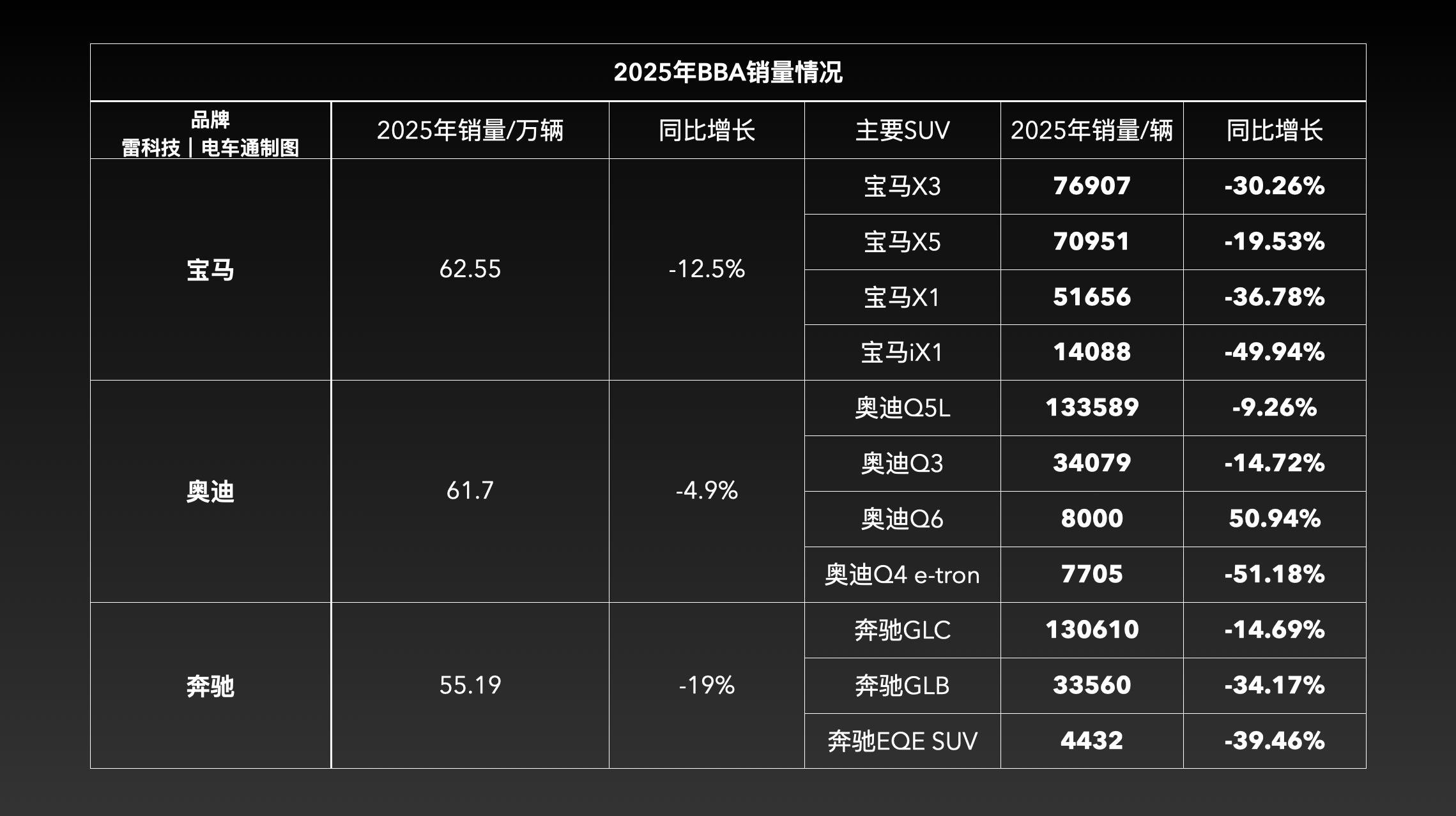
Core Insights - BBA (Benz, BMW, Audi) has experienced a significant decline in sales, with a total drop of 260,000 units in one year, highlighting the fading prestige of traditional luxury brands in the expanding luxury car market [1][21] - The focus for BBA in 2026 is shifting from expansion to stabilizing prices and market share due to increased competition and changing consumer preferences [1][33] Group 1: Sales Performance - In 2025, BBA faced a challenging year with notable declines in the Chinese market: Mercedes-Benz sold 552,000 units (down 19%), BMW 626,000 units (down 12.5%), and Audi 617,000 units (down 4.9%) [2][22] - Global sales for BMW reached 2.464 million units (up 0.5%), while Mercedes-Benz's global sales fell to approximately 1.8 million units (down 9%) and Audi's to 1.6236 million units (down 2.9%) [2][22] - BBA's profits were severely impacted in the first half of 2025, with Mercedes-Benz's net profit down 55.8%, Audi's down 37.5%, and BMW's down 29% [2][22] Group 2: Market Dynamics - The luxury car market is undergoing a transformation, with BBA struggling to keep pace with the rapid growth of the Chinese electric vehicle market, which saw penetration rates rise from under 10% in 2020 to 54% in 2025 [7][26] - BBA's market share in the luxury segment has decreased from a peak of 70% to around 35%, as new energy luxury car sales surged from 220,000 units to 2.88 million units from 2020 to 2024 [9][28] Group 3: Competitive Landscape - Domestic high-end brands like AITO and Li Auto are gaining traction, with AITO selling over 420,000 units in 2025, directly challenging BBA's core models [6][25] - New entrants in the luxury market are expected to capture nearly 60% of the high-end market share by 2025, indicating a significant shift in consumer preferences [6][25] Group 4: Strategic Adjustments - BBA is adjusting its strategies to focus on stabilizing prices and maintaining market share, with experts predicting a more competitive landscape in 2026 [14][33] - The introduction of new models based on advanced platforms is planned for 2026, with BBA aiming to enhance its competitiveness through localized development and technological partnerships [19][39]

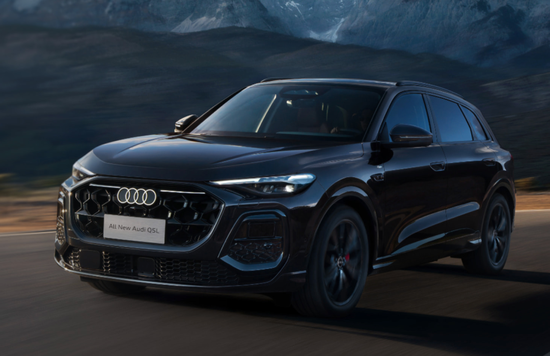
36品牌、100+车型,2026年重庆市第一批新能源汽车下乡活动首站在万州启幕
Zhong Guo Qi Che Bao Wang· 2026-01-24 03:12
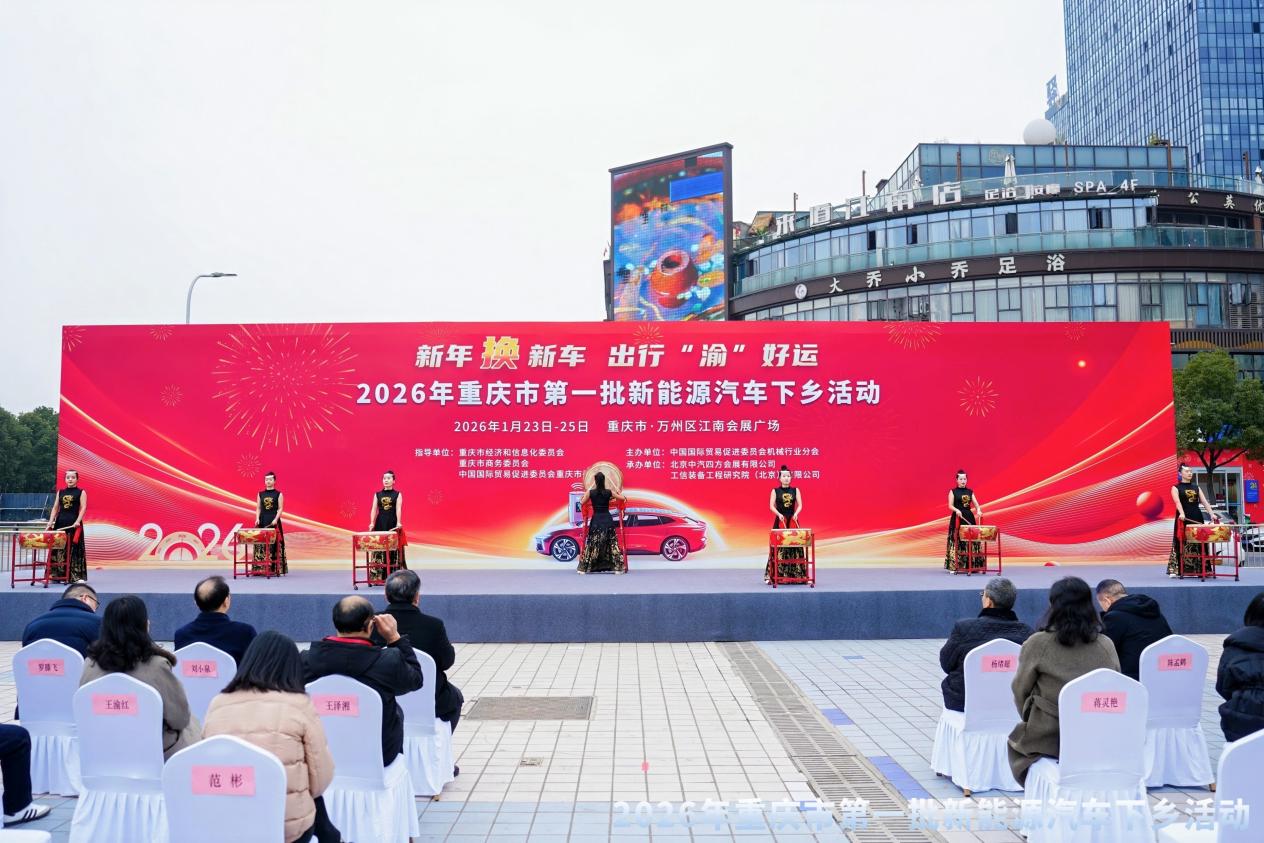
为深入贯彻落实《新能源汽车产业发展规划(2021—2035年)》和国家相关部委关于推动新能源汽车下乡的决策部署,加快补齐农村地区新能源汽车消 费短板,持续优化新能源汽车使用环境,加速构建绿色低碳、智能安全的居民出行体系,1月23日上午,2026年重庆市第一批新能源汽车下乡活动(万州 区)启动仪式在万州区江南会展广场举行。 中国国际贸易促进委员会机械行业分会会长周卫东,重庆市贸促会党组成员、副会长杨绪超,万州区人民政府副区长刘小泉、重庆市商务委员会一级调 研员陈孟鹤、重庆市经济和信息化委员会汽车工业处副处长罗滕飞、重庆市贸促会贸易促进部四级调研员蒋灵艳,万州区商务委党委书记、主任雷蕾,万州 区经济和信息化委员会副主任任涛,万州区文化旅游委党委委员、副主任王超,中国国际贸易促进委员会机械行业分会副秘书长、北京中汽四方会展有限公 司总经理刘成芳,工信装备工程研究院(北京)有限公司执行董事兼总经理李方正、中国汽车流通协会售后零部件分会副理事长兼秘书长李彤梅、中国汽车流 通协会售后零部件分会副秘书长周波、重庆市汽车文旅专委会主任叶川,湖南日报报业集团银龄事业群总经理、湖南工商大学客座教授王泽湘,华声在线股 份有限公司教 ...
国产“卷王”围堵BBA:问界M9L、蔚来ES9王炸升级,新旧势力迎来终极对决
3 6 Ke· 2026-01-23 07:37
Core Viewpoint - The luxury SUV market in China is experiencing a significant shift, with traditional brands like BBA (BMW, Benz, Audi) facing declining sales due to the rise of domestic new energy vehicle manufacturers [1][17]. Group 1: Sales Performance - BBA's combined sales in China have dropped significantly, with Mercedes-Benz's sales falling to 551,900 units, marking a 12% decrease [2][1]. - In the high-end SUV segment, traditional models like Audi Q5L, Mercedes-Benz GLC, and BMW X3/X5 have seen substantial declines, while new entrants like Xiaomi YU7 and AITO M8 are gaining traction [2][1]. Group 2: Competitive Landscape - The competition in the high-end SUV market has intensified, with new players leveraging technology and consumer insights to capture market share from BBA [18][21]. - The market dynamics are shifting towards a focus on practical luxury and value, as consumers are less willing to pay for brand prestige alone [17][21]. Group 3: Product Innovations - New models such as the Ideal L9 and AITO M9 are set to challenge BBA's dominance, with significant upgrades in technology and features aimed at enhancing user experience [5][9]. - Upcoming models like the Zeekr 8X and Lido L80 are expected to offer competitive pricing and features, appealing to a broader consumer base [10][13]. Group 4: Market Trends - The high-end SUV market is witnessing a transformation where the focus is shifting from brand loyalty to practical benefits and technological advancements [17][20]. - Future competition will likely center around the ability to deliver practical technology and user-friendly features rather than just high specifications [22][21].


理想下了“死命令”,势必拿回属于自己的一切
3 6 Ke· 2026-01-22 10:08
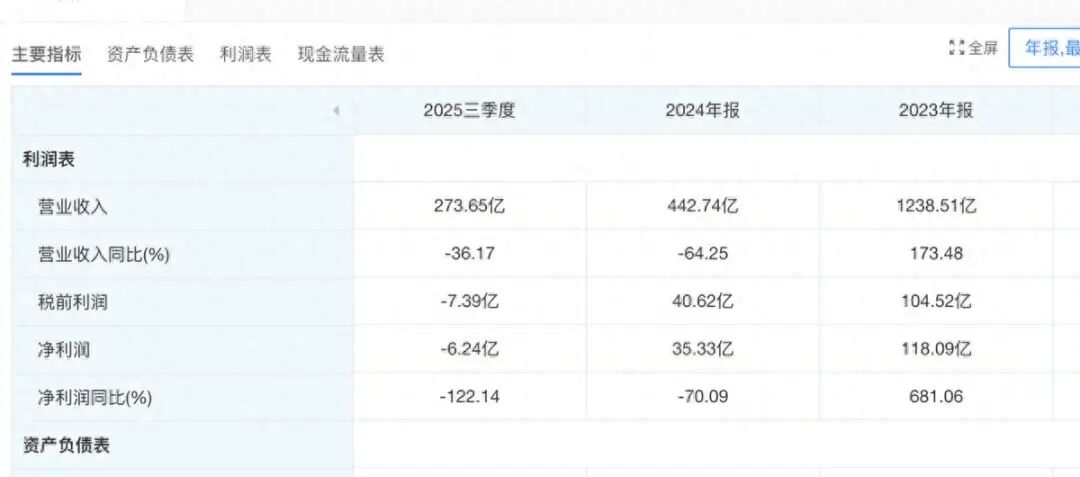
Core Viewpoint - Li Auto has established its strategic focus for 2026, aiming to regain its leading position in the range-extended vehicle segment [1] Group 1: Product Strategy - The company has issued a strict internal directive that its self-developed smart driving chip M100 must debut in the L9 model to ensure successful implementation [2] - The new L9 model is expected to feature significant enhancements, including a revamped exterior and interior design, with an anticipated increase in vehicle dimensions [4] - The L9 will incorporate a large front display and improved software interactivity, alongside a battery pack exceeding 70 kWh, aiming for a pure electric range of over 400 km, a notable increase from the current 280 km [5][6] Group 2: Market Performance - In 2024, Li Auto was the top seller among new energy vehicle manufacturers, with cumulative deliveries of 500,500 units, reflecting a year-on-year growth of 33.1% [8] - However, in 2025, sales dropped to 406,300 units, marking an 18.81% decline, leading to a shift from profitability to losses [9][10] - In Q3 2025, Li Auto reported revenues of 27.4 billion yuan, a 36.2% year-on-year decrease, with a net loss of 624 million yuan [11] Group 3: Competitive Landscape - The decline in sales is attributed to Li Auto's struggle to establish itself in the range-extended segment while facing strong competition from rivals like Tesla and others in the pure electric market [13][15] - The competitive landscape has intensified, with more manufacturers entering the range-extended segment, leading to increased pressure on Li Auto [13][15] - The company aims to reclaim its position in the market by reallocating resources to the L9 model, signaling a renewed focus on range-extended vehicles [15][16] Group 4: Industry Trends - The range-extended vehicle segment has seen explosive growth over the past four years, with market size reaching 1.075 million units in 2024, but has faced a downturn in 2025, with only a 2.1% year-on-year increase in sales [18][19] - As of October 2025, sales of range-extended vehicles have declined by 11.6% year-on-year, with market share dropping to 8.57% [20] - The future of range-extended vehicles is uncertain, as advancements in pure electric battery technology continue to improve range and charging speed [21][31]
从第一台到第100万台,ES8为蔚来兜住了底
Tai Mei Ti A P P· 2026-01-20 12:25
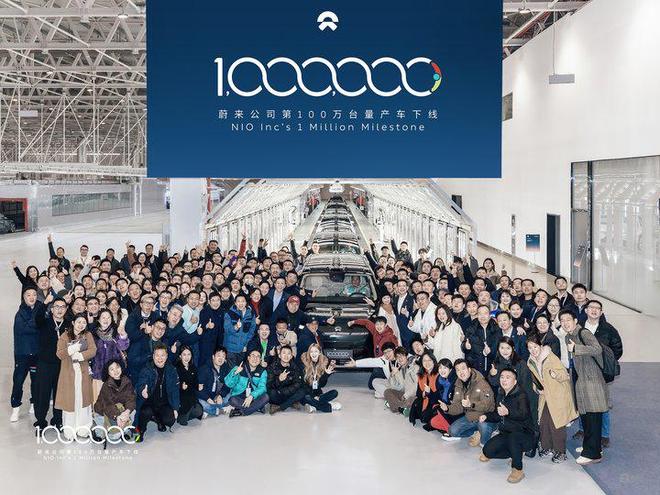
Core Insights - NIO has achieved a significant milestone by producing its one millionth vehicle, specifically the ES8, which symbolizes a turning point for the company and the electric vehicle market [2][3] - The ES8 has set new sales records in the high-end SUV segment, demonstrating a shift in consumer preferences from traditional luxury brands to electric vehicles [4][6] Group 1: Sales Performance - The new ES8 delivered 50,000 units within 120 days, achieving a monthly retail sales record of 22,258 units, surpassing previous records for vehicles priced over 400,000 yuan [3][4] - NIO's one million vehicles sold have an average price exceeding 300,000 yuan, indicating a strong brand premium compared to competitors who often rely on lower-priced models to reach similar sales figures [3][4] Group 2: Market Dynamics - A notable 62.4% of new ES8 orders come from customers replacing traditional luxury fuel vehicles, indicating a shift in consumer behavior towards electric vehicles [6] - The transition from fuel vehicles to electric vehicles is gaining momentum, with the market for large electric SUVs expected to grow significantly [7][8] Group 3: Competitive Landscape - NIO's success with the ES8 is causing traditional luxury brands, such as BMW and Mercedes-Benz, to reassess their market positions as they face increased competition from electric vehicles [6][12] - The company maintains a premium pricing strategy, which allows it to avoid engaging in price wars while still achieving high sales volumes [6][12] Group 4: Future Outlook - NIO aims to achieve a growth rate of 40% to 50% annually in the coming years, despite the challenges of maintaining brand loyalty and addressing consumer price sensitivity [14] - The company is under pressure to achieve profitability by 2026, as it navigates a complex multi-brand strategy and seeks to solidify its position in the high-end market [12][14][15]
奔驰宝马,销量目标退回十年前
3 6 Ke· 2026-01-20 03:32
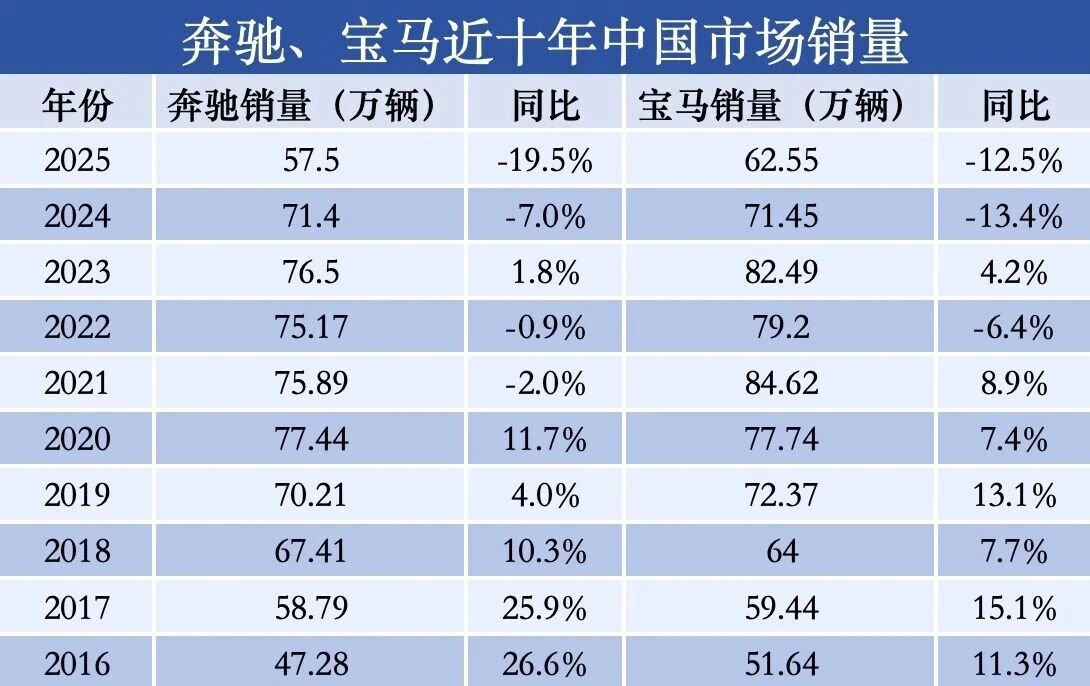
Core Insights - Mercedes-Benz and BMW are projected to have annual sales in China below 500,000 units by 2026, a level comparable to their sales in 2016 [2] - Both companies are experiencing a decline in sales for the second consecutive year, with Mercedes-Benz expected to sell 551,900 units in 2025, down 19%, and BMW 625,500 units, down 12.5% [2] - The competitive landscape is shifting, with domestic electric vehicle brands increasingly encroaching on the luxury segment, affecting traditional luxury brands [2][4] Sales Performance - Mercedes-Benz and BMW's sales in China have fluctuated over the past decade, with a notable decline in recent years [1] - In 2023, Mercedes-Benz sold 765,000 units, a slight increase of 1.8%, while BMW sold 824,900 units, up 4.2% [1] - The sales figures for 2025 indicate a significant drop compared to previous years, highlighting a concerning trend for both brands [2] Market Dynamics - The Chinese luxury car market is witnessing a resurgence in domestic brands, with several setting ambitious sales targets for 2026, such as Aito aiming for 500,000 units and Xpeng targeting 550,000 to 600,000 units [4] - The overall passenger car market in China is projected to reach 24.065 million units in 2025, reflecting a recovery from previous years [4] Strategic Initiatives - Mercedes-Benz plans to launch over 15 new models in 2026, focusing on both traditional and electric vehicles, while also enhancing collaborations with local tech companies [4][6] - BMW aims to introduce around 20 new products, including the iX3 long-wheelbase model, leveraging new electric platforms and advanced technologies [6] - Both companies face challenges in adapting to the rapidly changing market, as new domestic competitors continuously innovate [6]
小米打破24小时耐力赛纪录!尚界Z7官图发布!奇瑞发布AI战略!保时捷2025全球交付27.94万辆,下滑10%!丨一周大事件
电动车公社· 2026-01-19 16:05
New Car Launches - Aito M7 extended range version launched with a price range of 299,800 to 319,800 yuan, featuring a single motor with 227 kW and a CLTC range of 327 km, improving from 315 km [1][3][5] - The new Arcfox Kaola S launched with a price range of 99,800 to 119,800 yuan, offering an 8-year or 150,000 km battery warranty and a CLTC range of 520 km [1][5][11] - Wuling Star 560 launched with plug-in hybrid and pure electric versions priced at 91,800 and 98,800 yuan respectively, featuring a design inspired by the Hongguang X concept car [1][13][17] - Leado L60 "Ma Dao Cheng Gong" version launched at 218,900 yuan, maintaining similar design and features to existing models [1][21][23] Company Developments - Lantu Motors signed a strategic cooperation agreement with Yiwang to enhance collaboration in smart driving and marketing [1][28][30] - BAIC New Energy announced L3 and L4 strategic achievements, with the Alpha S (L3 version) starting trial operations in designated areas [1][32][34] - Tesla will shift its Full Self-Driving (FSD) to a subscription model starting February 14, 2024, with current buyout prices at 8,000 USD in the US and 64,000 yuan in China [1][37][38] - Honda announced a new logo for its electric and hybrid vehicles, set to be applied to future models [1][39][40] - Great Wall Motors launched the "Guiyuan" AI platform, compatible with multiple powertrains, aiming to reduce production costs and meet diverse market needs [1][41][45] - Chery unveiled its AI strategy, focusing on making advanced driving features accessible in lower-priced models [1][46][48] Industry News - The Ministry of Industry and Information Technology outlined key tasks for the 2026 new energy vehicle sector, emphasizing technology development and market regulation [1][59][62] - Porsche's global deliveries in 2025 reached 279,449 units, a 10% decline, with significant drops in the Chinese market [1][55][56][58] - The new Xiaomi SU7 set a record in a 24-hour endurance race, covering 4,264 km, showcasing advancements in electric vehicle technology [1][49][51][54]



合资车企在华将迎来电动化“背水一战”
Zhong Guo Qi Che Bao Wang· 2026-01-19 00:35
Group 1 - The core viewpoint of the article highlights the significant challenges faced by multinational automotive companies in the Chinese electric vehicle (EV) market, with a notable decline in sales and market share [3][4]. - In 2025, Volkswagen's sales in China dropped to 2.69 million units, a decrease of 8% year-on-year, with only 116,900 units being electric vehicles [3]. - BMW's sales in China fell by 12.5% to 625,500 units, while Mercedes-Benz experienced a 19% decline, selling only 575,000 units [3]. - Chinese domestic brands have captured nearly 70% of the passenger car market share, with a retail penetration rate of 53.9% for new energy vehicles [4]. Group 2 - The year 2026 is viewed as a critical turning point for multinational car manufacturers, with intensified product strategies aimed at regaining market share in China [5][6]. - Volkswagen plans to launch over 20 new energy models in 2026, marking it as a year for accelerated delivery of new energy products [6]. - BMW aims to introduce around 20 new products across all powertrain types, leveraging a new generation platform [6]. - Audi and other manufacturers are focusing on localizing R&D and product offerings to better meet Chinese consumer demands [6]. Group 3 - Multinational companies still hold significant advantages in brand recognition, craftsmanship, and global service systems, particularly in the high-end electric vehicle market [8]. - The transition from traditional fuel vehicle users to electric vehicle buyers is a key challenge for these companies, necessitating effective strategies to convert brand loyalty into electric vehicle sales [9]. - Companies are encouraged to innovate in battery technology and smart driving features to differentiate themselves in the competitive landscape [9].