顺丰

Search documents
低空经济的先行赛道,重塑物流业新格局的低空物流
Wind万得· 2025-03-27 23:09
Core Viewpoint - The article emphasizes the rapid development and potential of low-altitude logistics, particularly through the use of drones, as a significant trend in the logistics industry, driven by technological advancements, policy support, and increasing market demand [3][4][6]. Group 1: Definition and Classification of Low-altitude Logistics - Low-altitude logistics refers to the innovative logistics model utilizing drones and other aircraft for delivery operations in low-altitude areas, characterized by rapid response, efficient operation, flexible scheduling, and significant cost savings [4][5]. - The classification of low-altitude logistics includes: - Drone logistics for short-distance, small-item delivery - eVTOL logistics for medium to long-distance, larger-item transportation - Urban and rural logistics connecting cities and villages - Special scenario logistics for remote areas [5][6]. Group 2: Market Size and Growth - The low-altitude logistics market in China is projected to grow from approximately 15.775 billion yuan in 2023 to an estimated 33.047 billion yuan in 2024, representing a year-on-year growth of 109.5% [6]. - By 2029, the market size is expected to exceed 190 billion yuan, with a compound annual growth rate (CAGR) of over 40% [6][7]. Group 3: Regional Distribution Characteristics - The low-altitude logistics industry is concentrated in economically developed regions such as the Pearl River Delta and Yangtze River Delta, which account for about 70% of the industry chain enterprises [9][10]. - The Sichuan-Chongqing region shows significant potential for development due to its complex terrain and strong demand for low-altitude logistics [10]. - Other regions are gradually establishing low-altitude logistics industries, with expectations for broader application as technology matures and policies improve [10]. Group 4: Competitive Landscape - The competitive landscape of the low-altitude logistics industry is diverse, with major players including logistics companies like SF Express, JD.com, and Meituan, which leverage technology and capital advantages [11][12]. - The first tier of competitors has established strong brand influence and market share, while new entrants must find differentiated competitive advantages in technology and operational models [12]. Group 5: Future Development Trends - Future trends in low-altitude logistics include: - Continuous technological innovation, enhancing drone and eVTOL capabilities [13]. - Optimization of airspace management technologies to improve resource utilization and safety [13]. - Deep integration with e-commerce and express delivery sectors to create efficient logistics systems [14]. - Strengthening infrastructure development and collaboration between academia and industry [14][15]. - Increased investment activities in the low-altitude logistics sector, indicating growing investor confidence [15].


净利连跌4年,市值缩水6000亿,金龙鱼还能翻身吗?
Quan Jing Wang· 2025-03-27 11:46
Core Viewpoint - The company Jinlongyu, a leading player in China's grain and oil market, has reported a decline in both revenue and net profit for the second consecutive year, indicating ongoing challenges in its business model of "low profit, high sales" [1][2]. Financial Performance - In the 2024 fiscal year, Jinlongyu achieved a revenue of 238.87 billion yuan, a decrease of 5.03% year-on-year, and a net profit attributable to shareholders of 2.50 billion yuan, down 12.14% year-on-year [2][3]. - The company's net profit has declined for four consecutive years, dropping from 6.00 billion yuan in its first year post-IPO to 2.50 billion yuan in 2024, representing a cumulative decline of over 58% [3][4]. Business Model and Challenges - Jinlongyu's low gross margin, which fell from a peak of 12.33% in 2020 to just 5.35% in 2024, has been a significant barrier to entry for potential competitors [4][5]. - The company faces high raw material costs, with direct material costs accounting for approximately 90% of operating costs over the past three years, limiting profit margins [5][6]. Diversification Efforts - To address stagnation in its core business, Jinlongyu is exploring new avenues such as central kitchens, soy sauce, vinegar, and plant-based meat products, although these ventures have yet to yield significant revenue [6][7]. - The central kitchen initiative, focusing on pre-prepared meals, has seen the establishment of 25 factories, but the business is still in its early stages and faces intense competition [7][8]. Food Safety Issues - Jinlongyu has encountered multiple food safety incidents, including allegations of improper handling of cooking oil and product quality issues, leading to a decline in consumer trust [9][10]. - The company has faced over a thousand complaints related to product quality and authenticity, further complicating its recovery efforts [10][11]. Overall Assessment - The combination of pressure on core business, weak performance in diversification efforts, and recurring food safety issues presents significant challenges for Jinlongyu as it seeks to recover from declining profits and market value [11].


效率飙升52%,企业逆向快递物流战场降本增效藏着什么秘密
Zhong Guo Chan Ye Jing Ji Xin Xi Wang· 2025-03-26 07:26
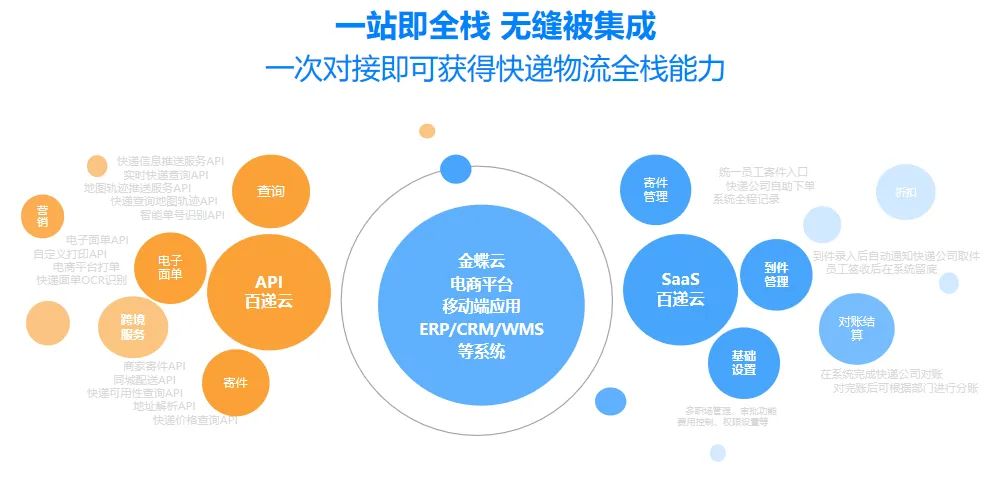
Core Insights - The article emphasizes the importance of reverse logistics in enhancing cost efficiency and operational effectiveness for businesses in the context of digital transformation and e-commerce growth [1][15] - Reverse logistics is defined as the process of moving goods from their final destination back to the manufacturer or distributor for the purpose of recapturing value or proper disposal [1] Industry Overview - The Chinese government's draft decision on amending the "Interim Regulations on Express Delivery" aims to promote green packaging and sustainable practices in logistics [1] - Reverse logistics costs are projected to account for 15%-20% of total logistics costs for enterprises by 2024, directly impacting economic efficiency and sustainability [1] Challenges in Reverse Logistics - The article identifies three core pain points in reverse logistics: 1. Difficulty in selecting cross-regional service providers and controlling costs due to dispersed return locations and high single-return costs [5] 2. Inefficiencies in time prediction and resource scheduling, leading to increased management costs and operational risks [6] 3. Issues with logistics information isolation and accountability, resulting in challenges in tracking and managing returns [7] Solutions Offered - The "Baidiyun Enterprise Express Management SaaS" integrates SaaS, API, and internal systems to provide a comprehensive solution for reverse logistics, enhancing efficiency by 52% [3][8] - The solution includes features such as intelligent scheduling, real-time tracking, and automated cost calculations, enabling businesses to transition from passive to proactive management [8][13] Technological Integration - The "Baidiyun API Open Platform" connects over 2,100 courier companies, allowing for nationwide coverage and cost control in reverse logistics [9] - The system supports various return methods, enabling consumers to return items through multiple channels while allowing businesses to monitor logistics in real-time [11] Conclusion - Reverse logistics is not only a cost management challenge but also a critical aspect of customer experience and brand reputation [15]
极兔速递-W(01519):深度研究报告:全球化综合物流服务商,三大市场解析公司盈利路径
Huachuang Securities· 2025-03-25 09:19
Investment Rating - The report assigns an initial recommendation of "Buy" for J&T Express (01519.HK) with a target price of HKD 7.69, representing a potential upside of 36% from the current price of HKD 5.64 [2]. Core Insights - J&T Express is a global integrated logistics service provider that achieved adjusted profitability in 2024, with a net profit of USD 200 million and an adjusted net profit margin of 2.0%. This marks a significant turnaround from a loss of USD 430 million in 2023 [5][34]. - The company operates in three major markets: Southeast Asia, China, and new markets, with Southeast Asia being the primary profit contributor, while the Chinese market shows rapid improvement in profitability [5][50]. Summary by Sections Company Overview - Founded in 2015, J&T Express has rapidly expanded its logistics network across 13 countries, including Southeast Asia and China, utilizing a flexible regional agency model that enhances operational efficiency and reduces capital requirements [17][31]. Financial Performance - In 2024, J&T Express reported total revenue of USD 10.26 billion, a year-on-year increase of 15.9%, with a compound annual growth rate (CAGR) of 60.8% from 2020 to 2024. The adjusted EBITDA reached USD 780 million, reflecting a 431% increase year-on-year [6][35]. - The company achieved adjusted EBIT of USD 300 million in 2024, marking its first annual profit, with a significant improvement in cash flow from operations, which rose to USD 810 million [37][38]. Market Analysis China Market - J&T Express has established a strong presence in China, achieving a market share of 11.3% with a total volume of 19.8 billion parcels in 2024. The company’s revenue in China reached USD 6.39 billion, growing by 22.2% year-on-year [25][34]. - The growth in the Chinese market is attributed to strategic acquisitions and partnerships, particularly with Pinduoduo, which provided a substantial volume of business during its initial expansion [62][68]. Southeast Asia Market - The Southeast Asian market remains the core profit driver for J&T Express, with a market share of 28.6% and a total parcel volume of 4.56 billion in 2024. Revenue from this region was USD 3.22 billion, up 22.3% year-on-year [9][23]. - The company has maintained its leading position in Southeast Asia since 2020, benefiting from strong economic growth and a favorable demographic profile [9][50]. New Markets - J&T Express is expanding into new markets, including the UAE, Saudi Arabia, Brazil, Mexico, and Egypt, where it has achieved a market share of 6.1% with a parcel volume of 280 million in 2024. Revenue from these markets was USD 580 million, reflecting a year-on-year growth of 76.1% [10][26]. Profitability and Valuation - The report forecasts J&T Express's net profits for 2025-2027 to be USD 333 million, USD 538 million, and USD 761 million, respectively, with corresponding earnings per share (EPS) of USD 0.04, USD 0.06, and USD 0.08 [11][12]. - The valuation is based on a segmented approach, considering the differences in market dynamics and profitability across the three regions, leading to a target market capitalization of HKD 69 billion by 2025 [12][12].
2025夏秋时刻表点评:时刻同比负增,冗余供给“挤水分”
Changjiang Securities· 2025-03-18 01:24
Investment Rating - The report maintains a "Positive" investment rating for the transportation industry [8] Core Insights - The 2025 summer and autumn flight schedule shows a year-on-year decline in flight slots, indicating a tightening supply and a reduction in redundant slots [3][12] - Domestic passenger traffic shows a slight increase, while prices continue to decline at a slower rate [4][42] - Oil shipping has seen a slight rebound, while bulk shipping continues to rise [5] - The logistics sector reports a year-on-year increase in bulk transportation prices, although coal transport volumes have weakened [6] Summary by Sections Flight Schedule Analysis - The Civil Aviation Administration of China has released the 2025 summer and autumn flight schedule, indicating a 3.3% year-on-year decline in weekly passenger flights compared to the summer of 2024 [3][12] - The report highlights that the increase in flight slots from previous airport capacity expansions is coming to an end, leading to tighter control over capacity release [3][12] Passenger Transport - As of March 15, 2025, the seven-day moving average for domestic flight volume shows no change year-on-year, while passenger volume has increased by 3% [4] - International flight volume has increased by 21%, and international passenger volume has risen by 24% compared to 2024 [4] - Domestic ticket prices have decreased by 11% year-on-year, with a current average price of 560 yuan [4][38] Shipping Sector - Oil shipping rates have increased by 3.1% to 35,000 USD per day, driven by tightening sanctions on Iran and increased demand for compliant oil transport [5] - The shipping container index has dropped by 8.1% to 1,319 points, indicating ongoing challenges in the container shipping market [5] - The Baltic Dry Index (BDI) has risen by 19.2% to 1,669, supported by increased shipments of bauxite and other bulk commodities [5] Logistics Overview - The total express delivery volume for the week of March 3-9, 2025, reached approximately 3.885 billion items, a year-on-year increase of 24.2% [6] - The national average price for bulk commodity road transport has risen by 4.2% month-on-month and 3.2% year-on-year [6] - Recommendations include focusing on companies with stable performance and high dividend ratios, such as SF Express [6]
招商交通运输行业周报:持续关注红利资产配置,航运干散货运价修复明显-2025-03-16
CMS· 2025-03-16 07:31
Investment Rating - The report maintains a "Recommended" rating for the transportation industry, indicating a positive outlook for the sector's fundamentals and expected performance relative to the benchmark index [4]. Core Insights - The shipping sector is experiencing a significant recovery in dry bulk freight rates, with increased demand for iron ore and coal, while oil shipping is seeing a rise in geopolitical risk premiums due to ongoing sanctions [8][12][14]. - Infrastructure assets remain attractive for investment, particularly in the context of a long-term interest rate decline, with H-shares offering a dividend yield above 6% [16]. - The express delivery industry is projected to maintain double-digit growth in volume, driven by increasing online shopping frequency and the rise of live-streaming e-commerce platforms [18]. - The airline industry is in a post-pandemic recovery phase, with demand expected to grow due to economic stimulus policies, while supply remains constrained due to global supply chain issues [20]. Shipping Sector Summary - Dry bulk freight rates are on the rise, with the Baltic Dry Index (BDI) increasing by 19.2% this week, driven by higher demand for iron ore and coal [29]. - Oil shipping rates are also improving, with VLCC rates reaching $39,000 per day, up 3% this week [31]. - The container shipping market is seeing a decline in rates, with SCFI indices dropping significantly across major routes [23]. Infrastructure Sector Summary - Road passenger traffic in November 2024 was 990 million, a year-on-year increase of 1.8%, while rail passenger turnover increased by 17.6% in January 2025 [15][33]. - The report highlights the potential for improved performance in the infrastructure sector as domestic demand stabilizes [16]. Express Delivery Sector Summary - The express delivery volume for January-February 2025 reached 28.48 billion pieces, a year-on-year increase of 22.4%, with revenue growing by 11.2% [17][36]. - The concentration index (CR8) for the express delivery market is at 87.1, indicating a stable competitive landscape [17]. Airline Sector Summary - Domestic air ticket prices have decreased by 4% week-on-week, while passenger volume has increased by 3% [19][42]. - The airline industry is expected to see a recovery in profitability as supply-demand dynamics improve in 2025-2026 [20]. Logistics Sector Summary - Cross-border air freight prices have decreased by 2.1% week-on-week, while the average short-haul freight rate remains stable at approximately 60 yuan per ton [21][48]. - The logistics sector is closely monitoring the impact of U.S.-China tariff policies on the supply chain [21].
1300亿,湖南妹子要去IPO了
投资界· 2025-03-15 07:08
以下文章来源于天天IPO ,作者周佳丽 天天IPO . 投资界(PEdaily.cn)旗下,专注IPO动态 赴港上市潮。 作者 I 周佳丽 报道 I 投资界PEdaily 又一个超级IPO要来了。 投资界-天天IPO获悉,蓝思科技本周发布公告称,拟发行境外上市外资股(H股)股票, 并申请在香港联交所主板挂牌上市。这意味着,已在A股上市、最新市值超1 3 0 0亿元 的"果链"龙头正式赴港IPO。 总部落于湖南长沙,蓝思科技背后站着一位女湘商——周群飞。1 9 70年出生的她,凭借 一片玻璃书写创业逆袭的传奇,从普通打工妹成功蜕变成执掌千亿市值的"玻璃女王"。 现在,她要带领蓝思科技去港股IPO敲钟了。此时正值中国资产重估之际,年初以来港股 强势反弹,盛况久违。 "我的创业历程,就是一部心酸血泪史。"周群飞曾这样总结自己的创业生涯。 1 9 7 0年出生在湖南湘乡一个贫困家庭,为了生计,周群飞十几岁便辍学打工。那个年 代,一批湖南人南下深圳闯荡,周群飞便是其中一员,成为一名流水线女工。打工之余, 她还在深圳大学参加技能培训班,还学会了说粤语。 人生的转折点发生在1 99 0年,周群飞所在的玻璃厂扩建,但因为时任 ...
投资中国蓝天新机遇——应用运营篇
2025-03-09 13:19
Summary of Key Points from the Conference Call Industry Overview - The conference call discusses the **low-altitude economy** in China, focusing on various applications of drones and eVTOL (electric Vertical Take-Off and Landing) technology across different sectors [2][3][22]. Core Insights and Arguments - **Low-altitude Economic Applications**: - Drones are widely used in logistics, agriculture, and emergency services, with significant growth expected in these areas [2][4][5][6]. - The market for agricultural drones is projected to grow from **13 billion yuan** in 2021 to **25 billion yuan** by 2026, with a compound annual growth rate (CAGR) of **14%** [4]. - **Logistics and Delivery**: - Major companies like Meituan, Amazon, and SF Express are actively integrating drone delivery into their operations, with **77 new routes** established in Shenzhen alone [2][7]. - The cost of drone delivery is estimated at **1.14 yuan** per item, which is expected to decrease with advancements in battery technology [7]. - The overall logistics market for drones is anticipated to reach **200 billion yuan** by 2030, with a projected penetration rate of **15%** for drone logistics [9]. - **Urban Air Mobility**: - eVTOL technology is expected to revolutionize urban transportation, initially focusing on tourism and medical services, with potential for broader commuter applications in the future [2][15][17]. - The revenue potential from converting just **1%** of airport passenger traffic to low-altitude transport could reach **200 million yuan** annually [17]. - **Traditional Aviation Sector**: - Traditional aviation companies face financial challenges, with **60%** of them operating at a loss. The introduction of eVTOL could improve their financial models significantly [19]. - Current operational costs for helicopters are around **30,000 to 40,000 yuan** per hour, while eVTOL is expected to reduce this to **15,000 yuan** initially [19]. Additional Important Insights - **Market Dynamics**: - The express delivery market in China has seen a rise in volume, with **13.6 billion** same-city deliveries and **115.4 billion** intercity deliveries in 2023, but the average price per delivery has decreased from **12.4 yuan** in 2017 to **9.1 yuan** in 2023 [8]. - **Key Players**: - Major participants in the drone logistics sector include **Aerospace Electronics**, **Platinum Airlines**, and **Korean Air**, with collaborations between logistics companies and drone manufacturers [10][11]. - **Infrastructure Development**: - The establishment of **1,200 take-off and landing points** in Shenzhen is underway to support drone operations, indicating a significant investment in infrastructure [14]. - **Regulatory Environment**: - The Civil Aviation Administration of China has set regulations for drone operations, requiring pilots to hold specific training certificates for various drone categories [12][18]. - **Investment Opportunities**: - The call suggests focusing on companies involved in air traffic management infrastructure, drone logistics, and eVTOL technology, highlighting firms like **Deep City Transportation**, **Aerospace Electronics**, and **EHang Intelligent** as potential investment targets [22]. This summary encapsulates the key points discussed in the conference call, providing insights into the current state and future potential of the low-altitude economy in China.
申万宏源全行业联合 2025年两会政府工作报告解读
2025-03-06 05:18
Summary of Key Points from the Conference Call Industry or Company Involved - The conference call primarily discusses the Chinese economy and various sectors influenced by the 2025 government work report, including technology, capital markets, real estate, and consumer sectors. Core Points and Arguments 1. **Economic Development Focus**: The government emphasizes expanding domestic demand, boosting consumption, promoting technological innovation, and supporting the development of the private economy. Consumption is highlighted as a key component of domestic demand policies [3][4][5] 2. **Capital Market Development**: The report stresses the importance of stabilizing the real estate and stock markets, with monetary policy support and capital market reforms being crucial. The management aims to create a favorable environment for the capital market [3][6][8] 3. **Investment Opportunities**: Key investment opportunities for the upcoming year are identified in technology sectors, particularly in AI computing, humanoid robots, and low-altitude economy. High-dividend sectors are also expected to see trends as recovery expectations grow [3][10] 4. **Monetary and Fiscal Policy**: The report indicates a shift towards moderately loose monetary policy and more proactive fiscal policy, with a focus on the supply of government bonds and local government debt [3][11] 5. **Real Estate Sector Outlook**: The government maintains a positive stance on the real estate sector, emphasizing the need for stable housing prices to support consumption. Specific measures include potential interest rate cuts and easing purchase restrictions in first-tier cities [3][14] 6. **Technological Innovation Initiatives**: The government outlines new initiatives in technological innovation, including advancements in AI, 6G technology, and smart devices, positioning these as core drivers of high-quality development [3][5] 7. **Consumer Electronics and Emerging Industries**: The report highlights the importance of consumer electronics, with government subsidies for products like smartphones and AR/VR devices, which will stimulate market demand [3][24] 8. **Cultural Industry Growth**: The cultural industry is seen as having significant growth potential, with support for the application of large models and the opening of the internet and cultural sectors to promote international trade [3][22] 9. **Food and Beverage Sector**: The food and beverage sector is expected to recover as the economy stabilizes, with a focus on national brands and regional leaders in the market [3][41][42] Other Important but Possibly Overlooked Content 1. **Debt Management**: The government acknowledges the need to address debt issues within the development framework, particularly concerning private enterprises [3][4] 2. **Transportation and Logistics**: The report emphasizes the need for innovation in transportation and logistics to enhance efficiency and reduce costs, particularly in cold chain and cross-border logistics [3][27][28] 3. **Green Transition**: The government is committed to promoting a green and low-carbon transition in transportation, integrating new technologies to improve operational efficiency [3][29] 4. **Banking Sector Support**: The report indicates the necessity of injecting capital into state-owned banks to support the real economy, with a projected issuance of special bonds to bolster bank capital [3][43][44] 5. **Non-Bank Financial Sector**: The focus is on comprehensive reform in the non-bank financial sector, promoting long-term capital inflows and addressing risks in smaller financial institutions [3][45] 6. **Construction Industry Trends**: The construction industry is expected to shift towards maintaining and renovating existing structures, with an emphasis on overseas expansion to compensate for domestic market saturation [3][58] This summary encapsulates the key insights and implications from the conference call, providing a comprehensive overview of the government's economic strategies and their potential impact on various sectors.
连发四份AI文件!深圳,急了!
城市财经· 2025-03-05 03:39
Core Viewpoint - Shenzhen is taking significant actions to maintain its position as the leading city in artificial intelligence (AI) development in response to the rising competition from Hangzhou and other cities [2][4][10]. Actions Taken by Shenzhen - The free accommodation period for university graduates seeking jobs in Shenzhen has been extended from 7 days to 15 days [2]. - A "Disruptive Technology Innovation Center" has been established [2]. - Shenzhen plans to set up a 10 billion yuan AI and robotics industry fund and implement new policies to support "gazelle" and "unicorn" enterprises [2][10]. - A total of 4 documents were released on March 3, outlining plans for AI development [2][3]. AI Development Plans - Shenzhen has released four key action plans for AI development, targeting the growth of the AI terminal industry and the establishment of a leading AI city by 2026 [3][10]. - The plans aim to expand the AI terminal industry scale to over 800 billion yuan and produce more than 150 million AI terminal products by 2026 [10]. - The city aims to cultivate at least 10 phenomenon-level AI terminal enterprises, similar to Yushutech [10][11]. Historical Context of AI in Shenzhen - Shenzhen's AI development began in the early 2000s, with significant milestones such as the release of the "New Generation AI Development Action Plan" in 2017 [5][6]. - The city has been recognized for having the most AI-related invention patents in China and ranks first in the AI city industry chain index [7][8]. Industrial Layout and Future Goals - Shenzhen's industrial layout includes a focus on advanced manufacturing, with plans to develop various sectors such as semiconductors, biomedicine, and intelligent terminals [12][14]. - The city is also addressing space constraints by creating "flying zones" and promoting "industrial elevation" to optimize manufacturing space [15][17]. Economic Growth Indicators - The GDP of the Shenzhen-Shantou Cooperation Zone has seen significant growth, with an annual increase of 26% since 2018, indicating the effectiveness of Shenzhen's expansion strategies [15][16]. - The overall GDP of Shenzhen reached 34,606.40 million yuan, with a growth rate of 6% [16].