
华润啤酒

Search documents
“茅五”等名酒动销回暖;古井贡酒推26度国际化新品
2 1 Shi Ji Jing Ji Bao Dao· 2025-09-29 03:41
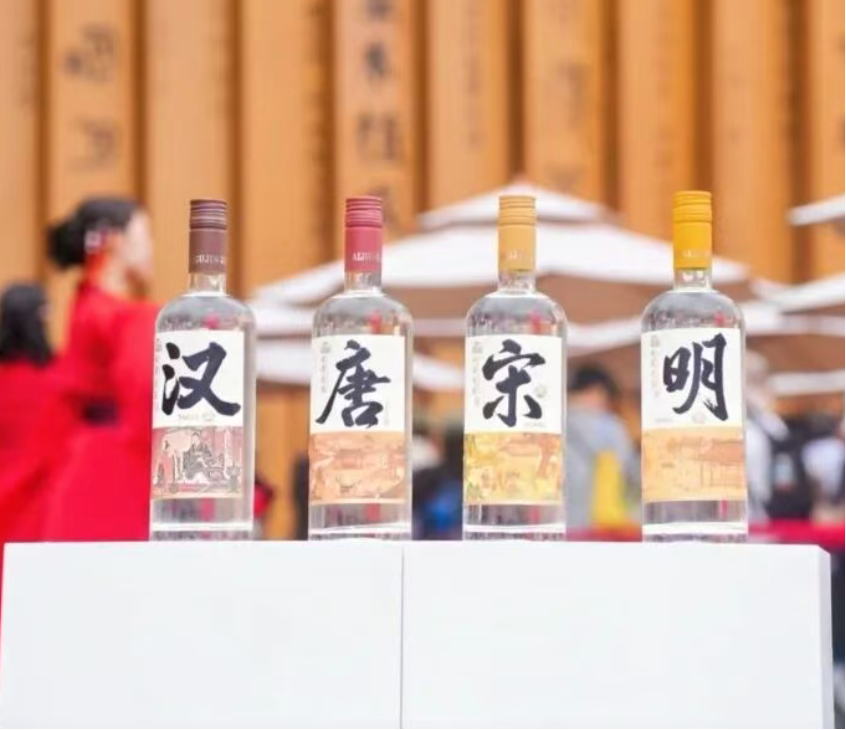
Industry Overview - The liquor industry is experiencing a seasonal recovery, with premium brands like Moutai and Wuliangye seeing improved sales, while overall market conditions remain challenging [1][2] - Moutai's sales have reportedly increased significantly, with a year-on-year growth of over 20% and a month-on-month increase of approximately 100% in September [1] - Despite the recovery in premium liquor sales, the overall sales performance across the industry is still below previous years, indicating a disparity between leading brands and the broader market [3] Production Data - In September, the national liquor production dropped by 18.2% year-on-year, totaling 20.7 million tons, with a cumulative production of 235.2 million tons for the first nine months, reflecting a 9% decline [4] - Beer production also saw a slight decrease of 1.8% in September, with a total of 358.3 million tons produced, and a cumulative production of 2,683.3 million tons for the first nine months, down by 0.2% [5] Company Developments - Gujing Gongjiu launched a new product line named "Han, Tang, Song, Ming," aimed at the international market, featuring a 26-degree alcohol content that balances flavor and smoothness [6][7] - Jian Nan Chun plans to reduce its stake in Huaxi Securities by up to 26.25 million shares, representing 1% of the company's total shares, to meet liquidity needs, potentially raising around 250 million yuan [9][10] - Moutai 1935 has intensified its marketing efforts by sponsoring events such as the "Bay Area Moonrise" film music concert and partnering with the Golden Rooster and Hundred Flowers Film Festival [11] - Dazhen Zhenjiu has signed over 3,000 alliance merchants, significantly increasing its market presence across 30 provinces and 212 cities [13] - Qingdao Beer is enhancing its international presence through a strategic partnership in Thailand, building on its established sales network [14] - Asahi Beer has announced price increases for certain imported products in response to rising operational costs [15]


“茅五”等名酒动销回暖;古井贡酒推26度国际化新品|观酒周报
2 1 Shi Ji Jing Ji Bao Dao· 2025-09-29 03:17
Group 1 - The core viewpoint of the articles indicates a mixed recovery in the liquor industry, with premium liquor prices rising while overall market conditions remain weak [1][3] - The sales of high-end liquors like Moutai and Wuliangye have shown signs of recovery, with Moutai's sales volume reportedly doubling month-on-month and increasing over 20% year-on-year [2][3] - Despite the recovery in premium liquor sales, the overall sales performance across the industry is still below previous years, highlighting a disparity between leading brands and the broader market [3] Group 2 - In September, the national liquor production dropped by 18.2% year-on-year, totaling 20.7 million tons, with a cumulative decline of 9% for the first nine months [4] - The beer production also saw a slight decline of 1.8% in September, totaling 358.3 million tons, with a cumulative decrease of 0.2% for the first nine months [4] - The ancient liquor brand Gujing Gongji launched a new product line named "Han, Tang, Song, Ming," aimed at the international market, featuring a 26-degree alcohol content [6][7] Group 3 - Sichuan Jian Nan Chun Group announced plans to reduce its stake in Huaxi Securities by up to 26.25 million shares, representing 1% of the total share capital, primarily for liquidity needs [8][9] - Jian Nan Chun holds a 6.79% stake in Huaxi Securities, and the potential cash from this sale is estimated at around 250 million yuan [9] - Moutai 1935 has increased its marketing efforts by sponsoring major film events, indicating a strategic push to enhance brand visibility during peak sales seasons [10] Group 4 - The liquor brand "Dazhen·Zhenjiu" has signed over 3,000 alliance merchants, achieving significant sales across 30 provinces and 212 cities, marking a substantial increase in partnerships [11] - Qingdao Beer has strengthened its international presence by forming a strategic partnership in Thailand, enhancing its distribution network established over two decades [12][13] - Asahi Beer has raised prices for certain imported products in China due to rising operational costs, reflecting broader industry trends [14]


“2025泰中合作博览会”全面展示中泰互利合作成果
Zhong Guo Xin Wen Wang· 2025-09-29 03:07
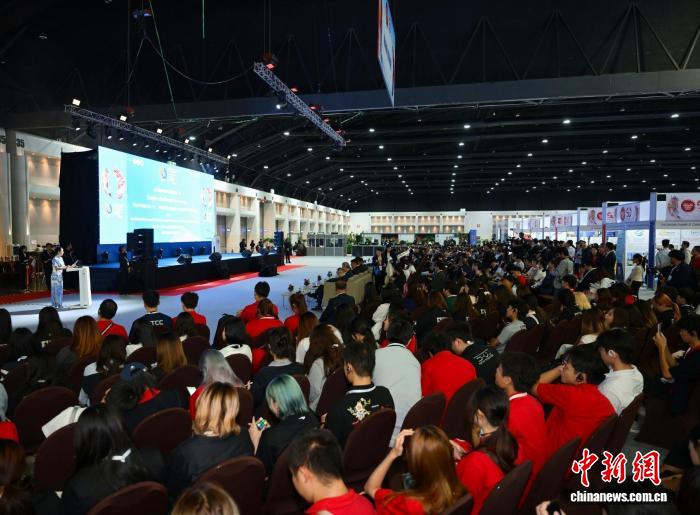
Group 1 - The "2025 Thailand-China Cooperation Expo" was held from September 26 to 28 in Bangkok, celebrating the 50th anniversary of diplomatic relations between China and Thailand, showcasing mutual cooperation achievements and stimulating bilateral collaboration [1][2][5] - The expo featured a theme of "Thailand-China 50 Years of Diplomatic Relations: Towards Common Prosperity," with key figures such as Thailand's Prime Minister and the Chinese Ambassador to Thailand emphasizing deepening cooperation in infrastructure, green economy, and digital innovation [2][5] - Over 200 companies from both countries participated in the expo, covering an exhibition area of 20,000 square meters, with attendance exceeding 8,000 people [5][6] Group 2 - During the event, Thai and Chinese enterprises signed cooperation memorandums totaling over 6 billion Thai Baht (approximately 1.33 billion RMB), focusing on commodity trade and joint investment [5] - The expo included various activities such as thematic exhibition areas, recruitment matching, educational consultations, and forums on supply chain and business matchmaking, particularly in sectors like new energy vehicles, renewable energy, digital platforms, and agricultural technology [5][6] - A recruitment fair was held alongside the expo, offering over 1,500 job positions in modern service sectors such as engineering and digital technology [6]

智通港股沽空统计|9月29日
智通财经网· 2025-09-29 00:29
Short Selling Ratios - The top three companies with the highest short selling ratios are Sun Hung Kai Properties (80016) and China Resources Beer (80291) at 100.00%, and Li Ning (82331) at 96.79% [1][2] - Other notable companies include Lenovo Group (80992) at 92.85% and Anta Sports (82020) at 87.03% [2] Short Selling Amounts - Alibaba (09988) leads in short selling amount with HKD 4.096 billion, followed by Xiaomi (01810) at HKD 3.491 billion and Tencent (00700) at HKD 2.244 billion [1][2] - Other significant amounts include SMIC (00981) at HKD 1.248 billion and Pop Mart (09992) at HKD 1.064 billion [2] Deviation Values - The highest deviation values are seen in China COSCO Shipping International (00517) at 50.31%, followed by Bank of China Hong Kong (82388) at 42.42% and Grand Hotel (00045) at 39.95% [1][2] - Other companies with notable deviation values include Lenovo Group (80992) at 36.64% and China Resources Beer (80291) at 35.99% [2]





2025年第39周:酒行业周度市场观察
艾瑞咨询· 2025-09-29 00:05
Industry Environment - The white liquor industry is shifting its endorsement strategy from middle-aged male celebrities to younger, diverse stars like G.E.M. and Zhang Yixing, reflecting a trend towards a more youthful and lifestyle-oriented brand image [2][3] - The light bottle liquor market is experiencing a bifurcation, with traditional brands like Niulanshan facing significant revenue declines due to price competition, while high-quality products like Fenjiu's Guofen are in high demand, indicating a shift towards quality and brand strength in the market [4][5] - The upcoming 2025 China Open tennis tournament will feature enhanced spectator experiences and cultural integration, with Luzhou Laojiao as the exclusive partner, promoting Chinese liquor culture [5] - The high-end beer market is undergoing significant changes, with CR Beer surpassing Budweiser APAC in revenue, indicating the rise of local brands in the premium segment despite overall market contraction [6] - The banquet market is emerging as a new battleground for liquor companies, with several firms reporting double-digit growth in this segment as they adapt to changing consumer preferences [7] - Eight listed liquor companies reported direct sales revenue exceeding 640 billion yuan in the first half of the year, with Moutai and Wuliangye leading the market [8] - The past decade has seen significant changes in the regional liquor market, with notable growth among regional leaders while others struggle due to strategic missteps [9] Key Trends - The trend towards lower alcohol content in liquor is gaining traction, with companies like Wuliangye and Luzhou Laojiao launching lower-alcohol products to attract younger consumers, and the low-alcohol market expected to grow significantly [11] - Regional liquor companies are leveraging local sports events for marketing, enhancing brand connection with consumers, although the effectiveness of such strategies remains to be seen [12] - The first China Liquor Market Prosperity Index was released, indicating a favorable outlook for online sales and low-alcohol products driving consumption [10] Company Dynamics - Songhe Liquor is upgrading its quality strategy with a commitment to long-term aging processes, aiming to enhance its market position [13] - The launch of "Dazhen·Zhenjiu" has seen strong initial sales, indicating a successful entry into the high-end liquor market through strategic partnerships and pricing control [14] - Gujing Gongjiu is integrating cultural elements into consumer experiences, showcasing the importance of cultural heritage in modern marketing strategies [15] - The "Jiuxiao Er" brand is focusing on immediate retail and digital transformation to enhance consumer engagement and market presence [14][19] - Yanghe's summer marketing campaign successfully connected the brand with consumer experiences through sports and cultural events, emphasizing the importance of experiential marketing [20] Emerging Opportunities - The introduction of herbal yellow wine "Bencao Bang" targets health-conscious consumers, indicating a trend towards health-oriented products in the liquor market [21] - A strategic partnership between Huajun Media and Bojiangfang aims to reshape the market for sauce-flavored liquor through quality certification and consumer engagement [22] - The launch of UMEET blueberry distilled liquor exemplifies the industry's shift towards catering to younger, health-conscious consumers with innovative products [24]


餐饮、潮玩及家电行业周报-20250928
Haitong Securities International· 2025-09-28 15:18
Investment Rating - The report assigns an "Outperform" rating to multiple companies including Pop Mart, Anta Sports, and Haidilao, while Budweiser APAC is rated "Neutral" [1]. Core Insights - The report highlights significant developments in the F&B, designer toys, and home appliances sectors, including Amap waiving annual entry fees for F&B merchants and MINISO's plan to spin off TOPTOY for public listing [5][6]. - Key performers this week include XIABUXIABU (+8.6%) and HISENSE V.T. (+12.7%), while underperformers include Green Tea Group (-9.8%) and MINISO (-11.1%) [2][6]. Summary by Sections Industry News - Amap announced a one-year waiver of annual entry fees for all F&B merchants nationwide, along with various support services [5]. - Guoquan proposed a share buyback of up to HK$100 million, citing that the current stock price does not reflect the company's intrinsic value [5]. - MINISO plans to spin off its subsidiary TOPTOY for independent listing on the Hong Kong Stock Exchange [5]. - Xiaomi's major home appliances have officially entered the European market, with the opening of its first direct store in Germany [5]. - Hisense commenced construction of its largest overseas industrial park in Thailand, aimed at expanding its footprint in ASEAN and globally [5]. Weekly Performance of Key Companies - Top performers include XIABUXIABU (+8.6%) in the F&B sector and HISENSE V.T. (+12.7%) in the home appliance sector [6]. - Underperformers include Green Tea Group (-9.8%) in the F&B sector and MINISO (-11.1%) in the designer toys sector [6].
农夫大战怡宝,抢到更多蛋糕的却是宗馥莉
Hu Xiu· 2025-09-28 10:50
Core Viewpoint - The intense price war in China's bottled water market has led to significant shifts in market share among major players, particularly affecting the performance of the brands involved, with a notable decline in the market share of the leading brand,怡宝 [2][10][21]. Group 1: Price War Dynamics - The price of bottled water has dropped significantly, with农夫山泉's green bottle water priced at 1 yuan, directly targeting the core markets of怡宝 and娃哈哈 [2][10]. - The competition has intensified, with all major players, including农夫山泉,娃哈哈, and怡宝, heavily subsidizing prices to maintain market share [7][12]. - As of 2024, the retail price for农夫山泉's red bottle water has been reduced to approximately 0.8 yuan per bottle, matching its cost price [7][10]. Group 2: Market Share Changes - The market share of娃哈哈 has increased from 14.22% to 17.7% between April 2024 and August 2025, while华润饮料's share has decreased from 25.11% to 20.34% during the same period [15][21]. - The price war has resulted in a significant decline in怡宝's market share, which had previously been stable since 2005, marking a notable downturn due to the aggressive pricing strategies of competitors [21][24]. Group 3: Financial Performance - In the first half of 2025,华润饮料 reported a revenue decline of 18.52% and a net profit drop of 28.74% compared to the same period in 2024 [23]. - The gross margin for怡宝 decreased from 49.3% to 46.7%, indicating a reduction in profitability amid the ongoing price competition [23]. - The overall revenue for the bottled water segment under华润饮料 fell by 23.1%, with all product categories experiencing a downturn [23][24]. Group 4: Industry Trends and Challenges - The ongoing price war has led to a phenomenon of "price inversion," where distributors sell products below cost to maintain market presence [18][19]. - The competitive landscape has shifted, with the introduction of aggressive pricing strategies by农夫山泉's green bottle water disrupting the market dynamics [21][36]. - The industry is witnessing a trend where heavy subsidies are becoming a norm, leading to increased pressure on distributors and potential long-term sustainability issues [19][20].

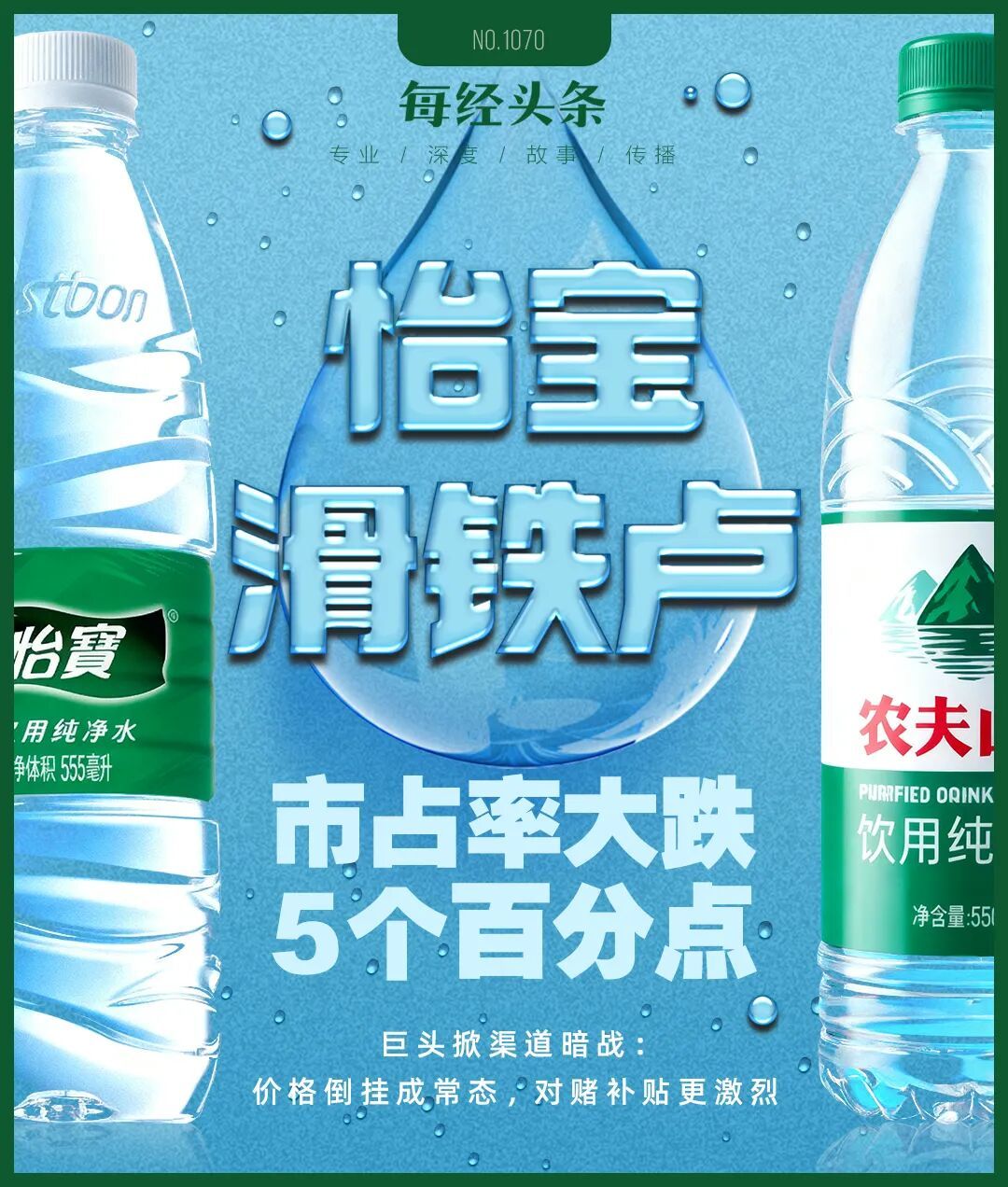
农夫大战怡宝,抢到更多蛋糕的却是宗馥莉,农夫绿瓶上市后,怡宝上演“滑铁卢”:市占率大跌近5个百分点
3 6 Ke· 2025-09-28 10:06
Core Viewpoint - The ongoing price war in China's bottled water market has intensified, with major players like Nongfu Spring, Wahaha, and Yibao engaging in aggressive pricing strategies, leading to significant market share shifts and financial impacts on the companies involved [1][6][13]. Group 1: Price War Dynamics - Nongfu Spring launched its green bottle purified water at a retail price of 1 yuan per bottle, directly targeting the core markets of Yibao and Wahaha [1][6]. - The retail price of Nongfu Spring's red bottle water has dropped to around 0.8 yuan per bottle due to heavy subsidies from the company and external platforms [3][8]. - Wahaha, under the leadership of Zong Fuli, has also reduced its bottled water prices to below 1 yuan, employing aggressive promotional strategies similar to those seen in other sectors [6][8]. Group 2: Market Share Changes - As of April 2024, Wahaha's market share in the bottled water segment increased from 14.22% to 17.7%, while Yibao's share decreased from 25.11% to 20.34% [8][12]. - The competitive landscape has shifted significantly, with Nongfu Spring maintaining a leading position despite short-term fluctuations in market share [8][12]. Group 3: Financial Performance - Yibao's revenue and net profit have declined significantly, with a reported 18.52% drop in revenue and a 28.74% decrease in net profit for the first half of 2025 compared to the same period in 2024 [15][16]. - The gross margin for Yibao has decreased by 2.6 percentage points, indicating pressure on profitability amid the price war [15][16]. Group 4: Industry Practices - The practice of "performance betting" in subsidies has become common, where distributors face pressure to meet sales targets or risk losing rewards, leading to price undercutting [8][11]. - Instances of "price inversion" have emerged, where distributors sell products below cost to maintain market presence, reflecting the intense competitive pressures in the industry [11][12].
农夫大战怡宝,抢到更多蛋糕的却是宗馥莉!农夫绿瓶上市后,怡宝上演滑铁卢
Mei Ri Jing Ji Xin Wen· 2025-09-28 09:58
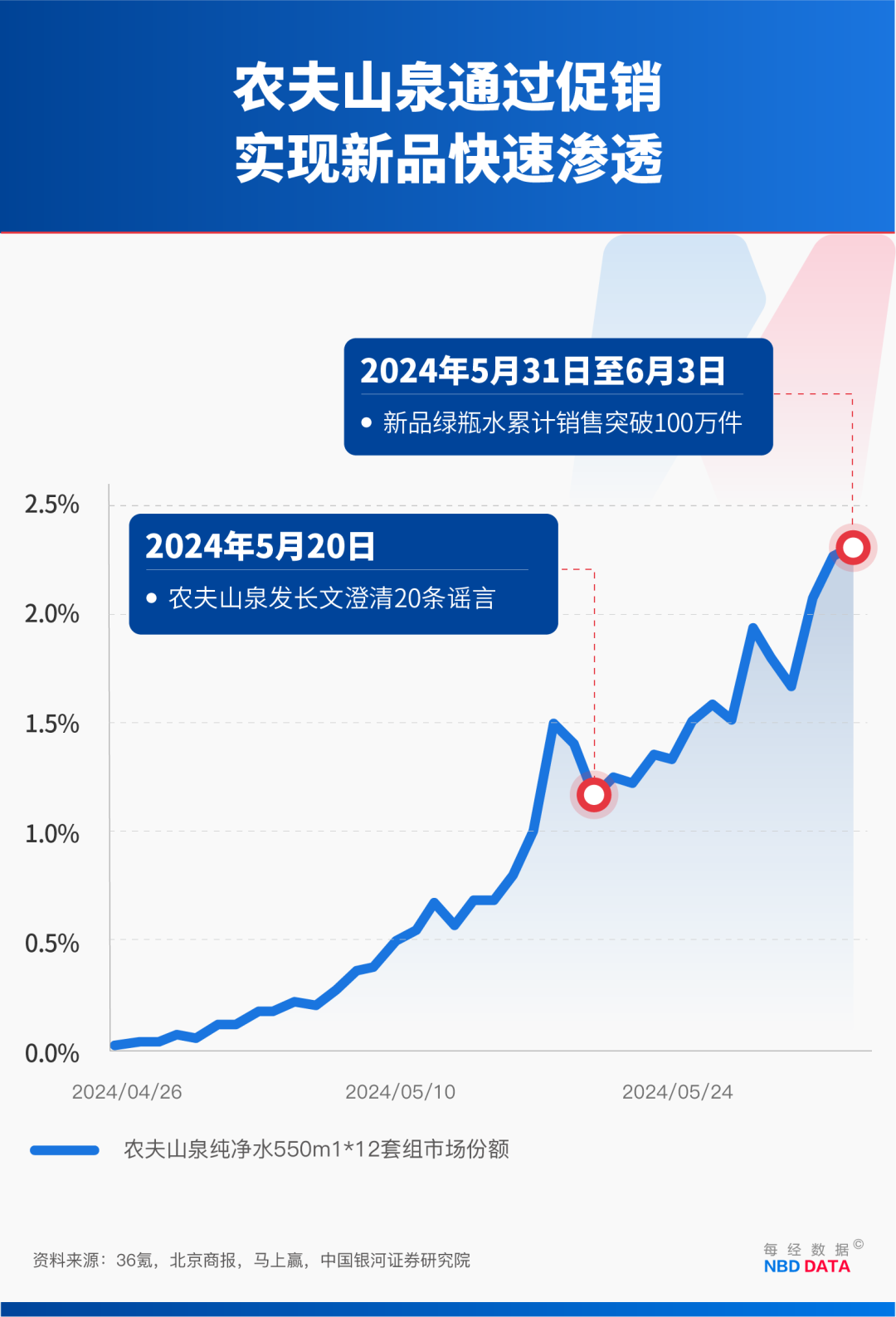
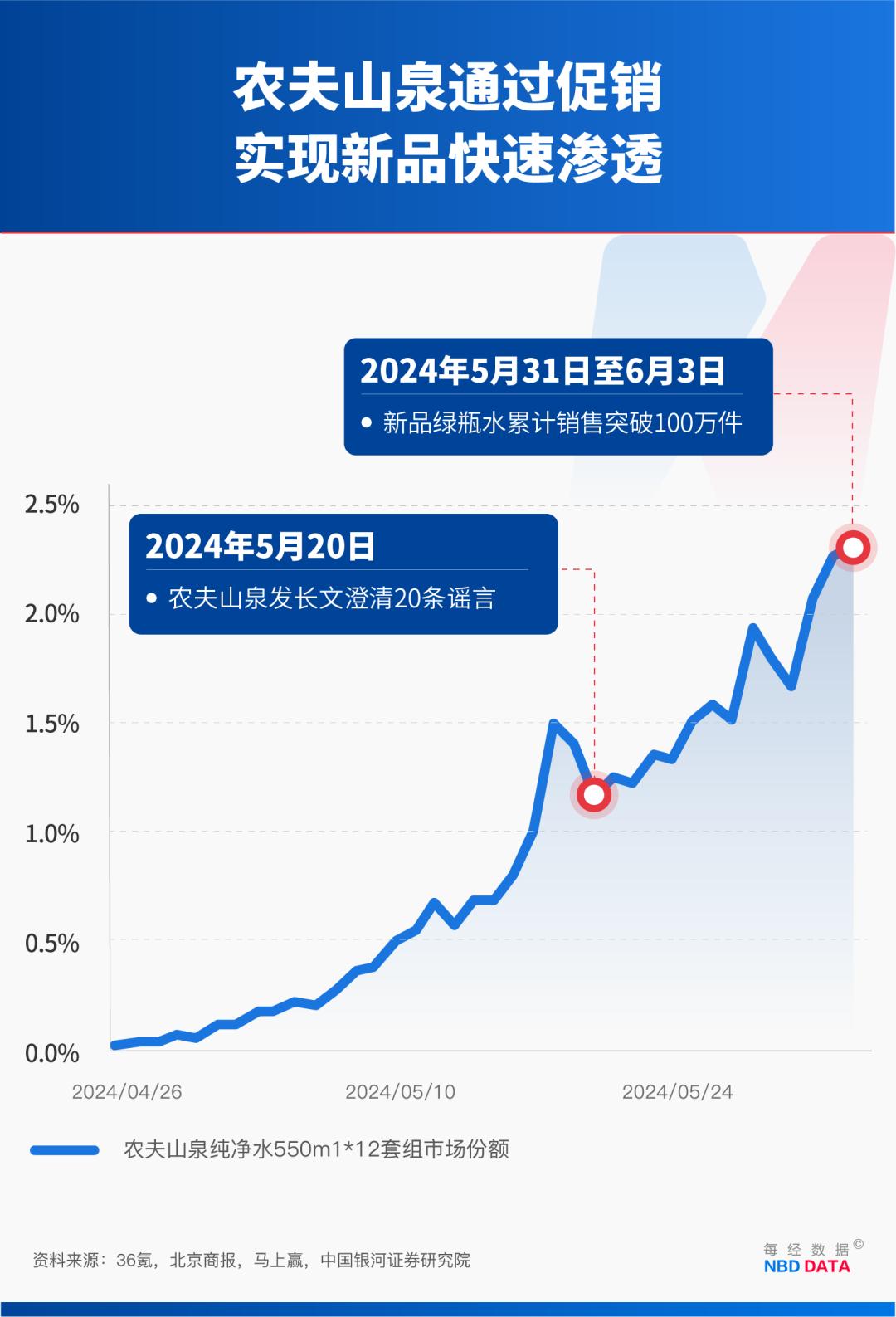
Core Viewpoint - The intense competition in the bottled water market in China has led to a significant price war among major players, particularly between Nongfu Spring, Wahaha, and Yibao, with Nongfu Spring's introduction of the green bottle water at a price point of 1 yuan per bottle directly targeting the core market of Yibao and Wahaha [2][8]. Group 1: Market Dynamics - Nongfu Spring launched its green bottle water in April 2024, reducing the retail price to 1 yuan per bottle, intensifying competition in the bottled water sector [2][8]. - The competition has been characterized as a "water war" among the three companies, with each investing heavily in marketing and pricing strategies to capture market share [6][10]. - As of May 31, 2024, Nongfu Spring's green bottle water achieved sales of over 1 million units within a short period [3]. Group 2: Pricing Strategies - The retail price for Nongfu Spring's red bottle water is 2 yuan, but through various subsidies, the effective price can drop to around 0.8 yuan per bottle for consumers [6][10]. - Yibao has also engaged in aggressive pricing strategies, including promotional offers that have seen prices drop to as low as 0.01 yuan per bottle [8][10]. - The pricing strategies have led to a situation where the cost for distributors and retailers is often lower than the retail price, creating a "price inversion" scenario [12][14]. Group 3: Market Share Changes - As of April 2024, Wahaha's market share increased from 14.22% to 17.7% during the ongoing competition, while Yibao's market share decreased from 25.11% to 20.34% [10][16]. - The competitive landscape has shifted significantly, with Yibao experiencing a decline in market share for the first time since 2005, attributed to the aggressive pricing and marketing of Nongfu Spring's green bottle water [16][18]. - Yibao's revenue and net profit have also seen a decline, with a reported 18.52% drop in revenue and a 28.74% drop in net profit in the first half of 2025 compared to the previous year [18][19]. Group 4: Industry Trends - The bottled water industry in China has seen a dramatic evolution over the past three decades, with Yibao and Nongfu Spring emerging as key players [19][24]. - The current price war reflects a broader trend in the industry where companies are increasingly relying on aggressive pricing to capture market share, particularly in the low-price segment [24][25]. - The competitive strategies employed by these companies highlight the challenges faced by traditional market leaders like Yibao, which is struggling to maintain its competitive edge amid rising competition [25].
食品饮料周观点:白酒龙头积极应对,大众品关注需求边际催化-20250928
GOLDEN SUN SECURITIES· 2025-09-28 09:30
Investment Rating - The report maintains an "Increase" rating for the food and beverage industry, indicating a positive outlook for the sector [5]. Core Insights - The report highlights that leading liquor brands are actively responding to the upcoming peak sales season during the Mid-Autumn Festival and National Day, with signs of marginal improvement in sales after a prolonged bottoming period in Q2 [2]. - In the beer and beverage sector, the departure of the CFO of China Resources Beer is noted, alongside the continuous introduction of new products in the beverage industry, reflecting a competitive landscape [3]. - The report emphasizes the importance of focusing on high-growth companies in the consumer goods sector, particularly those benefiting from policy support or recovery improvements [4]. Summary by Sections Liquor Industry - The report indicates that terminal demand for liquor has shown signs of recovery, with sales in September increasing by 15%-25% month-on-month, although year-on-year figures remain slightly down [2]. - Leading brands like Moutai and Wuliangye are taking proactive measures to stabilize prices and enhance market strategies ahead of the peak sales season [2]. Beer and Beverage Sector - The report notes the resignation of the CFO of China Resources Beer and suggests monitoring the recovery of the restaurant sector and sales structure performance [3]. - New product launches in the beverage sector are highlighted, catering to consumer demand for natural and additive-free drinks [3]. Food Sector - The report mentions that Wanchen Group has submitted an application for listing on the Hong Kong Stock Exchange, with plans to expand its store network and enhance digital capabilities [4]. - The upcoming holiday season is expected to drive demand for dairy products and mooncakes, leading to a temporary surge in sales [4].