
瑞幸咖啡

Search documents
中国咖啡效率革命:外资退守,本土资本海外反向输出商业模式
Nan Fang Du Shi Bao· 2025-12-01 05:10
Core Insights - The Chinese coffee market is undergoing a competitive restructuring characterized by "foreign retreat and local acceleration" [2][4][6] - Domestic brands are gaining momentum, with significant investments and acquisitions reshaping the landscape [2][6][17] - The market is shifting from a reliance on high-priced foreign brands to a focus on efficiency and cost-effectiveness [2][12][19] Group 1: Market Dynamics - Recent developments include Luckin Coffee surpassing 10,000 global stores and JD.com entering the coffee sector with "Seven Fresh Coffee" [2] - Major investments include Hillhouse Capital acquiring 60% of Starbucks' China operations and plans by Hillhouse to bid for Costa Coffee [4][6] - The competitive landscape is influenced by unique Chinese market factors such as mobile payments, delivery systems, and rapid urbanization [2][19] Group 2: Pricing Strategies - The "9.9 yuan price war" initiated by Kudi Coffee marked a significant turning point in the Chinese coffee market [8][10] - Luckin Coffee quickly adopted this pricing strategy, making 9.9 yuan a standard price point, which has pressured other brands, including Starbucks, to lower their prices [10][12] - The shift in consumer perception has led to a questioning of the high prices of foreign brands, as consumers find satisfactory alternatives at lower prices [13][19] Group 3: Digital Transformation - Domestic brands like Luckin and Kudi have leveraged digital tools from their inception, allowing for rapid expansion and efficient operations [16][19] - The digitalization of foreign brands has lagged, with Starbucks only recently enhancing its online services in China [14][16] - The unique digital landscape in China has facilitated the growth of local brands, which are better adapted to consumer preferences [16][19] Group 4: Future Trends - The ongoing price wars are expected to lead to further market segmentation, with large chains focusing on low prices and high frequency, while independent cafes emphasize quality and experience [18][19] - There is a growing trend of Chinese capital considering reverse export of local business models to international markets [17][18] - The coffee market in China is evolving into a unique ecosystem that blends global brand influence with local operational strategies [19]




土味营销的跑马圈地接近结束
3 6 Ke· 2025-12-01 04:09
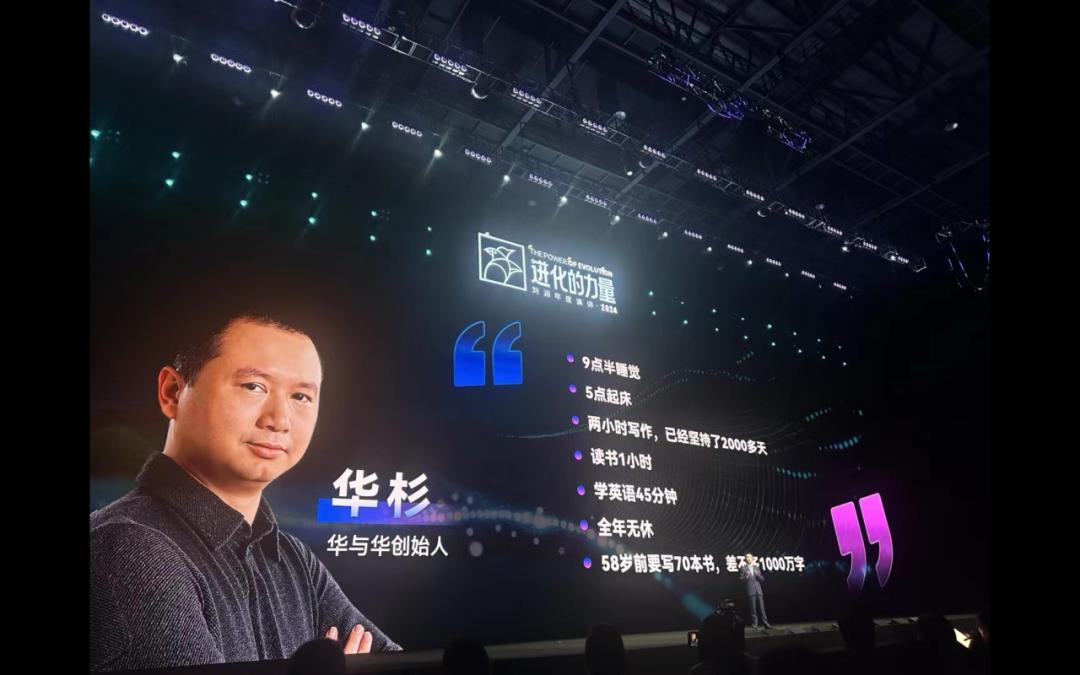
Core Viewpoint - The conflict between Luo Yonghao and Huayi Huayi highlights a deeper interest conflict, with Luo's criticism of Huayi Huayi's "earthy marketing" posing unprecedented challenges to the consulting firm [1][3]. Group 1: Huayi Huayi and Earthy Marketing - Huayi Huayi, founded by Hua Shan, has thrived on "earthy marketing" strategies, achieving significant financial success, such as earning nearly 6 million yuan from a three-day course [3][8]. - The effectiveness of Huayi Huayi's marketing methods is now under scrutiny, especially after major client Xibei faced a public relations crisis, raising questions about the verifiability of their methodologies [3][8]. - The concept of "super symbol" marketing, developed by Huayi Huayi, has been instrumental in the rapid expansion of brands like Xibei, which grew from 40 to 350 stores and increased revenue from 2 billion to 6 billion yuan over ten years [8][20]. Group 2: Market Dynamics and Consumer Behavior - The success of brands like Xibei and Miexue Ice City can be attributed to the booming consumption in lower-tier markets, where "super symbols" serve as effective sales tools [9][12]. - The shift in consumer behavior in lower-tier markets indicates a growing sophistication, with users becoming more discerning and less susceptible to simplistic marketing tactics [13][15]. - The Chinese lower-tier market is projected to reach a consumption scale of over 17 trillion yuan by 2024, accounting for nearly 60% of national consumption, making it a core engine for domestic demand [11][12]. Group 3: Challenges and Future of Earthy Marketing - The current landscape suggests that the era of "earthy marketing" may be waning as consumers evolve and demand more nuanced and quality-driven marketing approaches [15][21]. - The rise of local consulting firms, which have adapted to the needs of small and medium enterprises, indicates a shift in the consulting industry, with a focus on practical and immediate results rather than complex strategies [17][20]. - The future of marketing in lower-tier markets will depend on the ability to transition from mere symbol creation to value building and user engagement, as consumer expectations continue to rise [21].
哈罗联合瑞幸出“痛车”
Jing Ji Guan Cha Bao· 2025-12-01 02:59
Core Insights - Hello Bike officially announced a collaboration with Luckin Coffee, launching a themed custom bicycle and the "Drink Luckin, Ride Hello for Free" campaign to enhance the commuting experience for workers [1] Group 1: Collaboration Details - The custom bicycle features the Luckin Coffee mascot, Lucky, prominently displayed on the wheels, making it a noticeable presence on the streets [1] - A specially designed cup holder has been added to the handlebars of the bike, addressing the inconvenience of carrying coffee while cycling, ensuring that drinks remain secure and spill-free [1] Group 2: Launch and Availability - The custom bicycles are being deployed in Shanghai and Guangzhou, allowing users to scan a code on the Hello app to ride and order from Luckin Coffee, with opportunities for free rides [1]
华尔街日报:中国曾经是西方公司的摇钱树,现在却成了试验场
美股IPO· 2025-12-01 01:03
Core Viewpoint - The era of easy profits for Western companies in China has ended, with increasing competition and a more cautious consumer base leading to significant challenges in the market [1][3]. Market Dynamics - China's economic slowdown has made consumers more cautious, resulting in intensified competition and price wars, which have significantly compressed profit margins [3][7]. - Local competitors are rapidly gaining market share, often outpacing international brands in various sectors [4][6]. Strategic Adjustments - International brands are adapting their strategies to better align with Chinese consumer preferences, including product adjustments, faster R&D, different marketing approaches, and price reductions [3][4]. - Companies like Starbucks have had to sell majority stakes in their Chinese operations due to competition from local brands like Luckin Coffee, which has surpassed Starbucks in sales and store numbers [4][6]. Industry-Specific Challenges - The automotive sector is experiencing fierce competition, with local brands like BYD overtaking established foreign brands such as Volkswagen, which reported a 7% decline in quarterly deliveries in China [9][10]. - Volkswagen is shifting its strategy to focus on local R&D and production to better cater to Chinese consumers, highlighting the need for foreign companies to remain competitive in the local market [10][12]. Consumer Expectations - Consumer demands in China have evolved, with higher expectations for quality relative to price, prompting brands like Guerlain to introduce more affordable luxury products [14][15]. - Companies like IKEA are lowering prices on popular items and investing significantly in the Chinese market, while Procter & Gamble is focusing on innovative products tailored for Chinese consumers [16][17]. Performance Insights - Some companies are still thriving in the Chinese market, with Ralph Lauren reporting over 30% sales growth and Estée Lauder seeing a 9% increase in revenue [20]. - 3M has identified China as its fastest-growing market, emphasizing the need for rapid product development to keep pace with local manufacturers [22].

《疯狂动物城》70+联名品牌战,瑞幸、52TOYS凭什么霸榜?
3 6 Ke· 2025-12-01 00:31
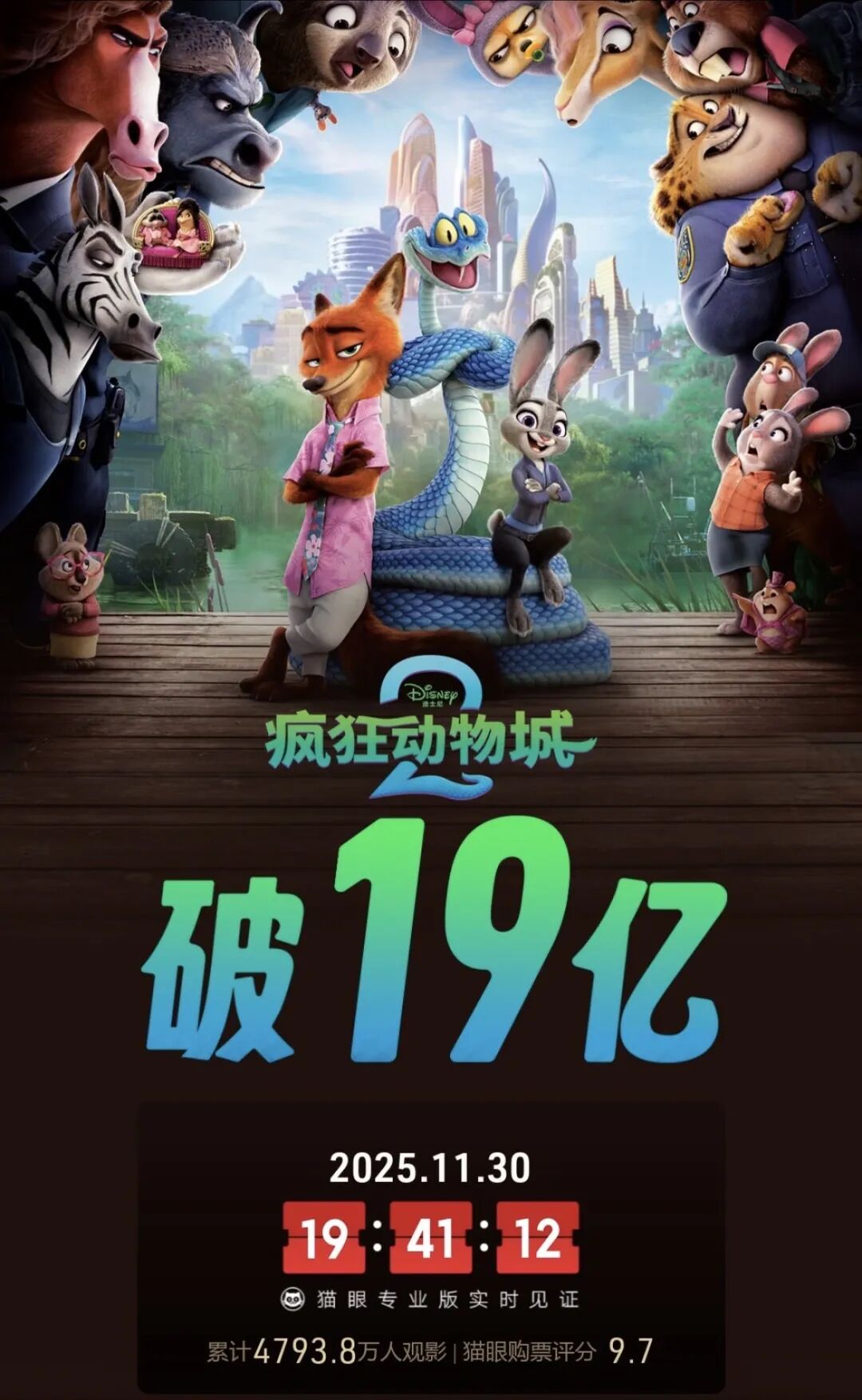
Core Insights - "Zootopia 2" has achieved significant box office success in China, surpassing 7 billion in single-day box office and over 19 billion in total, making it the highest-grossing imported film in Chinese history [1][4] - The film's IP has generated over 70 collaborations across various sectors, including fast fashion, dining, and personal care, appealing to a wide demographic from children to adults [4][6] - The emotional connection and nostalgia associated with the characters have driven audience engagement and merchandise sales, particularly among the 20-29 age group [11][14] Box Office Performance - "Zootopia 2" set a record with a single-day box office of 7 billion, surpassing the previous record held by its predecessor [1] - The total box office has exceeded 19 billion, significantly higher than the first film's 15.4 billion [1] IP Collaboration and Marketing - The film has seen over 70 collaborations since June, covering a wide range of consumer products and services [4] - Successful collaborations include popular brands like Starbucks, McDonald's, and various fashion retailers, indicating a broad market appeal [38][40] - The "Fox and Bunny" couple has become a major marketing focus, generating significant social media engagement and discussions [24][31] Audience Engagement - The film has successfully tapped into nostalgia, with many viewers reflecting on their personal growth since the first film's release nine years ago [8][11] - The emotional resonance of the characters has led to a strong connection with audiences, particularly among those who grew up with the original film [14][56] Merchandise Success - 52TOYS has emerged as a leading brand in merchandise sales, with its "Best Partners" series becoming a top seller on platforms like Tmall and Douyin [49][51] - The emotional appeal of the products, such as plush toys and collectibles, has resonated with consumers, turning them into "emotional containers" for fans [56][58] - The collaboration with 52TOYS highlights the importance of understanding the IP's core audience and emotional needs [51][61]

美团没有被彻底拖住
36氪· 2025-11-30 23:53
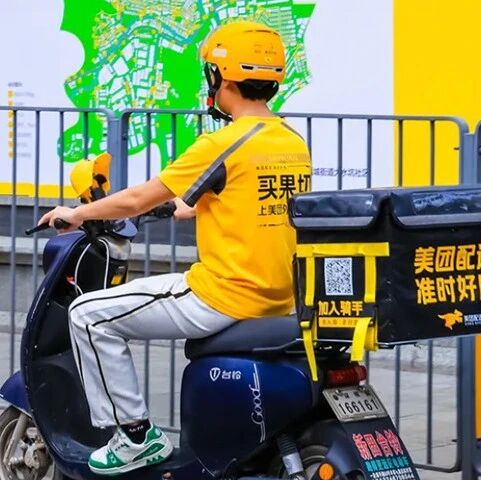
Core Insights - The article discusses the intense competition in the food delivery market, highlighting that there are no clear winners in the ongoing battle, particularly in Q3 2025, where both Alibaba and Meituan faced significant losses [4][10]. - Meituan's core local business segment reported a revenue decline of 2.8% year-on-year, resulting in an operating loss of 14.1 billion yuan, marking its first loss since Q4 2022 [4][9]. - Alibaba's aggressive strategy led to a profit drop of approximately 30 billion yuan, with significant investments in subsidies that have nearly exhausted their planned 50 billion yuan budget [10]. Meituan's Performance - Meituan's operating profit for its core local business was 14.6 billion yuan in Q3 2024, contrasting sharply with a loss of 14.1 billion yuan in the same period this year, indicating a significant shift in financial performance [9]. - The increase in sales and marketing expenses by 90.9% to 35.9% of revenue reflects the high cost of maintaining market share amid fierce competition [9][10]. - Despite the losses, Meituan's average order value (AOV) remains significantly higher than competitors, with over 70% market share in orders above 30 yuan [10]. Competitive Landscape - The competition has intensified with new entrants and existing players like Alibaba and JD.com increasing their efforts in the food delivery and local services market [13]. - Douyin (TikTok) is emerging as a formidable competitor, with its life services projected to exceed 800 billion yuan in GTV by 2025, narrowing the gap with Meituan [13]. - The article notes that both Alibaba and Meituan are still in the process of optimizing their user experience (UE) and expanding their instant retail offerings [11][12]. New Business Developments - Meituan's new business segment saw a revenue increase of 15.9% year-on-year to 28 billion yuan, although operating losses increased by 24.5% to 1.3 billion yuan [17]. - The company is expanding its offline retail efforts, with initiatives like the "Happy Monkey" discount supermarket and "Little Elephant" supermarket gaining traction [18]. - Meituan's overseas business, particularly in Brazil, is set to launch in December, with significant investments aimed at capturing market share in a competitive landscape dominated by iFood [19][20]. Future Outlook - Meituan's management expresses confidence in maintaining efficiency and market share despite ongoing losses, emphasizing the importance of patience and strategic focus [7][15]. - The company aims to leverage its strengths in high-value orders and continue exploring new opportunities in both domestic and international markets [10][20].

《疯狂动物城2》登顶进口动画片票房榜 上映5天破多项纪录
Nan Fang Du Shi Bao· 2025-11-30 21:40
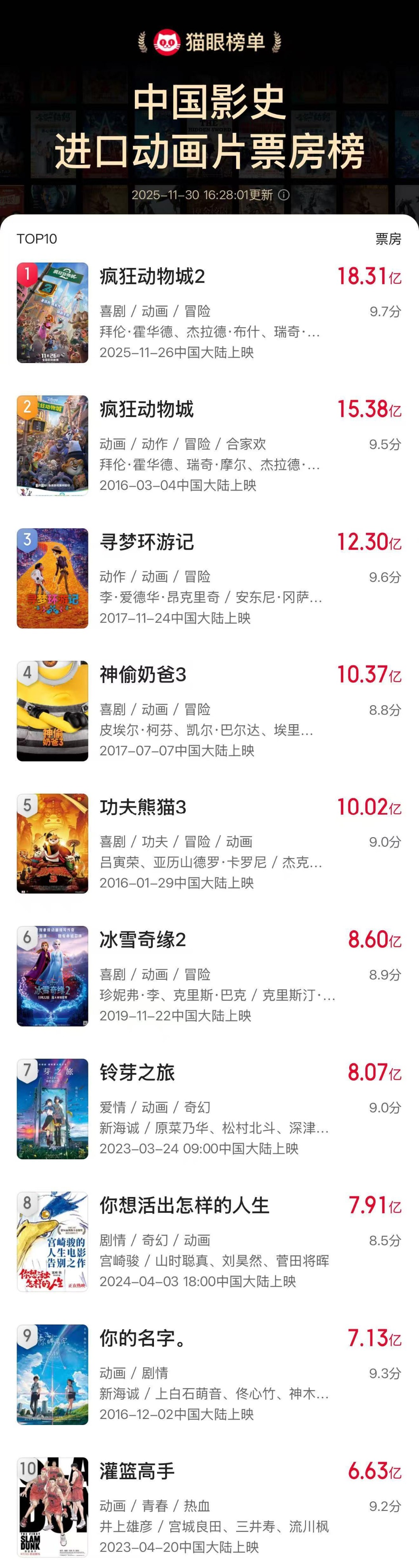
Core Viewpoint - The animated film "Zootopia 2" has achieved a total box office of over 1.83 billion yuan in just five days since its release, surpassing its predecessor "Zootopia" which earned 1.538 billion yuan, making it the highest-grossing imported animated film in Chinese history [1]. Box Office Performance - As of November 29, "Zootopia 2" recorded a single-day box office of 738 million yuan, accounting for 94.8% of the total box office that day [21]. - The film attracted over 18.755 million viewers on November 29, setting a new domestic animation film record, second only to "Detective Chinatown 3" [21]. - The film's total box office has reached 4.66 billion yuan globally, with projections for the domestic box office ranging from 4.055 billion to 4.263 billion yuan [47]. Records and Achievements - "Zootopia 2" has broken multiple records, including the highest single-day box office for an imported film, surpassing "Avengers: Endgame" [47]. - The film's single-day screenings exceeded 367,200, setting a new record for single-day screenings in Chinese film history [31]. - The film achieved a single-day attendance rate of 38.6% on November 29, with an average of 51.1 viewers per screening [47]. Collaborations and Partnerships - Several companies have announced collaborations related to "Zootopia 2," including Chinese Film, which saw its stock price surge following the film's release [48]. - Companies like Citic Publishing and Semir Clothing have engaged in partnerships, producing various Disney-related products [48]. - Brands such as Luckin Coffee, Li Ning, and McDonald's have also launched co-branded products in conjunction with the film's release [48].





餐饮、潮玩及家电行业周报-20251130
Haitong Securities International· 2025-11-30 14:04
Investment Rating - The report assigns an "Outperform" rating to several companies in the discretionary consumption sector, including Pop Mart, Anta Sports, Huazhu Group, Miniso, Li Ning, Atour Group, New Oriental Online, and Xtep International [1][5]. Core Insights - The report highlights the stable long-term growth of Luckin Coffee despite facing short-term margin pressures, indicating resilience in the F&B sector [2]. - The introduction of new children's meal sets by Taier emphasizes the trend towards fresh and healthy dining options, reflecting consumer preferences [2]. - The report notes the expansion of Midea's automotive parts production in Mexico, which supports local manufacturing for North American electric vehicle clients [2]. - The implementation of new national standards for smart home appliances starting May 1, 2026, is expected to enhance product quality and consumer trust in the home appliances sector [2]. Summary by Sections Company Performance - Guming and Pop Mart were the top performers this week, with stock price increases of 12.6% and 12.8% respectively [3][7]. - SuperHi International reported a revenue of $21 million for Q3 2025, a year-on-year increase of 7.8%, but faced a significant drop in net profit due to increased foreign exchange losses [2][5]. - Chagee's Q3 results showed a revenue decline of 9%, with adjusted net profit down 22% [2][5]. Market Trends - The report indicates a growing trend in the F&B sector towards fresh and healthy meal options, as seen with Taier's new children's meal offerings [2]. - The smart home appliance market is set to evolve with the introduction of new standards, which will likely drive innovation and consumer adoption [2].



瑞幸CFO安静跳槽不少 至少在7家企业任职 能否帮助瑞幸重返美股?
Xin Lang Cai Jing· 2025-11-30 13:57
Core Viewpoint - Luckin Coffee reported strong revenue growth in Q3 2025, but faced a decline in net profit, indicating a situation of increasing revenue without corresponding profit growth [4][6]. Financial Performance - In Q3 2025, Luckin Coffee achieved a revenue of 15.29 billion yuan, representing a year-on-year increase of 50.2% [4]. - The Gross Merchandise Value (GMV) reached 17.32 billion yuan, while the net profit attributable to shareholders was 1.28 billion yuan, showing a year-on-year decrease of 1.9% [4]. Cost Structure - Delivery expenses surged to 2.89 billion yuan, marking a significant year-on-year increase of 211.4%, with the expense ratio rising from 9.1% to 18.9% [4]. - Despite the increase in delivery costs, the CFO noted that the delivery cost per order has decreased year-on-year, indicating improved operational efficiency through scale [4]. Market Outlook - The ability of Luckin Coffee to relist in the U.S. market depends on regaining the trust of American investors regarding its financial reports, a challenge stemming from its past financial fraud incident [6]. - Currently, there is no clear timeline for the company's relisting on the main board, reflecting ongoing uncertainties in its market strategy [6].
传媒互联网产业行业研究:逐步回归平静
SINOLINK SECURITIES· 2025-11-30 11:30
Investment Rating - The report maintains a positive outlook on the AI technology sector, emphasizing strong performance from leading tech companies like Google, META, Microsoft, Alibaba, and Tencent [3] Core Insights - The report highlights a gradual return to stability in the market, with reduced concerns over the Federal Reserve's interest rate cuts in December, leading to improved liquidity and risk appetite [3] - The AI industry is expected to continue its growth trajectory, with a focus on operational cash flow from leading tech firms and the application of AI in various sectors [3] - The cryptocurrency market faces short-term pressures but remains optimistic in the medium to long term, particularly regarding blockchain and decentralized payment technologies [3] - The Macau tourism sector is seen as a valuable investment opportunity, benefiting from a favorable supply-demand dynamic and expected growth during holiday periods [3] - The report expresses a bullish stance on trading platforms, viewing any short-term pullbacks as opportunities to increase positions [3] Summary by Sections 1.1 Consumer & Internet - **Education**: The education index rose by 1.41%, outperforming several major indices. The number of college graduates is projected to increase by 480,000 to 12.7 million by 2026 [11][18] - **Luxury Goods & Gambling**: The luxury goods index increased by 3.90%, with notable gains from Sands China and MGM China. Macau's tourism is recovering well [20][28] - **Coffee & Tea**: The coffee sector remains robust, while the tea sector faces challenges due to reduced subsidies from delivery platforms [5][29] - **E-commerce**: The e-commerce sector is under pressure, affected by the consumption environment and tax impacts on advertising [5][33] 1.2 Platforms & Technology - **Streaming Platforms**: The media index rose by 4.54%, with key players like Netflix and Tencent Music showing positive performance [43] - **Virtual Assets & Internet Brokers**: The global cryptocurrency market capitalization reached $319.68 billion, with Bitcoin and Ethereum prices increasing by 6.9% and 9.7%, respectively [49][52] - **Automotive Services**: Japan plans to achieve a fleet of 10,000 autonomous vehicles by 2030, indicating a significant push in the automotive sector [61] 1.3 Media - The report notes a record high of 184 game approvals in November, with the domestic gaming market expected to generate revenues of 31.36 billion yuan by October 2025, reflecting a year-on-year growth of 7.83% [5][12]