极氪

Search documents
J.D. Power中国汽车品牌NPS®指数:结构性挑战突出,多数品牌陷入“三态失衡”
Zhong Guo Qi Che Bao Wang· 2025-10-20 02:14
Core Insights - J.D. Power has released the 2025 China Automotive Brand Reputation Index NPS, marking its first study in China, covering 72 brands in both fuel and new energy vehicle markets with a total sample size of 97,695 [1][2] Group 1: NPS Methodology - The fuel vehicle brand NPS is calculated based on New Vehicle Quality Study (IQS), Automotive Performance, Execution and Layout Study (APEAL), Technology Experience Index (TXI), Sales Satisfaction Index (SSI), and Customer Satisfaction Index (CSI) [2] - The new energy vehicle brand NPS is derived from New Energy Vehicle New Car Quality Study (NEV-IQS), NEV-APEAL, TXI, NEV-SSI, and NEV-CSI [2] - The study includes a comprehensive analysis of user experience across three dimensions: product strength NPS, sales strength NPS, and service strength NPS, providing a detailed user experience competitive landscape [5] Group 2: Brand Performance - In 2025, luxury fuel vehicle brands scored an average of 51.8, while mainstream brands scored 46.3; new energy luxury brands averaged 44.7, and mainstream brands scored 40.2 [6] - Only 8 out of 72 brands achieved a healthy balance across product, sales, and service dimensions, indicating that 89% of brands are in a state of imbalance [6] Group 3: User Experience Dynamics - The study reveals a "dual-track" user experience in the fuel vehicle market, where 42% of experience indicators are "threshold" indicators, while in the new energy vehicle market, 58% are "charm" indicators [7] - The research indicates a shift in competition rules, where user loyalty is now determined by balanced performance across product, sales, and service dimensions, rather than relying on a single strength [8] Group 4: Sales and Trust Issues - The sales process is identified as the largest negative contributor to brand NPS, with 38% of fuel vehicle sales strength NPS being weak due to traditional dealership practices that conflict with consumer expectations for transparency and trust [9] - In the new energy vehicle sector, 42% of sales strength NPS is weak, stemming from an immature sales system that fails to build trust with consumers [9] Group 5: Service Experience - Fuel vehicle service strength NPS shows that 38% are in a healthy state, but struggle to create emotional value, while new energy vehicle service strength NPS indicates 32% are weak, facing issues like long wait times and lack of brand identity [10] - Future service competition will focus on emotional resonance rather than just speed of service, with brands needing to enhance customer loyalty through meaningful experiences [10] Group 6: Product Performance Challenges - The report highlights that nearly 30% of products fall into a "mediocre" or "polarized" dilemma, where fuel vehicle brands show a 35% middle-ground performance, lacking standout features that drive recommendations [11] - New energy vehicle brands exhibit a 26% polarization, where some brands attract early adopters but risk alienating conservative consumers due to aggressive innovations [11]


投资主线继续聚焦机器人,持续关注后续催化:汽车行业周报(20251013-20251019)-20251019
Huachuang Securities· 2025-10-19 12:45
Investment Rating - The report maintains a positive investment rating on the automotive sector, particularly focusing on robotics as the main investment theme for Q4 [3][4]. Core Insights - The automotive market remains optimistic despite short-term adjustments and concerns over US-China trade tensions. The bullish trend is expected to continue, with robotics being a key investment focus [4]. - The report highlights several catalysts that could drive future growth, including Tesla's product iterations, North American giants' market entry, domestic star companies' expansions, and supportive industrial subsidy policies [4]. Data Tracking - In early October, the discount rate slightly decreased to 9.5%, with a discount amount of 21,384 yuan, reflecting a year-on-year increase of 2,937 yuan [6]. - The report tracks various automotive components and companies, recommending several key players in the automotive parts and robotics sectors, including Minth Group, Top Group, and others [8]. Industry News - In September, the retail sales of passenger cars reached 2.241 million units, a year-on-year increase of 6.3%, with cumulative sales for the year reaching 17.004 million units, up 9% [33]. - The report notes that the production and sales of automobiles in September exceeded 3 million units for the first time in history, with year-on-year growth rates remaining above 10% for five consecutive months [33][34]. - The report also mentions significant developments in the electric vehicle sector, with domestic brands accounting for 59.5% of electric vehicle exports in the first three quarters [33].





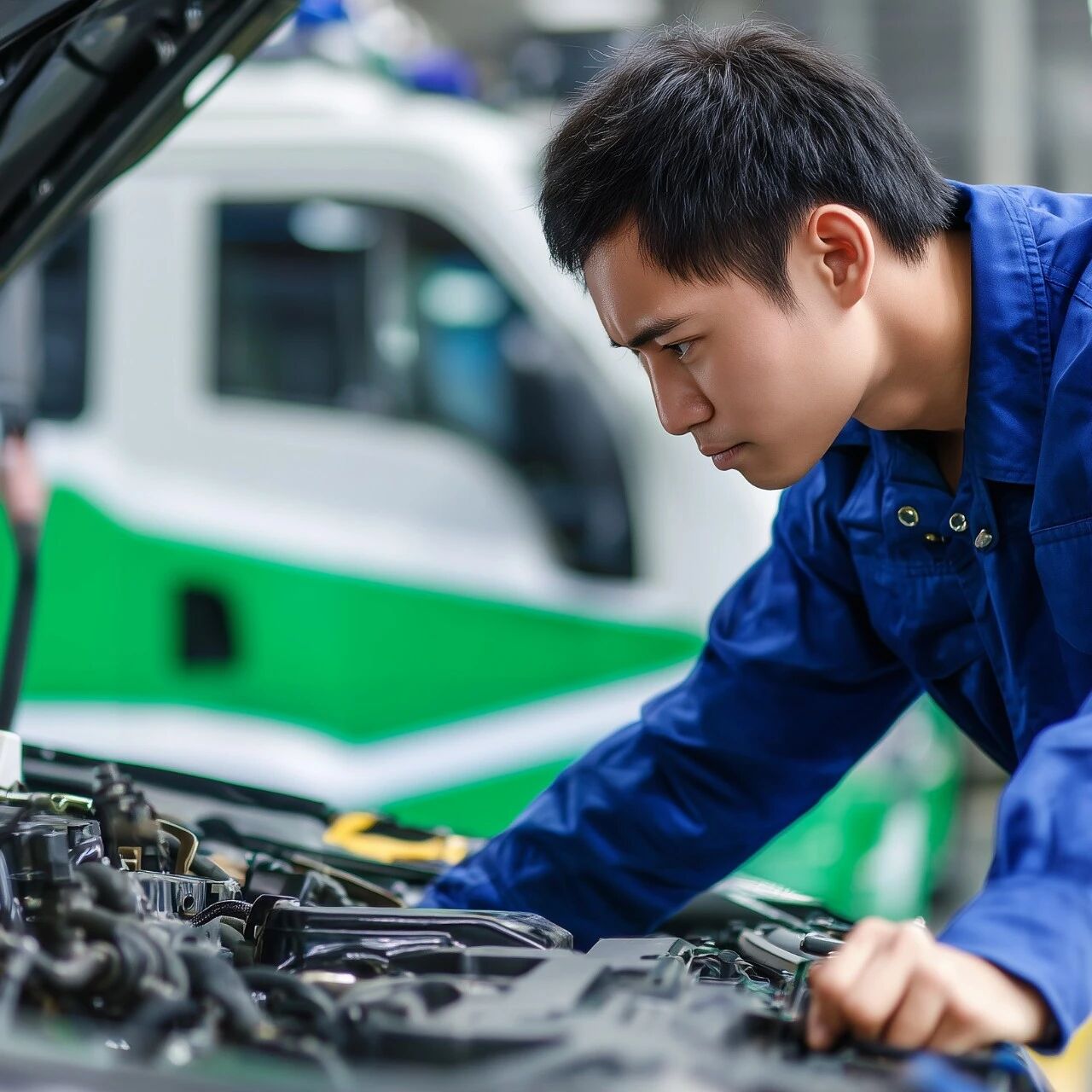
新能源车买得起,但修不起了
36氪· 2025-10-19 09:06
Core Viewpoint - The article discusses the high repair costs associated with electric vehicles (EVs) compared to traditional gasoline vehicles, highlighting the reasons behind these costs and the challenges faced by repair shops in servicing EVs [4][10][42]. Group 1: Repair Costs Comparison - Repair costs for EVs can range from 5,000 to 15,000 yuan for minor accidents, while gasoline vehicles typically cost between 2,000 and 8,000 yuan [10]. - In severe collision cases, repairing an EV can exceed the cost of purchasing a new vehicle, with examples showing repair costs for a Tesla Model Y reaching 200,000 yuan, compared to 70,000 yuan for a damaged Toyota Camry [10][12]. Group 2: Factors Contributing to High Repair Costs - The high cost of EV repairs is primarily due to expensive parts and advanced technology, with the average price of battery packs accounting for over 50% of the vehicle's total price [15][12]. - Many EVs have complex components, such as laser radars and integrated battery designs, which increase repair costs significantly [12][24]. Group 3: Limitations of Repair Options - EV owners are often limited to official 4S dealerships for repairs to maintain warranty coverage, as unauthorized repairs can void warranties [18][19]. - 4S dealerships typically prefer to replace parts rather than repair them, leading to higher costs for consumers [19][21]. Group 4: Challenges for Independent Repair Shops - Independent repair shops face significant barriers due to a lack of access to detailed repair data from manufacturers, making it difficult to standardize repair processes [28][30]. - The number of independent repair shops for EVs is significantly lower than for gasoline vehicles, with estimates suggesting only 2,000 to 3,000 such shops in China compared to around 400,000 for gasoline vehicles [39][46]. Group 5: Regulatory and Market Dynamics - Despite regulations aimed at preventing monopolization of the repair market, manufacturers often employ tactics to restrict third-party repairs, maintaining high profit margins from after-sales services [44][46]. - The current market penetration of EVs is over 50%, but they still represent only 10.27% of the total vehicle market, indicating a reliance on gasoline vehicles for repair shop revenues [46].


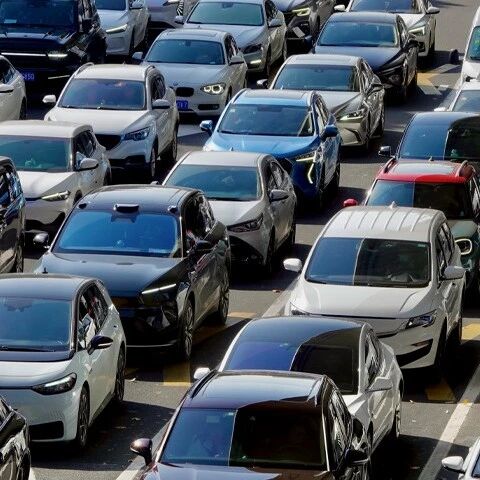
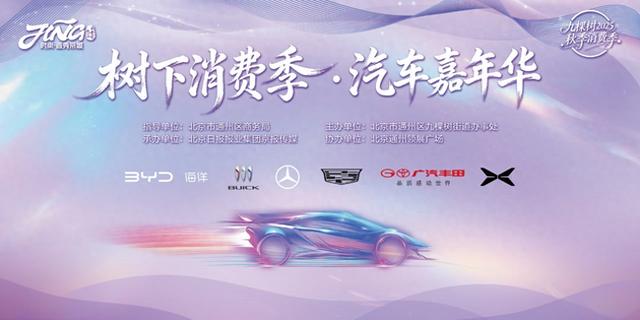
北京市通州区九棵树2025秋季消费季汽车嘉年华正式开启
Bei Jing Shang Bao· 2025-10-18 15:13
Core Viewpoint - The automotive carnival in Tongzhou District, Beijing, aims to stimulate consumer spending through various car brands and substantial subsidies, enhancing regional economic activity [1] Group 1: Event Overview - The automotive carnival is taking place from October 18 to 19 at Tongzhou Lianzheng Square, featuring well-known car brands such as Mercedes-Benz, Cadillac, Buick, GAC Toyota, BYD, Xpeng Motors, Tesla, Zeekr, Volkswagen, GAC Trumpchi, and AITO [1] - The event is designed to provide a platform for consumers to enjoy car viewing and purchasing experiences, coupled with significant discounts and immersive experiences [1] Group 2: Government and Economic Impact - Yang Xi, the head of the Tongzhou District Commerce Bureau, emphasized the growing importance of consumption in economic activities and the government's efforts to innovate methods and explore new models to better serve consumers [1] - The carnival aims to connect supply and demand seamlessly, ensuring satisfaction for both consumers and businesses through the presentation of quality products and services [1]
A50深夜拉升 黄金、白银跳水 虚拟货币大跌 29万人爆仓
2 1 Shi Ji Jing Ji Bao Dao· 2025-10-17 15:49
Group 1: Regional Banks Performance - U.S. regional bank stocks rebounded during the trading session after a collective drop due to credit issues, with notable gains including Carver Bancorp up over 5% and Pacific Mercantile Bank up over 4% [2][3] - Other banks also saw significant increases, such as Alliance West Bank up 4.25% and Zion Bank up 3.28% [3] Group 2: Cryptocurrency Market Trends - Cryptocurrency stocks opened lower but slightly recovered, with Bitfarms and Canaan Technology both dropping over 8% [4] - Bitcoin fell over 5% in 24 hours, dropping below $105,000, while Ethereum decreased over 6% to $3,724, with over 290,000 liquidations totaling nearly $1.2 billion in the last 24 hours [4][5] Group 3: Gold Market Insights - International gold prices experienced volatility, reaching a historical high before dropping below $4,300 per ounce, with palladium and silver also seeing significant declines [7] - A recent survey indicated that 43% of investors view "going long on gold" as the most crowded trade, surpassing the 39% for "going long on the seven major U.S. stocks," suggesting a large influx of institutional funds into gold [8] - Despite the crowded trade perception, many fund managers reported low gold positions, indicating potential for further investment as the average allocation remains only 2.4% [8][9] - The influx into gold is driven by factors such as the Federal Reserve's dovish stance and rising geopolitical risks, with Goldman Sachs raising its gold price target significantly to $4,900 per ounce by the end of 2026 [9]
群智咨询:Mini LED与OLED在车载显示领域的“竞合关系”将成为未来发展主线
Zhi Tong Cai Jing· 2025-10-17 12:55
Core Insights - The competitive relationship between Mini LED and OLED in the automotive display sector will be a key focus for future development, with both technologies evolving to better suit automotive applications [1][8] - Mini LED is expected to penetrate the market for vehicles priced above 200,000 yuan, with a significant increase in adoption projected for 2026 compared to 2025 [1][8] Product Technology Upgrades - The automotive display panel market is shifting towards a "differentiated breakthrough" in technology, characterized by a multi-faceted landscape of "Mini LED explosion, stable OLED, and traditional LCD maintaining the base" [2] - Mini LED technology is anticipated to experience explosive growth in 2025, with a projected increase in shipments from 800,000 units in 2023 to 3 million units in 2025, representing a year-on-year growth of 150% [3][4] Mini LED Growth Dynamics - The growth of Mini LED is driven by both technological advancements and market demand, with improved yield rates and cost reductions enabling its adoption in mainstream vehicle segments priced between 200,000 to 300,000 yuan [4] - Mini LED's technical features, such as high brightness and wide temperature tolerance, make it well-suited for automotive environments, creating a positive feedback loop of demand and supply [4] OLED Market Position - OLED technology has established a foothold in the high-end market, with applications in luxury vehicles, but its growth remains steady rather than explosive, focusing on high-end models priced above 500,000 yuan [5][6] - The shipment volume of OLED panels is expected to grow from 600,000 units in 2022 to 3.1 million units in 2025, reflecting a 25% year-on-year increase, although this growth rate is slower than that of Mini LED [5][6] Traditional LCD's Role - Despite the rise of Mini LED and OLED, traditional LCD technology continues to dominate the automotive display market, accounting for over 95% of shipments, primarily in vehicles priced below 200,000 yuan [7] - The strategy for traditional LCD in 2025 focuses on optimizing user experience and controlling costs through improved brightness and color optimization [7] Future Outlook - The competitive dynamics between Mini LED and OLED will drive rapid technological iterations, with both technologies expected to adapt to automotive needs [8][9] - Companies will need to balance current display performance and costs while anticipating future technological advancements, ensuring a diversified approach to production capacity for both Mini LED and OLED [9]
实探10家新能源车:多数极端情况无法开门
Hu Xiu· 2025-10-17 12:35
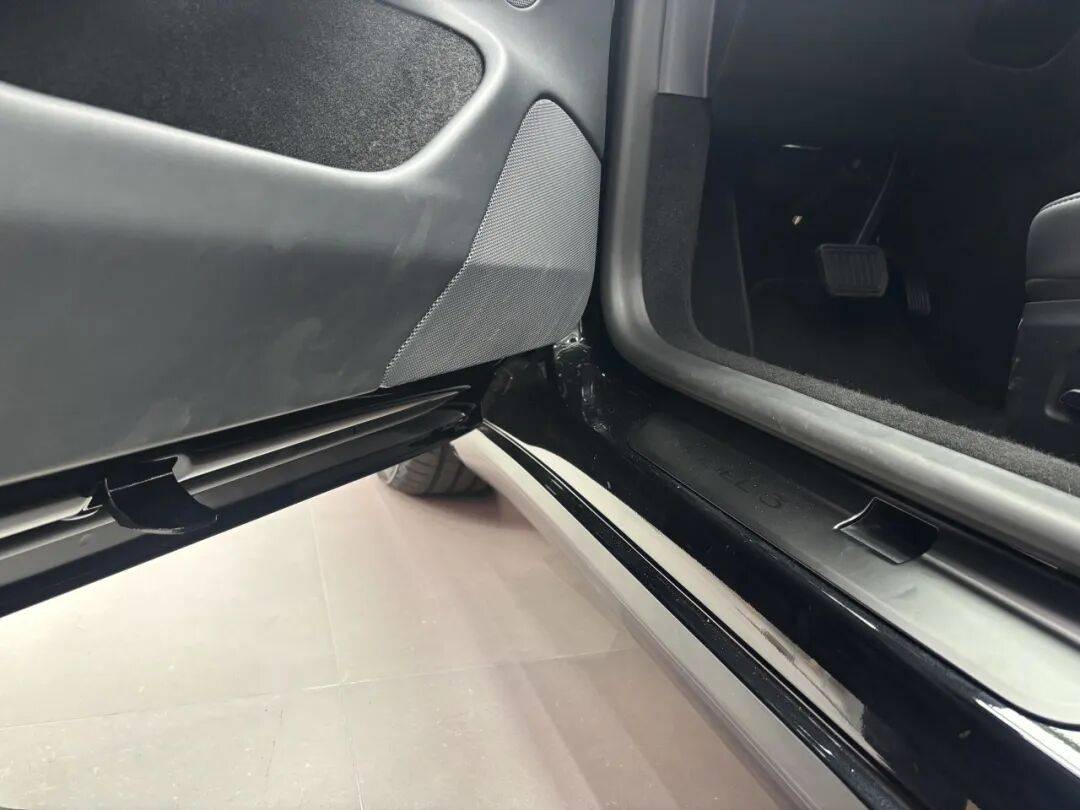
Core Viewpoint - The tragic incident involving a Xiaomi car has reignited the safety debate surrounding hidden door handles in electric vehicles, highlighting the critical need for safety redundancy in automotive design [1][2][3]. Group 1: Incident Overview - A Xiaomi vehicle lost control and caught fire due to the owner's drunk driving, leading to fatalities as rescuers struggled to open the doors, which were rendered inoperable due to the hidden electric door handles failing after power loss [1][2]. - Previous incidents in 2024 and 2025 involving other electric vehicles with similar hidden door handle designs have raised public awareness about the safety risks associated with these features [2][3]. Group 2: Regulatory Response - The Ministry of Industry and Information Technology (MIIT) initiated a safety technology research project in July 2024, focusing on the risks associated with hidden door handles [2][28]. - A draft of mandatory national standards for automotive door handles was released on September 24, 2025, proposing significant restrictions on hidden door handles and suggesting a transition period until January 1, 2027 [2][27]. Group 3: Industry Implications - The ongoing accidents and the impending regulations indicate a shift in the automotive industry towards prioritizing safety over aesthetic and aerodynamic considerations [3][21]. - The new regulations require all vehicle doors to have mechanical release functions, which fundamentally challenges the current trend of fully hidden door handles [27][29]. Group 4: Design and Safety Redundancy - The design of hidden door handles has been criticized for relying heavily on electronic signals, which can fail in emergencies, leading to difficulties in opening doors during critical situations [7][8]. - Some manufacturers, like Tesla, have implemented designs that combine electronic and mechanical systems to enhance safety redundancy, while others still rely on less reliable designs [12][16]. Group 5: Future Directions - The automotive industry is beginning to reassess its design philosophies, moving away from a sole focus on technological aesthetics towards incorporating safety as a fundamental design principle [31][34]. - Companies are actively preparing to comply with the new regulations, with some already adapting their designs to meet the upcoming safety standards [30][32].

金秋“惠”购,驭见未来!通州区九棵树街道汽车嘉年华即将超燃启幕
Bei Jing Ri Bao Ke Hu Duan· 2025-10-17 07:44
Core Points - The event "Tree Under Consumption Season: Towards a Beautiful New Life" is set to take place from October 18 to 19 in Tongzhou District, Beijing, aiming to stimulate regional consumption and promote the construction of an international consumption center city [1][4] - The automotive carnival will feature a strong lineup of well-known brands including Mercedes-Benz, Cadillac, Buick, GAC Toyota, BYD, Xpeng Motors, Tesla, and more, showcasing a variety of models that span traditional fuel and smart new energy vehicles [1][4] - The event will also include interactive elements and special offers such as limited-time purchase subsidies, low financial rates, and high-value trade-in policies to enhance consumer experience [2][4] Automotive Industry Insights - The event will highlight the latest trends in the automotive industry, focusing on consumer preferences for luxury, practicality, smart technology, and green travel options [1][4] - Various participating brands will offer exclusive purchase incentives, such as up to 5,000 yuan in purchase vouchers and additional benefits for specific models, enhancing the attractiveness of the event [3][4] - The carnival aims to integrate the automotive supply chain with other sectors like dining and entertainment, creating a new consumption ecosystem in the region [4] Consumer Engagement - The event will provide a platform for consumers to access financial services related to car purchases, as well as showcase local specialty products [4] - It is designed to address consumer pain points in buying, using, and maintaining vehicles, while also promoting the latest car trends and purchase incentives [4] - The automotive carnival is expected to significantly boost regional consumption vitality and contribute to the commercial prosperity of Beijing's sub-center [4]
雷军走下神坛,下一个是谁?
Sou Hu Cai Jing· 2025-10-17 05:31
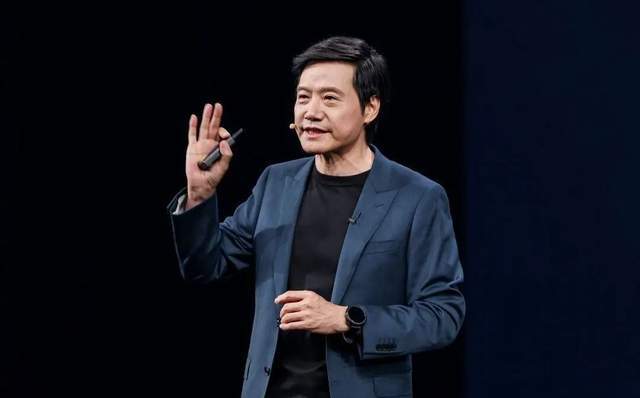
Core Viewpoint - The recent incidents involving Xiaomi's vehicles have raised significant concerns about safety and public perception, leading to a decline in the founder Lei Jun's popularity among fans and the public [6][24][32]. Group 1: Incident Overview - A traffic accident involving a Xiaomi SU7 Ultra resulted in the death of the driver, who was suspected of driving under the influence [6][17]. - Following the accident, negative comments flooded Xiaomi's live streaming channels, with accusations regarding the safety and design of their vehicles [6][8]. - The incident has led to a significant drop in followers for Lei Jun on social media, indicating a shift in public sentiment [6][24]. Group 2: Public and Media Reaction - Many netizens have criticized the design of the Xiaomi SU7, particularly the external door handle mechanism, which lacks a traditional mechanical option [17][24]. - There are ongoing discussions about the presence of "water armies" (paid commenters) attacking competitors in the electric vehicle market, raising questions about the integrity of online discourse [10][13]. - Lei Jun's delayed response to the accident and continued marketing efforts have been criticized, suggesting a lack of sensitivity to the situation [21][22]. Group 3: Industry Context - The electric vehicle industry is experiencing heightened competition, with companies like BYD and others also addressing issues of black public relations and online harassment [11][12]. - The need for improved safety measures in electric vehicles has been emphasized, with calls for the industry to prioritize safety features and transparent communication [24][27]. - The overall sentiment in the industry suggests that safety concerns are paramount, and companies must address these issues to maintain consumer trust [32].
新能源车买得起,但修不起了
创业邦· 2025-10-17 03:24
Core Viewpoint - Five Chinese automotive companies, including BYD and Zeekr, are facing potential fines in Australia for allegedly monopolizing after-sales services by not complying with local regulations regarding the disclosure of diagnostic software and repair parameters, which has made it difficult for independent repair shops to service these vehicles [5][7]. Group 1: Cost of Repair for New Energy Vehicles - The repair costs for new energy vehicles (NEVs) are significantly higher than those for traditional fuel vehicles, with minor accidents costing between 5,000 to 15,000 yuan for NEVs compared to 2,000 to 8,000 yuan for fuel vehicles [9]. - In severe collision cases, the repair costs for NEVs can exceed the cost of purchasing a new vehicle, while fuel vehicles can still be repaired for 50,000 to 150,000 yuan [9]. - The high repair costs are attributed to expensive parts, advanced technology, and the necessity of using official service centers to maintain warranty coverage [11][15]. Group 2: Challenges in After-Sales Services - Many automotive companies have strict warranty policies that require all maintenance and repairs to be conducted at authorized service centers, which can lead to high costs for consumers [15][16]. - Official service centers often prefer to replace parts rather than repair them, which increases overall repair costs [18]. - The integration of advanced technology in NEVs complicates repairs, as many independent repair shops lack access to necessary diagnostic tools and information [24][26]. Group 3: Market Dynamics and Future Outlook - The number of independent repair shops for NEVs is significantly lower than for traditional vehicles, with estimates of only 20,000 to 30,000 NEV repair shops compared to around 400,000 for fuel vehicles in China [37]. - The current high repair costs for NEVs are expected to persist until more vehicles are out of warranty and independent repair shops become more knowledgeable about NEV repairs [39]. - The automotive repair industry is facing challenges due to the rapid technological advancements in NEVs, which require specialized knowledge and skills that many traditional mechanics do not possess [39].