
龙湖集团

Search documents
中指研究院:10月重点50城住宅平均租金为34.57元/平方米/月 同比下跌3.63%
智通财经网· 2025-11-07 05:52
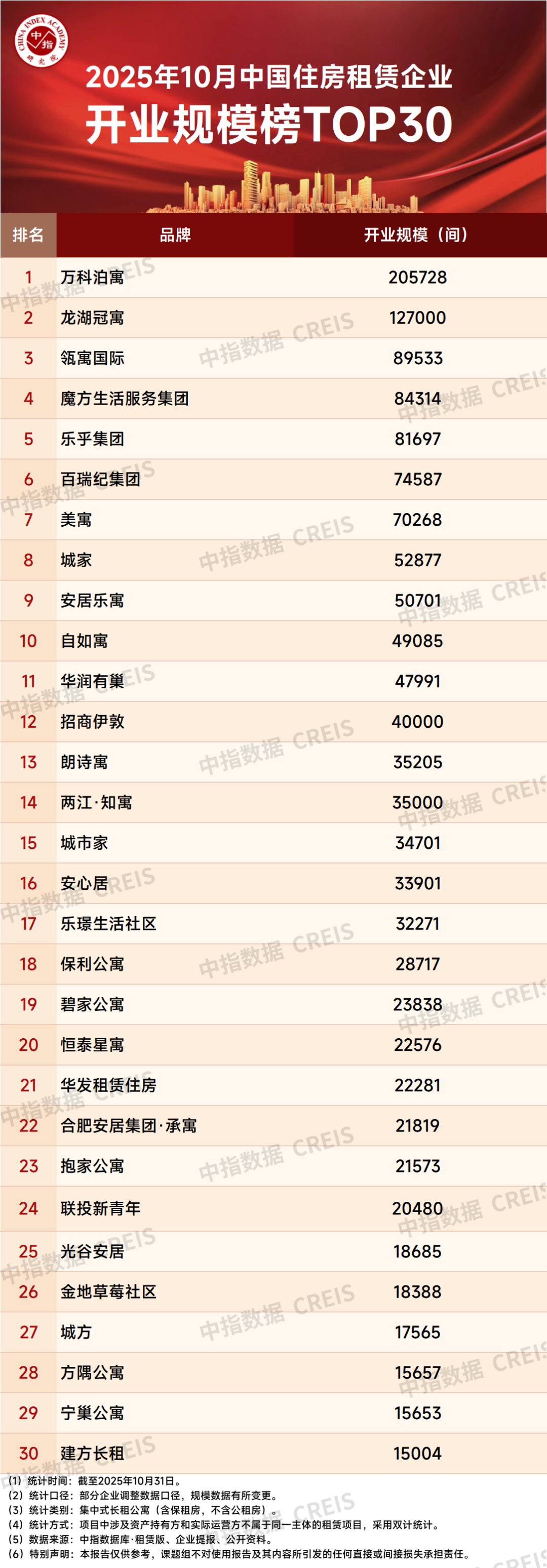
Core Insights - The report from the China Index Academy indicates that by October 2025, the total number of opened rental units among the top 30 housing rental companies in China will reach 1.407 million, with a management scale of 1.977 million units [1][7] - The rental market is entering a traditional off-season, with the average residential rent in 50 key cities decreasing by 0.49% month-on-month and 3.63% year-on-year, reaching 34.57 yuan per square meter per month [1][25] Company Rankings - The top 30 companies by opened scale include: - Vanke Boyu: 205,728 units - Longfor Guanyu: 127,000 units - Meiyu: 140,468 units in management scale [2][5][7] - The management scale rankings show Vanke Boyu leading with 280,800 units, followed by Longfor Guanyu with 164,000 units [5][6] Market Dynamics - In October, several rental projects were launched, including public rental housing and talent apartments, with significant contributions from local state-owned enterprises and specialized rental operators [8] - The rental market is experiencing a decline in demand, leading to a broader decrease in rental prices across major cities [25][26] Business Expansion - Vanke Boyu signed a cooperation agreement with Shenzhen Metro Group to introduce high-end rental apartments in the Qianhai area [10][11] - New brands in the rental market include "Ji Yu" by Guangdian City Service Group and "Le Yang" by Xi'an Anju, indicating a trend towards brand diversification [13] Financing Trends - The issuance of rental ABS (Asset-Backed Securities) is gaining traction, with successful projects from Wuhan Hongshan Guotou and Jin Yang Investment Group [14] Policy Developments - The Ministry of Housing and Urban-Rural Development emphasizes the need to optimize the supply of affordable housing and regulate the rental market, focusing on various demographic needs [16] - Local governments are implementing policies to support the conversion of idle properties into rental housing, particularly in cities like Shanghai and Shenzhen [17][18] Rental Supply - In the past five years, Ningxia has allocated over 172,000 public rental housing units, while Chongqing has built 583,000 public rental units [21][23] - The overall transaction of residential land in 22 key cities reached 129 plots, with a focus on integrating rental housing into urban planning [29][30]

商业活力华东最盛,上海新开业商场远超北京
3 6 Ke· 2025-11-07 02:27
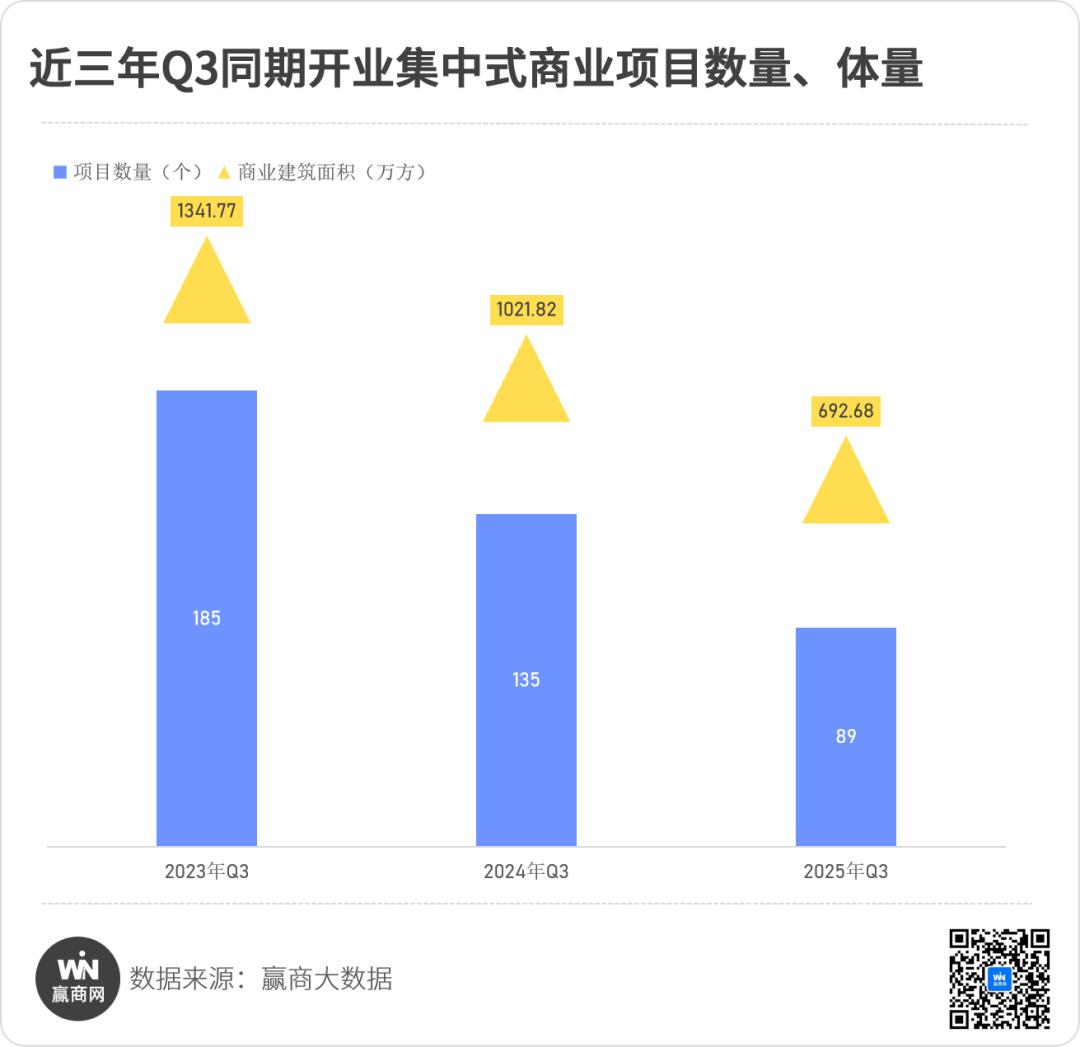
Core Insights - The third quarter of 2025 sees a peak in commercial openings, driven by the "National Day" holiday, with 89 new projects totaling approximately 6.93 million square meters [2][5] - The Eastern China region, particularly Jiangsu, Zhejiang, and Shanghai, dominates the commercial project openings, accounting for over 80% of the total [5][7] - High-tier cities maintain their market position, while lower-tier cities, especially county-level markets, show increased commercial activity [7][9] Summary by Sections Opening Statistics - A total of 89 commercial projects opened in Q3 2025, with a commercial area of about 6.93 million square meters. September alone accounted for 59 projects, representing 66% of the quarterly total [2] - Among the new openings, 15 projects were renovations of existing properties, contributing approximately 1.37 million square meters [2][14] Regional Distribution - The Eastern region leads with 32% of openings, with Jiangsu, Zhejiang, and Shanghai contributing significantly [5] - Central and Southern China follow, with Central China having 8 openings and Southern China 15 openings, primarily in Guangdong [5] Market Tier Analysis - High-tier cities account for over 70% of new projects, with first-tier cities at 27%, second-tier at 10%, and a notable activity in fourth-tier cities [7] - County-level commercial projects are becoming more active, with several notable openings in various regions [9] City-Specific Highlights - Hangzhou leads with 8 new projects, followed by Chongqing and Wuhan with 6 each. Notable projects include the Hangzhou Asian Games Village and several large-scale developments in Chongqing [11][12] - Beijing and Shanghai also saw significant openings, focusing on urban renewal and high-end commercial spaces [12][15] Major Developers and Projects - Leading commercial management companies like China Resources, Longfor, and Wanda opened multiple projects, with China Resources launching 6 projects, including several in lower-tier cities [13] - High-profile projects include Shenzhen Bay MixC Phase II and Guangzhou's K11 Select, both featuring innovative designs and a mix of retail and cultural spaces [18][19][20] Renovation Projects - The quarter saw 15 renovation projects, with a total area of approximately 1.37 million square meters, indicating a trend towards upgrading existing properties [14] - Examples include the transformation of previously stalled projects into successful commercial spaces, such as the Hohhot MixC [25]


每日债市速递 | 央行公开市场单日净回笼2498亿
Wind万得· 2025-11-06 22:35
Open Market Operations - The central bank announced a 7-day reverse repurchase operation of 92.8 billion yuan at a fixed rate of 1.40% on November 6, with a total bid amount of 92.8 billion yuan and a successful bid amount of 92.8 billion yuan. On the same day, 342.6 billion yuan of reverse repos matured, resulting in a net withdrawal of 249.8 billion yuan [1] Funding Conditions - The interbank funding conditions remained loose, with overnight repurchase rates for deposit-taking institutions hovering around 1.31%. The overnight quotes in the anonymous X-repo system also remained around 1.3%, indicating ample supply. Non-bank institutions' pledging of certificates of deposit and credit bonds for overnight funding maintained quotes around 1.4%. Traders noted that there were few disruptive factors at the beginning of the month, and liquidity remained stable and loose, with no concerns for the future market outlook following the central bank's actions [3] Interbank Certificates of Deposit - The latest transaction rate for one-year interbank certificates of deposit among major national and joint-stock banks was around 1.63%, showing a slight decline from the previous day [8] Government Bond Futures - The closing prices for government bond futures showed a decline, with the 30-year main contract down by 0.28%, the 10-year main contract down by 0.09%, the 5-year main contract down by 0.03%, and the 2-year main contract up by 0.01% [11] Real Estate Sector Financing - In October, the total bond financing in the real estate sector reached 51.24 billion yuan, representing a year-on-year increase of 76.9%. Among this, credit bond financing accounted for 32.7 billion yuan, up 50.7% year-on-year, making up 63.8% of the total. The average bond financing interest rate in October was 2.56%, down by 0.42 percentage points year-on-year and 0.13 percentage points month-on-month [13] Global Economic Indicators - South Korea's central bank reported a record high current account surplus of 13.47 billion USD in September, up from 9.15 billion USD the previous month. This marked the largest current account surplus recorded for September and the second-largest monthly surplus overall [15] - The global manufacturing purchasing managers' index for October was reported at 49.7%, remaining stable compared to the previous month and indicating a slow recovery in the global economy [15] Green Finance - Five banks have joined the "trillion club" for green credit, with the total scale of green bonds nearing 2 trillion yuan [16] Debt Restructuring - Country Garden achieved a significant breakthrough in its debt restructuring, with plans to reduce overseas debt by approximately 84 billion yuan. Additionally, Sunac completed a second restructuring of both domestic and overseas debts, reducing debt by nearly 60 billion yuan [16] Bond Market Trends - The global bond issuance boom has led to a record sales figure of 5.94 trillion USD this year [17]

突发,11月起房地产调控换道,3大红利让购房者连夜算账
Sou Hu Cai Jing· 2025-11-06 21:07
Core Insights - The Chinese real estate market is undergoing a significant transformation with the introduction of new policies aimed at stimulating demand and optimizing supply, marking a shift from localized adjustments to a nationwide strategy [3][5][9] Demand Side - Tax incentives have been enhanced, with the contract tax exemption area increased from 90 square meters to 140 square meters, allowing a uniform tax rate of 1% for personal purchases of homes within this size limit [5][9] - The new policy eliminates the distinction between ordinary and non-ordinary residential properties in first-tier cities, providing a significant tax relief for homeowners selling properties held for over two years [5][9] - The combined effect of tax and credit incentives is expected to reduce the financial burden on homebuyers by over 60%, making home purchases more accessible [7][9] Supply Side - The policy includes measures to alleviate corporate financial pressures and optimize inventory, such as lowering the land value-added tax pre-collection rate by 0.5 percentage points [7][9] - Financial support has been unprecedented, with flexible mortgage terms and increased loan limits for families with multiple children, enhancing affordability for first-time buyers [7][9] - The new policies are expected to significantly boost the market for improved housing, with a focus on meeting the needs of families looking to upgrade their living conditions [9][11] Market Dynamics - The new policies have led to a notable increase in demand for improved housing, with a significant rise in transactions for larger units, particularly in core urban areas [11][13] - The market is experiencing a divergence, with core cities benefiting more from policy incentives compared to lower-tier cities, which continue to face inventory challenges [14][15] - The trend towards high-quality housing is gaining momentum, with cities implementing standards for "good housing" that emphasize quality and sustainability [17]

数字化转型:龙湖穿越行业周期的“韧性底座”
Zhong Guo Jing Ying Bao· 2025-11-06 11:41
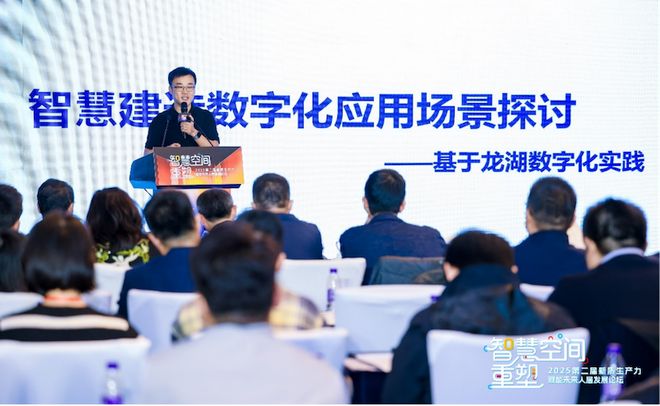
Core Insights - The core viewpoint of the article emphasizes the importance of a forward-looking digital transformation strategy for Longfor Group to maintain stable development during the current industry adjustment period [2][3] Digital Transformation Strategy - Longfor initiated its digital transformation in 2014, establishing digitalization as the third major foundation of the company after corporate culture and financial systems [2] - The company has developed a clear five-layer digital architecture and adheres to a "business-led" principle [2] - In 2024, Longfor will further initiate AI transformation, with over 150 internal smart agents reshaping operational models [2] Implementation in Core Business - The digital management system covers the entire chain of Longfor's real estate development core business, focusing on nine key areas: investment, financing, construction, supply, sales, storage, support, return, and settlement [2] - Decision-making processes have shifted from traditional PPT reports to direct presentation of raw data, ensuring transparency [3] - In design management, Longfor has established a standard library with over 100,000 modules and utilizes VR technology for plan reviews, linking design with cost and data value [2] Engineering Management and Risk Control - Longfor employs a "coarse and fine" strategy in engineering management, using IoT devices for mandatory digital testing of key nodes like concrete strength, allowing for direct reporting of anomalies to management [3] - AI models are utilized in marketing to quickly identify risks in business orders, significantly enhancing risk control efficiency [3] - The supply chain management system has achieved full online integration, enabling cost visibility and intelligent identification of risks such as collusion and conflicts of interest [3] Overall Impact - Through systematic digital transformation, Longfor has not only enhanced its operational resilience but also explored an effective path for the industry to drive new productive forces through digitalization [3]
2025年10月中国房地产企业品牌传播力TOP50
克而瑞地产研究· 2025-11-06 09:36
Group 1 - The article emphasizes the importance of brand communication for real estate companies during the festive seasons of National Day, Mid-Autumn Festival, and Chongyang Festival, highlighting the opportunity for brand engagement and social responsibility [2][6] - Leading real estate companies are focusing on community-centric activities, utilizing a blend of traditional and modern interactive designs to create emotional resonance, brand recognition, and value conversion [2][6] - The article notes significant leadership changes in key companies, such as Vanke's chairman transition and the criminal measures against its former president, as well as the board restructuring at Jin Ke Co., indicating ongoing turbulence in the industry [2][6] Group 2 - The top three companies in the brand communication power ranking are Poly Developments, China Resources Land, and Greentown China, followed closely by Vanke and Longfor Group [2][4] - The article highlights the role of festive seasons as a starting point for community building, with leading companies enhancing neighborly connections through service and warmth, contributing to a more meaningful ideal lifestyle [2][6] - The model of "emotional empowerment + value realization" is identified as a core driver for the continuous improvement of brand communication power [2][6]





代建行业竞争白热化,房企如何破局
Xin Lang Cai Jing· 2025-11-06 02:09
Core Insights - The real estate industry is undergoing a transformation, with construction agency services becoming a significant direction for companies, leading to accelerated expansion among leading construction firms [1][2] - The competition in the construction agency sector is intensifying, prompting companies to adhere to long-term strategies rather than pursuing blind scale expansion [1][4] Industry Overview - The overall scale of construction agency services has significantly increased, with six leading companies adding over 10 million square meters of new construction agency scale in the first three quarters of 2025 [2] - The top 20 construction agency firms saw a year-on-year increase of 31% in new signed construction area, totaling 15,771 million square meters [2] - Green City Management leads the sector with over 2,700 million square meters of new construction area, approximately double that of the second-ranked firm [2] Types of Construction Agency Services - Construction agency services are categorized into government, commercial, and capital agency types, each serving different market needs [3] - Government agency services focus on public projects such as affordable housing and schools, while commercial agency services are the most prevalent, providing management services to clients lacking development capabilities [3] - Capital agency services are the most complex, often involving financial institutions to manage distressed assets [3] Competitive Landscape - The competition among construction agency firms is becoming more specialized, with companies focusing on niche markets to establish differentiated advantages [4] - Recent government policies have increased the precision and detail of construction agency regulations, raising the professional requirements for firms [4][5] - Companies are encouraged to broaden their focus to include urban renewal projects and affordable housing, as these areas present significant opportunities [5] Strategic Recommendations - Firms are advised to deepen their engagement in specialized fields and enhance service quality to achieve sustainable growth [5][6] - Emphasis on long-term strategies, project fulfillment rates, and client satisfaction is crucial for success in a competitive environment [5][7] - Companies should innovate their business models and explore high-value, high-barrier niche markets to avoid price competition [5][6] Emerging Trends - The shift towards managing distressed assets reflects a broader change in the real estate industry's underlying logic, moving from new development to revitalizing existing assets [6][7] - The "guarantee delivery" policy has created substantial demand for professional intervention in construction and delivery projects, providing clear business opportunities for capable construction agencies [6][7]
企业月报 | 单月销售维持低位,投融资均环比下降(2025年10月)
克而瑞地产研究· 2025-11-05 07:53
Core Insights - In October 2025, the top 100 real estate companies achieved a sales turnover of 253 billion yuan, a month-on-month increase of 0.1% but a year-on-year decrease of 41.9%. Cumulatively, the sales turnover from January to October 2025 reached 25,766.6 billion yuan, reflecting a year-on-year decline of 16%, with the decline rate widening by 4.2 percentage points compared to the first nine months of the year [2][3]. Group 1: Contract Sales - The top 100 real estate companies achieved a sales turnover of 253 billion yuan in October [3]. - The sales threshold for each tier of companies has further decreased compared to the same period last year, with the top 10 companies' sales threshold dropping by 9.4% to 67.89 billion yuan [6]. Group 2: Land Acquisition - In October, the investment amount for land acquisition decreased by nearly 30% compared to the average monthly amount in the first three quarters, with over half of the companies not acquiring any land [10][12]. - The average land price in October fell to 19,809 yuan per square meter, a significant decrease of 54% month-on-month [12]. Group 3: Financing - In October 2025, the total financing amount for 65 typical real estate companies was 34.907 billion yuan, a month-on-month decrease of 9.6% but a year-on-year increase of 4.8% [17]. - The financing cost for newly issued bonds by 65 typical real estate companies averaged 2.92%, a slight decrease from the previous year [19][21]. Group 4: Organizational Dynamics - In October 2025, there was a significant turnover in key positions within the real estate industry, including changes in leadership at major companies such as Vanke and Jinke [23]. - Vanke's chairman was replaced, and a new management team was established at Jinke, reflecting the industry's ongoing adjustments during a challenging period [24][25].

房地产行业 2026 年度投资策略:止跌之路:收入、预期、外力
Guoxin Securities· 2025-11-05 03:03
Group 1 - The core view of the report indicates that the real estate industry is expected to outperform the market, with a focus on the challenges faced in 2025 and the need for policy adjustments to stabilize housing prices [1][4] - In 2025, new home sales saw a significant decline, with a year-on-year drop of 13% in Q3, marking the lowest level since 2019 [1][11] - The report emphasizes that income confidence is crucial for the mid-term trend of housing prices, requiring the income confidence index to rise above 50 for sustained stability in prices [1][46] Group 2 - The outlook for 2026 suggests a slight narrowing of sales declines, with expected sales amounting to 7.6 trillion yuan, a decrease of 10.9%, and a sales area of 840 million square meters, down 6.8% [2] - New construction is projected to grow significantly by over 20%, while completions are expected to decline by 20% due to insufficient inventory [2][18] - Investment in the sector is anticipated to benefit from improved construction activity, estimated at 7.5 trillion yuan, down 9% [2] Group 3 - Investment recommendations include waiting for market stabilization and focusing on structural opportunities, with specific companies identified as potential outperformers based on their financial health and market positioning [2][3] - Companies recommended for investment include China Jinmao, China Overseas Development, and China Overseas Grand Oceans Group, which are expected to contribute excess returns due to their strong fundamentals [2][3] - The report highlights the importance of selecting stocks with low historical burdens and those benefiting from favorable market conditions, such as lower interest rates [2][3]


房地产行业2026年度投资策略:跌之路:收入、预期、外力
Guoxin Securities· 2025-11-05 01:54
Core Insights - The report maintains an "Outperform" rating for the real estate sector, indicating a belief in potential recovery despite ongoing challenges in the market [4] - The real estate market is expected to stabilize at low levels in 2026, with a projected sales volume of CNY 7.6 trillion, reflecting a decrease of 10.9% year-on-year [2][3] - The report emphasizes the importance of income confidence as a key driver for housing prices, suggesting that a confidence index above 50 is necessary for sustained price stability [1][46] Market Overview - In 2025, the real estate market faced significant pressure, with new home sales declining by 13% year-on-year in Q3, marking a historical low [1][11] - The inventory pressure for new homes has increased compared to the period before the "924" policy, with the average de-stocking cycle extending to 23 months in major cities [11][14] - The second-hand housing market is also under pressure, with high listing volumes making it difficult for prices to stabilize [20][33] 2026 Outlook - The report forecasts a slight narrowing of sales declines in 2026, with new construction expected to grow by over 20% [2][3] - Investment in real estate is projected to decrease by 9%, amounting to CNY 7.5 trillion, due to ongoing challenges in the market [2][3] Investment Recommendations - The report suggests a strategy of waiting for market stabilization while focusing on structural opportunities within the sector [2][3] - Specific companies are highlighted for potential excess returns, including those with light historical burdens and conservative price-to-book ratios, such as China Jinmao and China Overseas Development [2][3] Key Company Earnings Forecasts - China Jinmao is projected to have an EPS of CNY 0.08 for both 2025 and 2026, with a PE ratio of 15.4 [3] - China Overseas Development is expected to have an EPS of CNY 1.41 in 2025 and CNY 1.43 in 2026, with a PE ratio of 8.5 and 8.4 respectively [3] - Other recommended companies include China Overseas Hongyang Group, China Merchants Shekou, China Resources Land, and Longfor Group, all rated "Outperform" [3] Policy Environment - The report notes that existing policy frameworks have limited room for significant adjustments, with most measures being minor tweaks rather than substantial changes [38] - Recent policy announcements have included adjustments to housing purchase restrictions in major cities, but their impact on sales is expected to be limited [38][40]