奔驰

Search documents
来势迅猛,安世启动二次反制!荷兰断供,中方对阵欧盟27国
Sou Hu Cai Jing· 2025-11-06 18:29
Core Viewpoint - The conflict between ASML and its Chinese subsidiary highlights the fragility of global supply chains and the unintended consequences of political maneuvers in the semiconductor industry [1][3][10] Group 1: Supply Chain Disruption - ASML's temporary CEO announced a halt in wafer supply due to alleged payment defaults by the Dongguan factory, which ASML China refuted, claiming ASML owed 1 billion yuan [1][5] - The Dutch government's takeover aimed to sever Chinese control over ASML but resulted in a significant disruption, as 70% of ASML's end production capacity is concentrated in the Dongguan facility, leading to panic among European automakers [3][5] - Major European car manufacturers like Volkswagen and Mercedes-Benz rushed to stockpile chips, causing a 20% short-term price increase, while Dutch wafer factories faced inventory pile-up due to halted production [3][5] Group 2: Political and Economic Repercussions - The Dutch government's actions have been criticized for prioritizing political motives over market logic, with the German media noting that the automotive industry is facing real costs due to these decisions [5][7] - In response to the supply halt, the Chinese Ministry of Commerce implemented export controls on ASML's automotive chips, while allowing for flexible exemptions for affected companies, leading to a split in the European automotive sector [5][7] - ASML China indicated that its existing inventory could meet customer demands until the end of the year, and domestic wafer manufacturers are stepping in to fill the gap, accelerating the shift towards local alternatives [5][8] Group 3: Global Supply Chain Dynamics - The incident underscores the complexities of global supply chains, with ASML's model relying on a "Dutch wafer - Chinese packaging - global sales" approach, making the packaging stage a critical point of control [10] - The situation has prompted discussions about the sustainability of political interventions in market operations, with warnings from the German business community about the costs of such political maneuvers [10] - The broader implications of this conflict raise questions about the future of globalization and whether nations can maintain efficiency in supply chains while pursuing absolute autonomy [10]


鸿蒙智行闯出中国汽车高端化 “新解法”
晚点LatePost· 2025-11-06 12:09
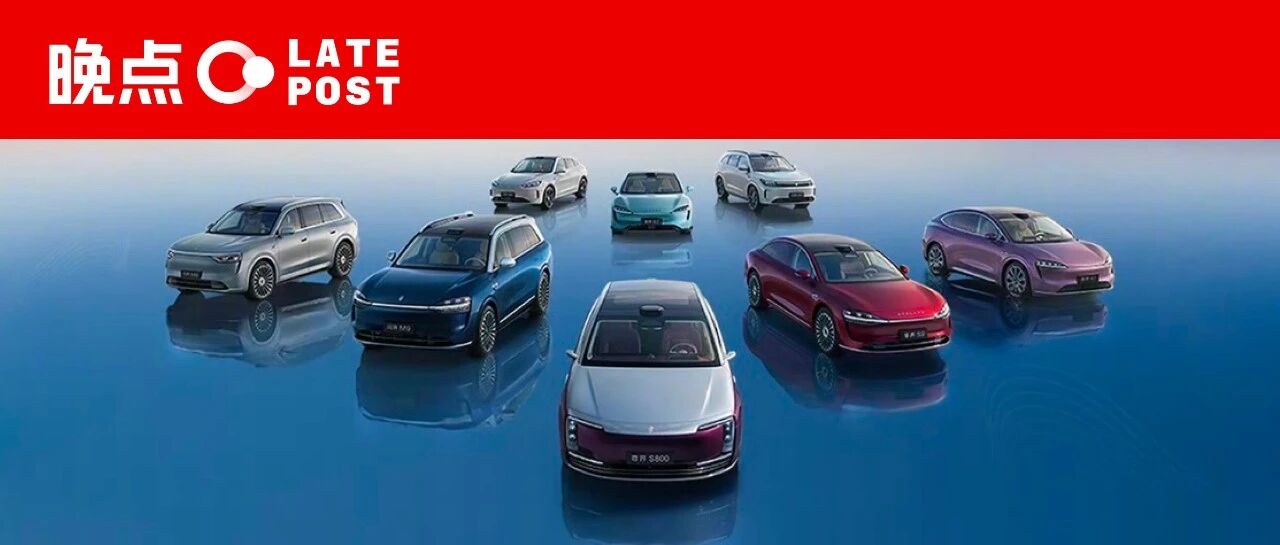
Core Viewpoint - The article highlights the rapid growth and market penetration of Hongmeng Zhixing, which achieved one million vehicle deliveries in 43 months and an average transaction price of 390,000 yuan, positioning itself competitively against traditional luxury brands like BMW, Mercedes-Benz, and Audi [1][2][5]. Summary by Sections Market Performance - Hongmeng Zhixing reached a milestone of one million deliveries in just 43 months, outperforming competitors like Li Auto and Leap Motor, which took 58 and 75 months respectively [2]. - The average transaction price of vehicles sold by Hongmeng Zhixing is 390,000 yuan, placing it within the price range of traditional luxury brands [5]. Competitive Landscape - The competitive dynamics have shifted, with traditional luxury brands like BBA (BMW, Benz, Audi) facing pressure to lower prices to maintain sales, resulting in a decline in revenue and profit [5][6]. - Hongmeng Zhixing's brand matrix includes various models targeting different market segments, with Wanjie being the sales leader [2][6]. Product Offerings - The Wanjie M9 and M8 models have significantly contributed to the average transaction price, with the M9 being a top seller in the 500,000 yuan and above market segment [7][8]. - The launch of the Xiangjie S9T, a family-oriented travel car, has also seen strong initial sales, indicating a successful entry into a niche market [8][9]. Strategic Collaborations - Over 20 automakers have formed deep collaborations with Huawei, indicating a shift from viewing Huawei as a competitor to a valuable partner in the automotive sector [2][6]. - The collaboration model allows for shared technological advancements and a unified product experience, enhancing the overall value proposition for consumers [6][11]. Market Disruption - Hongmeng Zhixing is redefining the luxury car market, traditionally dominated by foreign brands, by leveraging advancements in electric and intelligent vehicle technologies [12][18]. - The brand is successfully penetrating the ultra-luxury market with the launch of the Zunjie S800, which has set new sales records for domestic ultra-luxury vehicles [9][17]. Ecosystem Development - The article emphasizes the importance of ecosystem collaboration, with companies like SAIC and Huawei working together to create vehicles that integrate advanced technologies while maintaining cost efficiency [20][23]. - The establishment of independent entities for product development and manufacturing, as seen in the partnership with Chery, signifies a strategic move towards a more integrated automotive ecosystem [21][22]. Future Outlook - The ongoing development of new models and the enhancement of service standards are expected to further increase market share in the mid-to-high-end segments [23]. - The article concludes that the competition in the high-end automotive market is just beginning, with significant potential for growth driven by technological innovation and collaborative ecosystems [23].
冻结147亿也没用!安世要求必须用人民币结算,荷兰抢了个空壳?
Sou Hu Cai Jing· 2025-11-06 10:40
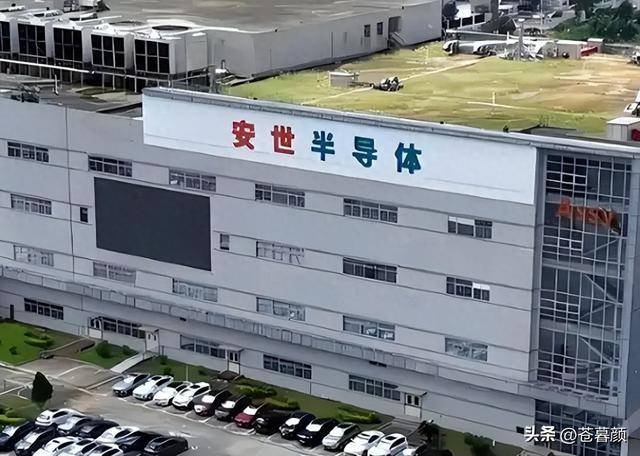
不得不说,荷兰政府雷厉风行,直接动用了一部冷战时期几乎被人遗忘的《商品供应法》,以"保障国家安全"为由,一举接管了半导体巨头安世 (Nexperia)的荷兰总部。 这场行动看上去准备充分,不仅罢免了中方的CEO张学政,还直接冻结了高达147亿人民币的巨额资产。 这一系列操作,背后显然有美国的影子,就在几个月前的6月,华盛顿就曾向荷兰方面施压,暗示更换CEO是让安世脱离实体清单的先决条件。 而荷兰这次的行动,也恰好紧随美国9月29日升级出口管制之后,时间点拿捏得相当"默契",更让人玩味的是,安世公司内部的一些外籍高管,也在 这场风波中与荷兰政府进行了内外配合。 就在所有人都以为这会是一场单方面的碾压时,戏剧性的一幕发生了,荷兰人兴高采烈地拿下了总部,却发现自己抢到手的,可能只是一个法律意 义上的"空壳",这个所谓的荷兰总部,根本不具备任何实际的生产能力。 而这一切的真正风暴眼就在中国。 安世半导体的命脉,根本不在欧洲那间办公室里,而在遥远的中国东莞,那里的工厂,承担了整个公司超过70%的封装产能。 要知道,全世界每十颗汽车顶级功率芯片里,就有七颗是东莞这家工厂造的,这才是安世最值钱的地方。 中国的反制来得又快又 ...
新能源汽车路线之争:被低估的纯电壁垒和熬出头的纯电厂商
Zheng Quan Ri Bao Wang· 2025-11-06 07:57
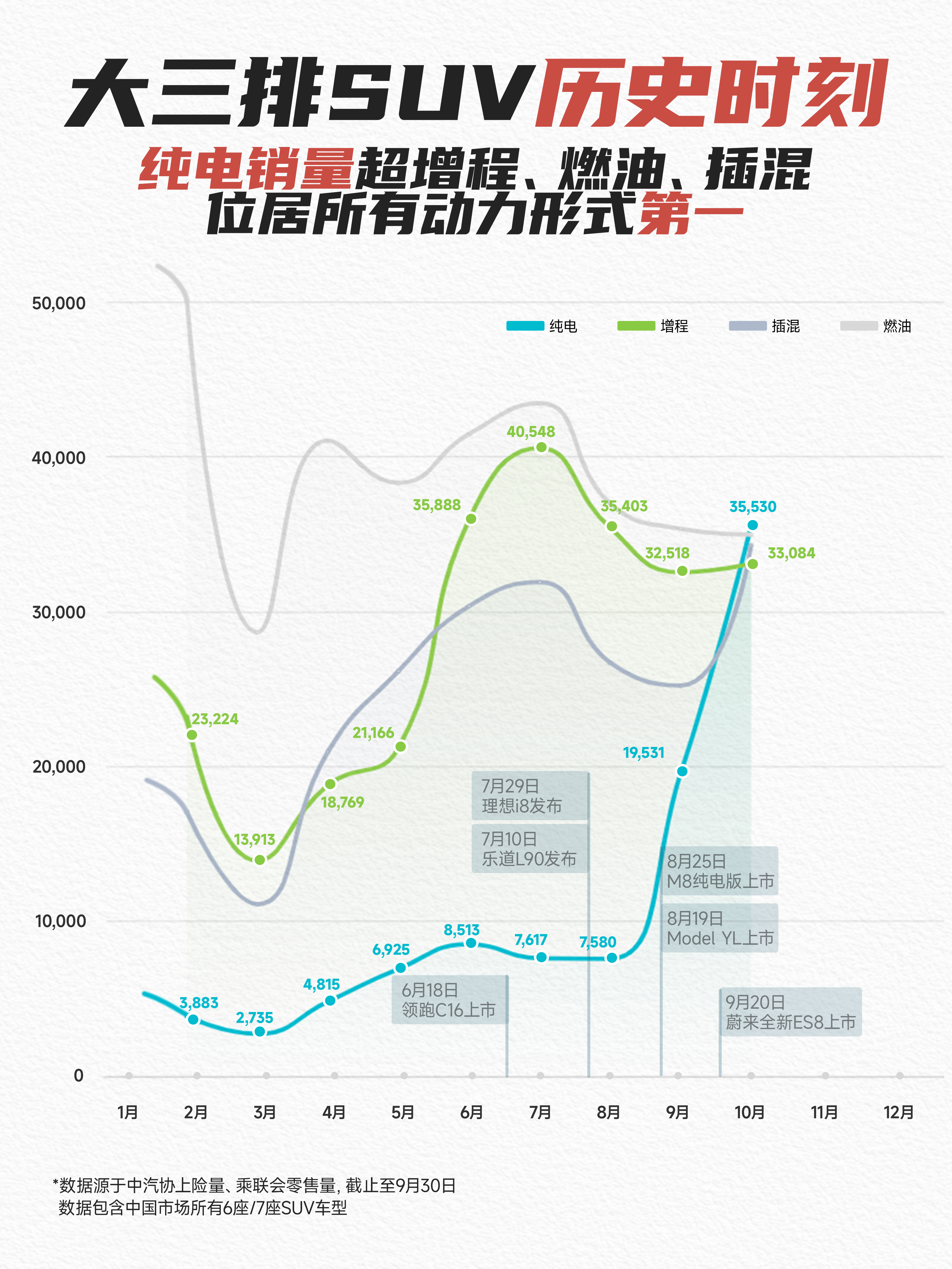
Core Viewpoint - The release of the "Energy-saving and New Energy Vehicle Technology Roadmap 3.0" outlines seven major goals for China's automotive industry by 2040, emphasizing the dominance of new energy vehicles (NEVs) in the market, with a projected penetration rate of over 85% for new energy passenger vehicles, and 80% for battery electric vehicles (BEVs) [1] Industry Development - The transition to electric vehicles (EVs) has been slow for traditional automotive giants, despite their initial advantages, leading to a struggle in adapting to the electric landscape [2] - The rise of China's NEV industry has significantly impacted global markets, with many traditional brands facing challenges in their electric offerings [2] - The market share of range-extended vehicles has been substantial in China, particularly in the large SUV segment, but this is changing as consumer preferences shift towards pure electric vehicles [2][4] Consumer Behavior - A significant shift in consumer preferences is noted, with over 70% of buyers of pure electric large SUVs coming from traditional fuel vehicle owners, and 99% of current electric vehicle owners considering another electric vehicle for their next purchase [11] - Consumers are increasingly seeking comfort and spaciousness in vehicles, which pure electric models can provide due to their design advantages over internal combustion engine vehicles [11] Competitive Landscape - NIO has emerged as a leading player in the pure electric vehicle market, achieving significant monthly delivery milestones and establishing a strong competitive position through extensive R&D and a focus on electric technology [13][14] - The competitive dynamics in the electric vehicle sector are characterized by the need for deep technological expertise and substantial investment, making it challenging for new entrants without prior experience [17] Technological Barriers - The complexity of electric vehicle technology, including core components and supply chain management, presents significant barriers for traditional manufacturers attempting to transition to electric models [3][17] - NIO's investment in battery health management and charging infrastructure has positioned it favorably in the market, allowing it to address consumer concerns about battery longevity and charging convenience [18]

盘中必读|小鹏新一代人形机器人IRON亮相!人形机器人板块应声走高,万向钱潮直线涨停
Xin Lang Cai Jing· 2025-11-06 05:28
Core Viewpoint - The robotics sector in the A-share market experienced a significant surge on November 6, driven by the unveiling of Xiaopeng's new humanoid robot, IRON, leading to a strong performance from various stocks, particularly Wanxiang Qianchao, which hit the daily limit up [1]. Group 1: Company Overview - Wanxiang Qianchao is a leading enterprise in the automotive parts industry, with a diversified business model that includes core products such as universal joints, drive shafts, and bearings, alongside growth engines in new energy vehicle components and future prospects in robotics and low-altitude economy [1]. - The company holds a global market share of approximately 15% in universal joints, maintaining its position as the industry leader, while its domestic market share for drive shafts is 20% and for wheel hub units is 27.9% [3]. - Wanxiang Qianchao's products have been recognized as national champions in manufacturing, with a customer base that includes major automotive brands such as Mercedes-Benz, BMW, Toyota, BYD, and NIO [3]. Group 2: Market Performance - On November 6, Wanxiang Qianchao's stock price reached a limit up of 13.86 CNY per share, with a price-to-earnings ratio of 44.57 and a total market capitalization of 459.5 billion CNY [1]. - Other stocks in the robotics sector also saw significant gains, with Ayawis Co. rising over 9%, and several other companies such as Hangyu Micro, Bojie Co., and Wuzhou Xinchun experiencing upward movement [1].


保时捷利润暴跌99%,纯电反超增程,大车市场乱套了?
Xi Niu Cai Jing· 2025-11-06 04:06
Core Viewpoint - The automotive market is undergoing significant changes, with domestic brands gaining ground in the large SUV segment traditionally dominated by foreign brands, marking a shift in market dynamics [5][12][18]. Market Dynamics - The large SUV market has seen a transformation, with domestic brands like NIO and Li Auto challenging established foreign brands such as Toyota and Porsche, which are experiencing declining sales and profits [5][12][18]. - The competition in the large SUV segment is expected to intensify by 2025, with domestic brands increasingly capturing market share [5][12]. Historical Context - The market for large vehicles in China can be divided into three phases, starting from the dominance of foreign brands in the fuel vehicle era to the rise of domestic brands in the new energy vehicle era [5][12]. - The introduction of the long-wheelbase Audi A6 in 1999 set a precedent for luxury vehicles in China, leading to a trend of extended models among luxury brands [6][8]. Product Evolution - The success of the Toyota Highlander was attributed to its ability to meet the needs of Chinese families for space, comfort, and reliability, establishing it as a market leader for over a decade [8][10]. - The launch of NIO's ES8 in 2017 marked a turning point, signaling the entry of domestic brands into the luxury SUV market [10][11]. Technological Advancements - The shift towards pure electric vehicles (EVs) is becoming evident, with NIO's recent models leading the charge in the large SUV segment, surpassing hybrid and fuel models in sales [15][18]. - NIO's advancements in electric vehicle technology, including a high-voltage architecture, have positioned it as a leader in the market [18][24]. Market Strategy - Companies are increasingly focusing on pure electric product development, with many shifting resources from hybrid to electric platforms to meet changing consumer preferences [19][24]. - NIO's extensive network of charging and battery swap stations has alleviated consumer concerns about range anxiety, enhancing its competitive edge [23][24]. Financial Performance - NIO's sales have surged, with monthly sales exceeding 40,000 units, indicating a strong market presence and consumer acceptance of its electric models [19][26]. - The company's strategic focus on improving operational efficiency and product offerings has led to a reassessment of its value in the market [25][26].


小摩:重申对比亚迪股份的长期正面看法 料于第三季业绩公布后逐渐触底
智通财经网· 2025-11-06 02:53
智通财经APP获悉,摩根大通发报告指,比亚迪股份(01211)在2025年东京车展上展现了其明确的全球市 场雄心。小摩重申对比亚迪的长期正面看法,认为该股在第三季业绩公布后应逐渐触底。 基于比亚迪新车型于2026年的推出、全球扩张的成功,以及今年第四季和2026年盈利能力的逐步改善, 该行认为集团在12个月内具有良好的风险及回报比。除比亚迪外,该行认为丰田的未来设计语言与移动 战略,以及奔驰的新纯电动车车型,是全球品牌中最引人注目的亮点,并呼应了其对广汽集团(02238) 与中升控股(00881)的长期乐观看法。 ...

小摩:重申对比亚迪股份(01211)的长期正面看法 料于第三季业绩公布后逐渐触底
智通财经网· 2025-11-06 02:51
基于比亚迪新车型于2026年的推出、全球扩张的成功,以及今年第四季和2026年盈利能力的逐步改善, 该行认为集团在12个月内具有良好的风险及回报比。除比亚迪外,该行认为丰田的未来设计语言与移动 战略,以及奔驰的新纯电动车车型,是全球品牌中最引人注目的亮点,并呼应了其对广汽集团(02238) 与中升控股(00881)的长期乐观看法。 智通财经APP获悉,摩根大通发报告指,比亚迪股份(01211)在2025年东京车展上展现了其明确的全球市 场雄心。小摩重申对比亚迪的长期正面看法,认为该股在第三季业绩公布后应逐渐触底。 ...
北汽张建勇:依托本地化研发,与奔驰一起深耕中国新能源汽车市场
Bei Ke Cai Jing· 2025-11-06 01:48
Core Insights - Beijing Benz is celebrating its 20th anniversary in 2025, highlighting a long-standing partnership with BAIC Group focused on innovation and growth in the automotive sector [1][3] - The launch of the all-electric Mercedes-Benz CLA, priced starting at 249,000 yuan, represents a significant step in the collaboration between BAIC and Mercedes-Benz, aimed at enhancing their presence in the Chinese new energy vehicle market [3] Company Developments - The new electric CLA is built on the MMA platform and produced by Beijing Benz, showcasing the company's commitment to local development and production [3] - BAIC Group has successfully localized 14 models of Mercedes-Benz vehicles, with total production exceeding 5 million units, indicating strong manufacturing capabilities and market penetration [4] Industry Trends - The introduction of the electric CLA aligns with the broader industry shift towards electrification and smart technology in the automotive sector, reflecting changing consumer expectations for luxury electric vehicles [3] - BAIC and Mercedes-Benz plan to deepen their collaboration to create electric luxury products tailored to the Chinese market, signaling a strategic focus on meeting local consumer demands [3]


高性价比车型主导市场,本土混动与合资转型
3 6 Ke· 2025-11-06 01:29
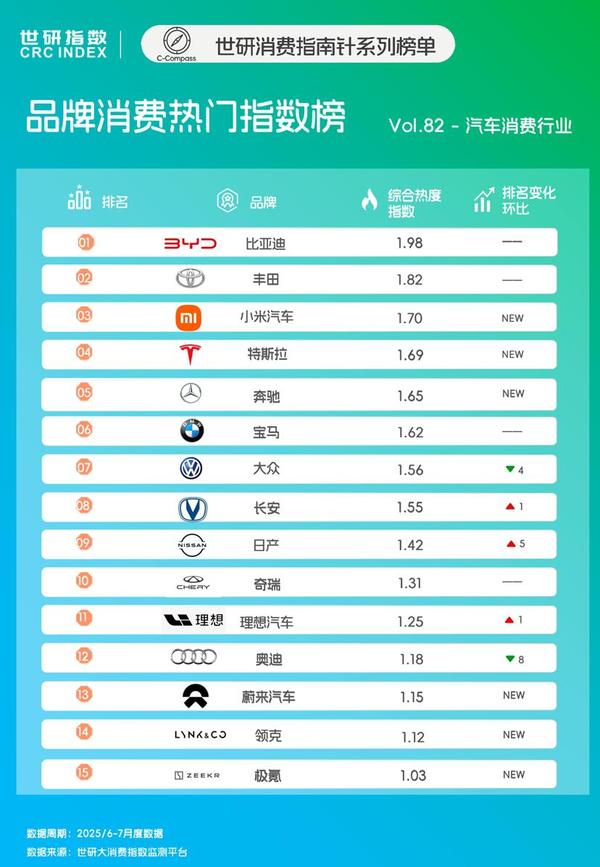
Core Insights - The article highlights the competitive landscape of the electric vehicle (EV) market in China, focusing on the performance of various brands and their strategies to capture market share [1][2][3] Brand Performance - BYD continues to dominate the sub-200,000 yuan EV market with over 380,000 units sold in the latest month, reflecting a 12% year-on-year growth, driven by its cost-effective models [1] - In the above-200,000 yuan segment, brands like Tesla, Li Auto, and Xiaomi are intensifying competition, with Xiaomi's new SUV model YU7 achieving over 280,000 pre-orders within an hour of its launch [2] Market Trends - The Chinese automotive market is transitioning into a phase characterized by "stock competition" and "replacement-driven" sales, necessitating precise brand positioning and consumer segmentation [3] - Local brands such as Changan and Chery are leveraging high-cost performance electric vehicles and strong export performance to penetrate third- and fourth-tier cities [3] Technological Advancements - Tesla is advancing its autonomous driving capabilities with the introduction of Robotaxi services overseas and localizing its Full Self-Driving (FSD) technology for the Chinese market [2] - Nissan's N7 electric sedan topped the sales chart for joint venture electric vehicles in June, indicating a shift towards electric product lines amid transformation pressures [3]