小米汽车

Search documents
智能底盘从“各自为战”走向高度集成
Zhong Guo Qi Che Bao Wang· 2025-07-25 03:36
Core Insights - The automotive industry is increasingly focusing on intelligent chassis systems, driven by trends in electrification, software-defined vehicles, and autonomous driving [2][3][4] - The integration of chassis technology is seen as a strategic move, transitioning from a collection of components to a central intelligent system [4][5] Group 1: Intelligent Chassis Development - Xiaopeng Motors has unveiled the Taiji AI chassis, which features capabilities such as AI recognition of speed bumps and road conditions, aiming to enhance driving comfort [3][4] - Major automotive companies are prioritizing intelligent chassis in their new vehicle launches, with Xiaomi's SU7 and Huawei's XMC digital chassis engine being notable examples [3][4] - The integration of chassis technology is expected to improve vehicle performance, safety, and user experience, with a focus on multi-axis coordination [7][10] Group 2: Market Trends and Future Outlook - The intelligent chassis market in China is projected to exceed 100 billion yuan by 2027, with significant growth potential as technology matures [13][14] - The shift towards integrated chassis systems is prompting a reconfiguration of supply chains and collaboration models between automakers and suppliers [15] - The future of intelligent chassis will likely involve a "chassis as a service" model, allowing automakers to customize chassis solutions based on specific needs [13][14] Group 3: Technical Challenges and Innovations - Key technical challenges in the development of integrated chassis systems include the maturity of drive-by-wire technologies and the need for robust multi-system coordination [8][11] - The integration of mechanical structures, electronic controls, and software algorithms is essential for the success of intelligent chassis [9][10] - Continuous innovation in algorithms and cost reduction are critical for the widespread adoption of intelligent chassis technology across various vehicle segments [14][15]


车企打响下沉市场“巷战”
Zhong Guo Zheng Quan Bao· 2025-07-24 21:10
Core Insights - The traditional heavy-asset 4S dealership model is facing unprecedented survival challenges as the automotive industry undergoes significant transformation [1][5] - The shift towards a lighter, more agile dealership structure is becoming a critical strategy for automotive companies to survive and thrive in the changing market landscape [2][3] Industry Changes - In 2024, the top 100 dealer groups in China opened 741 new networks while closing 529, indicating a significant restructuring in the dealership landscape [1] - Major brands like BMW and Porsche are experiencing widespread dealership closures, with Porsche planning to reduce its dealer network by one-third by the end of 2026 [2][3] Strategic Shifts - Automotive companies are increasingly targeting lower-tier markets, with FAW-Volkswagen signing 75 new dealers to penetrate third and fourth-tier cities [2] - Lincoln is implementing a drastic reduction in dealership size and investment requirements, aiming to enhance dealer efficiency and market penetration [2] Technological Integration - Technology is playing a crucial role in reshaping dealership strategies, with companies using data-driven approaches for site selection and market penetration [3] Market Potential - The rural automotive market in China is projected to grow significantly, with an expected vehicle ownership of over 70 million by 2030, creating a market worth 500 billion [4] - However, challenges such as high price sensitivity and the need for extensive dealership networks complicate the entry into these markets [4] Recommendations for Dealers - The China Automobile Circulation Association suggests that dealers should seize opportunities from new policies, adapt to changes in the market, and strengthen relationships with manufacturers to navigate the evolving landscape [6]
联合动力IPO已获证监会注册生效,新能源热潮下仍存内卷隐忧
Guan Cha Zhe Wang· 2025-07-24 10:05
Core Viewpoint - The company, Suzhou Huichuan United Power Systems Co., Ltd. (referred to as "United Power"), is advancing towards its IPO on the ChiNext board, having received approval from the China Securities Regulatory Commission (CSRC) for its stock issuance [1][2]. Financial Performance - United Power's revenue projections for 2022, 2023, and 2024 are 5.027 billion, 9.365 billion, and 16.178 billion yuan respectively, reflecting a compound annual growth rate (CAGR) of 79.39% [2]. - The company experienced a significant increase in net profit, moving from a loss of 180 million yuan in 2022 to a profit of 936 million yuan by the end of 2024, with a staggering year-on-year growth of 420% in 2024 [2]. - For the first half of 2023, United Power is expected to maintain a revenue growth rate between 32.12% and 48.63% year-on-year [2]. Product and Market Dynamics - United Power's core products, the electric drive systems and power systems, are primarily used in the electric vehicle (EV) sector, with the company providing solutions for over 170 vehicle models and achieving an annual shipment of over 4.5 million units [2]. - The company has maintained an increasing gross margin despite declining product prices, with gross margins projected at 13.35%, 15.17%, and 16.57% from 2022 to 2024 [3]. - The average selling price of electric vehicles in China is projected to decrease from 184,000 yuan in 2023 to 172,000 yuan in 2024, which may exert cost pressure on component suppliers like United Power [4]. Funding and Investment Plans - United Power plans to raise a total of 4.8571 billion yuan through its IPO, allocating 2.612 billion yuan for the production of core components for electric vehicles, 1.323 billion yuan for R&D center construction, and 1.22 billion yuan for digital system development [5]. Customer Dependency and Risks - The company has a significant reliance on major clients, particularly Li Auto, which accounts for over 2.158 billion yuan in receivables, raising concerns about the sustainability of revenue growth given Li Auto's projected net profit decline of 31.9% in 2024 [6][7]. - Changes in the supply chain dynamics of major clients and potential policy adjustments affecting the EV industry could impact United Power's order volumes and financial performance [7].

东城隆福寺园区二期预计9月开街
Xin Jing Bao· 2025-07-22 23:08
Group 1 - The core viewpoint of the article highlights the achievements and progress of the "Two Zones" construction in Dongcheng District over the past five years, emphasizing the integration of various sectors such as culture, finance, technology, and healthcare to drive high-quality economic development [1][3] - Dongcheng District has successfully expanded and improved multiple commercial areas, including Wangfujing, Qianmen, and Longfu Temple, attracting significant investments and enhancing the business environment [1][2] - The district has seen a total of 1,044 projects registered, with 177 foreign investment projects accounting for 17% of the total, and has achieved a cumulative project funding of 232.96 billion RMB as of June this year [3] Group 2 - Wangfujing has attracted flagship stores such as Zeekr and Xiaomi, and has been recognized as one of Beijing's first global launch centers, while also being awarded as a national-level night culture and tourism consumption gathering area [1][2] - Qianmen has established itself as a national-level tourism and leisure street, featuring a blend of traditional and modern cultural experiences, which has significantly increased foot traffic [2] - Longfu Temple has undergone transformation with the introduction of various cultural and artistic events, and the second phase of its development is expected to open in September, further enhancing its appeal [2][3]

字节跳动2026校招来了!大模型算法、多模态、CV类有较多坑位
自动驾驶之心· 2025-07-22 01:47
Core Viewpoint - ByteDance has opened its campus recruitment programs, including the Jindouyun Talent Program and the Top Seed Program, targeting different groups of doctoral students with varying focuses and application difficulties [1]. Group 1: Jindouyun Talent Program - The Jindouyun Talent Program is aimed at doctoral students graduating between September 2022 and August 2026 for full-time positions, and those graduating in September 2025 and later for internship positions [2]. - The program has relaxed the recruitment restrictions for past graduates, allowing those who graduated in 2022 to apply [2]. - It covers eight major fields, including large model applications, search/recommendation/advertising, computer architecture, AI safety, hardware, AI coding, video architecture, and AIGC, balancing academic research with industrial application and supporting paper publication [2]. Group 2: Top Seed Program - The Top Seed Program primarily targets doctoral students graduating in 2026 and also opens recruitment for research interns [3]. - It focuses on core technologies of large models, such as large language models (LLM), multimodal generation and understanding, machine learning algorithms, and speech [3]. - The goal of this program is to cultivate more top-tier talent, offering high compensation and computational support [3]. Group 3: Community and Resources - The AutoRobo Knowledge Community is designed for job seekers in autonomous driving, embodied intelligence, and large models, currently with nearly 1,000 members from various companies [6][8]. - The community provides resources such as interview questions, industry reports, salary negotiation tips, and internal referrals [8][9]. - It also compiles a hundred interview questions related to autonomous driving and embodied intelligence, covering various technical aspects [12][13][17]. Group 4: Industry Reports and Insights - The community offers in-depth industry reports to help members understand the current state, development trends, and market opportunities in various fields, including robotics and embodied intelligence [18]. - Reports include topics like the world robotics report, investment reports in embodied intelligence, and the development of humanoid robots [18]. Group 5: Interview Experiences and Tips - The community shares successful and unsuccessful interview experiences across various companies and positions, providing insights into the interview process [20]. - It also compiles common interview questions and skills required for algorithm positions in the autonomous driving sector [25].

上半年新势力车企销量大洗牌 零跑鸿蒙理想高居前三名
Zhong Guo Chan Ye Jing Ji Xin Xi Wang· 2025-07-20 00:41
Core Insights - The landscape of China's new energy vehicle market has undergone significant changes in the first half of the year, with the previous "Wei Xiaoli" trio being disrupted by new leaders [1][2] - The top three new energy vehicle companies by sales volume in the first half of the year are Leap Motor, Hongmeng Zhixing, and Li Auto, with deliveries of 221,664, 204,658, and 203,938 units respectively [1][2] - The market is experiencing intense competition, shifting focus from price wars to technology, service, and ecosystem development [1][7] Group 1: Company Performance - Leap Motor achieved a remarkable 155.7% year-on-year growth, becoming the largest player with 221,664 units delivered, and aims to maintain a monthly delivery of over 50,000 units in the second half of the year [2][3] - Hongmeng Zhixing ranked second with 204,658 units sold, but faces pressure to meet its ambitious annual target of 1 million units, having completed only 20.5% in the first half [2][4] - Li Auto, with 203,938 units delivered, saw a slower growth rate of 7.9% and aims to launch new electric models to enhance its market position [2][3] Group 2: Market Trends - June saw a collective surge in sales among new energy vehicle companies, with Hongmeng Zhixing leading with 52,747 units delivered, marking a 20% year-on-year increase [4][5] - The overall market for new energy vehicles is expected to continue growing, driven by technological advancements and improved infrastructure [6][7] - The competition is anticipated to shift from scale to technology, with new models from various companies set to launch in the second half of the year [7][8] Group 3: Future Outlook - The penetration rate of new energy vehicles reached approximately 55% in June, with significant promotional activities contributing to sales growth [7] - Companies are focusing on building differentiated competitive advantages in smart driving, charging networks, and user ecosystems [8] - The global expansion of companies like Leap Motor and Xiaomi is expected to enhance their market presence, with predictions of significant growth in exports by 2025 [7][8]
我国网络文学市场营收规模达495.5亿元
Bei Jing Wan Bao· 2025-07-18 07:12
Group 1 - The core viewpoint of the article highlights the significant growth and development of China's online literature market, with a projected revenue of 49.55 billion yuan in 2024, representing a year-on-year increase of 29.37% [1] - The total number of online literature works is expected to reach 42.1 million, an increase of over 4.2 million works from 2023, marking an 11.19% growth [1] - The adaptation of online literature IPs is projected to be 83,250 works, showing a year-on-year growth of 14.55% [1] - The overseas market revenue for online literature is estimated at 4.815 billion yuan, with a growth rate of 10.68% [1] - The total number of authors on online literature platforms is approximately 30.31 million, reflecting a growth of 3.44% [1] - The user base for online literature is expected to reach 638 million, a historical high with a growth of 16% [1] Group 2 - The conference featured keynote speeches from industry leaders, discussing topics such as the historical narrative of online literature and its role in cultural transmission [2] - The event showcased various new business models and technologies in the "online literature+" sector, including AI-assisted creation tools and VR applications [3] - A creative field trip was organized for over 40 online literature writers to explore cultural landmarks and technological advancements in Beijing, enriching their creative inspiration [4][5][6]
独家丨一汽与卓驭正在商讨战略投资事宜
晚点Auto· 2025-07-18 03:08
Core Viewpoint - Zhuoyu Technology is in discussions with FAW for a strategic investment totaling over $800 million, with a post-investment valuation exceeding $10 billion, while maintaining its business and management independence [2][4]. Group 1: Investment and Strategic Partnerships - The investment round includes participation from other automotive companies and industrial funds, in addition to FAW [2]. - Zhuoyu has secured investments from at least four automotive companies, including BYD, SAIC, and BAIC, all of which are its cooperative clients [4]. Group 2: Technological Development and Product Offerings - Zhuoyu, incubated by DJI, focuses on integrating software and hardware for advanced driver assistance systems (ADAS), achieving significant milestones in low-cost platforms [4]. - The company has developed various levels of computing power solutions, including systems with lidar capabilities, expanding its product line to meet diverse market needs [4]. - Zhuoyu's recent launch of the VLA model based on the NVIDIA Thor platform positions it competitively in the smart driving sector, with few suppliers currently developing for this platform [5]. Group 3: Market Dynamics and Competitive Landscape - The competitive landscape in the smart driving market is intensifying, pushing suppliers to meet higher expectations from automotive manufacturers [5]. - Zhuoyu is adapting to industry changes by enhancing its sales and business capabilities, including the recruitment of new sales leadership with backgrounds from Bosch and Huawei [5].

6月销量榜 | 半年成绩单,有喜有忧
数说新能源· 2025-07-17 07:56
Overall Situation - In June 2025, China's passenger car terminal sales reached 2.12 million units, a year-on-year increase of 22.7% and a month-on-month increase of 14.9% [1] - New energy passenger car sales totaled 1.12 million units, with a year-on-year growth of 33% and a month-on-month growth of 15% [1] - Pure electric vehicle sales were 681,000 units, up 42% year-on-year and 17% month-on-month [1] - Plug-in hybrid vehicle sales reached 321,000 units, a year-on-year increase of 31% and a month-on-month increase of 18% [1] - Range-extended vehicle sales were 115,000 units, showing no significant change [1] Market Overview - In July, many regions faced a temporary shortage of subsidy funds for vehicle trade-ins, leading to some cities suspending applications for vehicle replacement subsidies [3] - The reduction in promotional discounts in the car market during 2025, especially from April to June, has been significant [3] - Tightening auto credit policies and reduced loan rebate subsidies have increased sales pressure on dealers, prompting strong demands for assistance from automakers [3] Brand Rankings - BYD led the global new energy market with a monthly sales volume of 382,585 units, a year-on-year increase of 12%, including 90,049 units sold overseas [4] - Geely achieved a sales volume of 236,036 units, marking a 42% year-on-year growth, becoming the fastest-growing major automaker [4] - Chery Group's June sales reached 233,607 units, a year-on-year increase of 16.6%, with new energy vehicle sales growing by 59.6% [4] - Changan Automobile's total sales in June were 235,098 units, with new energy vehicle sales surpassing 100,000 units for the first time, a year-on-year increase of 57.11% [4] New Energy Vehicle Sales Rankings - In June 2025, BYD sold 308,000 new energy vehicles, followed by Changan with 63,000 and Tesla with 61,000 [6] - The top-selling pure electric models included Tesla Model Y with 44,000 units and BYD Sea Lion with 30,000 units [7] - The top-selling plug-in hybrid models were BYD Qin PLUS with 27,000 units and BYD Song Pro with 20,000 units [8] Additional Insights - BYD is expanding its presence in Southeast Asia, focusing on both performance and cost in battery cell procurement [13]






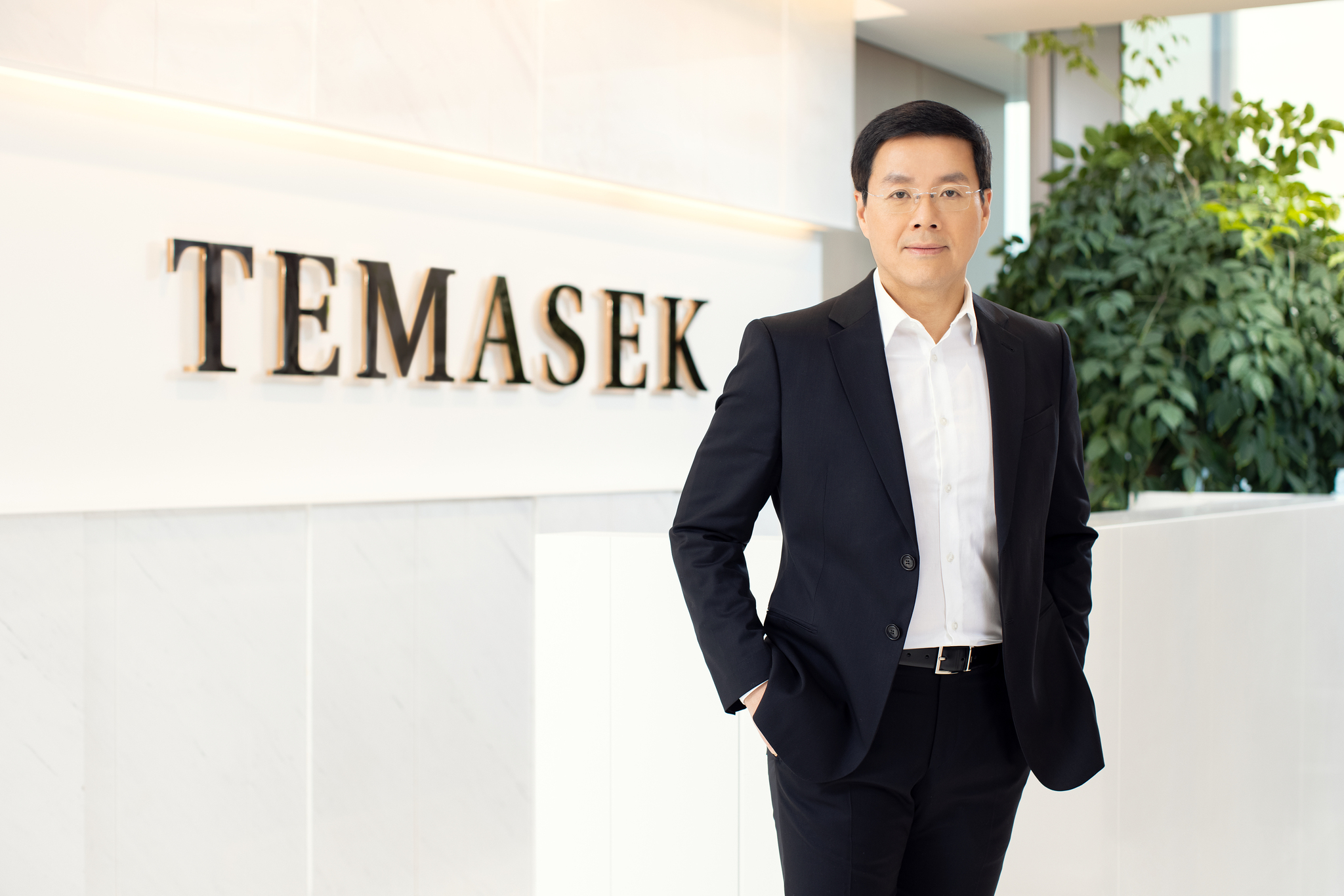
专访淡马锡吴亦兵:继续重仓中国,看好新兴消费和AI应用前景
Di Yi Cai Jing· 2025-07-16 12:52
Core Insights - The net asset value of Temasek's investment portfolio increased by 4 billion SGD compared to the previous fiscal year [1] - Temasek's investment portfolio reached a historical high of 434 billion SGD, with an increase of 45 billion SGD from the previous fiscal year [4] - Temasek's investment activities in the past fiscal year were notably active, with investments totaling 52 billion SGD and divestments reaching 42 billion SGD [5] Investment Focus - Temasek's investment strategy remains focused on China, with a slight decrease in the proportion of its investment portfolio in China to 18% [6] - The company continues to emphasize technology innovation, particularly in AI, as a key investment theme in China [9][10] - Temasek's new private equity fund, established to attract potential RMB limited partners, aims to invest in high-quality assets in China [1][9] Market Dynamics - The investment portfolio is divided into three main segments: Singapore-based investments (41%), global direct investments (36%), and cooperative investment projects (23%) [5] - The company has observed a shift in the investment landscape, with a growing focus on resilient assets and cash flow due to increasing market uncertainties [8] - Temasek's long-term confidence in the Chinese market remains unchanged, despite fluctuations in the investment portfolio's exposure [6][11] Consumer Market Insights - The Chinese consumer market is maturing, with a shift towards service-oriented consumption and the rise of local brands [12][13] - Temasek identifies the potential for growth in service consumption, which has a high multiplier effect, supported by comprehensive consumption promotion policies [13] - The company believes that stabilizing the real estate market is crucial for boosting consumer confidence and overall economic growth [12][13]