
问界

Search documents
高端MPV的中国答案:我们需要一辆怎样的MPV
36氪· 2026-01-18 14:09
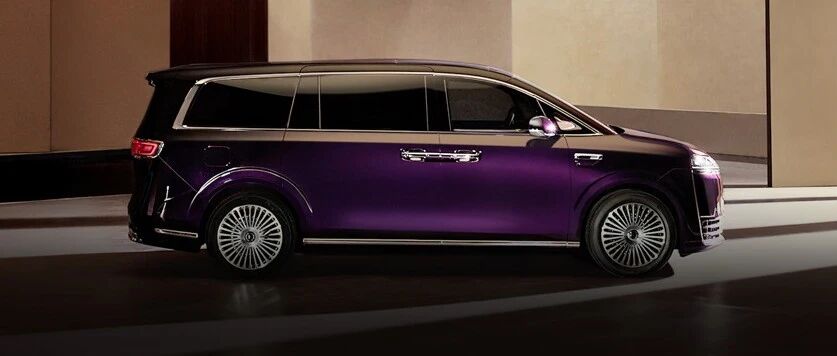
Core Viewpoint - The high-end automotive market is undergoing a significant transformation from "symbolic luxury" to "experiential luxury," with a focus on technology and value rather than just brand prestige [3][10][11]. Group 1: Market Dynamics - Over the past 30 years, China's high-net-worth population has evolved, shifting from a focus on foreign brands to a more mature domestic consumption culture [4]. - The expansion of financial and capital profit groups has driven high-end consumption, leading to a rise in luxury brand consumption [5]. - The new generation of high-end consumers, shaped by the high-tech industry, demands products that offer advanced technology and luxurious experiences [6][10]. Group 2: Changing Consumer Preferences - Traditional luxury brands are facing challenges as their brand-centric strategies lose effectiveness in the Chinese market, with some German luxury brands experiencing sales declines of nearly 30% [8]. - The market is shifting towards a focus on comprehensive experiences and intrinsic value, with younger consumers prioritizing tangible benefits over brand stories [8][10]. - The success of models like the AITO M9, which has topped sales in the 500,000 yuan segment for two consecutive years, highlights this shift [8]. Group 3: MPV Market Potential - The MPV market in China has been historically underdeveloped, with traditional luxury brands focusing on sedans and SUVs, leaving a gap in high-end MPV offerings [13][16]. - China's unique market conditions, including a large population and cultural emphasis on family and social interactions, create a strong demand for versatile MPV vehicles [14]. - The emergence of competitive new energy MPVs from domestic brands has stimulated market demand, leading to a significant growth in the MPV segment, which has reached a scale of one million vehicles [16]. Group 4: Future of High-End MPVs - The current MPV market is characterized by a lack of coherent development strategies, with companies exploring various product positioning [18]. - To succeed in the high-end MPV market, brands must offer exceptional experiences that resonate with consumers' lifestyles and needs [18][29]. - The launch of the Hongmeng Zhixing's flagship MPV, the Zhijie V9, is anticipated to lead the high-end MPV market into a new era, emphasizing space versatility and advanced technology [19][29]. Group 5: Technological Innovations - The Zhijie V9 is designed to redefine luxury MPVs with innovative features such as a new generation of intelligent driving systems and unique interior designs that enhance user experience [27]. - Safety remains a fundamental aspect of luxury vehicles, with the Zhijie V9 incorporating advanced safety technologies that transition from passive to proactive safety measures [27]. - The definition of a "good car" or "luxury car" is evolving, with a focus on safety, reliability, and alignment with personal needs, shifting the authority of this definition back to Chinese consumers [28][29].

BBA,势败如山倒
盐财经· 2026-01-18 09:17
Core Viewpoint - The traditional luxury car brands BBA (Benz, BMW, Audi) experienced significant sales declines in China in 2025, indicating a structural loss in the face of the rising dominance of domestic electric vehicle brands and changing consumer preferences [6][10][11]. Group 1: Sales Performance - In 2025, Benz, BMW, and Audi's sales in China were 57.5 million, 62.55 million, and 61.7 million units respectively, representing declines of 19%, 12.5%, and 5% year-on-year [10][11]. - The collective decline of BBA is not a short-term fluctuation but a reflection of the structural challenges posed by the rapid growth of the new energy vehicle market, which saw a penetration rate nearing 60% in 2025 [11][12]. Group 2: Market Dynamics - The market share of domestic brands rose to 65% in 2025, while retail sales of fuel vehicles plummeted by 30%, impacting BBA's traditional stronghold [11][12]. - The loyalty of BBA customers has significantly decreased, with less than 18% of previous BBA buyers indicating they would repurchase from the same brand [15][16]. Group 3: Competitive Landscape - New energy vehicle brands like AITO, Li Auto, Tesla, and Xiaomi are capturing a significant portion of the market, with a high percentage of their new customers coming from BBA [16]. - BBA's attempts to maintain market share through price reductions and new model launches may not be sufficient to reverse the trend, as consumer preferences shift towards new energy and smart vehicle technologies [13][20]. Group 4: Future Strategies - In 2026, Audi plans to launch new models on the PPE electric platform, while Benz aims to introduce 15 new vehicles, focusing on enhancing local technological capabilities [17][20]. - BMW's upcoming iX3 model, set to launch in late 2026, will feature advanced electric drive systems and local AI functionalities, which will be crucial for its competitiveness in the new energy market [19][20].
BBA,势败如山倒
虎嗅APP· 2026-01-17 13:44
Core Viewpoint - The article discusses the significant decline in sales for traditional luxury car brands (BBA: BMW, Benz, Audi) in China in 2025, highlighting their reliance on marketing language to mask underlying issues [4][7]. Sales Performance - In 2025, the sales figures for BBA in China were as follows: BMW (including MINI) sold 625,500 units, down 12.5%; Audi (including FAW and SAIC) sold approximately 617,000 units, down 5%; and Mercedes-Benz (including commercial vehicles) sold 575,000 units, down 19% [5][7]. - All three brands saw their annual sales drop below 700,000 units, ending a five-year period of stable high sales [4]. Market Dynamics - The decline in BBA sales is attributed to a structural loss in the face of the rising tide of new energy vehicles (NEVs), with NEV penetration in China approaching 60% and domestic brands capturing 65% of the market share [8]. - The retail sales of fuel vehicles dropped by 30% year-on-year, indicating a significant shift in consumer preferences [8]. Consumer Sentiment - BBA's customer loyalty has fallen below 18%, meaning that out of 100 previous BBA customers, fewer than 18 intend to repurchase from the same brand [14]. - In contrast, new energy brands like AITO, Li Auto, Tesla, and Xiaomi have a high percentage of potential customers coming from BBA, with figures of 36.81%, 27.22%, 24.21%, and 19.15% respectively [14]. Strategic Responses - Audi plans to launch new models like the A6L e-tron and E7X in 2026 to address its technological shortcomings [15]. - Mercedes-Benz aims to introduce 15 new models in 2026, including a locally produced GLC, to enhance its market position [15]. - BMW's new generation iX3 is set to launch in late 2026, featuring advanced technology and local AI capabilities, with pricing being a critical factor for its success in the NEV market [16].
宝马降价20%大甩卖,但年轻人已经不迷信老派豪车了
3 6 Ke· 2026-01-16 03:58
Core Viewpoint - BMW has initiated a significant price reduction across 31 models in China, with discounts exceeding 10%, and some models seeing reductions over 20%, marking a strategic shift in response to market dynamics rather than a price war [1][3][5] Group 1: Price Reduction Details - The price cuts affect a diverse range of models, including electric vehicles like the i7 and iX1, as well as popular SUVs and sedans, but notably exclude bestsellers like the 3 Series and 5 Series [5][7] - The official statement from BMW claims this adjustment is a proactive strategy to upgrade product value rather than a reaction to competitive pricing pressures [3][5] Group 2: Market Context and Reactions - The automotive market has been experiencing intense competition, leading to various promotional strategies, including significant price cuts from competitors [7][10] - Despite BMW's official stance against price wars, dealers report that actual selling prices have not significantly decreased, indicating a disconnect between official pricing and market realities [3][5] Group 3: Sales Performance and Strategic Implications - BMW's sales in China have declined sharply, with a reported 12.5% drop in vehicle deliveries, highlighting the need for strategic adjustments to regain market share [11][13] - The brand's traditional strengths in performance and heritage are diminishing in the face of rising competition from domestic brands offering better value propositions [11][13] Group 4: Future Outlook - BMW is set to launch a new electric platform in 2026, which may help revitalize its market position, but the effectiveness of this strategy remains uncertain [15] - The price cuts may prompt other luxury brands within the BBA group to reconsider their pricing strategies in response to changing market conditions [15][16]
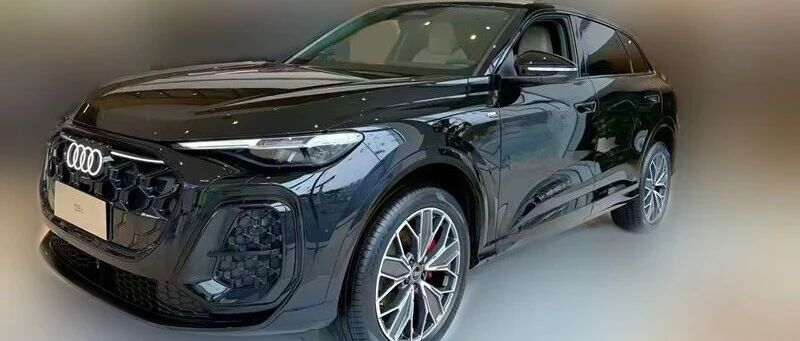
全新奥迪Q5L:竞品既有燃油也有增程,车主说终于和豪华沾边了
车fans· 2026-01-16 00:30
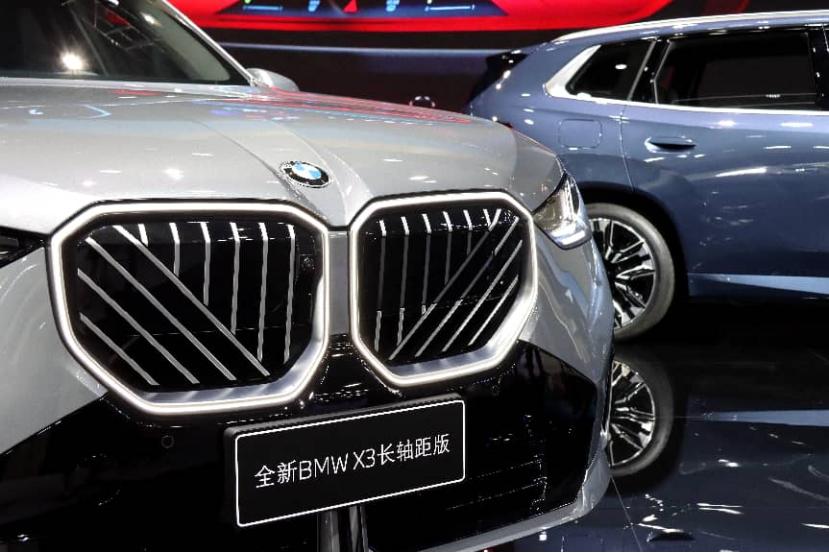
Core Viewpoint - The newly launched Audi Q5L is positioned as a fuel SUV featuring Huawei's advanced driving technology and hybrid capabilities, enhancing its fuel efficiency and driving performance compared to previous models [5]. Group 1: Product Arrival and Specifications - The new Q5L arrived at the dealership in mid-December, with a total of 5 vehicles available by the end of the month, including a special edition for users [2]. - The pricing for the new Q5L ranges from 309,800 to 384,800 RMB, with various promotional offers such as a deposit discount and complimentary maintenance [3]. Group 2: Customer Reception and Market Position - Customer traffic at the dealership averages 25 groups daily, with less than 10% specifically seeking the new Q5L, but half of the customers in-store show interest in it [7]. - Most customers appreciate the new Q5L's interior design and find its exterior more luxurious and sporty compared to previous models [8]. Group 3: Competitive Analysis - The Q5L is compared against competitors like the Mercedes-Benz GLCL and BMW X3 for fuel vehicles, and against Li Auto L7 and AITO M7 for extended-range vehicles, highlighting its advantages in fuel efficiency and power [12]. - Some customers express concerns about the pricing of the new model, noting that the previous model's price after discounts was significantly lower [14]. Group 4: Financial Options and Recommendations - The primary financing option promotes a 5-year installment plan with the first two years focusing on principal repayment, offering a 0% interest rate for the first 18 months during the pre-sale period [19]. - It is anticipated that there will be no additional discounts for the new Q5L in the next six months, suggesting that customers who can accept the price should consider purchasing soon [23]. Group 5: Sales Insights - The new Q5L features advanced functionalities, including heated and ventilated front seats, which are not available in some higher-end models like the A8L [17]. - The removal of the previous generation's variable intake grille has received mixed feedback, but the overall design and technology improvements are seen positively [24].
汽车产业竞争力源自硬实力
Ren Min Ri Bao· 2026-01-15 09:10
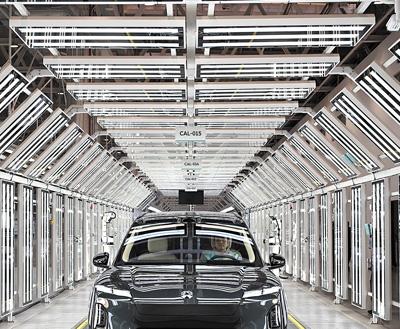
Core Viewpoint - The continuous advancement of electrification technology, accelerated application of cutting-edge technologies, and the implementation of anti-involution measures have led to sustained growth in China's automotive production and sales, reflecting the strong resilience and dynamic momentum of the economy under pressure [7]. Group 1: Automotive Production and Sales Growth - China's automotive production and sales have maintained a scale of over 30 million units for three consecutive years, ranking first globally for 17 years [7]. - In 2025, the production and sales of new energy vehicles (NEVs) are expected to reach 16.626 million and 16.49 million units, respectively, representing year-on-year growth of 29% and 28.2% [9]. - NEVs accounted for 47.9% of total new car sales in 2025, indicating a significant shift towards electric vehicles [9]. Group 2: Technological Advancements in Electrification - By 2025, the average range of pure electric passenger vehicles in China is projected to approach 500 kilometers, with fast-charging technology allowing for 80% charge in 15 minutes [8]. - The introduction of solid-state batteries is moving towards mass production by 2027, and a unique "super electric hybrid technology" is being widely adopted [9]. - Exports of NEVs are expected to reach 2.615 million units in 2025, doubling year-on-year, with passenger vehicle exports at 2.532 million units and commercial vehicle exports at 83,000 units [9]. Group 3: Advancements in Intelligent Driving - R&D investment in intelligent driving technology has reached 10 billion yuan, with Huawei's ADS 5 transitioning from technical validation to mass production adaptation [10]. - Over 60% of new passenger vehicles sold in China are equipped with L2-level assisted driving features, and the first L3-level conditional autonomous driving vehicles have received approval [10]. - The automotive industry is becoming a key carrier for the commercialization of advanced technologies such as semiconductors and artificial intelligence [10]. Group 4: Industry Transformation and Anti-Involution Measures - Anti-involution measures have been implemented to address issues like price wars and unfair competition, leading to a 4.4% profit growth in the automotive industry from January to October 2025 [11]. - The industry is shifting from resource-dependent, low-cost competition to a focus on technological innovation and value upgrading, with flagship models gaining market recognition [11]. - High-end domestic brands such as AITO, Li Auto, and Zeekr have seen sales growth exceeding 40% year-on-year in 2025 [11].
德系豪华三强,连续两年失守中国市场
第一财经· 2026-01-15 08:47
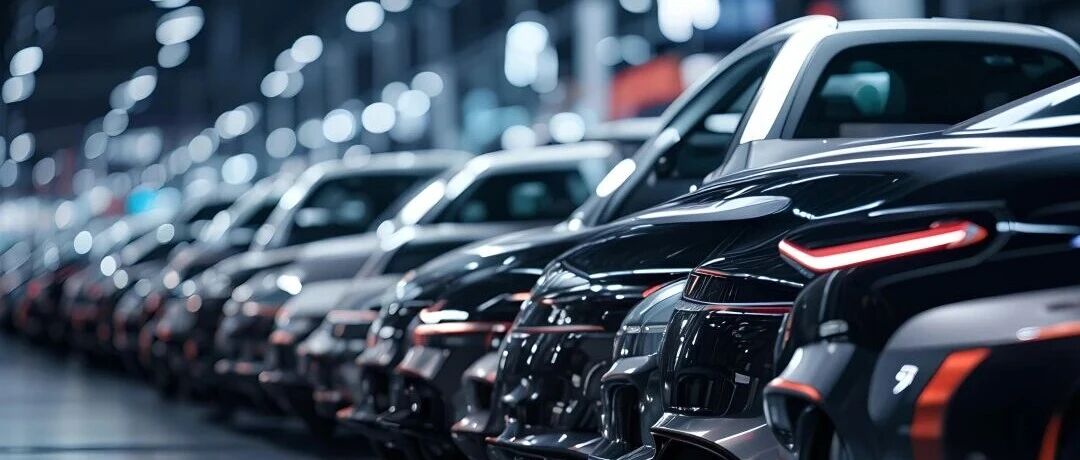
Core Viewpoint - The German luxury car trio, BMW, Mercedes-Benz, and Audi (collectively referred to as "BBA"), has experienced a decline in sales in the Chinese market for two consecutive years, with significant drops in 2025 compared to previous years [3][4]. Group 1: Sales Performance - In 2025, BMW's sales in China were 626,000 units, down 12.5% year-on-year; Audi's sales were 617,000 units, down 5.6%; and Mercedes-Benz's sales were 552,000 units, down 19% [3][4]. - The sales gap between BBA brands is narrowing, with Audi's sales rising to second place in China, trailing BMW by less than 10,000 units [3][4]. Group 2: Market Dynamics - The decline in BBA's sales is attributed to structural changes in the Chinese luxury car market, where brands like Li Auto, NIO, and AITO are attracting traditional BBA customers with their smart technology offerings [4][5]. - The overall market structure is shifting, with the market share of vehicles priced above 400,000 yuan dropping from 6.3% to 5.2%, and the share of vehicles priced between 300,000 and 400,000 yuan falling from 9% to 8.4% [5]. Group 3: Competitive Environment - The competitive landscape has led to significant price reductions for luxury brands, with discounts exceeding 100,000 yuan on popular models like the Mercedes-Benz E-Class, Audi A6L, and BMW 5 Series [5]. - The intense competition has also impacted the dealer network, with frequent reports of luxury brand dealers exiting the market and manufacturers adjusting sales targets and policies to alleviate pressure on dealers [5][6]. Group 4: Future Strategies - BBA plans to launch new products based on a new electric vehicle platform in China and enhance local R&D and partnerships with Chinese tech companies to address their technological shortcomings [6]. - The transition to electric and smart vehicles is critical for maintaining competitiveness, as traditional luxury brand strengths in mechanical performance and brand premium are becoming less relevant [6].
德系豪华三强,连续两年失守中国市场
Di Yi Cai Jing· 2026-01-15 07:34
Core Viewpoint - The German luxury trio BMW, Mercedes-Benz, and Audi (collectively referred to as "BBA") has experienced a decline in sales in the Chinese market for two consecutive years, with significant drops in 2025 compared to previous years [2]. Group 1: Sales Performance - In 2025, BMW (including BMW and MINI) sold 626,000 units in China, a year-on-year decline of 12.5% [2] - Audi's sales reached 617,000 units, down 5.6% year-on-year [2] - Mercedes-Benz (excluding commercial vehicles) saw sales of 552,000 units, a decrease of 19% [2] - The sales gap between BBA brands is narrowing, with Audi's sales rising to second place, trailing BMW by less than 10,000 units [2]. Group 2: Market Dynamics - The decline in BBA's sales is linked to structural changes in the Chinese luxury car market, where brands like Li Auto, NIO, and AITO are attracting traditional BBA customers with their smart features [3] - BBA's slow transition to electric vehicles (EVs) is a contributing factor, with new products based on a pure electric platform not expected until 2026 [3]. - The overall market structure is shifting, with the market share of vehicles priced above 400,000 yuan dropping from 6.3% to 5.2%, and those in the 300,000-400,000 yuan range falling from 9% to 8.4% [3]. Group 3: Dealer Network and Pricing - The competitive environment has led to significant price reductions for luxury brands, with discounts exceeding 100,000 yuan on popular models like the Mercedes-Benz E-Class, Audi A6L, and BMW 5 Series [3]. - There has been an increase in incidents of luxury brand dealers "running away," prompting some brands to terminate authorization for problematic dealers [3]. - Manufacturers are adjusting their dealer networks by relaxing sales targets, optimizing or reducing the network, and empowering dealers through digital means [3]. Group 4: Future Strategies - BBA plans to launch new products based on a new electric vehicle platform in China and enhance local R&D and partnerships with Chinese tech companies to address their technological shortcomings [4]. - The transition to electric and smart vehicles is critical, as traditional luxury brand strengths in mechanical performance and brand premium are becoming less competitive [4]. - The competition in the luxury car market is expected to intensify in 2026, marking a significant shift in the landscape [4].
产销连续3年保持3000万辆以上规模 汽车产业竞争力源自硬实力
Xin Hua Wang· 2026-01-14 23:37
核心阅读 电动化技术持续进阶、前沿技术加快应用、反内卷措施先后落地……我国汽车产销量持续增长。亮 眼成绩单,折射出我国经济顶压前行、向新向优发展的强大韧性和澎湃动能。 重庆市沙坪坝区三峡广场,市民在试驾新能源汽车。孙凯芳摄(影像中国) 安徽省合肥市新桥智能电动汽车产业园,一辆新车下线。新华社记者 黄博涵摄 数据来源:中国汽车工业协会 制图:汪哲平 "方程豹钛7上市80天,累计销量突破5万台,成交均价超21万元,2025年12月销量超过3.4万 台。"方程豹汽车总经理熊甜波说。 高效的智能制造体系、强大的本土供应链能力、快速的技术迭代、密集投放的高竞争力新产品,叠 加政策组合效应下汽车内需有效释放,推动我国汽车产销量持续增长。我国汽车产销连续3年保持3000 万辆以上规模,连续17年稳居全球第一。 在外部压力加大和内部困难较多的复杂局面下,汽车产业的亮眼成绩单,折射出我国经济顶压前 行、向新向优发展的强大韧性和澎湃动能。 深耕电动化,多技术路线融合创新 2025年12月23日上午,漠河,气温零下28摄氏度。吉利汽车研究院系统控制开发工程师张鲁超打开 静置一夜的银河星舰7,开启了交通高峰期10公里测试。"今天测试 ...
产销连续3年保持3000万辆以上规模 汽车产业竞争力源自硬实力(经济聚焦)
Ren Min Ri Bao· 2026-01-14 21:55
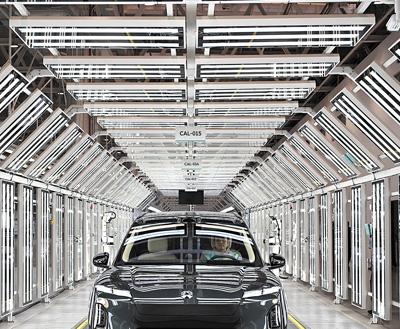
Core Insights - The continuous advancement of electrification technology and the application of cutting-edge technologies have led to sustained growth in China's automotive production and sales, reflecting the resilience and dynamic momentum of the economy [1] Group 1: Automotive Production and Sales - China's automotive production and sales have maintained a scale of over 30 million units for three consecutive years, ranking first globally for 17 years [1] - The production and sales of new energy vehicles (NEVs) are projected to reach 16.626 million and 16.49 million units respectively in 2025, with year-on-year growth of 29% and 28.2%, making up 47.9% of total new car sales [2] Group 2: Technological Advancements - The average range of pure electric passenger vehicles in China is expected to approach 500 kilometers by 2025, with rapid adoption of 800V high-voltage silicon carbide platforms and fast-charging technology [2] - The integration of various technological routes, including electrification, efficient internal combustion engines, hydrogen fuel, and synthetic fuels, is advancing, with China's "super electric hybrid technology" becoming a successful example for reverse technology export [2] Group 3: Export Growth - In 2025, China's NEV exports are expected to reach 2.615 million units, doubling year-on-year, with passenger vehicle exports at 2.532 million units and commercial vehicle exports at 83,000 units, showing significant growth [3] Group 4: Intelligent Driving and Automation - Huawei's ADS 5 is transitioning from technology validation to mass production, with over 1 million units equipped and a user engagement rate exceeding 95%, indicating a shift towards large-scale deployment of autonomous driving technology [4] - The proportion of new passenger vehicles with L2-level combined auxiliary driving functions has exceeded 60%, with the first L3-level conditional autonomous driving models receiving approval [4] Group 5: Industry Transformation and Profitability - Measures to combat "price wars" and improve industry standards have been implemented, leading to a 4.4% profit growth in the automotive industry from January to October 2025, accelerating to 7.5% by November [6] - The industry is transitioning from resource-dependent, low-cost competition to a focus on technological innovation and value upgrading, with high-end domestic brands seeing over 40% year-on-year sales growth [6] Group 6: Future Outlook - The Chinese automotive industry is expected to continue its high-quality development and maintain stable market operations in 2026, supported by the smooth transition of new policies [7]