华为

Search documents
科技+产业,互促双强|“四个农业”的广东实践①
Nan Fang Nong Cun Bao· 2026-02-10 02:30
Core Viewpoint - The article discusses the integration of technology and industry in agriculture in Guangdong, emphasizing the implementation of the "Four Agricultural" strategies to enhance agricultural productivity and quality through technological innovation [5][12][18]. Group 1: Technological Advancements in Agriculture - The "Yueqiang Seed Core" initiative aims to strengthen seed development, with Guangdong collecting and preserving 368,000 agricultural germplasm resources, ranking among the top in China [32][54]. - The introduction of modern breeding technologies, such as chip-based breeding for fish species, has significantly improved the efficiency and quality of aquaculture in Guangdong [42][44]. - The use of unmanned agricultural machinery has been expanded, integrating AI and IoT technologies to enhance operational efficiency in various crops, including rice and lychee [67][70]. Group 2: Economic Impact and Growth - The production value of Qinyuan silk rice has surpassed 10 billion yuan, showcasing the economic benefits of technological integration in agriculture [2]. - The implementation of agricultural technology services has led to increased income for farmers, with some reporting an average increase of 2,000 yuan per mu [97][109]. - The development of new agricultural products, such as the "乡下黑猪" (Country Black Pig), has resulted in significant market growth, with annual production capacity exceeding 120,000 heads [50][52]. Group 3: Policy and Strategic Support - The Guangdong provincial government has outlined strategies to enhance agricultural technology and equipment support as part of its broader agricultural development plan [65][66]. - The establishment of a comprehensive agricultural technology promotion system aims to break down silos between different agricultural sectors, fostering collaboration and innovation [100][123]. - The "Yueqiang Agricultural Technology" initiative is attracting young professionals to the agricultural sector, injecting new energy into the industry [127][130].


传宁德时代收购华为数字能源最新进展!
鑫椤锂电· 2026-02-10 01:49
Core Viewpoint - The negotiation between CATL and Huawei Digital Energy regarding a potential acquisition has shifted from a full acquisition to a minority stake, ultimately stalling due to valuation discrepancies and strategic considerations [2][4][12]. Group 1: Market Overview - The global energy storage market is experiencing intense competition, with CATL's market share in energy storage cells declining from 37.9% to 26% in 2024, while Huawei Digital Energy ranks fifth in global energy storage system shipments [8][12]. - Huawei Digital Energy, established in June 2021, reported a sales revenue of 68.7 billion yuan in 2024, with a year-on-year growth of 24.4%, making it the third-largest business segment within Huawei [4][8]. Group 2: Strategic Implications - The initial plan for CATL was to fully acquire Huawei Digital Energy, but the valuation gap—Huawei's asking price of nearly 400 billion yuan versus CATL's expectation of 150-200 billion yuan—led to a shift towards a potential 20% stake acquisition [4][9]. - Huawei's strategy of focusing on core assets may conflict with the decision to sell Digital Energy, which plays a crucial role in its "energy digitalization" strategy [5][7]. Group 3: Competitive Landscape - If the acquisition had proceeded, it could have significantly altered the energy storage industry landscape, potentially increasing market concentration and intensifying competition with companies like Sungrow and BYD [11][12]. - The ongoing competition will continue as Huawei Digital Energy focuses on its inverter and energy storage systems, leveraging its technological advantages, while CATL aims to enhance its capabilities through self-research and strategic partnerships [12].


深圳市人大代表:做强科创课程,推动科技教育从兴趣走向必修
Nan Fang Du Shi Bao· 2026-02-10 01:37
一是构建产业特色课程体系。紧扣深圳"20+8"产业集群,开发人工智能、机器人、无人机编程、智慧城 市等特色校本课程,推动学生在真实场景中学习,激发好奇心与创造力。二是搭建开放协同平台。引导 华为、腾讯等头部企业与中小学深度合作,完善校企导师制、校外实验基地等机制,推动校企资源高效 联动、提质升级。三是强化师资与保障机制。将科技教育纳入教师考核与培训体系,提升教师跨学科教 学能力;设立专项经费,支持学校购买优质社会科技服务,推动科技教育从兴趣小组向必修课转型。 陈琳表示,近年来,深圳在教育领域投入力度大、举措扎实,科技教育水平位居全国前列。她建议,充 分发挥深圳产业优势,将科技教育打造为城市核心竞争力,重点从三方面发力。 南都讯 深圳作为科技之城、创新之城、金融之城,科技教育对城市长远发展至关重要。今年深圳市两 会期间,市人大代表陈琳提出打造中小学科技教育深圳样板,夯实城市科技创新根基的建议。 ...

德州|德州消费IP品牌这样擦亮
Da Zhong Ri Bao· 2026-02-10 01:22
从火爆的"体育+"融合到热闹的"节日经济",从多元的消费新场景到蓬勃的"首店经济",一幅消费 潜能加速释放、城市商业能级不断提升的生动画卷正在德州大地铺展。 聚焦"体育+",培育增长新引擎 近日,德州市中小学进入寒假时间,许多家庭把运动列入寒假日程。在德州,下班约"练"、请人出 汗,已成为新时尚。作为全市体育场馆集中区域,德州市体育公园近来人气飙升。据公园体育培训业务 主管韩路通介绍,游泳馆、羽毛球馆、冰雪运动馆及室外游乐园的日均接待量较往常增长30%多。 "为健康买单"成为市民新时尚的背后,是德州以赛事活动为牵引,持续营造浓厚健身氛围的成果。 去年,德州全市举办各类全民健身赛事活动2672项次、带动70余万人次参与,并成功引进国际板式网球 巡回赛等高端赛事,实现"周周有活动、月月有赛事"。"德BA"篮球联赛等多个项目入选省级体育消费 创新场景重点培育名单。 为了将赛事"流量"有效转化为消费"人气",德州全年举办"体育消费节"等融合活动超百场,仅市级 协会主办的赛事就吸引外地参赛者2.21万人次,带动消费约4亿元。文旅、商务等部门通过组织赛事+ 美食节+展销节+音乐节等大型融合活动,吸引近20万爱好者参与,直 ...
乾崑智驾跨越百万丰碑,高楼引望迈向千万瀚海
NORTHEAST SECURITIES· 2026-02-10 01:15
Investment Rating - The report maintains an "Outperform" rating for the industry [4] Core Insights - The commercialization of L3 autonomous driving has reached a turning point, transitioning from "optional" to "preferred" [1][14] - The approval of L3 licenses marks a significant shift from technical validation to operational readiness, establishing a clear regulatory framework [14] - The competitive landscape has evolved from hardware specifications to a focus on end-to-end models driven by data and algorithms, enhancing industry concentration [1][20] Summary by Sections 1. Commercialization of L3 Autonomous Driving - The dual approval of operational licenses and road rights has established a commercial closure for L3 autonomous driving, with clear responsibilities defined [14] - User perception of intelligent driving has matured, with advanced features becoming a key factor in purchasing decisions, as 60% of consumers view autonomous driving as the most anticipated technological breakthrough [16][17] - The paradigm of intelligent driving is shifting towards an end-to-end model, where the core competitive logic is now based on data quality, computational power, and model iteration efficiency [20][21] 2. Huawei's QianKun Intelligent Driving - Huawei's QianKun Intelligent Driving has evolved from a single supplier to a public technology platform, enhancing its market position [30][45] - The company has developed a multi-tiered cooperation model, including component supply, HI mode, and Harmony Intelligent Driving, to cover various market segments [31][32] - The QianKun Intelligent Driving system has undergone significant iterations, establishing a technological moat centered around end-to-end models [36] 3. Independent Entity "Yinwang" - The establishment of Yinwang as an independent entity has alleviated concerns among automakers regarding technology control, allowing for broader collaboration [41][42] - The strategic partnership with automakers has led to a valuation of 115 billion RMB, positioning Yinwang as a unicorn in the industry [45] - Yinwang aims to become a neutral public platform for the smart electric vehicle industry, similar to Bosch's role in the traditional automotive sector [48][49] 4. Hardware Cost Breakdown - The cost of intelligent driving hardware per vehicle exceeds 10,000 RMB, with significant portions attributed to chips and PCB components [2][3] - The potential market space for various components in the intelligent driving supply chain is substantial, with estimates reaching billions in growth opportunities [2] 5. Investment Opportunities - The report identifies potential investment opportunities in advanced process wafer fabs, packaging and testing companies, and PCB manufacturers, highlighting the growth potential in the intelligent driving sector [3]
CPU再度崛起,需求飙升
半导体行业观察· 2026-02-10 01:14
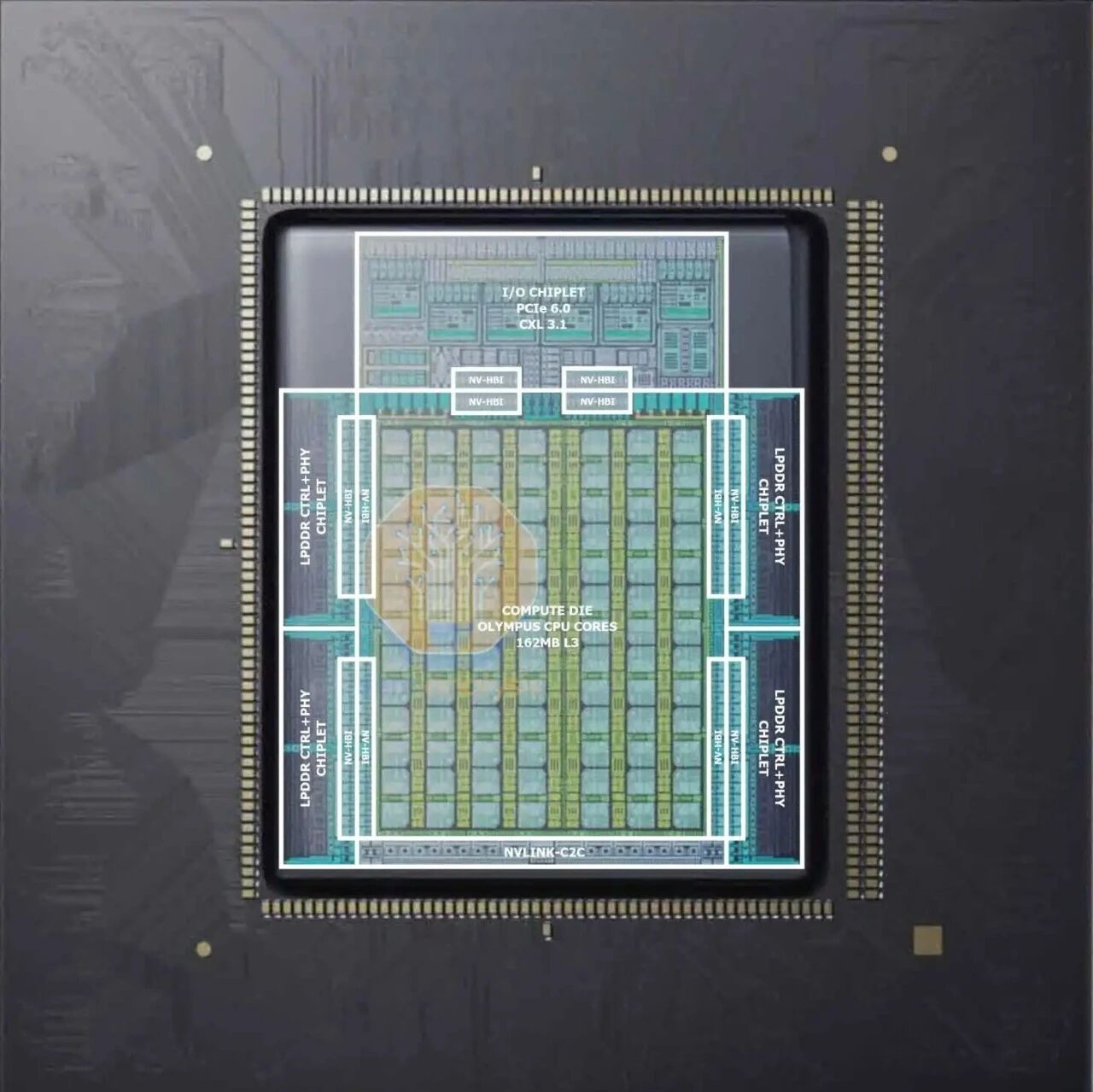
公众号记得加星标⭐️,第一时间看推送不会错过。 自 2023 年以来,数据中心的发展趋势很简单:GPU 和网络才是王道。人工智能训练和推理的出现 及其随后的爆发式增长,使得计算需求从 CPU 转向了 GPU。这意味着服务器 CPU 的主要供应商英 特尔未能搭上数据中心建设和支出的顺风车。由于超大规模数据中心和新型云平台将重心放在 GPU 和数据中心基础设施上,服务器 CPU 的收入一直相对停滞不前。 与 此 同 时 , 这 些 超 大 规 模 数 据 中 心 运 营 商 也 纷 纷 为 其 云 计 算 服 务 开 发 基 于 ARM 架 构 的 数 据 中 心 CPU,这无疑蚕食了英特尔的一大潜在市场。而在英特尔自身的x86领域,其执行力不足、性能远逊 于竞争对手AMD,进一步蚕食了市场份额。由于缺乏有效的AI加速器产品,英特尔只能原地踏步, 眼睁睁地看着其他厂商大举扩张。 过去六个月,情况发生了巨大变化,指出CPU需求飙升。我们展示并建模的主要驱动因素是强化学习 和Vibe编码对CPU的巨大需求。 然而,英特尔近期的股价反弹以及2025年下半年不断变化的市场需求信号表明,CPU如今再次变得 至关重要。在最新 ...


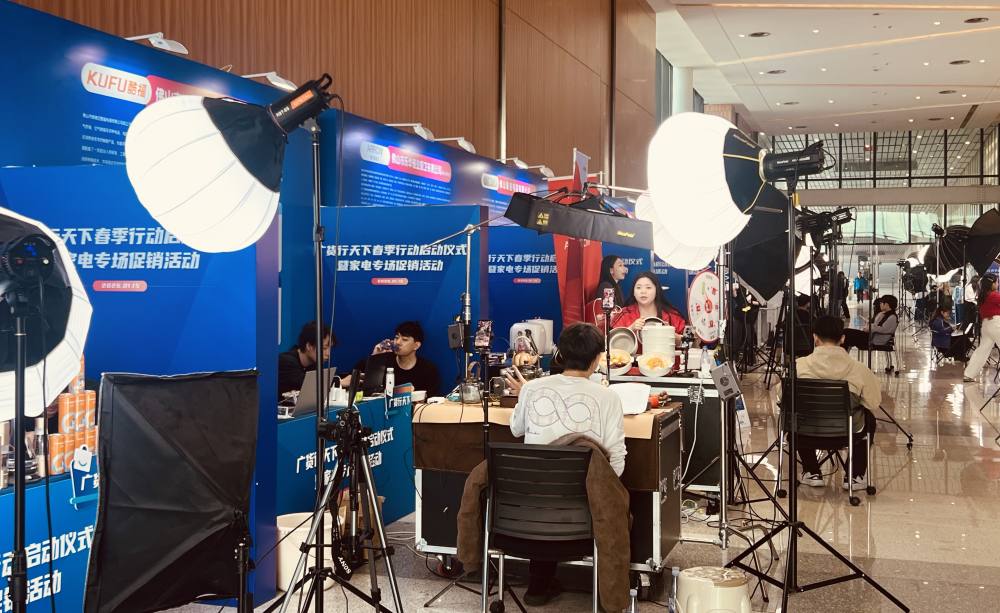
从“产品出海”到“文化出海”:双轮驱动“广货”全球启新程
2 1 Shi Ji Jing Ji Bao Dao· 2026-02-10 00:25
Core Viewpoint - The "Guangdong Goods Going Global" initiative represents a significant step in Guangdong's strategy to enhance its global trade presence, focusing on high-quality development and industrial upgrades, while leveraging local cultural elements to strengthen brand identity and market reach [2][3][9]. Group 1: Industrial Foundation - Guangdong has maintained its position as China's largest foreign trade province for over 30 years, accounting for about one-quarter of the national total, establishing itself as a core hub for international market engagement [3]. - The province has developed a comprehensive industrial ecosystem, particularly in consumer electronics, new energy vehicles, and home appliances, with thousands of specialized enterprises and leading companies [3][4]. - Shenzhen is highlighted as a global innovation center for consumer electronics, with major companies like Huawei and OPPO driving rapid responses to global demand through efficient industrial clusters [4][5]. Group 2: Challenges and Opportunities - Despite impressive export volumes, Guangdong's "Guangdong Goods" face challenges such as a lack of core technologies and global brand recognition, with many small enterprises relying on OEM models [4][5]. - The need for deeper cultural communication and adaptation to international standards is emphasized, as well as the importance of overcoming barriers related to green trade and geopolitical tensions [4][9]. Group 3: Policy and Platform Support - The Guangdong government has implemented supportive policies, including export tax rebates and R&D subsidies, to alleviate financial and logistical pressures on enterprises [5][10]. - The Canton Fair serves as a national-level platform facilitating global connections, attracting numerous international buyers and enhancing trade opportunities [5][10]. Group 4: Cultural Empowerment - Cultural elements are integrated into the branding and marketing strategies of "Guangdong Goods," enhancing their appeal in international markets [7][8]. - The initiative promotes a dual approach of "product + culture," allowing for a richer narrative that resonates with global consumers, as seen in the marketing of local agricultural products and traditional crafts [7][8]. Group 5: Strategic Collaboration - The dual-wheel drive strategy, combining industrial strength and cultural communication, is essential for overcoming the "big but not strong" dilemma faced by Guangdong's exports [9][10]. - Successful examples from companies like Xiaopeng and DJI illustrate the effectiveness of this collaborative approach in enhancing brand recognition and market penetration [9][10]. Group 6: Future Outlook - The "Guangdong Goods Going Global" initiative marks a new starting point for transforming Guangdong into a global brand leader, emphasizing the importance of maintaining quality and innovation while fostering cultural confidence [11].
湖北3家企业入选2025胡润中国500强
Chang Jiang Shang Bao· 2026-02-10 00:15
Group 1: Core Insights - The 2025 Hurun China 500 list highlights the growing strength of non-state enterprises in Hubei, with three companies making the list, showcasing the steady rise of the local private economy [1] - Gaode Infrared, with a market value of 55 billion yuan, ranks first among Hubei companies and has improved its national ranking from 367th to 279th [1] - Gaode Infrared specializes in infrared thermal imaging technology and has broken the long-standing monopoly of Western giants in this field by developing advanced intelligent equipment [1] Group 2: Company Performance - Gaode Infrared expects a net profit of 700 million to 900 million yuan for 2025, driven by significant growth in its civilian product sector and increased demand for infrared chip applications [2] - Filihua, a new entrant on the list with a market value of 39 billion yuan, anticipates a net profit of 412 million to 472 million yuan for 2025, reflecting a year-on-year growth of 31.12% to 50.22% [2] - Chaoying Electronics, also a new addition with a market value of 35 billion yuan, focuses on PCB development and production, benefiting from local supply chain stability [3] Group 3: Industry Trends - The threshold for entering the 500 list has increased by 7.5 billion yuan to 34 billion yuan, marking a 28% rise [4] - The total value of the 500 companies has grown by 21 trillion yuan, a 38% increase, reaching 77 trillion yuan [4] - Semiconductor, media and entertainment, industrial products, and consumer goods sectors account for half of the total value of the Hurun China 500 [4]


2025年移动应用服务新路径研究报告
艾瑞咨询· 2026-02-10 00:09
Market Environment - The growth rate of mobile internet users is slowing down, with super apps capturing over 60% of effective usage time, intensifying competition in the mobile application stock market [18][19] - Developers need to shift their business logic to achieve sustainable growth through lightweight applications [1] User Demand - Lightweight applications have a broad user base, with nearly 90% of users favoring this new application form, indicating significant market potential [21] - Users prioritize simplicity and efficiency, device performance, and a clean experience, guiding developers in functionality design and performance optimization [21] Technological Development - Cross-platform frameworks, cloud computing, and modular design provide the technological foundation for the prosperity of lightweight applications [2][23] Development Status - The lightweight application ecosystem is emerging, with super apps like WeChat, Douyin, and Alipay, along with HarmonyOS's meta-services, Android's quick applications, and Apple's lightweight apps, forming a complementary ecosystem [3][26] - The number of lightweight applications has exceeded 8 million, becoming a crucial entry point for users accessing mobile application services [3][26] Meta-Service Advantages - Meta-services address developer pain points throughout the application development and operation process, enhancing distribution and user acquisition [4][5] - A refined operational system and service classification design strengthen long-term user engagement for meta-services [5] - The dual-track approach of fulfillment transactions and advertising monetization improves efficiency [6] User Experience Feedback - Meta-services exhibit high user engagement and satisfaction, driven by their lightweight and convenient features [10][12] - Users frequently utilize multiple services simultaneously, indicating strong retention and demand capacity [65][66] Future Development Potential - The mainstream development of lightweight applications is accelerating, with HarmonyOS opening new growth avenues [80] - The ecosystem is expected to continue expanding, with over 30,000 applications projected by mid-2025, covering over 1,200 product types and involving more than 720,000 developers [80][83] Meta-Service Ecosystem Construction - Meta-services possess strategic value and development potential, encouraging developers to co-build the ecosystem and explore new business opportunities [15][85] - The integration of HarmonyOS's system-level architecture and end-cloud collaboration creates unique competitive advantages for meta-services [83]

2026年第5周:数码家电行业周度市场观察
艾瑞咨询· 2026-02-10 00:09
Group 1: AI Advertising and Market Trends - AI advertising has become a hot topic at CES 2026, showcasing the deep integration of technology and advertising, with major companies like Disney and Amazon leveraging AI to optimize ad effectiveness and enhance user experience [3][4] - The 2025 AI Development Report indicates that China may surpass the US in AI model leadership, with open-source models aiding this progress, while the AI competition between the two countries intensifies [5] - The competition among major Chinese internet companies in the generative AI ecosystem is heating up, with Alibaba and ByteDance leading the first tier, while Tencent and Baidu follow in the second tier [6] Group 2: AI Hardware and Ecosystem Development - The AI recording pen market is expanding, with companies like DingTalk and Feishu accelerating their hardware layouts, focusing on creating multifunctional "smart office assistants" [8] - The emergence of GEO (Generative Engine Optimization) is changing how businesses influence AI responses, raising concerns about information manipulation and the need for industry self-regulation [7] - Major appliance companies are focusing on AI and globalization strategies, with retail sales of home appliances expected to exceed 1 trillion yuan, driven by policies promoting green consumption [22] Group 3: AI in Healthcare and Robotics - The AI+ healthcare market is projected to reach $127 billion by 2025, with significant advancements in clinical decision-making and patient services, although challenges in data quality and commercialization remain [18] - The aging population in China, with over 310 million people aged 60 and above, presents a growing demand for elderly care robots, despite current low penetration rates [19] - The humanoid robot market is expected to see explosive growth, with production capacity entering the tens of thousands, driven by companies like Tesla and UBTECH [20] Group 4: AI Music and Content Creation - The AI music industry is transitioning from experimentation to commercial exploration, with significant collaborations between major music labels and technology companies [27] - The narrative ability of content, exemplified by the Chinese IP "The Three-Body Problem," is becoming a core competitive advantage in the AI model race [13] Group 5: AI Mobile and Agent Development - The AI mobile phone sector is evolving, with companies like Apple and Alibaba exploring new interaction models, emphasizing the importance of data sharing and user-centric design [11][12] - The development of AI agents is entering a differentiation phase, with various companies focusing on unique value propositions in entertainment, service efficiency, and productivity tools [10] Group 6: AI Commercialization and Financial Dynamics - OpenAI's partnership with Cerebras aims to break Nvidia's monopoly, but the company faces significant financial challenges, with a projected cash burn of $17 billion in 2026 [14] - The AI hardware market is witnessing a shift towards lightweight collaborations, as companies like ByteDance explore partnerships to enhance their AI hardware offerings [32]