合盛硅业

Search documents
合盛硅业卖股筹钱:800亿豪赌光伏全产业链,落下567亿债务压顶
Xin Lang Cai Jing· 2025-07-21 12:37
Core Viewpoint - Hosheng Silicon Industry is facing significant financial challenges, including a shift from profitability to losses, primarily due to the downturn in the photovoltaic industry and high inventory levels [4][11]. Group 1: Financial Performance - Hosheng Silicon Industry announced a projected net loss of 300 million to 400 million yuan for the first half of the year, marking its first loss since going public in 2016 [4]. - The company reported a profit of 260 million yuan in Q1, indicating a loss of 560 million to 660 million yuan in Q2 [4]. - The decline in performance is attributed to low demand in the downstream photovoltaic industry and a significant drop in industrial silicon prices [4][6]. Group 2: Shareholder Changes - The controlling shareholder, Hosheng Group, plans to transfer 6 million shares (5.08% of total shares) to individual investor Xiao Xiugan for 2.634 billion yuan, reducing Hosheng Group's stake from 78.59% to 73.51% [2][3]. - The share transfer price of 43.90 yuan per share represents a nearly 10% discount compared to the closing price of 48.71 yuan on the same day [2]. Group 3: Industry Context - Hosheng Silicon Industry has been aggressively expanding into the photovoltaic sector, with over 630 billion yuan invested in related projects, but has faced challenges due to a market downturn [8][12]. - The company’s industrial silicon production capacity is 1.22 million tons per year, and it has been significantly impacted by high inventory levels and declining prices [7][8]. Group 4: Debt and Cash Flow - As of Q1 2024, Hosheng Silicon Industry's total liabilities reached 567.83 billion yuan, with current liabilities at 390.6 billion yuan and cash reserves below 1.2 billion yuan [9][10]. - The company is exploring financing options, including a proposed issuance of up to 4 billion yuan in asset-backed securities to improve cash flow and debt structure [10]. Group 5: Future Outlook - Despite current challenges, there are signs of recovery in the photovoltaic industry, which could benefit Hosheng Silicon Industry if prices stabilize above production costs [11]. - The company is expected to focus on its core business and optimize resource allocation in response to market conditions [8].



TDI、维生素D3价格涨幅居前,建议关注TDI和有机硅板块
CMS· 2025-07-21 11:02
Investment Rating - The report maintains a recommendation for the chemical industry, indicating a positive outlook for the sector [7]. Core Insights - The report highlights significant price increases in TDI and Vitamin D3, suggesting a focus on the TDI and organic silicon sectors [1][5]. - The chemical sector outperformed the market, with a weekly increase of 1.77%, surpassing the Shanghai A-share index by 1.08 percentage points [2][15]. - Key stocks that performed well include Dongcai Technology (+33.16%) and Cangzhou Dahua (+28.47%), while stocks like Guangxin Materials (-9.26%) and Ando A (-9.05%) saw declines [2][15]. Industry Performance - In the third week of July, 20 sub-industries within the chemical sector saw increases, with the top five being modified plastics (+7.42%) and phosphate chemicals (+7.41%) [3][19]. - The dynamic PE ratio for the chemical sector is reported at 25.83 times, which is lower than the average PE of 30.02 times since 2015 [2][15]. Price and Spread Trends - The report lists the top five products with the highest weekly price increases: liquid chlorine (+21.78%), TDI (+18.83%), and Vitamin D3 (+10%) [4][22]. - The report also notes significant changes in price spreads, with the ethylene spread increasing by 81.82% and PTA spread decreasing by 357.81% [4][43]. Inventory Changes - Notable inventory changes include an increase in epoxy propane (+11.97%) and a decrease in ethylene (-8.57%) [5][61]. Recommendations - The report suggests monitoring companies such as Cangzhou Dahua and Wanhua Chemical due to the significant rise in TDI prices [5]. - Attention is also drawn to organic silicon producers like Xin'an Chemical and Xinfeng Group, following a fire incident affecting supply [5].
东岳硅材合成车间突发火灾!30万吨有机硅单体产能受影响
Mei Ri Jing Ji Xin Wen· 2025-07-21 05:50
Core Viewpoint - A fire incident at Dongyue Silicon Materials has impacted half of its organic silicon production capacity, with recovery time uncertain, potentially affecting the company's 2025 financial performance [1][3]. Company Summary - The fire occurred on July 20, affecting the synthetic phase B workshop, which is responsible for 300,000 tons of organic silicon monomer capacity, representing 50% of the company's total capacity [1][3]. - The company has activated its emergency response plan and is working with insurance for damage assessment and claims [2][3]. - Dongyue Silicon Materials has a production capacity of 600,000 tons of organic silicon monomer annually, with key products including silicone rubber and silicone oil, which are widely used in sectors like new energy and construction [2][4]. Industry Summary - The fire's impact on Dongyue's production may lead to short-term supply tightness in the organic silicon market, particularly affecting core raw materials for downstream products [4][5]. - The domestic organic silicon market has seen a 20.9% year-on-year increase in apparent consumption, driven by strong demand from downstream sectors [3][4]. - The incident may create short-term market opportunities for competitors like Xin'an Chemical and Hesheng Silicon Industry, although the overall industry has established redundancy mechanisms to maintain supply resilience [5].
“反内卷”的关键之战 & 商品多头的“狂欢”
对冲研投· 2025-07-19 03:23
Group 1 - The recent surge in silver prices contrasts with gold's stagnation, attributed to silver's industrial demand and its role as a shadow commodity to gold [2][3] - Other precious metals like platinum and palladium have also seen significant price increases, with platinum rising over 50% since April and palladium over 30% [2] - The macroeconomic backdrop for commodities this year includes concerns over the U.S. fiscal situation, leading to a decline in the dollar index by over 10% since the beginning of the year [3] Group 2 - The performance of gold and silver varies with economic conditions; during weaker economic phases, gold tends to outperform silver, while in stronger phases, silver benefits from increased industrial demand [3][4] - Historical data shows that during periods of rising global manufacturing PMI, the gold-silver ratio decreases, indicating silver's relative strength [4] Group 3 - In the black commodity sector, the current basis changes present trading opportunities, with significant fluctuations observed in the market [5][6] - The recent price increases in the black commodity sector are not fully reflected in the spot market, leading to discrepancies between futures and actual market conditions [5][6][7] Group 4 - The current market dynamics suggest a potential bottoming out for commodities, driven by low absolute prices and the emergence of demand, particularly from real estate and exports [16][12] - The market is experiencing a rotation of leading commodities, with polysilicon and lithium showing significant price movements [30][29] Group 5 - The Shanghai Composite Index has seen a substantial increase of nearly 28% since September 2024, indicating a technical bull market [32][33] - The banking sector has been a major contributor to this rise, accounting for 24% of the index's increase, followed by the electronics and non-banking sectors [37][38]

光伏步入去产能,工业硅企稳回升
Tong Guan Jin Yuan Qi Huo· 2025-07-18 03:02
Report Industry Investment Rating No relevant content provided. Core Views of the Report - The US tariff policy and Trump's vision of manufacturing reshoring and revitalizing the traditional petrochemical energy system will challenge global economic growth and drag down the global photovoltaic industry. In the second half of the year, China's manufacturing industry is expected to return to an expansion trend. The anti - involution meeting will promote effective capacity reduction in the photovoltaic industry, and the expansionary fiscal policy and flexible and loose monetary policy will inject vitality into the Chinese economy [3][61]. - In terms of supply, the production in Xinjiang was under pressure in the first half of the year, the production in Sichuan and Yunnan was extremely low during the dry season, and the new production capacity in Inner Mongolia and Gansu was limited. The number of open furnaces nationwide decreased. After the anti - involution meeting, the photovoltaic industry's capacity reduction will accelerate in the second half of the year. It is expected that the annual output in 2025 will drop to 3.8 million tons, a decrease of about 22% compared with last year [3][61]. - In terms of demand, the anti - involution meeting emphasizes eliminating backward production capacity in the photovoltaic industry. The downstream battery and component markets will reduce production and load, and the terminal ground - based power station installation volume and photovoltaic glass production will decline significantly. The upstream silicon materials will enter a passive contraction cycle. Organic silicon has limited price - increase space under the dual pressures of cost squeeze and demand decline, and the output of aluminum alloy may not rebound due to the slowdown in real - estate completion and infrastructure investment. It is expected that the total consumption of industrial silicon in China in 2025 will decrease by about 5% compared with last year [3][48][62]. - In the second half of 2025, with the gradual clearance of excess capacity in the photovoltaic industry, the supply - demand pattern of industrial silicon will improve significantly. The domestic manufacturing industry will return to the expansion range, and the futures price may enter a stable upward cycle. It is expected that the main operating range of industrial silicon in the second half of 2025 will be between 8,000 - 10,500 yuan/ton [3][62]. Summary by Directory 2025 First - Half Market Review - In the first half of 2025, the industrial silicon futures price first declined and then rebounded. The price dropped from 11,130 yuan/ton at the beginning of the year to a minimum of 6,990 yuan/ton in early June, a decline of 37.2%. In the first quarter, the supply - demand imbalance was aggravated. Although the production in the southwest was low, the new production capacity in Gansu and Inner Mongolia was put into operation, and the consumption of silicon materials decreased. After April, enterprises rushed to install before the new policy on May 31, but the price still fell. After the anti - involution meeting in June, the price rebounded from the bottom, and the main contract rebounded to 8,280 yuan/ton by the end of June [8]. Macroeconomic Analysis Strengthening the Domestic Cycle and Promoting a Unified Market, with the Central Bank's Monetary Policy Remaining Moderately Loose - In the first half of the year, China's economy faced challenges such as the deterioration of the global trade situation and the slowdown of GDP growth. The central bank implemented a series of policies, including lowering the 7 - day reverse repurchase rate by 0.1% to 1.4%, reducing the deposit - reserve ratio by 0.5%, and increasing re - loan quotas. China's economy showed a stable and progressive trend in the first half of the year, with industrial production accelerating, high - tech industries developing rapidly, and domestic demand gradually recovering [10][11]. Manufacturing PMI Marginally Expanded and Rebounded, and the Anti - Involution Meeting Emphasized Capacity Reduction in Key Industries - In June, China's official manufacturing PMI index rebounded to 49.7, close to the boom - bust line. The production and new - order indexes were in the expansion range, indicating an improvement in the manufacturing industry's prosperity. The anti - involution meeting emphasized the governance of the photovoltaic industry's low - price and disorderly competition, aiming to guide the withdrawal of backward production capacity and promote high - quality development [12][14]. Fundamental Analysis Domestic Production: Xinjiang's Production Remained at a High Level Throughout the Year - In the first half of the year, the production in the northern main production areas of industrial silicon gradually recovered, but the recovery in Xinjiang was less than expected. The production in Sichuan and Yunnan was at a historical low during the dry season. The new production capacity in Inner Mongolia and Gansu compensated for the shortage in the southwest. In the second quarter, the production in the main production areas rebounded slightly. The total industrial silicon output in the first half of the year was 1.869 million tons, a significant decrease of 17.9% year - on - year. The output proportion was gradually shifting to the north [16][17]. The Newly - Added Domestic Production Capacity from 2025 - 2026 Will Significantly Slow Down - As of June this year, China's total industrial silicon production capacity reached 7.483 million tons, with an effective production capacity of 7.408 million tons. The average capacity utilization rate in 2024 was only 65.6%. From the first quarter of this year to the end of 2026, the total newly - added construction and put - into - production capacity is 2.382 million tons, with 1.782 million tons planned for 2025 and only 600,000 tons expected in 2026. The supply - side reform of the photovoltaic industry will ease the over - supply pressure [30][31]. Domestic Inventory Remained at a High Level, and the Export Growth Rate Slightly Declined - As of July 3, the domestic social inventory of industrial silicon was 552,000 tons, a slight increase of 13,000 tons compared with the end of last year. The warehouse - receipt inventory of the Guangzhou Futures Exchange first increased and then decreased. From January to May, the cumulative export of industrial silicon was 272,400 tons, a year - on - year decrease of 7%. Although the external demand for industrial silicon is increasing, the export volume is expected to decline slightly in the second half of the year due to the supply - side reform of the photovoltaic industry [38][39]. Industrial Silicon Demand Analysis The Anti - Involution Meeting Guides Capacity Reduction, and the Photovoltaic Industry's Supply - Side Reform Is in Progress - In the first half of the year, the polysilicon market was in a difficult situation, with high inventory, falling prices, and weak demand. After the anti - involution meeting, the production volume in July may drop to below 90,000 tons, a significant decrease of more than 20% compared with December last year. The silicon wafer, battery, and component markets also faced challenges such as over - supply and price decline. The photovoltaic glass manufacturers agreed to jointly reduce production by 30%, and the photovoltaic installation volume is expected to decline significantly in the third quarter [41][44]. Organic Silicon: Cost Collapse and Weak Demand, with Limited Rebound Space Expected in the Second Half of the Year - From January to June, the cumulative output of organic silicon DMC was 1.227 million tons, a year - on - year increase of 5.3%. The DMC price declined due to cost collapse and weak demand. The production profit in the second quarter shrank significantly, and some small and medium - sized enterprises were forced to stop production for maintenance. It is expected that the output of organic silicon will decline in the third quarter [45]. The Aluminum Alloy Output Increased Steadily, but the Real - Estate and Building Materials Industries May Struggle in the Second Half of the Year - From January to May, the cumulative output of aluminum alloy was 7.405 million tons, a year - on - year increase of 7.7%. However, the real - estate market's completion growth rate is expected to be sluggish, and the infrastructure investment growth rate has cooled slightly. The output growth rate of aluminum alloy is expected to drop to 3 - 5% in the second half of the year, and the processing fees of various aluminum products may continue to decline [47]. The Demand Growth Rate of Industrial Silicon Will Continue to Slow Down in the Second Half of 2025 - The photovoltaic industry will face capacity - reduction pressure in the second half of the year, and the demand for industrial silicon from organic silicon and aluminum alloy will also be affected. It is expected that the total consumption of industrial silicon in 2025 will decrease by about 5% compared with last year [48]. 2025 Second - Half Market Outlook - The US tariff policy and Trump's policies will challenge the global photovoltaic industry. In the second half of the year, China's manufacturing industry will expand, and the anti - involution meeting will promote the photovoltaic industry's capacity reduction. The supply of industrial silicon will decrease, and the demand will also slow down. It is expected that the supply - demand pattern will improve, and the futures price will enter a stable upward cycle, with the main operating range between 8,000 - 10,500 yuan/ton [61][62].
有色早报-20250718
Yong An Qi Huo· 2025-07-18 01:03
Report Industry Investment Rating No relevant content provided. Core Views - The 50% tariff on copper imports announced by the US may not fully price in the CL spread in the short - term, and the low inventories in China and LME may rebound in Q3 [1]. - For aluminum, the short - term fundamentals are okay, and attention should be paid to demand, and reverse spreads between distant months and inside - outside spreads can be considered under the low - inventory pattern [1]. - Zinc maintains a short - allocation idea, and short - selling on rebounds is recommended; long inside - outside spreads can be held, and attention can be paid to positive spreads between months [2]. - For nickel, the short - term real - world fundamentals are average, and opportunities for the contraction of the nickel - stainless steel price ratio can be continuously monitored [6]. - Stainless steel is expected to fluctuate weakly in the short term due to weak fundamentals [10]. - Lead is expected to oscillate between 17100 - 17500 next week, and attention should be paid to the terminal consumption destocking strength [12]. - Tin is in a situation of weak supply and demand, and short - term observation is recommended [14]. - Industrial silicon is expected to oscillate if the start - up does not recover significantly in the short term [16]. - Carbonate lithium is expected to oscillate, and a downward inflection point requires significant accumulation of warehouse receipts and spot [18]. Summary by Metals Copper - Trump announced a 50% tariff on copper imports, and COMEX copper rose 16%. The US has imported over 860,000 tons of copper in 2025, filling the rigid import gap, so the 50% tariff may not be fully priced in the short - term. Attention should be paid to exemption situations. After the tariff is implemented, the low inventories in China and LME may rebound in Q3 [1]. Aluminum - Supply increased slightly from January to May. In July, demand is expected to weaken seasonally, and supply and demand are expected to be balanced. The short - term fundamentals are okay, and attention should be paid to demand and reverse spreads [1]. Zinc - Zinc prices fluctuated widely this week. Supply is expected to increase by over 5,000 tons in July. Domestic demand is seasonally weak, and overseas demand in Europe is also weak. There is a risk of a short squeeze when LME inventory is below 100,000 tons. Short - allocation, long inside - outside spreads, and positive spreads between months are recommended [2]. Nickel - Pure nickel production remains high, and nickel bean imports increased in May. Demand is weak, and LME premium strengthened slightly. Overseas nickel plate inventory is stable, and domestic inventory decreased slightly. The worry about ore - end disturbances has eased, and attention can be paid to the contraction opportunity of the nickel - stainless steel price ratio [6]. Stainless Steel - Supply has been reduced passively since late May. Demand is mainly for rigid needs. Costs are stable. Inventories in Xijiao and Foshan increased slightly. It is expected to fluctuate weakly in the short term [10]. Lead - Lead prices declined slightly this week. Supply from scrap is weak, and demand from batteries is also weak. It is expected to oscillate between 17100 - 17500 next week, and attention should be paid to terminal consumption destocking [12]. Tin - Tin prices fluctuated widely this week. Supply may decline slightly in July - August due to low processing fees and upcoming maintenance. Demand from soldering tin is limited, and the growth of terminal electronics and photovoltaics is expected to slow down. It is recommended to observe in the short term [14]. Industrial Silicon - The start - up changed little this week. Output is expected to decline in July and subsequent months, and the market is expected to shift from inventory accumulation to destocking. It is expected to oscillate if the start - up does not recover significantly [16]. Carbonate Lithium - The futures price of carbonate lithium rebounded from a low level. Supply and demand are both strong in the short term, and inventory pressure is gradually accumulating. It is expected to oscillate, and a downward inflection point requires significant accumulation of warehouse receipts and spot [18].
合盛硅业大股东卖股套现26亿解压 需求降温二季度亏超5.6亿债务298亿
Chang Jiang Shang Bao· 2025-07-17 23:35
Core Viewpoint - The controlling shareholder of Hoshine Silicon Industry (合盛硅业) is divesting 5.08% of its shares to alleviate financial pressure, amidst the company's first anticipated loss since its public listing in 2012 due to declining industrial silicon prices and operational challenges in the photovoltaic sector [2][3][12]. Group 1: Share Transfer Details - Hoshine Silicon announced that its controlling shareholder, Ningbo Hoshine Group, plans to transfer 5.08% of its shares to Xiao Xiugan for a total price of 2.634 billion yuan [2][4]. - Prior to the transfer, Hoshine Group and its concerted actions held 78.59% of the company's shares, which will decrease to 73.51% post-transfer [5]. - The transfer price of 43.90 yuan per share represents a discount of approximately 10% compared to the closing price before the agreement [4]. Group 2: Financial Performance and Challenges - Hoshine Silicon is facing significant financial pressure, with total interest-bearing debt around 298 billion yuan and cash reserves of only about 22.30 billion yuan as of the end of Q1 2025 [2][12]. - The company is expected to report a net loss of 300 million to 400 million yuan for the first half of 2025, marking its first loss since 2012 [2][11]. - In Q1 2025, the company reported a net profit of 260 million yuan, indicating a projected loss exceeding 560 million yuan in Q2 [2][11]. Group 3: Market Conditions and Future Outlook - The anticipated loss is attributed to a significant drop in industrial silicon sales prices and operational disruptions in the photovoltaic sector, leading to a decline in demand [3][12]. - Hoshine Silicon's revenue and net profit have been declining since 2021, with a notable drop in sales and profitability over the past three years [11]. - The company aims to focus on its core business, optimize resource allocation, and enhance production efficiency to navigate through the current industry downturn [12].
合盛硅业: 合盛硅业简式权益变动报告书(宁波合盛集团有限公司)
Zheng Quan Zhi Xing· 2025-07-17 16:19
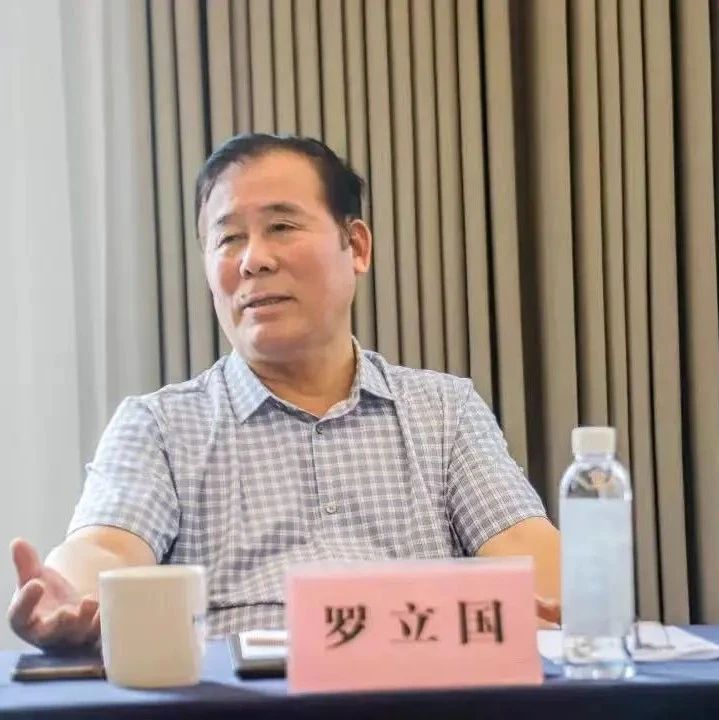
Core Viewpoint - The report outlines a share transfer agreement involving Ningbo Hoshine Silicon Industry Co., Ltd., where the company will transfer 60 million unrestricted circulating shares, representing 5.08% of its total share capital, to Xiao Xiugan at a price of RMB 43.90 per share, totaling RMB 2.634 billion [1][4][8]. Group 1: Share Transfer Details - The share transfer agreement was signed on July 16, 2025, and the transfer will reduce the shareholding of Ningbo Hoshine Group and its concerted actors from 929,105,229 shares (78.59%) to 869,105,229 shares (73.51%) [1][8]. - The transfer price is set at RMB 43.90 per share, with the total transaction amounting to RMB 2,634,000,000 [8][12]. - The share transfer will not change the controlling shareholder or actual controller of the company [8][11]. Group 2: Information Disclosure Obligations - The report confirms that the information disclosure obligations have been met according to the relevant laws and regulations, ensuring no false records or misleading statements are present [2][4]. - The report states that there are no other means of increasing or decreasing shareholdings outside of the disclosed information [2][4]. - The company and its concerted actors have committed to fulfilling their disclosure obligations in case of any future changes in shareholdings [8][16]. Group 3: Stakeholder Information - Ningbo Hoshine Group is the controlling shareholder, with its ownership structure comprising 57.35% held by Luo Yedong, 24.93% by Luo Yi, and 17.72% by Luo Ligong, who are all concerted actors [4][6]. - The report indicates that none of the stakeholders hold shares in other listed companies that exceed 5% of their issued shares [6][8]. - The report emphasizes that the share transfer is primarily driven by the funding needs of the information disclosure obligor and the development requirements of the listed company [8].
宁波前首富家族转让股份,上海“女牛散”拟26.34亿元接手
凤凰网财经· 2025-07-17 13:25
Core Viewpoint - The article discusses the recent share transfer of 5.08% of Hoshine Silicon Industry's shares from its controlling shareholder, Ningbo Hoshine Group, to Xiao Xiugan, highlighting the financial pressures faced by the group and the company's declining performance in the silicon industry [1][5][16]. Group 1: Share Transfer Details - Hoshine Group plans to transfer 5.08% of Hoshine Silicon's shares to Xiao Xiugan for a total price of 2.634 billion yuan, at a price of 43.90 yuan per share, which is nearly 10% lower than the closing price of 48.71 yuan on July 16 [1]. - After the transfer, Hoshine Group's shareholding will decrease from 46.24% to 41.16%, while Xiao Xiugan will become the fourth largest shareholder with 5.08% [2]. - Prior to the transaction, Hoshine Group and its concerted actions held a total of 78.59% of Hoshine Silicon's shares, which will drop to 73.51% post-transaction [2]. Group 2: Financial Pressures and Performance - Hoshine Group has indicated a need for funds, citing both personal financial requirements and the developmental needs of the listed company [5][6]. - The group has previously pledged shares to raise funds for debt repayment, with a total of 4.51 billion shares pledged, accounting for 48.52% of their holdings and 38.13% of Hoshine Silicon's total shares [8]. - Hoshine Silicon's performance has been declining, with an expected net loss of 300 million to 400 million yuan for the first half of 2025, a significant drop from previous profits due to weak downstream demand for industrial silicon [16]. Group 3: Company Background and Market Position - Hoshine Silicon, established in 2005 and listed in 2017, is a leading player in the silicon industry, being the only high-tech enterprise with capabilities across the entire silicon-based industrial chain [3][4]. - The company reached a peak stock price of 259.80 yuan per share in September 2021, with a market capitalization of 279 billion yuan, making the founding family extremely wealthy [4]. - Recent market conditions have led to a significant decline in silicon prices, impacting the company's profitability, which has seen a continuous drop in net profit over the past three years [16].
多晶硅畸形的上涨,会出事故吗?
对冲研投· 2025-07-17 12:25
Core Viewpoint - The article discusses the abnormal price surge in the polysilicon market, driven by oligopolistic market structures and policy signals, raising concerns about systemic risks in the industry [3][33]. Group 1: Market Structure and Pricing Dynamics - The polysilicon market is characterized by a significant oligopoly, with the top five companies in China accounting for 70.3% of global production in 2024 [4][5]. - Tongwei Co., as the industry leader, holds a 25% market share, followed by GCL-Poly (15%), Daqo New Energy (11%), Xinte Energy (10%), and Hoshine Silicon Industry (6%) [4][5]. - Despite a severe oversupply, polysilicon prices surged by 30% in July 2025, reflecting a collective response from leading firms to policy signals rather than genuine supply-demand improvements [6][13]. Group 2: Policy Evolution and Challenges - The "anti-involution" policy aimed to curb low-price competition and promote high-quality development but has evolved into a mechanism for price collusion among leading firms [8][20]. - Initial discussions in 2024 about self-regulation and production cuts yielded limited results, leading to increased administrative involvement in 2025 [11][12]. - The policy's execution faced challenges, including disagreements on capacity storage and limited room for further production cuts due to already low operating rates [16][17]. Group 3: Industry Chain Imbalances - The price surge has disrupted the price transmission mechanism within the industry, with polysilicon prices rising by 30% while downstream products like silicon wafers only increased by 14% [22][23]. - Inventory disparities exist, with polysilicon stocks at three months' usage while silicon wafer inventories are critically low [25][26]. - The high polysilicon prices have begun to suppress end-user demand, particularly in distributed solar markets, leading to pessimistic installation forecasts for the second half of 2025 [28]. Group 4: Systemic Risks and Recommendations - The abnormal price increases pose risks of a supply chain breakdown, with potential production cuts across the industry as downstream firms resist high polysilicon prices [29][30]. - The financial derivatives market for polysilicon is also at risk, with structural issues potentially leading to liquidity crises [30][31]. - Recommendations include refining the "anti-involution" policy to ensure it promotes genuine market stability rather than price manipulation, and encouraging technological advancements to lower costs [35][36].