奔驰

Search documents
隐藏式门把手是“封门杀手”?奔驰、特斯拉都在用
阿尔法工场研究院· 2025-10-21 00:07
Core Viewpoint - The article discusses the safety concerns surrounding hidden door handles in electric vehicles, particularly in light of recent accidents, and argues that these designs are not merely cost-cutting measures but serve functional purposes in design and aerodynamics [5][10][30]. Summary by Sections Origin and Current Status of Hidden Door Handles - Hidden door handles have a history dating back to the 1950s, initially seen in high-performance vehicles like the Mercedes-Benz 300SL [7]. - Tesla popularized the use of electric hidden door handles with models like the Model S and Model X, leading to widespread adoption among various automakers [9][12]. Functionality and Cost Analysis - Hidden door handles are designed for aesthetic appeal and improved aerodynamics, not for cost savings, as electric systems are more expensive than traditional mechanical handles [10][12]. - The cost of traditional mechanical handles ranges from 30-50 RMB, while electric systems can cost between 300-600 RMB, and even exceed 1000 RMB in high-end models [12]. Safety Risks of Hidden Door Handles - The main safety concern is whether electric hidden door handles can function after a collision that causes power loss. Electric locks may fail if the battery is dead, while mechanical locks typically do not [16][18]. - Despite concerns, Tesla's vehicles with electric hidden door handles have performed well in crash tests, indicating that they are not inherently more dangerous than traditional handles [16][18]. Innovations and Regulatory Standards - New regulations require that all vehicle doors must have a mechanical release function, which may challenge the current designs of many electric vehicles [24]. - Some manufacturers, like Xiaomi and Aito, are already adapting their designs to comply with these new standards by incorporating mechanical backup systems [26][30]. Future of Hidden Door Handles - The evolution of hidden door handles will continue as technology advances and safety standards are refined, with a focus on balancing innovation and safety [30].


BBA“转身”求变 中国“智”造借势赋能
Zhong Guo Qi Che Bao Wang· 2025-10-20 00:48
Group 1 - The core focus of competition in the global luxury car sector is shifting from "mechanical performance" to "intelligent experience," particularly in the Chinese market [2] - Mercedes-Benz is accelerating its efforts in automotive intelligence by collaborating with Momenta to develop a combined driving assistance system for the upcoming pure electric CLA model [2][3] - Mercedes-Benz (Shanghai) Digital Technology Co., Ltd. acquired 136 million shares of Qianli Technology at a price of 9.87 yuan per share, totaling 1.339 billion yuan [2] Group 2 - The strategic adjustments of luxury car manufacturers like Mercedes-Benz, BMW, and Audi (BBA) are driven by the need to adapt to the rapidly changing market demands in China [3] - Mercedes-Benz plans to launch at least four new models featuring the jointly developed system between 2025 and 2027, utilizing local data for training [3][4] - BMW is collaborating with Momenta to develop a new generation of driving assistance systems for the Chinese market, with the first model expected in 2026 [4] Group 3 - The integration of luxury car manufacturers with China's intelligent automotive supply chain signifies a new phase of global output for Chinese companies [5] - China's automotive supply chain is evolving from traditional components to high-value intelligent solutions, driven by a skilled engineering workforce and cost advantages [6][7] - The collaboration with BBA enhances the global recognition and influence of Chinese automotive suppliers, marking a significant shift in the competitive landscape [8][9] Group 4 - The partnerships with BBA are expected to elevate the capabilities of Chinese automotive suppliers, leading to improvements in compliance, quality control, and intellectual property management [9][10] - The first round of industry consolidation is characterized by Chinese suppliers moving from secondary to primary supplier roles, enhancing their bargaining power [10] - The second round of consolidation will see resources concentrating among leading firms, creating a more competitive and efficient industry ecosystem [10]

北京市通州区九棵树2025秋季消费季汽车嘉年华正式开启
Bei Jing Shang Bao· 2025-10-18 15:13
Core Viewpoint - The automotive carnival in Tongzhou District, Beijing, aims to stimulate consumer spending through various car brands and substantial subsidies, enhancing regional economic activity [1] Group 1: Event Overview - The automotive carnival is taking place from October 18 to 19 at Tongzhou Lianzheng Square, featuring well-known car brands such as Mercedes-Benz, Cadillac, Buick, GAC Toyota, BYD, Xpeng Motors, Tesla, Zeekr, Volkswagen, GAC Trumpchi, and AITO [1] - The event is designed to provide a platform for consumers to enjoy car viewing and purchasing experiences, coupled with significant discounts and immersive experiences [1] Group 2: Government and Economic Impact - Yang Xi, the head of the Tongzhou District Commerce Bureau, emphasized the growing importance of consumption in economic activities and the government's efforts to innovate methods and explore new models to better serve consumers [1] - The carnival aims to connect supply and demand seamlessly, ensuring satisfaction for both consumers and businesses through the presentation of quality products and services [1]
喜娜AI速递:今日财经热点要闻回顾|2025年10月18日
Sou Hu Cai Jing· 2025-10-18 11:16
Group 1 - The recent volatility in the gold market has sparked debates between bulls and bears, with gold prices experiencing a significant drop after reaching new highs, indicating potential overtrading and divergence from traditional drivers [2] - The U.S. economy faces uncertainties as Trump signs a new tariff order on medium and heavy trucks, which could impact economic growth, while the Federal Reserve reports challenges in consumer spending and manufacturing [2] - Global stock markets showed weakness, particularly in Asia, due to unfavorable trade conditions and concerns over high valuation stocks, although some recovery was noted in bank and tech stocks later [2] Group 2 - China's fiscal revenue showed a gradual recovery in the first three quarters, with a 0.5% year-on-year increase in general public budget revenue and a 0.7% rise in tax revenue, supported by significant government spending [3] - The China Securities Regulatory Commission announced new corporate governance guidelines for listed companies, effective January 1, 2026, aimed at enhancing governance structures and protecting investor rights [3] - Approximately 494 billion yuan flowed into stock ETFs this week, with banks and rare earth sectors attracting investment, while chemical and communication ETFs faced sell-offs [3] Group 3 - German luxury car brands experienced a decline in sales in China, with significant challenges in competing with domestic high-end brands and a slower transition to electric vehicles [4][5] - The recent issues faced by U.S. regional banks due to loan fraud cases led to a sharp decline in the regional banking index, raising concerns about potential broader implications for the banking sector [5] - Silver prices reached a historical high before retreating, with market opinions divided on whether it can sustain above the $50 mark, influenced by various demand factors [5] Group 4 - The U.S. dollar experienced fluctuations influenced by international trade tensions and Federal Reserve policies, with a weekly decline of 0.3%, while other currencies like the Swiss franc and yen strengthened [6]
“魔幻拼凑”的千里科技:三易主业搭上汽车,港股递表豪赌智驾
经济观察报· 2025-10-18 08:06
Core Viewpoint - After multiple changes in its main business, Megvii Technology has finally entered the promising field of intelligent vehicles, aligning itself with Geely, a leading automotive company, to become part of Geely's intelligent driving ecosystem [1][2]. Business Evolution - Megvii Technology, originally known for facial recognition, has undergone several strategic shifts, including a focus on IoT and logistics, before pivoting to intelligent driving [2][4]. - The company was previously known as Lifan Technology, which had exited the automotive market, and its automotive business is now primarily managed by Geely's team [2][6]. - In August 2023, Geely announced the integration of its intelligent driving teams into Megvii, marking a significant consolidation in the sector [2][10]. Market Position and Challenges - The intelligent driving market is becoming increasingly competitive, with established players already deeply integrated with automotive manufacturers, leaving limited opportunities for new entrants like Megvii [3][13]. - Megvii's ambition to become a Tier 1 supplier in the global intelligent driving market faces significant hurdles due to its lack of production experience and established technology compared to leading companies [2][10][11]. Financial Performance - Megvii's financial data shows a decline in revenue from 86.27 billion in 2022 to 66.98 billion in 2023, with a slight recovery to 69.64 billion in 2024, while the company has faced continuous losses [11][12]. - In the first half of 2025, Megvii reported a revenue of 41.49 billion, a 40% increase year-on-year, but also noted an expanded loss of 1.16 billion [12]. Strategic Goals - Megvii plans to release L3 intelligent driving solutions by the end of 2025 and L4 solutions for Robotaxi by mid-2026, although achieving these goals is considered highly challenging given its current capabilities [5][10]. - The company aims to enhance its AI technology and product offerings, integrate its supply chain, and expand its sales network through its upcoming H-share listing [14]. Industry Dynamics - The intelligent driving sector is witnessing a consolidation trend, with major automotive companies increasingly investing in established suppliers, making it difficult for newcomers like Megvii to gain traction [13][15]. - The competitive landscape is dominated by firms like Huawei and Momenta, which have established strong partnerships with major automotive manufacturers, limiting Megvii's market opportunities [15][16].

我国智能网联汽车进入多场景应用新阶段 中国方案加速“驶向”全球
Yang Shi Wang· 2025-10-18 04:08
Core Insights - The 2025 World Intelligent Connected Vehicle Conference is being held in Beijing, showcasing the expansion of intelligent connected applications such as smart buses and unmanned delivery vehicles, indicating that China's intelligent connected vehicles have entered a new stage of multi-scenario applications [1][6] Group 1: Industry Developments - The annual delivery volume of unmanned delivery vehicles has exceeded 10,000 units, achieving precise last-mile delivery in residential areas and industrial parks [3] - In Xinjiang, over 140 unmanned mining trucks are operating autonomously in complex weather conditions, supported by 5G and intelligent cloud control platforms, highlighting the importance of industrial intelligence [5] - A bus route in Guangzhou equipped with L4 level highly automated driving has accumulated over 2.1 million kilometers, demonstrating the integration of intelligent connected vehicles into daily life [5] Group 2: International Cooperation - The Ministry of Industry and Information Technology (MIIT) encourages and supports deep cooperation between Chinese and foreign enterprises in the field of intelligent connected vehicles [6][10] - Industry insiders at the conference noted that China has achieved multi-faceted technological innovation in the intelligent connected vehicle industry, with a trend towards sharing innovation outcomes globally [6] - A technology company in Suzhou has collaborated with international automakers such as BMW, General Motors, and Mercedes-Benz to develop new intelligent driving system solutions, indicating growing interest from multinational companies in partnerships with China [8] Group 3: Policy and Strategic Goals - MIIT emphasizes the importance of sharing opportunities and benefits globally, aiming for open markets, technological collaboration, and ecological co-construction to involve global partners in China's industrial upgrade process [10] - The Chinese government aims to promote the cross-border flow of knowledge, technology, and talent in the intelligent connected vehicle industry, integrating Chinese experiences into international development plans [11]
“魔幻拼凑”的千里科技:三易主业搭上汽车,港股递表豪赌智驾
Jing Ji Guan Cha Wang· 2025-10-18 02:51
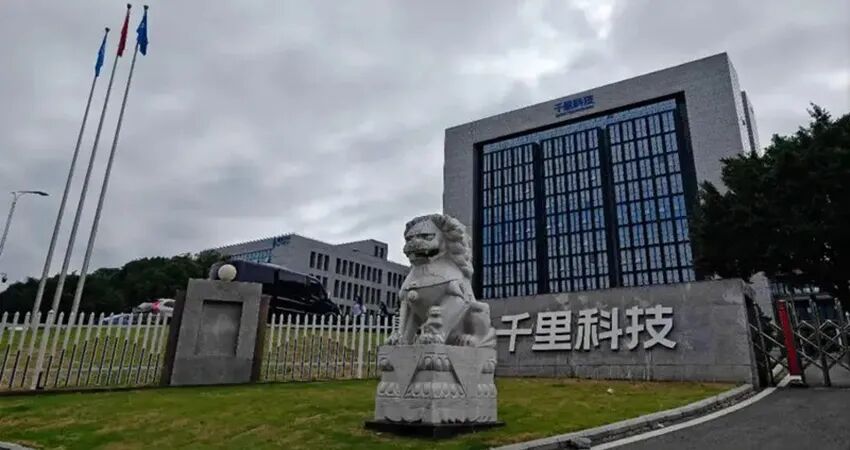
Core Viewpoint - A series of rapid capital operations have transformed a relatively unknown AI company and a bankrupt traditional car manufacturer into a "phenomenal player" in the smart driving sector, with ambitious goals to become a Tier 1 player in the global automotive industry and capture a significant market share in smart driving [2][10]. Company Developments - In August, Geely Holding Group announced the integration of its smart driving teams into Qianli Technology, which has undergone several ownership and strategic changes, including the acquisition of Lifan Technology and the establishment of the smart driving brand Maichi Zhixing [2][4][6]. - Qianli Technology has submitted an application for H-share listing on the Hong Kong Stock Exchange, but its stock price fell by 4.6% following the announcement [3][10]. - The company plans to release L3-level smart driving solutions by the end of 2025 and L4-level solutions for Robotaxi by the second half of 2026, despite lacking substantial experience in mass-producing smart driving solutions [4][10]. Financial Performance - Qianli Technology's revenue for 2022, 2023, and 2024 was 86.27 billion, 66.98 billion, and 69.64 billion respectively, with gross profits of 7 billion, 2.72 billion, and 4.82 billion, indicating a declining gross margin [9]. - In the first half of 2025, the company reported a revenue of 41.49 billion, a 40% year-on-year increase, but continued to face losses of 1.16 billion, with a gross margin of 5.5% [10]. Market Position and Challenges - The smart driving industry is becoming increasingly competitive, with established players like Huawei and Momenta dominating the market, making it difficult for new entrants like Qianli Technology to gain traction [11][12]. - Qianli Technology aims to serve both Geely and other automotive manufacturers, but faces challenges in establishing itself as a Tier 1 supplier due to the existing deep partnerships between major automakers and established smart driving suppliers [11][15]. - The company has received investment from Mercedes-Benz, but on the same day, Mercedes announced a deepened collaboration with Momenta, highlighting the competitive landscape [12][13].
群智咨询:Mini LED与OLED在车载显示领域的“竞合关系”将成为未来发展主线
Zhi Tong Cai Jing· 2025-10-17 12:55
Core Insights - The competitive relationship between Mini LED and OLED in the automotive display sector will be a key focus for future development, with both technologies evolving to better suit automotive applications [1][8] - Mini LED is expected to penetrate the market for vehicles priced above 200,000 yuan, with a significant increase in adoption projected for 2026 compared to 2025 [1][8] Product Technology Upgrades - The automotive display panel market is shifting towards a "differentiated breakthrough" in technology, characterized by a multi-faceted landscape of "Mini LED explosion, stable OLED, and traditional LCD maintaining the base" [2] - Mini LED technology is anticipated to experience explosive growth in 2025, with a projected increase in shipments from 800,000 units in 2023 to 3 million units in 2025, representing a year-on-year growth of 150% [3][4] Mini LED Growth Dynamics - The growth of Mini LED is driven by both technological advancements and market demand, with improved yield rates and cost reductions enabling its adoption in mainstream vehicle segments priced between 200,000 to 300,000 yuan [4] - Mini LED's technical features, such as high brightness and wide temperature tolerance, make it well-suited for automotive environments, creating a positive feedback loop of demand and supply [4] OLED Market Position - OLED technology has established a foothold in the high-end market, with applications in luxury vehicles, but its growth remains steady rather than explosive, focusing on high-end models priced above 500,000 yuan [5][6] - The shipment volume of OLED panels is expected to grow from 600,000 units in 2022 to 3.1 million units in 2025, reflecting a 25% year-on-year increase, although this growth rate is slower than that of Mini LED [5][6] Traditional LCD's Role - Despite the rise of Mini LED and OLED, traditional LCD technology continues to dominate the automotive display market, accounting for over 95% of shipments, primarily in vehicles priced below 200,000 yuan [7] - The strategy for traditional LCD in 2025 focuses on optimizing user experience and controlling costs through improved brightness and color optimization [7] Future Outlook - The competitive dynamics between Mini LED and OLED will drive rapid technological iterations, with both technologies expected to adapt to automotive needs [8][9] - Companies will need to balance current display performance and costs while anticipating future technological advancements, ensuring a diversified approach to production capacity for both Mini LED and OLED [9]
吉利奔驰投的智驾公司港股IPO,清华姚班天才掌舵,三年营收224亿
3 6 Ke· 2025-10-17 12:50
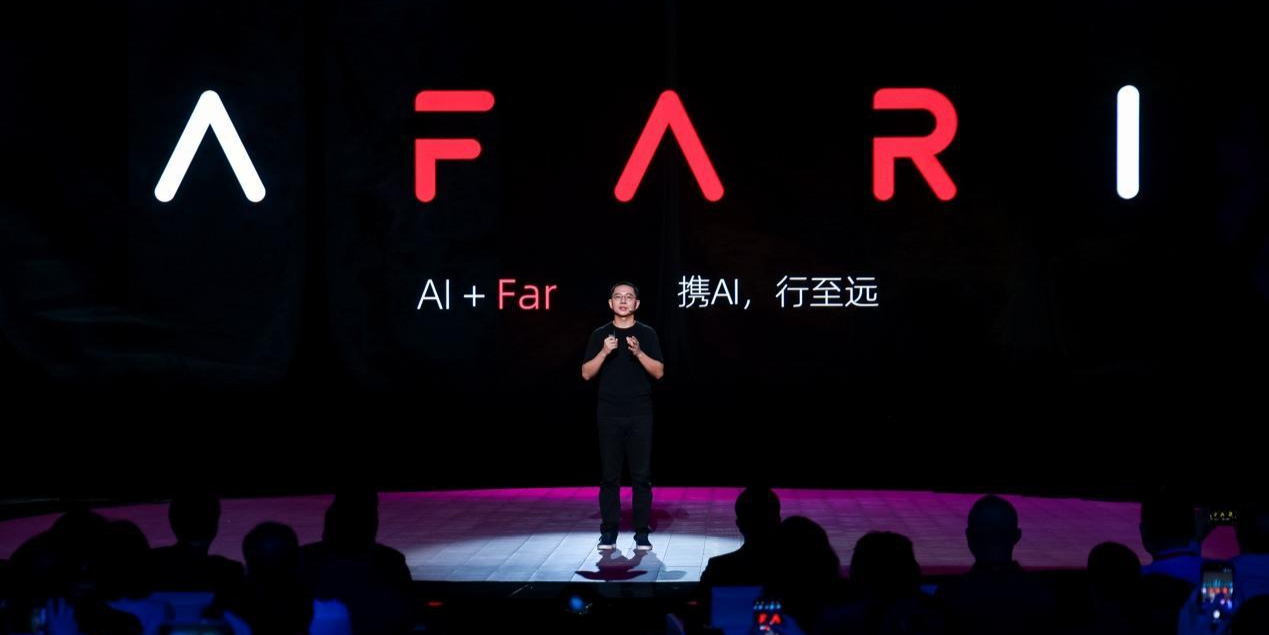
Core Viewpoint - Chongqing Qianli Technology Co., Ltd. has submitted its listing application to the Hong Kong Stock Exchange, marking a significant step in its capital development following the acquisition of a 3% stake in Lifan Holdings by Mercedes-Benz [2] Group 1: Company Overview - Qianli Technology aims to provide "AI + Mobility" closed-loop solutions for global strategic customers, with over 85% of its revenue currently derived from traditional automotive and motorcycle manufacturing and sales [2] - The company is focusing on three main technology solutions for future growth: intelligent driving, intelligent cockpit, and Robotaxi [2][4] Group 2: Financial Performance - In 2023, Qianli Technology experienced a 22.4% year-on-year revenue decline, but is projected to recover with a 4.0% growth in 2024, reaching RMB 6.964 billion [4] - The company's revenue figures from 2022 to 2025 are RMB 8.654 billion, RMB 6.698 billion, RMB 6.964 billion, and RMB 4.149 billion respectively, with net profits showing a decline from RMB 1.55 billion in 2022 to losses in subsequent years [4][6] Group 3: R&D Investment - R&D expenses surged from RMB 90.68 million in 2022 to RMB 215 million in 2023, and are expected to reach RMB 406.58 million in 2024, indicating a strong commitment to technological innovation [6] - The company has launched products in collaboration with Geely, including the "Livan" brand, focusing on both new energy and fuel models [6] Group 4: Client Relationships - Geely is both the largest customer and supplier for Qianli Technology, with procurement amounts from Geely totaling RMB 40.22 billion, RMB 33.87 billion, RMB 19.63 billion, and RMB 10.49 billion from 2022 to the first half of 2025 [9] - Revenue from Geely accounted for 39.7%, 33.6%, 30.8%, and 33.2% of Qianli's total revenue during the same periods [9] Group 5: Leadership and Strategy - The company is led by Chairman Yin Qi, a Tsinghua University alumnus and AI entrepreneur, who has significantly influenced its transformation towards AI-driven solutions [13][15] - Qianli Technology has established a strong team of experts in AI technology and engineering, with an average of over 10 years of experience in intelligent driving and cockpit solutions [15] Group 6: Future Outlook - Qianli Technology is transitioning from traditional mechanical power to an AI-driven model, with a focus on the successful implementation of its three main solutions in the global smart mobility market [16]
特斯拉季度交付量创历史纪录,电动化转型是否迎来拐点?
Xin Lang Cai Jing· 2025-10-17 10:08
Core Insights - The electric vehicle (EV) wave is transforming the global automotive market, with Tesla achieving record deliveries in Q3 2025, delivering 497,100 vehicles, surpassing luxury automaker Mercedes-Benz [1][2] - Tesla's Q3 2025 deliveries exceeded market expectations, driven primarily by the Model 3 and Model Y, which accounted for 481,200 units, representing over 96% of total deliveries [1] - A significant factor in the surge of deliveries was the expiration of a $7,500 EV subsidy in the U.S. on September 30, prompting consumers to purchase vehicles ahead of the deadline [1] Tesla's Performance and Market Position - Tesla's Q3 2025 performance reflects over a decade of development, with historical challenges including near bankruptcy during the 2008 financial crisis, which was mitigated by a $50 million investment from Daimler [4] - The company has seen substantial growth in global sales, reaching 1.81 million units in 2023, with projections for 2025 sales between 2.15 million and 2.33 million units [6] - Tesla's global production efficiency, particularly at its Shanghai Gigafactory with a 95% automation rate, is a key competitive advantage in meeting market demand [6] Market Dynamics and Competition - China is a crucial market for Tesla, contributing to one-third of its global sales, with Q3 2025 deliveries in China reaching 169,200 units, a 31% increase quarter-over-quarter [2] - The competitive landscape is intensifying, with BYD leading in pure electric vehicle sales in Q3 2025 with 582,500 units, surpassing Tesla's deliveries [12] - Traditional luxury brands are adjusting their EV strategies, indicating a shift in the market dynamics as electric vehicles increasingly compete with internal combustion engine vehicles [7] Consumer Preferences and Product Strategy - Consumer preferences are evolving, with technology, smart features, and software ecosystems becoming critical factors in vehicle valuation, overshadowing traditional luxury attributes [9] - Tesla's recent launch of lower-spec versions of the Model 3 and Model Y has drawn criticism for reducing features, potentially alienating some consumers [9][10] - The pricing strategy in China shows gaps in key segments, particularly in the 100,000 to 200,000 yuan range, which may hinder Tesla's ability to attract a broader consumer base [10] Future Outlook - Analysts predict that the global EV market will continue to grow, with sales expected to reach 10 million units by 2025 and 28 million by 2030, representing 57% of all new car sales [7] - The future of Tesla's market leadership will depend on its ability to adapt to consumer needs, optimize lifecycle costs, and balance global and local strategies [12]