奔驰

Search documents
外省人涌入云南买房,年内扫货4.3万套
21世纪经济报道· 2025-10-14 14:34
Core Viewpoint - The article discusses the contrasting trends in the real estate market in Yunnan, where despite a nationwide decline in new housing sales, local officials express strong confidence in the sector as a key driver for economic growth [1][3]. Group 1: Real Estate Market Trends - From January to August 2025, the national new housing sales area and sales revenue decreased by 4.7% and 7.3% respectively, with similar declines of 3.2% and 5.8% in the western region [1]. - In Yunnan, the proportion of out-of-province buyers reached a record high of 33.5% in 2025, contributing to a sales area growth that outpaced the national average by 9.2 percentage points [3][4]. - The growth in external buyers has been consistent since 2022, with their share increasing from 24.8% in 2022 to 31.7% in the first nine months of 2025 [4]. Group 2: Urbanization and Economic Opportunities - Yunnan's urbanization rate was 54.11% at the end of 2024, and if it can reach 65% by 2035, it could generate nearly 400 billion yuan in new investments and consumption [3][4]. - The province's low urbanization rate presents a "latecomer opportunity," particularly in attracting agricultural migrants to urban areas [7]. - Tourism plays a significant role in job creation, with Yunnan receiving 700 million tourists in 2024, generating a total tourism expenditure of 1.14 trillion yuan [7][9]. Group 3: Travel and Residency Impact - The concept of "travel residency" is gaining traction, with 389,750 travelers choosing to stay longer in Yunnan in 2024, indicating a growing trend in long-term tourism [11]. - The average stay for travel residents in Yunnan is 91 days, with a significant increase in the number of travel residents in 2025 [11]. - The province is actively promoting the "Travel Yunnan" brand, with over 100 articles published on this topic in 2025, highlighting its importance to local economic development [11][12]. Group 4: Infrastructure and Public Services - Yunnan is focusing on improving public services and infrastructure to accommodate the influx of travel residents, addressing challenges in transportation and healthcare resources [11][12]. - Local governments are emphasizing their ecological and resource advantages while also enhancing public service capabilities to attract more visitors [12]. - The provincial leadership believes that the next 3 to 5 years will be a critical period for accelerating urban development in Yunnan [12].


智能驾驶,造不如买?
3 6 Ke· 2025-10-14 00:15
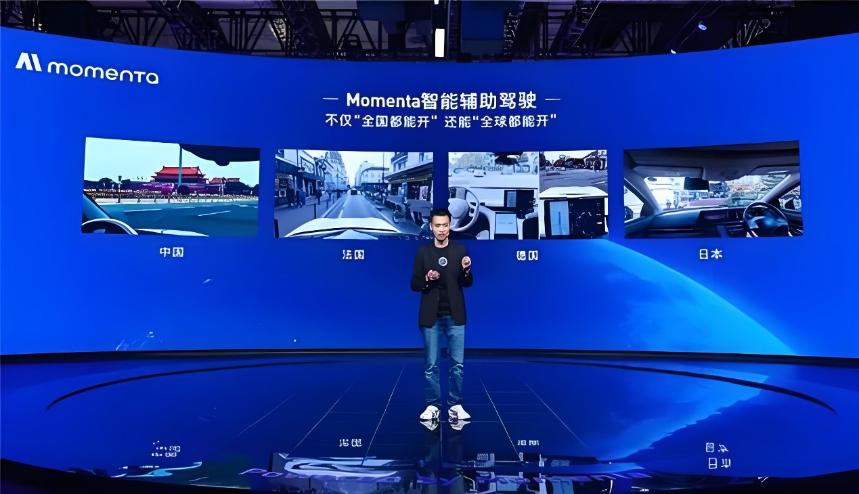
Core Insights - The competition in the new energy vehicle market is intensifying, with smart driving transitioning from an "add-on" to a "must-have" feature, leading to a "arms race" in smart driving technology [1] - Traditional automakers are increasingly opting to acquire mature smart driving technologies rather than developing them in-house, as evidenced by recent investments from companies like FAW and Mercedes-Benz [1][2] - The market for smart driving is becoming a "game for the strong," with leading suppliers gaining significant advantages in data, computing power, and algorithm iteration [10][12] Group 1: Investment Trends - FAW has acquired a 35.8% stake in Zhuoyue Technology, becoming its largest single shareholder, while Mercedes-Benz invested 1.34 billion yuan in Qianli Technology, acquiring a 3% stake [1][2] - Traditional automakers are shifting their strategies to focus on acquiring proven smart driving technologies rather than investing in startups [1][2] - Companies like BYD and Geely are also making significant investments in smart driving firms, indicating a trend towards deeper collaboration and investment in third-party technologies [2][5] Group 2: Strategic Shifts - Many traditional automakers are consolidating their internal smart driving teams to enhance efficiency and focus on strategic partnerships with third-party suppliers [4][5] - The approach of "two-pronged betting" is becoming common, where companies maintain partnerships with third-party suppliers while also developing their own smart driving strategies [5][7] - The urgency of the market is pushing automakers to collaborate with established smart driving suppliers to mitigate risks and accelerate development [7][8] Group 3: Market Dynamics - The smart driving market is witnessing a division into three main camps: ecosystem giants like Huawei and Horizon Robotics, algorithm-focused suppliers like Momenta, and automaker-backed firms [8][9] - The competitive landscape is narrowing, with leading players like Momenta and Huawei capturing significant market shares in the navigation-assisted driving sector [9][10] - The emergence of advanced models like VLA (Vision-Language-Action) is reshaping the smart driving landscape, requiring substantial data and computing resources, thus raising the entry barriers for smaller suppliers [10][12][14] Group 4: Future Outlook - As automakers increasingly acquire smart driving capabilities, the competition will shift back to core aspects such as cost efficiency, user experience, and data iteration capabilities [21] - The collaboration between automakers and smart driving suppliers is evolving from simple partnerships to deeper, more integrated development efforts [21] - The future of smart driving will depend on how effectively companies can translate acquired technologies into tangible user benefits, emphasizing the need for both capital investment and strategic insight [21]


BBA失守中国市场,奔驰三季度交付量大跌27%
21世纪经济报道· 2025-10-13 14:21
Core Viewpoint - The luxury car market is undergoing a significant adjustment, with BBA (BMW, Mercedes-Benz, Audi) showing a differentiated performance: BMW is leading, Mercedes-Benz is under pressure, and Audi is catching up [1]. Group 1: Sales Performance - BMW is the only company among BBA to achieve positive sales growth, with global deliveries reaching 588,300 units in Q3, a year-on-year increase of 8.8%, and a total of 1,795,900 units for the first three quarters, up 2.4% [1]. - Mercedes-Benz's Q3 global sales were 525,300 units, down 12% year-on-year and 4% quarter-on-quarter, with a total of 1,601,600 units for the first three quarters, a decrease of 9% [1]. - Audi's Q3 global sales were 397,100 units, a decline of 2.5% year-on-year, with a total of 1,191,100 units for the first three quarters, down 4.8% [1]. Group 2: Market Challenges - The Chinese market has become a common challenge for BBA, with BMW's Q3 deliveries in China slightly decreasing by 0.4% to 147,100 units, and a cumulative decline of 11.2% to 464,900 units for the first three quarters [3][4]. - Mercedes-Benz faced a significant drop in China, with Q3 deliveries plummeting 27% to 125,000 units and a total decline of 18% to 418,000 units for the first three quarters, marking it as the largest market decline for the brand [5]. - Audi's sales in China showed signs of recovery through its joint ventures, with a 13.5% increase in sales for the first three quarters [5]. Group 3: Pricing and Competition - The pricing structure of BBA is under pressure, particularly in the 200,000 to 400,000 RMB price range, where domestic brands are challenging BBA's entry-level models [6]. - In the 200,000 to 300,000 RMB segment, brands like Zeekr and Tesla are offering better performance or value, while in the higher segments, NIO and Li Auto are competing for core customers [6]. - BMW has adjusted its profit forecast for 2025, expecting a pre-tax profit "slightly lower" than last year's 10.97 billion euros (approximately 90.98 billion RMB) due to higher-than-expected tariff costs and financial support for local dealers [6]. Group 4: Electrification Strategies - BBA's electrification paths are diverging, with BMW leading, Mercedes-Benz aggressively pushing, and Audi taking a pragmatic approach [8]. - BMW's electric vehicle deliveries reached 323,000 units in the first three quarters, a year-on-year increase of 10% [8]. - Mercedes-Benz is launching a major product offensive with its new electric GLC targeting the luxury electric SUV market in China, while also building a cooperative ecosystem for intelligent driving [8][9]. - Audi is adjusting its electric strategy, focusing on a balanced approach between long-term electric goals and flexible product offerings, with plans for new electric models [11]. Group 5: Market Trends - The hybrid market remains a crucial support, with BMW's hybrid vehicle sales increasing by 8% to 152,000 units in Q3, while Mercedes-Benz delivered 96,000 hybrid vehicles, up 10% [8]. - The pure electric market is growing rapidly, with a year-on-year increase of 32.4% in September, surpassing hybrid and extended-range vehicles [8].

卷上天的新能源厂商,销量却被燃油车背刺了
Hu Xiu· 2025-10-13 14:09
Core Insights - The sales of fuel vehicles in China exceeded 902,000 units in August, marking a year-on-year increase of 13.5%, with total sales for the first eight months reaching 8.747 million units, nearly matching last year's total [1] - The resurgence of fuel vehicles is seen as counterintuitive, as the market was expected to shift towards new energy vehicles focused on carbon neutrality [2][6] - The preference for fuel vehicles varies by region, with specific models gaining popularity in different areas, indicating a regional bias in consumer behavior [5][40] Sales Trends - Fuel vehicle sales have rebounded, with a nearly 5% year-on-year increase in the third quarter, while the growth rate of new energy vehicles has slowed for the first time [22] - The increase in fuel vehicle sales is attributed to practical considerations, such as the challenges of charging infrastructure for electric vehicles [58][67] Consumer Behavior - Consumers are increasingly purchasing fuel vehicles due to the difficulties associated with charging electric vehicles, including long wait times and high installation costs for home charging stations [10][14] - The emotional connection to fuel vehicles is highlighted, with many consumers expressing a preference for the reliability and simplicity of fuel vehicles over the complexities of electric vehicles [19][38] Regional Preferences - Different regions exhibit distinct preferences for fuel vehicles, influenced by local conditions and consumer needs, such as climate and terrain [40][50] - In areas with extreme weather conditions, fuel vehicles are favored for their reliability, while in urban settings, the practicality of fuel vehicles is emphasized [67][68] Market Dynamics - The fuel vehicle market is evolving, with manufacturers adapting to consumer demands for reliability and cost-effectiveness, while also integrating advanced technologies to remain competitive [61][63] - The perception of fuel vehicles is shifting from being seen as outdated to being recognized for their practicality in specific scenarios, indicating a nuanced market landscape [69][70]
智驾夜映山城,千里科技以AI之力绘就智能汽车新图景
Zhong Guo Qi Che Bao Wang· 2025-10-13 08:33
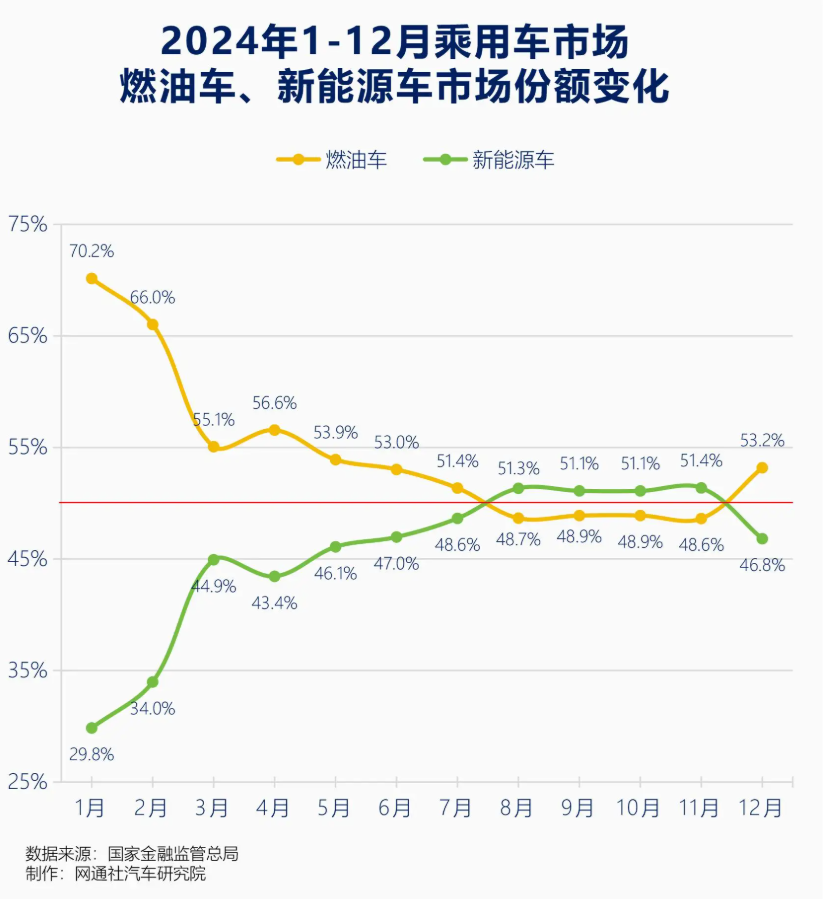
Core Insights - The event "AI Chongqing Smart Driving Night" on September 28 marked a significant milestone for Qianli Technology, showcasing its strategic entry into the AI automotive sector within a year [2] - The launch of the new brand "AFARI" represents Qianli's commitment to becoming a platform-level AI provider in the smart automotive industry [3][5] - The integration of AI technology into the automotive industry is positioned as a core variable for industry transformation, rather than just an additional feature [5][6] Brand Renewal - The new brand "AFARI" symbolizes Qianli's identity as an "AI technology faction," with each letter representing a strategic vision: A for AI, FAR for long-distance vision, and I for intelligence [3][5] - The branding emphasizes a deep connection between brand identity and technological capabilities, aiming to reshape perceptions of AI from being cold and mechanical to being human-centric [5] - The "Afari Plan" outlines a three-part platform blueprint that includes an AI brain, a unified operating system, and a super intelligent assistant, extending AI applications across various sectors [5][6] Technical Validation - The "8D Magic City" testing ground in Chongqing serves as a rigorous validation site for Qianli's AI driving technology, demonstrating its capability to handle complex driving scenarios [6][8] - The successful navigation of challenging environments in Chongqing showcases the advanced decision-making capabilities of Qianli's AI systems, which learn from real-world conditions rather than relying on pre-set rules [6][8] - Qianli's rapid development and deployment of technology are attributed to strategic timing and support from Geely in manufacturing and supply chain [6][8] Ecological Resonance - The collaboration with three automotive companies (Changan, Geely, and Seres) and the strategic investment from Mercedes-Benz highlights the emerging ecosystem for platform-level AI in the automotive sector [8][10] - The synergy between Qianli's AI technology and local automotive resources is expected to lower R&D costs and enhance the integration of smart technologies across the industry [10] - Qianli aims to position itself as a connector in the automotive ecosystem, promoting open collaboration rather than pursuing a monopolistic approach [10]


将电动汽车占比从40%降至20%!这家车企“减速”表明了怎样的风向?
Zhong Guo Qi Che Bao Wang· 2025-10-13 08:23
Core Viewpoint - Ferrari's strategic shift indicates a move from an aggressive electrification approach to a balanced portfolio of fuel, hybrid, and electric vehicles, with a target of 20% electric vehicles by 2030, down from a previous goal of 40% [4][5][6] Summary by Sections Strategic Shift - The adjustment reflects a more conservative stance on the demand for high-end electric vehicles, contrasting with the aggressive electrification strategies of other automakers [5][6] - The first electric model, Elettrica, is set to launch in 2026 but will serve as a supplement rather than the main offering [5] Market Reaction - Following the announcement, Ferrari's stock price fell, indicating market concerns regarding its electrification progress and demand forecasts [5][6] Consumer Preferences - Research shows over 60% of high-end sports car users believe electrification could weaken brand uniqueness, suggesting a longer market cultivation period than expected [5][6] Technical Challenges - Ferrari faces significant technical barriers in electric vehicle development, particularly in battery management and motor efficiency, compared to leaders like Tesla and Porsche [6] - The high development costs and the need to maintain performance standards complicate the production timeline for electric models [6] Profitability Concerns - The company’s high profit margins are tied to the scarcity and customization of fuel models, which are more profitable than electric vehicles [6][8] - Maintaining a 40% share of fuel vehicles is seen as a strategy to protect brand identity and high-margin business [6][8] Industry Trends - The shift towards differentiated competition is noted, with other luxury brands like Porsche and Mercedes also adjusting their electric vehicle targets [7] - The luxury car market's unique characteristics allow for more flexibility in meeting emissions regulations while retaining traditional options for core customers [7] Brand Identity - Ferrari's strategy emphasizes the importance of brand identity, focusing on high performance and elegant design rather than merely following electrification trends [8][9] - The company aims to balance traditional values with innovation, as seen in its development of a unique sound system for electric models to preserve brand heritage [7][9] Conclusion - Ferrari's cautious approach to electrification may reduce risks associated with rapid transformation, aligning with its high-end, customized production model [8][9] - The strategic adjustment reflects a deeper understanding of luxury market dynamics, prioritizing brand essence over mere technological adoption [9]

智驾最后的窗口期,冲出AI新玩家
远川研究所· 2025-10-12 13:04
Core Insights - The intelligent assisted driving industry has experienced a stark contrast over the past year, with advancements in technology leading to increased consumer demand and cost reductions, allowing L2+ systems to penetrate the mid-to-low-end market [2][4][5] - The competitive landscape is intensifying, with a clear emergence of leading players, and companies must adapt to new technological paradigms to remain relevant [2][9] - The rise of multi-modal large models and end-to-end systems is reshaping the industry, with companies like Qianli Technology positioning themselves strategically to leverage these advancements [12][21] Industry Dynamics - The shift from modular to end-to-end architectures in intelligent driving systems is becoming a standard, as exemplified by Tesla's FSD V9.0, which emphasizes a pure vision-based approach [4][5][6] - The software value in intelligent driving systems is projected to exceed 40% of the total vehicle value, indicating a significant shift in the industry's focus towards software-driven solutions [6][18] - The competitive landscape is characterized by a mix of vertically integrated companies like Tesla and third-party suppliers, highlighting the importance of collaboration and resource integration [9][18] Company Developments - Qianli Technology, founded by AI pioneer Yin Qi, aims to become a platform-level AI company, focusing on intelligent assisted driving and smart cockpit solutions [11][21] - The company has established partnerships with major automotive players, including Geely, to enhance its market presence and technological capabilities [17][25] - Qianli Technology's RLM (Reinforcement Learning-Multi-modal) model is gaining attention for its ability to improve driving experience and safety through advanced perception and decision-making capabilities [21][24] Future Trends - The integration of multi-modal large models and reinforcement learning is expected to be crucial for the future of intelligent driving systems, enhancing their adaptability and safety [20][22] - The global market for automated and intelligent driving vehicles is projected to reach $1.2 trillion by 2040, with significant growth opportunities for companies like Qianli Technology [25] - The development of Robotaxi services is a key focus for Qianli Technology, aiming to establish a comprehensive operational framework within 18 months [27]



买车像炒股?有车主爱车一年跌价近5万
经济观察报· 2025-10-12 07:47
Core Viewpoint - The current automotive market is undergoing a transformation, with rapid technological advancements and frequent new model launches significantly impacting vehicle depreciation rates, particularly for electric vehicles [3][7]. Group 1: Market Trends - The automotive market is experiencing a surge in new model releases, with over 70 new models launched in September alone, indicating a vibrant sales season [6]. - The average depreciation rate for three-year-old plug-in hybrid vehicles is 43.9%, while pure electric vehicles have an average depreciation rate of 42.6%, both lower than traditional fuel vehicles, which maintain an average depreciation rate above 50% [4][6]. Group 2: Factors Influencing Depreciation - The rapid iteration of technology, especially in electric vehicles, leads to accelerated depreciation of older models, as the technology update cycle has shortened from 3-5 years to 1-2 years [9]. - Brand influence remains a core factor in determining vehicle depreciation rates, with luxury and mainstream brands maintaining higher resale values due to brand equity [8]. - Market ownership levels directly affect the liquidity of the used car market, with models that have higher ownership typically offering better after-sales service and parts supply, thus preserving their second-hand value [8]. Group 3: Consumer Guidance - Consumers are advised to focus on the three-year depreciation rate data of target models before purchasing, as this reflects the long-term value trajectory of vehicles [11]. - Choosing brands with stable pricing strategies is crucial, as those that avoid frequent price wars tend to maintain higher depreciation rates [11]. - The importance of after-sales service and warranty policies, particularly for electric vehicles, is emphasized, as these factors can alleviate consumer concerns about battery degradation and enhance vehicle resale value [12].

BBA最后的堡垒,快守不住了
虎嗅APP· 2025-10-11 09:53
Core Viewpoint - The German luxury car trio, BMW, Mercedes-Benz, and Audi (BBA), is losing market share in China due to the rapid rise of domestic electric vehicle brands, particularly in the entry-level and mid-range luxury segments [4][8]. Market Dynamics - The entry-level luxury sedan market, represented by models like the BMW 3 Series, Audi A4L, and Mercedes-Benz C-Class, has seen significant price reductions, with the Mercedes-Benz C260L's price dropping to around 25 million yuan after subsidies [4]. - Despite price cuts, sales have not improved significantly, with Mercedes-Benz C-Class and Audi A4L sales dropping by 16% and 27% respectively in the first half of 2025, while BMW 3 Series saw a slight increase [4][5]. - The market share of new energy vehicles in the 200,000 to 300,000 yuan price range has increased from 60% to 63.3% year-on-year, further squeezing traditional luxury entry-level cars [4]. Financial Impact - BMW reported a 24.6% decline in deliveries for its popular models X3/X4 and a staggering 70.8% drop for i3/i4 in the first half of the year [5]. - In Q3 2023, BMW's sales in China were 147,100 units, down 0.4% year-on-year, while Mercedes-Benz's sales fell by 27% to 125,100 units [5]. - The financial performance of BBA has been adversely affected, with Mercedes-Benz's net profit plunging 55.8%, Audi's down 37.5%, and BMW's decreasing by 29% in the first half of 2025 [6]. Competitive Landscape - The mid-size luxury sedan market is also experiencing price competition, with the BMW 5 Series seeing a price drop of 40% from 439,900 yuan to approximately 260,000 yuan [6]. - Domestic electric vehicle brands are now targeting the ultra-luxury segment, with models like BYD's Yangwang U8 and NIO's ET9 directly competing with BBA's high-end offerings [6][7]. - NIO's ET9 surpassed BMW 7 Series and Audi A8L in sales in its first month, while Huawei's Zun Jie S800 received over 14,000 pre-orders within 109 days, indicating a shift in consumer preferences [7][11]. Historical Context - The Chinese luxury car market has undergone a significant transformation from 2010 to 2020, with market size growing from approximately 300,000 units to 2.2 million units, while BBA's market share dropped from 94.03% in 2012 to 63% in 2020 [8][9]. - Domestic brands have increasingly penetrated the luxury market, with Li Auto capturing nearly 10% market share and NIO holding a 40% share in the pure electric vehicle segment above 300,000 yuan by 2024 [9][10]. Challenges for Domestic Brands - While domestic brands have made strides in the ultra-luxury market, they face challenges in brand recognition and consumer trust compared to established players like BBA [16][18]. - The international market presence of these brands remains limited, and their success in the ultra-luxury segment will depend on their ability to enhance brand perception globally [18].

买车像炒股?有车主爱车一年跌价近5万
Jing Ji Guan Cha Wang· 2025-10-11 06:14
Core Insights - The automotive market in September saw a record number of new model releases, leading to a surge in consumer purchases, but many buyers faced rapid depreciation of their vehicles [2][3] - The average resale value of plug-in hybrid vehicles is only 43.9% after three years, while pure electric vehicles have an even lower average of 42.6%, both significantly below traditional fuel vehicles [2][3] - The rapid introduction of new models and aggressive pricing strategies by manufacturers are contributing to the depreciation of vehicles, particularly in the electric vehicle segment [4][8] Market Trends - Over 70 new models were launched in September, indicating a strong sales season [3] - The automotive consumption index rose by 15.2% in August, signaling the arrival of the traditional sales peak [3] - Price wars have intensified, with companies like Tesla reducing prices, prompting competitors to follow suit [3][8] Depreciation Factors - The rapid pace of technological advancement and frequent model updates are accelerating vehicle depreciation, especially for electric vehicles [4][7] - Brand influence remains a key determinant of resale value, with luxury and mainstream brands maintaining higher average resale values [4][5] - The average resale value for three-year-old electric vehicles is only 43.25%, while traditional fuel vehicles often exceed 45% [3][5] Consumer Guidance - Consumers are advised to reference authoritative resale value data before purchasing, focusing on three-year resale rates to gauge long-term value [9] - Choosing brands with stable pricing strategies is crucial, as these brands tend to maintain higher resale values [9][10] - The importance of after-sales service and warranty policies, particularly for electric vehicle batteries, is emphasized as a factor in maintaining vehicle value [9][10]