赛力斯

Search documents
汽车早报|特斯拉在韩国大幅下调电动车售价 保时捷将在美召回超17.3万辆汽车
Xin Lang Cai Jing· 2026-01-01 00:39
Group 1: Automotive Industry Regulations and Initiatives - The Ministry of Industry and Information Technology has initiated a carbon footprint declaration for automotive power batteries, aiming to establish accounting rules and a management system by the end of 2026 [1] - The National Development and Reform Commission has released a plan to promote the use of recycled materials in automotive manufacturing, encouraging the use of recycled steel, non-ferrous metals, and plastics in various vehicle components [1] Group 2: Market Trends and Consumer Incentives - The China Automobile Circulation Association estimates that over 12 million passenger cars will qualify for subsidies in 2026, potentially driving new car consumption by nearly 1.5 million vehicles [2] - The retail sales of passenger cars in China from December 1-28 were 1.928 million units, a year-on-year decrease of 17%, while wholesale sales also saw a decline of 19% [4] Group 3: Company Developments - SAIC Group is progressing with the approval application for its L3 vehicle models [5] - Seres has obtained a testing license for its L3 vehicles [6] - Evergrande Auto continues to suspend trading as it explores cash management strategies and faces bankruptcy proceedings for several subsidiaries [8] - Tesla has significantly reduced prices for its Model 3 and Model Y vehicles in South Korea, with discounts reaching up to 6,490 USD [9][10] - Porsche is recalling over 173,000 vehicles in the U.S. due to a fault with the rearview camera system [11]

2025年度中资企业IPO排行榜
Wind万得· 2025-12-31 22:50
2025年,中资企业全球IPO市场显著回暖,发行数量与募资规模双双实现大幅增长。全年共有290家中资企业在全球主要资本市场完成上市,较2024年增 加61家;累计募资规模达3663.55亿元,同比大幅增长123.04%。从市场结构看,港股已成为中资企业最主要的融资平台,募资规模显著领先;A股市场 IPO节奏回暖,融资功能明显修复;海外市场发行数量保持稳定,但募资规模有所回落。整体来看,2025年中资企业IPO呈现数量回升、结构优化、港股 领跑的显著特征。 中资企业上市全景 1.1 中资企业全球IPO数量 Wind数据显示,2025年,中资企业全球市场共完成IPO上市290起(A股按网上发行日期,港股及美股市场按首发上市日期,下同),数量较2024年上升 61起。 1.2 中资企业全球IPO募资金额 2025年,中资企业全球IPO募资规模合计约3663.55亿元(人民币,下同),较2024年回升123.04%。 1.3 中资企业分市场 IPO 数量 2025 年,具体到各市场来看, A 股市场 IPO 上市 112 起,较 2024 年上升 10 起;港股市场 IPO 上市 110 起,较 2024 年上升 4 ...

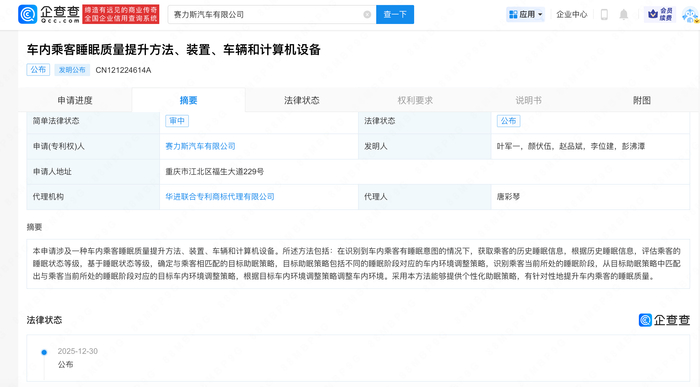
赛力斯车内乘客睡眠质量提升专利公布
Qi Cha Cha· 2025-12-31 17:44
Group 1 - The core idea of the news is that Seres Automotive Co., Ltd. has published a patent for a method and device aimed at improving the sleep quality of passengers in vehicles [1][2] - The method involves recognizing a passenger's intention to sleep, retrieving their historical sleep information, and assessing their sleep status level based on this information [1][2] - The patent outlines a personalized sleep aid strategy that includes environmental adjustments in the vehicle corresponding to different sleep stages, enhancing the overall sleep quality for passengers [1][2] Group 2 - The patent application includes steps to identify the current sleep stage of the passenger and match it with targeted environmental adjustment strategies [2] - The goal is to provide a tailored approach to sleep enhancement, which could represent a significant innovation in the automotive industry [1][2]

政策预期向上修复-26年车市如何展望
2025-12-31 16:02
Summary of Conference Call Records Industry Overview - The records primarily discuss the **automobile industry**, focusing on the **new energy vehicle (NEV)** market and related government policies impacting vehicle sales and subsidies [1][2][4]. Key Points and Arguments Policy Changes and Subsidies - The **subsidy policy for new energy vehicles** is expected to decrease by **20%-30%**, amounting to approximately **¥220 billion to ¥230 billion**. This adjustment aims to enhance fund management and reduce fraudulent activities [1][2]. - The new policy introduces a **proportional subsidy** based on the new vehicle price, with a maximum of **¥20,000**, transitioning from fixed subsidies to a more flexible approach [2]. - Different vehicle types will see adjusted subsidy amounts, with **low-end models** like micro electric vehicles receiving reduced support, while **mid to high-end models** will benefit from increased subsidies [4][3]. Market Dynamics - The **2025 equipment update policy** offers substantial support for trucks, with a **¥45,000 subsidy** for scrapping heavy diesel trucks and **¥95,000** for purchasing new energy trucks, totaling **¥140,000** [7]. - The **2025 fourth quarter** saw a decline in retail sales, with December experiencing a **32%** drop in the first week compared to November, indicating a potential **zero to negative growth** in NEV demand due to expiring tax exemptions and supply pressures [15][2]. Economic Impact - The **economic outlook** suggests that **low-income groups** will struggle to increase purchasing power, limiting growth in the mid to low-end vehicle market. The overall automotive consumption is expected to maintain a **0% growth** rate in 2026, with a focus on high-quality development [18][16]. - The **2026 NEV market** is projected to have a **60% penetration rate**, with an expected growth rate of **14%** in the first quarter, indicating a positive trend despite challenges [20]. Challenges and Solutions - Challenges in policy implementation include **fund management** and **audit processes**, with recommendations for improved data sharing and stricter verification mechanisms to combat fraud [5][6]. - The **cross-regional subsidy issue** is addressed by requiring that new vehicle invoices and license plates belong to the same province, aiming to stabilize sales fluctuations across regions [17]. Future Trends - The **export market** for Chinese automobiles is anticipated to grow significantly, with a **25% increase** expected in January 2026, driven by high demand and favorable conditions [21]. - The competitive landscape in the automotive industry is shifting towards **innovation and technology**, with traditional brands facing pressure while new energy and luxury brands may thrive under supportive policies [22]. Additional Important Content - The **2026 passenger vehicle trade-in policy** has been adjusted to prevent short-term arbitrage, requiring vehicles to be registered in the owner's name for at least one year prior to the policy announcement [11]. - The **battery supply shortage** and rising lithium carbonate prices are attributed to high demand driven by subsidies for new energy trucks, leading to market imbalances [8][9]. This comprehensive summary encapsulates the critical insights from the conference call records, highlighting the evolving landscape of the automobile industry and the implications of government policies on market dynamics.
策论-机器人板块复盘及展望
2025-12-31 16:02
摘要 政策支持与标准化:工信部发布人形机器人发展指导意见并成立标准化 委员会,为产业商业化奠定基础,中美两国或将在机器人领域展开竞争。 2026 年展望:预计 2026 年机器人行业将从主题元年转向量产和产品 化,人形机器人销量榜单或将出现,盈利预测至关重要。 市场关注:市场对特斯拉产业链保持高度关注,尤其是在高压电器及其 相关技术领域,国内厂商需展示技术进步和商业应用潜力。 技术趋势:四杠陶瓷球和氮化镓在驱动系统中的应用值得关注,特斯拉 审厂预示 2026 年量产问题仍是重要议题。 基金板块表现:基金板块近期表现良好,受益于调整时间较长、产业链 推化预期以及商业航天资金切入。 投资策略:关注围绕确定性和边际变化(弹性)的投资标的,如总成环 节的大市值公司和从车端转向机器人的公司。 行业催化剂:2026 年一季度特斯拉三代机器人发布及国内机器人本体 量产版本发布将带来机会,下半年关注量产及应用端方向。 Q&A 为什么在当前时点特别关注机器人行业?是否有特定的催化因素或信号? 当前时点特别关注机器人行业有几个原因。首先,从政策和数据的角度来看, 目前处于一个真空期,这有利于提升市场风险偏好,进而对新兴产业如商业 ...

回望“十四五” | 破解“内陆困局” 构筑“价值高地”——“十四五”期间重庆辖区上市公司蝶变观察
Xin Lang Cai Jing· 2025-12-31 16:01
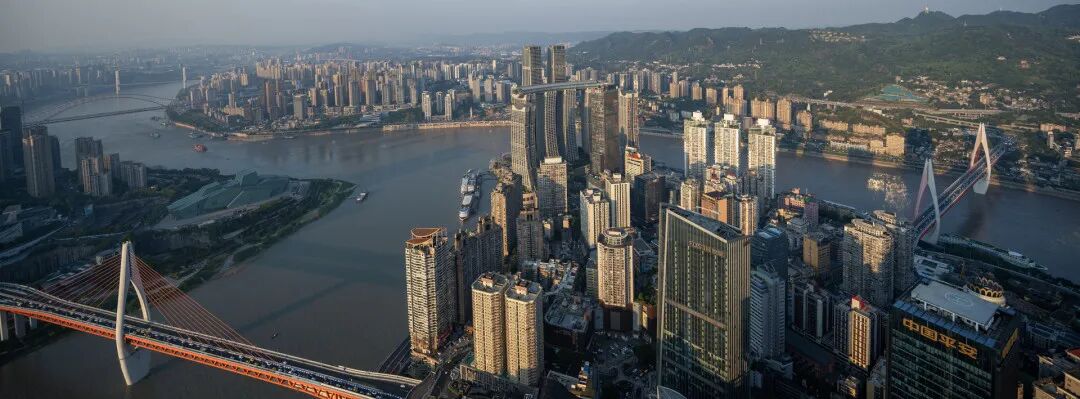
Core Insights - As of September 2025, the number of listed companies in Chongqing reached 78, an increase of 20 from early 2021, with a total market capitalization exceeding 1.25 trillion yuan, representing a growth of 28.87% from the end of 2020 [2][11] - The "14th Five-Year Plan" period has seen Chongqing's securities regulatory authority implement policies to enhance both the quantity and quality of listed companies, contributing to high-quality economic development in the region [2][12] - Chongqing is leveraging capital to drive a structural revolution, with significant increases in core indicators such as revenue, R&D investment, and tax contributions, with R&D investment surging by 127.45% over five years [2][11] Group 1: Structural Changes and Innovations - The transformation of Chongqing's listed companies from quantity to quality is facilitated by institutional innovations, including government-guided funds and bankruptcy restructuring, providing a replicable model for inland cities [4][13] - Notable examples include the integration of resources between China National Pharmaceutical Group and Taiji Group, breaking down barriers in the pharmaceutical industry and fostering deep integration between central enterprise capital and local market networks [4][13] - The shift towards a light-asset model by companies like China Communications Construction Company has improved asset turnover rates by 37%, prompting a transition from land development to urban operations [4][13] Group 2: Bankruptcy Restructuring - For companies facing operational difficulties, Chongqing has adopted a challenging path of market-oriented bankruptcy restructuring to rebuild corporate value, as exemplified by Jinke Group's transformation into a comprehensive real estate operator [5][14] - The regulatory authority emphasizes that bankruptcy restructuring should not be seen as an endpoint but as a process that tests the long-term governance capabilities of the capital market [5][14] Group 3: Innovation Ecosystem - Chongqing's innovation has evolved from a focus on input quantity to an ecosystem approach, integrating "institution + scenario" to embed technological innovation deeply within the industrial landscape [6][15] - Leading companies like Changan Automobile have established significant research facilities, enhancing technology transfer rates to 42%, surpassing the national average of 28% [6][15] - The city is actively developing systemic support for innovation, including the establishment of technology transfer research institutes and specialized technology incubators [6][15] Group 4: Green Transformation - The green transformation of Chongqing's listed companies has integrated ESG (Environmental, Social, and Governance) principles into core competitive advantages, with the number of companies disclosing sustainability reports doubling to 41 since 2021 [7][16] - Companies like Seres have achieved high ESG ratings, which not only attract international capital but also facilitate market entry into the EU, reducing export costs by an average of 8% due to carbon tariffs [7][16] - Innovations in green finance, such as the issuance of green bonds linked to carbon reduction, have transformed financing into a dynamic value creation mechanism [7][16] Group 5: Strategic Positioning - Chongqing's listed companies have found a clearer positioning within national strategies, actively participating in regional development and international trade initiatives, becoming key players in the Chengdu-Chongqing economic circle and the Western Land-Sea New Corridor [8][17] - Financial innovations have significantly reduced the time for enterprise financing approvals, enhancing regional collaboration and serving as a vital link in the national strategy [8][17] - The successful establishment of automotive research and manufacturing bases by companies like Changan and Seres is paving the way for Chongqing's transition from domestic leadership to international competitiveness [8][17] Group 6: Future Outlook - The achievements during the "14th Five-Year Plan" lay a solid foundation for Chongqing's listed companies in the upcoming "15th Five-Year Plan," with ambitions to evolve from an "industrial highland" to an "innovation source" [8][18] - Future plans include the establishment of a Western Science and Technology Innovation Financial Reform Pilot Zone and the creation of a "green technology international certification center" to lower compliance costs for companies entering global markets [8][17][18]

长安汽车重启60亿元定增:价格下调2.26元,资本市场泼冷水!
Xin Lang Cai Jing· 2025-12-31 15:54
在汽车行业竞争日趋白热化的时候,长安汽车(000625.SZ)试图通过定增补充"弹药库"。 2025年12月29日,在长安汽车金融城会议室召开的董事会上,审议通过了《关于终止公司2024年度向特定对象发行股票事项的议案》和《关于公司2025年 度向特定对象发行A股股票涉及关联交易的议案》。 黄桷树财经注意到,对于长安汽车的定增,资本市场算得上是冷眼相待。2025年12月30日至12月31日,2025年版定增方案披露后的前两个交易日,长安汽 车股价累计下跌0.34%。 2025年版定增方案和2024年版定增方案相比,有三点变了。 一是发行价格,2025年版是"9.52元/股",2024年版是"11.78元/股"。 三是限售期,2025年版增加了对发行前持股的限售要求,即中国长安汽车集团及其控制的企业在本次发行前所持有的公司股份在本次发行完成后十八个月 内不得转让,2024年版没有对发行前持股的限售要求。 2025年版定增方案和2024年版定增方案相比,有两点是未变的。 一是募集资金总额均不超过60亿元,核心投向均为"新能源车型及数智平台开发项目"与"全球研发中心建设及核心能力提升项目"。 二是发行数量,2025 ...
港股拿下2025年IPO募资榜全球第一,医药板块成为“顶梁柱”?
智通财经网· 2025-12-31 12:10
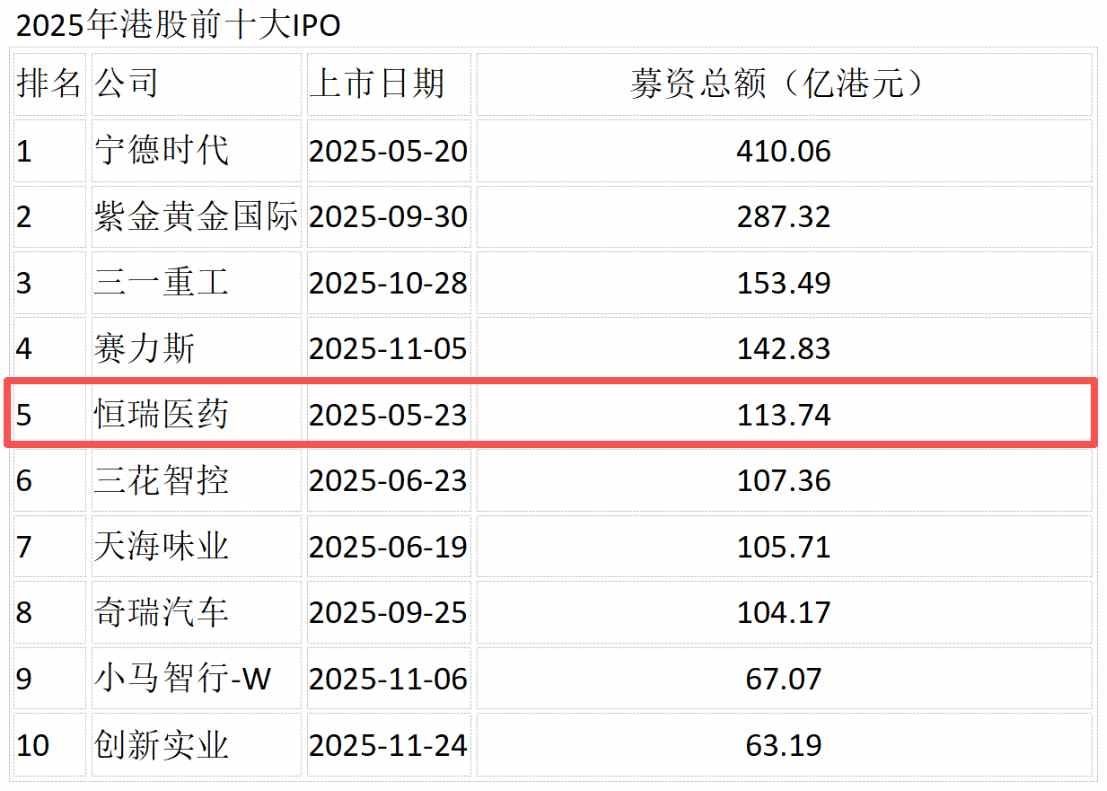
Group 1 - The Hong Kong innovative drug market is returning to a bull market in 2025, driven by a significant BD deal worth $4.8 billion between 3SBio and Pfizer, with the Hang Seng Healthcare Index rising by 102.76% to a peak of 4721.41 points by September [1] - In 2025, the Hong Kong IPO market for new stocks ranked first globally, raising over 280 billion HKD, nearly three times the amount raised in the previous year, marking a new high in four years [1] - A total of 27 healthcare/biotech companies successfully went public in Hong Kong this year, with nearly 10 more companies submitting prospectuses in December, and about 300 companies still waiting in line, with one-third being health-related [1] Group 2 - The top five companies by IPO fundraising in 2025 include CATL with 41.006 billion HKD, Zijin Mining International with 28.732 billion HKD, SANY Heavy Industry with 15.349 billion HKD, Seres with 14.283 billion HKD, and Heng Rui Medicine with 11.374 billion HKD [2] - The performance of newly listed healthcare companies has been remarkable, with some experiencing significant stock price increases, such as Yaojie Ankang-B with a 773.76% increase and Xuanzhu Biotechnology-B with a 507.76% increase [3] Group 3 - The strong performance of the Hong Kong pharmaceutical sector is attributed to policy incentives and breakthroughs in innovation, marking a critical year for the Chinese pharmaceutical industry transitioning from "innovation awakening" to "value realization" [5] - The 2025 domestic pharmaceutical R&D policy focuses on "full-chain support for innovation and multi-level value assurance," significantly enhancing the market's expectations for growth in the innovative drug sector [5] Group 4 - The Hong Kong stock market has seen a significant increase in trading activity, with the total market capitalization reaching 48 trillion HKD, a 41% increase from the previous year, and the average daily trading volume rising by 95% to 255.8 billion HKD [7] - Southbound capital has become a crucial source of liquidity for the Hong Kong market, with a net purchase of 1.4 trillion HKD in 2025, indicating a strong interest in the pharmaceutical sector [7] Group 5 - The new IPO distribution mechanism implemented on August 4, 2025, has improved pricing efficiency and market stability, resulting in a decrease in the IPO failure rate to 28.83% compared to 32%-34% in previous years [8][9] - The innovative drug bull market has led to a lower IPO failure rate of approximately 17% for healthcare companies, with over 35% of new stocks experiencing first-day gains exceeding 100% [9] Group 6 - Despite the overall enthusiasm for the pharmaceutical sector, market sentiment shifted in December, with three healthcare IPOs experiencing significant first-day declines, indicating that investors are becoming more selective based on fundamentals [10] - Companies like Mingji Hospital and Hansi Aitai-B faced substantial first-day drops despite high oversubscription rates, while companies with stronger fundamentals, such as Yinxin Intelligent, achieved significant first-day gains [10]
国标公示:取消“半固态电池”分类
高工锂电· 2025-12-31 11:56
Core Viewpoint - The article discusses the establishment of a national standard for solid-state batteries in China, which aims to clarify the definitions and classifications of solid-state and semi-solid batteries, thereby providing a unified framework for the industry [3][4][9]. Group 1: National Standard Development - On December 31, 2025, China's first national standard for solid-state batteries for electric vehicles entered the public consultation phase, marking a significant step in the standardization of this technology [3]. - The standard will provide a unified definition, classification methods, and quantitative indicators to determine whether a battery qualifies as a solid-state battery [4][8]. - The drafting committee includes over 30 organizations from the entire supply chain, including major battery manufacturers and automotive companies, indicating a broad consensus among key industry players [5][6]. Group 2: Classification and Testing Criteria - The standard introduces a three-part classification system for batteries: liquid, mixed solid-liquid, and solid-state, eliminating the independent categories of "semi-solid" and "fully solid" batteries [10][12]. - A weight loss rate test with a threshold of 0.5% is established to determine if a battery can be classified as solid-state, with specific testing procedures outlined [14][15]. - The classification will also consider the type of solid electrolyte, ion conduction type, and application scenarios, allowing for differentiated product development in various fields [13][17]. Group 3: Industry Implications - The introduction of this standard is expected to accelerate the industrialization of solid-state batteries, with major automotive companies planning to validate and produce these batteries by 2026 and 2027 [19]. - The solid-state battery concept index has seen a nearly 60% increase this year, reflecting strong market interest and investment in this technology [20]. - The standard aims to provide a common language for academic research and technology development, set baseline expectations for product marketing, and establish conditions for future performance and safety standards [22][24].
鸿蒙智行大酒店勇闯汽车零售创新之路
Zhong Guo Qi Che Bao Wang· 2025-12-31 09:33
Core Insights - The automotive industry is witnessing a significant transformation with the emergence of the "Hongmeng Intelligent Hotel," which has gained popularity for its premium customer experience, surpassing traditional luxury car dealerships [2][3] - The monthly delivery of new vehicles under the Hongmeng Intelligent system has exceeded 80,000 units, indicating strong market demand and operational success [2] - A strategic collaboration among the five brands under Hongmeng Intelligent aims to enhance R&D, manufacturing, charging, and marketing, while establishing a standardized service system for a high-quality customer experience [2][5] Group 1: Customer Experience and Service Innovation - The "Hongmeng Intelligent Hotel" has introduced unique dining experiences at various locations, enhancing customer satisfaction and engagement [4][9] - Despite the positive reception, there are concerns regarding service consistency and quality across different service centers, highlighting the need for a unified approach to after-sales service [4][5] - The recent adjustments to free services due to cost pressures raise questions about the sustainability of the current customer experience model [3][10] Group 2: Strategic Developments and Industry Trends - The shift from direct sales to a dealership model aims to reduce operational costs and accelerate market penetration, reflecting a broader trend in the automotive industry [6][7] - The establishment of a cross-brand shared after-sales service network is seen as an innovative move, although it is not the first instance of such a model in the industry [8][9] - Analysts suggest that the focus on user experience must be balanced with cost management to ensure long-term viability and profitability [10][11]