问界

Search documents
问界全系累计交付突破97万辆 智享服务定义豪华服务体验新高度
Quan Jing Wang· 2026-01-09 08:11
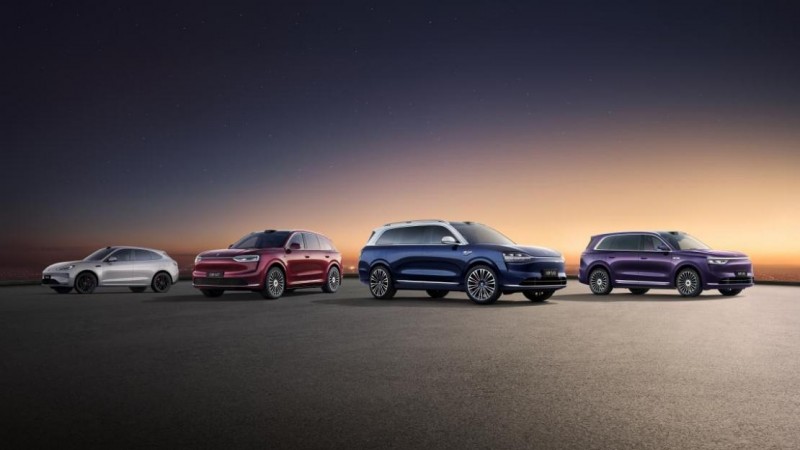
Core Insights - The company, Wanjie, achieved a record monthly delivery of over 57,000 new vehicles in December 2025, leading the high-end electric vehicle market with total deliveries surpassing 420,000 for the year [1] - Since its launch, Wanjie has delivered over 970,000 new vehicles, setting a benchmark for high-end breakthroughs in the Chinese electric vehicle market [1] Group 1: Service Excellence - Wanjie's commitment to "serving users wholeheartedly" is reflected in its comprehensive "Smart Enjoy Service" system, which has garnered multiple prestigious awards for service quality and customer satisfaction in 2025 [3] - The company launched a winter service campaign offering free vehicle health checks, original glass water refills, warm winter drinks, and customized winter driving guides, demonstrating a focus on user needs during seasonal changes [3] - Wanjie service team showcased its emergency response capabilities by assisting a customer involved in an accident, ensuring the protection of user rights and reinforcing trust in the brand [6] Group 2: Brand Recognition - Wanjie ranked first in the brand net promoter score (NPS) and has consistently led the brand development confidence index in the 2025 Jielan Road New Energy Vehicle Brand Health Research, indicating strong user endorsement of its products and services [8] - The brand has established a positive feedback loop where user experience drives word-of-mouth, which in turn boosts sales and validates product quality, contributing to a sustainable growth model [8] - By continuously improving its service system and focusing on user care, Wanjie is enhancing its brand influence and user loyalty, providing a model for high-quality development in the Chinese electric vehicle industry [8]

小米汽车今年拟推4款新车,包含2款增程丨36氪独家
36氪· 2026-01-08 10:22
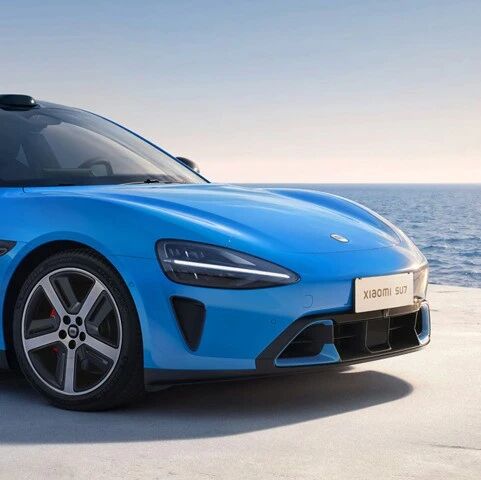
Core Viewpoint - Xiaomi is set to aggressively enter the family market with a lineup of new vehicles, including two range-extended SUVs, aiming to capture a significant share of the growing range-extended SUV segment in China [4][12][20]. Product Plans - Xiaomi plans to launch four new vehicles this year: a revamped SU7, an SU7 executive version, a five-seat range-extended SUV, and a seven-seat range-extended SUV [5][6]. - The seven-seat range-extended SUV, codenamed "Kunlun," is expected to offer a battery capacity exceeding 70 kWh and a pure electric range of 400-500 kilometers [8][19]. - The SU7 executive version will be a long-wheelbase sedan with enhanced comfort features [10]. Market Strategy - The Chinese automotive market is primarily driven by family needs, with consumers seeking spacious, energy-efficient vehicles that offer advanced smart features [14]. - The range-extended SUV market is currently booming, with over 15 new models expected to launch in 2025, indicating strong competition [15]. - Xiaomi's entry into this segment is seen as a strategic move to diversify its product offerings and reach a broader customer base beyond its existing "Mi Fan" demographic [23][24]. Competitive Landscape - Xiaomi will face established competitors like Li Auto and Aito, which have already built strong brand recognition among family users [24][26]. - Li Auto's L series has achieved over 1 million cumulative deliveries, while Aito has secured multiple sales champions in its segment [24][26]. - Xiaomi has previously disrupted the electric vehicle market by breaking Tesla's dominance, suggesting it could pose a significant threat to existing players in the family vehicle market [26]. Future Outlook - The introduction of range-extended SUVs and executive sedans marks a shift in Xiaomi's development strategy from rapid product launches to a more systematic approach focused on comprehensive capabilities [27]. - The company aims to enhance its competitiveness not just through product innovation but also in areas like supply chain management and customer service [27].

长华化学“磷腈催化剂及其制备的低不饱和度高活性聚醚多元醇及应用”项目通过技术成果评估
Zheng Quan Ri Bao· 2026-01-08 01:00
Core Viewpoint - Jiangsu Province's New Quality Productivity Promotion Center has evaluated the technical achievements of Changhua Chemical Technology Co., Ltd. regarding their project on "Phosphazene Catalysts and Their Preparation of Low Unsaturation High Activity Polyether Polyols and Applications," concluding that the results meet international leading standards [1] Group 1: Technical Achievements - The evaluation committee found that the technical materials provided by Changhua Chemical were complete and compliant with assessment requirements [1] - The project developed a new phosphazene catalyst structure using halogenated phosphorus and guanidine as raw materials, optimized preparation conditions, and utilized low-odor inert non-aromatic solvents, resulting in low odor, high purity, and high activity characteristics [1] - The catalyst produced polyether polyols with high molecular weight, low unsaturation, and high activity, which enhance the rebound performance of high-rebound soft polyurethane foams while reducing foam thickness [1] Group 2: Market Applications - The developed technology provides an excellent solution for lightweight and comfort in high-end new energy vehicle seats, creating unique technical barriers and product features for Changhua Chemical [1] - The research results have led to the authorization of 4 invention patents and the application for 7 additional patents, including 1 PCT patent [1] - The products have been applied by well-known downstream companies such as Yanfeng Seating and BASF, supporting high-end new energy vehicle intelligent seats for brands like AITO and Xiaomi [1] Group 3: Recommendations - The expert committee unanimously recommended expanding production scale to meet societal demand [1]
宝马开年即官降:豪华车溢价神话的终场哨
Zhong Guo Qi Che Bao Wang· 2026-01-07 10:05
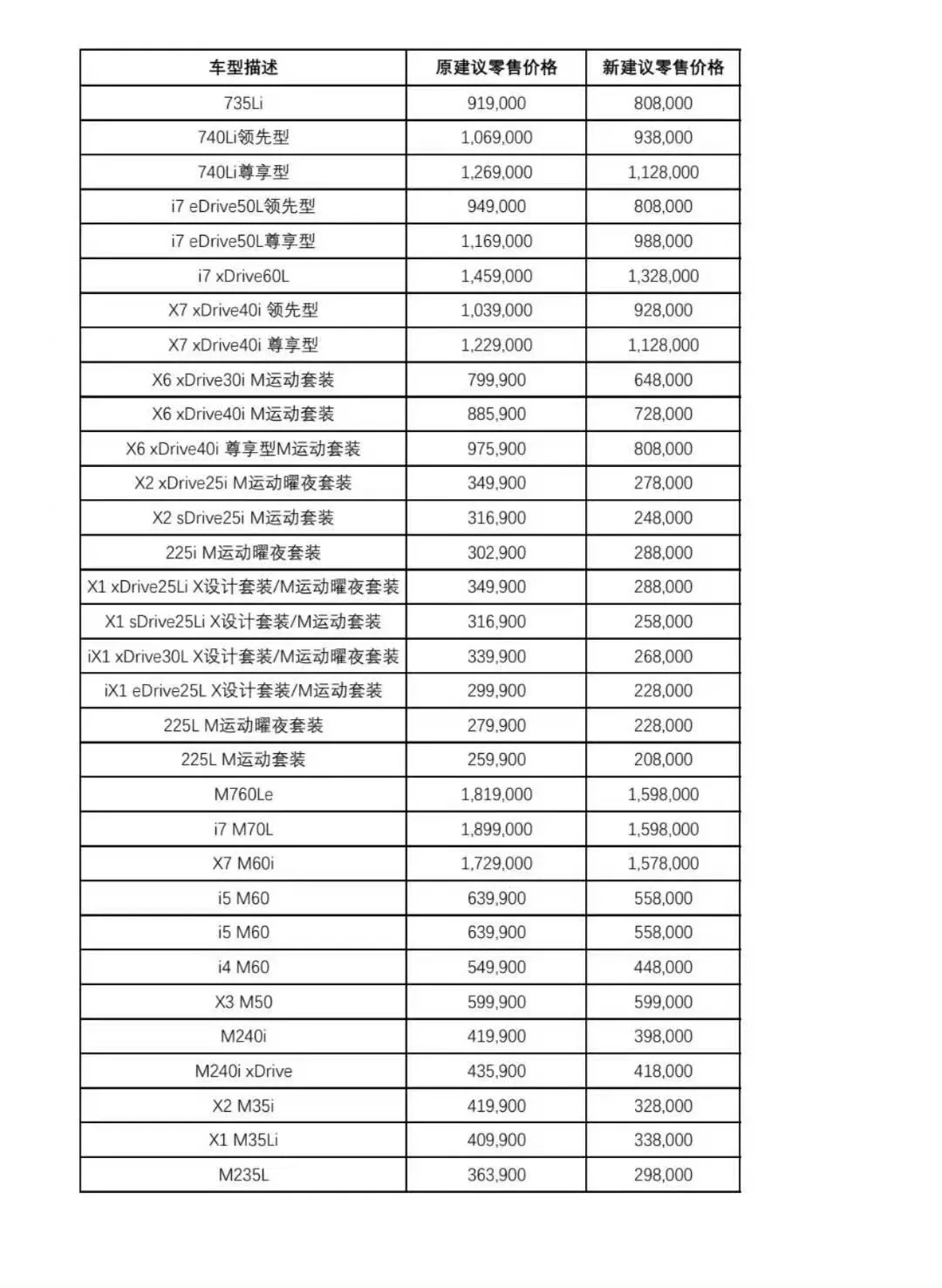
Core Viewpoint - BMW's significant price cuts in the Chinese luxury car market signal a shift in the competitive landscape, indicating the collapse of the premium pricing strategy that has long defined luxury brands in China [1][2][3] Group 1: Price Adjustments and Market Dynamics - BMW announced price reductions for 31 models, with 24 models seeing cuts exceeding 10% and 5 models over 20%, with entry-level models dropping to 208,000 yuan [1] - The price cuts are a response to declining sales and inventory pressures, marking a retreat from previous attempts to maintain high pricing strategies [1][2] - Other luxury brands like Mercedes-Benz and Audi are also offering significant discounts, indicating a broader trend among luxury brands to lower prices in response to competitive pressures from Chinese brands [2][3] Group 2: Competitive Landscape and Consumer Preferences - Chinese brands have gained a foothold in the 300,000 to 500,000 yuan price range, offering advanced features that challenge traditional luxury brands [3][4] - The shift in consumer preferences towards technology and experience over brand prestige is reshaping the luxury car market, with younger consumers prioritizing features like intelligent driving and user experience [3][5] - The luxury car market is experiencing a structural shift, with traditional luxury brands losing market share to Chinese competitors who are innovating rapidly in electric and smart vehicle technologies [4][5] Group 3: Industry Transformation Signals - The price cuts by BMW represent a breakdown of the price barrier between luxury and regular brands, fundamentally altering consumer perceptions of luxury pricing [4][6] - The traditional rules of the luxury car market, previously dictated by brands like BMW, are being redefined by Chinese brands that focus on rapid product iteration and customer-centric service models [4][5] - The ongoing transformation in the luxury car market is not merely a price war but a comprehensive restructuring of value systems, emphasizing the need for luxury brands to adapt to changing market dynamics [6][7] Group 4: Strategic Recommendations for Luxury Brands - Luxury brands must embrace electric and smart technologies, moving away from a "technology neutrality" stance to remain competitive in the evolving market [5][6] - A shift from brand-centric to user-centric product development is essential, focusing on local market needs and preferences rather than global models [5][6] - Establishing a new value system that prioritizes transparency in pricing and configuration will be crucial for rebuilding consumer trust and avoiding the pitfalls of price wars [6][7]
小米汽车明年拟推4款新车,包含2款增程|36氪独家
3 6 Ke· 2026-01-07 07:13
Core Insights - Xiaomi plans to launch four new car models in 2026, including the revamped SU7, SU7 Executive version, a five-seat range-extended SUV, and a seven-seat range-extended SUV [1][2] - The seven-seat range-extended SUV, codenamed "Kunlun," aims to compete in the family market with a large battery providing a pure electric range of 400-500 kilometers [2][4] - Xiaomi has achieved significant sales milestones, delivering over 500,000 vehicles within a short time frame, and aims to penetrate the mainstream family market with its new SUV offerings [9][10] Product Strategy - The new range-extended SUVs are designed to address the needs of family users, focusing on space, energy efficiency, and smart features [4][10] - The market for range-extended SUVs is growing rapidly, with over 15 new models expected to launch in China by 2025, indicating strong competition [5][6] - Xiaomi's entry into this segment is seen as a strategic move to diversify its product line and enhance its market presence [10][11] Competitive Landscape - Xiaomi will face established competitors like Li Auto and Aito, which have already built strong brand recognition among family users [11] - The company has previously disrupted the electric vehicle market by breaking Tesla's dominance, indicating its potential to challenge existing players in the family car segment [11] - The introduction of new models marks a shift in Xiaomi's strategy from rapid product launches to a more systematic approach to competition, focusing on comprehensive capabilities across the supply chain and customer service [11]
王兴兴给雷军打样
Sou Hu Cai Jing· 2026-01-05 09:07
Group 1 - The core issue revolves around Xiaomi's response to public criticism during a lengthy live stream, where the company's explanations were perceived as lacking in persuasiveness despite a professional presentation of their product [1] - Xiaomi's public relations manager defended the company's marketing practices by stating they are industry norms, which has drawn criticism for being a common but misleading tactic [2] - The brand image of Xiaomi, cultivated by Lei Jun, is at risk due to the use of questionable marketing strategies that could harm the company's reputation [3] Group 2 - Misleading marketing tactics could lead to negative backlash against Xiaomi and its leadership, as the larger the brand's image, the quicker the fall from grace can be [4] - Lei Jun's acknowledgment of the need for change in marketing practices provides some reassurance to supporters, indicating a willingness to adapt [4] - Abandoning controversial marketing strategies could relieve pressure on Xiaomi and potentially improve the overall industry standards, as it may discourage similar practices among competitors [4] Group 3 - The company faces scrutiny over its performance marketing, which may inadvertently encourage reckless driving behavior among users, raising safety concerns [5][6] - There is a suggestion that Xiaomi should include safety warnings in its promotional materials to enhance user awareness and responsibility [8] - The emphasis on extreme performance in marketing without adequate safety messaging could lead to regulatory scrutiny, similar to past issues faced by other automotive brands [9] Group 4 - The automotive industry has seen various brands, including Xiaomi, face public backlash due to marketing strategies that emphasize performance over safety [10][11] - The influence of social media amplifies public perception and criticism, which can impact brand reputation significantly [11][12] - The choice of safety strategies, such as "abandoning wheels to protect the car," has been met with skepticism, highlighting the need for manufacturers to balance technical decisions with public sentiment [13][15]
小米汽车41万辆收官+首次盈利,雷军立55万Flag,四款新车轰炸增程市场
3 6 Ke· 2026-01-04 23:58
Core Insights - Xiaomi's CEO Lei Jun openly addressed controversies during the New Year live stream, emphasizing transparency and accountability in marketing practices [1][4] - In 2025, Xiaomi's automotive division exceeded its delivery target, achieving 410,000 units against an initial goal of 300,000, showcasing strong market performance despite skepticism [3][4] - The company plans to invest 200 billion yuan (approximately 28.5 billion USD) over the next five years in R&D, focusing on core technologies and generative AI to enhance vehicle performance and user experience [5][9] Delivery and Sales Performance - Xiaomi's automotive division adjusted its delivery target from 300,000 to 350,000 units mid-year, ultimately delivering 410,000 units [3] - The Xiaomi SU7 was the best-selling car in the 200,000 yuan and above segment, while the newly launched YU7 contributed significantly with over 150,000 units delivered [3][4] - The Q3 financial report indicated that Xiaomi's smart electric vehicles and AI innovations achieved profitability for the first time in a single quarter [3] R&D Investment and Strategic Focus - The planned 200 billion yuan investment will average 40 billion yuan annually, targeting advancements in battery technology, electric drive, and smart driving [5][9] - Generative AI will be integrated into all business operations to enhance user interaction and overall smart experience [5][9] - The automotive industry is increasingly relying on AI for efficiency and competitiveness, with companies like Geely and Seres demonstrating significant improvements through AI integration [8][9] Upcoming Product Launches - Xiaomi plans to launch four new vehicles in 2026, including an updated SU7 and two range-extended SUVs, aiming to capture the high-end family market [13][19] - The new models are expected to enhance user experience with features like increased cabin space and advanced technology [16][19] - The introduction of these vehicles aligns with Xiaomi's strategy to leverage its ecosystem and supply chain advantages [21] Production Capacity and Market Strategy - Xiaomi's combined production capacity is projected to reach 300,000 units annually, with potential to increase to 450,000 units through double-shift operations [25] - The company is preparing to enter the competitive large SUV market, targeting established players like Li Auto and Aion [25][26] - Xiaomi's strategy emphasizes understanding consumer needs and delivering value, which is crucial for competing in the high-end market [21][25] Future Outlook - The next five years will be critical for Xiaomi as it aims to solidify its position in the domestic market while preparing for international expansion by 2027 [27][28] - The company's ability to meet its ambitious delivery targets will be essential for building brand reputation and product strength ahead of global market entry [27][28]
一周概念股:半导体企业IPO热情高涨,美国叫停“中资控制公司”收购交易
Ju Chao Zi Xun· 2026-01-04 07:53
Group 1: Semiconductor IPO Activity - The enthusiasm for IPOs among semiconductor companies in A-shares and Hong Kong stocks is rising, with leading firms like Changxin Technology and others accelerating their IPO processes [2][3] - Changxin Technology aims to raise 29.5 billion yuan through its IPO, focusing on upgrading DRAM manufacturing technology and research [3] - Shenzhen Cloud Leopard Intelligent Technology has signed an IPO guidance agreement, targeting a potential market entry by April 2026 [3][4] - Suiruan Technology has completed its IPO guidance, marking a significant step towards its A-share listing [4] - Tenshu Zhixin has initiated its IPO process in Hong Kong, with a projected revenue of 539 million yuan in 2024, reflecting a compound annual growth rate of 68.8% from 2022 to 2024 [4] Group 2: Market Performance and Records - Biran Technology's stock surged by 82.14% on its debut in Hong Kong, setting records for public subscription and total fundraising [5] - The IPO of Biran Technology raised approximately 5.583 billion HKD, marking it as the largest IPO under Hong Kong's Chapter 18C rules [5] Group 3: Geopolitical Concerns and Market Impact - The U.S. government has halted a $3 million acquisition by HieFo Corp due to national security concerns, reflecting a trend of increased scrutiny on Chinese investments [6][7] - Similar incidents, such as the forced sale of FTDI by the UK government, highlight the growing geopolitical tensions affecting the semiconductor industry [7] - The broadening definition of national security by Western countries is disrupting the global semiconductor supply chain and investment landscape [7]
宝马大降价,“以前想都不敢想”
Zhong Guo Zheng Quan Bao· 2026-01-03 08:06
Core Insights - BMW China announced a "systematic value upgrade" on January 1, 2026, marking a significant price reduction across 31 key models, including a notable drop of 301,000 yuan for the flagship electric model i7 M70L, now priced at 1,598,000 yuan [1] - The price cuts are seen as a response to declining market performance in China, with a 11.2% year-on-year drop in sales for the first three quarters of 2025, totaling 465,000 units, which is a stark contrast to a global sales increase of 2.4% [3] Price Adjustments - The price reductions set new records in the luxury car market, with the iX1 eDrive25L seeing a 71,900 yuan decrease (24%), now starting at 228,000 yuan, directly competing with mid-range electric models like Tesla Model Y and BYD Tang EV [2] - The flagship 7 Series also experienced significant price cuts, with the 735Li dropping from 919,000 yuan to 808,000 yuan (12% reduction), and the 740Li leading model decreasing to below 900,000 yuan [2] Market Challenges - BMW's market share in China has been under pressure, with the X5 SUV's sales plummeting to 5,498 units in October 2025, ranking 12th, and the 5 Series lagging behind competitors like Audi A6L [3] - The luxury car market is undergoing a transformation, with new entrants like AITO and Li Auto reshaping consumer perceptions, making traditional brand premiums less relevant [4] Competitive Landscape - The rapid penetration of electric vehicles in China is intensifying competition, with retail penetration rates for new energy passenger vehicles reaching 53.6% in the first 11 months of 2025, and peaking at 59.3% in November [5] - Other luxury brands are also facing sales pressures, with Mercedes-Benz reporting a 14% decline in sales in the first half of 2025, prompting price reductions on key models [5] Strategic Response - BMW's price cuts may trigger a chain reaction in the luxury car market, reflecting a broader shift from brand competition to value competition, posing challenges for traditional luxury automakers in balancing brand equity with market share [5]
最高降30万元!宝马打响2026年车企价格战“第一枪”!下调旗下31款车型建议零售价
Jin Rong Jie· 2026-01-03 07:13
Core Viewpoint - BMW has initiated a significant price adjustment for 31 models in China, with reductions generally exceeding 10%, and some models seeing cuts of over 20% [1][3]. Group 1: Price Adjustments - The price adjustments affect both gasoline and electric vehicles, with flagship models like the i7M70L seeing a reduction of 301,000 yuan, dropping from 1,899,000 yuan to 1,598,000 yuan, a decrease of 16% [1][2]. - The entry-level 735Li model's price has been reduced from 919,000 yuan to 808,000 yuan, a 12% decrease, while the X1 series has seen reductions of 19% and 18% for different variants [1][2]. - After the price adjustments, 10 out of the 31 models will have suggested retail prices below 300,000 yuan, up from only 3 models previously [3]. Group 2: Market Context - BMW's price cuts are described as a strategic response to market dynamics rather than a price war, emphasizing long-term value and product upgrades [4]. - In the first three quarters of 2025, BMW's deliveries in China fell by 11.2% year-on-year, with significant declines in sales for key models like the X5 and 5 Series [4]. - The company reported a revenue decline of 5.6% year-on-year for the first three quarters of 2025, with a total revenue of 999.99 billion euros [5]. Group 3: Competitive Landscape - Competitors such as Mercedes-Benz and Audi have not yet followed BMW's lead in price reductions [6]. - The recent government subsidies for vehicle replacements may influence consumer purchasing behavior and market dynamics in 2026 [8][9].