三星

Search documents
内存条涨速超金条!100根可换上海一套房,你的手机电脑汽车都逃不过涨价
量子位· 2026-01-23 10:25
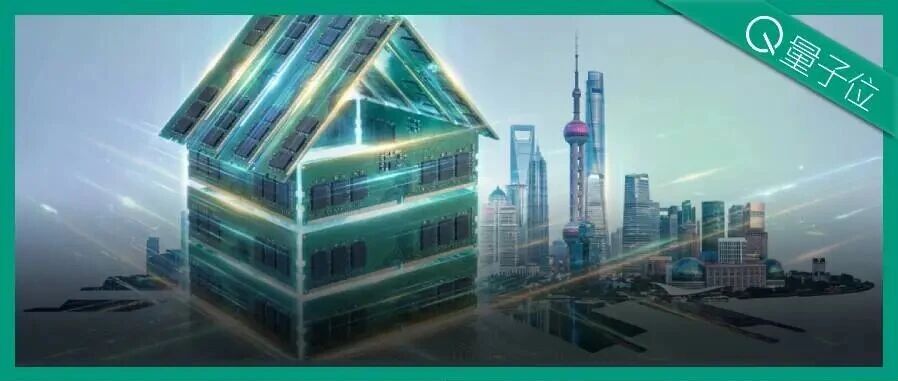
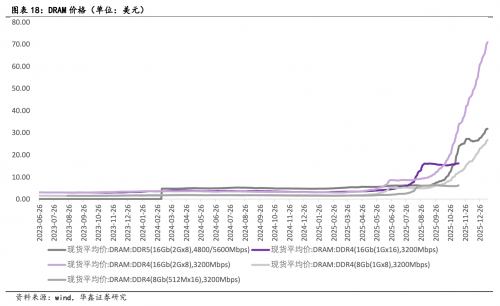
Core Viewpoint - The memory chip market is experiencing a significant price surge, driven primarily by the demand from AI servers, which require substantially more memory than traditional servers. This has led to a supply shortage that is expected to last until at least 2026, with prices projected to continue rising in the near term [6][19][20]. Group 1: Price Surge and Market Dynamics - The price of DDR5 server memory has skyrocketed, with a single 256G DDR5 module costing over 40,000 yuan, leading to a total price of 4-5 million yuan for 100 modules, which is comparable to the price of a residential property in Shanghai [1]. - From the second half of 2025, DDR5 memory prices have increased by over 300%, while DDR4 prices have risen by more than 150% [2]. - The market is characterized by extreme volatility, with prices changing daily, marking one of the most intense periods in the storage industry [3]. Group 2: Supply Shortage and Industry Response - Investment banks like UBS have indicated that the storage industry is entering a severe supply shortage phase, surpassing the historical highs seen in 2018 [4]. - Major manufacturers such as Samsung, SK Hynix, and Micron are reallocating production resources towards higher-margin High Bandwidth Memory (HBM), which is consuming a significant portion of general DRAM capacity [6][7]. - AI servers currently account for 53% of global memory production capacity, leading to a drastic reduction in the supply of general memory types like DDR5 and LPDDR5 [9]. Group 3: Manufacturer Strategies and Challenges - Manufacturers are cautious about expanding production due to previous losses during the industry downturn from 2023 to early 2024, with some companies like Micron exiting consumer markets to focus on data centers [10][11]. - Despite DDR5 becoming mainstream, there is still a high demand for DDR4, but major manufacturers have cut back on DDR4 production, leading to price anomalies where DDR4 prices exceed those of DDR5 [11]. Group 4: Impact on Various Industries - The price increases are affecting downstream industries, with PC brands like Lenovo and Dell beginning to raise prices, forcing consumers to either accept higher costs or opt for devices with reduced storage capacity [15][16]. - The automotive industry is particularly impacted, as the demand for memory has surged from a few GB to 256GB or even TB levels due to increased vehicle intelligence [18]. - Companies with strong supply chain management, such as Apple and Huawei, are less affected, while smaller firms with thin profit margins are facing significant challenges [18]. Group 5: Future Outlook - The peak of the supply shortage is expected in the first and second quarters of 2026, with prices likely to maintain a growth rate of over 20% quarter-on-quarter during that period [19]. - The price surge cycle is anticipated to last at least until the end of 2026, with a projected 26% increase in DRAM demand against a 20% increase in supply [19]. - Historical patterns suggest that the price surge will eventually correct once AI infrastructure stabilizes and new production capacity comes online, but this is not expected before 2027 [20].

中光防雷(300414) - 2026年1月23日投资者关系活动记录表
2026-01-23 10:06
Group 1: Company Overview and Market Position - Sichuan Zhongguang Lightning Protection Technology Co., Ltd. is a leading enterprise in the lightning protection sector in China, supplying products to major global communication equipment manufacturers such as Ericsson, ZTE, Nokia, and Samsung [2]. - The company reported a revenue of CNY 111.23 million in the communication sector for the first half of 2025, marking a year-on-year growth of 12.43% [2]. - The company holds a unique position in the market, being the only publicly listed company in the Shanghai and Shenzhen stock exchanges with over 50% of its main business revenue derived from lightning protection [4]. Group 2: Product Development and Revenue Growth - The company's electronic components, including magnetic components and RF devices, achieved a revenue of CNY 57.31 million in the first half of 2025, reflecting a significant year-on-year increase of 70.73% [2]. - In the energy sector, the company reported a revenue of CNY 82.35 million in the first half of 2025, which is a 35.84% increase compared to the previous year, driven by rising customer demand [3]. Group 3: Technological Advancements and R&D - The company has developed EMP protection products capable of shielding against nuclear electromagnetic pulses and high-power microwave radiation, although these products have not yet reached mass production [3]. - The company is actively involved in the development of 6G technology, maintaining close technical ties with clients and adapting to their customized product needs [3]. Group 4: Industry Applications and Projects - The company has participated in numerous lightning protection engineering projects, including those for high-speed rail, nuclear power plants, and military applications, covering complex scenarios such as the Qinghai-Tibet Railway and the CCTV headquarters [3]. - In the renewable energy sector, the company provides tailored SPD products for traditional power, wind, solar energy, and charging stations, enhancing its market share through innovative product offerings [3].

对华贸易战输得彻底,美国人猛然发现,印度一直在给中国送钱
Sou Hu Cai Jing· 2026-01-23 09:39
Core Viewpoint - The ongoing trade war between the US and China has not yielded the expected results for the US, as the trade deficit with China remains significant despite high tariffs and efforts to shift supply chains to countries like India [1][11]. Group 1: US-China Trade Relations - Since the initiation of tariffs in 2018, the US aimed to reduce its trade deficit with China and bring manufacturing back to the US or to other countries [1]. - By 2024, US tariffs on Chinese goods covered hundreds of billions of dollars, yet the trade deficit with China did not significantly decrease, with bilateral trade reaching $582.5 billion [1]. - The Biden administration continued to promote supply chain diversification, particularly through initiatives like the CHIPS Act, but the effectiveness of these measures remains questionable [1]. Group 2: India's Role in the Supply Chain - India has emerged as a potential alternative to China for manufacturing, with significant growth in exports, particularly in sectors like smartphones, where exports reached $6.96 billion in 2024 [2]. - Despite India's rising exports, it remains heavily reliant on Chinese components, with two-thirds of electronic components imported from China [5]. - The trade relationship between India and China is complex, as India's imports from China are growing at a rate twice that of its overall import growth [4]. Group 3: Challenges in Decoupling from China - India's manufacturing sector continues to depend on Chinese parts, with critical components for electronics and pharmaceuticals sourced from China [5][7]. - The trade deficit with China is projected to reach $99.2 billion by 2025, indicating that India's attempts to reduce reliance on China have not yet succeeded [9]. - India's efforts to decouple from China face significant hurdles, including the need for time to build domestic capabilities and reduce dependency on Chinese technology and components [11][19]. Group 4: Future Outlook - The Indian government plans to implement targeted tariffs and incentives to reduce reliance on Chinese imports and enhance local production capabilities [17]. - India is also focusing on building strategic reserves of critical minerals, such as rare earth elements, to support its manufacturing ambitions [19]. - The path to decoupling from China is expected to be long and challenging, with India's industrial position still needing significant improvement to compete effectively [11][19].

黄仁勋:AI基础设施建设才刚开始,未来将达数万亿美元
半导体芯闻· 2026-01-23 09:38
Core Insights - NVIDIA's CEO Jensen Huang emphasized that the world has only scratched the surface in building the necessary infrastructure for artificial intelligence (AI), with thousands of billions already invested and trillions more needed for development [1] - Huang described a "five-layer cake" of modern AI infrastructure, which includes energy, semiconductors, cloud infrastructure, AI models, and application layers, indicating significant economic benefits will arise from these developments [1] - The demand for high bandwidth memory (HBM) driven by large-scale AI data centers is prompting major investments from memory and NAND flash suppliers like Micron, SK Hynix, and Samsung [1] Investment Trends - Huang noted that 2025 is projected to be one of the largest years for venture capital, with significant funding directed towards AI-native companies due to advancements in AI models [2] - The introduction of reasoning models and open models has instilled confidence in investors to fund large-scale AI infrastructure projects [2] Industry Impact - AI advancements are leading to significant progress in sectors like pharmaceuticals, with companies like Eli Lilly achieving breakthroughs that allow scientists to interact with proteins similarly to ChatGPT [2] - The impact of AI on employment is mixed; while it may create high-paying jobs in skilled trades, its long-term effects on other professions, such as radiology and nursing, are still uncertain [2][3] Healthcare Sector - Increased patient numbers have led to higher hospital revenues, resulting in the hiring of more radiologists and nurses, countering the notion that AI will reduce job numbers in these fields [3] - The financial services and legal sectors may see a reduction in analyst positions due to AI's influence [3] Global AI Development - Huang advocates for every country to participate in building their own AI infrastructure, leveraging their unique languages and cultures to develop localized AI solutions [4]


这一创新,打破内存微缩死局!
半导体芯闻· 2026-01-23 09:38
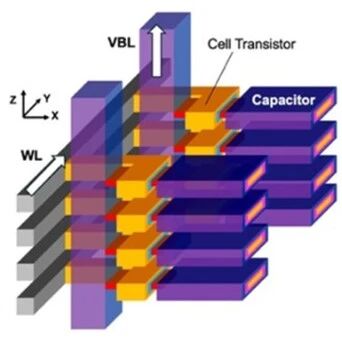
Core Insights - The demand for low-power memory close to computing logic is driven by artificial intelligence workloads, leading to new memory designs and material explorations across various applications [1][11] - DRAM remains the preferred technology for most applications despite challenges in miniaturization and increasing demand from AI data centers, resulting in a memory shortage in the industry [1][11] Group 1: DRAM and Memory Technologies - The miniaturization of DRAM faces challenges, with designers looking to vertical structures to increase density while avoiding high lithography costs [1] - Low-leakage transistors are being explored to reduce refresh power in large storage arrays, with materials like IGZO showing promise due to their acceptable carrier mobility and low leakage [1][2] - Research from Samsung indicates that zinc migration during IGZO annealing can lead to uncoordinated indium sites, affecting performance, but optimizing electrode materials can mitigate interface migration and oxygen loss [2] Group 2: Innovations in Oxide Semiconductors - Researchers from Changxin Storage Technology successfully created functional IGZO devices by optimizing deposition processes and reducing hydrogen content, achieving a drive current of 60.9 μA/μm [3] - Kioxia demonstrated a 3D DRAM oxide channel replacement process that helps reduce thermal degradation, achieving over 30 μA per cell in prototype storage units [5] - A hybrid design using oxide semiconductors and silicon in a 256×256 array improved density by 3.6 times and reduced energy consumption by 15% compared to high-density SRAM [6] Group 3: Advanced Memory Architectures - A fully self-aligned design by Georgia Tech improved performance by 10 times and reduced energy-delay-area product by 75% to 80% compared to traditional SRAM cells [8] - Researchers are exploring the integration of transistor-based memory into backend processes, balancing speed and maturity of silicon technology with simpler but lower-performing alternatives [8] - Non-volatile memory designs using ferroelectric layers and IGZO as channel materials have shown promising durability and performance, with a wide storage window of 1.6 V [9]
闪迪(SNDK.US)单季EPS或冲10–12美元!Cantor预计存储行业盈利峰值将延至2027年
智通财经网· 2026-01-23 09:27
Group 1 - The core viewpoint is that the semiconductor industry, particularly storage chip manufacturers like SanDisk (SNDK.US) and Micron Technology (MU.US), is expected to experience significant profitability due to a severe storage shortage driven by artificial intelligence demands in 2026 and 2027 [1] - Analyst CJ Muse indicates that the current storage cycle is fundamentally different from previous cycles, with a seven-year downtrend in NAND, leading to no urgency among manufacturers to increase capacity [1] - Muse predicts that earnings for SanDisk could reach $10 to $12 per share in the March quarter, significantly exceeding the market expectation of around $4 [1] Group 2 - The storage shortage is anticipated to directly impact consumers, with a projected 10% decline in PC shipments and at least a 5% decline in smartphone shipments this year [2] - Muse warns that high-end market prices will increase, while lower-end markets will experience "downgrading" of storage configurations due to severe supply constraints [2] - The establishment of new greenfield wafer fabs will take over two years, meaning that efforts by Samsung and SK Hynix to increase capacity may not alleviate shortages until early 2027 [2] - Muse believes that the shortage issue may not be fully resolved until 2028, driven by additional demand from high bandwidth memory (HBM) and AI-driven servers [2] - This cycle is described as unprecedented, with expectations that peak earnings multiples will be higher and that peak earnings will occur in 2027 rather than 2026, indicating further upside potential [2]

AI虹吸效应造就内存“超级牛市”,雷神科技等前瞻布局厂商赢得先手
Cai Fu Zai Xian· 2026-01-23 08:42
Group 1: Market Dynamics - The ongoing "memory shortage" driven by the AI wave is causing significant price increases in DRAM, with Samsung and SK Hynix notifying clients of a 60% to 70% rise in contract prices for the first quarter of 2026 compared to the previous quarter [1] - The AI industry's demand for high-capacity and high-speed memory chips, particularly High Bandwidth Memory (HBM), is creating a "super bull market" in the memory sector, with HBM gross margins reaching 50%-60%, significantly higher than traditional DRAM margins of about 30% [2] - The memory market is expected to enter a "super bull market," surpassing the 2018 peak, with DRAM prices projected to increase by 40%-50% in Q1 2026 and an additional 20% in Q2 2026 [4] Group 2: Impact on PC Industry - The sharp rise in memory prices is exerting new pressure on the recovering global PC market, with a projected year-on-year increase of 3.47% in global PC shipments for 2024 and 9.52% for Q3 2025, although rising memory costs are disrupting this growth [4] - Major PC manufacturers have begun to raise prices, with some products seeing increases of up to 20%, as companies like HP and Lenovo adjust their pricing strategies in response to rising costs [5][6] - The share of DRAM in the overall cost of PC systems is expected to rise to between 15% and 24.3% in the medium term, further squeezing profit margins for PC manufacturers [4] Group 3: Company Strategies - Companies like Thunderobot have demonstrated strong risk management and growth resilience by increasing their inventory of key components, such as CPUs and memory, in anticipation of price hikes, resulting in a 105.29% increase in inventory year-on-year [7] - Thunderobot's proactive inventory strategy has allowed it to maintain steady growth, with a 13.9% increase in revenue and a 10.36% increase in net profit for the first nine months of 2025 [7] - The company is also optimizing its product structure and sales channels, with overseas revenue growing from 107 million yuan in 2021 to 1.15 billion yuan in 2024, achieving a compound annual growth rate of 120.7% [9]
索尼退场,日本电视全军覆没
芯世相· 2026-01-23 08:41
Core Viewpoint - Sony's decision to form a joint venture with TCL for its home entertainment business marks a significant shift in the global television market, indicating Japan's exit from the competitive landscape of television manufacturing [4][9]. Group 1: Sony's Strategic Move - Sony will transfer its television business and the BRAVIA brand to a joint venture with TCL, with TCL holding a 51% stake, effectively rebranding Sony's television operations [4]. - The move reflects Sony's lack of display panel production capabilities, which limits its profit margins in the television sector, relying instead on LG and TCL for panel supply [4][9]. - Sony's television market presence has been minimal, often categorized under "others" in market share rankings, and its television segment has historically underperformed compared to its other business units like CIS chips and gaming [4][9]. Group 2: Implications for the Japanese Market - The partnership signifies the end of Japan's independent television brands, as major players like Sharp, Toshiba, and Panasonic have either exited or significantly downsized their television operations [9][10]. - The historical context shows that since 2010, Japanese electronics companies have been selling off their consumer electronics divisions, with Sony's television business being the latest casualty [11][16]. - The decline of Japanese brands in the television market is attributed to their loss of panel production capabilities, which has led to a diminished ability to control pricing and market presence [20][26]. Group 3: The Rise of Chinese and Korean Competitors - TCL's acquisition of Sony's television business is positioned to enhance its competitive stance against Samsung, leveraging Sony's brand equity alongside its own manufacturing capabilities [9]. - The shift in market dynamics has seen Chinese and Korean companies dominate the display panel production, with significant investments leading to a loss of market share for Japanese firms [22][25]. - The transition from Japanese dominance in the television market to a landscape where Chinese and Korean manufacturers hold the majority of panel production capabilities illustrates a broader trend of technological and market leadership shifting eastward [20][29].



三星爆火递归模型TRM唯一作者被迫离职,内部不认可?
机器之心· 2026-01-23 06:37
编辑|冷猫 还记得三个月前,来自三星的一位研究员的独作论文发布即爆火,颠覆了递归推理模型架构,让一个仅包含 700 万个参数的网络,性能比肩甚至超越 o3-mini 和 Gemini 2.5 Pro 等尖端语言模型,震惊了大量业内研究人士。 这篇论文是大名鼎鼎的《Less is More: Recursive Reasoning with Tiny Networks》,带来了影响深远的 微型 递归模 型 TRM 。 关于这篇论文和模型的相关信息,可以参阅 我们之前的报道 。 按理说,发布成果的 唯一作者 Alexia Jolicoeur-Martineau ,在三星应当平步青云,带领全新的团队继续后续研究,用 TRM 的后续研究助力三星在人工智能领域 的进步。 可惜一切似乎都不尽如人意。突然间,Alexia 就发推说要离职。 从推文中明显能看出 Alexia 的怨气。 「在 TRM 取得巨大成功(为公司赚取数十亿美元)后,我在三星的生活变得一团糟。」 止不住的怨气来源于, Alexia 的工作,加拿大蒙特利尔三星先进技术研究所人工智能实验室(SAIL Montreal)取得的最大成绩,并未能够被内部认可。 听 ...

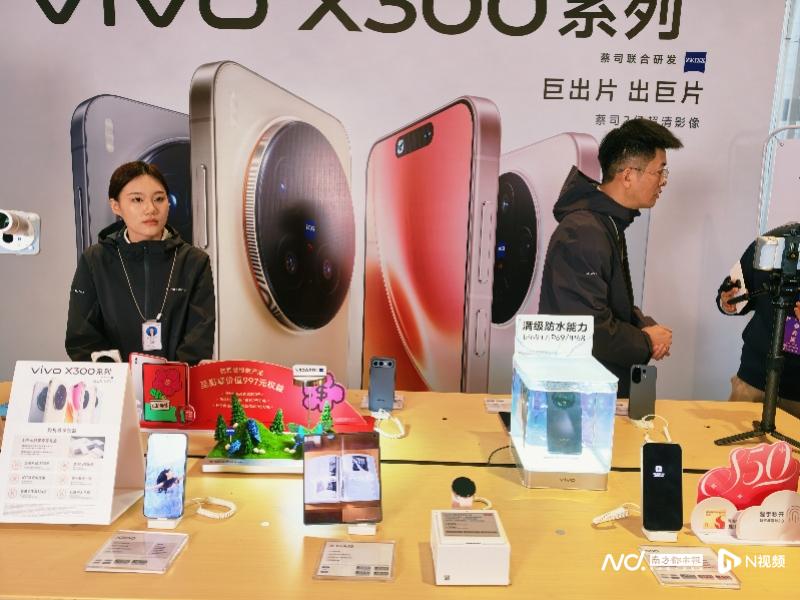
春节换机潮叠加“国补”,中端机配置全面“旗舰化”
Nan Fang Du Shi Bao· 2026-01-23 06:30
Group 1 - The Chinese smartphone market is entering a competitive phase with a focus on mid-range devices as manufacturers target the demand for high cost-performance products during the pre-Spring Festival sales season [1][3] - The government subsidy policy, which extends until 2026, offers a 15% subsidy for devices priced under 6000 yuan, enhancing the attractiveness of mid-range smartphones [3] - Consumers are shifting their focus from low prices to high cost-performance, with mid-range devices now offering performance and features close to flagship models at 60%-70% of their price [3][7] Group 2 - Major brands like Honor, OnePlus, Redmi, iQOO, and realme are launching new models priced between 2000 yuan and 3000 yuan, indicating a fierce competition in the mid-range segment [3][7] - Battery life is a critical concern for users, leading manufacturers to equip mid-range devices with large-capacity batteries, such as Honor Power 2 with a 10080mAh battery [5][7] - The introduction of high-performance processors, such as Snapdragon 8 Gen 5 and MediaTek's Dimensity 9500S, is becoming standard in new mid-range devices, enhancing their appeal [5][6] Group 3 - The smartphone market in China is transitioning to a phase characterized by slight declines in total volume and structural upgrades, with an expected shipment of 278 million units in 2026, a 2.2% year-on-year decrease [8] - High-end market shares are dominated by Apple, Huawei, and Samsung, with Apple holding nearly 50% of the high-end market share in the first three quarters of 2025 [9] - The rising costs of core components are pressuring manufacturers to either raise prices or reduce specifications, leading to a focus on the 2000-3000 yuan price range for maintaining higher profit margins [9]