
极氪

Search documents
汽车视点 | C位“易主”,从成都车展透视车市三大变化
Xin Hua Cai Jing· 2025-08-29 02:43
Core Insights - The 28th Chengdu International Auto Show has commenced, featuring nearly 120 automotive brands and over 1,600 vehicles on display, highlighting a significant shift in the automotive industry dynamics in China [1][2] Group 1: Luxury Brands' Absence - The absence of traditional luxury brands such as Porsche, Bentley, and Lamborghini at this year's show marks a notable change, with these brands opting out due to cost control measures [2][3] - Only six luxury brands, including Mercedes-Benz, BMW, and Audi, continue to participate, indicating a shrinking presence of luxury brands at major auto shows [2][3] - The luxury car market is experiencing a downturn, with Porsche's global deliveries down 6% year-on-year, and a staggering 28% decline in the Chinese market, marking the fourth consecutive year of negative growth [3] Group 2: Expansion of Domestic Brands - In contrast to the luxury brands' retreat, domestic brands have significantly expanded their presence, with companies like BYD, Changan, and Chery showcasing their products in dedicated exhibition spaces [4][5] - BYD's pavilion features various brands and innovative technologies, while Changan and Chery also present a wide array of their offerings, reflecting the growing strength of domestic manufacturers [4][5] - The trend of domestic brands adopting "pavilion" formats at auto shows is becoming more common, enhancing brand visibility and showcasing their increasing capabilities [4][5] Group 3: Rise of Regional Auto Shows - Regional auto shows are gaining prominence, with events like the Guangdong-Hong Kong-Macao Greater Bay Area Auto Show surpassing the Chengdu Auto Show in size and influence, indicating a shift in the automotive exhibition landscape [6][7] - The Chongqing Auto Show has also seen growth, with an increase in exhibition area and attendance, becoming a significant platform for industry discussions [7] - These regional shows are evolving beyond mere sales events, integrating local economic and industrial ecosystems, thus becoming vital for brand promotion and investment attraction [7]

旭升集团2025年上半年稳健经营 募资项目有序推进 全球化布局深化
Zheng Quan Shi Bao Wang· 2025-08-28 14:03
Core Insights - The company reported a resilient performance in the first half of 2025, achieving a revenue of 2.096 billion yuan and a net profit attributable to shareholders of 201 million yuan despite challenges in the electric vehicle industry [1] - The company focuses on the research, production, and sales of precision aluminum alloy components, providing lightweight solutions for major global automotive clients [1][2] - The company is advancing its global production base with new facilities in Mexico and Thailand, enhancing its supply chain and market reach [2] Financial Performance - In the first half of 2025, the company achieved an operating income of 2.096 billion yuan and a net profit of 201 million yuan, with a net profit excluding non-recurring items of 177 million yuan [1] - Research and development expenses reached 109 million yuan, reflecting a year-on-year increase of 1.73% [1] Business Operations - The company specializes in precision aluminum alloy components, including body structure parts and electric drive housings for electric vehicles, serving clients like Rivian, Lucid, and CATL [1] - The company holds a total of 363 patents, including 29 invention patents, which support its competitive edge in lightweight and high-strength performance [1] Investment Projects - The company raised approximately 2.792 billion yuan from a convertible bond issuance, which will be invested in projects related to electric vehicle powertrains and lightweight automotive components [2] - The company is committed to ensuring the effective deployment of remaining funds based on market demand and project plans [2] Global Expansion - The Mexican production base commenced operations in June 2025, with plans to enhance capacity utilization through automation [2] - The Thai production base broke ground in July 2025, focusing on serving the Southeast Asian electric vehicle market [2] - The company's overseas business generated 970 million yuan in revenue, accounting for 46.26% of its main business income [2] Future Outlook - The company anticipates further market share expansion in the electric vehicle lightweight sector as production capacities in Mexico and Thailand ramp up [2] - The company aims to leverage its technological advantages to explore new growth areas such as energy storage and robotics [2]

新能源车出海“暗战”:毛利几乎砍半
虎嗅APP· 2025-08-28 13:54
Core Viewpoint - The article discusses the challenges and opportunities faced by Chinese electric vehicle manufacturers as they expand into international markets, highlighting the significant growth in exports and the competitive landscape they encounter [4][5]. Summary by Sections Export Growth - In 2023, Chinese electric vehicle exports reached 1.203 million units, a year-on-year increase of 77.6%. Projections for 2024 suggest exports will rise to 1.284 million units, a growth of 6.7% [4]. - From January to May 2025, exports totaled 855,000 units, marking a 64.6% increase compared to the same period in 2024, establishing a solid foundation for the full year [4]. Market Expansion - The article notes the increasing marketing activities for electric vehicles in regions like South America, South Africa, and Egypt, with Brazil being a significant market where Chinese brands captured 91.4% of the imported electric vehicle market in the first half of 2024, amounting to $1.2 billion in sales [7]. - Great Wall Motors reported sales of 229,800 units in Russia in 2024, accounting for approximately 12% of the local passenger car market [7]. Challenges in International Markets - The article highlights the challenges faced by manufacturers, including intense competition, patent disputes, and stringent certification requirements [5][14]. - In Russia, high taxes and tariffs on imported vehicles have led to inflated prices, making it difficult for potential consumers to afford these vehicles [9]. Parallel Export Strategy - The "parallel export" method, where vehicles are registered domestically before being exported as used cars, has gained traction among dealers due to lower costs compared to traditional export methods [11]. - This approach allows for quicker market entry, reducing the export process time significantly, but it also raises concerns about brand integrity and profit margins, which have reportedly halved due to increased competition [12][13]. Patent and Certification Issues - The article discusses recent patent lawsuits faced by companies like BYD and Geely, which could hinder their market access and operations in foreign countries [14]. - The certification process for entering markets like the EU is complex and costly, requiring compliance with numerous technical standards, which can deter companies from pursuing these markets [17]. Competitive Landscape - Companies are investing heavily in R&D to enhance product differentiation and are actively engaging in marketing efforts to boost brand recognition and product reputation [17]. - The article concludes that while the global electric vehicle market presents significant opportunities, it also poses substantial challenges that require strategic navigation to succeed [18].

“舱驾一体”加速上车:算力共享与成本博弈下,融合难题仍待解
Mei Ri Jing Ji Xin Wen· 2025-08-28 12:34
Core Insights - The rapid development of "integrated cockpit and driving" in the Chinese market is driven by the fusion of independent smart cockpit and smart driving functions, creating a powerful "central brain" for managing all intelligent features of vehicles [1][2] - The evolution of automotive architecture is becoming the core of transformation in the automotive industry, with a shift from distributed systems to centralized systems [2][3] Industry Trends - The automotive architecture is transitioning from a distributed system with multiple independent "brains" to a centralized system, leading to the emergence of three main forms: integrated driving and parking, integrated cockpit and parking, and integrated cockpit and driving [2] - The trend towards centralized computing is exemplified by the adoption of a single universal SoC (System on Chip) as the core of central computing, with Qualcomm's Snapdragon Ride Flex SoC being a key player in this new phenomenon [2][3] Technological Advancements - The advantages of "computing power sharing" and cost reduction are prompting more automakers to consider the "integrated cockpit and driving" solution, as the computing power of cockpit SoCs and driving SoCs continues to increase [3][4] - NIO's central computing platform, ADAM, can share up to 256 TOPS of computing power between driving and cockpit functions, enhancing operational efficiency [3] Challenges - The challenge of "system multi-domain parallelism" remains a significant hurdle for the "integrated cockpit and driving" approach, as the differing focuses of smart cockpit and smart driving systems complicate their integration [4][5] - The increasing number of display interfaces and the need for advanced human-machine interaction (HMI) further elevate the computing power requirements for AI technologies in vehicles [5][6] Future Outlook - Many players in the automotive industry are actively launching products related to "integrated cockpit and driving," with over ten Chinese automakers and ecosystem partners planning to adopt the new Snapdragon automotive platform [6][7] - While "integrated cockpit and driving" is currently a leading solution, it may not be the ultimate answer for future smart driving technologies, indicating a need for ongoing evaluation as advancements occur [7]


毛利几乎砍半,经销商揭开新能源车出海的“暗战”
3 6 Ke· 2025-08-28 12:11
Core Insights - The article highlights the significant growth of Chinese electric vehicle (EV) exports, with 1.203 million units exported in 2023, marking a 77.6% year-on-year increase [1] - The expansion of the EV market is evident in various regions, including South America, the Middle East, and Russia, where Chinese brands are gaining popularity [2][4] - Challenges such as increased competition, patent disputes, and stringent certification requirements are emerging as obstacles for companies in the international market [10][13] Group 1: Export Growth and Market Expansion - In 2023, Chinese EV exports reached 1.203 million units, a 77.6% increase from the previous year, with projections of 1.284 million units in 2024, a 6.7% growth [1] - South America, particularly Brazil, is becoming a key market, with Chinese brands accounting for 91.4% of imported EV sales in the first half of 2024, generating $1.2 billion in sales [2] - Companies like Great Wall Motors are successfully penetrating various international markets, with 229,800 units sold in Russia, capturing approximately 12% of the local passenger car market [2][4] Group 2: Regional Market Characteristics - South American consumers show a preference for larger EVs with advanced technology features, while markets like Egypt favor smaller vehicles due to road conditions [4][5] - The demand for EVs in regions like the Middle East and Russia is driven by the need for spacious vehicles and long-range capabilities, with local consumers valuing these attributes [5] Group 3: Challenges in International Expansion - Patent disputes are a growing concern, with companies like BYD and Geely facing lawsuits over alleged patent infringements in markets like Brazil and Germany [10][12] - Certification processes in international markets, particularly in the EU, are complex and costly, posing additional barriers for Chinese manufacturers [13] - The emergence of "parallel exports," where vehicles are sold as used cars to avoid high tariffs, is becoming a common practice, although it raises concerns about brand integrity [6][7] Group 4: Competitive Landscape and Strategies - The competitive landscape is intensifying, with profit margins shrinking due to increased competition among exporters, leading to a reduction in gross margins from 15% to nearly half [8] - Companies are investing in localizing their products and improving logistics to enhance competitiveness in foreign markets [5][8] - To navigate the challenges, firms are focusing on technological innovation, patent strategies, and enhancing market presence through various promotional activities [13]


新能源车出海“暗战”:毛利几乎砍半
Hu Xiu· 2025-08-28 11:28
Core Viewpoint - The article highlights the rapid expansion of Chinese electric vehicle (EV) exports, showcasing significant growth in international markets while also addressing the challenges faced by companies in this competitive landscape [2][3][23]. Export Performance - In 2023, Chinese EV exports reached 1.203 million units, marking a year-on-year increase of 77.6%. Projections for 2024 estimate exports at 1.284 million units, a growth of 6.7%, and for the first five months of 2025, exports totaled 855,000 units, up 64.6% [2]. - In Brazil, Chinese brands accounted for 91.4% of the total imported EV sales in the first half of 2024, generating sales worth $1.2 billion [4]. Market Expansion - Chinese EV manufacturers are increasingly targeting markets in South America, the Middle East, and Africa, with companies like BYD, Great Wall, and Geely leading the charge [5][6]. - The demand for EVs in South America is bolstered by favorable weather conditions and ongoing infrastructure development, such as charging stations [6]. Challenges Faced - The industry is experiencing intensified competition, patent disputes, and stringent certification requirements, which pose significant hurdles for companies [3][17]. - In Russia, high import taxes and localization requirements for vehicle systems have complicated market entry for Chinese EVs, leading to inflated prices and consumer hesitance [7][8]. Innovative Export Strategies - The "parallel export" model has emerged as a cost-effective method for entering foreign markets, allowing vehicles to be registered domestically before being exported as used cars, thus reducing costs [9][10]. - This model has gained popularity among dealers, despite concerns from manufacturers about brand integrity [10][12]. Legal and Certification Issues - Chinese EV manufacturers face legal challenges, including patent lawsuits from companies like Nokia and LG, which could hinder market access and sales [18][19]. - The certification process for entering markets like the EU is complex and costly, requiring compliance with numerous technical standards [21][22]. Conclusion - The journey of Chinese EVs into global markets is marked by both opportunities and challenges, necessitating a focus on technological innovation, patent management, and market adaptability to thrive in the competitive landscape [23].

2025成都车展大幕将启:自主品牌“壕气十足”,合资品牌深植本土,购车可享多重福利
Mei Ri Jing Ji Xin Wen· 2025-08-28 07:14
Core Insights - The 28th Chengdu International Auto Show opened on August 29, showcasing nearly 120 automotive brands and over 1,600 vehicles, with a total exhibition area of 220,000 square meters [1] Group 1: New Energy Vehicles - The exhibition area for new energy brands expanded by 40% compared to last year, reaching a historical high [1] - Xiaomi Auto made its debut with a booth of nearly 1,000 square meters, while brands like Huawei's HarmonyOS, Li Auto, and NIO increased their booth sizes [1] - BYD, Chery, and Changan collectively occupied entire halls, indicating strong market presence [1] Group 2: Domestic Brands - Domestic brands showcased significant presence, with Chery Group presenting its various brands in Hall 5, including the new luxury electric hybrid series [2] - BYD dominated Hall 9, featuring multiple product lines and introducing interactive technology demonstrations [2] - New models from brands like Zeekr, Geely, and Dongfeng were highlighted, showcasing advancements in electric and hybrid technology [3] Group 3: Luxury and Joint Venture Brands - Several luxury brands were notably absent, including Porsche and Bentley, while others like Volvo introduced significant new models [4] - Volvo's new XC70, a luxury hybrid model, was launched with a starting price of 299,900 yuan, emphasizing its entry into the hybrid market [4] - Joint venture brands displayed localized development achievements, with models from Buick, Toyota, and Audi highlighting their commitment to the Chinese market [10] Group 4: Consumer Incentives and Market Impact - The Chengdu Auto Show serves as a key driver for regional automotive consumption, with local government incentives to stimulate purchases [11] - A "trade-in subsidy" policy offers up to 20,000 yuan per vehicle, aimed at encouraging consumer spending [11] - The event coincides with a broader automotive consumption reward initiative, providing financial incentives for new car purchases in Chengdu [12]

全球市值第一公司发布财报,盘后跳水!
Sou Hu Cai Jing· 2025-08-28 00:36
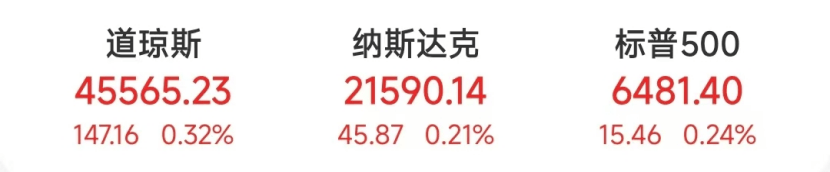
英伟达最新财报公布。 当地时间8月27日,美股三大指数收高,标普500指数创盘中与收盘历史新高。截至当天收盘,道指涨147.16点,涨幅为0.32%,报45565.23点;纳指涨 45.87点,涨幅为0.21%,报21590.14点;标普500指数涨15.46点,涨幅为0.24%,报6481.40点。 热门中概股多数下跌 英伟达营收再创新高 盘后大跌 作为全球市值最高的公司,英伟达(Nvidia)2026财年第二季度财报显示,公司该季度营收持续增长,总营收达467亿美元,较去年同期增长56%。这一 增长主要由人工智能(AI)主导的数据中心业务推动,该业务营收同比增幅同样达到56%,至411亿美元。不过,据CNBC消息称,该营收数据不及Street Account预测的413.4亿美元。 净利润方面,公司该季度实现净利润264.22亿美元,同比增加59%;上年同期为165.99亿美元,市场预期为234.65亿美元。 英伟达表示,预计第三财季营收将达到540亿美元,上下浮动不超过 2%,此外,公司董事会已批准新增600亿美元的股票回购计划。 在财报发布后,英伟达股价盘后一度跌超5%,目前跌幅收窄至3%左右。 | ...
别克GL8陆尊上市 “一口价”33.99万元起
Guo Ji Jin Rong Bao· 2025-08-27 18:10
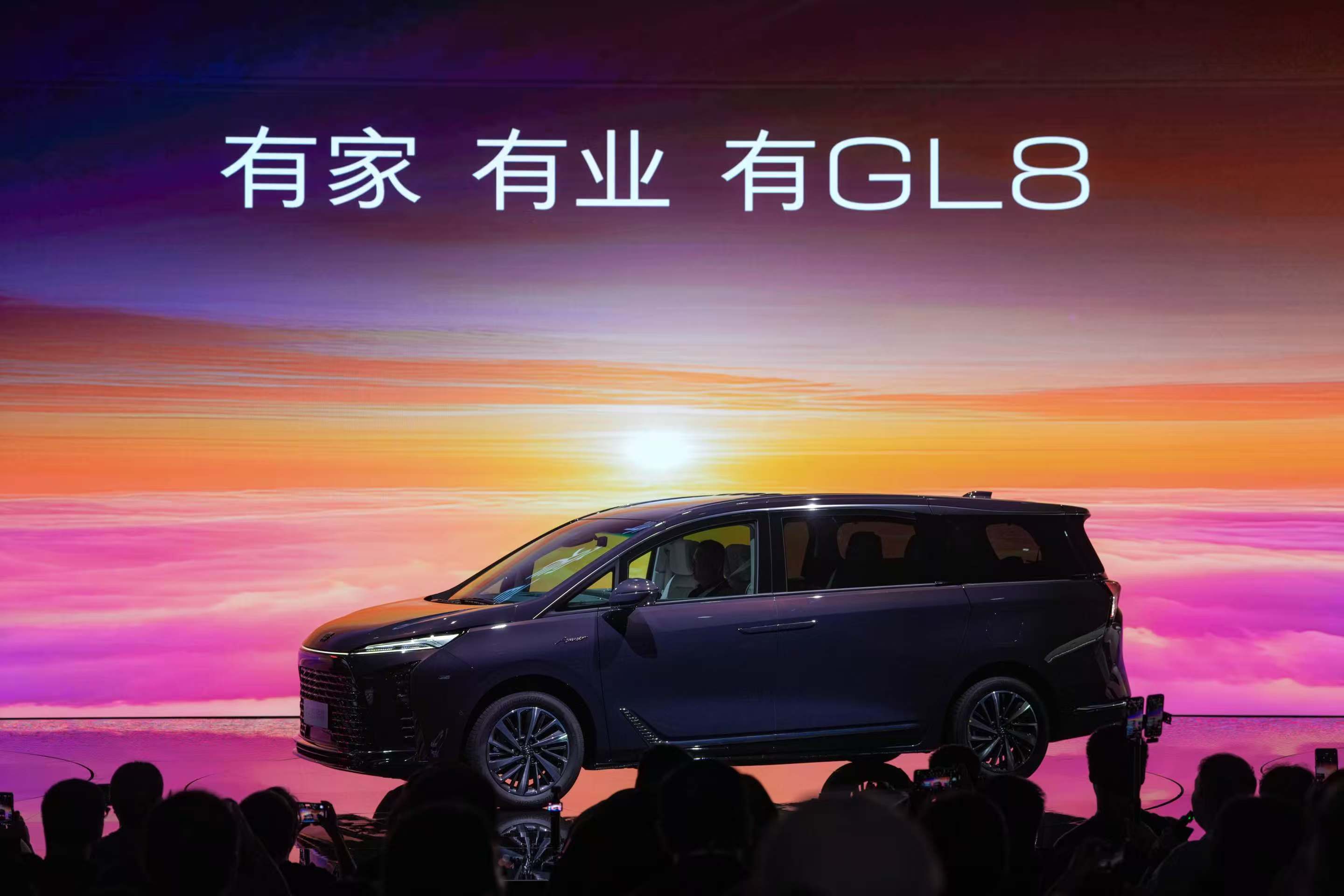
Group 1 - The new GL8 model features the "True Dragon" plug-in hybrid Pro system, achieving a comprehensive range of 1450 km and a pure electric range of 202 km, which is a 46% improvement over the previous generation [3] - The system utilizes P1+P3 hybrid electric drive units, delivering a total power output of 292 kW, with a 0-100 km/h acceleration time of 7.8 seconds and an 80-120 km/h overtaking acceleration time of 5.2 seconds [3] - The new model introduces "forced pure electric" and "fast power maintenance" energy modes, enhancing its functionality [3] Group 2 - The GL8 family has maintained its position as the MPV sales champion from January to July this year, with over 50% of sales coming from new energy models [3] - Since its launch in 1999, the GL8 has sold over 2 million units in the Chinese market, but faces increasing competition from domestic brand new energy MPVs [3] - The market for high-end MPVs has become increasingly competitive, with models like the Denza D9 and new entrants such as Zeekr 009 and Li Auto MEGA impacting GL8's market position [3] Group 3 - The GL8 needs to accelerate its transformation to maintain its status as a long-standing player in the MPV market [5] - From January to July 2025, the cumulative sales of the GL8 family reached 58,600 units, representing a year-on-year decline of 21.6%, while the sales of the new energy PHEV version increased by 128% to 22,100 units [5]
电力即国力!月用电突破万亿的背后,中国的“战略布局”太牛逼了
Sou Hu Cai Jing· 2025-08-27 16:08
Core Insights - China's electricity consumption reached 1.02 trillion kilowatt-hours last month, marking the first time it has surpassed the trillion-kilowatt-hour threshold in a month [1] - This achievement reflects China's strategic prowess in energy management, emphasizing that "electricity is national power" [2][4] - Unlike many countries that faced energy crises, China maintained stable electricity supply during extreme weather, showcasing the effectiveness of its "strong grid" strategy developed over the past decade [6] Electricity Generation and Global Standing - By 2024, China's annual electricity generation is projected to reach 10.1 trillion kilowatt-hours, more than double that of the United States, accounting for 32.3% of global electricity generation [7] - This substantial generation capacity positions China as a cornerstone of the global energy system, earning it the title of the first true "electric power empire" in human history [7] Implications for AI Development - The increasing electricity supply is crucial for the development of AI, which relies heavily on power for its infrastructure [9] - For instance, a single NVIDIA H100 AI server consumes nearly 1.2 kilowatts per hour, and a cluster of 10,000 such servers would require over 100 million kilowatt-hours annually, equivalent to the annual electricity consumption of a small city [9][10] - The International Energy Agency predicts that global data centers will consume over 10 trillion kilowatt-hours by 2026, surpassing Germany's total electricity consumption for 2023 [10] Competition for Energy Resources - Major tech companies are competing for stable electricity supplies, with firms like Meta signing long-term nuclear energy procurement contracts [10][11] - Companies such as Microsoft are actively seeking reliable power generation projects, while others face project delays due to insufficient electricity [11] Transition to Electric Vehicles - Electricity is becoming a key factor in reducing dependence on oil, particularly in the context of electric vehicle (EV) development [13] - Many European countries struggle with low EV adoption rates due to inadequate grid capacity and high electricity costs, while China has successfully supported millions of EVs and established extensive high-speed charging networks [14][15] - China's ability to provide stable electricity across urban and rural areas, including remote regions, enables its EV market to thrive, contrasting with the challenges faced by other countries [14][15] Conclusion - Over the past few decades, China has built the world's strongest electricity grid and generation capacity, positioning itself favorably in the upcoming technological competition [17] - In an era where "electricity equals national power," China's early strategic investments in energy infrastructure have set it apart as a leading player in the global energy landscape [17]
