
腾讯

Search documents
彭博:今年创纪录!字节跳动利润据称有望达500亿美元
美股IPO· 2025-12-20 01:11
字节跳动今年前三季度净利润约400亿美元,超越年初设定的内部目标,盈利接近Meta,年营收有望增长超20%。此前报道称,一季度字节营收超430亿 美元,超越Meta成当季全球营收最高的社交媒体公司,二季度营收又增25%。 美东时间19日周五,媒体援引知情者的消息称,字节跳动今年前三季度已累计获得约400亿美元净利润,2025年全年的净利润有望达到约500亿美元, 创历史新高。字节的盈利已超越公司年初设定的内部目标,使其盈利水平接近美国社交媒体巨头Meta Platforms Inc.。Meta今年的预期利润约为600亿 美元。 营收方面,字节的增长同样强劲,今年据称有望增长超20%。以此前报道的字节跳动营收目标看,正逼近Meta今年约2000亿美元的预期营收水平。 字节跳动发言人未立即回应置评请求。 字节跳动旗下应用的月活跃用户数已超过40亿,与Meta的规模旗鼓相当。字节跳动的快速增长得益于在电商和新市场的大举扩张,尤其是TikTok在全 球范围内的迅速扩张以及在直播购物领域的激进推进。 8月有报道称,字节跳动第一季度营收超过430亿美元,使其成为当季全球营收最高的社交媒体公司,超越Meta同期的423亿美 ...



今年创纪录!字节跳动利润据称有望达500亿美元
Hua Er Jie Jian Wen· 2025-12-19 17:22
Core Insights - ByteDance is expected to achieve record profits this year, with net profits reaching approximately $40 billion in the first three quarters and projected to hit around $50 billion for the full year 2025, surpassing internal targets and nearing Meta's profit levels [1] - The company's revenue is also anticipated to grow by over 20% this year, approaching Meta's expected revenue of about $200 billion [1] - ByteDance's monthly active users have exceeded 4 billion, comparable to Meta, driven by aggressive expansion in e-commerce and new markets, particularly through TikTok and live shopping initiatives [1] Revenue Goals - Founded in 2012, ByteDance owns popular digital services like Douyin and is competing in the AI sector with companies like Alibaba and Tencent, focusing on developing large language models and chatbots [2] - The company has maintained a revenue growth rate of over 20% in recent years, with a revenue target set for 2023 at approximately $186 billion, slightly lower than last year's 29% growth rate but still achievable [2] - ByteDance's Q1 revenue surpassed $43 billion, making it the highest-grossing social media company for that quarter, and Q2 revenue increased to about $48 billion, reflecting a 25% year-over-year growth [2] Valuation Trends - Investors have been raising ByteDance's valuation, with estimates from SoftBank's Vision Fund exceeding $400 billion, and other firms like Fidelity and T. Rowe Price estimating valuations of over $410 billion and $450 billion, respectively [2] - As a non-public company, ByteDance has been providing liquidity to employees through semi-annual share buybacks, with a recent buyback at $200.41 per share, raising its valuation to over $330 billion [3] - A significant secondary market transaction valued ByteDance at $4.8 billion, reflecting strong market interest in the company's AI technology and global expansion efforts [3]
一张AI假图较量的背后是什么?
Jin Rong Jie· 2025-12-19 15:37
Core Viewpoint - The AI landscape in China is evolving rapidly, with major players like Alibaba, ByteDance, and Tencent taking distinct paths in their AI strategies for 2025, reflecting a mix of anxiety and ambition in the industry [3][11]. Group 1: ByteDance - ByteDance is leveraging its traffic advantage, with daily token usage surpassing 50 trillion, significantly outpacing domestic competitors [4]. - The "Doubao" application leads in AI application activity in China, while its education app Gauth has achieved record monthly revenue overseas [4]. - ByteDance's strategy focuses on creating a super app that maximizes user engagement through its insights and algorithmic recommendations, effectively using traffic to bolster its cloud computing capabilities [4]. Group 2: Tencent - Tencent is intensifying its efforts to attract top AI talent, recently appointing former OpenAI researcher Yao Shunyu as its Chief AI Scientist [6]. - The company aims to integrate AI into its WeChat ecosystem, transforming it into a "super assistant" capable of handling complex tasks for users [6][7]. - Tencent is addressing its technical shortcomings by recruiting elite talent to drive innovation within its vast user base [7]. Group 3: Alibaba - Alibaba is pursuing a "full-stack" AI strategy, aiming to become a foundational infrastructure provider in the AI era, with a capital expenditure increase of 80% year-on-year to 32 billion RMB [8][9]. - The company is investing 380 billion RMB over the next three years, focusing on building a comprehensive AI ecosystem that integrates hardware, cloud computing, and application layers [9]. - Alibaba's approach includes leveraging its extensive offline fulfillment network to create AI capabilities that can interact with the physical world, exemplified by the integration of the Gaode map into its Qianwen app [10][14]. Group 4: Industry Outlook - The competition among these tech giants reflects a broader trend where the ultimate success will depend on who can create real value through AI [15]. - The future of AI in China may see a diverse landscape where innovation, traffic dominance, and foundational infrastructure coexist [15][16].

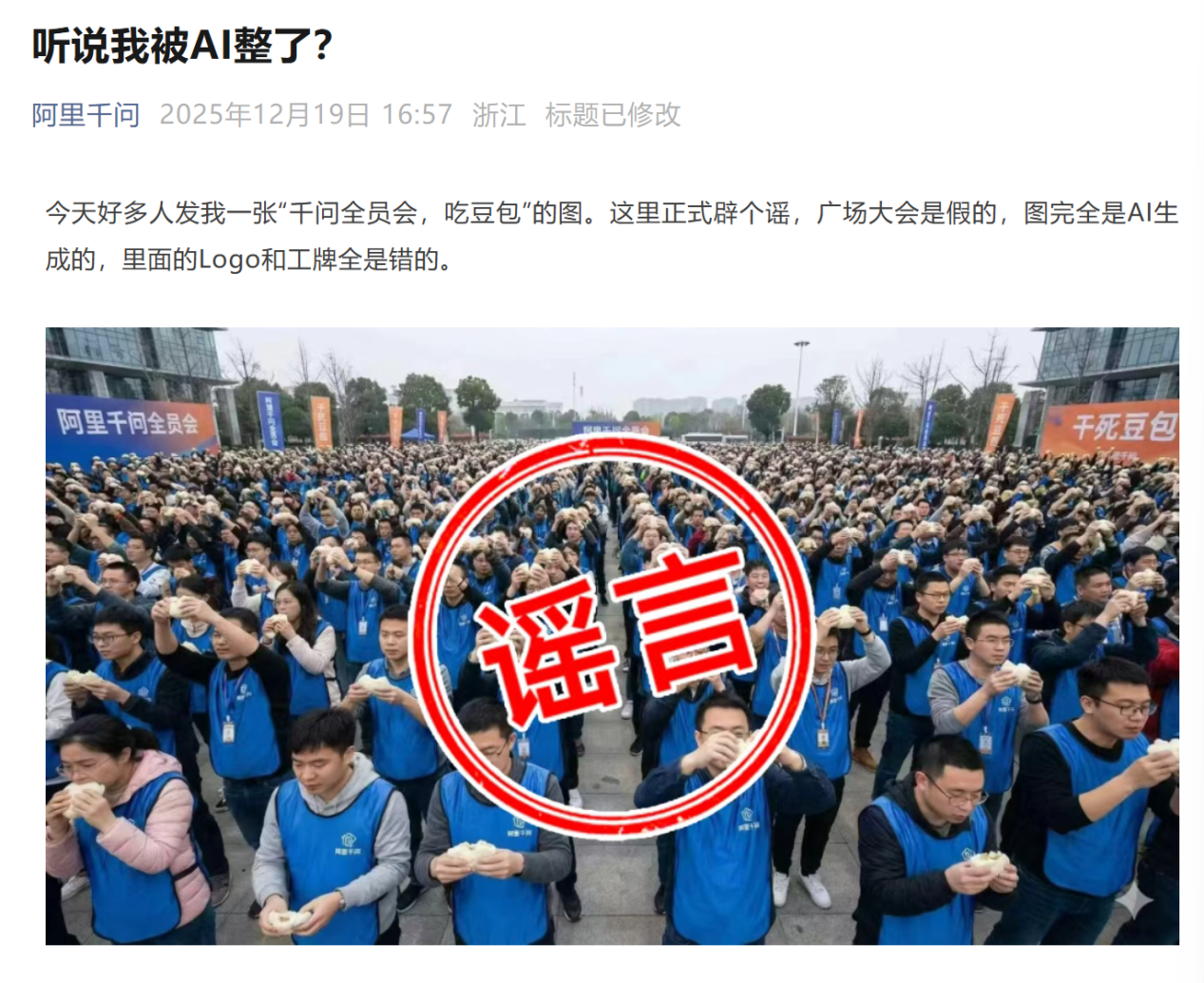
盯上你的眼,苹果、谷歌也加入“百镜混战”
2 1 Shi Ji Jing Ji Bao Dao· 2025-12-19 12:39
Group 1 - Apple has paused its Vision Pro upgrade plan to focus on developing AI smart glasses, with an entry-level model expected to debut in 2026 [2] - Google has officially announced its return to the smart glasses market, intensifying competition in the sector [2] - In the domestic market, companies like Li Auto, Alibaba, Baidu, Huawei, and Xiaomi are actively launching their own smart glasses, indicating a fierce competition among tech giants [2] Group 2 - The competition for smart glasses is driven by the desire to establish the next generation of human-computer interaction, with smart glasses seen as a key hardware component in the AI multimodal era [3] - Major companies view smart glasses as an extension of their ecosystems and a means to leverage AI capabilities, transforming brand power into market momentum [3] - Li Auto's AI glasses, Livis, have generated significant interest, with reports of high foot traffic and product shortages in stores [3] Group 3 - Consumers are attracted to smart glasses not only for compatibility with their vehicles but also for their aesthetics and quality, indicating that these products can enhance brand ecosystems and fan engagement [4] - Alibaba's Quark AI glasses have quickly gained orders due to their smooth integration with the Quark browser and AR functionalities, addressing previous limitations of traditional smart glasses [4] - The industry is in need of a new core hardware solution as smartphones reach physical innovation limits, with smart glasses positioned as a crucial interface for connecting the physical and digital worlds [4] Group 4 - The smart glasses market is expanding beyond major players, with smaller companies also seeking growth opportunities, particularly in industrial and health monitoring applications [5] - Companies like Huashengchang are focusing on developing AI glasses for industrial applications, enhancing efficiency and precision in operations [5] - Industry experts suggest that smaller firms should concentrate on core components, professional manufacturing, or niche markets to establish competitive advantages [6] Group 5 - The relationship between smart glasses and smartphones is expected to be complementary rather than one replacing the other, as both technologies will evolve together [7] - Current technological challenges such as weight, battery life, and display quality are still present, indicating that the industry is on the brink of significant growth [7] - Consumer expectations for smart glasses vary, with a significant portion believing they will be widely used, while others see limited applications [7] Group 6 - The smart glasses market is projected to grow significantly, with sales expected to reach 1.265 million units in 2024, a year-on-year increase of approximately 90.8%, and a market size of around 4.69 billion yuan [8] - By 2029, sales could reach 41.53 million units, with the market potentially exceeding 100 billion yuan, highlighting the substantial market potential driving competition [8] - The integration of AI models and user experience is seen as a critical factor in determining the future direction of the industry [8] Group 7 - As of December 19, key players in the smart glasses supply chain have shown active stock performance, with companies like Lens Technology and Doctor Glasses experiencing notable stock price increases [9]




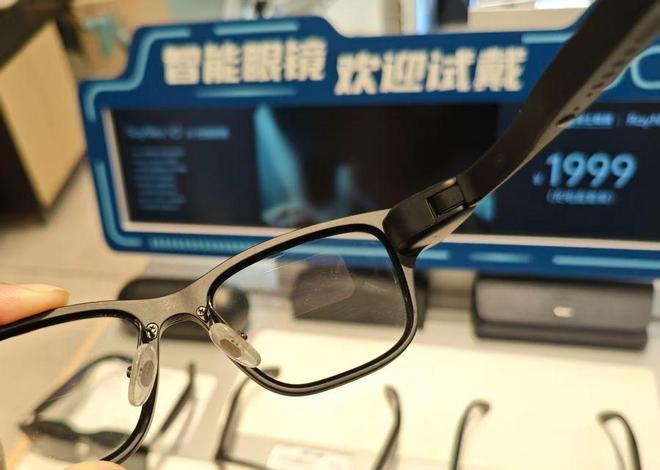
盯上你的眼 苹果、谷歌也加入“百镜混战”
2 1 Shi Ji Jing Ji Bao Dao· 2025-12-19 12:38
Group 1 - Major tech companies like Apple and Google are intensifying their focus on the smart glasses market, with Apple pausing its Vision Pro upgrade plans to accelerate AI smart glasses development, expected to launch in 2026 [1] - The competition in the smart glasses sector is heating up in China, with companies like Li Auto, Alibaba, Baidu, Huawei, and Xiaomi launching their own AI glasses, indicating a cross-industry battle involving tech, internet, and new energy sectors [1][2] - The entry of established tech giants and new players into the smart glasses market signifies a strategic move to capture the next generation of human-computer interaction, positioning smart glasses as a key hardware in the AI multimodal era [2][4] Group 2 - The smart glasses are seen as an extension of existing ecosystems and a means to leverage AI capabilities, with Li Auto's Livis glasses gaining significant consumer interest and sales [4] - Alibaba's Quark AI glasses have also seen strong sales due to their practical features, indicating that major internet companies are finding viable paths in this new market [4] - The industry is at a critical juncture, with startups needing to focus on niche markets or technological breakthroughs to survive amidst competition from larger firms [5][6] Group 3 - The relationship between smart glasses and smartphones is expected to be complementary rather than one replacing the other, as both technologies evolve together [7] - Current technological limitations in smart glasses, such as weight and battery life, indicate that the industry is still in its early stages, with significant growth potential ahead [7][8] - The global market for smart glasses is projected to grow significantly, with sales expected to reach 41.53 million units by 2029, potentially exceeding 100 billion yuan in market size [8] Group 4 - The influx of major players into the smart glasses market is expected to accelerate technological advancements and reshape industry standards, while also creating challenges for smaller brands [9] - The competitive landscape is shifting from price wars to technology-driven competition, emphasizing the importance of AI integration and user experience [9][11] - Key supply chain companies in the smart glasses sector have shown active stock performance, reflecting investor interest and market optimism [11]



岗位提前看!“百万英才汇南粤”大型综合招聘会下周末举行
2 1 Shi Ji Jing Ji Bao Dao· 2025-12-19 10:50
广东今年最后一场招聘盛宴来了!"百万英才汇南粤"大型综合招聘会将于2025年12月27日至28日在深圳 会展中心(福田)盛大开启。1200余家名企携5万+优质岗位集结,为各类人才打造一站式求职平台。 本次招聘会以"不拘一格汇英才"的开放姿态,广东21个市全面参与,构建起"全地域联动、全行业对 接"的立体网络。无论你是应届生、往届生、实习生,还是留学生、本硕博人才、技能精英,这里都有 属于你的机会。 全省域联动,打造最强招聘阵容 有别于传统招聘会的"区域集中"模式,本次招聘会全省联动推出最具竞争力岗位,将珠三角的创新动能 与粤东粤西粤北的优质资源深度融合,打造21市最强招聘阵容,形成涵盖高端装备制造、智能机器人、 新一代电子信息、新能源等20大战略性产业集群的引才矩阵,同时还包括一大批高校、医院、科研单位 等平台同场揽才。 珠三角发挥"创新引擎"作用,从科技巨头到制造业领军企业,囊括世界500强、中国500强、央企国企、 上市公司、专精特新等各类型优质用人单位。粤东地区以汕头这一省域副中心城市为龙头,汕头8家公 立医院、光华科技、潮州欧华能源等优质单位入场招聘。粤西地区以湛江、茂名为支点,宝钢湛江钢 铁、国核湛 ...

创新药、新能源车等全线拉升
中国基金报· 2025-12-19 10:36
【导读】港股三大指数集体收涨 中国基金报记者 忆山 12 月 19 日,港股三大指数高开高走,截至收盘,恒生指数上涨 0.75% ,恒生科技指数上涨 1.12% ,恒生国企指数上涨 0.68% 。 创新药、新能源汽车等涨幅靠前 具体来看,当日权重科技股集体上涨,腾讯、快手、网易、美团、百度均涨超 1% 。 板块方面,当日创新药概念股涨幅靠前,其中,映恩生物涨幅达 9.29% ,药明生物涨幅达 4.4% 。 | 代码 | 名称 | 现价 | 涨跌 | 涨跌幅 - | | --- | --- | --- | --- | --- | | 9606 | 映恩生物-B | 336.600c | 28.600 | 9.29% | | 2269 | 药明生物 | 34.160c | 1.440 | 4.40% | | 6990 | 科伦博泰生物-B | 419.200c | 14.200 | 3.51% | | 1877 | 君实生物 | 23.240c | 0.760 | 3.38% | | 2162 | 康诺亚-B | 55.500c | 1.800 | 3.35% | | 2268 | 药明合联 | 70.000c ...

港股收盘 | 恒指收涨0.75% 智能驾驶方向走强 生物医药股显著反弹
Zhi Tong Cai Jing· 2025-12-19 09:27
Market Overview - US inflation slowdown supports interest rate cut expectations, while the Bank of Japan raised rates by 25 basis points, leading to a rise in Hong Kong's three major indices. The Hang Seng Index increased by 0.75% to 25,690.53 points with a total turnover of HKD 221.186 billion [1] - The Hang Seng Index experienced a cumulative decline of 1.1% for the week, while the Hang Seng China Enterprises Index and the Hang Seng Tech Index fell by 1.96% and 2.82%, respectively [1] Blue Chip Performance - Shenzhou International (02313) led the decline among blue chips, falling by 3.18% to HKD 60.95, with a turnover of HKD 490 million, negatively impacting the Hang Seng Index by 2.67 points. Despite exceeding market expectations in revenue and profit, the company's net profit dropped by 32% year-on-year due to declining profit margins and pressures on direct sales [2] - Other notable blue chip performances included WuXi Biologics (02269) rising by 4.4% and Li Auto-W (02015) increasing by 3.81% [2] Sector Highlights - Large tech stocks mostly rose, with Tencent, Kuaishou, and Meituan each gaining over 1%. The L3-level autonomous driving sector saw significant activity, while pharmaceutical stocks rebounded sharply [3] - The L3-level autonomous driving concept stocks surged, with Youjia Innovation (02431) up by 31.22% and Xiaopeng Motors-W (09868) rising by 7.65%. The Ministry of Industry and Information Technology's approval of L3-level autonomous driving vehicles is expected to accelerate the industry's value reconstruction [3] - Pharmaceutical stocks also saw a notable rebound, with Kelaiying (06821) increasing by 10.42% and WuXi Biologics (02269) up by 4.4%. The geopolitical concerns regarding China's CXO industry are expected to stabilize, supporting innovation in the sector [4] Lithium Industry - Lithium stocks experienced a rally, with Ganfeng Lithium (01772) rising by 1.87% and Tianqi Lithium (09696) increasing by 1.72%. The price of lithium carbonate futures broke through the 110,000 yuan mark [4][5] Robotics Sector - The robotics sector was active, with Hong Kong Robot (00370) rising by 10.29%. Recent collaborations in the humanoid robot space are expected to drive market growth, with projections indicating a potential market size of USD 5 trillion by 2050 [6] Notable New Listings - New listings showed a stark contrast, with Zhihui Mining (02546) surging by 90.69% while Xidi Intelligent Driving (03881) fell by 13.69% on their debut [7] Company-Specific Developments - CIMC Group (02039) saw a strong performance, rising by 15.47% after announcing a buyback plan for H-shares worth up to HKD 300 million [8] - Changfei Optical Fiber (06869) climbed by 12.01%, driven by signs of recovery in the traditional optical fiber market and growth in the overseas special optical fiber market [9] - China Duty Free Group (01880) rose by 6.88% following the launch of the Hainan Free Trade Port, with expectations of increased offshore duty-free sales [10] - China Tobacco Hong Kong (06055) increased by 6.68% amid new regulations aimed at strengthening electronic cigarette oversight, with positive outlooks for the tobacco sector [11]
港股收盘(12.19) | 恒指收涨0.75% 智能驾驶方向走强 生物医药股显著反弹
Zhi Tong Cai Jing· 2025-12-19 08:50
Market Overview - US inflation slowdown supports interest rate cut expectations, while the Bank of Japan raised rates by 25 basis points, leading to a rise in Hong Kong's three major indices. The Hang Seng Index increased by 0.75% to 25,690.53 points, with a total turnover of HKD 221.186 billion. The Hang Seng China Enterprises Index rose by 0.68%, and the Hang Seng Tech Index increased by 1.12% [1] Blue Chip Performance - Shenzhou International (02313) led the decline among blue chips, falling by 3.18% to HKD 60.95, with a turnover of HKD 490 million. Despite exceeding revenue and profit expectations, its net profit dropped by 32% year-on-year due to declining profit margins and ongoing pressures in direct sales [2] - Other blue chips included WuXi Biologics (02269), which rose by 4.4%, and Li Auto-W (02015), which increased by 3.81% [2] Sector Highlights - Large tech stocks mostly rose, with Tencent, Kuaishou, and Meituan gaining over 1%. The L3-level autonomous driving sector saw significant activity, with stocks like Xiaopeng Motors rising over 7% [3] - The pharmaceutical sector rebounded significantly, with companies like Kelun Pharmaceutical (06821) rising by 10.42% and WuXi Biologics (02269) increasing by 4.4% [4] - Lithium stocks also saw gains, with Ganfeng Lithium (01772) up by 1.87% and Tianqi Lithium (09696) rising by 1.72% [4] New Listings - New stocks showed a clear divergence, with Zhihui Mining (02546) soaring by 90.69% to HKD 8.6, while Xidi Intelligent Driving (03881) fell by 13.69% to HKD 227 [7] Company Developments - CIMC Group (02039) saw a strong performance, rising by 15.47% to HKD 8.88 after announcing a buyback plan for H-shares [8] - Changfei Optical Fiber (06869) surged by 12.01% to HKD 51.75, driven by signs of recovery in the optical fiber market [9] - China Duty Free Group (01880) saw its A and H shares rise by 6.88% to HKD 70.7, with expectations of increased sales due to optimized offshore duty-free shopping policies [10] - China Tobacco Hong Kong (06055) rose by 6.68% to HKD 34.48, supported by new regulations aimed at strengthening electronic cigarette oversight [11]
港股午评:三大指数齐升,科技股普涨,医药类股集体活跃
Ge Long Hui· 2025-12-19 04:08
港股上午盘三大指数集体上涨,恒生指数涨0.65%,国企指数涨0.5%,恒生科技指数涨1.14%,市场情 绪回暖。权重科技股拉升助力大市上行,其中美团涨超2%,腾讯、百度涨超1%;医药类股全线上涨, 机构预计2026年创新药景气度将持续向上,创新药概念股涨幅靠前;中资券商股、芯片股、铜业股普 涨。另外,石油股、影视股、体育用品股普跌,昨日强势领涨的航空股多数弱势。(格隆汇) ...