
蜜雪冰城

Search documents
暑期预订涨38%,为什么文旅还是不赚钱?
吴晓波频道· 2025-08-03 00:30
点击上图▲立即收听 " 过去最多人一年计划旅行 1—2 次( 42.6% ),如今最多人计划旅行 3—4 次( 39.5% ),而打算旅行 5—6 次、甚至 7 次及以上的人群比例在今年都有所提升。 " 文 / 巴九灵(微信公众号:吴晓波频道) 暑期过半,家长们开始盘算着"神兽"出笼的第二阶段,放眼社交平台,灵感倒是不少。 2025年最流行的几大暑期新解锁方式,莫过以下三种: "8岁小孩姐200元勇闯义乌商贸城。" "带娃进宫吃饭,再去买条'文物同款项链'。" "人在'窝囊'漂,又菜又爱玩。" 具体而言,如果想要亲子游,可以带娃去义乌、去产业带"开天眼";如果想感受下公子王孙的生活,可以来一场宫廷盛宴,同步买些"黄金平替"; 如果想寻求刺激但又别太刺激,"躺平式漂流"也能满足你。 更细致地看暑期的花式游玩攻略,会发现消费者尤其是家长们的"目的性"很强。 有的是沉浸式体验,如 吃宫廷盛宴,戴文物首饰。 影视剧里的"重生之我来到盛唐当公主""昏君不早朝",如今人均花700元就能体验了。 图源:小红书 来自美团旅行的数据显示, 今年暑期整体文旅预订增速同比上涨近38%。 根据国铁集团和航班管家信息,今年暑运预计发送 ...


港交所锣声不停 VC/PE迎退出大年
2 1 Shi Ji Jing Ji Bao Dao· 2025-08-02 03:42
Group 1 - The core viewpoint of the articles is that 2025 is expected to be a significant year for VC/PE exits, driven by a resurgence in the Hong Kong IPO market, which is providing a long-awaited exit window for these investment firms [1][6][8] - The Hong Kong capital market has seen a notable increase in IPO activity, with the number of IPOs and fundraising amounts rising significantly, making it a leading market globally [1][2][3] - In the first half of 2025, the number of IPO cases in China's equity investment market decreased to 935, a 43.3% year-on-year decline, but IPO cases for invested enterprises accounted for 62.4% of this total, indicating a shift towards successful exits through IPOs [1][6] Group 2 - The recovery of the Hong Kong IPO market is attributed to several factors, including market valuation recovery, a favorable funding environment, and supportive government policies that encourage mainland enterprises to list in Hong Kong [2][3][6] - The influx of southbound capital into the Hong Kong market has exceeded 700 billion HKD in the first half of 2025, significantly higher than in previous years, further fueling the IPO boom [2][3] - The strong performance of high-profile companies during their IPOs has created a demonstration effect, attracting more firms to consider listing in Hong Kong [3][4][6] Group 3 - VC/PE institutions are experiencing a resurgence in exit opportunities, with 73 listed Chinese enterprises receiving VC/PE support in the first half of 2025, a 35.2% increase year-on-year, and a record high penetration rate of 67% [6][8] - The total exit return for VC/PE institutions through IPOs reached 1,057.61 billion CNY in the first half of 2025, with an average return multiple of 3.83 times, indicating a significant recovery in exit performance [6][8] - The trend of mergers and acquisitions is also highlighted as a crucial exit strategy for VC/PE firms, as the number of listed companies in the A-share market continues to grow, providing more opportunities for strategic exits [6][8] Group 4 - Despite the overall positive outlook for IPOs, there remains a notable risk of share price declines post-IPO, with a 30% first-day drop rate for new listings in Hong Kong, indicating that not all companies will achieve ideal returns [8][9] - The performance of companies in the Hong Kong market is influenced by their valuation levels and the ability to attract investor interest, emphasizing the importance of clear growth paths and competitive advantages for successful listings [9][10] - The "new consumption + hard technology" sectors are identified as key growth areas in the Hong Kong IPO market, with significant activity in biotechnology, health, retail, and advanced manufacturing industries [9][10]
港交所锣声不停 VC/PE迎退出大年
2 1 Shi Ji Jing Ji Bao Dao· 2025-08-02 03:41
Core Viewpoint - The year 2025 is expected to be a significant year for VC/PE exits, driven by a resurgence in the Hong Kong IPO market, which is providing a long-awaited exit window for VC/PE institutions [1][6]. Group 1: Hong Kong IPO Market Dynamics - The Hong Kong capital market is experiencing a revival, with a notable increase in IPO numbers and fundraising amounts, leading to a significant exit opportunity for VC/PE firms [1]. - In the first half of 2025, the number of IPO cases in China's equity investment market decreased to 935, a 43.3% year-on-year decline, but 583 of these were IPOs of invested companies, accounting for 62.4% [1]. - The Hong Kong Stock Exchange (HKEX) led the exit market, with 40 companies listed and the highest fundraising amount globally [1][2]. - The influx of southbound capital into the Hong Kong market exceeded 700 billion HKD, significantly higher than in previous years [2]. Group 2: Factors Driving IPO Resurgence - The recovery of the Hong Kong IPO market is attributed to market valuation corrections, a favorable low-interest-rate environment, and supportive government policies [2][3]. - The approval speed for mainland companies' IPO applications in Hong Kong has significantly increased, particularly for those transitioning from A-shares to H-shares [3]. - High-quality mainland companies are increasingly seeking listings in Hong Kong, enhancing the overall market quality [3]. Group 3: VC/PE Exit Opportunities - The strong recovery of the Hong Kong IPO market is seen as a timely opportunity for VC/PE institutions, which have faced challenges in exiting investments in recent years [6]. - In the first half of 2025, 73 listed companies received VC/PE support, a 35.2% increase year-on-year, with a VC/PE penetration rate reaching a new high of 67% [6]. - The total exit return for VC/PE institutions from IPOs reached 1,057.61 billion CNY, with an average return multiple of 3.83 times, showing a significant rebound [6]. Group 4: Market Performance and Challenges - Despite the overall positive outlook, the IPO market still faces challenges, including a 30% first-day drop rate for new listings in Hong Kong [8]. - The performance of companies in the Hong Kong market is influenced by their valuation levels and the ability to attract investor interest [9]. - The "new consumption + hard technology" sectors are identified as key growth areas in the Hong Kong IPO landscape, with significant activity in biotechnology, health, retail, and advanced manufacturing [9].
经济大省“挑大梁” 夯实经济回升基础
Zheng Quan Ri Bao· 2025-08-01 16:10
Core Viewpoint - The economic provinces are emphasized as key players in stabilizing and driving national economic growth, contributing significantly to the overall GDP and demonstrating robust growth rates compared to the national average [1][2][3]. Group 1: Economic Performance - In the first half of 2025, six major economic provinces (Zhejiang, Jiangsu, Henan, Shandong, Sichuan, Guangdong) achieved GDPs exceeding 3 trillion yuan, collectively contributing over 29.4 trillion yuan, accounting for 44.6% of the national total [1][2]. - Guangdong's GDP reached 68,725.4 billion yuan, representing over 10% of the national total, while Jiangsu's GDP was 66,967.8 billion yuan, narrowing the gap with Guangdong [2]. - The GDP growth rates for Zhejiang, Jiangsu, Henan, Shandong, and Sichuan were all above the national average of 5.3%, with respective growth rates of 5.8%, 5.7%, 5.7%, 5.6%, and 5.6% [2]. Group 2: Trade and Innovation - Guangdong led in foreign trade, achieving a total import and export value of 4.55 trillion yuan, accounting for 20.9% of the national total, with a contribution rate of 28% to national trade growth [4]. - Zhejiang's industrial output value increased by 7.6%, with high-tech manufacturing and digital economy sectors growing by 12.7% and 12.0%, respectively [4]. - Jiangsu's industrial output value grew by 7.4%, with high-tech manufacturing increasing by 11.8%, indicating a shift towards higher quality economic growth [5]. Group 3: Policy and Future Directions - Economic provinces are implementing tailored strategies to boost domestic demand, with Sichuan focusing on consumer spending and Henan promoting consumption through new policies [7]. - Jiangsu aims to enhance new productive forces and improve market conditions, while Zhejiang plans to upgrade traditional industries and develop emerging sectors [7][8]. - The emphasis is on technological advancement and industrial transformation to maintain the provinces' leading roles in the national economy [8].
穷鬼赛道,捧出了2个河南首富 || 深度
Sou Hu Cai Jing· 2025-08-01 11:03
Core Insights - The article discusses the rise of Mixue Ice City, founded by Zhang Hongchao and Zhang Hongfu, who recently became the richest individuals in Henan with a net worth of 117.9 billion yuan [2][3] - The company has successfully positioned itself in the low-price beverage market, with over 46,000 stores globally and a significant increase in stock price since its IPO [3][4][54] - Despite facing challenges, including a food safety incident, the brand's strong public image and low pricing strategy have contributed to its resilience and growth [5][8][59] Company Overview - Mixue Ice City was founded 28 years ago and has grown to become the largest chain fast-food restaurant globally, selling 9 billion cups of beverages in 2024 [3][8][54] - The company has maintained a pricing strategy that keeps most products under 10 yuan, with the most popular lemon water only increasing from 3 yuan to 4 yuan since its launch in 2013 [5][8][39] - The brand has avoided celebrity endorsements, instead creating its own mascot, "Xue Wang," which has become a significant part of its marketing strategy [7][50] Financial Performance - Following its IPO in March, Mixue Ice City saw its market value exceed 100 billion HKD, with a stock price increase from 202.5 yuan to 494 yuan per share [4][54] - The company reported total revenue of 24.8 billion yuan in 2024, with a consistent annual growth rate of over 30% in the past four years [55][61] Market Position - Mixue Ice City has established itself as a leader in the tea beverage market, competing effectively against brands like Nayuki and Heytea, which were founded later [8][54] - The company has also expanded into the coffee market with its brand "Lucky Coffee," which has over 6,000 stores, ranking fourth in the domestic coffee market [56] Challenges and Future Outlook - The company faces challenges such as rising lemon prices due to extreme weather, which could impact profit margins [60] - Despite ongoing growth, there are signs of slowing revenue growth and increasing store closures, indicating a potential market shake-up [61] - The future balance between the conservative approach of Zhang Hongchao and the aggressive expansion strategy of Zhang Hongfu will be crucial for sustaining the company's market position [61][62]

新茶饮六小龙:2025 上半年,谁赢麻了?
Sou Hu Cai Jing· 2025-08-01 10:26
Core Insights - The new tea beverage industry is experiencing a significant transformation, with a focus on profitability and market differentiation as it shifts from incremental competition to stock competition [3][26] - The "New Tea Beverage Six Dragons" are highlighted, with distinct performance metrics among them, particularly in terms of sales volume, revenue, and market capitalization [3][4] Group 1: Market Performance - Mixue Ice City leads the market with an annual sales volume of 9 billion cups and revenue of 24.829 billion, establishing itself as the "scale king" [3][14] - Bawang Chaji has the highest gross and net profit margins among the brands, indicating superior profitability efficiency [3][17] - Nayuki Tea, once a high-end representative, is struggling with continuous losses due to its direct sales model [3][14] Group 2: IPO and Stock Performance - Mixue Ice City achieved a record IPO in Hong Kong, raising approximately 4 billion HKD and reaching a market capitalization of over 100 billion HKD [4][8] - The stock price changes from IPO to June 30, 2025, show significant disparities, with Guming up 175% and Nayuki down 93% [6][8] - As of June 30, 2025, the market capitalizations are: Mixue Ice City (178.9 billion), Guming (56.7 billion), Bawang Chaji (34.6 billion), and Nayuki Tea (1.9 billion) [8][14] Group 3: Financial Metrics - In terms of revenue, Mixue Ice City leads with 24.829 billion, followed by Bawang Chaji (12.406 billion) and Guming (8.791 billion) [14][17] - Mixue Ice City has the highest number of stores at 46,479, significantly more than its competitors combined [15][17] - Bawang Chaji, while not leading in revenue, has the highest gross margin at 47.76% and net margin at 20.27%, indicating strong profitability [17][18] Group 4: Strategic Focus - The industry is moving towards refined operations, emphasizing supply chain efficiency, differentiated positioning, and global expansion [26][28] - Mixue Ice City has the largest self-built supply chain, with over 60% of its ingredients sourced internally, which helps reduce costs [28][30] - Bawang Chaji focuses on a limited product range, with 91% of its GMV coming from "original leaf fresh milk tea," allowing for precise procurement and lower inventory costs [19][24] Group 5: Expansion and Challenges - Bawang Chaji plans to open 1,000 to 1,500 new stores in 2025 to address its current store count deficit [25][30] - The new tea beverage market is seeing a saturation point, with a growth rate slowing to 6.4% in 2024, indicating a shift to competition based on existing market share [26][28] - International expansion is becoming a key strategy, with brands like Mixue Ice City and Bawang Chaji actively pursuing markets in Southeast Asia and Europe [30][33]

推出自习室,星巴克中国为增长拼了
东京烘焙职业人· 2025-08-01 08:33
Core Viewpoint - Starbucks is innovating its business model by introducing "Starbucks Study Rooms" in multiple cities in South China, allowing customers to use the space for studying without mandatory purchases, thus redefining its role in the competitive coffee market [4][10][12]. Group 1: "Starbucks Study Rooms" Implementation - The "Starbucks Study Rooms" have been launched in at least 30 stores in Guangzhou, primarily located in areas with high concentrations of schools and tutoring centers [4][5]. - The design of these study rooms utilizes existing seating areas without independent partitions, promoting a comfortable environment with free amenities such as power outlets, water, and WiFi [5][8]. - The initiative has gained significant attention on social media, with millions of views and positive feedback from users who find the space conducive for studying [10][11]. Group 2: Competitive Landscape - The coffee market is highly competitive, with brands like Luckin Coffee and Heytea offering lower-priced alternatives, which has led to a significant loss of market share for Starbucks among price-sensitive consumers [12][14]. - Other brands are also adopting similar strategies by combining beverage offerings with social spaces, further fragmenting Starbucks' customer base [12][14]. Group 3: Strategic Response - Starbucks aims to differentiate itself by providing a zero-threshold service that avoids direct price competition while enhancing its brand image as a provider of public learning spaces [15][16]. - The study room initiative is designed to convert non-paying customers into potential buyers, with data showing that approximately 70% of new morning customers make purchases [15][16]. - This strategy aligns with Starbucks' broader "non-coffee scene" initiative, creating a comprehensive consumption ecosystem throughout the day [16][22]. Group 4: Industry Trends - The trend of integrating study rooms into retail spaces is gaining traction, with various brands like IKEA and McDonald's exploring similar concepts to enhance customer experience and increase foot traffic [17][19][20]. - The evolution of retail spaces from single-function to multi-functional environments reflects changing consumer demands for flexible and efficient learning and social settings [20][21]. - This shift is driven by both upgraded user needs and competitive pressures, as brands seek to maximize space utilization and attract customers through added value [21][22]. Group 5: Future Implications - The introduction of free study rooms serves as a tool for brands to attract customers while alleviating pricing pressures and enhancing user loyalty [22][23]. - The transformation of commercial spaces towards experiential services may lead to the emergence of paid value-added services, blurring the lines between commercial and public services [22][23].

三年亏3亿却分红9亿!好想你跨界投资难掩主业颓势
Sou Hu Cai Jing· 2025-08-01 06:10
Core Viewpoint - The company "Hao Xiang Ni," known as the "first stock of red dates," continues to struggle with significant losses, projecting a loss of 15 million to 25 million yuan for the first half of 2025, marking three consecutive years of losses totaling over 300 million yuan [1][6][8]. Financial Performance - The company reported a revenue drop from 59.61 billion yuan in 2019 to 30.01 billion yuan in 2020, followed by a further decline of 57.32% in 2021, resulting in only 12.81 billion yuan in revenue [6][8]. - The cumulative losses from 2022 to 2024 amounted to 313 million yuan, with losses of 189 million yuan in 2022, 51.89 million yuan in 2023, and 71.96 million yuan in 2024 [8][10]. - The company’s net profit has been below 200 million yuan before 2019, with a significant spike in 2020 due to the sale of a subsidiary, but has since returned to losses [8][9]. Dividend Policy - Despite ongoing losses, the company has distributed over 900 million yuan in dividends over the past three years, with the controlling shareholder's family receiving approximately 30% of this amount [10][11]. - In 2024, the company planned to distribute a record high of 605 million yuan in dividends, despite a net loss of 313 million yuan during the same period [10][11]. Operational Challenges - The company has faced declining sales volumes, with a 7.55% decrease in sales volume in 2024, leading to a 66.10% increase in inventory [9][10]. - The company has implemented measures to optimize product management and reduce costs, but these efforts have not yet translated into improved financial performance [5][6]. Investment Activities - The company has diversified its investments, including a significant stake in "Mi Xue Bing Cheng" and other snack and beverage companies, aiming to leverage these investments to boost sales [14][15]. - In 2024, the company reported that "Mi Xue Bing Cheng" became its largest customer, contributing 5.62% to its annual sales [15][16]. Future Outlook - The company is exploring new sales channels and product lines, including the introduction of beer products, to enhance its market presence [17][18]. - The effectiveness of the company's investment strategy in overcoming its operational challenges remains to be seen, as it seeks to establish a second growth curve [18].


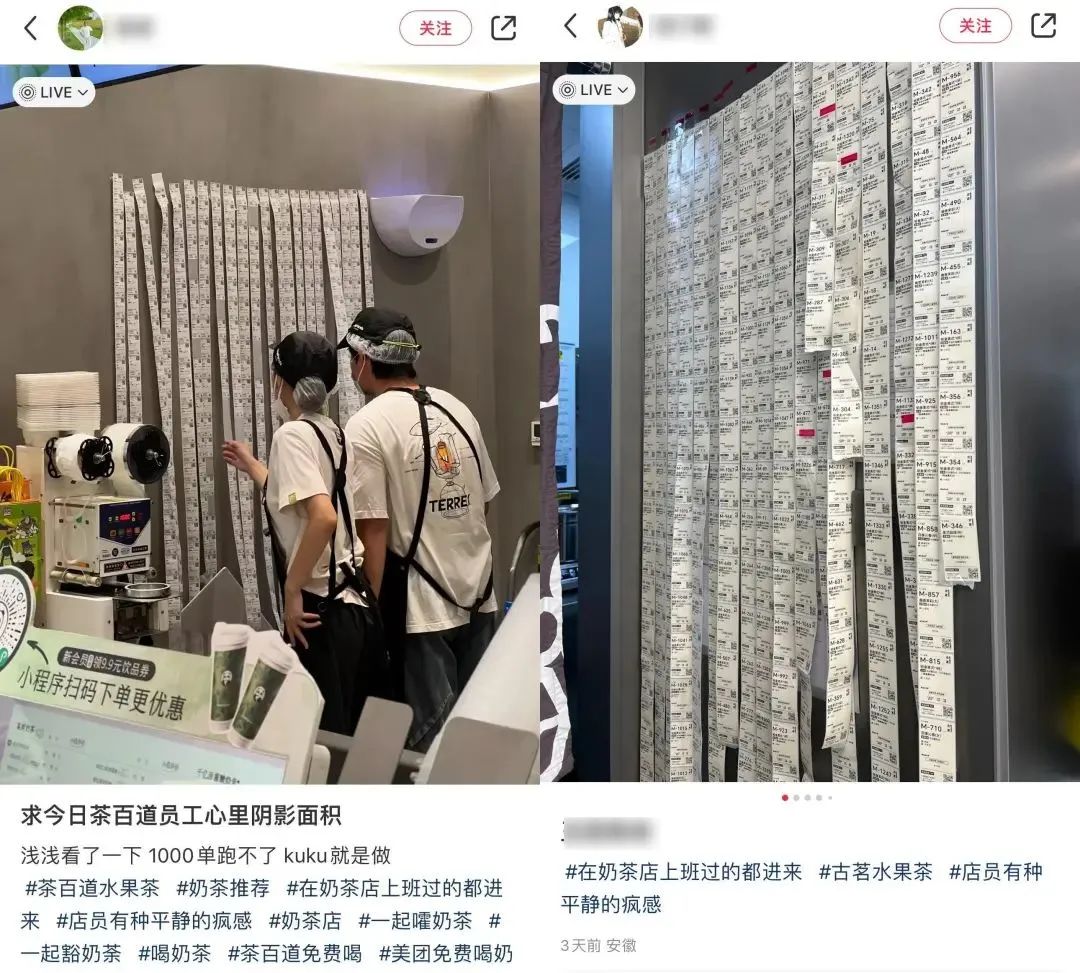
外卖大战结束,“绕地球一圈” 的香飘飘却撑不住了?
3 6 Ke· 2025-08-01 03:09
Core Insights - The fierce price war in the ready-to-drink tea market has led to the downfall of Xiangpiaopiao, marking it as the first casualty of the ongoing food delivery battle [1][7] - The rapid growth of ready-to-drink tea brands is significantly impacting traditional brewing markets, raising questions about the future of established brands like Xiangpiaopiao [2][12] Company Performance - Xiangpiaopiao reported a net loss of 97.39 million yuan for the first half of 2025, with a year-on-year increase in losses of 68 million yuan, marking its worst mid-year performance since going public [5][6] - The company's stock price has dropped over 60% since its peak in 2019, resulting in a market capitalization loss exceeding 8.4 billion yuan [5] Market Trends - The ready-to-drink tea segment has seen explosive growth, with brands like Nayuki and Mixue experiencing significant increases in order volumes, while Xiangpiaopiao struggles to maintain its market position [4][8] - The number of new tea drink stores is projected to rise from 378,000 in 2020 to 630,000 by 2025, indicating a shift in consumer preferences towards ready-to-drink options [8] Competitive Landscape - New tea brands are rapidly innovating and introducing new products, while Xiangpiaopiao has stagnated with a limited product range, leading to a decline in sales volume from 45.59 million boxes in 2020 to 32.78 million boxes in 2024 [9][10] - The convenience of ready-to-drink options is reshaping consumer behavior, making traditional brewing methods less appealing [10][12] Strategic Challenges - Xiangpiaopiao's attempts to diversify into ready-to-drink products have faced challenges due to inconsistent brand positioning and competition from both new entrants and established players [15][18] - The company's marketing efforts have not effectively translated into market share gains, as it struggles to compete in both traditional and modern retail channels [16][17]

上半年,哪些消费投资人赚到大钱?
3 6 Ke· 2025-08-01 02:17
Group 1 - The investment landscape in the consumer sector in 2025 shows a stark contrast between successful exits and significant losses, highlighting the volatility of the market [1] - Bee Chao Capital achieved a remarkable exit from Pop Mart with a return of 31.23 billion HKD, while Jiangsu Hongxin faced a -10.6% IRR loss on its IPO [1] - The report analyzes various consumer industry exit events in the first half of 2025, aiming to provide insights into successful and unsuccessful investment strategies [1] Group 2 - Notable successful exits include companies like Honey Snow Group, which reported a staggering 401,276x return, while Jiangsu Hongxin and others faced negative returns [3] - The data indicates that some investors in the consumer sector have achieved returns exceeding 200%, while others have suffered losses of over 10% [2][3] - The analysis categorizes different consumer sectors based on their performance, identifying which sectors are gaining traction and which are being overlooked [1][2]
