
Snow Peak

Search documents
美国百年露营老牌科勒曼在沪开中国首店,它来晚了吗?
Xin Lang Cai Jing· 2026-02-07 01:10
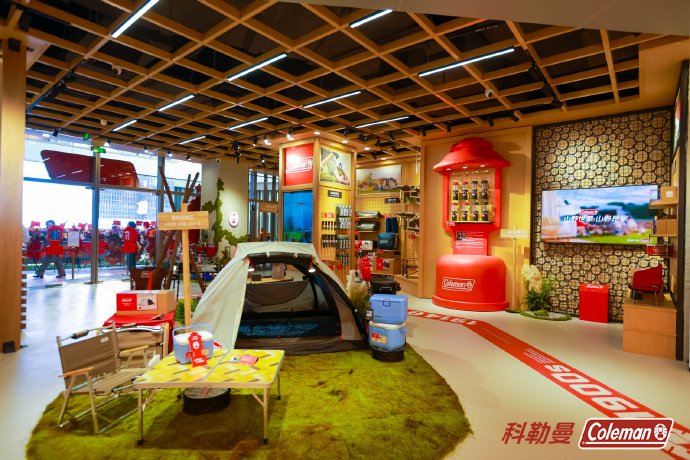
Company Overview - Coleman, a century-old American camping brand, has opened its first flagship store in Shanghai and launched online sales through platforms like Tmall and JD, marking the start of systematic operations in the Chinese market [1] - The flagship store is designed not just for sales efficiency but as an experiential space to educate consumers about the brand and its products [1][2] Sales and Product Strategy - The top-selling categories online include camping folding carts, canopies, and tents, with prices primarily ranging from 1,000 to 2,000 yuan [1] - Coleman has adopted a strategy of limiting SKU numbers in stores to create complete camping scenarios, allowing consumers to understand product combinations and functionalities [2] - The company plans to focus on flagship stores in first-tier and select new first-tier cities, prioritizing store size and experience over rapid expansion [4] Market Insights - The outdoor products market in China is relatively new, with a current size of approximately 87.2 billion yuan, expected to grow to 104.9 billion yuan by 2030 [4] - Despite a low penetration rate of about 3% in camping, the market is seen as having long-term potential, with a projected 20% year-on-year growth in camping-related categories by the second half of 2025 [5] Brand Localization - Coleman has tailored its brand messaging for the Chinese market, shifting from the global slogan "Count on Coleman" to "山野世家,山野是家," emphasizing reliability and the brand's long history [7] - The company has carefully selected 78 SKUs for the Chinese market, focusing on products that have been validated in mature markets [6][9] Product Adaptation - Products are reassessed for safety and suitability in local contexts before launch, with adjustments made based on consumer feedback [9] - Coleman aims to extend the usage of camping products beyond traditional settings by introducing items like cups and folding chairs that can be used in everyday scenarios, thereby increasing consumer engagement [9][10] Competitive Landscape - Coleman aspires to become a leading brand in the Chinese camping equipment sector within 5 to 10 years, building on its success in the U.S. and Japan, where it generates over 2 billion yuan in revenue [10] - The brand faces challenges in differentiating itself in a competitive market where established players like Snow Peak and local brands dominate [11]

整个社会都在喊没钱了,为什么这些公司反而年赚百亿?
创业家· 2026-01-24 10:18
Core Insights - The article discusses how certain industries are thriving despite a general perception of economic downturn, highlighting eight key sectors that present significant business opportunities [3][4]. Group 1: Key Industries - **Second-Hand Economy**: The second-hand luxury market in Japan, represented by companies like Daikokuya, has seen a surge in revenue. In China, platforms like Hongbulin and Panghu are experiencing similar growth [6][7][8]. - **Pet Economy**: With a decline in birth rates, spending on pets has increased, with brands like Inaba in Japan and Guobao (Zhongchong) in China seeing strong stock performance [12][13][14]. - **Adult Care**: The adult diaper market in Japan has surpassed $10 billion, indicating that aging populations can drive significant economic opportunities [17][18][19]. - **Health Food and Beverages**: Changes in population structure and rising health awareness have led to the growth of sugar-free products and functional beverages in both Japan and China [21][22]. - **Beauty Economy**: The demand for beauty products, such as collagen supplements and home beauty devices, remains strong, with brands like Weimei and U like achieving significant sales [23][24][25][26]. - **Outdoor Recreation**: Companies in the outdoor equipment sector, like Snow Peak in Japan, are capitalizing on the trend of outdoor activities, with Chinese brands also seeing rapid sales growth [29][31][32]. - **Convenience Economy**: The rise of frozen foods and smart home appliances reflects a shift towards convenience, with brands like Anjijia and Stone achieving steady growth [39][40]. - **Lazy Economy**: The trend of reduced cooking time among younger generations has led to increased demand for time-saving products, emphasizing the value of time over money in a low-desire economy [42][43]. Group 2: Market Trends - The article emphasizes that even in a low-desire society, there are substantial opportunities for those willing to invest in counter-cyclical sectors [44]. - The narrative suggests that the current economic climate should not deter investment but rather encourage a focus on emerging trends and consumer needs [44].

张园“静安会客厅”再启进博之约 “首发+保税”赋能国际消费
Sou Hu Cai Jing· 2025-11-06 07:25
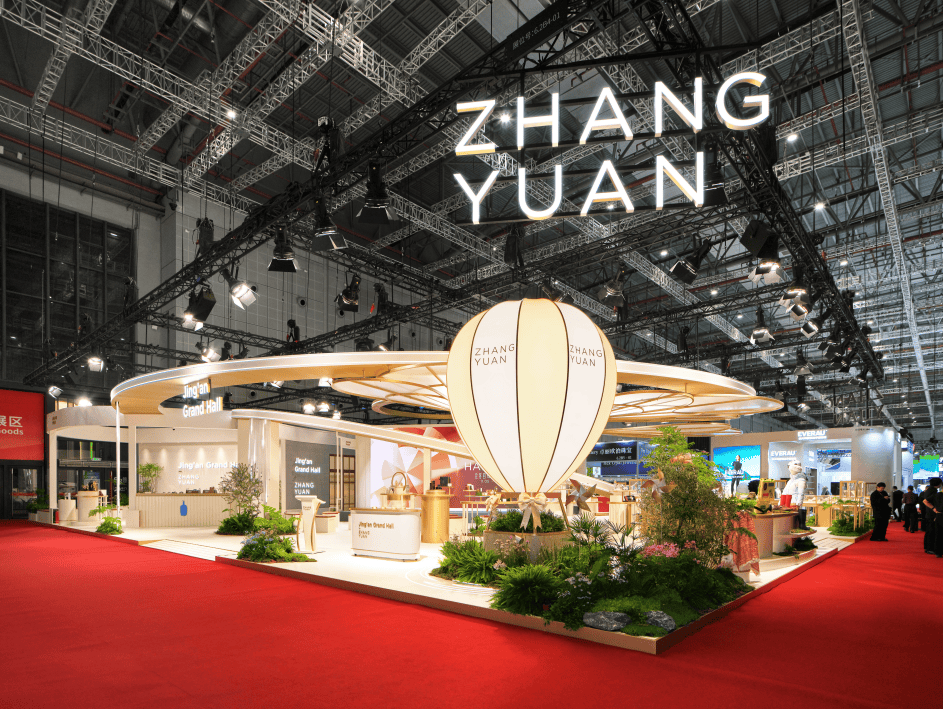
进博会后,张园展厅也将放大进博会的"溢出效应",沙涓已计划在张园开启全新全球旗舰店,Snow Peak将呈现限时体验店,《摇啊摇·刺激1995》也将在张 园全球首演。这不仅是对进博机遇的牢牢把握,更标志着"静安会客厅"作为一个永不落幕的国际交流平台,正持续释放其长尾效应。 作为全国首个嵌入商业核心区文保建筑内的保税仓,张园专用型保税仓在此次进博会上带来了"美美与共·珠宝风尚新路径"的保税推介会,将深入实践"首发 +保税"创新模式,为国际品牌进入中国市场构建高效、便捷的新通道。展会期间,张园专用型保税仓将特别引入4个珠宝品牌,包括米兰UTOPIA(乌托 邦)、慕尼黑CAPOLAVORO(杰作)、都灵MATTIOLI(马蒂奥利)、那不勒斯RUSSO CAMMEI(璐索贝雕)。其中UTOPIA和CAPOLAVORO皆为首次 进入中国,CAPOLAVORO将呈现"流动的钻石"亚洲首发,还能为中国消费者提供定制款服务,并进行专题首发活动,实现品牌从"展品变商品"的保税展示 交易。 上证报中国证券网讯(记者 郭晓萍)11月6日,张园"静安会客厅"在第八届中国国际进口博览会(简称"进博会")揭幕,这是该会客厅在进博舞台的再 ...
户外装备党,不需要“精致穷”
Hu Xiu· 2025-10-10 00:35
Core Insights - The phenomenon of "refined poverty" is emerging among young consumers who are willing to spend significantly on high-end outdoor gear while hesitating over smaller expenses like food [1][9][11] - Outdoor activities such as camping, hiking, and climbing have become increasingly popular, with a shift towards more adventurous and challenging experiences [2][29] - The entry of new participants into outdoor sports has lowered the technical barriers, while the brand standards for equipment have risen [3][4] Group 1: Market Trends - The outdoor product selection is becoming more high-end, with brands like Anta acquiring Arc'teryx and Li Ning acquiring Haglöfs, indicating a trend towards premium outdoor gear [4][6] - Sales of outdoor footwear and apparel surged by 55% year-on-year during the National Day holiday, reflecting a growing consumer interest in outdoor activities [6][18] - The prices of top outdoor products on e-commerce platforms have increased, with nearly half of the top 30 items seeing price hikes over the past year [6][17] Group 2: Consumer Behavior - Young consumers are increasingly prioritizing brand and price over functionality when purchasing outdoor gear, leading to a culture where expensive items are seen as status symbols [22][24] - The social media portrayal of outdoor activities often emphasizes brand names and aesthetics over practical knowledge and safety, influencing new participants to invest in high-priced gear without adequate understanding [20][28] - The trend of purchasing expensive outdoor gear as a means of showcasing purchasing power is prevalent, with brands like Arc'teryx and Patagonia becoming symbols of status among the middle class [22][25] Group 3: Risks and Misconceptions - The belief that owning expensive outdoor gear equates to expertise and safety is misleading, as many new participants lack the necessary skills and knowledge for safe outdoor activities [35][38] - The increase in outdoor accidents, as reported in the 2023 China Outdoor Adventure Accident Report, highlights the risks associated with outdoor activities, regardless of the quality of equipment [38][39] - The focus on brand prestige over actual outdoor skills can lead to dangerous situations, as many new participants may overestimate their abilities based on their gear [41][42]
露营界的爱马仕,在杭州折戟沉沙
3 6 Ke· 2025-07-30 00:04
Core Insights - High-end outdoor brands like Snow Peak face significant challenges in the Chinese market, particularly due to a chaotic distribution model that undermines brand value and consumer trust [1][2][9] - The closure of Snow Peak's stores in Hangzhou highlights the structural issues within its operations, including fragmented agency agreements and internal conflicts [1][2] - The brand's reliance on a single product, the titanium cup priced at 199 yuan, has not translated into a sustainable growth strategy, as it lacks a diverse range of appealing products [6][12] Distribution Model Challenges - Snow Peak operates under a complex distribution model in China, with multiple entities involved, leading to confusion and public disputes over brand authority [2][3] - The brand's online presence is similarly fragmented, with various accounts lacking a unified brand image, further complicating consumer recognition and trust [3][6] - The chaotic agency model has resulted in a dilution of brand identity, making it difficult for consumers to perceive the brand's premium value [2][9] Market Position and Consumer Behavior - The Chinese outdoor market is still developing, and Snow Peak's high price points limit its consumer base, confining it to a niche market [6][12] - The brand's attempts to expand into apparel have faced challenges due to a saturated market, indicating a need for innovative product offerings [6][12] - Consumers are increasingly looking for brands that resonate with their identity rather than just offering discounts, emphasizing the importance of brand perception [1][12] Strategic Recommendations - A shift towards a direct sales model could help Snow Peak regain control over its brand image and consumer experience, as seen with other successful outdoor brands [7][9] - The brand should focus on developing a broader range of products that integrate into daily life, appealing to a wider audience while maintaining its core identity [12][13] - Building a narrative around lifestyle and community engagement, such as organizing outdoor events and sharing user stories, can enhance emotional connections with consumers [13]
泡泡玛特回应起诉7-Eleven;袁记云饺新加坡开放加盟丨消费早参
Mei Ri Jing Ji Xin Wen· 2025-07-24 23:24
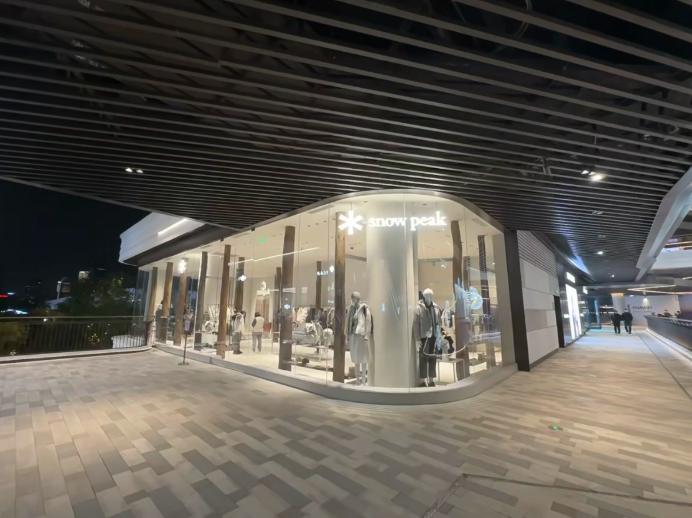
Group 1 - Pop Mart is suing 7-Eleven in the US for selling counterfeit LABUBU toys, highlighting the importance of intellectual property protection [1] - The lawsuit indicates Pop Mart's zero-tolerance stance towards infringement, which could impact its brand image and market competitiveness [1] - The incident serves as a reminder for global retailers to enhance supply chain management to prevent counterfeit products from entering the market [1] Group 2 - Yuanji Yunjiao has announced the opening of franchise opportunities in Singapore, marking its first step in overseas expansion [2] - The brand currently operates nearly 5,000 stores in China, showcasing its scalable operational experience [2] - This move is expected to enhance the international visibility of Yuanji Yunjiao and attract more investors to the Chinese dining sector [2] Group 3 - Tesla's first diner in Los Angeles generated approximately $47,000 in revenue within six hours, outperforming nearby McDonald's by 30% [3] - If successful, Tesla plans to replicate this model in other locations, including a site near its Shanghai factory [3] - This innovative approach combines dining with charging, potentially setting a new trend in the integration of automotive and food service industries [3] Group 4 - Snow Peak has closed all its offline stores in Hangzhou, reflecting challenges in brand image and channel management in the Chinese market [4] - The brand's reliance on high pricing and distribution channels has led to a confused brand image and inconsistent operational standards [4] - Snow Peak needs to optimize its long-term strategy and enhance direct sales efforts to improve brand consistency and meet diverse consumer demands [4]


在日本,做防灾用品和做户外品牌的真是同一拨人
创业邦· 2025-07-17 10:05
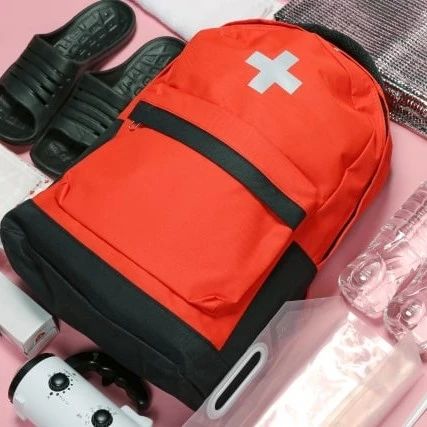
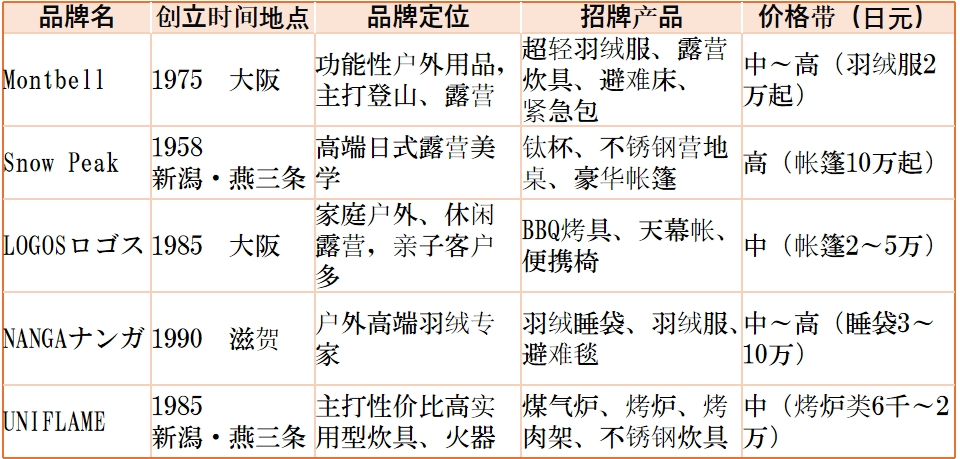
Core Viewpoint - The article discusses the deep connection between outdoor products and disaster preparedness supplies in Japan, highlighting how both industries share similar product features and development processes, driven by the country's frequent natural disasters [4][9][30]. Group 1: Overview of Disaster Preparedness and Outdoor Products - In Japan, disaster preparedness supplies and outdoor products often come from the same manufacturers, reflecting a dual-purpose approach to product development [4][9]. - Common disaster preparedness items include portable toilets, emergency food, and communication devices, while outdoor products cater to activities like camping and hiking [5][6]. Group 2: Key Outdoor Brands - Major Japanese outdoor brands include Montbell and Snow Peak, which are recognized globally for their high-quality outdoor gear [6][7]. - Montbell focuses on functional outdoor products, while Snow Peak is known for high-end camping equipment [7]. Group 3: Market Dynamics - The outdoor equipment market in Japan is estimated to be around 457.7 billion yen in 2023, significantly larger than the retail market for disaster preparedness products, which is projected to be only 4-5 billion yen [26][27]. - Disaster preparedness products primarily serve B2B and government markets, while outdoor products target individual consumers through retail channels [25][28]. Group 4: Product Development and Innovation - Both outdoor and disaster preparedness products are developed using similar methodologies, emphasizing material innovation and functionality under extreme conditions [18][19]. - Outdoor brands often lead in product development, creating items that later influence disaster preparedness supplies, demonstrating a "butterfly effect" in product evolution [14][15]. Group 5: Consumer Perception and Branding - Outdoor products are marketed with a focus on brand loyalty and lifestyle, while disaster preparedness items lack brand recognition and are often viewed as utilitarian [29]. - The integration of outdoor branding into disaster preparedness products aims to enhance consumer appeal and modernize the perception of these essential items [29].
在日本,做防灾用品和做户外品牌的真是同一拨人
Hu Xiu· 2025-07-16 09:07
Core Viewpoint - The outdoor and disaster preparedness industries in Japan are deeply intertwined, with many products serving dual purposes and sharing similar development processes [9][10][27]. Group 1: Industry Overview - Japan is home to globally recognized outdoor brands such as Montbell and Snow Peak, which are significant players in both outdoor and disaster preparedness markets [6][3]. - The outdoor equipment market in Japan was estimated at approximately 457.7 billion yen in 2023, significantly larger than the retail disaster preparedness market, which is projected to be around 4 to 5 billion yen in 2024 [43][42]. Group 2: Product Characteristics - Disaster preparedness products emphasize small size, low cost, ease of deployment, and long-term storage, while outdoor products focus on lightweight, portability, and multi-functionality to withstand extreme conditions [11][10]. - Common disaster preparedness items include portable toilets, emergency food, and solar chargers, which often overlap with outdoor gear [4][14]. Group 3: Market Dynamics - The disaster preparedness market primarily operates on a B2B model, with government and institutional contracts driving sales, while outdoor products are marketed directly to consumers [40][47]. - Government regulations and funding significantly influence the development and procurement of disaster preparedness products, ensuring a steady demand for these items [45][41]. Group 4: Brand and Consumer Perception - Outdoor brands like Montbell and Snow Peak are associated with high-quality materials and advanced technology, appealing to consumers seeking premium outdoor experiences [48]. - In contrast, disaster preparedness products lack brand loyalty and are often viewed as utilitarian, with the best products being those that are never used [49][50]. Group 5: Development and Innovation - Both outdoor and disaster preparedness products share similar research and development processes, often utilizing the same materials and technologies [27][28]. - Outdoor companies frequently collaborate with government and academic institutions to innovate disaster preparedness solutions, demonstrating a commitment to social responsibility [22][24].
为什么宠物,开始成了更多人的运动搭子?
3 6 Ke· 2025-05-22 03:35
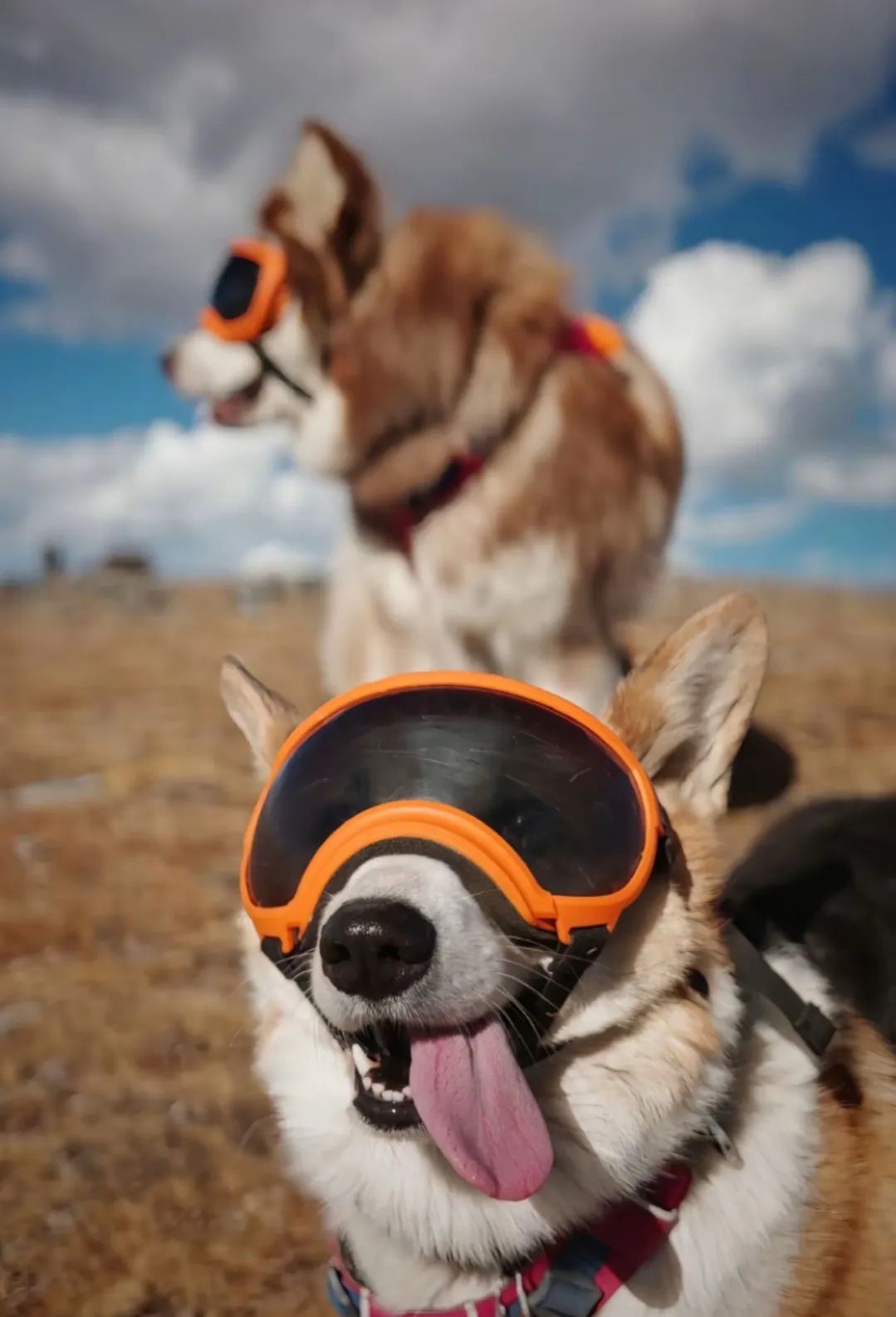
Core Insights - Pets are becoming new workout partners for young people, providing companionship and motivation for physical activities [1][6][12] - The trend of exercising with pets has gained momentum, with significant increases in social media content related to pet-inclusive activities [7][9] - The emotional value pets provide during exercise is irreplaceable, enhancing the overall experience for their owners [3][14][16] Industry Trends - The pet industry is witnessing a shift towards integrating pets into fitness, prompting brands to focus on this market segment [17][20] - Major sports brands like Adidas and ASICS are launching pet-centric products and initiatives, indicating a growing recognition of the "pet economy" within the fitness sector [20][21] - The emergence of pet-friendly gyms and fitness spaces reflects the increasing demand for environments that accommodate both pets and their owners [21][23] Consumer Behavior - Young consumers are increasingly prioritizing their pets' needs in their lifestyle choices, often investing in high-quality products for their pets [24] - The emotional bond between young people and their pets is reshaping consumer spending habits, with a focus on ensuring pets are comfortable and well-equipped for outdoor activities [24]
阿迪达斯跨界宠物服饰
Bei Jing Shang Bao· 2025-05-20 16:27
Group 1 - Adidas officially entered the pet economy by launching its first pet product line in Shanghai, which includes cotton t-shirts, genuine leather collars, and faux leather pet bags [1][2] - The global pet market is projected to exceed $300 billion, with Adidas targeting the "humanization" trend in pet ownership through design-oriented products [1][5] - The pet economy is becoming a new consumption point, with pet owners increasingly demanding higher quality, aesthetics, and user experience in pet products [2][4] Group 2 - The pet apparel sector is characterized by an enticing outlook but lacks dominant players, making it an attractive market for apparel brands to expand their product lines [3][4] - Other brands, such as Snow Peak, H&M, and Dolce & Gabbana, have also ventured into the pet market, indicating a growing trend among apparel companies [3][4] - The pet market is experiencing rapid growth, with a significant increase in consumer spending on pet products and services, reflecting changing attitudes towards pet ownership [4][6] Group 3 - The global pet market is expected to reach $500 billion by 2030, with North America and Europe remaining key markets, while Southeast Asia and the Middle East are emerging with over 30% annual growth [5][6] - In China, the urban pet market saw a 7.5% year-on-year growth, reaching 300.2 billion yuan, with dog and cat markets growing at 4.6% and 10.7%, respectively [6][6] - The pet economy is becoming increasingly significant as pets are viewed as emotional companions, leading to a potential expansion in this sector [6][6]
