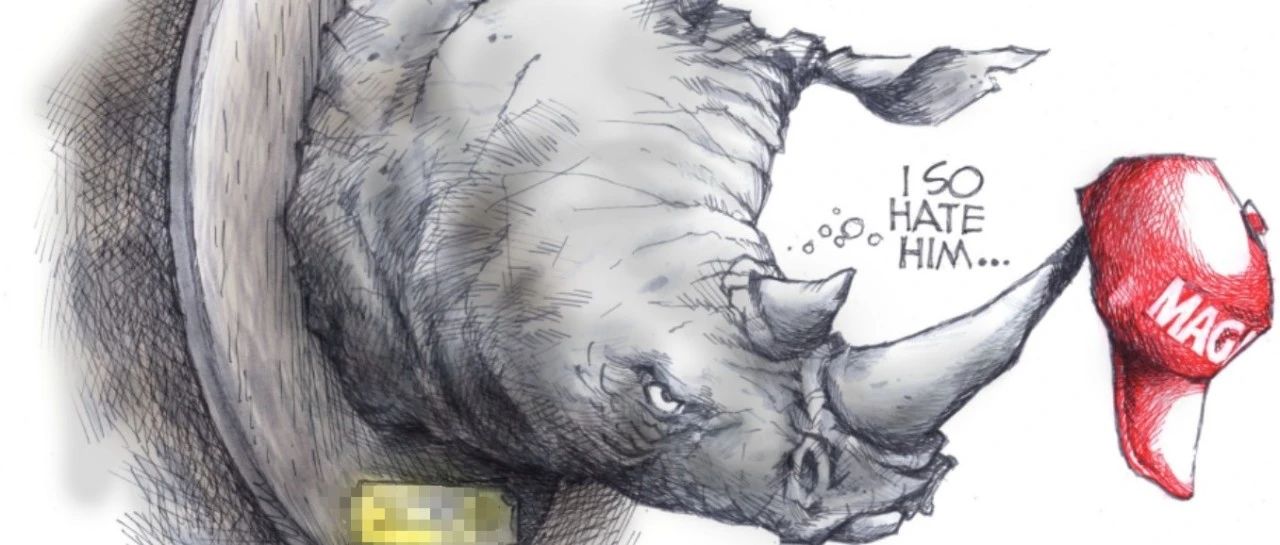
灰犀牛事件

Search documents
中东动荡局势加剧,避险情绪驱动金银走强
Guang Fa Qi Huo· 2026-03-05 06:43
叶倩宁(投资咨询资格编号:Z0016628) 电话:020-88818051 邮箱:yeqianning@gf.com.cn 中东动荡局势加剧 避险情绪驱动金银走强 投资咨询业务资格:证监许可【2011】1292 号 行情导读:上周末由于核谈判破裂,美国突发对伊朗发动军事打击并击毙包括最高领袖哈梅内伊在内 的多名重要领导,伊朗方面随即对中东各地美军基地发动大规模强硬回击并宣布关闭作为全球能源运 输关键咽喉的霍尔木兹海峡,中东局势迅速恶化。事件导致包括能源和化工的品种供应受到冲击而上 涨,避险情绪则驱动黄金白银等贵金属走强。周一日盘,国际金价一度逼近 5400 美元关口创 2 月初回 调以来的新高,沪金主力合约放量且涨幅不断扩大超过 4%;国际银价早盘冲高仅 3%后涨幅收窄,沪银 主力合约延续上周五夜盘涨势幅度最高超过 8%。 驱动分析一:中东或陷入更加混乱局面,"黑天鹅"成"灰犀牛" 在包括最高领袖哈梅内伊在内的多名重要领导被杀后,伊朗方面宣布临时领导委员会于 3 月 1 日 成立并开始工作,由伊朗总统佩泽希齐扬、司法部长、宪法监护委员会一名法学家组成临时领导团队 共同领导国家,保证伊朗政权持续运转,直到选出 ...
近期地缘变局详解及关联品种投资逻辑透视
Guo Tai Jun An Qi Huo· 2026-03-01 12:42
近期地缘变局详解及 关联品种投资逻辑透视 国泰君安期货研究所· 黄柳楠 首席分析师 Z0015892 季先飞 首席分析师 Z0012691 戴 璐 首席分析师 Z0021475 陈鑫超 首席分析师 Z0020238 杨鈜汉 高级分析师 Z0021541 刘雨萱 高级分析师 Z0020476 日期:2026年3月1日 Guotai Junan Futures all rights reserved, please do not reprint 中东地区地缘政治 ◆中东局势分析: 中东地区局势紧张,尤其是美国与伊朗间的矛盾加剧,未来可能导致更大规模的军事冲突。这 种冲突可能会打断全球石油和天然气供应,影响国际市场的价格和投资决策。 Special report on Guotai Junan Futures 2 ◆地缘政治风险影响: 当前地缘政治风险已从潜在转变为现实,尤其是油气市场的影响显著。波斯湾作为全球关 键的能源运输通道,若发生冲突,将对全球能源供应链造成冲击,推动油价上升,增加投资的不确定性。 ◆战争爆发前市场对于伊朗政权未来的看法存在分歧:有一部分人认为政权不会轻易变更,另一些人则希望通过 外部力量助 ...

陈茂波:今年香港经济审慎乐观 高度警惕“黑天鹅”事件
智通财经网· 2026-01-15 12:01
Core Viewpoint - The Financial Secretary of Hong Kong, Paul Chan, expresses a cautiously optimistic outlook for Hong Kong's economy by 2026, citing positive development momentum despite increasing external risks [1] Economic Outlook - Hong Kong's economic development is showing good momentum, supported by a steady advancement of the mainland economy, solid fundamentals, a large market size, and ample policy space [1] - There is an expectation that consumer and investment sentiment will improve, aided by the general market anticipation of further interest rate cuts by the U.S. in 2026, which, although may not be substantial, are viewed positively for market prospects [1] Strategic Initiatives - Hong Kong aims to leverage its unique advantages of "internal and external connectivity" and its international characteristics as outlined in the "14th Five-Year Plan" [1] - The focus will be on enhancing the roles of "super connectors" and "super value creators," consolidating traditional advantageous industries and markets while exploring new markets and nurturing emerging industries [1] - Initiatives include improving listing systems, market structures, and trading mechanisms to make Hong Kong's stock market more international, positioning it as a preferred listing location for both mainland and overseas companies, including those from the Middle East and Southeast Asia [1]
美国这一次真的动手了,接下来怎么走?
大胡子说房· 2026-01-04 02:45
Group 1 - The core viewpoint of the article is that the recent military action by the United States in Venezuela is a significant geopolitical event that reflects a shift in U.S. foreign policy towards regional dominance and a direct challenge to China's influence in Latin America [3][18][20]. - The U.S. military operation mirrors the 1989 invasion of Panama, indicating a historical pattern of U.S. intervention in Latin America to secure its interests, particularly in oil [3][4][32]. - Venezuela holds the largest oil reserves globally, with 304.1 billion barrels, and over 85% of its oil exports are directed to China, with 60% of transactions settled in RMB, which poses a direct challenge to U.S. economic interests [8][9][10][11]. Group 2 - The U.S. action is part of a broader strategy to reassert its influence in the Western Hemisphere, as outlined in the latest National Security Strategy, which emphasizes regional hegemony over global leadership [20][21][22]. - The operation serves multiple purposes for the U.S., including bolstering Trump's political standing ahead of midterm elections and undermining China's long-term investments in Venezuela [26][28][29]. - The potential consequences of U.S. control over Venezuela's oil resources could lead to a significant shift in global energy dynamics, potentially creating a new energy supply hub in the Western Hemisphere [32][33]. Group 3 - The international response to the U.S. intervention is uncertain, with key players like Russia potentially increasing military presence in the region, which could escalate tensions further [31][34]. - The article raises concerns about the implications for smaller nations that oppose U.S. policies, suggesting that they may face similar interventions in the future [37][39]. - The event marks a turning point in international relations, questioning the principles of law and dialogue versus the return to power politics and military intervention [42][44].

“十五五”时期或将面临哪些国际挑战?陈文玲:全球货币体系调整、美股泡沫等七大风险需警惕
Jin Rong Jie· 2025-12-26 06:57
Group 1 - The conference "Qihang·2025 Financial Annual Meeting" was held in Beijing, focusing on the theme of "New Starting Point, New Momentum, New Journey," with over 100 guests and more than 500 financial institutions and listed companies in attendance [1] - Chen Wenling, Deputy Director of the Academic Committee of the China International Economic Exchange Center, discussed potential international uncertainties, including "gray rhinos" and "black swans," that may impact China's economy and the global economy during the 2026 and "15th Five-Year" period [1] Group 2 - Seven major international risks were highlighted by Chen Wenling, including risks from economic bubbles in certain countries, significant adjustments in the global monetary system, uncertainties in China-U.S. relations, geopolitical tensions, structural changes in the global energy landscape, risks in the Japanese economy, and risks from extreme weather and public health events [3] - Specific risks related to the global monetary system adjustment were discussed, including potential over-tightening or over-easing by the Federal Reserve, the rapid expansion of virtual currencies, the accumulation of bubbles in the U.S. stock market, and the potential risks from financial derivatives [3] - The global trend of de-dollarization is noted, with 159 countries entering this wave, and the U.S. introducing stablecoins linked to the dollar to counteract this trend, indicating significant adjustments and changes in the international monetary system [3]

独家专访诺奖得主罗伯特·恩格尔:在不确定性时代解构风险
2 1 Shi Ji Jing Ji Bao Dao· 2025-12-22 23:57
Core Viewpoint - The next financial crisis may be triggered by inflation, particularly due to fluctuating tariff policies, which could lead to significant market downturns if inflation rates remain high [1][12]. Group 1: Inflation and Economic Policies - Tariffs are likely to cause inflation, and if inflation persists, the Federal Reserve may struggle to decide between raising or lowering interest rates, leading to a collapse in bond prices and a significant drop in the stock market [1][12]. - The year 2025 is expected to be tumultuous, with frequent changes in tariff policies and significant uncertainty in the financial markets, despite a strong market performance overall [3][4]. Group 2: Market Reactions and Asset Management - Despite various global risks, including geopolitical tensions and climate change, financial markets have remained robust, supported by factors such as optimism, Federal Reserve backing, and tax cuts [4]. - Investors may consider holding cash or other assets that are less sensitive to economic fluctuations as a buffer against unpredictable events [2][16]. Group 3: Gold and Currency Dynamics - The rise in gold prices is largely driven by central banks diversifying their reserves away from the dollar, indicating a potential shift in global currency reliance [5][6]. - The dollar may continue to depreciate, and there is speculation about the emergence of a multi-currency system, with currencies like the yuan or euro potentially gaining prominence [6]. Group 4: Climate Change and Regulatory Impact - The U.S. withdrawal from the Paris Agreement and subsequent deregulation efforts are seen as attempts to diminish the visibility of climate issues, which could have long-term implications for environmental policies and market stability [7]. Group 5: Systemic Risks and Financial Stability - Current assessments indicate that while systemic risks in the banking sector appear manageable, ongoing monitoring is essential, particularly regarding climate-related risks [8]. - The volatility of AI stocks raises concerns about potential bubbles, but the overall impact on the market may not mirror past crises like the internet bubble [9][10]. Group 6: Future Outlook and Political Influence - The upcoming midterm elections in the U.S. are expected to introduce market volatility as investors speculate on potential shifts in political power and their economic implications [18]. - The uncertainty surrounding current U.S. policies, particularly those affecting immigration and scientific research, poses risks to innovation and economic growth [18].
港股异动 | 港交所(00388)午前跌超4% 灰犀牛事件导致市场波动加大 港交所下月初将发布三季报
Zhi Tong Cai Jing· 2025-10-13 04:12
Core Viewpoint - Hong Kong Exchanges and Clearing Limited (HKEX) experienced a significant drop of over 4% in its stock price, attributed to increased market volatility caused by a "grey rhino" event, with expectations for its upcoming Q3 earnings report [1] Group 1: Market Conditions - HKEX's stock fell by 4.68%, trading at 423.8 HKD with a transaction volume of 36.23 billion HKD [1] - Huatai Securities reported that the "grey rhino" event has heightened market volatility, indicating that short-term capital and sentiment still have room for release, suggesting a phased approach to "TACO" trading [1] - Galaxy Securities noted that escalating US-China trade tensions have led to a decline in investor risk appetite, resulting in a valuation correction for Hong Kong stocks [1] Group 2: Future Outlook - UBS forecasts that HKEX will report a 43% year-on-year increase in quarterly revenue and a 53% rise in net profit, reaching 7.7 billion HKD and 4.8 billion HKD respectively, setting new records [1] - UBS's projections exceed market expectations by 8% and 11%, respectively, and have adjusted the average daily transaction volume forecasts for 2025 to 2027 upwards by 9% to 16% [1] - The target price for HKEX has been set at 485 HKD, with a "neutral" rating, reflecting adjustments in earnings per share forecasts upwards by 7% to 12% [1]

港交所午前跌超4% 灰犀牛事件导致市场波动加大 港交所下月初将发布三季报
Zhi Tong Cai Jing· 2025-10-13 04:01
Core Viewpoint - Hong Kong Stock Exchange (HKEX) shares fell over 4%, currently trading at 423.8 HKD with a transaction volume of 3.623 billion HKD, reflecting increased market volatility due to "gray rhino" events and escalating US-China trade tensions [1] Group 1: Market Analysis - Huatai Securities reported that market volatility has increased due to "gray rhino" events, indicating that short-term funds and sentiment still have room for release, suggesting a phased approach to "TACO" trading [1] - Galaxy Securities noted that the escalation of US-China trade tensions has led to a decrease in investor risk appetite, resulting in a valuation correction for Hong Kong stocks. However, domestic growth stabilization policies and medium to long-term measures to support the stock market are expected to gradually stabilize investor sentiment [1] - Overall, Hong Kong stock valuations are currently at a historically high level, with expectations of wide fluctuations in the market in the future [1] Group 2: Earnings Forecast - UBS forecasts that HKEX will announce its third-quarter results next month, predicting a year-on-year revenue and net profit growth of 43% and 53%, respectively, reaching 7.7 billion HKD and 4.8 billion HKD, setting new records [1] - UBS's forecasts are 8% and 11% higher than the general market expectations [1] - Due to market sentiment and increased participation from southbound funds, UBS has raised its average daily transaction volume forecasts for 2025 to 2027 by 9% to 16%, and adjusted its earnings per share forecast for HKEX upward by 7% to 12%, maintaining a target price of 485 HKD with a "neutral" rating [1]
美股暴跌,其实不是黑天鹅
Hu Xiu· 2025-10-11 08:15
Group 1 - The core viewpoint of the article is that the recent escalation of global trade tensions is not a "black swan" event but rather a "gray rhino" event, indicating a high probability risk that has been underestimated [2][6] - The U.S. economy has shown signs of weakness recently, and a resurgence of trade disputes could exacerbate inflation and impact the Federal Reserve's monetary policy [2][6] - The current political landscape in the U.S. suggests that trade tensions are likely to reignite, especially as the midterm elections approach [1][4] Group 2 - The article highlights that the U.S. administration's economic policies have primarily focused on tax cuts and fiscal subsidies, with limited success in reversing trade deficits or boosting manufacturing jobs [3][4] - The dynamics of global trade are shifting, with major trading partners, including China, taking more initiative in setting agendas, leading to a more complex economic landscape [5][6] - The article emphasizes that the previous perception of resolved trade issues was misleading, and the market may not easily dismiss the current tensions as it did in the past [6][4]
下半年美国经济的三头灰犀牛(国金宏观钟天)
雪涛宏观笔记· 2025-07-17 12:32
Core Viewpoint - The article emphasizes the importance of rejecting linear extrapolation in understanding the complexities of Trump's political maneuvers, suggesting that while his path to achieving goals is dynamic, the underlying demands remain static, leading to potential chaos [1][3]. Group 1: Economic Implications - The passage of the OBBB Act reflects Trump's stronger control over domestic affairs and may lead to a resurgence in his foreign policy assertiveness, increasing the risk of backlash from TACO [3][4]. - The U.S. economy may face three significant "gray rhino events" in the second half of 2025: a clear trend towards fiscal contraction post-OBBB Act, a more pragmatic and aggressive approach to tariffs and international relations, and confusion stemming from differing monetary policy stances between the old and new Federal Reserve chairs [4][5]. Group 2: Fiscal Policy - Following the implementation of the OBBB Act, the U.S. fiscal landscape is expected to shift towards more contractionary measures, with a pressing need for budget cuts due to rising deficit pressures [5][11]. - Trump's approach to budget cuts is notably aggressive, particularly in reducing SNAP benefits, which may impact traditional red states and politically sensitive swing states [5][11]. Group 3: Trade and International Relations - Trump's renewed focus on tariffs and international relations is characterized as more aggressive and pragmatic, necessitating non-U.S. economies to reassess their negotiation strategies [11][12]. - The tariff structure for various countries under the "Liberation Day" initiative indicates a significant shift in trade dynamics, with countries like Japan and South Korea being primary targets for tariff adjustments [12][13]. Group 4: Federal Reserve Dynamics - The ongoing conflict between the old and new Federal Reserve chairs is likely to create market confusion, with the potential for the "shadow Fed chair" to gain market influence [14][15]. - The political implications of the Federal Reserve's actions are expected to intertwine with economic conditions, particularly as the new chair's stance may diverge significantly from the current chair's policies [17][19].