产业升级

Search documents
冰雪装备产业练好“内功”破冰突围 手握创新“底牌”跑通大市场释放新动力
Yang Shi Wang· 2025-12-18 04:23
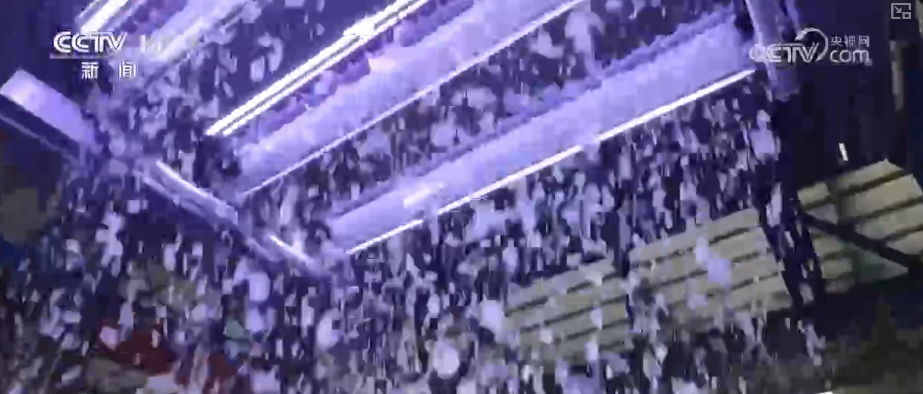
Core Viewpoint - The Chinese snow sports equipment industry is experiencing significant growth driven by the increasing popularity of ice and snow sports, particularly following the Beijing Winter Olympics, but faces challenges from foreign brand dominance and technological barriers [1][9][34] Industry Growth and Opportunities - The "14th Five-Year Plan" emphasizes the development of a modern industrial system centered on advanced manufacturing, with a focus on promoting domestic ice and snow sports equipment [1][9] - The indoor skiing market in China is rapidly expanding, compensating for the lack of natural snow resources in many cities, leading to a surge in demand for innovative snow-making equipment [3][34] Technological Innovations - A new type of snow machine developed by a company in Henan can produce snow at temperatures above freezing, addressing the limitations of traditional snow machines [4][5] - The company has achieved nearly 50% market share in the domestic snow-making equipment market and has expanded its reach to international markets, including Russia and Kazakhstan [11][12] Policy Support and Industry Structure - National policies are being implemented to enhance the capabilities of domestic ice and snow enterprises through technological innovation and industry upgrades [9][10] - The establishment of ice and snow equipment industrial parks across China is facilitating the development of a comprehensive manufacturing ecosystem, with a projected total output value of 90 billion yuan by the end of the "14th Five-Year Plan" [17][19] Market Dynamics and Consumer Trends - The domestic market for ice and snow equipment has seen a significant increase in sales, with revenues rising from 15.3 billion yuan in 2019 to 22.2 billion yuan in 2023, reflecting a compound annual growth rate of 9.5% [34] - Companies are focusing on brand development and consumer acceptance, with efforts to create unique products that cater to specific demographics, such as women and youth [20][22][29] Future Outlook - The ice and snow equipment industry is poised for continued growth, with expectations of reaching a production value of 1.3 billion yuan by mid-2025 and a strong emphasis on innovation and quality [17][34] - The transition from being a major manufacturer to a leading power in ice and snow equipment manufacturing is anticipated, supported by ongoing technological advancements and strategic national policies [34]


5家企业入选第七批国家级“小巨人”,新增数量居全市第一 圌山脚下产业“春潮”澎湃涌动
Zhen Jiang Ri Bao· 2025-12-17 23:37
Core Insights - The article highlights the impressive performance of Zhenjiang Economic Development Zone, with five companies selected as the seventh batch of national-level specialized and innovative "little giant" enterprises, ranking first in the city for new additions [1] - The region's industrial output value exceeded 98 billion yuan in the first three quarters, with manufacturing investment reaching 13.59 billion yuan, indicating a strong trajectory towards high-end, intelligent, and green industrial transformation [1] Company Highlights - Zhengdan Chemical, a newly recognized national-level specialized and innovative "little giant" enterprise, has been advancing technological innovation, winning a patent award for its method of producing phthalic anhydride, and is set to become the world's largest supplier of this product due to a competitor's production line closure [1][2] - Zhengdan Chemical reported a revenue of 1.895 billion yuan in the first three quarters, with ongoing projects and process optimizations enhancing its cost control and market adaptability [2] - Zhenjiang Sanwei Conveying Equipment Co., Ltd., which has been focused on grain machinery for over 30 years, successfully passed the 2025 national-level specialized and innovative "little giant" enterprise review, achieving over 10% sales growth and approximately 30% net profit growth in the first half of the year [3] Industry Development - The Zhenjiang Economic Development Zone has cultivated a total of 113 specialized and innovative enterprises, including 22 national-level "little giant" enterprises and 91 provincial-level specialized and innovative small and medium-sized enterprises [4] - The region is implementing a dynamic management "seed bank" for specialized and innovative enterprises, currently housing 296 companies across over 30 sectors, including biomedicine and new materials [4] - The "14th Five-Year Plan" emphasizes building a modern industrial system and promoting the development of specialized and innovative small and medium-sized enterprises, which aligns with the ongoing efforts in Zhenjiang to enhance innovation and support for these enterprises [4]
让“美丽产业”成为“幸福产业”(现场评论)
Ren Min Ri Bao· 2025-12-17 22:11
Core Insights - The "beautiful industry" in Yunnan is expanding its industrial chain and increasing added value, contributing to ecological economics that promotes green prosperity and urban-rural integration [1][3] Industry Development - The flower industry in Yunnan benefits from a complete chain from seed research, technological planting, to market circulation, with approximately 70% of fresh-cut flowers in China sourced from Yunnan [1] - The introduction of over a thousand self-bred "Chinese style" rose varieties in May 2025 marks a significant step towards reducing reliance on imported varieties and enhancing local production capabilities [2] - Technological advancements in agriculture, such as automated environmental control systems and soilless cultivation, are improving flower quality and yield, thus driving modernization in the agricultural sector [2] Economic Impact - In 2024, Yunnan's fresh-cut flower production reached 20.6 billion stems, employing 380,000 people directly and over 1 million indirectly, showcasing the industry's role in poverty alleviation and economic growth [3] - The integration of various agricultural products, such as flowers, coffee, and tea, is strengthening the foundation for rural revitalization and enhancing the overall economic landscape in Yunnan [3][4]
中钨高新: 完善“资源—冶炼—加工”全产业链布局
Zheng Quan Shi Bao· 2025-12-17 19:16
Core Insights - The company, Zhongtung High-tech, has adopted a full industry chain integration development strategy during the 14th Five-Year Plan period, achieving breakthroughs in business expansion, technological innovation, capital operations, and shareholder returns [1][2] - From 2021 to 2024, the company's net profit attributable to shareholders is projected to grow from 528 million yuan to 939 million yuan, with operating revenue expected to exceed 14.7 billion yuan in 2024, representing an increase of over 48% compared to 2020 [1] - The total assets of the company are expected to reach 17.416 billion yuan by the end of 2024, marking a 77% increase since the beginning of 2021 [1] Financial Performance - The company plans to implement a dividend scheme of 1.6 yuan per 10 shares in 2024, totaling 365 million yuan in payouts [1] - The production of tungsten concentrate in the first half of this year was 4,200 tons, with APT production at 8,500 tons and hard alloy production exceeding 7,500 tons, maintaining the company's position as the global leader [1] Technological Innovation - Zhongtung High-tech has established a comprehensive innovation system, including the only national key laboratory for hard alloys in the tungsten industry and 21 provincial and ministerial-level technology platforms [1] - The company holds 8 national high-tech enterprises, 4 national manufacturing single champion enterprises, 2 national specialized and innovative "little giant" enterprises, and 2 national intellectual property demonstration enterprises [1] Strategic Development - In 2024, the company completed the asset injection of Shizhu Garden and plans to acquire 99.97% of the equity of Yuanjing Tungsten Industry in 2025, significantly enhancing its tungsten resource self-sufficiency [2] - These asset integrations not only fulfill commitments to avoid competition in the capital market but also improve the "resource-smelting-processing" full industry chain layout, enhancing asset quality and profitability [2]

十五五,攻坚牛——2026年度策略
2025-12-17 15:50
Summary of Key Points from Conference Call Records Industry and Company Overview - The conference call discusses the Chinese economy and its growth prospects during the "Fifteen" period, aiming to surpass 70% of the US GDP by 2026, with industrial added value reaching 1.6 times that of the US, driven by R&D investment and industrial system construction [1][3][5]. Core Insights and Arguments - **Economic Growth and Challenges**: The US faces increasing debt and fiscal deficit challenges, with a potential long-term economic growth rate of only 1.2%. Concerns over US debt security are prompting foreign investors to reduce US debt holdings, while central banks are increasing gold purchases [1][3]. - **Investment Opportunities**: The next five years will focus on industrial upgrades, technological innovation, and consumption enhancement. High R&D investment and a complete industrial system provide a solid foundation to counter external technological blockades [1][5]. - **Export Performance**: China's export share is at a record high, with reliance on the US dropping below 10%. This diversification strategy enhances export resilience and leads to a continuous trade surplus, indicating improved competitiveness [1][9]. - **Consumer Spending**: To address weak consumption, China aims to increase the resident consumption rate, optimize "two new" policies, and strengthen stimulus measures to support domestic demand [1][11]. Additional Important Content - **Financial Market Reforms**: The 2025 financial market reforms aim to shift fund management from scale-oriented to benefit-oriented, with a tighter IPO schedule and low levels of share reduction expected to continue into 2026 [2][14][17]. - **Investment Focus for 2026**: Key investment opportunities include high-growth export chains, cyclical stocks, and sectors benefiting from a consumption rebound, with a focus on retail sales and CPI indicators to validate trends [2][18]. - **Emerging Industries**: Significant attention is directed towards emerging industries such as quantum technology, biomanufacturing, hydrogen energy, nuclear fusion, and brain-computer interfaces, which align with national strategic goals [1][10][19]. - **Domestic Economic Dynamics**: Enhancing domestic circulation's endogenous power and reliability through investment in both goods and human resources is crucial for sustainable economic growth [13]. This summary encapsulates the essential insights and projections from the conference call, highlighting the strategic focus areas for China's economic development and investment landscape.
重大资产重组!这家公司明起复牌!
Zheng Quan Ri Bao Wang· 2025-12-17 14:26
Core Viewpoint - The company plans to acquire 100% of Leqi Cayman and 8.26% of Hangzhou Lemai through a combination of share issuance and cash payment, marking a significant asset restructuring and a strategic shift towards digital consumer services [1][2]. Group 1: Transaction Details - The transaction involves 16 parties holding shares in Leqi Cayman and 6 parties holding shares in Hangzhou Lemai, with the final transaction price pending completion of auditing and evaluation [1]. - The company will issue shares to raise supporting funds from Zhidu Group and Huadu No.1 [1]. Group 2: Strategic Implications - This acquisition is seen as a proactive move to leverage the listed company platform for key industry layout under the guidance of state-owned shareholders, transitioning from a "supply chain + new energy" model to integrating digital consumer services [1][2]. - The transaction is expected to enhance the company's core capabilities in the digital consumer services sector, creating a new growth curve and optimizing the overall business structure [2]. Group 3: Business Performance - In 2024 and the first three quarters of 2025, the company reported revenues of 622 million yuan and 505 million yuan, with year-on-year growth of 0.92% and 14.13% respectively, while net profits were -84.58 million yuan and 35.99 million yuan [3]. - Leqi Cayman serves over 150 global brands and more than 300 online stores, achieving revenues exceeding 5 billion yuan and net profits over 200 million yuan in 2024, indicating strong profitability [3]. Group 4: Market Positioning - The acquisition will allow the company to extend its supply chain expertise to enhance inventory optimization and logistics efficiency for the brands served by the target company [3]. - The integration of supply chain and e-commerce services is expected to create a closed-loop ecosystem, providing comprehensive solutions from procurement to sales and data analysis, thereby increasing customer loyalty [3].

逐越鸿智以22.82亿元入主嘉美包装,科技赋能产业升级
Nan Fang Du Shi Bao· 2025-12-17 13:01
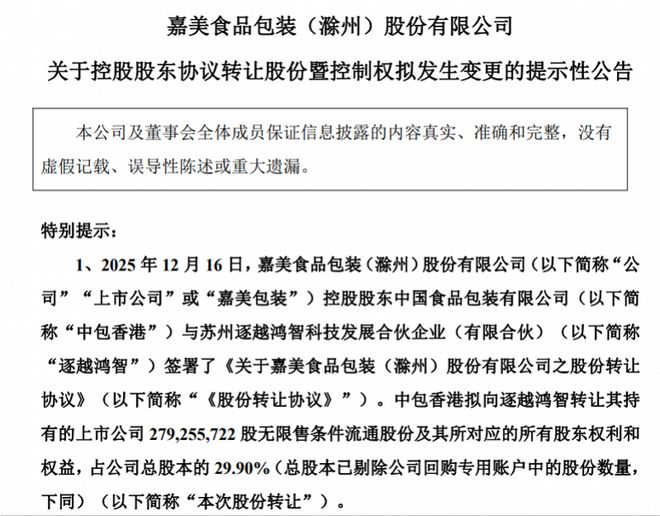
Core Viewpoint - The acquisition of 54.90% of Jamei Packaging by Zhuyue Hongzhi aims to integrate strategic resources and promote industrial upgrades, with a total transaction value of approximately 2.282 billion yuan [1][6]. Group 1: Acquisition Details - Zhuyue Hongzhi plans to acquire 54.90% of Jamei Packaging's shares through a combination of agreement and tender offer, with the stock resuming trading on December 17 [1]. - The acquisition will change the controlling shareholder from China Food Packaging Co., Ltd. to Zhuyue Hongzhi, with Yu Hao, founder of the high-tech brand Chasing Technology, becoming the actual controller of Jamei Packaging [1][6]. - The share transfer involves purchasing 279,255,722 shares at a price of 4.45 yuan per share, representing 29.90% of the total share capital, with additional plans for a tender offer to acquire 233,491,406 shares, or 25.00% of the total [5][6]. Group 2: Company Overview - Jamei Packaging is a leading platform enterprise in the beverage packaging industry, providing comprehensive services including research, design, production, and sales of beverage packaging containers [3][4]. - The company operates 17 subsidiaries and offers a wide range of beverage packaging solutions, including various types of cans and aseptic paper packaging, serving major clients like Yangyuan Beverage and Wanglaoji [3][4]. - Jamei Packaging has established a robust beverage filling service capability across multiple regions and product types, supporting both established brands and new entrants in the beverage market [4][5]. Group 3: Strategic Implications - The entry of Zhuyue Hongzhi is expected to leverage its strategic resources to empower Jamei Packaging in areas such as digitalization, smart manufacturing, and supply chain optimization, enhancing the company's competitiveness [2][3]. - Jamei Packaging holds a significant market share of approximately 20% in the beverage metal packaging market, positioning it favorably against competitors [6]. - The acquisition aligns with recent regulatory encouragement for market-oriented mergers and acquisitions aimed at technological innovation and industrial upgrades, indicating a trend towards deeper integration of traditional industries with technological advancements [6].
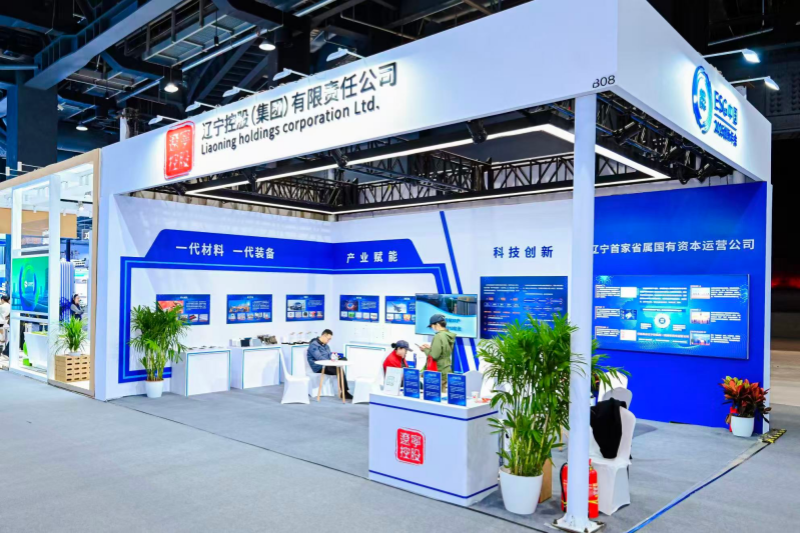
辽控集团:打造赋能东北振兴的“辽宁样本”
Xin Lang Cai Jing· 2025-12-17 12:43
Core Insights - Liaoning Holdings Group (Liaoning Group) is positioned as a "professional operator" of state-owned capital, focusing on fund investment, asset management, and equity management to drive industrial upgrades and capital flow [5][21][32] - The group aims to activate dormant state assets and consolidate dispersed capital to support the revitalization of Northeast China, aligning with national strategies [3][6][19] Group Positioning - Liaoning Group has established a clear focus on becoming a professional operator rather than a traditional enterprise manager, emphasizing three main areas: fund investment, asset operation, and equity management [5][21] - The group has implemented a three-tier management structure to enhance operational efficiency and has successfully streamlined over 160 legal entities during the 14th Five-Year Plan period [5][21][32] Innovative Practices - The group has developed a methodology tailored to the region's characteristics, utilizing market-oriented approaches to address systemic issues and create capital value [7][23] - Liaoning Group has leveraged funds to attract diverse capital, achieving a capital amplification effect of 5.4 times, which has facilitated significant investments in key sectors such as advanced manufacturing and semiconductor industries [9][26] Asset Management Strategies - The group employs a refined classification system for asset management, categorizing assets into valuable, low-efficiency, and high-risk groups to optimize their value [11][27] - Specific projects, such as the transformation of the Liaoning Industrial Exhibition Center into a cultural and commercial complex, exemplify the group's approach to revitalizing idle assets [12][28] Focus on Innovation - Liaoning Group prioritizes technological innovation, establishing partnerships with research institutions to convert key technologies into profitable industries [14][29] - The establishment of the provincial science and technology innovation platform aims to foster the development of technology-driven enterprises, with a projected R&D investment intensity of nearly 40% by 2025 [31] Compliance and Risk Management - The group emphasizes compliance and risk management as foundational elements of its operations, integrating risk control into all business processes [15][32] - Liaoning Group has achieved dual certification in international and domestic compliance management, reinforcing its commitment to safeguarding state assets and ensuring stable operations [15][32] Future Outlook - Looking ahead, Liaoning Group aims to create a multi-faceted capital structure that includes provincial state capital, central enterprise collaboration, and social capital participation to enhance the regional industrial framework [16][33] - The group's practices provide insights for local state-owned capital operations, emphasizing precise positioning, flexible methodologies, and a stable compliance foundation to achieve dual goals of asset preservation and strategic service [16][33]
安徽庐江:绿色矿山的智变之路
Zhong Guo Jin Rong Xin Xi Wang· 2025-12-17 12:07
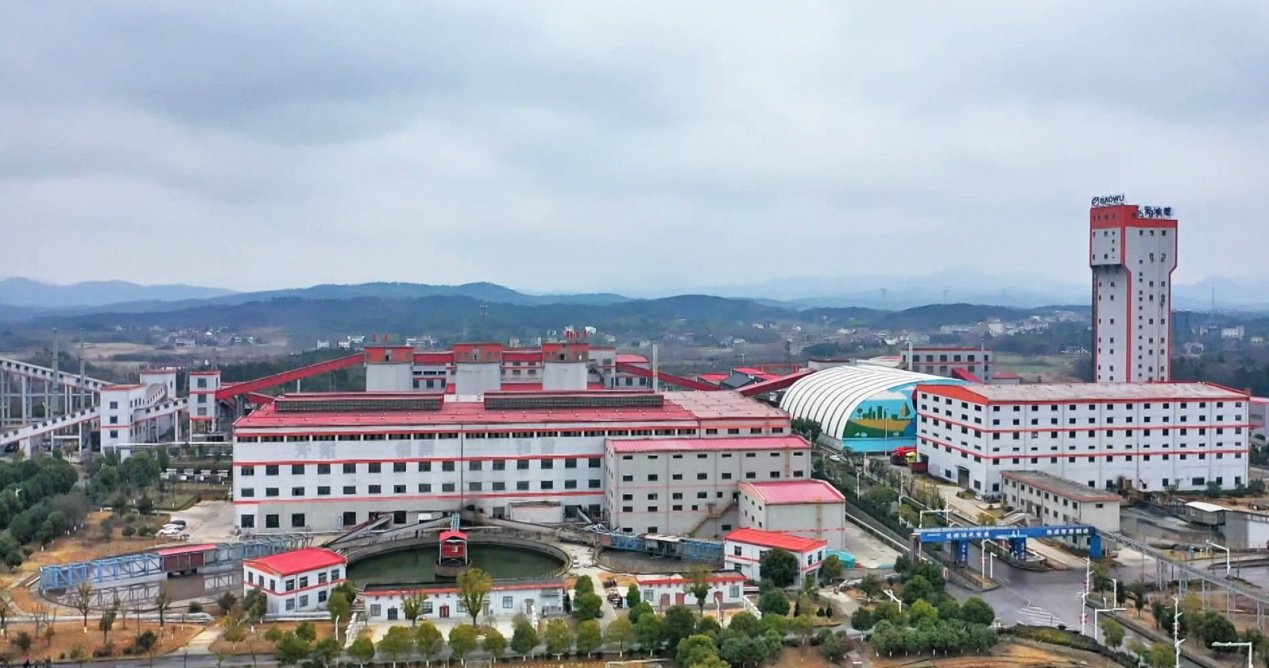
Core Viewpoint - The non-coal mining industry in Lujiang, Anhui, has achieved significant advancements in capacity and quality development, focusing on ecological and economic benefits since the "14th Five-Year Plan" began [1][9]. Group 1: Industry Developments - The Anhui Ma Steel Luhe Mining Co., Ltd. has transformed its mining area into a national-level green mine, featuring over 60,000 square meters of greenery and advanced digital monitoring systems [2]. - The company aims to enhance its competitiveness and better serve the local economy by advancing its "four modernizations"—mechanization, automation, information technology, and intelligence [2]. - The Anhui Tongguan (Lujiang) Mining Co. has implemented remote control technologies to improve safety and efficiency in underground operations, significantly reducing labor intensity [3]. Group 2: Policy and Governance - Lujiang County has adopted a comprehensive approach to promote industrial concentration and green development, ensuring all mines operate legally and sustainably [5]. - The establishment of a mining association in Lujiang County serves as a vital link between the government, enterprises, and technology, focusing on smart manufacturing and resource utilization [7]. Group 3: Performance Metrics - During the "14th Five-Year Plan," the number of mines in Lujiang was reduced from 26 to 21, leading to a more rational industrial structure [8]. - From January to November 2025, key underground non-coal mines in the county achieved an ore output of 11.3847 million tons and a production value of 4.755 billion yuan, reflecting a year-on-year increase of 19.16% and 47.94% respectively compared to the same period in the "13th Five-Year Plan" [8][9]. - The growth in economic, social, and ecological benefits has been achieved while maintaining stable safety production and improving environmental conditions [9].
中国并购基金发展报告:千亿资本重塑产业格局
Sou Hu Cai Jing· 2025-12-17 11:28
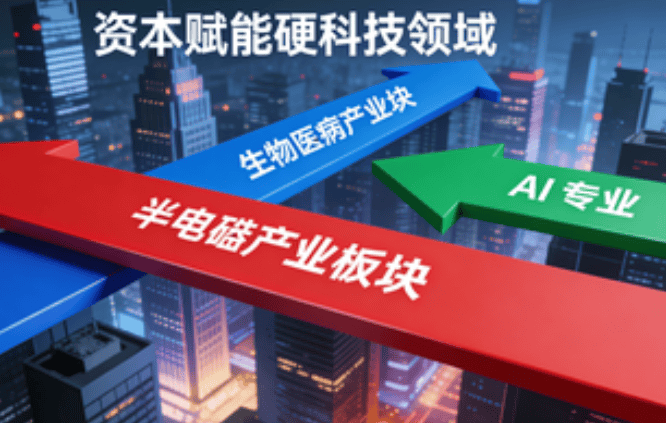
Core Insights - The establishment of the 30 billion Jingguo Chuangzhisuan M&A Fund has highlighted the growing significance of M&A funds in China's capital market, with a target fundraising scale exceeding 100 billion yuan and 29 new funds established in 2025, marking a seven-year high [1][4] - The shift in capital flow towards hard technology sectors is evident, with over 80% of the new funds targeting strategic emerging industries such as AI, semiconductors, biomedicine, and high-end manufacturing, compared to 55% in the same period of 2024 [1][4] - Policy enhancements have played a crucial role in this growth, transitioning from encouragement to empowerment, with new regulations facilitating the exit strategies for M&A funds [4][5] Capital Flow Trends - In 2025, over 80% of the newly established M&A funds are directed towards hard technology sectors, a significant increase from 55% in 2024 [1] - Six funds with over 10 billion yuan each are strategically positioned in core sectors, including AI infrastructure and semiconductor design [1] - The LP structure has shifted, with state-owned platforms and guiding funds now making up 50% of the 61 LPs, up 6 percentage points from 2024 [1] Regional Developments - Fujian Province leads the nation with 9 new funds, supported by a strong industrial base where strategic emerging industries account for over 28.8% of the province's output [2] - Beijing remains at the forefront with a total scale of 400 billion yuan, driven by the Jingguo Chuangzhisuan Fund, while Shanghai achieves a balanced layout with 200 billion yuan focused on integrated circuits and biomedicine [2] Policy Support - The 2025 M&A fund boom is attributed to a well-structured policy framework, with the government recognizing M&A funds as essential tools for revitalizing existing assets [4] - The revised management regulations allow for a reduced lock-up period for funds holding assets for over 48 months, enhancing LP investment willingness by 40% [5] - Policies are designed to promote industrial integration rather than mere scale expansion, with funds targeting specific regional advantages [5] Market Dynamics - The rise of M&A funds is reshaping the private equity landscape in China, with 158 private funds achieving exits through M&A in the first three quarters of 2025, a 62% increase from the previous year [7] - M&A funds are becoming essential tools for unlocking value in existing projects, with successful case studies demonstrating significant valuation increases [7] - Challenges remain, including valuation discrepancies in negotiations and the need for improved tax and approval processes for cross-regional M&A [7] Future Outlook - The establishment of large-scale funds in 2025 is expected to lead to a fruitful M&A market by 2026-2027, supported by ongoing policy backing and strong industrial demand [8] - M&A funds are anticipated to redefine resource allocation in the capital market and drive China's economic transition towards higher quality development [8]