银发经济

Search documents
“药”创新 “药”转型 “药”出海——上海生物医药行业面向“十五五”谋新篇布新局
Shang Hai Zheng Quan Bao· 2025-12-01 19:23
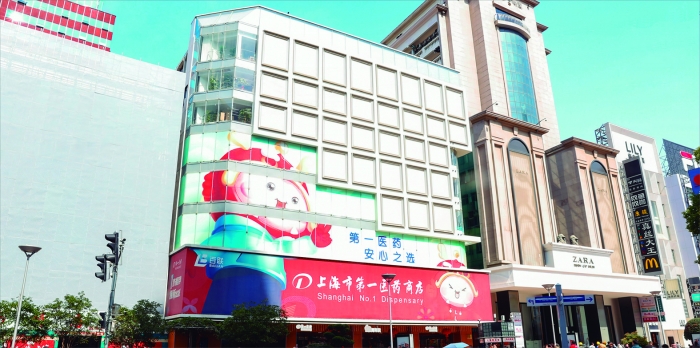
Core Viewpoint - Shanghai is emerging as a global hub for biopharmaceutical innovation, with local companies leveraging innovation, transformation, and internationalization to enhance their competitiveness on the world stage [4][6]. Group 1: Innovation - Junshi Bioscience has focused on unmet clinical needs, successfully launching its PD-1 monoclonal antibody, which has reshaped the landscape for domestic innovative drugs in international markets [4][5]. - Fosun Pharma has achieved significant milestones in innovation, including the development of China's first self-developed CAR-T cell therapy product and the first PD-1 monoclonal antibody approved for first-line treatment of small cell lung cancer [8][9]. - The company has established a comprehensive innovation system, with over 12 innovative drugs launched during the 14th Five-Year Plan period, focusing on oncology, immune inflammation, and chronic diseases [11][12]. Group 2: Transformation - First Pharmaceutical has adapted to the challenges posed by e-commerce in the pharmaceutical retail sector by integrating smart healthcare services, revitalizing its traditional pharmacy model [5][30]. - Fosun Pharma's transformation journey aligns with the rapid evolution of China's innovative drug industry, emphasizing a combination of generics and original innovations [5][11]. - Seer Bio has expanded its research into broader biotoxin treatments after mastering snake venom therapies, indicating a strategic shift towards a wider range of biological toxin therapies [5][26]. Group 3: Internationalization - Fosun Pharma has successfully penetrated international markets, with its anti-tumor innovative drug, Slulizumab, approved in approximately 40 countries, showcasing the company's global strategy [12][13]. - Junshi Bioscience has transitioned from a "single-point breakthrough" to "platform innovation," with its core product, Toripalimab, now available in major markets including the US and EU [16][17]. - The company is building a global commercialization network through partnerships and local teams, aiming to enhance its international presence [22][23]. Group 4: Market Challenges and Opportunities - First Pharmaceutical faces significant challenges in the pharmaceutical distribution industry, including regulatory changes, evolving sales models, and increased consumer expectations for professional services [32][33]. - Despite these challenges, First Pharmaceutical has reported substantial revenue growth, with sales increasing from 1.398 billion yuan in 2021 to 1.915 billion yuan in 2024 [32]. - The company is strategically focusing on the silver economy, aiming to develop integrated services for the elderly, aligning with national policies on aging [34][35].



大家健投杨宽:大家的家锚定城心养老,实践中国式养老服务
2 1 Shi Ji Jing Ji Bao Dao· 2025-12-01 13:05
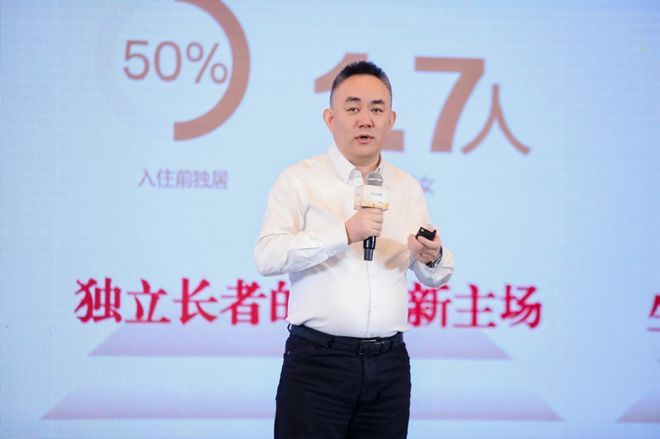
Core Insights - The "Fourth Insurance and Pension Integration and Development Forum" was successfully held in Hefei, focusing on addressing the real concerns of millions of Chinese families regarding pension issues and exploring the integration of insurance and pension solutions [1][4] - Yang Kuan, the head of Dajia Jiantou, shared insights on the "Urban Heart Pension" model, emphasizing its role in reshaping perceptions of elderly care and addressing the challenges of the silver economy [3][5] Urban Heart Pension Model - The "Urban Heart Pension" model emerged from a 2019 study by Dajia Insurance, highlighting the dual needs of the elderly for quality medical resources and emotional companionship [3] - This model focuses on creating a "new living space" for seniors in urban core areas, integrating medical proximity, family closeness, and community engagement [3] - The model has evolved from its initial concept to a comprehensive service capability, with the recent opening of the Dajia's Home Hefei Wutongli Urban Heart Community exemplifying this integration of urban culture and the "Urban Heart" concept [3] Development Trajectory - Since launching operations in Beijing in late 2019, Dajia's Home has established a strategic presence in 14 cities with 16 Urban Heart communities [3] - Notably, the average occupancy rate across six operational communities in cities like Beijing and Tianjin is nearly 90%, with specific communities achieving occupancy rates of 99% and 97% after five years of operation [3] Core Competencies - Dajia's Home is revitalizing state-owned assets like Qiyun Mountain Villa in Hefei, creating a dual benefit of pension services and urban renewal [5] - The company has developed a robust core competency system, including experience management, digital operations, and chain management, and has established a "Senior Experience Database" to enhance service precision [5] Contribution to Silver Economy - The silver economy is viewed as both an economic and social challenge, and Dajia's Home aims to innovate within the "Urban Heart Pension" model to enhance the quality of life for seniors [5] - The company seeks to contribute to the development of the silver economy by providing high-quality elderly care that fosters familial bonds and ensures a healthy, happy retirement for seniors [5]
联合国开发计划署发布报告 倡导构建包容可持续的老龄化社会
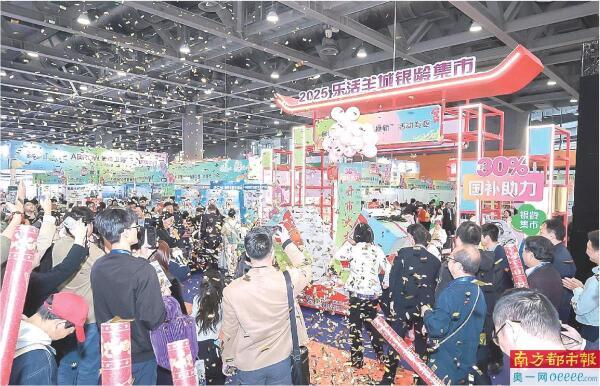
Zhong Guo Jing Ji Wang· 2025-12-01 10:05
Core Insights - The report released by UNDP and Industrial Securities focuses on the opportunities in the aging economy, emphasizing the importance of building an inclusive and sustainable elderly care ecosystem [1][2] - Industrial Securities has positioned itself early in the personal pension finance sector, being one of the first brokerages to pilot personal pension product distribution, with nearly 700,000 personal pension investment accounts opened [1] - The total scale of the pension fund managed by its subsidiary, Xingsheng Global Fund, is nearly 6 billion, with the first pension target fund achieving a return of 84.25%, ranking first in investment returns among similar products over the past three years [1] Report Highlights - The joint report titled "Financial Empowerment of China's Silver Economy: Promoting Inclusive and Sustainable Development in an Aging Society" identifies two core areas: matching the multi-level pension needs of the elderly with service supply and recognizing investment opportunities within the silver economy [2] - Additional reports focus on the construction of the elderly care service system and the well-being of the elderly population, addressing issues such as the significant structural differences in demand and regional imbalances in supply [2] - The report on the multidimensional vulnerability of the elderly population provides data assessments of the overall well-being of the elderly, offering a basis for precise service supply [2]

拼多多“爆改”草原传统产业:女工月入过万,全县2万人端稳就业碗
Quan Jing Wang· 2025-12-01 06:48
Core Insights - The article highlights the success of a clothing factory in Inner Mongolia, which has thrived due to the rise of e-commerce platforms like Pinduoduo, particularly during the Double Eleven shopping festival, with expected sales growth of 70%-80% compared to the previous year [1][4]. Group 1: Company Overview - The factory, founded by Hao Yu, specializes in camel wool clothing and has achieved annual sales exceeding 20 million yuan, transforming a previously overlooked industry into a booming business [1][5]. - The factory employs around 20,000 people in the local garment industry, with many workers earning over 10,000 yuan per month during peak seasons [1][9]. Group 2: Entrepreneurial Journey - Hao Yu's entrepreneurial journey began with a women's clothing e-commerce business, which provided the initial capital for his later ventures [2][3]. - After returning to Inner Mongolia, he identified a market opportunity in the aging population and decided to focus on warm clothing for the elderly, despite initial skepticism from peers [2][3]. Group 3: Business Model and Strategy - The factory initially operated on a contract manufacturing model before transitioning to direct sales on Pinduoduo, where it quickly gained traction, selling over 40,000 orders in its first year [3][4]. - The brand emphasizes quality over low pricing, aiming to create durable products that appeal to a broad audience, including younger consumers [4][5]. Group 4: E-commerce Impact - Pinduoduo's supportive policies, such as logistics cost reductions and operational guidance, have significantly contributed to the factory's growth and efficiency [5][6]. - The introduction of a centralized logistics model by Pinduoduo has reduced shipping costs to remote areas, leading to a 50% increase in orders from those regions [6][9]. Group 5: Workforce and Community Impact - The factory has provided employment opportunities for many local women, including those with limited education or previous job experience, contributing to their financial independence [8][9]. - The garment industry in Huade County has evolved from a declining sector to a "wealth-generating industry," with over 100 local manufacturers producing a wide range of clothing [9].

吉林省:到2030年,长春现代化都市圈经济总量力争达到1.35万亿元左右
Zheng Quan Shi Bao Wang· 2025-12-01 06:17
要深入推进城乡融合发展。持续推进"四好"农村路建设,补齐设施短板,完善公共服务功能,提升乡村 建设水平和生活品质。坚持以城带乡,推动城市基础设施、公共服务向乡村延伸。维护进城落户农民的 农村权益。缩小城乡差距、收入差距,推动实现共同富裕。 《实施方案》明确,要着眼动能转换,着力推进创新城市(300778)建设。具体而言,要激发城市发展 内生动力。因地制宜发展新质生产力,大力发展生产性和生活性服务业,积极发展首发经济、银发经 济、冰雪经济、低空经济、会展经济。推动装备制造等传统产业转型升级,发展壮大新能源等新兴产 业,加快布局具身智能等未来产业。打造"城市场景驱动+创新赋能",建设氢能、第五代移动通信网络 (5G)街区等应用场景。丰富拓展"公园+"场景业态。扩大"吉字号"品牌影响力。推动装配式建筑及智 能建造装备产业化。 要激活城市存量资源潜力。建立城市更新专项规划与国土空间规划有机衔接机制。摸清城市房屋、设 施、土地等资产资源底数。通过年度国土变更调查和城市国土空间监测等工作,综合识别城市存量空 间。结合国土空间规划体检评估,明确城市存量空间盘活优化规划目标和重点,推动分层编制、调整详 细规划。加强规划和土地 ...
银发经济活力涌动 “科技+服务”催生多样“智”享养老消费新场景
Yang Shi Wang· 2025-12-01 03:47
Core Insights - The recent implementation plan aims to enhance the adaptability of supply and demand in consumer goods, targeting the formation of three trillion-level consumption sectors and ten hundred-billion-level consumption hotspots by 2027, with the elderly products market being one of the trillion-level sectors [1] - The elderly products market in China has grown from 2.6 trillion yuan in 2014 to 5.4 trillion yuan in 2024, reflecting a compound annual growth rate of 7.3%, indicating a shift in consumption demand from basic needs to quality upgrades among the elderly [1] Group 1: Technological Innovations for the Elderly - The introduction of exoskeleton robots in parks allows elderly individuals to save approximately 30% of their physical energy while hiking, with over 30 units deployed for rental [3] - New AI products, such as intelligent wheelchairs and smart bathing machines, are being developed to meet the specific needs of the elderly, enhancing their quality of life and convenience [4][8] - The acceptance of technology among the elderly is rising, with 68.2% of individuals aged 60-75 using smart devices, indicating a transition from "aging with care" to "aging with enjoyment" [8] Group 2: Elderly Tourism Trends - The elderly tourism market has evolved from traditional sightseeing to a more personalized and quality-focused experience, with over 280 million elderly tourists expected in 2024 [8] - Customized travel products are increasingly being offered to meet the specific preferences of elderly travelers, with a 42% year-on-year growth in cross-province travel orders for the 55-70 age group [16] - Train services for elderly tourists are implementing personalized management and catering to dietary needs, enhancing the overall travel experience [14][16] Group 3: High-Quality Elderly Care Services - High-quality elderly care services are becoming a core support for the silver economy, driven by policy guidance and market demand, focusing on integrated medical and elderly care [17] - The integration of medical insurance across regions is facilitating easier access to healthcare for elderly individuals, with significant reductions in out-of-pocket expenses [20] - The development of elderly care centers is supported by government funding, with a notable increase in the number of facilities and beds available, promoting a higher quality of life for the elderly [24]

英大证券晨会纪要-20251201
British Securities· 2025-12-01 01:39
Market Overview - The A-share market experienced a rebound last week, with the Shanghai Composite Index closing at 3888.60 points, up 0.34% [5] - The overall market sentiment improved, but the rebound strength was limited due to insufficient incremental capital inflow, with trading volume around 1.6 trillion yuan [2][14] - Key resistance is noted around the 4000-point mark, where historical selling pressure exists, restricting upward movement [14] Short-term Outlook - The market is expected to enter a phase of oscillation and gradual repair, with a warning of potential pullbacks after the rebound [3][15] - The ability to expand trading volume will be crucial for sustaining the rebound; low trading volume may lead to a return to range-bound trading [3][15] - Investors are advised to monitor changes in trading volume, capital flow, and policy developments closely [15] Sector Performance - Technology sectors, particularly artificial intelligence and semiconductor industries, showed strong performance, while other sectors lacked clear support for growth [14] - Consumer stocks, including dairy and food and beverage sectors, have been rising due to government policies aimed at boosting consumption [7][9] - New energy sectors, including batteries and photovoltaic equipment, are expected to continue their rebound, supported by ongoing demand for carbon neutrality [8][9] Investment Strategy - A focus on individual stocks rather than indices is recommended, with strategies such as balanced allocation and high-low trading [3][15] - Investors should target stocks with strong earnings support while avoiding high-valuation stocks lacking performance backing [15] - The report emphasizes the importance of selecting stocks in sectors with robust fundamentals, such as technology growth and cyclical industries [15]
李璐:精准施策发展银发经济
Jing Ji Ri Bao· 2025-12-01 00:57
Core Viewpoint - The silver economy is experiencing significant development across various regions in China, driven by policies, market dynamics, and demand, making its advancement over the next five years a logical necessity [1] Historical Logic - The silver economy originated from elderly welfare and care services, evolving into an upgraded version of the aging industry. Initially, China established a welfare system targeting vulnerable elderly groups. In 2000, the Ministry of Civil Affairs issued a notice to expand service areas for elderly care beyond just state-supported groups. Over the years, the elderly care service system has transitioned from a government-led "aging cause" to a multi-entity supplied "aging industry" [1] - With the deepening of population aging, the silver economy's scope is expanding, enriching various sectors such as elderly services, products, technology, and finance. In early 2024, the State Council issued 26 measures to promote the silver economy, indicating a shift towards a more integrated approach with macroeconomic objectives [1] Theoretical Logic - The silver economy is characterized by its dual attributes of market and welfare, making it a long-cycle, stable-return sector. It represents an innovative attempt to construct a welfare economics paradigm with Chinese characteristics, transforming the demographic challenge of aging into a development advantage [2] - As elderly individuals increasingly participate in economic activities, the silver economy is becoming a typical representation of a welfare economics model that is co-built and shared by the entire population [2] Practical Logic - Developing the silver economy is crucial for addressing population aging and achieving modernization in China. It aims to convert elderly consumption and investment into new momentum for modernization, thereby transforming the elderly from passive beneficiaries to active contributors [2] Challenges and Policy Recommendations - The silver economy in China is still in its early stages, facing challenges such as insufficient effective demand, suboptimal market supply, and lack of systematic policy support. To accelerate its development, three strategies are proposed: - Increase government public consumption support to enhance elderly income and consumption capabilities through targeted fiscal measures [3] - Promote "age-friendly" industrial policies to address the lack of commercial scenarios catering to elderly consumers, supporting diverse development across various sectors [3] - Establish a guiding statistical monitoring system for the silver economy to better track industry trends and developments [4]
中金 | “十五五”研究系列:哪些领域有望受益银发经济?
中金点睛· 2025-11-30 23:49
Core Viewpoint - The article emphasizes the importance of the "Silver Economy" in China's response to population aging, highlighting both opportunities and challenges in the capital market due to demographic changes [2]. Summary by Sections Definition and Scope of Silver Economy - The concept of the Silver Economy is evolving, with different definitions across countries based on their economic development and aging stages. The first official policy document in China, titled "Opinions on Developing the Silver Economy to Promote the Well-being of the Elderly," defines it as a series of economic activities providing products or services to the elderly and preparing for aging, covering a wide range of sectors and showing significant potential [3][4]. Development Trends of Silver Economy in China - China entered an aging society in 2001 when the population aged 65 and above exceeded 7%. By 2021, this figure rose to 14.2%, with over 200 million elderly individuals. Projections indicate that by 2032, this demographic will surpass 20%, marking the transition to a super-aged society. The elderly dependency ratio is expected to increase from 10% in 2001 to 23% in 2024, and further to 34% and 52% by 2035 and 2050, respectively [5][6]. Market Size and Government Support - The current market size of China's Silver Economy is estimated at approximately 7 trillion yuan, projected to grow to around 30 trillion yuan by 2035, accounting for about 10% of GDP. The consumption patterns of the elderly are shifting from basic needs to quality of life improvements, driven by enhanced education and wealth levels. The government has introduced various policies to support the development of the Silver Economy, including the "14th Five-Year Plan" and the recent comprehensive policy document outlining 26 specific tasks [6][7]. Investment Opportunities in Capital Markets - The growth of the elderly population and the transformation of consumption patterns are expected to create investment opportunities in several sectors, including: - **Healthcare and Pharmaceuticals**: Companies focusing on drugs for common elderly diseases and medical devices like artificial joints and rehabilitation robots are likely to benefit [8]. - **Elderly Consumer Goods**: The shift towards quality demands in food, smart home devices, and services like travel and education for the elderly presents growth potential [8]. - **Insurance and Financial Services**: The aging population is driving innovation in life insurance and health insurance products, making these sectors attractive for investment [9]. - **Technology and Smart Elderly Care**: The integration of AI and IoT in elderly care products is gaining traction, with significant market interest in smart caregiving solutions [9].

金融向善·产业赋能 ——广东中行倾情助力第十一届SIC老博会
Nan Fang Du Shi Bao· 2025-11-30 23:08
Core Viewpoint - The article highlights the participation of the Bank of China Guangdong Branch in the 11th China International Aging Industry Expo, showcasing innovative financial products and services aimed at the elderly population, emphasizing a "financial + scenario" model to enhance elderly care services [8][9]. Group 1: Event Participation and Offerings - The 11th China International Aging Industry Expo was held from November 27-29, where the Guangdong Branch of the Bank of China presented various key elderly financial products and services [8]. - The bank's participation attracted numerous visitors, showcasing a one-stop service solution that includes wealth planning, livelihood services, and cultural activities for the elderly [8][9]. Group 2: Strategic Initiatives and Collaborations - The Guangdong Branch collaborated with the Guangzhou Social Welfare and Elderly Service Association to create the "2025 Happy Aging Market," featuring over a thousand elderly-friendly products and services [9][10]. - The bank has established a strategic partnership with the Guangzhou Civil Affairs Bureau in the elderly care sector, having served over 70,000 elderly clients through the "Silver Age Market" initiative over the past three years [9][10]. Group 3: Financial Innovation and Community Engagement - The bank introduced a community elderly care model called "15-minute elderly service circle," integrating financial services into daily activities such as shopping and health management [10]. - The "Bank of China Five Hearts" cross-border elderly financial service system was launched, focusing on providing tailored services for residents from Hong Kong and Macau [10][11]. Group 4: Commitment to Elderly Financial Services - The Guangdong Branch has established 110 elderly service demonstration points across the province, enhancing service quality and reducing wait times for elderly clients [11][12]. - Future plans include continuing to innovate in elderly financial services, optimizing service processes, and promoting cross-regional financial collaboration to support the high-quality development of the elderly economy in Guangdong [12].