
即时零售

Search documents
线下温和回暖、线上加速出清白酒市场的“双面旺季”
Bei Jing Shang Bao· 2025-09-25 12:51
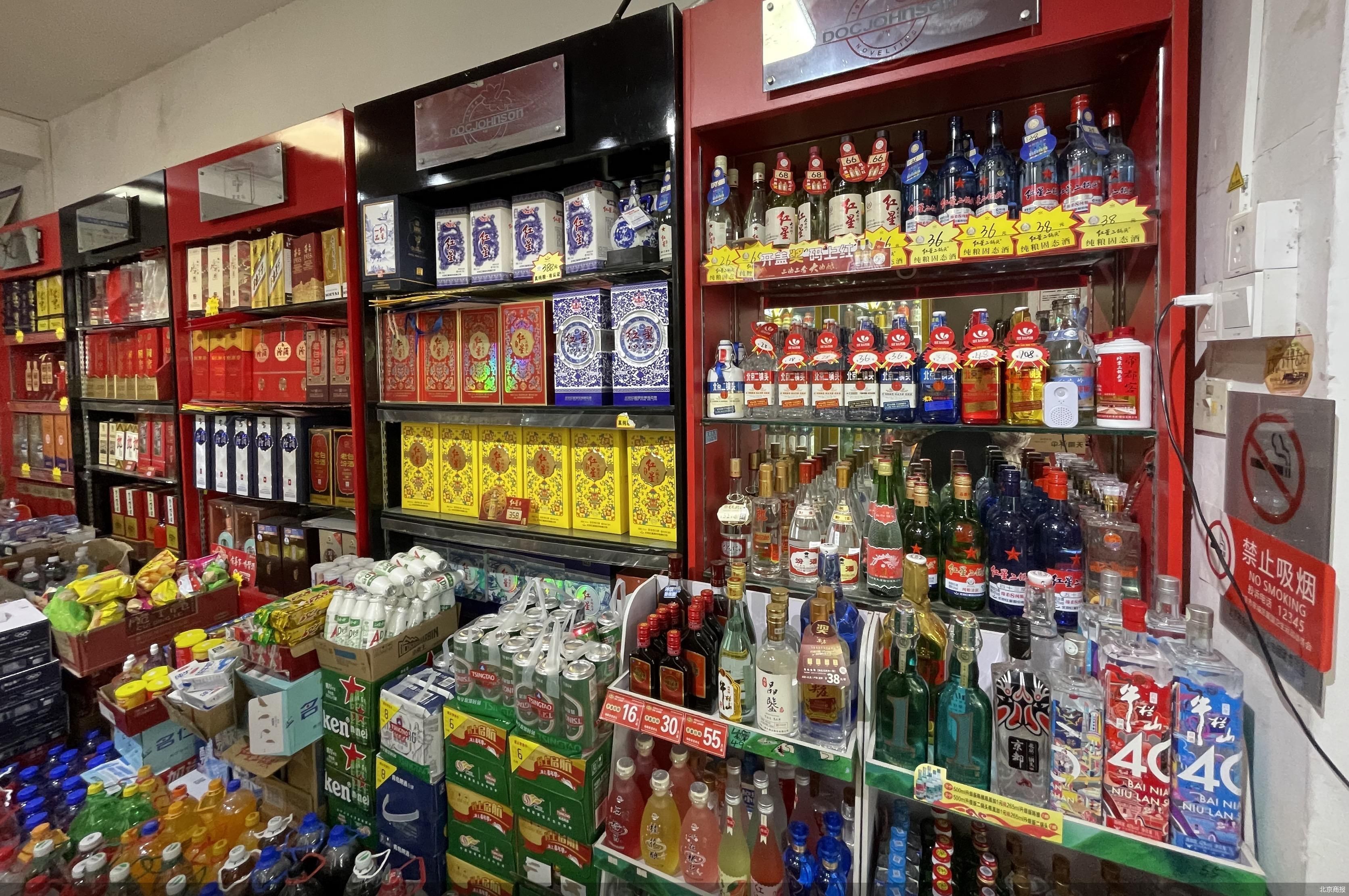
Core Viewpoint - The offline channels are gradually recovering before the Mid-Autumn Festival and National Day, while online instant retail channels are emerging as a new battleground for the industry [1][6][14] Offline Market Recovery - Offline terminal markets are showing a mild recovery as the Mid-Autumn Festival and National Day approach, although overall consumption remains weaker compared to previous years [4][5] - Retailers are cautious in stocking up due to existing inventory from the off-season, leading to a more conservative approach compared to previous years [4][5] - The China Alcoholic Drinks Association reported that the average inventory turnover days for the industry reached 900 days in the first half of 2025, a 10% year-on-year increase, with inventory levels rising by 25% [4] - Guojin Securities noted that while there is a slight recovery in sales, the overall consumption sentiment remains below last year's levels, with a projected year-on-year decline of about 20% in sales during the festive window [4][5] Online Instant Retail Growth - In contrast to the offline market, online channels are experiencing rapid growth due to the rise of instant retail, becoming a new growth point for liquor sales [6][12] - Various platforms, such as Meituan, are offering quick delivery services for a wide range of liquor products, enhancing consumer convenience [11][12] - The collaboration between liquor brands and instant retail platforms is becoming a trend, with several companies forming strategic partnerships to enhance their online presence and sales [12][13] Changing Consumption Scenarios - The competition in the liquor industry is shifting from price and channel battles to creating lifestyle and consumption scenarios [14][15] - Traditional high-end consumption scenarios are declining, with a reported 60%-80% drop in liquor sales for business banquets [14] - New consumption scenarios are emerging, such as home drinking, camping, and casual gatherings, leading to a demand for smaller, more portable liquor products [15] - The rise of outdoor activities is prompting liquor companies to market their products as essential items for camping, with a focus on small packaging and convenience [15] Integration of Online and Offline Channels - The liquor industry is gradually building a new ecosystem that integrates online and offline channels, enhancing consumer experience through a combination of brand promotion, product cultivation, and consumer interaction [16]

国泰海通 · 晨报0926|债市、白酒
国泰海通证券研究· 2025-09-25 12:07
Group 1: Core Views - Mexico's debt market is one of the most mature and well-structured fixed income markets in Latin America, characterized by a diverse range of government bonds and a transparent debt management mechanism [2][3][4] Group 2: Macroeconomic and Debt Environment - Mexico experienced rapid economic expansion in the 1970s due to oil exports and foreign investment, leading to a significant increase in debt, with external debt exceeding 60% [2] - The debt crisis in 1982 was triggered by the oil crisis and rising U.S. interest rates, but reforms in the 21st century have gradually improved debt structure and management [2] - By 2025, the total amount of government bonds is projected to reach 14.5 trillion pesos, with an increasing proportion of fixed-rate and inflation-linked bonds, reflecting a strategy for long-term, low-interest financing [2] Group 3: Bond Market Characteristics - The Mexican bond market features a variety of instruments, including short-term treasury bills, floating-rate bonds, and inflation-linked bonds, with total government bonds exceeding 14.5 trillion pesos by September 2025 [4] - Domestic institutional investors dominate the market, while foreign investors play a crucial role in enhancing the market's internationalization and pricing transparency, holding approximately 1.76 trillion pesos of total government bonds [4] Group 4: Risks and Investment Strategies - The Mexican bond market faces multiple risks, including exchange rate, interest rate, credit, and liquidity risks, necessitating a focus on duration management as a core investment strategy [5] - Investors are advised to adjust bond portfolio duration to hedge against interest rate cycles and inflation expectations, while also considering credit spreads and macroeconomic data for optimal selection [5] - Diversifying currency risk and including hard currency-denominated bonds can help buffer against peso volatility, emphasizing a balanced approach to risk and return [5]


国泰海通|食饮:白酒:即时零售渠道兴起——白酒新渠道专题报告
国泰海通证券研究· 2025-09-25 12:07
报告导读: 2025 年以来供需共同驱动即时零售渠道扩张,本轮渠道浪潮有望为酒类品牌 提供结构性机会,白酒、啤酒等领域具备较强渠道力和资金实力的企业有望受益。 投资建议: 零售渠道正经历变革、呈现结构性增长,即时零售成为酒类渠道亮点。 1 )白酒仍在磨底,全国化名酒及区域头部酒企韧性相对较强、具备领先 的渠道开拓能力和资金实力 ; 2 )啤酒作为酒类第二大品类、客群广泛,在即时零售中的参与度较高,推荐龙头及成长标的 。 即时零售:大盘景气,酒类积极参与。 我国零售行业经历了传统零售、电商、新零售的发展过程,即时零售极大缩短履约时间、丰富消费者选择。近年来我 国即时零售规模迅速扩大, 2025 年外卖大战边际催化,行业有望在未来几年维持双位数增长。具体到酒水领域,酒类即时零售最早发源于 1919 、酒小二 等垂类平台, 2015 年前后加速,形成垂类、平台型、仓店一体型、前置仓型 4 类渠道模式;与此同时酒企加大布局与合作,酒类即时零售渗透率显著提 升。 我们认为酒类即时零售的兴起主要有三方面原因。 一是消费习惯改变,消费者愈发追求便捷,且临时需求激发后希望快速得到满足。二是契合性价比需求, 压缩流通环节的同时 ...

白酒:即时零售渠道兴起:白酒新渠道专题报告
GUOTAI HAITONG SECURITIES· 2025-09-25 11:51
白酒:即时零售渠道兴起 [Table_Industry] 食品饮料 白酒新渠道专题报告 | [姓名table_Authors] | 电话 | 邮箱 | 登记编号 | | --- | --- | --- | --- | | 訾猛(分析师) | 021-38676442 | zimeng@gtht.com | S0880513120002 | | 颜慧菁(分析师) | 021-23183952 | yanhuijing@gtht.com | S0880525040022 | | 李美仪(分析师) | 021-38038667 | limeiyi@gtht.com | S0880524080002 | 本报告导读: 2025 年以来供需共同驱动即时零售渠道扩张,本轮渠道浪潮有望为酒类品牌提供结 构性机会,白酒、啤酒等领域具备较强渠道力和资金实力的企业有望受益。 投资要点: [Table_Invest] 评级: 增持 [Table_Report] 相关报告 食品饮料《关注低估值&确定性带来价值修复机 会》2025.09.20 食品饮料《社零环比降速,线上稳中有升》 2025.09.18 食品饮料《白酒报表逐步出清,茅 ...
国泰海通:即时零售成为酒类渠道亮点 全国化名酒及区域头部酒企韧性相对较强
智通财经网· 2025-09-25 02:40
一是消费习惯改变,消费者愈发追求便捷,且临时需求激发后希望快速得到满足。二是契合性价比需 求,压缩流通环节的同时节省运营成本,叠加部分平台投入费用补贴,价格优势明显。三是供给侧驱 动,渠道方有意通过新兴渠道获取增量,品牌方为增加触达和收入愿意配合渠道进行推新、宣发等动 作。 即时零售是白酒变革期的一种尝试,预计将持续扩容 对白酒行业而言该行认为即时零售利弊兼具,利在于高效履约可创造一部分增量,且有助于品牌触达年 轻群体;弊在于线上渠道难以提供社交、鉴真服务及情绪价值,对产品价格体系有所影响,可能冲击品 牌形象。回顾历史,白酒周期更替通常伴随渠道变革,当前行业深度调整,较弱的价格和动销、较高的 库存冲击线下传统渠道利润和现金流,而线上渠道仍较为景气,拥抱即时零售不失为一种应变方式。中 外对比来看,海外国家亦有此类尝试,证明了酒水即时零售的可行性,考虑海外商品消费线上化率整体 低于国内、尤其欧美国家配送效率及成本优势一般,该行认为国内酒水即时零售还有较大发展空间。据 美团闪购测算2027年我国酒类即时零售市场规模有望达1000亿元、复合增速有望接近中双位数,白酒、 啤酒等核心品类有望受益。 风险提示:渠道转型及扩 ...

酒类流通平台壹玖壹玖陷资金困境?加盟商曝其“以货抵债”
Nan Fang Du Shi Bao· 2025-09-24 23:51
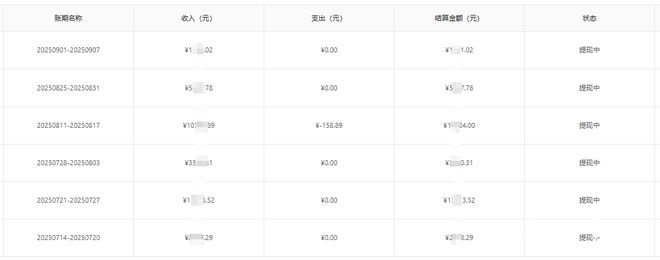
Core Viewpoint - The company 1919, a leading player in the liquor distribution sector and the first to be listed on the New Third Board, is facing significant financial difficulties, including large-scale delays in payments to franchisees, which has led to cash flow issues for many stores [1][2][4]. Group 1: Financial Difficulties - Since June 2023, 1919 has reportedly begun to delay payments for online business settlements, causing financial strain for franchisees [1][2]. - A complaint letter indicates that 1919 has not paid franchisees for online orders since June, with amounts owed ranging from tens of thousands to hundreds of thousands of yuan per store [1][2]. - Franchisees have expressed frustration over the lack of clear communication regarding payment timelines, receiving only vague responses from the company [1][2]. Group 2: Business Model and Operations - 1919 operates as a liquor e-commerce platform, primarily sourcing products from distributors and selling them through both physical stores and online platforms [3][4]. - The company has shifted from a direct sales model to a franchise model, with a significant increase in the number of franchise stores, which now account for a large portion of its operations [10][11]. - The company has faced cumulative losses exceeding 1.5 billion yuan, despite rapid expansion and increased store numbers over the years [7][8]. Group 3: Franchisee Relations - Franchisees have reported that the delayed payments have severely impacted their ability to cover essential expenses such as rent and salaries [4][10]. - In response to the financial crisis, 1919 has proposed a "goods-for-pay" scheme to franchisees, allowing them to offset debts by purchasing inventory, although not all franchisees are willing to accept this arrangement [12][11]. - Some franchisees have indicated that they are unwilling to accept the proposed inventory as they already have unsold stock, and they are considering legal action to recover owed payments [12][11].
小红书,接了淘宝“扔掉的生意”?
3 6 Ke· 2025-09-24 11:10
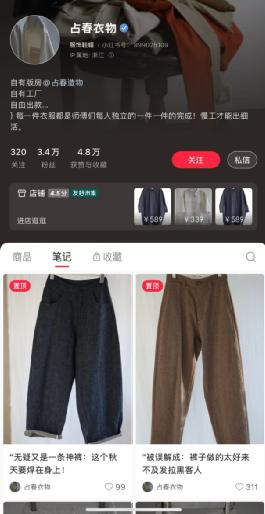
Group 1 - The core viewpoint of the article is that Xiaohongshu is making a significant push into e-commerce by launching a buyer window and offering incentives to new buyers, indicating a strategic shift towards enhancing its e-commerce business [1][2][7] - Xiaohongshu's monthly active users have surpassed 350 million, with an average daily usage time of over 74 minutes, and 170 million users seeking purchases each month [1] - The e-commerce landscape is highly competitive, with major players like JD.com and Taobao aggressively vying for market share, particularly in instant retail [3][5] Group 2 - Xiaohongshu's unique selling proposition lies in its focus on "non-standard" products, which are personalized and cater to niche demands, contrasting with the price and quality competition of other platforms [4][11][12] - The platform's user demographics are primarily female, with strong purchasing power and a preference for personalized, non-standard products [12] - However, challenges exist in the non-standard product market, including unstable demand and difficulties in after-sales service and quality assurance [13][16][17] Group 3 - The potential market for non-standard products may be limited, as evidenced by the performance of similar platforms like Etsy, which, despite being a leader in its niche, has a significantly lower GMV compared to giants like Amazon [18][20][21] - Xiaohongshu's approach to e-commerce is influenced by its desire to maintain the integrity of its community content, which emphasizes usefulness over mere commercial transactions [26][29][53] - The article suggests that while Xiaohongshu faces many opportunities in e-commerce, it also encounters substantial challenges that will require time to navigate [55]
宣布大消息,阿里巴巴放量大涨
Zhong Guo Ji Jin Bao· 2025-09-24 10:58
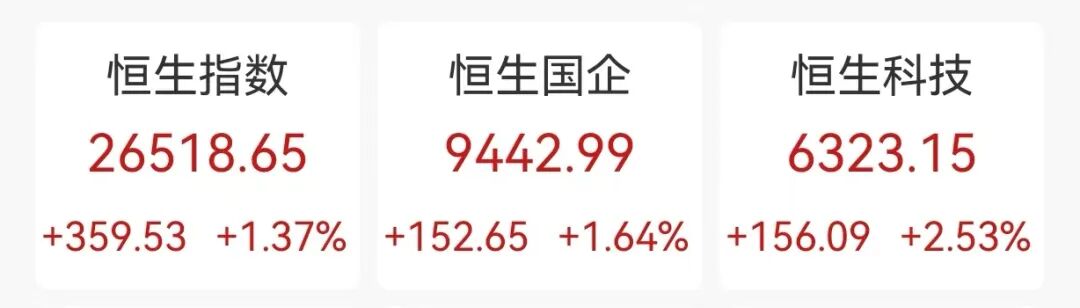
Group 1: Alibaba's Partnership with NVIDIA - Alibaba announced a partnership with NVIDIA to develop Physical AI, significantly upgrading its AI infrastructure with an additional capital expenditure of 380 billion yuan [4] - Following the announcement, Alibaba's stock surged by 9.16%, closing at 174.00 HKD per share, with a trading volume of 44.09 billion HKD, nearly four times that of the second-highest stock [4] - Alibaba's CEO emphasized the importance of large models in the evolution from AGI to ASI, stating that they will serve as the core interface for user and software interactions [4][6] Group 2: AI Infrastructure Investment - Alibaba plans to enhance its AI infrastructure, with a projected tenfold increase in energy consumption at its global data centers by 2032 compared to 2022 [6] - The company is expected to drive growth in its cloud business through significant investments in AI infrastructure, with forecasts for adjusted net profits of 140.5 billion yuan, 162.9 billion yuan, and 189.8 billion yuan from 2026 to 2028 [6][7] Group 3: Semiconductor Industry and SMIC - SMIC's stock rose by 5.72%, reaching a historical high of 76.75 HKD per share, driven by expectations of increased demand for AI chips in China [8] - Analysts project SMIC's revenue to reach 67.7 billion yuan, 77.9 billion yuan, and 89.6 billion yuan from 2025 to 2027, with net profits of 5.1 billion yuan, 6.2 billion yuan, and 7.4 billion yuan respectively [8] - The semiconductor capital expenditure is expected to grow by 14% in 2025, reaching 148 billion USD, with a 12% increase in the global equipment market size [9]

方正证券:维持阿里巴巴-W(09988)“强烈推荐“评级 关注大促淘天表现与超预期可能
Zhi Tong Cai Jing· 2025-09-24 09:51
Core Viewpoint - Fangzheng Securities maintains a "strong buy" rating for Alibaba-W (09988), highlighting the company's successful integration of instant retail and e-commerce, as well as rapid growth in its cloud business, which opens up a second growth curve [1] Group 1: Financial Projections - The company is expected to achieve revenues of 1,058.6 billion, 1,169.0 billion, and 1,269.9 billion yuan for the fiscal years 2026, 2027, and 2028 respectively, with net profits of 111.6 billion, 145.1 billion, and 173.7 billion yuan [1] Group 2: Strategic Developments - Alibaba has restructured its business from a 1+6+N model to four major segments, completing the strategic integration of Taotian Group, Ele.me, and Fliggy, thereby creating Alibaba China E-commerce Group [2] - The launch of the Taobao membership system integrates member benefits across various Alibaba resources, leading to a significant increase in the 88VIP user base, which reached over 53 million, reflecting a double-digit year-on-year growth [2] Group 3: User Engagement and Traffic - The introduction of Flash Purchase integrates high-frequency scenarios such as takeout, travel, and local life with e-commerce, enhancing daily active users on Taobao and fulfilling one-stop shopping needs [2] - In August, the average daily orders for instant retail reached 80 million, contributing to a 20% increase in monthly active users on the Taobao app, which in turn boosted advertising and customer management revenue [2] Group 4: AI and Efficiency - Alibaba is leading in AI investment within the industry, with e-commerce being a key application area. The recent launch of the "Wanshangtai AI Unlimited" aims to provide merchants with a smarter and more reliable AI partner for operational efficiency and growth [3]

顺丰同城20250923
2025-09-24 09:35
Summary of SF Express City Conference Call Company Overview - SF Express City is the largest independent third-party instant delivery service provider in China, achieving its first profit in 2023 with a net profit of approximately 50 million yuan, and is expected to double its profit in 2024, driven by rapid growth in merchant delivery and last-mile delivery services, both exceeding a compound growth rate of 30% [2][5] Core Business Insights - The instant retail model meets consumer demand through hourly delivery, relying on front warehouses and regional supply chains for high-frequency fulfillment. SF Express City excels in on-time delivery rates and low order rejection rates, enhancing customer loyalty through dedicated delivery personnel for major clients [2][3] - Instant retail is experiencing rapid growth due to changes in consumer behavior, smaller household needs, and fragmented work hours. Competitors like Meituan and JD have established supply chains and last-mile capabilities, driving market expansion [2][8] - Instant retail complements traditional e-commerce, primarily covering perishable goods, daily necessities, and healthcare products, which require high timeliness. E-commerce giants are accelerating their entry into the instant retail market, with ongoing subsidies expected, especially during major sales events like Double Eleven [2][9] Financial Performance and Projections - SF Express City's revenue structure includes 42% from merchant delivery services, 42% from last-mile delivery, and 15% from personal delivery services. The growth in merchant and last-mile services is driven by increasing demand from brand owners and e-commerce platforms [6] - The company’s cost structure is primarily based on labor outsourcing, allowing for a light asset operation model. Increasing rider density and order volume creates a positive cycle, improving fulfillment capabilities and reducing delivery costs, with the cost per delivery now below 5 yuan, approaching Meituan's level [12][16] Market Position and Competitive Advantage - SF Express City holds a leading position in the instant delivery market, with its top four clients accounting for 40% of revenue. It commands an 8% market share, significantly higher than competitors like Flash Delivery at 2% [16] - The company benefits from a neutral positioning, not charging commission fees but earning from delivery service fees, providing a cost advantage on high-value orders. It focuses on meeting brand clients' timeliness and fulfillment requirements, attracting partnerships with major brands like Sam's Club and Huawei [14][15] Future Growth Potential - The instant retail market is projected to reach nearly 2 trillion yuan by 2033, with a compound growth rate of 20% to 30%. The demand for instant retail is expected to grow rapidly, driven by the expansion of e-commerce platforms [11][18] - SF Express City is expected to see its net profit double in 2025 and 2026, potentially reaching around 900 million yuan by 2027, with a valuation of approximately 11 to 12 times earnings [18] Strategic Collaborations - Collaboration with SF Group helps reduce costs and improve efficiency, as the demand for instant retail and express delivery peak at different times, allowing for better resource allocation [17] - The company is expected to increase its share of group express collection from less than 30% to over 40% in the coming years, enhancing operational efficiency [17] Conclusion - The growth of the instant retail market and strategic collaborations position SF Express City for significant future growth, reinforcing its market leadership and operational efficiency in the competitive landscape of instant delivery services [19]