贸易保护主义

Search documents
中美谈判后,英国反成最大赢家?特朗普下禁令,不许中国做一件事
Sou Hu Cai Jing· 2025-06-17 09:09
近日,中美在日内瓦的经贸高层会谈引发全球关注,《中美日内瓦经贸会谈联合声明》随之公布。 6月12日,特朗普在白宫签署决议,阻止加利福尼亚州在2035年之前禁售燃油新车计划,同时撤销美国环境保护局于2023年批准的加州"零排 放重型卡车递增计划",废除加州针对重型车辆及发动机实施的低氮氧化物排放标准。这一决策背后,是美国国内不同利益集团的博弈。一些 汽车制造商和石油公司认为加州目标难以实现,特朗普此举符合其利益;但对加州政府和环保团体而言,却是沉重打击,他们认为加州法规 对车辆清洁化与减少污染至关重要,加州州长纽森称联邦政府和国会此举非法,并誓言法庭诉讼。此事件也反映出特朗普政府在能源和环保 政策上的倾向,可能对美国汽车产业未来发展方向产生影响,而这背后也可能存在对中国新能源汽车产业发展的忌惮,试图通过维持传统燃 油车产业优势,在全球汽车产业竞争中应对中国的崛起。 此外,特朗普还在多个领域对中国采取限制措施。此前签署的"外国公司问责法案",规定外国公司若连续三年未能通过美国公众公司会计监 督委员会审计,将禁止在美国任何交易所上市,该法案虽名义上针对所有国家公司,实则主要针对在美上市中企,如阿里巴巴、拼多多等, ...

贸易战让美元“自戕”,韩元转而“锚定”人民币
Hua Xia Shi Bao· 2025-06-17 07:56
Group 1 - The US dollar index has declined by 9.4% this year, with a 5.54% drop in the last two months, raising concerns about the US government's policy confidence and the dollar's status as a global safe-haven currency [2] - In contrast, the offshore RMB has appreciated by 1.63% against the US dollar this year, with a 0.57% increase in the last two months, demonstrating stability compared to other currencies [2] - The South Korean won has also shown strength, rising 7.85% against the US dollar this year, with a 7.13% increase in the last two months, indicating a similar trend to the RMB [2] Group 2 - The Bank of Korea has reported a strong correlation between the won and the RMB, with an average correlation coefficient of approximately 0.6 since 2018, suggesting that the won's value may be influenced by RMB fluctuations [3] - The correlation between the two currencies is asymmetric; it strengthens when the won depreciates and weakens during periods of won appreciation [3][4] - The deep trade relationship between South Korea and China, along with shared exposure to the US dollar, is identified as a core reason for the increased linkage between the two currencies [4] Group 3 - South Korea has become China's second-largest trading partner after the US, with trade volume projected to reach 2.33 trillion yuan in 2024, significantly impacting currency values [5] - China has consistently been South Korea's largest trading partner, accounting for approximately 21% of South Korea's total trade in 2023 [5] - A currency swap agreement worth 400 billion yuan between South Korea and China has been established, enhancing the stability of the RMB and won exchange rate [5][6] Group 4 - The direct trading of the won against the RMB will reduce reliance on third-party currencies like the US dollar, lowering transaction costs and exchange rate risks for South Korean companies [6] - The trend towards currency integration among Asian countries is expected to deepen, facilitated by the internationalization of the RMB and evolving international monetary systems [6]

KVB外汇:日本央行2026年购债减速,全球动荡中埋下什么隐患?
Sou Hu Cai Jing· 2025-06-17 06:45
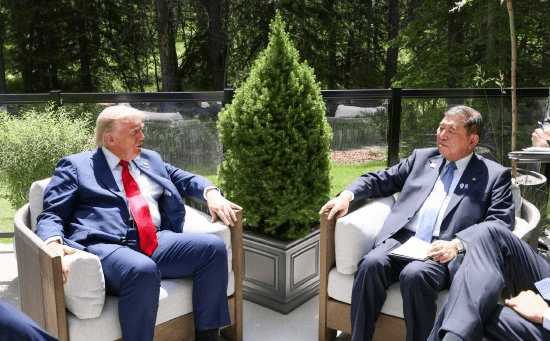
Group 1 - The Bank of Japan announced to maintain the short-term interest rate at 0.5% and revealed a significant policy shift to halve bond purchases to 200 billion yen per quarter starting from the fiscal year 2026 [1] - The decision to maintain the current bond purchase reduction path until March 2026 lays the groundwork for future monetary policy changes [1] - There is a notable internal disagreement within the Bank of Japan regarding the pace of bond purchase reductions, with committee member Naoki Tamura advocating for a continued reduction of 400 billion yen per quarter [3] Group 2 - Global risks are intensifying, with escalating Middle East conflicts increasing risk aversion and a strong dollar suppressing the yen's exchange rate [3] - The ongoing stalemate in US-Japan tariff negotiations poses additional challenges, with potential auto tariffs from the Trump administration looming [3] - The market reacted sharply to the policy announcement, with the USD/JPY exchange rate experiencing significant volatility, highlighting traders' sensitivity to the policy shift [3] Group 3 - The Bank of Japan's strategic divergence from the Federal Reserve is becoming apparent, with a policy review window set for June 2026 to assess the bond purchase plan [4] - Geopolitical risks and trade protectionism are creating a challenging environment for monetary policy, making the statements from the Bank of Japan's governor critical for international financial markets [4]

BBMarkets:日美贸易谈判破裂,日本经济命脉悬于关税战火?
Sou Hu Cai Jing· 2025-06-17 04:58
Group 1 - The ongoing trade negotiations between Japan and the United States have failed to yield breakthroughs, putting Japan's economy in a precarious position due to potential tariffs on automobiles and steel [1][3] - Japan's automotive industry, which accounts for 10% of its GDP and employs 5.6 million people, is facing direct threats from U.S. tariff policies, highlighting the urgency of the negotiations [3][4] - Japan's investment in the U.S. totals $783 billion, supporting 4.8 million jobs, but the U.S. administration's focus on trade deficits complicates this economic relationship [4] Group 2 - Prime Minister Kishida's government is under pressure from both U.S. tariff threats and domestic public opinion, with 62% of Japanese citizens preferring to maintain a firm stance rather than rush into compromises [3] - The negotiations have been characterized by uncertainty, with Japan's chief negotiator describing the process as "navigating through fog," which is eroding market confidence [3] - The outcome of these negotiations will not only impact Japan's automotive exports but also test the resilience of East Asian economies amid rising protectionism [4]
对53国,实施100%税目产品零关税,中国这一招,美国破解不了
Sou Hu Cai Jing· 2025-06-17 03:55
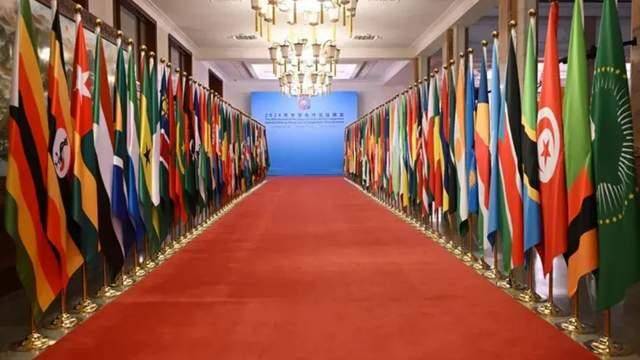
Core Viewpoint - China is implementing a 100% zero-tariff policy on products for 53 African countries, contrasting with the U.S. approach of imposing tariffs on its allies, thereby enhancing its influence in Africa and promoting globalization [1][2][4]. Group 1: Policy Implementation - China announced the zero-tariff policy during the China-Africa Cooperation Forum, which applies to all but one of Africa's 54 countries, indicating a significant economic gesture towards the continent [2][4]. - The policy aims to support the economic development of African nations, which have historically been marginalized in global markets due to colonial influences [2][4]. Group 2: Economic Implications - The zero-tariff policy is expected to facilitate China's access to essential raw materials from Africa, such as minerals and agricultural products, which are crucial for its manufacturing sector [6]. - This move is anticipated to deepen economic ties between China and Africa, fostering cooperation across various sectors including political, military, and cultural [6]. Group 3: Comparison with U.S. Strategy - The U.S. has been criticized for its protectionist policies and attempts to undermine China's influence in Africa, often framing its investments as a means to counter perceived threats from China [4][9]. - Unlike China, the U.S. faces challenges in offering similar tariff exemptions due to its own manufacturing limitations, which could lead to significant losses if it were to adopt a zero-tariff approach [7][8]. Group 4: Global Economic Context - China's actions are positioned as a counter to the U.S. trade barriers and tariffs, highlighting the contrasting approaches to globalization and economic cooperation [9][11]. - The zero-tariff policy is seen as a strategic move to reshape the current global economic order, which has been criticized for favoring developed nations at the expense of developing countries [13].
三重“凉意”席卷美国,这剂“药”失效了
Zhong Guo Xin Wen Wang· 2025-06-17 01:39
"我们将向其他国家加征关税,让美国人富起来!" 2025年1月,美国总统特朗普在就职演讲中,曾如是声言。 从年初到入夏,美国政府一直试图向选民兑现竞选承诺。但事与愿违,这个夏天,美国经济恐怕要"凉 凉"了。 毕马威会计师事务所最近发布的一份消费者调查显示,受关税影响,50%的美国消费者正在削减购买 量,49%的消费者正在积极寻找优惠和折扣。许多美国人表示,这个夏天他们虽然还会选择旅行,但在 其他方面已经削减了个人支出。 第三"凉",凉在信心。 第一"凉",凉在旅游业。 英国牛津经济研究院下属的旅游经济学公司发布数据显示,受美国政府"对等关税"等政策影响,2025年 美国国际入境旅客数量将下降8.7%,国际旅客今年在美国花销将比去年少85亿美元。旅游分析机构的 最新报告显示,这是自2013年以来,美国面临的最严重的夏季旅游低谷。 旅游不仅是一张门票,餐饮、交通、住宿,还有周边产品背后的制造业,都与旅游息息相关。《财富》 杂志认为,外国游客赴美人数下滑,或将使大量工作岗位和重要税收收入面临风险。 美国政府的边境管控和滥施关税的举动早已招致大量贸易伙伴的不满,美国的国际形象受损严重,外国 游客将美国从海外旅行目的地 ...
关于当前中国经济的几个判断,国家统计局权威解读
Xin Jing Bao· 2025-06-16 13:04
Economic Overview - In May, major economic indicators such as industrial output, services, consumption, and investment continued to grow, with external trade maintaining stable growth despite pressures [1][2] - The retail sales of consumer goods increased by 6.4% year-on-year in May, accelerating by 1.3 percentage points from the previous month [2] - The service industry production index rose by 6.2% year-on-year, up by 0.2 percentage points from April [2] Consumption and Investment - Policies promoting consumption have effectively released domestic consumption potential, with significant growth in retail sales of home appliances and other categories [2] - Investment in equipment and tools grew by 17.3% from January to May, contributing 63.6% to overall investment growth [2] - The production of new energy vehicles, tablets, and electric bicycles saw substantial increases in May, with growth rates of 31.7%, 30.9%, and 20.5% respectively [2] Industrial Performance - The industrial added value increased by 5.8% year-on-year in May, with manufacturing showing resilience despite a slight slowdown [4] - Manufacturing investment rose by 8.5% year-on-year from January to May, although this was a slight decrease from the previous period [4] - The equipment manufacturing and high-tech manufacturing sectors contributed significantly to industrial production, with growth rates of 9% and 8.6% respectively [4][5] Foreign Trade - In May, the total value of imports and exports grew by 2.7%, with exports increasing by 6.3% [6] - Despite a decline in trade with the US, trade with ASEAN, the EU, and Belt and Road countries continued to grow [6] - The import of goods decreased by 2.1% in May, influenced by global trade uncertainties and falling international commodity prices [7] Price Trends - The Consumer Price Index (CPI) fell by 0.1% year-on-year in May, while the core CPI rose by 0.6% [8][9] - The decline in CPI was primarily driven by lower international energy prices and increased supply of food products [8] - The core CPI's increase indicates a gradual recovery in domestic demand and price levels [9] Real Estate Market - The real estate market is showing signs of stabilization, with a narrowing decline in housing prices across major cities [10][11] - New housing sales area and sales value saw a year-on-year decline of 2.9% and 3.8% respectively from January to May [11] - The inventory of unsold properties decreased, indicating a potential recovery in market confidence [11] Economic Outlook - The overall economic performance in the first five months suggests a stable growth trajectory, with expectations for the GDP to maintain a steady pace [12] - Predictions for the second quarter indicate that various projects and infrastructure investments may boost domestic demand [12]
世界银行发布报告评估摩洛哥2025年经济发展趋势
Shang Wu Bu Wang Zhan· 2025-06-14 17:13
Global Economic Outlook - The World Bank forecasts a significant slowdown in global economic growth, predicting a growth rate of only 2.3% in 2025, the lowest since 2008 [1] - Nearly 70% of economies have downgraded their growth expectations due to escalating trade tensions, geopolitical uncertainties, and rising protectionism [1] Regional Performance - The Middle East and North Africa (MENA) region is expected to perform relatively well, with a projected growth of 2.7% in 2025, accelerating to around 4% in the following two years [1] - Morocco shows strong economic resilience, with GDP growth expected to be 3.6% in 2025 and 3.5% in 2026, surpassing the regional average [1] Economic Recovery Factors - Morocco's economic recovery is attributed to macroeconomic stability and a rebound in the industrial sector, particularly in construction and energy infrastructure investments [1] - The country benefits from declining inflation and a rebound in domestic demand, although this recovery is heavily reliant on stable food and energy prices, export growth, and relative geopolitical stability in the region [1] Challenges and Risks - Morocco faces high public debt pressure and limited fiscal space, with tax reform effects yet to materialize [2] - Global monetary policy tightening, capital flow volatility, and increasing regional security risks could impact Morocco's economy [2] - The World Bank warns that ongoing global protectionism may suppress investor confidence and reduce foreign investment inflows, posing new external risks for emerging economies like Morocco [2]
魏建国:以东方居韵,铸全球新篇—中国家居出海挑战与布局
Feng Huang Wang Cai Jing· 2025-06-14 13:15
Core Insights - The Chinese home furnishing industry is transitioning from being a "manufacturer" in the global supply chain to a "definer" and "leader" at the top of the value chain, facing significant challenges such as trade protectionism, rising costs, intensified competition, and lack of brand awareness [3][4]. Group 1: Breakthrough Battle - The "breakthrough battle" has commenced, emphasizing the necessity for a green revolution in the industry [4]. - China has become the world's largest furniture producer and exporter, with over 10.43 million home furnishing enterprises nationwide, and Guangdong alone has 1.045 million, contributing to 40% of the national output [4]. - In 2024, China's home furnishing and accessories export value is projected to reach 483 billion RMB, a 7% year-on-year increase, while the global home furnishing market value exceeded 500 billion USD in 2023, with China's furniture production accounting for over 35% of the global total [4]. Group 2: Environmental Compliance - The industry must confront increasingly stringent environmental regulations from Europe and the U.S., including the EU's Carbon Border Adjustment Mechanism (CBAM) and anti-dumping investigations [5]. - Chinese home furnishing enterprises are shifting towards using natural materials and increasing investments in environmentally friendly and biodegradable materials, transforming compliance into a core competitive advantage [5]. - In 2024, there were no incidents of Chinese home furnishings being returned due to non-compliance with global standards, establishing a benchmark for sustainable home furnishing [5]. Group 3: Brand Strategy - Chinese home furnishing companies are moving away from a "one-size-fits-all" approach, focusing on niche markets such as smart home products, health sleep solutions, outdoor leisure, and designer brands [6]. - By leveraging clear strategies and precise positioning, companies are building unique brand images and narratives, utilizing social media and collaborations with KOLs and KOCs for effective content marketing [6]. - There is a concerted effort to promote traditional Chinese furniture and craftsmanship, creating integrated online and offline brand communities to cultivate loyal customer bases in Western markets [6]. Group 4: Digital Transformation - Digitalization is being positioned as a core strategy across the entire value chain of design, manufacturing, and marketing services in the home furnishing industry [7]. - The industry boasts the most complete supply chain cluster globally, with a large pool of engineers and craftsmen, aiming to become the definers of global home furnishing consumption trends [7]. - The goal is to cultivate 5-10 globally influential home furnishing brands within the next five years, increasing the market share in the mid to high-end segments to over 35% and steadily raising the share of global home furnishing trade to over 40% [7].

《跨国公司在中国》报告即将发布,解码跨国公司投资中国的 “共赢方程式”
Qi Lu Wan Bao· 2025-06-13 03:36
Group 1 - The sixth Qingdao Summit for Multinational Company Leaders will be held from June 18 to 20, 2025, focusing on "Multinational Companies and China: Linking the World for Win-Win Cooperation" [1] - The annual report titled "Multinational Companies in China" will highlight the commonalities and benefits that multinational companies have gained from the Chinese economy, emphasizing their role in enhancing China's open economy and modern industrial system [1][2] - The report will also analyze the current global investment landscape, noting challenges such as trade protectionism and unilateralism, while recognizing positive developments in investment agreements at multilateral and regional levels [2] Group 2 - The report identifies seven aspects of new opportunities for multinational companies investing in China, including certainty, security, openness, scale, convenience, growth, and profitability, supported by a stable policy environment and a comprehensive supply chain [2][3] - It emphasizes the importance of digital economy and green technology as new avenues for investment, providing a broad platform for technological iteration and business model innovation [3] - Recommendations will be made for multinational companies to adjust their investment strategies, deepen long-term cooperation, and leverage local innovations to enhance global business upgrades, aiming for a win-win development model [3]