银发经济

Search documents
银发经济风口来临!多地监管就商保年金、长护险等“做文章”
Bei Jing Shang Bao· 2025-11-18 12:44
当前,养老保险体系的第三支柱迎来了前所未有的发展机遇,其核心制度框架与试点产品持续精 进,"金融+养老"进入发展快车道。11月17日,广东省地方金融管理局发布《广东省推动养老金融高质 量发展的实施方案》(以下简称《实施方案》)。 广东省并非个例,近两年,陕西、江苏、河北等地金融监管部门已经就金融支持"老有所依"作出相关部 署。作为做好"养老金融"大文章的主力军,保险业是加快健全我国多层次多支柱养老保障体系的重要力 量。政策鼓励下,保险业如何紧跟政策导向和市场需求,积极打造多层次"保险+养老"服务模式? 养老金融政策密集落地 引导长期资金布局养老产业 作为长期资本、耐心资本,保险资金具有长周期资金优势,与养老产业长周期相匹配。多地都提到,引 导保险资金为养老服务体系壮大提供长期资金支持。 如广东省发布的《实施方案》明确,引导保险资金通过股权、债券、基金、资产支持计划、保险资产管 理产品等多种形式,为养老服务运营主体、老年助餐服务机构提供资金支持。此前河北省发布的《关于 银行业保险业做好养老金融大文章的通知》也提到,推动"险资入冀"布局养老产业。在风险有效隔离的 基础上,支持保险机构以适当方式参与养老服务体系建设 ...


多部门联合发布养老金融15条举措 打造“广东特色养老金融体系”
Nan Fang Ri Bao Wang Luo Ban· 2025-11-18 08:06
Core Viewpoint - Guangdong Province has launched its first dedicated policy for pension finance, aiming to establish a modern pension finance system that aligns with the region's demographic, industrial, and financial structures [1][2]. Group 1: Implementation Goals - The implementation plan outlines two phases: by 2028, the pension finance supply system will be largely improved, and by the end of the 14th Five-Year Plan, financial support for pension fund utilization will be more mature and stable [2][3]. - Guangdong faces dual pressures from an aging population and increasing demand for pension services, but it also has a strong financial market and high capital supply capabilities [2][4]. Group 2: Product and Service Development - The plan includes measures to enhance the pension finance product system, such as establishing pension finance departments in banks and improving service channels for the elderly [3][4]. - Financial institutions are encouraged to innovate pension products, including long-term care insurance and specialized financial products for personal pensions [3][5]. Group 3: Financial Support for Pension Services - A "white list" mechanism for pension institutions and enterprises will be established to guide financial resources towards compliant and stable pension projects [4][5]. - Various financial tools, including loans, bonds, and asset securitization, will be utilized to promote the development of standardized and large-scale pension facilities [4][6]. Group 4: Rural and Cross-Border Pension Services - The plan emphasizes financial support for home-based and community elderly care services, particularly in rural areas, and encourages the development of inclusive financial products for these services [5][6]. - Cross-border pension finance cooperation is highlighted as a strategic focus, with plans to support cities like Guangzhou in becoming pension finance demonstration cities [5][6]. Group 5: Risk Management and Policy Implementation - A comprehensive risk prevention mechanism will be embedded in the pension finance process, including consumer protection and financial literacy education for the elderly [6]. - The plan establishes a collaborative mechanism for policy implementation, with a focus on creating replicable models for pension finance development across the province [6].
研究做好下步经济工作等
Liao Ning Ri Bao· 2025-11-18 05:55
Core Viewpoint - The provincial government is focused on enhancing economic resilience and promoting high-quality development through various initiatives, including technological innovation and improved service sectors [1][2]. Economic Development - The provincial government recognizes the long-term potential and resilience of the economy, emphasizing the need for confidence and targeted efforts to achieve optimal results during the "14th Five-Year Plan" and to set a strong foundation for the "15th Five-Year Plan" [2]. - Key areas of focus include stabilizing key industries such as steel and oil, supporting enterprises in digital transformation, and fostering the integration of technological and industrial innovation [2]. Technological Innovation - Higher education institutions are encouraged to strengthen organized research and enhance the conversion of scientific achievements into productive forces by improving talent supply and establishing technology parks and pilot bases [3]. Service Sector Enhancement - The government plans to implement actions to boost service sector capacity and quality, maintain stable commercial circulation, and expand the scale of the platform economy [2]. - New consumption models such as event economy, silver economy, and national trend economy are to be developed to stimulate service consumption [2]. Investment and Business Environment - The government aims to enhance the role of public investment to stimulate private investment, improve project planning, and increase efforts in attracting investment [2]. - A comprehensive approach will be taken to optimize the business environment, focusing on public services, access to resources, fair competition, and legal frameworks [2]. Education and Workforce Development - Vocational schools are urged to align their educational direction with industry needs and improve their management to promote high-quality development in modern vocational education [3].
嘉世咨询:2025年即食滋补品市场简析报告
Sou Hu Cai Jing· 2025-11-18 04:58
Core Insights - The report analyzes the instant nourishing food market in China, projecting significant growth and a shift in consumer preferences towards convenient and health-oriented products [1][2]. Market Overview - The instant nourishing food market is expected to double in size from 2018 to 2024, capturing 51.6% of the traditional nourishing food market by 2024 [1][14]. - Six main categories dominate the market: instant Ejiao (25%), fresh stewed bird's nest (20%), instant ginseng (12%), instant sea cucumber (8%), instant fish maw (7%), and goji berry puree (5%) [1][15]. Industry Development - The development of instant nourishing foods reflects a transition from traditional nourishing practices to modern, convenient consumption, characterized by five stages: traditional nourishment, canned products, market segmentation, youth engagement, and standardization [1][11]. - The market has evolved from a focus on heavy nourishment to lighter health-oriented products, aligning with modern consumer lifestyles [1][11]. Consumer Demographics - The primary consumer demographic for instant nourishing foods is aged 21-40, accounting for 78% of the market, driven by motivations such as beauty, fatigue relief, and basic health maintenance [2][38]. Competitive Landscape - Leading brands like Yanzhiwu have transitioned from traditional dry products to instant and fresh stewed categories, leveraging multi-channel advantages to become industry leaders [2][2]. - The market is characterized by a high concentration of top brands, particularly in categories like fresh stewed bird's nest and instant Ejiao, indicating a significant "Matthew Effect" [2][34]. Future Opportunities - The aging population presents opportunities for products tailored to older consumers, while innovations in functional formulations and global market expansion strategies offer additional growth avenues [2][2].

化妆品产业迎高质量发展意见 激发万亿新活力
Xin Hua She· 2025-11-18 04:37
Core Viewpoint - The National Medical Products Administration (NMPA) has released a set of opinions aimed at deepening cosmetic regulation reform and promoting high-quality development in the industry, focusing on safety, innovation, and market expansion [1] Group 1: Regulatory Reforms - The opinions propose a comprehensive reform plan for the next 5 to 10 years, including 24 reform suggestions and 48 specific measures to enhance category innovation, regulatory optimization, and industry empowerment [1] - A special review channel for new efficacy cosmetics will be established, allowing for immediate review upon submission, which aims to reduce the high trial-and-error costs previously faced by companies [3] Group 2: Market Expansion - The introduction of a policy allowing international cosmetic products to launch in China without prior sales license documentation is expected to create a "fast track" for new products, significantly boosting consumer access to global innovations [4] - The domestic cosmetic market is projected to exceed 1 trillion yuan in transaction volume by 2024, with domestic brands holding a market share of 55.2% [1] Group 3: Targeting Demographic Needs - The opinions emphasize the development of cosmetics tailored for the aging population, encouraging companies to focus on research related to skin aging and to expedite the registration and listing processes for these products [5] - The growing demand from the elderly demographic is recognized as a significant opportunity for innovation within the industry [5] Group 4: Digital Transformation - The NMPA is advancing the digital upgrade of cosmetic regulation, with a focus on implementing electronic labels to enhance product information accessibility for consumers [6][7] - The digital labels will allow consumers to easily access detailed product information through various formats, improving readability and catering to diverse consumer needs [7]
存量时代倒逼运营升级 商业地产迈入“精耕细作”阶段
Zhong Guo Jing Ying Bao· 2025-11-18 03:00
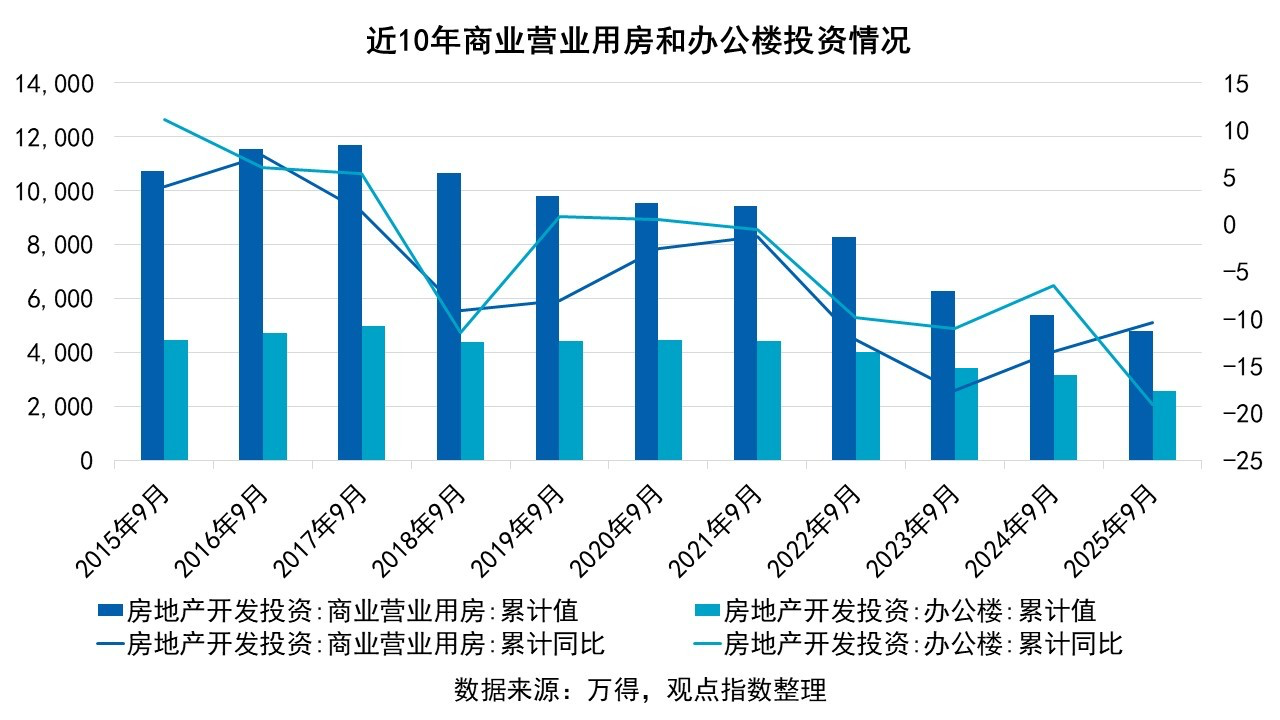
Core Insights - The "14th Five-Year Plan" emphasizes expanding domestic demand as a strategic foundation, focusing on improving people's livelihoods and promoting consumption, which presents new opportunities for retail real estate [2][3] - The commercial real estate sector is entering a phase of differentiation and revitalization, with some companies recovering investment activities despite facing revenue challenges [2][3] - The demand for experiential consumption is increasing, indicating a shift in consumer preferences that retail commercial real estate must adapt to [3][4] Group 1: Market Trends - The total retail sales of consumer goods reached 36.5877 trillion yuan from January to September 2025, with a growth rate of 4.46% [3] - During the recent 8-day National Day and Mid-Autumn Festival holiday, domestic travel reached 888 million people, an increase of 123 million compared to the previous year, with total spending of 809 billion yuan, up 108.2 billion yuan [3] - The commercial real estate development investment is still facing growth challenges, with large enterprises capturing market share but struggling for continuous revenue growth, while small and medium-sized enterprises face operational difficulties [3][5] Group 2: Consumer Behavior - The middle-aged and elderly population, along with young consumers, are identified as key demographics with significant spending potential [4] - The middle-class consumer group is experiencing structural shifts, leading to a complex consumption mindset characterized by a desire for diverse products and services [4] - Companies are adopting strategies that integrate social media and personalized services to enhance customer engagement and attract consumers [4][5] Group 3: Business Strategies - Companies are focusing on optimizing existing assets and exploring new business models, such as the "light asset" approach to expand their market presence [5] - The competition in the commercial sector is intensifying, requiring businesses to innovate in content creation, unique experiences, and refined operations [5][6] - The overall short-term policy effects on consumption are becoming evident, although the recovery of investment remains slow, indicating a gradual restoration of market confidence [6]



相关影片进口方、发行方确认:暂缓日本进口片上映;安理会通过涉加沙决议;高等教育学龄人口2032年达到峰值,多所高校专业调整|早报
Di Yi Cai Jing· 2025-11-18 01:07
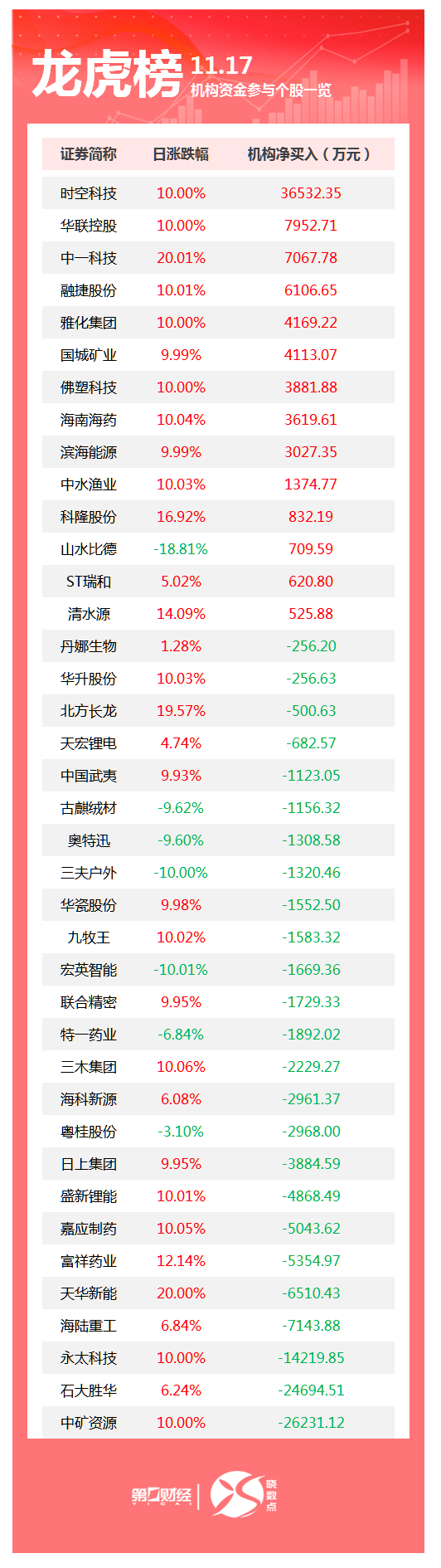
Group 1 - The UN Security Council passed a resolution regarding Gaza, establishing a peace committee as a transitional governing body to oversee the Palestinian Authority's reform plan and ensure its effective control over Gaza [3] - The resolution aims to maintain the ceasefire in Gaza, restore humanitarian aid, and promote economic recovery [3] Group 2 - China's higher education age population is projected to peak in 2032, leading to adjustments in educational resource allocation [4] - Several new research-oriented universities have been established, including Southern University of Science and Technology and ShanghaiTech University [4] Group 3 - The Ministry of Commerce announced a review of anti-subsidy measures on imports of propanol from the US, effective from November 18, 2025 [8] - The review will continue to impose anti-subsidy taxes during the investigation period [8] Group 4 - In October, tax revenue in China increased by 8.6% year-on-year, indicating a continued recovery in fiscal income [9] - The total public budget revenue for the first ten months was approximately 18.65 trillion yuan, with tax revenue reaching about 15.34 trillion yuan [9] Group 5 - The National Medical Insurance Administration reported that the average maternity allowance for insured women is over 26,000 yuan, with simplified application processes [10] - The number of insured individuals for maternity insurance reached 253 million by June this year [10] Group 6 - A new cosmetics regulation was introduced, featuring 24 reform opinions and 48 specific measures aimed at promoting high-quality industry development [11] - Key highlights include a dedicated review channel for "new efficacy cosmetics" and the promotion of electronic labels [11] Group 7 - In October, automobile consumption in China decreased by 7% year-on-year, with total consumption amounting to 425.5 billion yuan [12] - Despite the decline in consumption, automobile production and investment saw significant growth, with production increasing by 11% [12] Group 8 - Guangdong province introduced its first dedicated policy for pension finance, aiming to enhance the supply system and improve accessibility and adaptability of products and services by 2028 [13] - The plan seeks to create replicable models in key cities and scenarios for pension finance development [13] Group 9 - The number of foreign freshmen enrolling in US colleges dropped by 17% this fall due to tightened visa policies [14] Group 10 - JD.com's founder Liu Qiangdong stated that JD Review will never be commercialized, aiming to enhance user interaction and service quality [22] - The service will integrate with JD's delivery business to improve feedback on food products [22] Group 11 - The founder of "Paiteshengsheng," a fresh food retail brand, announced plans to close all physical stores by mid-December due to operational pressures, while retaining online business [23] - The brand was launched in February 2023 and has faced challenges in the retail market [23] Group 12 - The Dow Jones Industrial Average fell by 557.24 points, or 1.18%, amid a broader market decline, with notable drops in major tech stocks like Apple and Nvidia [25] - Apple was ordered to pay $634 million in a lawsuit, contributing to its stock decline [25] Group 13 - Institutions showed significant buying activity in 14 stocks, with notable net purchases in companies like Shikong Technology and Hualian Holdings [26] - Conversely, institutions sold off shares in Zhongkuang Resources, with a net sell of 262.12 million yuan [26]
华泰证券:关注情绪消费、国货崛起、AI+消费、银发经济等结构性机会
Xin Lang Cai Jing· 2025-11-18 00:13
Core Insights - The total retail sales in October increased by 2.9% year-on-year to 4.6 trillion yuan, slightly above the Wind consensus expectation of 2.7% [1] - The growth rate slowed down by 0.1 percentage points compared to September, primarily due to a deceleration in the sales of automobiles and home appliances [1] - Excluding automobiles, the retail sales of consumer goods grew by 4.0% [1] Group 1 - The holiday economic effect from the Mid-Autumn Festival and National Day, along with the early promotion period for "Double Eleven," contributed positively to sales [1] - Basic living goods showed a favorable sales trend, and the new high in gold prices boosted investment demand significantly [1] Group 2 - Looking ahead, the "14th Five-Year Plan" continues to emphasize expanding domestic demand and promoting consumption [1] - In the context of a moderate recovery in domestic demand, there may be a continued divergence in sales performance across different categories [1] - Structural opportunities are suggested to be focused on emotional consumption, the rise of domestic brands, AI+ consumption, and the silver economy [1]

A股晚间热点 | 外资又来唱多!中国股市有望进一步上涨
智通财经网· 2025-11-17 14:32
Group 1 - Morgan Stanley predicts that the MSCI China Index may rise over 3% to 90 points by the end of next year, with year-end targets for the Hang Seng Index at 27,500 points and the CSI 300 Index at 4,840 points, representing increases of approximately 4% and 5% respectively [1] - Semiconductor company SMIC has received a large number of urgent orders for storage products, including NOR/NAND Flash and MCU, leading to a temporary decrease in mobile phone business share as non-urgent orders are postponed [1][2] - XPeng Motors reported Q3 revenue of 20.38 billion yuan, a year-on-year increase of 101.8% and a quarter-on-quarter increase of 11.5%, while net loss narrowed to 380 million yuan from 1.81 billion yuan a year earlier [1][3] Group 2 - The Ministry of Finance reported that securities transaction stamp duty revenue in October was 18.1 billion yuan, a year-on-year increase of 17.53% but a month-on-month decrease of 30.7%, indicating a cooling in market trading activity [1][5] - The National Medical Products Administration has issued guidelines to support the development of the cosmetics industry, particularly focusing on products for the elderly, aligning with the national strategy for the aging population [1][6] - Berkshire Hathaway's investment in Google has seen a floating profit of over 45% since acquiring shares at an average price of $200 in Q3, with expectations for the upcoming release of Google's AI model, Gemini 3.0 [1][7] Group 3 - The first clinical implantation of a domestically developed brain-computer interface chip has been successfully completed, marking a significant milestone for China's chip development [1][9] - In October, 19 provinces in China reported infrastructure project commencement rates exceeding 50%, indicating strong momentum in the construction sector [1][10] - Guangdong province is increasing direct financing support for the silver economy, reflecting a growing focus on the needs of the elderly population [1][10]

重磅 | 国药监“新24条”,绘出中国美妆从大到强的路线图
FBeauty未来迹· 2025-11-17 12:49
Core Viewpoint - The article discusses the release of the "Opinions on Deepening Cosmetic Regulation Reform to Promote High-Quality Development" by the National Medical Products Administration, which outlines 24 reform opinions and 48 specific measures aimed at modernizing the regulatory system and upgrading the cosmetic industry in China by 2035 [4][5][21]. Group 1: Reform Objectives - The document aims to achieve a regulatory system that meets international advanced standards by 2035, enhancing the innovation capacity and global competitiveness of the cosmetic industry [4][21]. - It sets a two-step goal: by 2030, to improve regulatory frameworks and risk management systems, and by 2035, to fully modernize the regulatory approach [21][22]. Group 2: Key Reform Areas - Encouraging innovation by establishing fast-track review channels for new efficacy cosmetics and supporting the development of products for the elderly [6][13]. - Optimizing registration and filing management to enhance service efficiency, including simplifying documentation and establishing a collaborative review mechanism [7][25]. - Strengthening production and operational supervision to build a risk prevention system, including differentiated regulatory measures based on risk levels [8][27]. - Solidifying technical support to modernize regulatory capabilities, including enhancing the review and inspection workforce and promoting the use of artificial intelligence [10][31]. - Promoting international alignment to enhance global competitiveness, including reducing animal testing requirements and improving the adaptability of raw materials [11][30]. Group 3: Highlights of the Reform - Establishing a fast-track review mechanism for new efficacy products to stimulate research and development [13][16]. - Positioning China as a global launch site for new products by removing barriers to international product launches [14][16]. - Focusing on the "silver economy" by encouraging the development of cosmetics tailored for the elderly [15][16]. - Implementing electronic label trials to enhance consumer experience and support sustainable development [15][16]. - Improving the quality management system within three years to address industry weaknesses [18][24]. Group 4: Industry Context - The Chinese cosmetic market is projected to exceed 1 trillion yuan by 2024, becoming the largest global market, with over 2.3 million product registrations as of October 2025 [18][24]. - Despite rapid growth, the industry faces challenges such as insufficient innovation capabilities and a lagging quality management system [18][19][24]. - The article emphasizes the need for a modernized regulatory framework to address these challenges and enhance the industry's competitiveness on a global scale [20][22].