粉丝经济

Search documents
匠心筑商 稳创未来 | 一图看懂星盛商业(6668.HK)2025年中期业绩
Ge Long Hui· 2025-08-29 03:21
Performance Summary - The company reported a revenue of 2.84 billion RMB and a gross profit of 1.49 billion RMB, with a gross profit margin of 52.3%, reflecting a year-on-year increase of 0.7 percentage points [4][5] - The net profit attributable to shareholders was 0.87 billion RMB, and the management expense ratio decreased by 0.8 percentage points to 9.3% [4][5] - The company maintained a high cash dividend policy, declaring an interim dividend of 5.0 HKD cents per share, representing a year-on-year growth of 4.2% [5][6] Operational Metrics - Same-store sales increased by 11.4%, while same-store foot traffic decreased by 4.47% [5] - The occupancy rate stood at 92.5%, with a slight increase of 0.1 percentage points [5][11] - The company has a cash reserve of 13.68 billion RMB [4] Development and Expansion - The company operates 27 projects with a total area of 1.65 million square meters, maintaining a high occupancy rate compared to industry averages [9][11] - It has developed over 250 new projects and partnered with 2,800 merchants, with 10 new flagship stores launched during the period [13][30] - The company has a brand resource pool of 5,000, enhancing its market presence [12] Marketing and Customer Engagement - The company has implemented various marketing strategies, including collaborations with major platforms, resulting in over 100 million exposures [25][30] - It has introduced membership programs that enhance customer engagement and satisfaction, with significant increases in member sales and participation [30][34] Sustainability and Corporate Responsibility - The company launched a "Sustainable Exploration Plan" aimed at promoting low-carbon practices and reducing carbon emissions by 11 tons [39][41] - It has taken initiatives to support export enterprises by opening commercial spaces and leveraging government resources [41][42] Industry Recognition - The company has been recognized in various industry rankings, including being listed among the top 10 in the Chinese commercial real estate sector [43][44]


采完11位时代少年团粉丝和家长后,我们发现了未成年追星的禁区
3 6 Ke· 2025-08-29 02:54
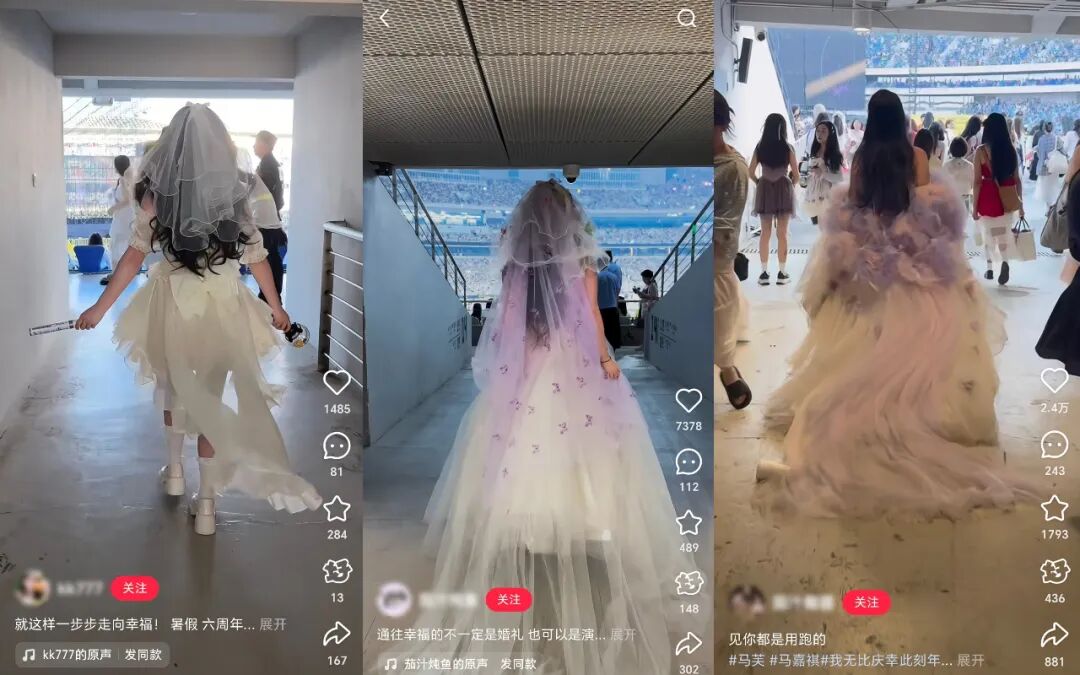
Core Viewpoint - The article highlights the phenomenon of a large number of underage fans attending a concert by the boy band "时代少年团" (Time Youth League) in Shanghai, leading to unique challenges and experiences for both fans and security personnel [1][3][5]. Group 1: Concert Attendance and Fan Demographics - Nearly 200,000 attendees flocked to the Shanghai Sports Stadium for the concert, with a significant presence of underage fans accompanied by parents [1][3]. - The concert's ticket demand was exceptionally high, with 6.227 million people expressing interest, making it one of the hardest tickets to obtain [6][8]. - The official ticket prices ranged from 480 to 1880 yuan, but secondary market prices soared, with scalpers charging upwards of 2000 yuan for tickets [8][10]. Group 2: Parental Involvement and Economic Factors - Parents often play a crucial role in helping their children secure tickets, with many relying on family and friends to increase their chances [6][10]. - Economic disparities among fans were evident, as some families could afford premium tickets while others opted for more economical options, reflecting their financial situations [13][14]. - Parents' attitudes towards their children's fandom varied, with some viewing it as a reward for academic performance, while others sought to fulfill their own unfulfilled dreams through their children [17][19]. Group 3: Security and Safety Concerns - The concert faced significant security challenges, with reports of conflicts between fans and security personnel, leading to public outcry over alleged misconduct by security staff [5][20][22]. - Fans reported inappropriate behavior from security, including excessive physical searches and verbal harassment, prompting a backlash and demands for accountability [24][26]. - The aftermath of the concert saw a relaxation of security measures, likely influenced by public pressure and media scrutiny [29]. Group 4: Fan Culture and Social Media Influence - The concert experience is heavily influenced by social media, where fans share their experiences and organize collective actions, often leading to exaggerated narratives [32][34]. - The culture of bringing light sticks and other fan merchandise to concerts is deeply ingrained, with fans feeling a strong need to showcase their support for their idols [29][31]. - The article notes the significant age range of fans, from young children to adults, indicating a broader appeal of the band across different demographics [35][39]. Group 5: Merchandise and Economic Impact - The economic impact of merchandise sales is substantial, with fans often spending significant amounts on official and secondary market items, reflecting the high demand for collectibles [40][42]. - The article discusses the challenges faced by underage fans in accessing official merchandise due to age restrictions and the need for parental involvement in purchases [42][46].
乐华娱乐半年收入4.14亿,明星卡牌及潮玩助力,IP运营业务大增128%
3 6 Ke· 2025-08-28 01:34
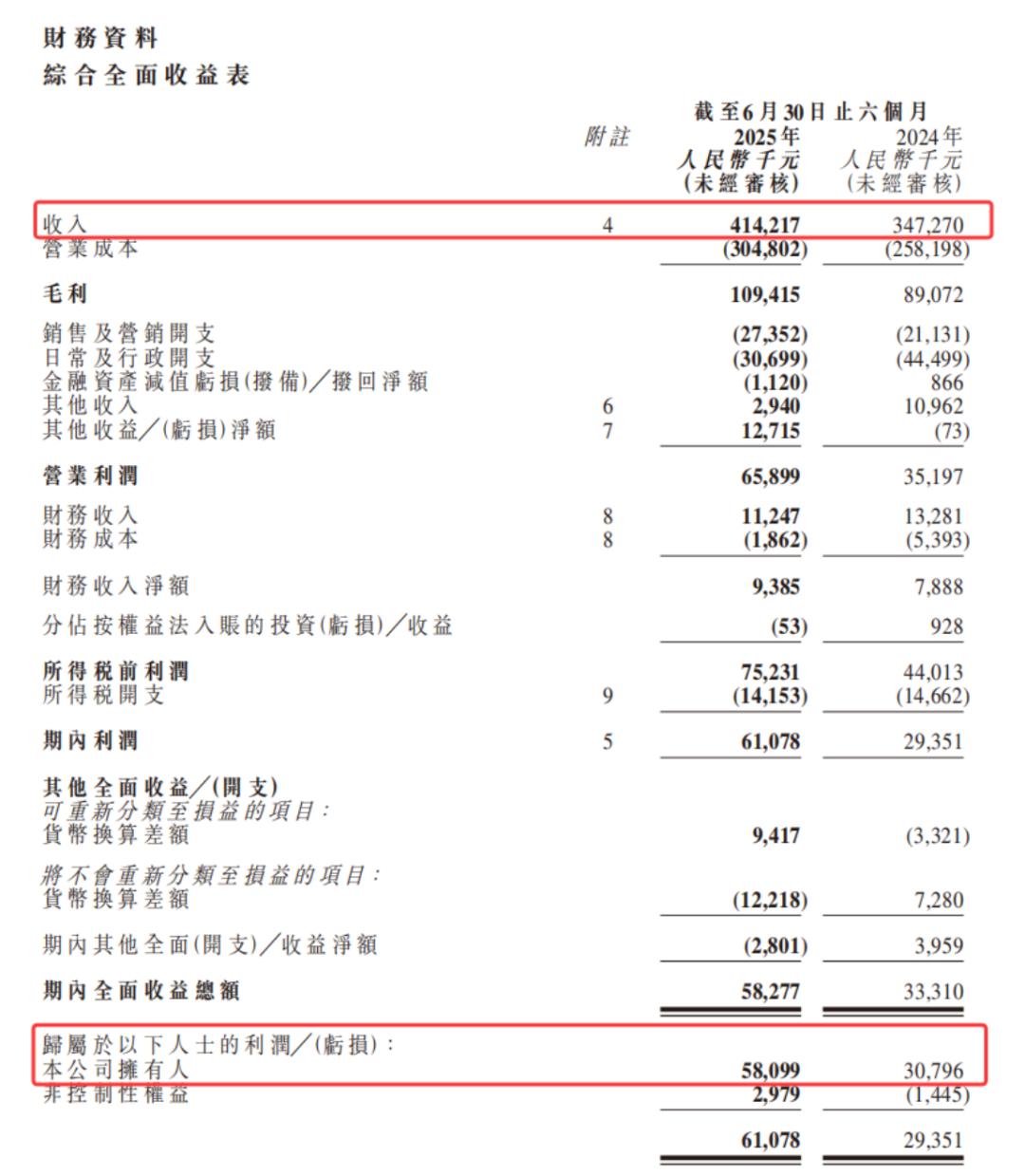
Core Insights - Lehua Entertainment Group reported a significant increase in revenue and net profit for the first half of 2025, with revenue reaching 414.2 million RMB, a year-on-year growth of 19.3%, and net profit attributable to shareholders at 58.1 million RMB, up 88.7% compared to the previous year [1][2][5] Financial Performance - Revenue for the first half of 2025 was 414.2 million RMB, compared to 347.3 million RMB in 2024, marking a 19.3% increase [2][6] - Gross profit increased from 89.1 million RMB in 2024 to 109.4 million RMB in 2025, reflecting a strong performance despite rising costs [2][12] - The company decided not to distribute an interim dividend, leading to a 7.39% drop in stock price post-announcement [1][2] Business Segments - The artist management segment remains the primary revenue driver, accounting for 86.2% of total revenue, with a 17.7% year-on-year growth to 357 million RMB [5][6] - Music IP production and operation revenue grew by 128% to 36.7 million RMB, driven by increased licensing to streaming platforms [5][6] - The IP operation business saw a remarkable 128% increase in revenue to 20.6 million RMB, representing 5.0% of total revenue [5][6] Key Products and Strategies - The "Star Card" product line has become a core driver of revenue growth, leveraging exclusive releases and events to enhance audience engagement and sales [7] - The WAKUKU brand, a popular toy IP, has achieved significant sales through strategic partnerships and marketing efforts, with notable sales figures reported [9][10] Challenges and Concerns - Despite high revenue growth, the gross margin for the IP operation business declined from 74.3% to 60.7%, indicating rising costs associated with product development and artist-related expenses [12][13] - The artist management segment's gross margin fell below 20%, raising concerns about the sustainability of related IP derivative businesses [12][13] International Expansion - Lehua's international revenue, particularly from the Korean market, showed promising growth, contributing 10.1% to total revenue with a 29.8% increase year-on-year [15] - The company's global strategy focuses on content distribution, with various projects reaching international audiences, although IP consumer products remain primarily domestic [17]
茶咖日报|香飘飘2025上半年业绩出炉,冲泡业务承压,即饮逆势增长
Guan Cha Zhe Wang· 2025-08-27 11:59
Group 1: Xiangpiaopiao's Performance - Xiangpiaopiao reported a revenue of 1.035 billion yuan for the first half of 2025, a year-on-year decline of 12.21%, with a net loss of 97 million yuan, down 230.13% year-on-year [1] - The traditional brewing business generated 423 million yuan, a decrease of 31.04% year-on-year, reflecting challenges in the market [1] - The shift in consumer preferences towards ready-to-drink and freshly made beverages has pressured the brewing business, compounded by an earlier Spring Festival affecting sales [1][2] Group 2: Ready-to-Drink Business Growth - The ready-to-drink segment achieved revenue of 591 million yuan, marking an 8.03% increase year-on-year, and for the first time, its revenue share surpassed that of the brewing business, reaching 58.27% [2][6] - The ready-to-drink business has shown consistent growth over the past three years, with revenues of 638 million, 901 million, and 973 million yuan from 2022 to 2024 [2] Group 3: New Product Launches and Marketing Strategies - Xiangpiaopiao introduced new flavors such as "Conglan Yulu" and "Xinhui Chenpi Moonlight White," but these products are still in the market exploration phase and have not yet significantly impacted overall performance [1] - The company has engaged in marketing initiatives, including sponsoring events like "Youth Mango Night" to enhance brand visibility among younger consumers [6][7] Group 4: Industry Context and Competitive Landscape - Analysts suggest that the performance challenges faced by Xiangpiaopiao are due to a combination of external market changes and internal strategic adjustments during its transformation [2] - The competitive landscape in the dairy industry is intensifying, as seen in the performance of companies like Huangshi Group, which reported a revenue decline of 13.07% and a net loss of 5.77 million yuan [4]


泡泡玛特半年狂揽138亿,毛利率超LV!下一个Labubu已被炒至千元
首席商业评论· 2025-08-27 05:28
Core Viewpoint - Pop Mart has achieved a market capitalization of 400 billion HKD, reflecting strong investor confidence in its business model and growth potential [2]. Group 1: Product Launches and Collaborations - Pop Mart is set to launch a mini version of LABUBU, expanding its product offerings and usage scenarios [3]. - The company has released four new popular IP products, including collaborations with singer Zhou Shen, which have generated significant consumer interest [5][10]. - The collaboration with Zhou Shen features a series of figurines based on his album, selling out in just three seconds and attracting over 140,000 participants, indicating the strong market demand for celebrity collaborations [10][8]. Group 2: Financial Performance - For the first half of 2024, Pop Mart reported revenue of 13.88 billion RMB, a year-on-year increase of 204.4%, and a net profit of 4.57 billion RMB, up 396.5% [12]. - The gross profit margin increased significantly from 64% to 70.3%, surpassing luxury brands like LVMH [12][13]. - The company is on track to exceed its revenue target for the year, with projections suggesting it could reach 300 billion RMB [13]. Group 3: Market Dynamics and Consumer Behavior - The demand for Pop Mart's products has led to significant price increases in the secondary market, with some items seeing price surges of up to six times their original price [19][22]. - The popularity of new IPs like MOKOKO and Star People has created a competitive secondary market, with prices for certain items reaching as high as 1,300 RMB [19][22]. - The trend of consumers struggling to purchase popular items at retail prices highlights the intense competition and demand within the collectible toy market [16]. Group 4: Global Expansion and Strategic Initiatives - Pop Mart is experiencing rapid production growth, with a monthly capacity of 30 million plush toys, indicating strong supply chain capabilities [39]. - The company is actively expanding its international presence, with significant revenue growth in regions like the Americas, which saw a staggering 1,142.3% increase [40][41]. - Pop Mart's strategy includes opening landmark stores globally, with plans to increase its international store count significantly by the end of the year [43]. Group 5: Challenges and Future Outlook - Despite its growth, Pop Mart faces challenges such as quality control issues and increasing competition from other brands [46][48]. - The company aims to build a sustainable IP ecosystem, which requires time and cultural integration, as it transitions from being "China's Pop Mart" to "the world's Pop Mart" [50].

壹快评|出狱行长当网红?对“毁三观”的流量经济坚决说不!
Di Yi Cai Jing· 2025-08-26 14:59
Core Viewpoint - The incident involving a former bank executive using his criminal past to gain online popularity highlights the distorted nature of the current flow economy, emphasizing the need for collective efforts to eliminate harmful content and promote high-quality development in the digital space [1][2][3] Group 1: Incident Overview - A former deputy branch manager of Minsheng Bank, identified as Xiao, gained 22,000 followers in a week by sharing his prison experiences on social media, which led to complaints and subsequent action from Douyin [1] - Xiao was previously sentenced to nine years in prison for financial fraud, involving the misappropriation of 2.746 billion RMB from 147 victims [1] Group 2: Flow Economy Concerns - The behavior of Xiao reflects a troubling trend where individuals monetize their criminal experiences, undermining societal values and causing secondary harm to victims [1][2] - The rise of fan economy has seen an increase in fake accounts and deceptive practices aimed at gaining followers and monetizing content, which distorts the essence of the flow economy [2] Group 3: Platform Responsibility - Social media platforms are criticized for their role in promoting sensational and controversial content, which allows harmful flow to thrive [2][3] - Douyin's prompt action to ban Xiao is acknowledged, but there is a call for platforms to implement stricter content regulations and early warning mechanisms to prevent the spread of harmful information [3] Group 4: User Responsibility - Users are urged to reflect on their online behavior and avoid contributing to the "sick" flow economy by engaging with low-quality or illegal content [3] - Collective action from platforms, content creators, users, and regulatory bodies is essential to eradicate harmful online content and foster a healthier flow economy [3]
线下演出旺季,撑起八大衍生消费场景
21世纪经济报道· 2025-08-25 08:58
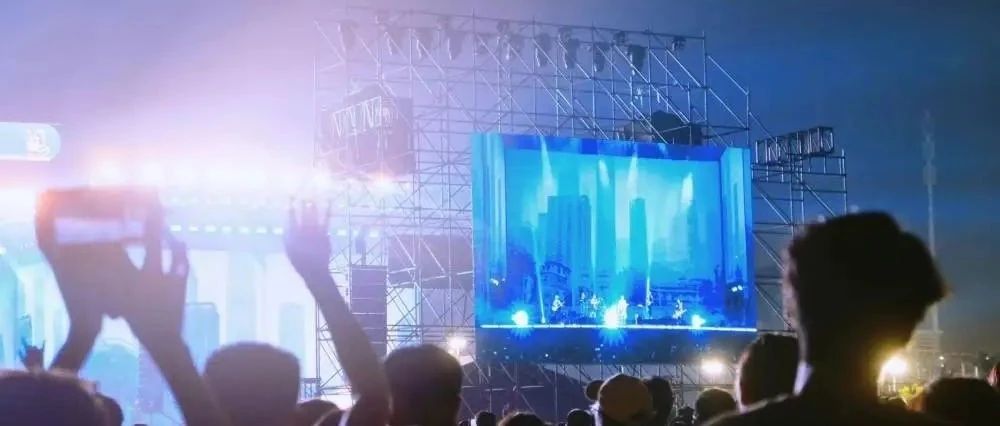
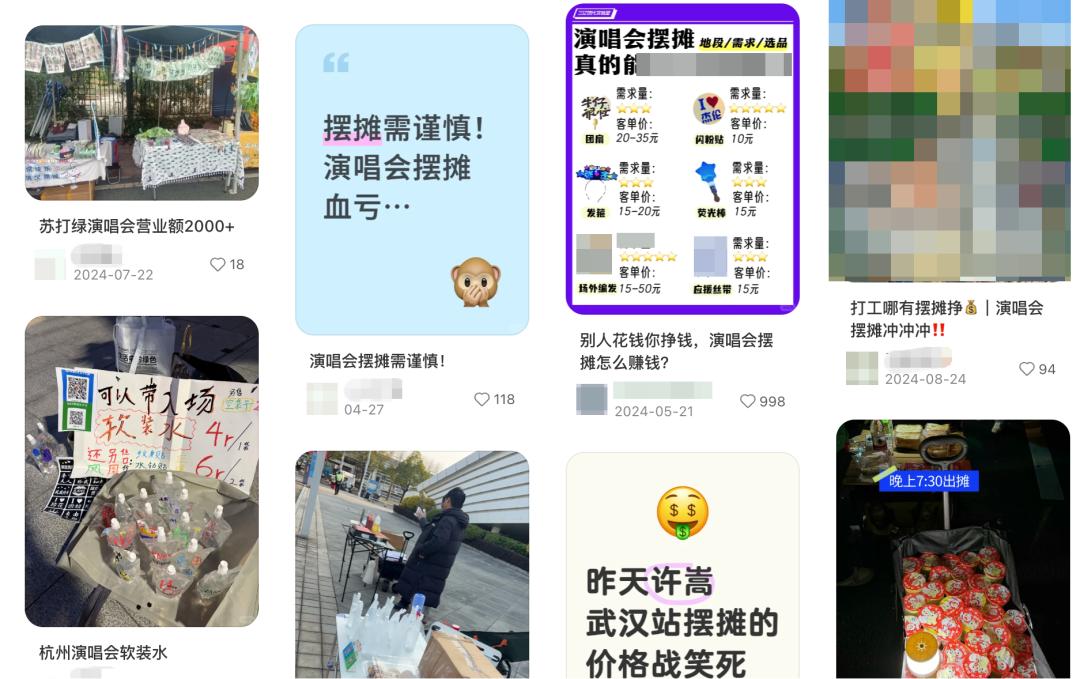
Core Viewpoint - The offline performance market is experiencing explosive growth, with various types of performances such as concerts, music festivals, and dramas driving new consumption scenarios and activating consumer demand [2][4]. Group 1: Offline Performance Market - The offline performance market's total box office exceeded 3.4 billion in July 2025, marking a nearly 60% year-on-year increase, closely following the film market scale [4]. - The surge in performances has led to a vibrant commercial ecosystem around venues, with a unique "street stall economy" emerging to cater to the immediate needs of thousands of attendees [4][5]. - Street vendors benefit from low startup costs and short return cycles, often seeing significant profits from single events due to concentrated consumer demand [4][5]. Group 2: Emotional Consumption and Fan Economy - Vendors are successfully tapping into audience emotional needs by offering themed merchandise that enhances the concert experience, such as fan items that foster a sense of participation [5][7]. - The fan economy is transitioning from niche online activities to mainstream consumer behavior, with shopping centers actively organizing fan events to convert "idol traffic" into actual foot traffic and sales [9][12]. - The balance between respecting fan emotional needs and avoiding over-commercialization is crucial for sustaining the fan economy's growth [12][13]. Group 3: Beauty and Photography Services - The rise of concert-related beauty services reflects a shift in consumer expectations, where makeup becomes part of the concert experience, creating a high-demand market for makeup artists [15][17]. - The demand for professional photography services at events is growing, driven by the need for high-quality memories, leading to a rise in rental services for photography equipment [19][21]. - The convenience of booking photography services enhances the overall concert experience, although the industry faces challenges in standardization and service quality [22][16]. Group 4: Accommodation and Dining - Concerts significantly boost local accommodation demand, with 61.3% of additional spending during performances directed towards lodging [24]. - Hotels near concert venues often see price surges of 3 to 5 times during events, reflecting the high demand from concertgoers [26]. - Dining experiences are evolving to cater to concert attendees, with restaurants optimizing services and creating themed dining experiences that enhance the emotional connection post-performance [28][31]. Group 5: Merchandise and IP Value - Merchandise has evolved from simple memorabilia to dual-purpose products that enhance the fan experience, significantly impacting the revenue structure of concerts [33][37]. - Pop-up stores near venues create immersive shopping experiences, leveraging scarcity to drive sales and enhance fan engagement [33][34]. - The transformation of merchandise into everyday items strengthens the emotional connection between fans and idols, creating a sustainable revenue stream for brands [37][38]. Group 6: Integration of Performance and Tourism - The combination of concerts and travel is becoming a popular trend, with audiences seeking to explore cities while attending performances, thus driving a new consumption model [39][40]. - This "performance + tourism" model enhances local economies by attracting large crowds and stimulating various sectors, including hospitality and retail [41][42]. - The integration of cultural events into tourism strategies is becoming a vital part of urban development, providing lasting economic benefits [42][44].
线下演出旺季,撑起八大衍生消费场景
3 6 Ke· 2025-08-25 04:07
Core Insights - The offline performance market has seen explosive growth, with concerts, music festivals, and theatrical performances driving a surge in consumer demand and creating new consumption scenarios [1][31] - The rise of the "stall economy" around concert venues has become a unique aspect of the overall performance economy, capitalizing on the immediate needs of thousands of attendees [2][31] - The integration of fan culture into commercial spaces is transforming how businesses engage with consumers, turning fan events into significant traffic and sales opportunities [6][10] Group 1: Offline Performance Market - The offline performance market has experienced a significant increase in ticket sales, with July's total box office exceeding 34 billion, marking a nearly 60% year-on-year growth [2] - The demand for offline performance experiences has led to the emergence of various niche markets, enhancing consumer engagement and spending [1][31] Group 2: Stall Economy - The stall economy thrives on the concentrated foot traffic generated by large events, allowing vendors to quickly meet consumer needs with low startup costs [2][4] - Vendors are successfully tapping into both practical and emotional consumer needs, offering items like cold drinks, snacks, and themed merchandise that enhance the concert experience [4][5] Group 3: Fan Economy in Commercial Spaces - Shopping centers are leveraging fan events to convert idol traffic into actual sales, creating a new commercial ecosystem that captures the emotional connection fans have with their idols [6][9] - The strategy of offering exclusive fan events and promotions has proven effective in attracting young consumers and enhancing the shopping experience [10][31] Group 4: Beauty and Photography Services - The rise of concert-related beauty services, such as makeup appointments, reflects a growing trend where fans seek to enhance their concert experience through personal expression [11][13] - The demand for professional photography services at events is increasing, as fans look for ways to capture their experiences without the limitations of personal devices [14][16] Group 5: Accommodation and Dining - Concerts significantly boost local accommodation demand, with 61.3% of additional spending during events directed towards lodging [17][19] - Restaurants near concert venues are adapting their services to cater to the influx of concertgoers, focusing on quick service and themed dining experiences [21][23] Group 6: Merchandise and IP Value - Merchandise has evolved from simple memorabilia to experiential products that enhance fan engagement and create new revenue streams [24][26] - The integration of limited-time pop-up stores and experiential marketing strategies is maximizing the commercial value of performance IPs [26][30] Group 7: Travel and Tourism Integration - The "performance + tourism" model is gaining traction, as fans combine concert attendance with travel, driving new consumption patterns in the tourism sector [27][29] - Local governments are increasingly promoting events to attract tourists, enhancing the visibility of regional attractions and boosting local economies [29][30]
这家店来上海了!有粉丝排队9小时扫货
第一财经· 2025-08-23 14:40
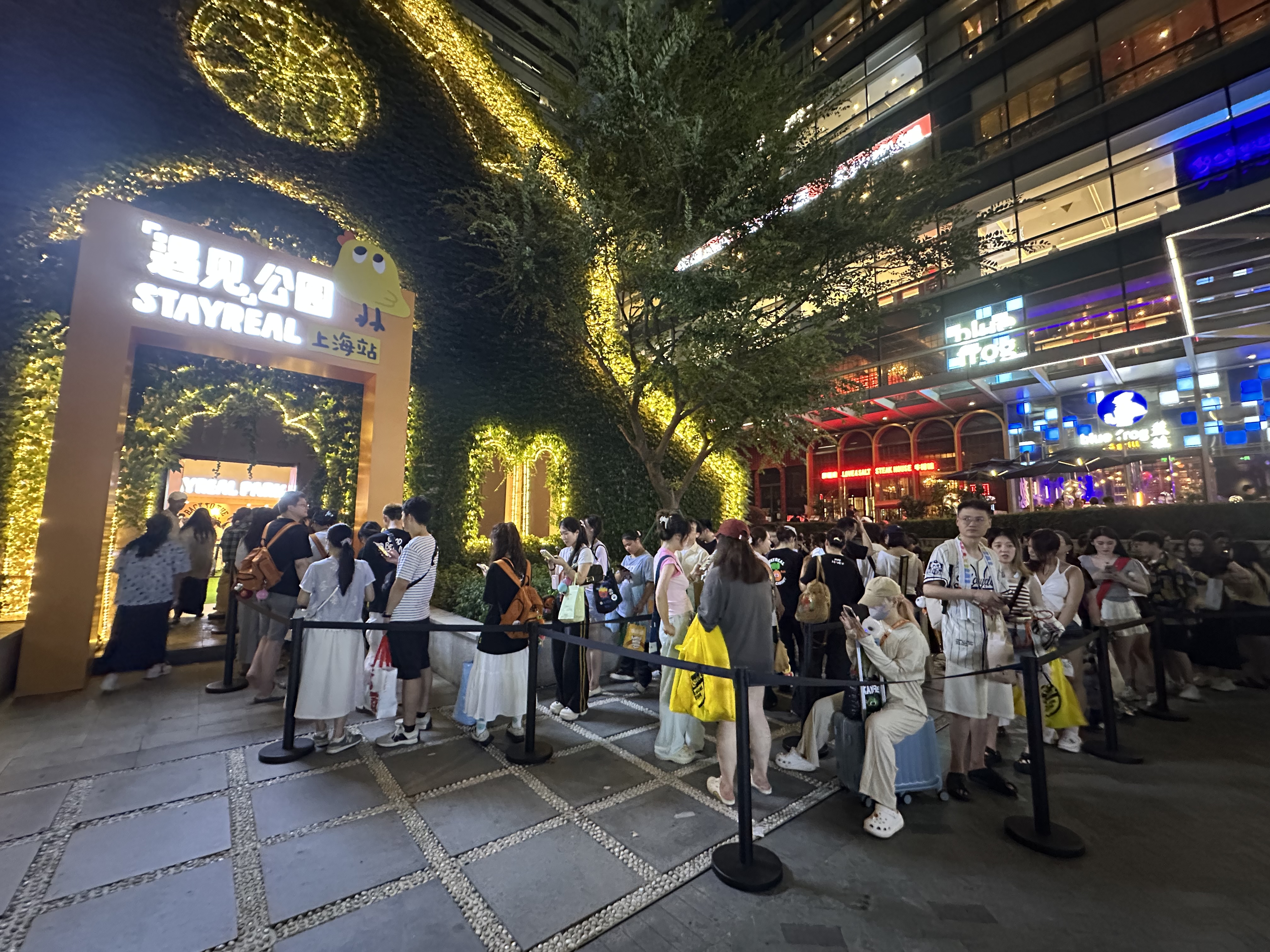
Core Viewpoint - The article highlights the booming fan economy, exemplified by the recent opening of STAYREAL PARK in Shanghai, which attracted a large number of fans from the band Mayday, showcasing the strong emotional connection fans have with their idols and the resulting consumer behavior [3][8]. Group 1: STAYREAL PARK Overview - STAYREAL PARK is a pop-up theme store created by the creative brand STAYREAL, which has traveled to over ten cities including Beijing, Hangzhou, Chengdu, and Shenzhen [3]. - The brand STAYREAL was founded in 2007 by Mayday's lead singer Ashin and artist Bu Erliang, with a mission to encourage people to stay true to their dreams [3]. Group 2: Fan Engagement and Consumer Behavior - Fans queued for 2 to 9 hours to enter the park, indicating a high level of dedication and enthusiasm for exclusive merchandise [6][8]. - The merchandise includes limited edition items, with prices ranging from over 100 to 300 yuan, attracting both local and out-of-town fans [4][6]. - Fans often assist each other in purchasing items, demonstrating a community spirit among them, with no price markups involved in the reselling process [6][8]. Group 3: Market Trends and Implications - The collaboration between Starbucks and Mayday's STAYREAL series saw significant demand, with items being resold at up to four times their original price in secondary markets [8]. - The underlying logic of the fan economy is based on emotional value derived from recognition of stars and IPs, leading to increased spending on concerts and merchandise [8].
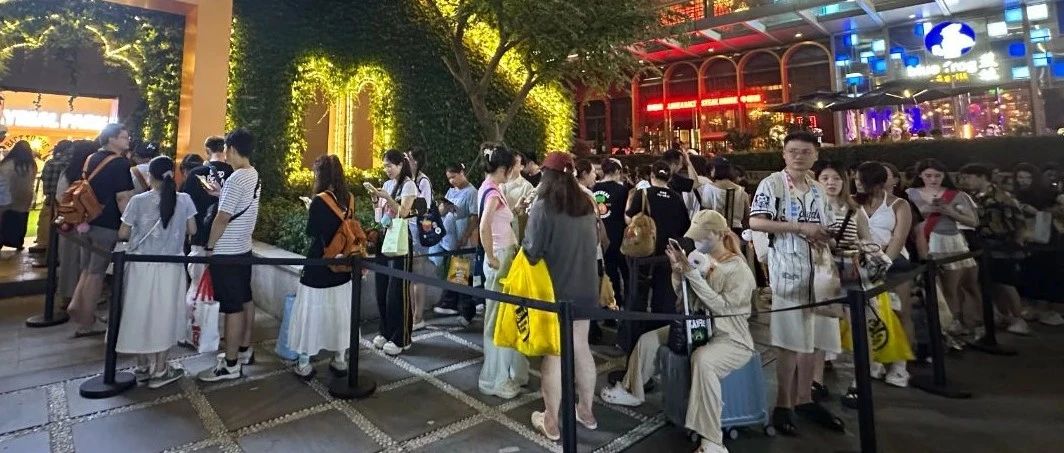
现场直击:STAYREAL PARK来了,五月天粉丝排队9小时扫货
Di Yi Cai Jing· 2025-08-23 13:38
Core Insights - The STAYREAL PARK has successfully attracted a large number of Mayday fans, showcasing the thriving fan economy [1][4] - The pop-up store, themed "Meet the Park, Rush to Shanghai," is part of a creative trend initiated by the STAYREAL brand, founded by Mayday's lead singer Ashin and artist Bu Erliang in 2007 [1][4] - Fans are willing to wait for hours to purchase limited edition items, indicating strong demand and emotional investment in the brand [7][12] Group 1: Event Details - STAYREAL PARK opened on August 23 and has been hosted in over ten cities including Beijing, Hangzhou, Chengdu, and Shenzhen [1] - The pop-up store is located at the century-old clock tower in Changning, Shanghai [1] - The store features limited edition products, which require fans to queue for entry, while regular stores allow immediate access [4] Group 2: Fan Engagement - Many fans reported waiting 2 to 9 hours to enter the store, with some making multiple trips to purchase exclusive items [7][8] - Fans are actively helping each other with purchases and shipping, demonstrating a strong community spirit among Mayday supporters [8][11] - The emotional connection to the band drives fans to engage in purchasing activities, reflecting the underlying logic of fan economy [12]