
适度宽松货币政策

Search documents
2025年人民币贷款增加16.27万亿元
Zhong Guo Zheng Quan Bao· 2026-01-15 20:48
Core Viewpoint - The People's Bank of China (PBOC) has implemented a moderately accommodative monetary policy in 2025, resulting in significant growth in loans and a stable financial environment to support the high-quality development of the real economy [1][4]. Group 1: Loan Growth and Structure - In 2025, the total RMB loans increased by 16.27 trillion yuan, with the total loan balance reaching 271.91 trillion yuan by the end of the year, reflecting a year-on-year growth of 6.4% [1][2]. - The structure of loans has been optimized, with corporate loans being the main driver of growth. Long-term loans to enterprises increased by 8.82 trillion yuan, indicating stable financial support for the real economy [2][3]. - Household loans increased by 441.7 billion yuan, with a notable rise in medium- to long-term loans, which suggests a focus on supporting individual businesses and small enterprises [2]. Group 2: Social Financing and Monetary Supply - By the end of 2025, the total social financing scale reached 442.12 trillion yuan, growing by 8.3% year-on-year, with an annual increase of 3.56 trillion yuan compared to the previous year [3]. - Direct financing accounted for 46.9% of the total financing increase, with government bond net financing at 13.84 trillion yuan, reflecting a strong emphasis on supporting technological innovation and private enterprises [3]. - The broad money supply (M2) reached 340.29 trillion yuan, with an annual growth rate of 8.5%, indicating a conducive monetary environment for economic recovery [3][4].
央行:去年12月CPI同比上涨0.8%,已回升到2023年3月以来最高水平,其中旅游一项2023年以来累计上涨14.4%
Sou Hu Cai Jing· 2026-01-15 09:44
Core Viewpoint - The People's Bank of China (PBOC) has reported positive changes in domestic price levels, indicating a recovery in consumer prices and a narrowing decline in producer prices, which supports the high-quality development of the real economy [1][3]. Group 1: Consumer Price Index (CPI) Trends - As of December 2025, the CPI has increased by 0.8% year-on-year, reaching the highest level since March 2023 [1]. - The core CPI, excluding food and energy, has risen by 1.2% year-on-year, maintaining a growth rate above 1% for four consecutive months [1]. - The Producer Price Index (PPI) has seen a reduction in its year-on-year decline by 1.7 percentage points compared to the low point in July, with a month-on-month increase for three consecutive months [1]. Group 2: Price Changes in Specific Categories - Significant declines have been observed in food and transportation categories, with pork prices dropping by 30% and transportation tool prices decreasing by 11.7% since the beginning of 2023 [3]. - Conversely, prices in education, culture, and entertainment have increased by 3.6%, with tourism prices surging by 14.4%, indicating an ongoing optimization and upgrading of consumer spending structures [3]. Group 3: Macroeconomic Policies and Market Confidence - The synergistic effect of macroeconomic policies is strengthening, with advancements in the domestic unified market and the development of new economic drivers, which are expected to enhance supply-demand matching and boost market confidence [3]. - The PBOC has maintained a supportive monetary policy stance, ensuring ample liquidity and a significant growth in financial totals that outpace nominal GDP growth [3]. - Moving forward, the PBOC aims to implement a moderately accommodative monetary policy to foster stable economic growth and reasonable price recovery, aligning with the central economic work conference's directives [3].

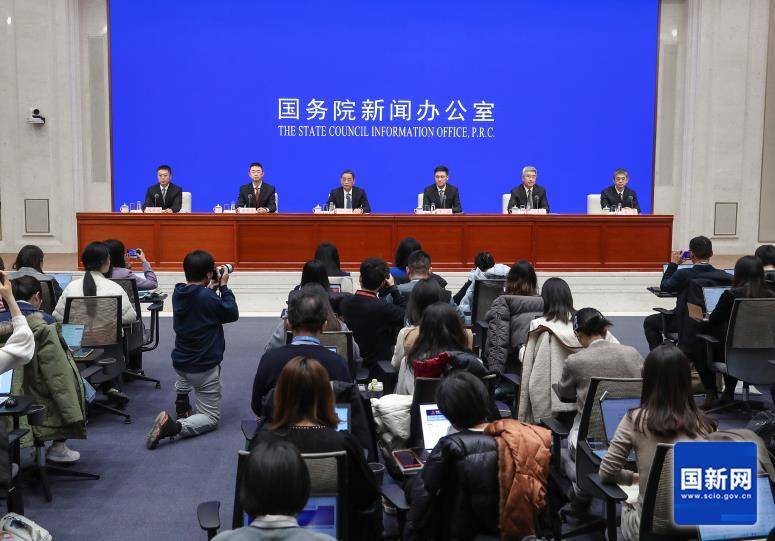
央行邹澜: 将推出结构性降息等八项措施,助力经济结构转型优化
2 1 Shi Ji Jing Ji Bao Dao· 2026-01-15 08:35
Core Viewpoint - The People's Bank of China (PBOC) will continue to implement a moderately accommodative monetary policy until 2026, focusing on counter-cyclical and cross-cyclical adjustments to support the economy's development during the 14th Five-Year Plan period [1] Group 1: Monetary Policy Adjustments - The PBOC plans to lower the interest rates of various structural monetary policy tools by 0.25 percentage points, reducing the one-year relending rate from 1.5% to 1.25% [3] - The PBOC will merge the relending for agriculture and small enterprises with rediscounting, increasing the relending quota for agriculture and small enterprises by 500 billion yuan, with a separate quota of 1 trillion yuan specifically for private enterprises [3] - The quota for relending aimed at technological innovation and technological transformation will be increased from 800 billion yuan to 1.2 trillion yuan, expanding support to private small and medium-sized enterprises with high R&D investment levels [3] Group 2: Support for Specific Sectors - The PBOC will merge the existing private enterprise bond financing support tool and the technological innovation bond risk-sharing tool, providing a total relending quota of 200 billion yuan [4] - The carbon reduction support tool will be expanded to include more projects with carbon reduction effects, such as energy-saving renovations and green upgrades [4] - The support areas for service consumption and elderly care relending will be expanded to include the health industry, based on health industry recognition standards [5] Group 3: Real Estate and Financial Services - The minimum down payment ratio for commercial property loans will be lowered to 30% to support the destocking of the commercial real estate market [6] - Financial institutions will be encouraged to enhance their foreign exchange risk hedging services, providing enterprises with cost-effective and flexible foreign exchange risk management tools [7] - The PBOC will continue to increase liquidity and maintain ample liquidity levels, guiding overnight interest rates to operate near policy rate levels [7]
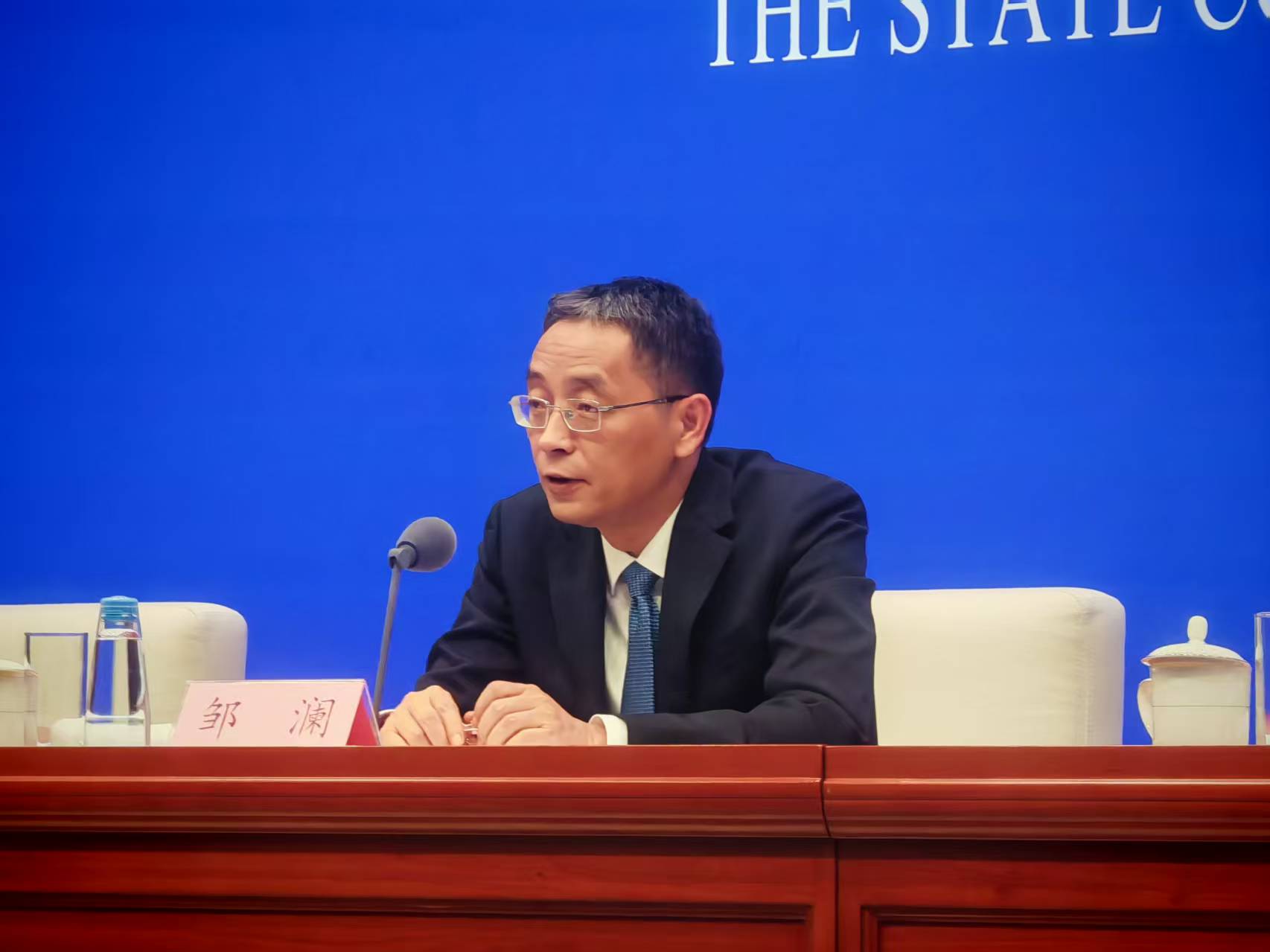
央行:将商业用房购房贷款最低首付比例下调至30%,支持推动商办房地产市场去库存
Sou Hu Cai Jing· 2026-01-15 07:58
Core Viewpoint - The People's Bank of China (PBOC) is set to implement a moderately accommodative monetary policy until 2026, focusing on supporting the high-quality development of the real economy through various structural monetary policy measures [1] Group 1: Monetary Policy Adjustments - The PBOC will lower the interest rates of various structural monetary policy tools by 0.25 percentage points, with the one-year re-lending rate decreasing from 1.5% to 1.25% [3] - The PBOC will merge the quotas for agricultural and small enterprise re-lending and re-discounting, increasing the agricultural and small enterprise re-lending quota by 500 billion yuan, with a separate quota of 1 trillion yuan designated for private enterprises [3] - The quota for re-lending aimed at technological innovation and technological transformation will be increased from 800 billion yuan to 1.2 trillion yuan, expanding support to high R&D investment private small and medium-sized enterprises [3] Group 2: Support for Specific Sectors - A combined risk-sharing tool for bonds of technological innovation and private enterprises will be established, providing a total re-lending quota of 200 billion yuan [3] - The PBOC will expand the support areas for carbon reduction tools to include energy-saving renovations and green upgrades, guiding banks to support comprehensive green transitions [4] - The support areas for service consumption and elderly care re-lending will be expanded to include the health industry, based on health industry recognition standards [4] Group 3: Real Estate and Financial Services - The minimum down payment ratio for commercial property loans will be reduced to 30% in collaboration with the financial regulatory authority, aimed at promoting inventory reduction in the commercial real estate market [4] - Financial institutions are encouraged to enhance their foreign exchange risk management services, providing enterprises with cost-effective and flexible foreign exchange risk management tools [4]
2026经济前瞻:全球宽松大分化,我们该攥紧钱还是抓机遇?
Sou Hu Cai Jing· 2026-01-15 07:38
开年的一则重磅消息,给2026年全球经济蒙上了一层迷雾——美国司法部就美联储总部翻修项目对鲍威尔展开刑事调查,传票与刑事指控威胁接踵而至。鲍 威尔直言这是"借口",本质是施压降息。这场美联储独立性危机,恰是2026年全球货币宽松格局的缩影:不是整齐划一的"大放水",而是充满博弈的"多速 并行"。当美联储宽松路径被政治力量裹挟,欧洲央行暂缓降息,日本央行逆势加息,中国坚守适度宽松,我们该如何看清前路?普通人的钱袋子又该如何 安放? 值得关注的是,全球宽松分化对中国的影响已清晰显现。外汇市场上,2025年人民币已突破7.0整数关口实现升值,2026年预计继续震荡偏强,在岸美元兑 人民币宽幅区间或在6.7-7.3,中枢围绕7.0波动。这对进出口企业和跨境投资者而言,意味着汇率风险管理的重要性提升——出口企业可适度锁定结汇汇 率,进口企业则可把握汇率波动窗口降低成本。资本流动方面,美元流动性宽松叠加人民币升值预期,可能吸引部分外资流入中国资本市场,但需警惕美联 储政策突变引发的短期外流风险。 1% 7 1 post - th as 16 to the z 16 先拆解全球宽松的"分化图谱",这是理解2026年经济的核 ...

连续8个月注入中期流动性,1月买断式逆回购净投放3000亿
第一财经· 2026-01-14 16:01
此前,央行已于1月8日等量续做3个月期买断式逆回购。综合看,1月两个期限品种的买断式逆回购 合计加量续做3000亿元,为央行连续第8个月通过买断式逆回购向市场注入中期流动性。 招联首席研究员董希淼对第一财经表示,1月是银行信贷投放较为集中的月份,也是企业缴税大月, 叠加春节之前取现等因素影响,市场对流动性需求增加。1月买断式逆回购实现净投放,继续向市场 注入流动性,有助于更好地维护市场流动性充裕,保障年初金融市场平稳运行。 此外,1月还将有2000亿元中期借贷便利(MLF)到期。董希淼预计,央行将于1月25日左右开展 2000亿元MLF操作,预计为等量或加量续作,继续向市场投放中期流动性,进一步改善市场流动性 的期限结构。 2026.01. 14 本文字数:1001,阅读时长大约2分钟 作者 | 第一财经 杜川 1月14日,中国人民银行消息称,为保持银行体系流动性充裕,2026年1月15日,中国人民银行将 以固定数量、利率招标、多重价位中标方式开展9000亿元买断式逆回购操作,期限为6个月(181 天)。 根据WIND统计数据显示,1月有6000亿元6个月期买断式逆回购到期,央行1月15日开展9000亿元 买 ...

市场分歧加剧
Tebon Securities· 2026-01-14 12:15
Market Analysis - The A-share market experienced significant volatility with a trading volume approaching 4 trillion, indicating sustained trading enthusiasm [2][3] - The Shanghai Composite Index rose by 1.2% to nearly 4200 points before closing down 0.31% at 4126.09 points, while the Shenzhen Component and ChiNext Index saw increases of 0.56% and 0.82% respectively [3] - The overall market saw 2742 stocks rise and 2591 stocks fall, reflecting a mixed performance across sectors [3] Policy and Structural Trends - The increase in the financing margin ratio from 80% to 100% for new financing contracts is a counter-cyclical adjustment aimed at reducing leverage, which may lead to profit-taking in high-leverage stocks [6][7] - The AI application sector remains strong, with significant gains in stocks related to Pinduoduo and Xiaohongshu, supported by government policies promoting innovation in e-commerce and AI [6][7] - The market is currently in a critical window for policy catalysis and industrial rotation, with a slow bull market expected to continue despite short-term adjustments [12] Bond Market Insights - The bond futures market showed mixed performance, with long-term contracts slightly declining while medium and short-term contracts increased [9] - The central bank maintained a net injection of liquidity, indicating a continued "moderately loose" monetary policy stance, which is expected to support long-term bond investments [9][12] Commodity Market Developments - The commodity index rose by 0.97%, with silver and tin prices increasing by approximately 8%, driven by supply disruptions and strong demand in the semiconductor industry [9][11] - The silver price reached a new high, with London silver surpassing $90 per ounce, benefiting from both financial and industrial demand [9][11] Investment Opportunities - Key sectors to watch include AI applications, commercial aerospace, nuclear fusion, quantum technology, brain-machine interfaces, and consumer goods, all supported by favorable policies and technological advancements [11][12] - The brokerage sector is also highlighted due to increased trading volumes in the A-share market, indicating potential growth opportunities [11]
划重点!部委年度工作会议透露今年要做这五件事
Xin Lang Cai Jing· 2026-01-14 06:06
Core Viewpoint - The 2026 economic development blueprint is shaped by five core themes: expanding domestic demand, strengthening industries, preventing risks, promoting openness, and stabilizing livelihoods [1][16]. Group 1: Macroeconomic Policy Coordination - The macroeconomic policy for 2026 will continue the "proactive fiscal + moderately loose monetary" approach, emphasizing precision, coordination, and sustainability [2][17]. - Fiscal policy will focus on enhancing efficiency and effectiveness, with three highlights: reasonable expansion of expenditure scale, targeted funding allocation, and continuous innovation of policy tools [2][18]. - The monetary policy will maintain a loose stance, with the People's Bank of China emphasizing the importance of promoting high-quality economic development and reasonable price recovery [2][18]. Group 2: Domestic Demand Strategy - Expanding domestic demand is crucial for economic recovery, with measures targeting both consumption and investment [4][19]. - A new consumption upgrade policy will be implemented, focusing on service consumption and optimizing the old-for-new policy for various products [4][19][20]. - The government aims to create an international consumption environment and enhance consumer capabilities through financial support [5][20]. Group 3: Investment Promotion - The National Development and Reform Commission will implement measures to stabilize and improve investment efficiency, including increasing government investment and stimulating private investment [6][21]. - The focus will be on major infrastructure projects and enhancing the role of local government bonds and new policy financial tools [7][21]. Group 4: Industrial Upgrade - The 2026 economic work will prioritize the development of new productive forces and the integration of technological and industrial innovation [8][22]. - Policies will support the upgrading of manufacturing core equipment and the enhancement of strategic emerging industries, with artificial intelligence expected to drive significant investment [8][23]. Group 5: Risk Prevention - Risk prevention efforts will focus on local government debt, real estate, and financial sectors, employing market-oriented and legal methods to mitigate risks [10][25]. - The emphasis will be on orderly resolution of local government debt risks and maintaining financial stability through improved regulatory frameworks [10][26]. Group 6: Livelihood Improvement - Various measures will be introduced to address urgent public concerns in employment, pension, healthcare, and housing [13][27]. - The government will enhance the social safety net and improve the quality of public services, particularly in rural areas [13][28]. Group 7: High-Level Openness - The government will promote high-level openness to counter external uncertainties, focusing on trade innovation and foreign investment attraction [15][29]. - Initiatives will include enhancing free trade zones and deepening cooperation under the Belt and Road Initiative [15][29].
关注证券ETF(512880)投资机会,近5日资金净流入超1.5亿元,政策与流动性形成双支撑
Sou Hu Cai Jing· 2026-01-13 09:47
Group 1 - The Securities ETF (512880) experienced a pullback of over 0.6%, but saw a net inflow of over 150 million yuan in the past five days, supported by both policy and liquidity [1] - The People's Bank of China is refining its moderately loose monetary policy framework and tools, aiming to ensure ample liquidity and reduce the overall financing costs in society [1] - The State Council is promoting policies to stimulate domestic demand through fiscal and financial collaboration, utilizing tools like interest subsidies and guarantees to enhance consumer spending and private investment [1] Group 2 - The China Securities Regulatory Commission is deepening the comprehensive punishment and prevention system for financial fraud in the capital market, enhancing accountability and improving corporate governance and information disclosure quality [1] - The securities industry is benefiting from sustained high trading activity in the market, with leading brokerage firms expected to gain more from the continuous improvement of capital market financing functions [1] - The Securities ETF (512880) tracks the Securities Company Index (399975), which reflects the overall performance of listed companies involved in brokerage, underwriting, and proprietary trading, showcasing the market trends and dynamics of the securities industry [1]
2025年12月物价数据点评:价格改善,政策提质增效
Shanghai Securities· 2026-01-13 08:42
Group 1: CPI Analysis - In December 2025, the Consumer Price Index (CPI) rose by 0.8% year-on-year, an increase of 0.1 percentage points, reaching the highest level since March 2023[7] - Month-on-month, CPI turned positive with a 0.2% increase, reversing a previous decline of 0.1%[14] - Food prices increased by 1.1%, contributing approximately 0.17 percentage points to the year-on-year CPI increase[7] Group 2: PPI Analysis - The Producer Price Index (PPI) decreased by 1.9% year-on-year, but the decline narrowed by 0.3 percentage points compared to the previous month[13] - Month-on-month, PPI rose by 0.2%, marking a continuous increase for three months, with the growth rate expanding by 0.1 percentage points[20] - Key industries such as coal mining and black metal smelting saw a reduction in price decline, indicating some improvement in PPI[22] Group 3: Economic Outlook - The core CPI, excluding food and energy, remained stable at a 1.2% year-on-year increase, maintaining above 1% for four consecutive months, indicating steady demand[16] - The overall low price levels create space for policy adjustments, with expectations for more proactive fiscal and moderately loose monetary policies[29] - The central economic work conference emphasized the need for policies to promote stable economic growth and reasonable price recovery[29] Group 4: Risks - Potential risks include worsening geopolitical events, changes in international financial conditions, and unexpected shifts in US-China policies[32]