
地缘政治

Search documents
俄罗斯人被特朗普打醒:就算是出卖了中国,美国也不可能放过他们
Sou Hu Cai Jing· 2025-12-03 05:23
Core Viewpoint - The article discusses the geopolitical and economic implications of the U.S. sanctions against Russia, highlighting how these measures have inadvertently strengthened the ties between Russia and China, transforming their relationship into a more strategic partnership [1][5][24]. Group 1: U.S. Sanctions and Their Impact - In July, Trump issued a "poison pill" ultimatum to Russia, threatening 100% tariffs if certain conditions were not met, which also extended to countries purchasing Russian oil, with India as a direct warning [1][3]. - The sanctions target major Russian oil companies, aiming to choke off Russia's economic lifeline, as energy exports constitute a significant portion of its foreign exchange income [3][5]. - The U.S. strategy appears to be a geopolitical gamble to not only weaken Russia but also to disrupt its partnership with China, offering potential reconsideration of sanctions if Russia distances itself from China [5][7]. Group 2: Russia's Response and Strategic Shift - Faced with extreme pressure, Russia quickly pivoted its focus towards China, with Putin asserting that the Russia-China relationship is not a temporary measure, dispelling any notions of compromise with the West [11][12]. - The Russian elite have recognized that aligning with the U.S. would not yield friendship but rather further exploitation, leading to a profound strategic awakening across the country [14][16]. - Legislative measures have been enacted in Russia to penalize companies cooperating with U.S. sanctions, effectively closing off any retreat towards the West [16][19]. Group 3: Strengthening Russia-China Cooperation - The energy sector has seen a significant shift, with Russia's oil exports to China increasing from 18% to 45% in 2024, alongside a doubling of natural gas supplies, marking a departure from reliance on European markets [19][21]. - Financial and technological collaborations are intensifying, with the use of the Chinese yuan in trade becoming predominant, gradually diminishing the dominance of the U.S. dollar [21][22]. - Joint initiatives in global governance, such as peace proposals in multilateral forums, reflect a deepening partnership that transcends mere survival tactics, evolving into a robust alliance [24][26]. Group 4: Future World Order - The article posits that the evolving Russia-China alliance is pivotal in shaping a more multipolar and equitable world order, countering U.S. hegemony and its coercive diplomacy [26][28]. - The narrative emphasizes that true allies are those who stand firm in adversity, suggesting a shift away from zero-sum games towards a framework of mutual respect and cooperation [28].


乌克兰危机升级背景下 普京首次访印聚焦能源合作
Sou Hu Cai Jing· 2025-12-03 04:43
Group 1 - Russian President Putin's visit to India on December 4-5 is significant as it marks his first visit post the escalation of the Ukraine crisis and coincides with the 25th anniversary of the Russia-India strategic partnership [1] - Energy cooperation is the core focus of this visit, with Russia expected to supply approximately 634.5 million barrels of oil to India in 2024, accounting for 36.4% of India's total oil imports, allowing India to save around $2.2 billion through discounted prices [3] - Despite U.S. tariffs on Indian imports, India remains committed to maintaining energy security and has no plans to halt oil purchases from Russia, with both nations signaling a strengthening of energy cooperation [3] Group 2 - The visit is expected to result in multiple cooperation agreements in areas such as military procurement, nuclear energy utilization, and Arctic route development, indicating an expansion of Russia-India collaboration into various sectors [3] - India's diplomatic diversification is accelerating in response to U.S. tariff pressures, with a focus on deepening cooperation with Russia and exploring new markets in Latin America and West Asia [4] - The deepening of Russia-India cooperation is seen as a strategic alignment to address international changes, which could reshape bilateral relations and have profound implications for the global energy market and geopolitical balance [4]
综合晨报-20251203
Guo Tou Qi Huo· 2025-12-03 02:41
1. Report's Industry Investment Ratings - No specific industry investment ratings are provided in the report. 2. Core Views of the Report - The overall market shows a complex and diversified trend, with different commodities having their own supply - demand situations, price trends, and influencing factors. For most commodities, the short - term trend is mainly volatile, and investors need to pay attention to various influencing factors such as supply - demand changes, policy adjustments, and geopolitical situations [2][3] 3. Summary by Commodity Categories Energy Commodities - **Crude Oil**: API data shows an increase in US refined oil and crude oil inventories. External market oil prices fell more than 1% on Tuesday. Although the SPM - 3 of the Caspian Pipeline Consortium is expected to resume operation earlier than planned, the supply - demand surplus expansion determines that the oil price center has downward pressure [2] - **Fuel Oil and Low - Sulfur Fuel Oil**: High - sulfur fuel oil's feed demand was previously boosted by coking profits and quota shortages, but the early issuance of crude oil quotas may divert feed demand. Low - sulfur fuel oil is pressured by the weakening of refined oil cracking. The short - term supply pressure of both has been relieved, but the medium - term supply is still in a loose pattern [19] - **Asphalt**: The domestic asphalt market shows a regional differentiation in spot prices. The weekly shipment volume has been below 400,000 tons since the middle of the month, and the commercial inventory destocking rhythm has slowed down significantly. It is expected that BU will continue to be weak [20] Precious Metals - **Precious Metals**: Overnight, precious metals fluctuated with large intraday volatility. Silver's upward momentum slowed after hitting a record high, and gold broke through the previous high. Overall, precious metals should be treated as volatile, and chasing high prices should be cautious. Platinum has a supply gap this year, and palladium's supply - demand is expected to be in a tight balance, with platinum performing stronger than palladium [3] Base Metals - **Copper**: Overnight, LME copper fluctuated and closed down, approaching the short - term moving average. SHFE copper shows certain resilience in the previous trading intensive area of 88,300 - 88,500 yuan. Long positions can be held based on the MA5 moving average [4] - **Aluminum**: Overnight, SHFE aluminum fluctuated at a high level. The social inventory of aluminum ingots in major regions has increased slightly for two consecutive days, and the spot discount has slightly widened. The aluminum market's fundamental contradictions are limited, and the seasonal inventory performance is neutral. The casting aluminum - alloy and SHFE aluminum price gap may narrow at the end of the year [5] - **Alumina**: Overnight, alumina hit a new low since listing. The domestic operating capacity is at a historical high, the inventory and exchange warehouse receipts are rising, and the supply - surplus pattern is difficult to change. It will mainly operate weakly before large - scale production cuts [6] - **Zinc**: The domestic fundamentals show a decline in both supply and demand, while overseas zinc ingots are in short supply. LME zinc is operating at a high level, and the export window is open, pulling up the domestic market. The bottom support of zinc is strong, but consumption is restricted. SHFE zinc is expected to fluctuate in the range of 22,200 - 23,000 yuan/ton [7] - **Lead**: The LME lead inventory is at a high level, and the import window is open, transmitting the overseas surplus pressure to the domestic market. The domestic social inventory is at a low level of 35,000 tons, and the subsequent inventory accumulation pressure is limited. SHFE lead is expected to fluctuate in the range of 17,000 - 17,500 yuan/ton [8] - **Tin**: Overnight, LME tin closed down, and SHFE tin fluctuated with a positive line above 300,000 yuan. It is not recommended to chase high prices, and medium - and long - term short positions can be paired with hedging strategies [9] - **Industrial Silicon**: The industrial silicon market is driven down by the correction of polysilicon prices. The current supply - demand shows a double - weak pattern, and the price is expected to continue to fluctuate. The subsequent focus should be on the price trend of DMC [10] Ferrous Metals - **Steel (Thread and Hot - Rolled Coil)**: Night - session steel prices declined. Thread's apparent demand and production both decreased slightly, and inventory continued to decline. Hot - rolled coil's demand declined, production continued to rise, and inventory decreased slowly. The overall steel mills are in a loss state, and the supply pressure will gradually ease. The steel price is expected to continue the rebound trend with fluctuations [12] - **Iron Ore**: The iron ore market shows a relatively loose supply - demand situation. The global shipment is strong, the domestic arrival volume is high, and the port inventory is in an accumulating trend. The demand for iron ore has the possibility of further weakening. The market expects policy benefits, and the short - term trend is mainly volatile [13] - **Coke**: The intraday coke price fluctuated strongly. The market has certain expectations for downstream restocking. The carbon element supply is abundant, and the downstream demand has some resilience. The coke price is expected to maintain the rebound rhythm in the short term [14] - **Coking Coal**: The intraday coking coal price fluctuated strongly. The market may expect downstream restocking. The overall carbon element supply is abundant, and the downstream demand has some resilience. The coking coal price is expected to fluctuate strongly in the short term [15] - **Manganese Silicon**: The intraday manganese silicon price fluctuated. The spot price of manganese ore has increased due to the rebound of the futures market. The supply of silicon manganese is decreasing, and the inventory is slowly accumulating. The bottom support strength needs to be observed [16] - **Silicon Ferrosilicon**: The intraday silicon ferrosilicon price fluctuated. The market expects a decrease in power costs and semi - coke prices. The overall demand has some resilience. The supply of silicon ferrosilicon is decreasing, and the inventory is slightly decreasing. The bottom support strength needs to be observed [17] Chemical Commodities - **Urea**: The urea futures price continued to fluctuate upward. The production enterprises are continuously reducing inventory, and short - term exports relieve some supply - side pressure. The market is expected to continue to fluctuate within a certain range [21] - **Methanol**: The night - session methanol price fell slightly. The port inventory is expected to remain at a high level, and the production enterprises are accumulating inventory. The market is in a state of multi - empty game, and it is expected to continue to fluctuate within a certain range in the short term [22] - **Pure Benzene**: The pure benzene futures price continued to fluctuate at a low level. The weekly device operating rate decreased slightly, the domestic arrival volume is expected to be high, and the downstream demand decreased. The market is expected to continue the low - level fluctuation pattern [23] - **Styrene**: The cost side of styrene is under pressure due to the continuous inventory accumulation expectation of pure benzene. The supply - demand structure is stable, and it is expected to run weakly in the short term [24] - **Polypropylene, Plastic, and Propylene**: Propylene's chemical - downstream demand has some support, and the price has a slight upward trend. The overall supply of polyethylene changes little, and the downstream demand is weak. The supply of polypropylene is expected to increase slightly, and the short - term demand is weak [25] - **PVC and Caustic Soda**: PVC shows an oscillating trend. The export situation may improve, and the supply pressure may ease. It is expected to operate in a low - level range. Caustic soda shows an oscillating and weakening trend, with high supply pressure and insufficient downstream demand [26] - **PX and PTA**: The prices of PX and PTA are driven down by the decline in oil prices. PTA continues to reduce production, and the short - term demand impact is negative. PX is expected to be strong in the medium term, and PTA is expected to continue the cost - driven logic before the Spring Festival [27] - **Ethylene Glycol**: The weekly production of ethylene glycol decreased, and the supply has marginal improvement. The price is mainly volatile, but it is expected to continue to accumulate inventory around the Spring Festival, and the medium - term trend is weak [28] - **Short Fiber and Bottle Chip**: Short fiber has no new investment pressure, and the price mainly fluctuates with raw materials. Bottle chip demand weakens, and the production efficiency is still poor. The long - term pressure is over - capacity, and the price is mainly cost - driven [29] Agricultural Commodities - **Soybeans and Soybean Meal**: The South American soybean planting progress is different, with Brazil normal and Argentina slow. The domestic soybean supply is sufficient, the soybean meal inventory has risen to a high level, and the price is under pressure. The 05 contract has reached the upper edge of the oscillation range, and the upward breakthrough needs further observation [33] - **Soybean Oil and Palm Oil**: Palm oil is in a state of inventory accumulation, with supply reduction having marginal benefits. The price is expected to be in a range - bound state. Soybean oil is expected to be supported by the expected strong performance of US soybeans [34] - **Rapeseed and Rapeseed Oil**: The rapeseed price continues to oscillate at the bottom. Rapeseed meal demand is weak, and rapeseed oil is mainly in the process of inventory reduction. The short - term price is expected to oscillate within a range [35] - **Soybean No. 1**: Domestic soybeans show a sideways and slightly strong oscillation. High - protein soybeans have a tight supply, and US soybeans are expected to be strong. The short - term focus should be on the domestic spot market and policy guidance [36] - **Corn**: The spot price drives the corn futures to oscillate at a high level. The supply - demand mismatch still exists, and the short - term 01 contract should be observed, while the 03 and 05 contracts should wait for a callback [37] - **Hogs**: Hog futures fluctuate narrowly, and the spot price continues to decline slightly. The short - term supply and demand are both under pressure, and the medium - term price is likely to have a second bottom - testing [38] - **Eggs**: Egg futures rose sharply during the day and then fell back. The far - month contracts are not recommended to chase high prices, and the near - month contracts may oscillate weakly [39] - **Cotton**: US cotton prices fell slightly. The domestic cotton supply pressure is not large, and the new cotton sales progress is fast. After the breakthrough of Zhengzhou cotton, the industry can pay attention to hedging opportunities, and the operation should be temporarily observed [40] - **Sugar**: International sugar supply is relatively sufficient, and the US sugar price is under pressure. The domestic sugar production in the 25/26 season is expected to be relatively good, and the subsequent production situation should be concerned [41] - **Apples**: The apple futures price oscillates at a high level. The short - term price is strong due to the decrease in inventory, but the long - term far - month contracts may have inventory pressure. The focus should be on the inventory reduction situation [42] - **Wood**: The wood futures price oscillates. The low inventory provides certain support, and the operation should be temporarily observed [43] - **Pulp**: The pulp futures price rose sharply yesterday. The domestic port inventory is still at a high level, and the demand is weak. The medium - term trend is expected to be in the range - bound state, and the operation should be temporarily observed or short - term [44] Financial Futures - **Stock Index Futures**: The A - share market fell with reduced trading volume, and the index futures contracts all closed down. The short - term macro - liquidity factor is uncertain, and the strategy should be mainly observation and defense [45] - **Treasury Bond Futures**: Treasury bond futures oscillate and consolidate. The bond market sentiment is generally cautious, and the short - term bond market is difficult to break through the oscillating market. The long - end interest rate lacks the basis for a large - scale increase, and the yield curve may flatten slightly [46]
最新民调:九成委内瑞拉民众认为美威胁意在石油
Yang Shi Xin Wen Ke Hu Duan· 2025-12-03 00:35
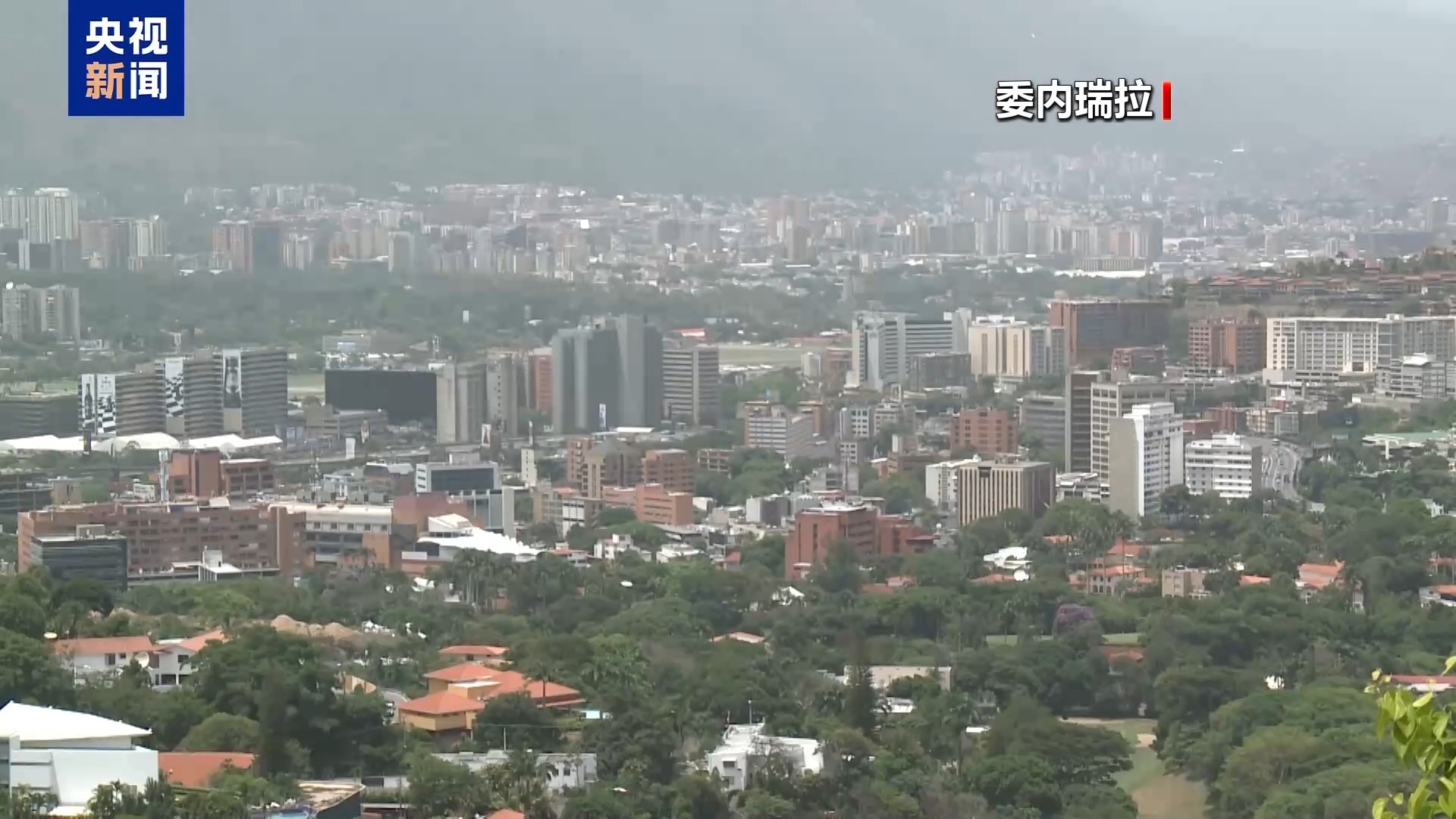
民调还强调,大多数民众认为,任何外国侵略行为都是出于经济和地缘政治动机,而不是人道主义因素。(总台记者 邓雪梅) 当地时间2日,委内瑞拉一家知名民调公司公布的民调结果显示,90%的委内瑞拉受访者认为,美国对委内瑞拉可能进行军事干预的真正目的是推翻总统马 杜罗,以夺取委内瑞拉的石油和其他自然资源。 ...
“九成委内瑞拉民众认为美威胁意在石油”
第一财经· 2025-12-03 00:23
2025.12. 03 本文字数:269,阅读时长大约1分钟 据央视新闻,当地时间2日,委内瑞拉一家知名民调公司公布的民调结果显示,90%的委内瑞拉受访 者认为,美国对委内瑞拉可能进行军事干预的真正目的是推翻总统马杜罗,以夺取委内瑞拉的石油和 其他自然资源。 民调还强调,大多数民众认为,任何外国侵略行为都是出于经济和地缘政治动机,而不是人道主义因 素。 万科突发公告,一笔境内债将寻求展期 特朗普积极暗示哈塞特为下任美联储主席;俄总统助理:目前暂无乌克兰问题妥协方案;外交部:任 何外部势力胆敢介入台海事务,我们必将迎头痛击丨早报 微信编辑 | 七三 第 一 财 经 持 续 追 踪 财 经 热 点 。 若 您 掌 握 公 司 动 态 、 行 业 趋 势 、 金 融 事 件 等 有 价 值 的 线 索 , 欢 迎 提 供 。 专 用 邮 箱 : bianjibu@yicai.com (注:我们会对线索进行核实。您的隐私将严格保密。) 推荐阅读 更多最新消息: ...

美军锁死加勒比,中国能源危险了?
Sou Hu Cai Jing· 2025-12-02 23:14
"为了和平,我们要开会讨论对委行动。"12月1日,特朗普的表态充满讽刺——就在他召开白宫会议的当天,美国已在加勒比海集结14艘军舰、1.5万名 军人,还被曝出对贩毒船幸存者"赶尽杀绝"的战争罪嫌疑。这场由防长赫格塞思、国务卿鲁比奥等核心人物参与的会议,看似是针对委内瑞拉的"缉毒行 动升级",实则是特朗普在拉美搅局的一步棋,而中国与委内瑞拉的能源合作、在拉美的地缘布局,正被美国悄悄盯上,这波操作背后的算计,值得我们 高度警惕。 先剥离与中国无直接关联的"美国内部乱局":这是一场权责甩锅的政治闹剧。9月2日的缉毒行动中,防长赫格塞思下达"不留活口"的口头命令,导致两 名幸存者被二次打击致死,美国参众两院已启动调查,多名议员直言这是"战争罪"。特朗普却公开表示"不希望看到二次打击",一边为赫格塞思辩护, 一边把责任推给军方,这种"甩锅式切割",不过是为了规避国内政治压力。而美国两党围绕军事行动合法性的争论,本质是党派斗争的延续,和中国没 有直接关系。 真正关乎中国的,是两条"利益红线"。其一,中委能源合作的中断风险。委内瑞拉是中国在拉美重要的能源合作伙伴,中企不仅参与委石油勘探开发, 还通过"石油换贷款"协议,每年 ...
中辉有色观点-20251202
Zhong Hui Qi Huo· 2025-12-02 05:22
1. Report Industry Investment Ratings - Gold: Long - term holding recommended [1] - Silver: Not recommended to chase high in the short - term, long - term long positions to hold [1] - Copper: Long - term holding recommended [1] - Zinc: Short - term rebound, long - term sell on rallies [1] - Lead: Short - term stabilization [1] - Tin: Short - term relatively strong [1] - Aluminum: Short - term rebound [1] - Nickel: Rebound under pressure [1] - Industrial Silicon: Range - bound [1] - Polysilicon: Cautiously bullish [1] - Lithium Carbonate: Cautiously bullish [1] 2. Core Views of the Report - Gold and silver: Gold is supported by geopolitical uncertainties and central bank purchases in the long - term. Silver has a long - term supply - demand gap but is not suitable for short - term chasing due to high volatility and inventory changes [1][3] - Copper: Copper has reached a record high, not recommended to chase high blindly, but is bullish in the medium - to - long - term due to supply shortages and strategic value [1][6] - Zinc: Zinc shows a short - term rebound but is expected to have increased supply and decreased demand in the long - term, so sell on rallies [1][9] - Aluminum: Aluminum prices show a short - term rebound with ongoing inventory reduction [1][10] - Nickel: Nickel price rebound is under pressure due to high inventory and weak downstream demand [1][17] - Lithium Carbonate: Lithium carbonate maintains inventory reduction and is expected to be in a high - level shock, with opportunities to go long after the shock [1][20] 3. Summaries According to Related Catalogs Gold and Silver - **Market Review**: COMEX silver has a short - term rally due to delivery squeeze, with a nearly 10% increase this week. Gold is affected by silver's movement [2] - **Core Logic**: Fed's potential rate - cut, weak US economic data, long - term supply - demand gap in silver, and long - term bullishness in gold due to global monetary environment and geopolitical factors. Short - term high volatility in silver makes it not suitable for chasing [3] - **Strategy Recommendation**: Short - term focus on support levels (gold at 935, silver at 12600), long - term value - oriented positions to hold, short - term trading to be cautious [3] Copper - **Market Review**: Both Shanghai and LME copper prices have reached record highs, with speculative capital inflows [4] - **Core Logic**: Global copper concentrate supply is tight, production decline, inventory changes, and potential tariff expectations. Copper is a strategic resource and has substitution value [5][6] - **Strategy Recommendation**: Do not chase high blindly, gradually move stop - profit for long positions, beware of high - level decline. Bullish in the medium - to - long - term. Short - term focus on price ranges (Shanghai copper: [88000, 91000] yuan/ton; LME copper: [10800, 11500] dollars/ton) [6] Zinc - **Market Review**: Shanghai zinc shows a volatile and upward trend [7] - **Core Logic**: Domestic zinc concentrate processing fees decline, production and consumption are in a weak state in the short - term, inventory reduction in the off - season, and potential impact from environmental inspections [8] - **Strategy Recommendation**: Zinc shows a short - term rebound, sell on rallies in the long - term. Focus on price ranges (Shanghai zinc: [22500, 23000] yuan/ton; LME zinc: [3000, 3100] dollars/ton) [9] Aluminum - **Market Review**: Aluminum prices continue to rebound, while alumina is in a weak position [10][11] - **Core Logic**: Overseas electrolytic aluminum production reduction, inventory reduction in domestic aluminum ingots, and improvement in downstream demand. Alumina supply is in an over - supply situation [12] - **Strategy Recommendation**: Short - term take profit and wait and see, pay attention to inventory changes. Main operating range for Shanghai aluminum is [21000 - 22100] [13] Nickel - **Market Review**: Nickel price rebound is under pressure, and stainless steel rebounds and then falls [14][15] - **Core Logic**: Potential production reduction in Indonesia, high inventory levels, and weak downstream stainless steel demand in the off - season [16] - **Strategy Recommendation**: Take profit on dips and wait and see, pay attention to stainless steel inventory changes. Main operating range for nickel is [116000 - 119000] [17] Lithium Carbonate - **Market Review**: The main contract LC2605 has a short - term rally and then falls back [18][19] - **Core Logic**: Continuous inventory reduction for 15 weeks, high terminal demand, and potential for production increase. Price is expected to be in a high - level shock [20] - **Strategy Recommendation**: Go long on pullbacks in the range of [94000 - 98000] [21]
全面分析2025年印度天然气过滤器市场
Sou Hu Cai Jing· 2025-12-02 04:44
来源:弈赫市场咨询 目标受众与阅读价值 北京弈赫国际信息咨询有限公司是一家业务覆盖全球的利基市场信息咨询公司,研究涉及了21个主要行业和1200个利基市场,覆盖了70多个国 家,一直致力于产出专业严谨的行业趋势分析,数据洞察,市场研究和解决方案。百度搜索yiheconsult或者弈赫咨询,访问官网获扫码加工作人 员可获得免费报告样本。 本报告的主要受众群体包括天然气过滤器的制造商、供应商、分销商、终端用户及投资者。此外,涉及能源与环保政策的政府机构、高等院校及研究机构也 将从中获得宝贵的信息。阅读这份报告的价值在于,它不仅提供了市场规模、趋势和增长预测,还深入分析了行业面临的挑战和机遇。了解这些信息能帮助 企业决策者和投资者更好地制定战略,以应对不断变化的市场需求。 市场主要参与者概述 在印度天然气过滤器市场中,主要参与者包括国内外知名企业。市场竞争激烈,各厂商通过技术创新、服务质量和价格优势争夺市场份额。一些知名品牌如 XXX公司和YYY公司在技术研发和产品质量方面具有明显优势,而新兴企业则可能通过灵活的市场策略和定制化服务来争取客户。分析这些市场参与者的 战略与动态,将有助于把握行业发展方向及趋势。 产业 ...

烯石电车新材料拟出售于美国的石墨烯生产项目
Zhi Tong Cai Jing· 2025-12-02 04:14
Core Viewpoint - The company has entered into an agreement to grant a purchase option to M2i Global, Inc. for the sale of its subsidiary Graphex Technologies LLC, which focuses on graphene products in North America [1][2] Group 1: Agreement Details - The seller, Happy Growth Group Limited, will grant a purchase option for a cash consideration of $500,000 (approximately HKD 3.9 million) [1] - The buyer can request the seller to sell 100% of the issued and outstanding limited liability units of the subsidiary for a total price of $100 million (approximately HKD 780 million) [1] Group 2: Strategic Rationale - The board anticipates significant challenges for future investments in the U.S. due to geopolitical tensions, including the Inflation Reduction Act and export restrictions from China [2] - The potential sale is viewed as the most favorable option for enhancing shareholder value, leveraging the seller's expertise to mitigate risks for the buyer entering the U.S. market [2] Group 3: Operational Insights - The construction and operation of the facility are expected to significantly enhance the buyer's value and stock price [2] - The existing team is deemed capable of providing essential design and technical support without incurring significant additional costs, allowing the company to focus on its expansion plans in China [2]
烯石电车新材料(06128)拟出售于美国的石墨烯生产项目
智通财经网· 2025-12-02 04:10
Group 1 - The company, Graphene Electric Vehicle Materials (06128), announced an agreement for the sale of its subsidiary, Graphex Technologies LLC, to M2i Global, Inc., involving a cash option price of $500,000 (approximately HKD 3.9 million) [1] - The sale includes the potential transfer of 100% of the issued and outstanding limited liability units of the subsidiary for a total consideration of $100 million (approximately HKD 780 million), to be paid in cash and shares [1] - The subsidiary specializes in the development, manufacturing, and sales of graphene products in North America [1] Group 2 - The board anticipates significant challenges for future investments in the U.S. due to geopolitical tensions, including the Inflation Reduction Act and export restrictions from China on graphite products [2] - The potential sale is viewed as the most favorable option for enhancing shareholder value, with the unique products of the facility expected to significantly increase the buyer's stock value [2] - The structured framework of the sale aims to leverage the seller's expertise to mitigate risks for the buyer entering the U.S. market, ensuring a seamless transfer of critical non-patented know-how [2] - The existing team is deemed capable of providing the necessary design and technical support without incurring significant additional costs, allowing the company to focus on its expansion plans in China [2]