
货币政策

Search documents
美国2025年12月CPI同比上涨2.7% 预计美联储本月大概率维持利率不变
Sou Hu Cai Jing· 2026-01-13 14:07
Core Insights - The U.S. Consumer Price Index (CPI) rose by 2.7% year-on-year in December 2025, while the core CPI, excluding volatile food and energy prices, increased by 2.6% [1] - Morgan Stanley's analysis indicates that the inflation data for December may contain "technical noise" due to the prolonged government shutdown, potentially diminishing its value in predicting the Federal Reserve's future policy direction [1] - Concerns about the independence of the Federal Reserve have arisen amid a criminal investigation involving its chairman, Jerome Powell [1] Economic Indicators - The job market in the U.S. is currently experiencing weak hiring, yet persistent inflation concerns may compel the Federal Reserve to be more cautious in deciding whether to ease monetary policy in 2026 [1] - According to the CME Group's "FedWatch Tool," there is a 95% probability that the Federal Reserve will maintain interest rates at its upcoming meeting this month [1]
【UNforex财经事件】关键通胀数据前夕 黄金进入高位盘整阶段
Sou Hu Cai Jing· 2026-01-13 09:56
当前市场的观望情绪,主要集中在即将公布的12月美国消费者价格指数。市场普遍预计,12月CPI环比 增幅为0.3%,同比增速维持在2.7%;剔除食品和能源因素后的核心CPI同比或小幅回升至2.7%。交易层 面普遍认为,通胀数据与预期之间的差异,将直接影响市场对1月28日美联储会议政策立场的判断,并 放大美元及贵金属的短线波动。在数据公布前,黄金多头普遍选择放缓节奏,避免进行激进押注。 整体来看,在美元短线企稳以及CPI关键风险事件临近的背景下,黄金运行节奏转入高位整理阶段。但 从政策不确定性、地缘局势以及利率预期等基本面因素出发,支撑金价的中期逻辑并未发生实质性变 化,价格回调过程中仍具备吸引配置型资金介入的条件。 地缘政治因素同样对黄金回调空间形成约束。伊朗国内局势持续动荡,美国方面近期释放出更为强硬的 政策信号,包括潜在军事行动选项以及新的贸易与关税威胁。特朗普周一晚间表示,任何与伊朗保持贸 易往来的国家,其输美商品都可能面临额外关税安排。这一表态进一步加剧了市场对地区稳定性的担 忧。在地缘不确定性维持高位的背景下,避险资金对黄金的配置需求依然稳固,成为金价维持高位运行 的重要支撑来源。 UNforex 1 ...
美联储时隔47年再现“临时主席”?鲍威尔遭刑事调查,共和党“内讧”!关键参议员表态:反对特朗普所有人事任命
Sou Hu Cai Jing· 2026-01-13 09:09
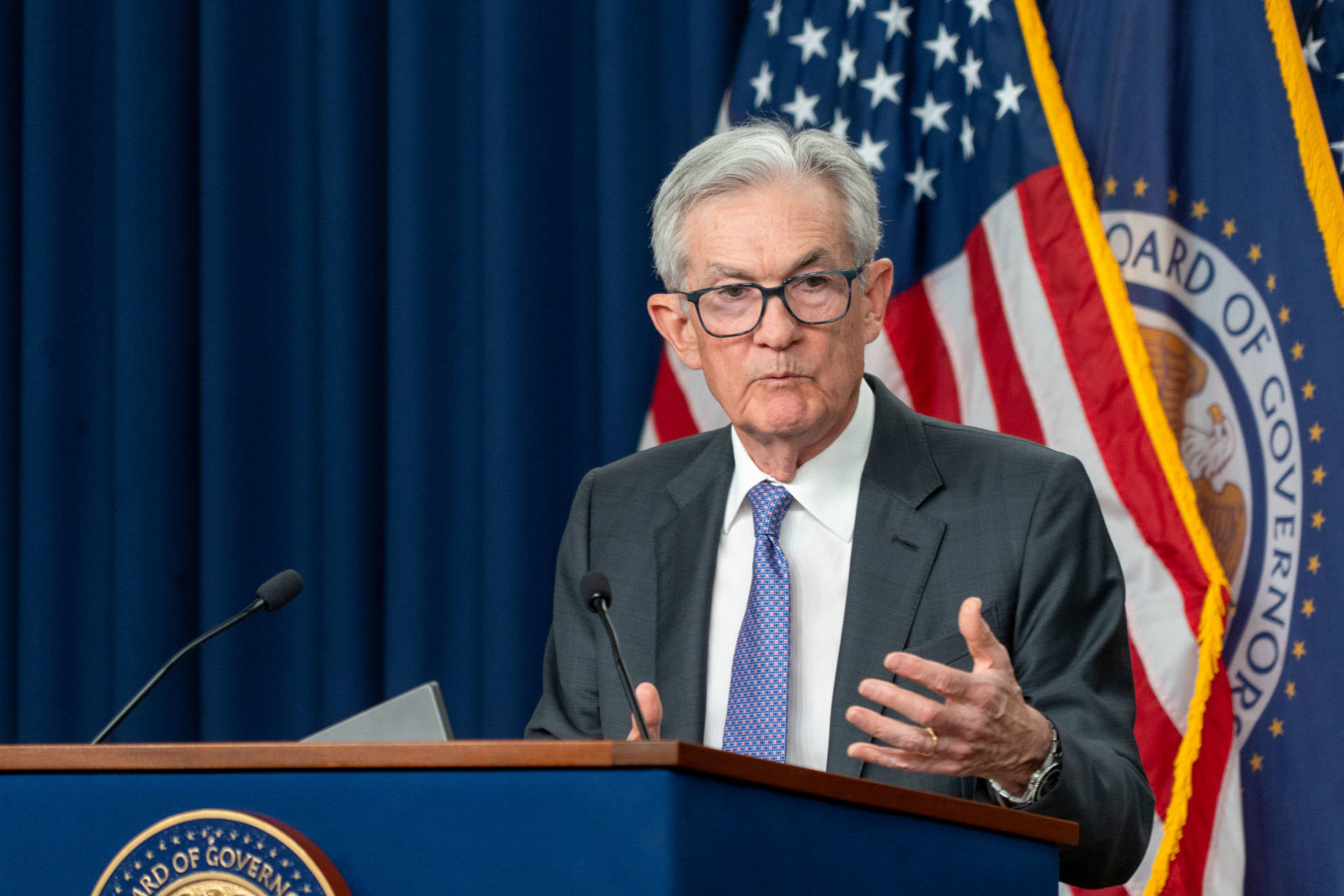
鲍威尔 图片来源:新华社发(李源清摄) 一纸大陪审团传票,让鲍威尔成为首位遭刑事调查的在任美联储掌舵人。 这场由美联储总部翻新工程超支引发的风波,已演变为一场围绕货币政策主导权与美联储独立性的激烈博弈。 随着共和党内部就调查事件出现"倒戈"情况,有参议员直接表示,将反对特朗普所有提名人选。参议院是否将对下一任美联储主席提名和投票流程按下"暂 停键"?下一任美联储主席是否会因此陷入"难产"困局? 鲍威尔的强硬姿态,是否预示着他将打破惯例留任理事?如果下一任美联储主席提名在参议院投票陷入僵局,鲍威尔是否会成为美联储时隔47年以来的又一 位"临时主席"? 鲍威尔成首位遭刑事调查的在任美联储 主席 对现任美联储主席进行刑事调查,这在美国历史上是前所未有的。 事件的焦点直指美联储总部马里纳·埃克尔斯大楼(Marriner S. Eccles Building)翻新工程。该项目自2022年破土动工,预计2027年完工。但项目预算目前已 升至近25亿美元,超支近7亿美元。 根据美联储的说法,这两栋建于1930年代的建筑自落成以来从未进行过全面翻新,存在石棉和铅污染等问题,并且需要改造以符合残疾人无障碍法律的要 求。 美联储 ...

【白银期货收评】沪银日内上涨5.90% 地缘担忧至国内情绪再升温
Jin Tou Wang· 2026-01-13 08:19
Group 1 - The core viewpoint of the articles indicates that the investigation into Federal Reserve Chairman Powell by the U.S. Department of Justice has led to a significant increase in metal prices, particularly silver, which saw a daily increase of over 14% [2] - The Shanghai silver futures price closed at 21,004 yuan per kilogram on January 13, with a daily increase of 5.90% and a trading volume of 1,141,819 contracts [1] - The current market sentiment is bullish for silver, with the Shanghai silver premium expanding to 2,200 yuan per kilogram, driven by geopolitical concerns and heightened emotions in the market [2] Group 2 - New York Fed President Williams projected that the U.S. economy will remain healthy through 2026, suggesting no immediate need for interest rate cuts [2] - The Federal Open Market Committee (FOMC) has shifted monetary policy closer to a neutral stance, which is expected to support labor market stability and help inflation return to the 2% target [2] - The investigation into Powell has caused market volatility, with potential implications for his willingness to relinquish power [2]
穆迪首席经济学家称特朗普可负担性政策将推高房价:忽视了基本的经济学
Xin Lang Cai Jing· 2026-01-13 07:31
Core Viewpoint - Moody's Chief Economist Mark Zandi warns that President Trump's directive for Fannie Mae and Freddie Mac to purchase $200 billion in mortgage-backed securities may backfire, leading to increased home prices rather than addressing the severe housing affordability issue in the U.S. [1][5] Group 1: Economic Implications - Trump's claim that the directive will restore affordability and the "American Dream" by lowering monthly payments is criticized by Zandi as ignoring basic economics [1][5] - Following the directive, U.S. fixed mortgage rates fell by 10-20 basis points to just above 6%, but Zandi cautions that this relief is misleading [6] - Zandi believes that while lower rates may support housing demand, the severe housing shortage means that this stimulus will likely lead to rising home prices under unchanged conditions [6] Group 2: Federal Reserve Conflict - Zandi highlights a deeper institutional conflict related to the Federal Reserve, noting that despite the Fed's return to quantitative easing in December, it still allows for early payments and maturities of its mortgage-backed securities (MBS) [6][7] - The directive for government-sponsored enterprises (GSEs) to purchase these bonds effectively undermines the Fed's efforts to manage its mortgage portfolio [7] Group 3: Historical Context and Risks - Zandi questions the overreach of executive power in monetary policy, suggesting that it is more concerning than market mechanisms [3][7] - He warns that the re-expansion of Fannie Mae and Freddie Mac's balance sheets, which Trump touts as a great decision, poses a dangerous regression [3][7] - Zandi expresses concern that the principal limits imposed on these institutions after the 2008 financial crisis are gradually eroding, which could lead them back to their pre-crisis role as "giant hedge funds" [4][7]
市场屏息以待CPI数据 金价4500-4600美元窄幅震荡
Jin Tou Wang· 2026-01-13 06:04
今日周二(1月13日)亚盘时段,国际黄金市场冲高回落,多空分歧加剧。截至发稿,伦敦金现报4584.07 美元/盎司,较前一交易日收盘价下跌14.57美元,跌幅0.32%,盘中曾短暂触及4600美元/盎司整数关口 后遇阻回落。 摘要今日周二(1月13日)亚盘时段,国际黄金市场冲高回落,多空分歧加剧。截至发稿,伦敦金现报 4584.07美元/盎司,较前一交易日收盘价下跌14.57美元,跌幅0.32%,盘中曾短暂触及4600美元/盎司整 数关口后遇阻回落。 中长期而言,黄金的基本面依然稳健。全球范围内,"去美元化"趋势不断加强,各国央行特别是新兴市 场国家如中国、印度等持续增加黄金储备,显示出对黄金长期价值的认可,这为金价提供了坚实的底部 支撑。同时,地缘政治紧张局势和不断攀升的全球债务水平增强了黄金作为避险资产的地位。汇丰银行 预测,在这些因素共同作用下,到2026年上半年,金价有望达到5000美元/盎司。此外,美国经济面临 的制造业疲软及消费挑战也预示着未来更宽松的货币政策环境,有利于黄金价格上涨。 【要闻速递】 综上所述,当前影响黄金走势的关键因素是美国12月CPI数据,短期内需密切关注4500美元/盎司关口 ...
权益走强,国债期货全线收涨
Hua Tai Qi Huo· 2026-01-13 05:17
国债期货日报 | 2026-01-13 权益走强,国债期货全线收涨 市场分析 2026年期货市场研究报告 第1页 请仔细阅读本报告最后一页的免责声明 宏观面:(1)宏观政策:10月27日,央行时隔近十个月宣布重启公开市场国债买卖操作,向市场释放了明确的稳 预期信号; 12月8日政治局会议明确实施更加积极的财政政策和适度宽松的货币政策,释放宽货币信号;中央经济 工作会议提出,2026年财政政策方面继续实施更加积极的财政政策,货币方面继续实施适度宽松的货币政策,灵 活高效运用降准、降息及结构性政策工具,为"十五五"良好开局提供稳定的宏观政策环境。(2)通胀:11月CPI同比 上升0.7%。 财政:(3)11 月一般公共预算收入在高基数影响下同比放缓,但全年收入进度仍偏快,第一本账完成压力不大, 财政托底能力仍在。支出端呈现出降幅明显收窄的特征,前期预算内资金逐步转化为实际支出,结构上更加向民 生和投资于人倾斜,基建相关支出边际改善但整体仍偏弱。政府性基金收入继续受地产拖累,但专项债发行提速 带动支出同比转正,对广义财政形成支撑。整体来看,当前财政体现为稳总量、调结构、托底为主,短期对经济 形成一定支撑,但更强拉动 ...
鲍威尔被起诉后,美联储三把手发声:美联储没有面临改变利率的强大压力
美股IPO· 2026-01-13 04:16
Core Viewpoint - New York Fed President John Williams emphasizes the importance of central bank independence, warning that attacks on it can lead to negative economic consequences, including high inflation. He asserts that the current monetary policy stance is robust and does not require short-term adjustments to interest rates, with GDP growth projected at 2.5%-2.75% in 2026 and inflation expected to return to the 2% target by 2027 [1][4][5]. Group 1 - Williams defends Fed Chair Jerome Powell amid legal challenges, stating that the current monetary policy effectively supports labor market stability and aims to bring inflation back to the long-term target of 2% [3][4]. - He projects inflation to peak between 2.75% and 3% in the first half of the year, averaging 2.5% for the year, and returning to the 2% target by 2027 [4][5]. - Williams highlights that the Federal Open Market Committee (FOMC) has adjusted its monetary policy stance to a more neutral level, indicating no immediate urgency for rate cuts [6][8]. Group 2 - He stresses the importance of achieving the 2% inflation target without causing unnecessary risks to the labor market, noting that recent data shows increased downside risks to employment and reduced upside risks to inflation [7][9]. - Williams acknowledges the political pressure on the Fed to lower interest rates significantly, despite the current inflation being above target levels [8][9]. - He believes that the market's relatively calm response to the ongoing political and legal issues reflects uncertainty about how these matters will resolve, which limits significant asset price fluctuations [9].
“钟才平”连发重磅文章,有何深意
21世纪经济报道· 2026-01-13 04:10
Core Viewpoint - The series of articles by "Zhong Caiping" published in the People's Daily serves as a significant indicator of the government's economic strategy for 2026, emphasizing the importance of adapting economic policies to local conditions and addressing current challenges in economic governance [1][4]. Summary by Relevant Sections Economic Work Principles - The articles cover essential principles and key areas of economic work, including adapting economic strategies to local conditions, promoting consumption and investment, and enhancing macroeconomic governance [3][4]. Policy Interpretation - The article titled "Enhancing Policy Integration Effects to Improve Macroeconomic Governance Efficiency" highlights the new emphasis on stabilizing economic growth and ensuring reasonable price recovery as key considerations for monetary policy [6]. It discusses the need for a forward-looking and scientific approach to monetary policy in 2026, aiming for a balance between liquidity and economic growth [6]. Consumption and Investment - The article "Coordinating Consumption and Investment to Build a Strong Domestic Market" argues that investment and consumption should not be seen as mutually exclusive but rather as mutually reinforcing elements of economic growth [8]. It emphasizes the importance of maintaining fiscal stimulus and expanding government investment to achieve a growth target of around 5% in 2026 [8][9]. Real Estate Development - The article "Using Livelihood Improvement to Open New Development Space" discusses the potential for high-quality development in the real estate sector, noting that there remains significant unmet housing demand among urban residents [11][12]. It suggests that real estate will continue to play a crucial role in driving domestic demand and economic growth [12]. Employment and Income - The articles stress the need to promote a virtuous cycle of employment, income, consumption, and investment, with a focus on implementing plans to increase urban and rural residents' incomes [12]. This includes reforms in income distribution and fiscal policies to support low-income groups [12].

国际银等待反弹动能 威廉姆斯对美经济前景乐观
Jin Tou Wang· 2026-01-13 04:08
Group 1 - The international silver market is currently experiencing fluctuations, with prices trading above $84.29, opening at $85.16, and showing a decline of 0.81% to $84.47 as of the latest report [1] - The highest price reached was $85.39, while the lowest dipped to $83.40, indicating a short-term oscillating trend in silver prices [1] Group 2 - New York Federal Reserve President John Williams noted that inflation is influenced by tariffs, rising approximately 0.5 percentage points, primarily borne by the American public, but the underlying trend remains favorable without widespread price pressures [2] - He anticipates that inflation will peak in the first half of 2026 and gradually decline, returning to the 2% target level by 2027 [2] - Williams expressed optimism about the U.S. economic growth rate, projecting it to be between 2.5% and 2.75%, while emphasizing that monetary policy is currently "closer to neutral" and future decisions will depend strictly on data [2] - He highlighted the need for the Federal Reserve to balance controlling inflation with avoiding employment shocks as inflation risks diminish and employment market risks increase [2] Group 3 - Silver prices reached a high of around $86 recently, closing at $84.5, suggesting potential for adjustment while maintaining a bullish trend [3] - Support levels for silver are identified at $83.00 and $81.35, with resistance levels at $85.60 and $87.00 [3]